Some walks are about getting your steps in, while others make you forget you were counting them in the first place.
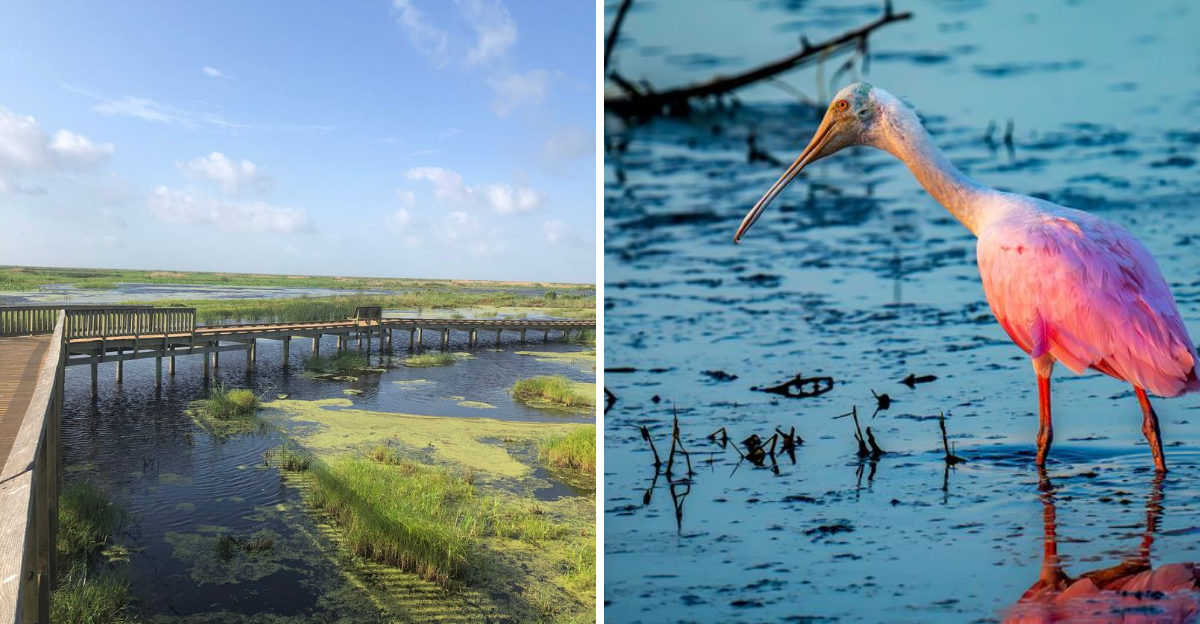
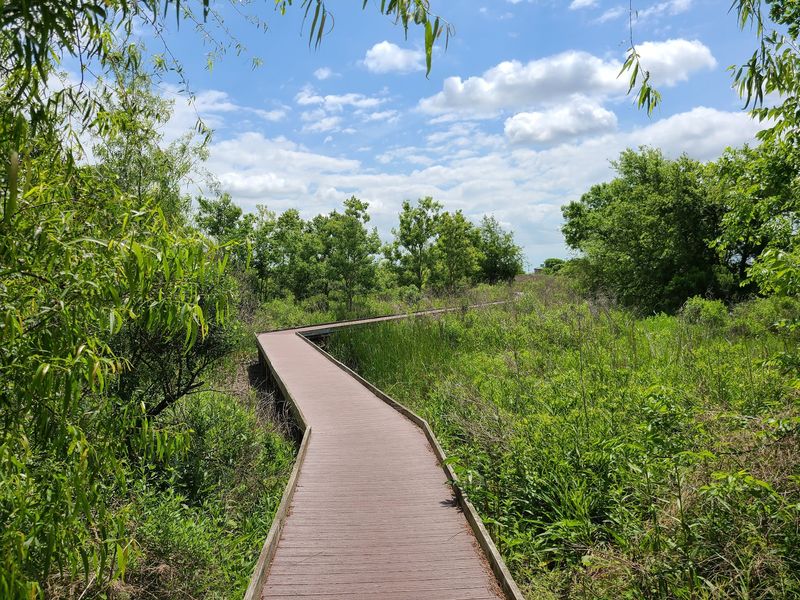
At this Texas wildlife refuge, a 220-meter boardwalk stretches into a freshwater marsh and ends at an observation platform, giving visitors a close look at a landscape filled with birds and other wildlife without requiring a serious hike.
Depending on the season, egrets, herons, ibis, roseate spoonbills, waterfowl, and even alligators can be spotted around the pond, so staring into the distance suddenly becomes a perfectly reasonable activity.
For a Texas outing built around slowing down instead of squeezing in as much as possible, this boardwalk makes doing very little feel surprisingly rewarding.
A boardwalk built for unhurried moments
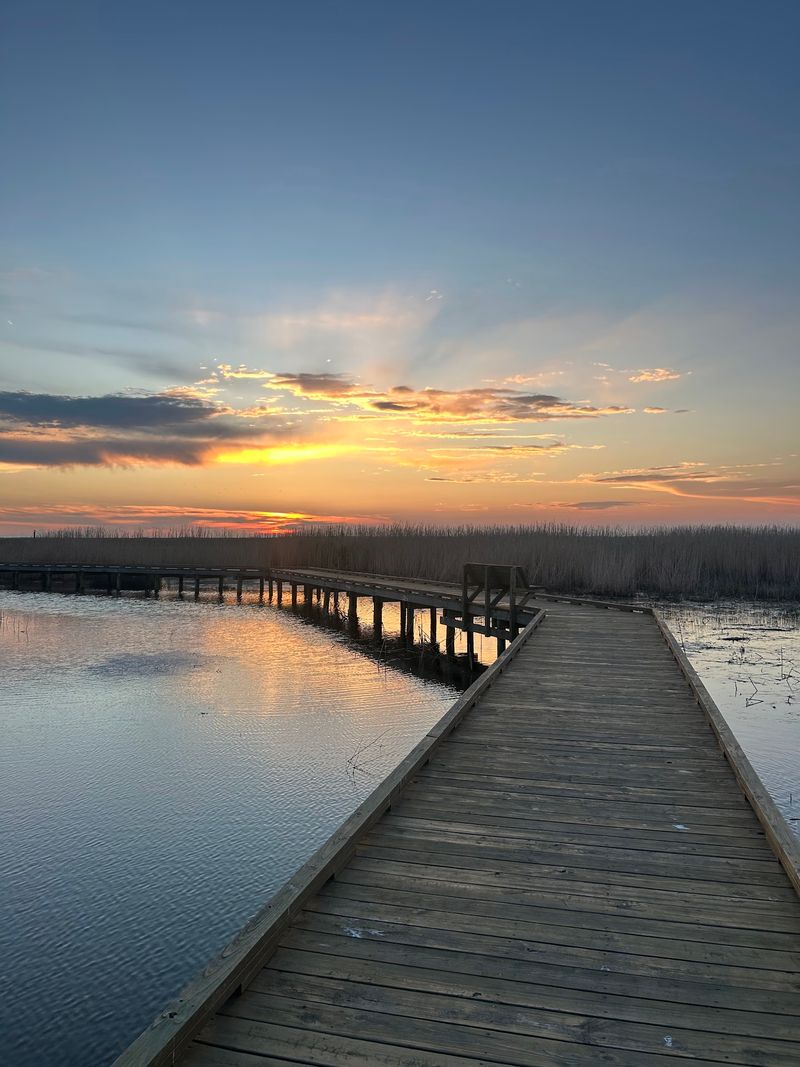
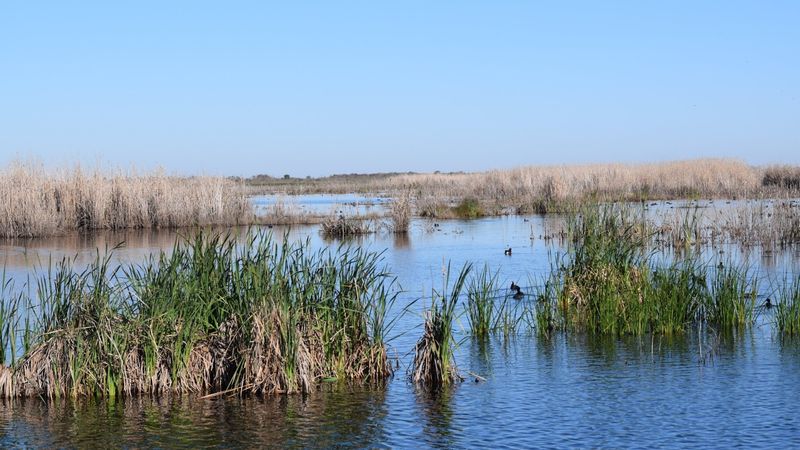
A wooden path over a Texas marsh has a charming way of slowing even the quickest walker. Near Shoveler Pond, a short boardwalk reaches toward open water and provides a steady viewing place above grasses, reeds, and muddy edges where animals feed.
Farther along the Lake Anahuac Trail, another boardwalk runs for about one quarter mile.
Neither route demands athletic skill or special hiking experience. The ground is generally flat, and the main challenge is remembering to stop often enough to notice small changes in the landscape.
A ripple may belong to a turtle, while a dark shape beside the bank could be an alligator resting almost perfectly still.
Early morning usually brings softer light, cooler air, and active birds. Late afternoon adds warm colors across the marsh, although visitors should allow enough time to return before the refuge closes at dusk.
Comfortable closed shoes remain useful because nearby paths may hold mud, loose gravel, or damp grass.
Carry binoculars if available, but do not let equipment turn the outing into a contest. Listening can be just as rewarding as looking.
Rails call from thick cover, insects buzz near flowering plants, and wind brushes through the prairie with a dry whisper.
Boardwalk railings create convenient support for careful viewing and photography. Keep hands, food, and loose items away from wildlife, and never reach toward an animal.
A slow pace protects the refuge while allowing its quiet details to appear naturally, one patient minute at a time.
Marsh birds steal the show
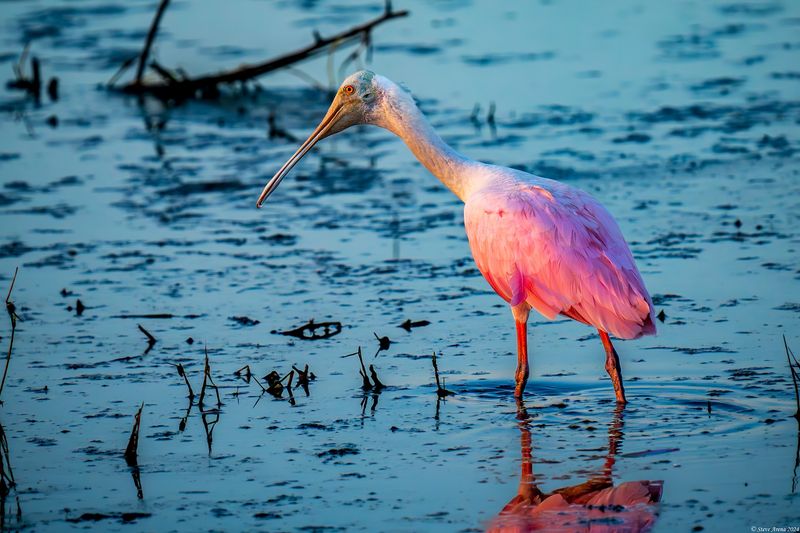
Color suddenly matters more when a Roseate Spoonbill sweeps its unusual bill through shallow water. Its pink feathers stand out against olive reeds and brown mud, making the bird easy to enjoy even without expert identification skills.
White Ibis, Glossy Ibis, White-faced Ibis, herons, and egrets may share the same feeding areas.
Jocelyn Nungaray National Wildlife Refuge is recognized as a Globally Important Bird Area and an international shorebird reserve site. Those titles reflect the value of its coastal wetlands, where resident species and long-distance travelers find food, shelter, and places to rest.
The refuge is also known as a place where every North American rail species may occur, including the secretive Black Rail.
Successful birdwatching begins with calm movement. Pause near open water, scan the shoreline, and then check reed tops, fence posts, and distant trees.
Birds often reveal themselves after the landscape has been watched quietly for several minutes.
A field guide or identification app can help, yet beginners should focus first on size, color, bill shape, and behavior. Notice whether a bird wades, dives, circles overhead, or flicks its tail.
Those simple clues are easier to remember than a long list of names.
Keep voices low and remain on approved paths and platforms. Approaching nests or feeding birds can cause stress and waste energy they need for survival.
From the boardwalk, patient observers can watch the marsh continue its daily routine without interrupting the very scene that made the visit special.
Migration changes the entire landscape
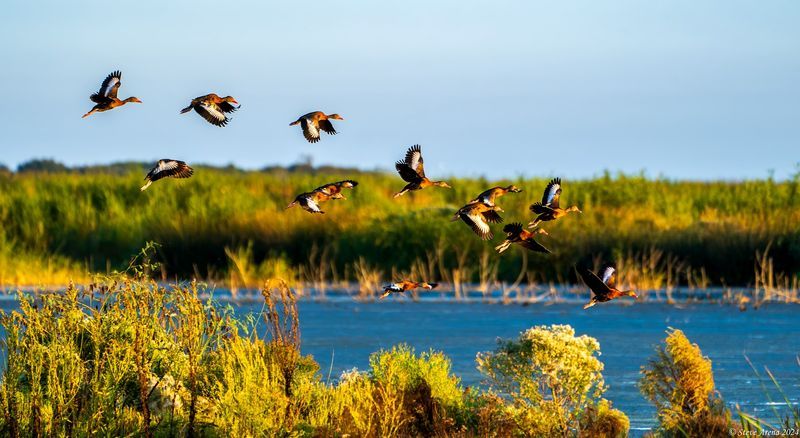
One season may fill the water with ducks, while another brings tiny songbirds into leafy pockets along the coast. Spring and autumn migration transform the refuge into a vital rest stop for birds moving across the Gulf region.
Some spring travelers arrive after a nonstop flight from the Yucatan Peninsula and urgently need shelter and food.
Wooded trails become especially interesting during those migration periods. Hackberry Trail, Willows Trail, Woodlot Trail, and Live Oak Trail at the Skillern Tract provide different mixtures of brush, trees, and open edges.
Woodlot Trail is particularly associated with neotropical songbirds, including the bright Prothonotary Warbler.
Fall and winter create a different spectacle. Tens of thousands of ducks and geese may use refuge habitats, with Northern Shovelers, Canvasbacks, Redheads, and Mottled Ducks among the possible sightings.
American Bitterns may blend into winter vegetation so neatly that an apparently empty patch of reeds deserves another look.
Check recent refuge notices before traveling because weather, habitat work, and seasonal conditions can affect access. Pack a light layer during cooler months, plus sun protection during every season.
Coastal temperatures can shift quickly when wind crosses open water.
Migration rewards flexible expectations. A famous species may never appear, yet a Mississippi Kite, Black Tern, warbler, or flock of shorebirds can turn an ordinary pause into the day’s favorite moment.
Record the date and habitat along with each sighting, since those details create a richer memory and help explain why the bird was present.
Alligators add a wild edge
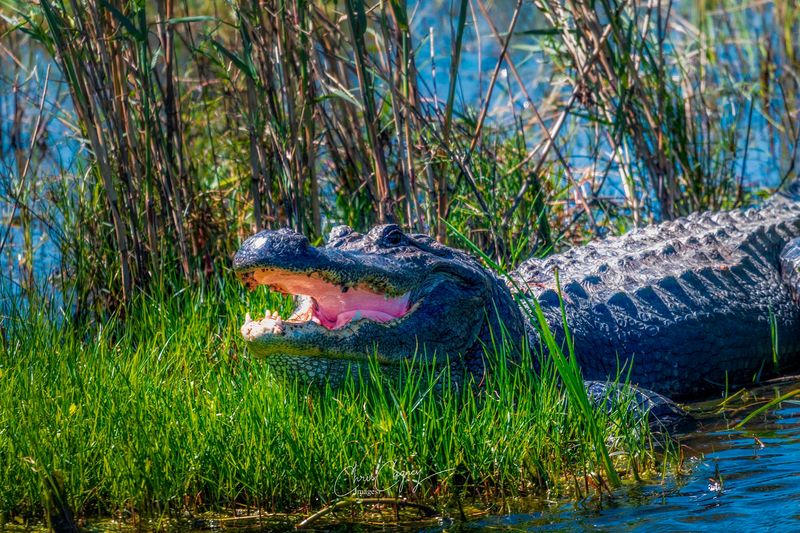
A ridged back floating near the reeds can look like an old log until it turns or slips beneath the surface. American alligators are regularly seen around refuge ponds, bayous, and marsh channels.
Some adults may appear with young, offering an unforgettable view that also calls for extra care and generous distance.
Boardwalks, overlooks, and vehicles provide safer places for observation. Never feed an alligator, move closer for a photograph, or stand between an animal and the water.
Feeding causes alligators to connect people with food, creating danger for visitors and serious consequences for the animal.
Dogs must remain leashed and close to their handlers. Keep pets away from shorelines and thick vegetation, where an alligator may be difficult to spot.
Children also need steady supervision, even when the water looks quiet and no wildlife appears nearby.
The marsh holds much more than its largest reptile. Turtles bask along sunny edges, snakes move through grass or water, and bullfrogs call from wet areas.
Mammals such as nutria, raccoons, rabbits, coyotes, otters, and bobcats inhabit the broader refuge, although many stay hidden during busy daylight hours.
Wildlife should always control the encounter. If an animal changes direction, raises its head, moves away, or appears alert to human presence, increase the distance immediately.
A long camera lens or binoculars produces a better experience than a close approach. Respectful watching preserves natural behavior and leaves the marsh calm for the next visitor, along with every creature that depends on it.
The driving loop offers an easier view
Some of the finest wildlife views begin through an open car window rather than at a trailhead. Shoveler Pond Auto Tour Loop covers roughly 2.6 miles and passes productive wetland habitat used by waterfowl, rails, wading birds, and alligators.
The vehicle becomes a useful blind because many animals are accustomed to seeing its familiar outline.
Drive slowly, use designated pullouts, and watch carefully for people walking or biking. Stopping in the travel lane can block others or create unsafe conditions, particularly on narrow sections.
Engines should remain quiet whenever practical, and doors should close gently near feeding birds.
The refuge includes about 15 miles of interior roads for wildlife observation. Together, those routes allow visitors with limited mobility, young children, or little time to experience coastal prairie and marsh without completing a long hike.
Binoculars kept within reach make distant movement easier to inspect.
Rain can affect unpaved surfaces, while maintenance or habitat projects may temporarily alter access. Check official alerts before departure and follow every posted closure.
Fuel, basic supplies, and a charged phone are sensible preparations because services are limited within the refuge.
A vehicle tour still benefits from patience. Scan each pond from near to far, inspect grassy banks, and look above the horizon for hawks, falcons, or Bald Eagles.
Lower speeds reveal details that disappear during a hurried pass, including a rail crossing the road or dragonflies gathering above a ditch. The loop works best as a moving observation deck, not a shortcut to the exit.
Butterflies bring color close to home
Not every memorable creature requires binoculars or a long lens. Around the Butterfly Garden, flashes of orange, yellow, black, and blue move between flowers at arm’s length.
More than 60 butterfly species have been identified across the refuge, and abundant dragonflies add metallic colors and quick aerial turns.
The refuge is recognized as a Monarch Waystation, supporting butterflies during their remarkable seasonal journeys. Native flowering plants offer nectar, while host plants give caterpillars the specific leaves they need.
A garden may look decorative, but it also functions as a small service station within a much larger migration route.
Warm, bright, and relatively calm conditions usually make butterfly watching easier. Stand beside flowers rather than leaning over them, then wait for insects to settle.
Slow movement helps prevent a colorful subject from leaving just before the camera focuses.
Macro photography is enjoyable here, although a phone can capture strong images when held steadily and kept at a respectful distance. Avoid touching wings or moving insects onto better backgrounds.
Their delicate scales and legs can be damaged by handling.
Families can turn the garden into a simple observation game by noting wing patterns, flight styles, and favorite flowers. No collecting is needed.
Sketches and photographs preserve discoveries without removing anything from the habitat.
After spending time near the blooms, inspect sunny trail edges and patches of sheltered vegetation. Butterflies often gather where warmth and food meet, while dragonflies patrol ponds and wet ditches.
Their small dramas offer a lively contrast to the broad, still marsh beyond.
Simple planning keeps the day comfortable
Coastal scenery feels peaceful, but the sun can become surprisingly strong across open prairie and water. Bring plenty of drinking water because potable water is not available on the Main Refuge or Skillern Tract.
A refillable bottle, broad hat, sunscreen, insect protection, and light clothing can make a long visit far more comfortable.
The refuge is generally accessible from dawn to dusk and does not charge an entrance fee. Restrooms are available, though locations and operating conditions should be confirmed through current official information.
The seasonal Visitor Information Station off FM 1985 may provide maps, brochures, restrooms, and visitor services.
Start with a map and choose a route suited to the weather, available time, and mobility needs. Flat trails may be easy, yet heat and humidity add effort quickly.
Rest before fatigue becomes a problem, especially when traveling with children or older adults.
Pack snacks securely and carry all waste out or place it in proper bins. Never leave food scraps, since even small amounts can attract raccoons and other animals.
Leashed dogs are allowed in designated areas, but owners should bring water for them and clean up promptly.
Cell service may vary, so save directions and refuge information before arriving. Tell someone the planned route when exploring quieter sections.
During storms, return to a safe vehicle or building rather than remaining on an exposed boardwalk.
Preparation should remain simple, not fussy. Water, sun protection, sturdy footwear, binoculars, and patience cover most needs.
With those basics handled, attention can stay on cloud reflections, distant bird calls, and the welcome absence of everyday noise.
A protected coast with a meaningful name
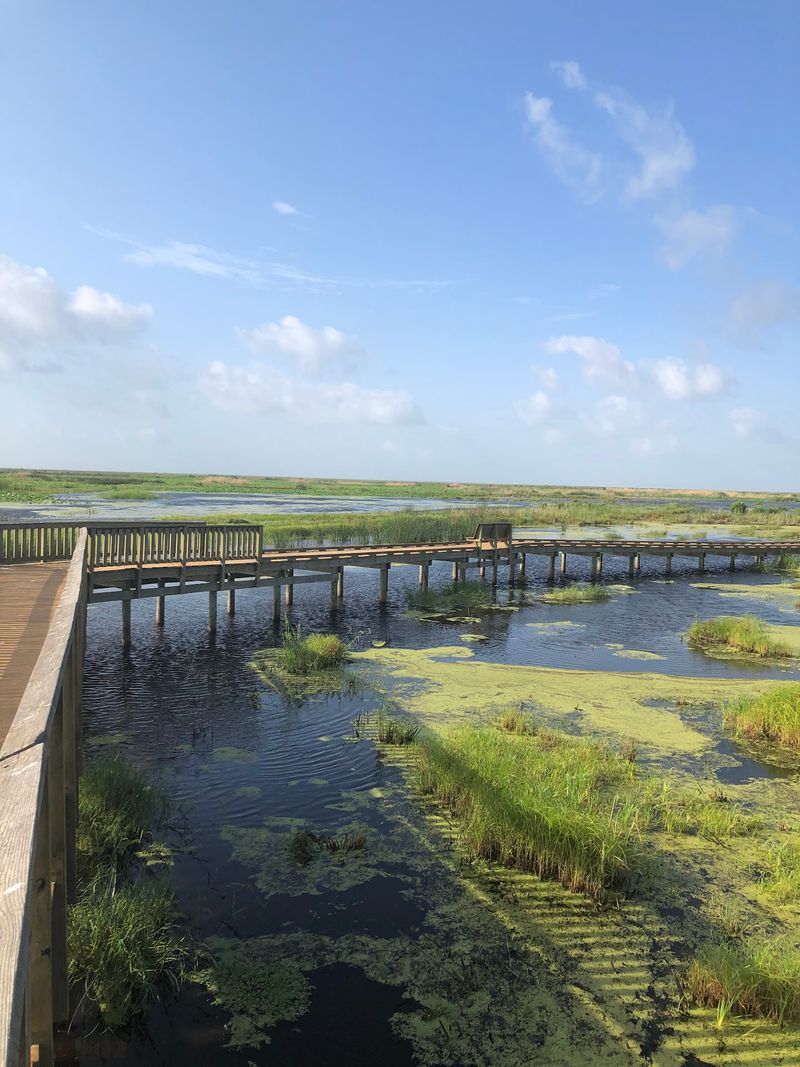
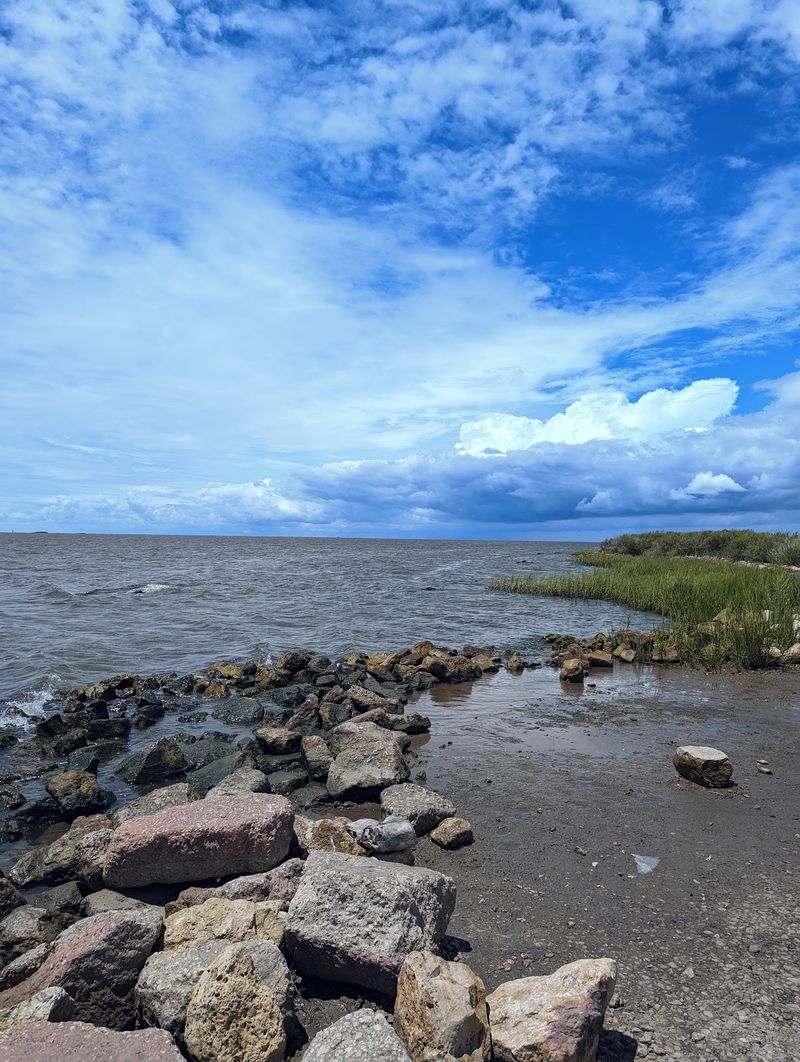
Wide horizons make the purpose of this protected land easy to understand. Coastal marshes absorb water, support fisheries, shelter migrating birds, and provide homes for animals that cannot thrive in developed places.
Across roughly 34,000 to 39,000 acres, refuge staff protect wetlands and prairies through careful water management, prescribed fire, cooperative grazing, and moist soil management.
The site was long known as Anahuac National Wildlife Refuge. A secretarial order renamed it Jocelyn Nungaray National Wildlife Refuge on March 10, 2025, and federal law codified the name on July 24, 2025.
The name honors Jocelyn Nungaray, a 12-year-old Houston girl who cherished nature and wildlife.
That history gives a quiet visit added meaning without changing what makes the refuge remarkable. Sunrises spread pale color across bay water, evening light turns grasses gold, and birds continue routes followed across generations.
Protection allows those everyday natural rhythms to endure.
Visitors help by staying on approved routes, following fishing or crabbing permit rules, respecting closed areas, and leaving plants and animals undisturbed. Even a dropped wrapper can travel far in coastal wind, so every loose item should be secured.
Photography should never require crossing a barrier or disturbing wildlife.
Before leaving, allow a final pause at an overlook instead of rushing directly to the road. The last sight may be an ibis returning to roost, an alligator cutting a line through still water, or the sky widening above the prairie.
Such moments explain why slow travel belongs here.
Address: 4318 FM1985, Anahuac, TX 77514
