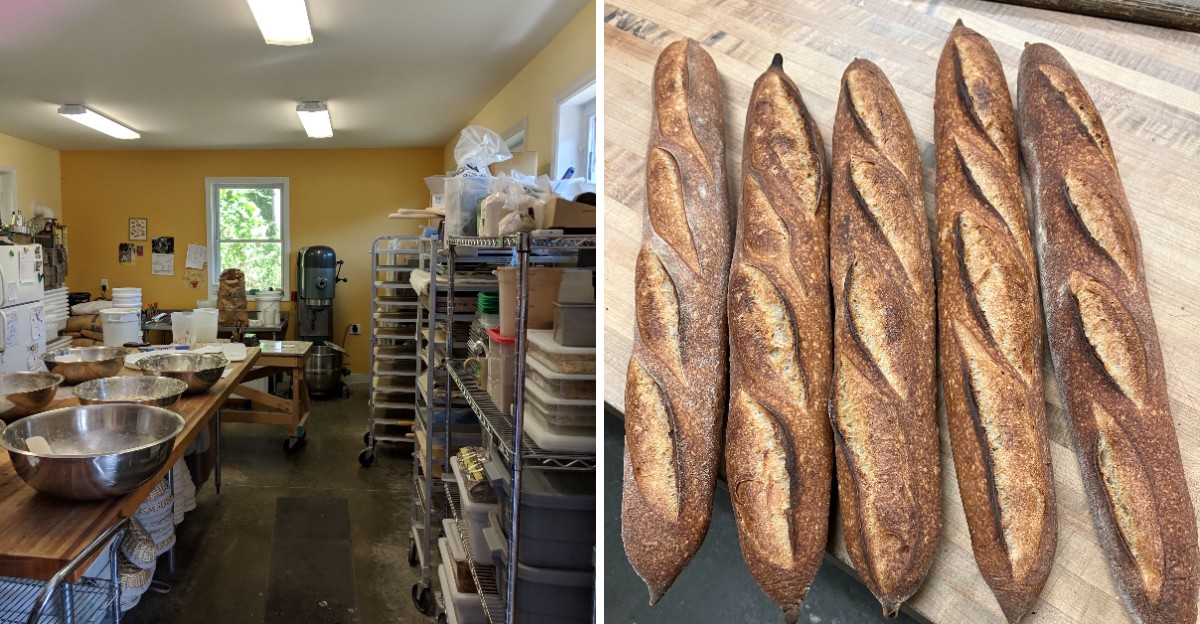
The mill is doing the quiet work. The oven gets all the attention.
That seems fair. This Indiana bakery takes organic wheat, rye, and kamut, grinds them in a Danish stone mill, and turns the fresh flour into loaves baked inside a massive wood-fired oven.
A solar array helps power the operation, adding an unexpectedly modern detail to an otherwise old-fashioned process. The bakery itself sits in a wooded rural setting and keeps a small footprint.
The bread does not. A recent ranking placed it No. 1 in the state, which makes the whole setup even more curious.
How does a tiny bakery pull off something this ambitious? The answer starts with very good flour.
Indiana’s Only Wood-Fired, Solar-Powered Brick Oven
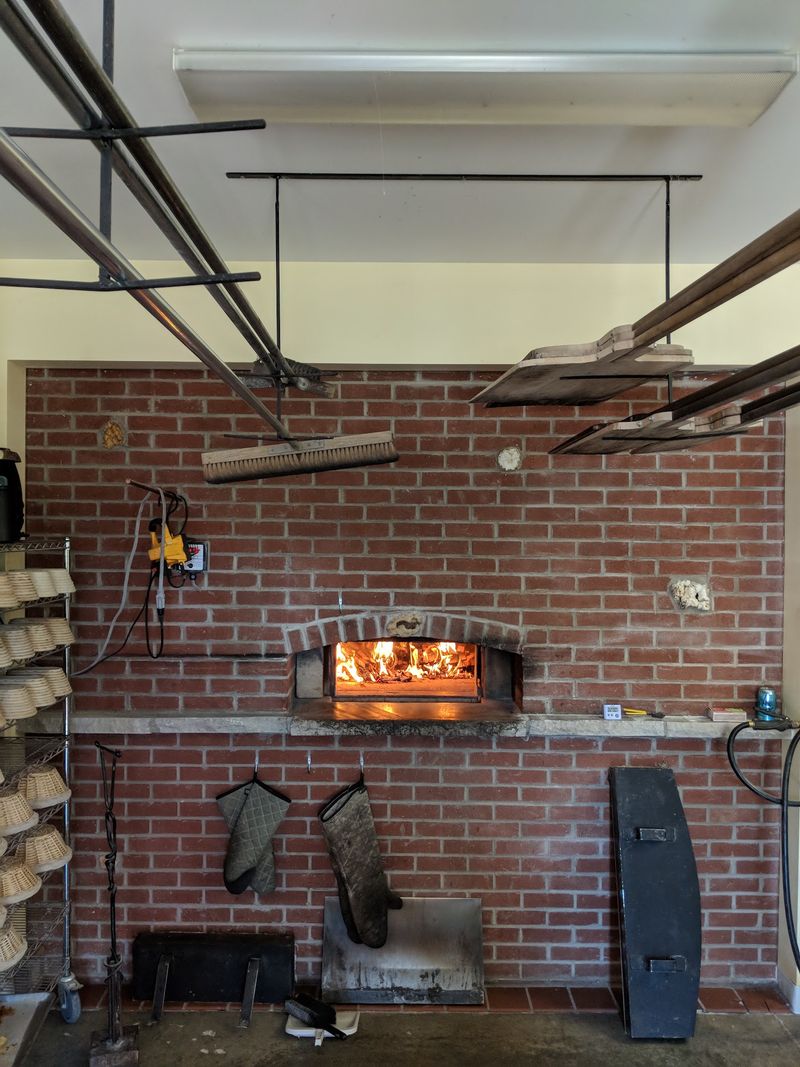
The oven is the centerpiece, and it is genuinely enormous. The hearth measures five feet wide and seven and a half feet deep, holding roughly 72 loaves in one firing.
Built from firebricks and high-temperature mortar, with nine-inch thick walls, hearth, and dome, the whole structure behaves like a giant thermal battery. Once it is loaded with heat, it holds that warmth for days.
There is no dial to turn. Bakers read the fire, the color of the bricks, and the way steam moves, adjusting loading order so the hottest loaves go in first and gentler bakes follow as the oven cools.
A solar array added in the summer of 2020 now powers the operation, making the oven both wood-fired and sun-supported. That combination is unusual anywhere, and it is believed to be the only setup of its kind in the state.
What does all that engineering actually taste like? A crust that crackles and shatters slightly under a knife, giving way to a moist, open crumb underneath.
Baguettes go straight onto the brick floor, which is exactly why their crusts stay thin and brittle instead of soft.
Anyone interested in oven design should look closely at the architecture of the building if taking a class. Details like these explain far more about the bread than any menu description could.
Flour That Gets Milled On Site Every Single Week
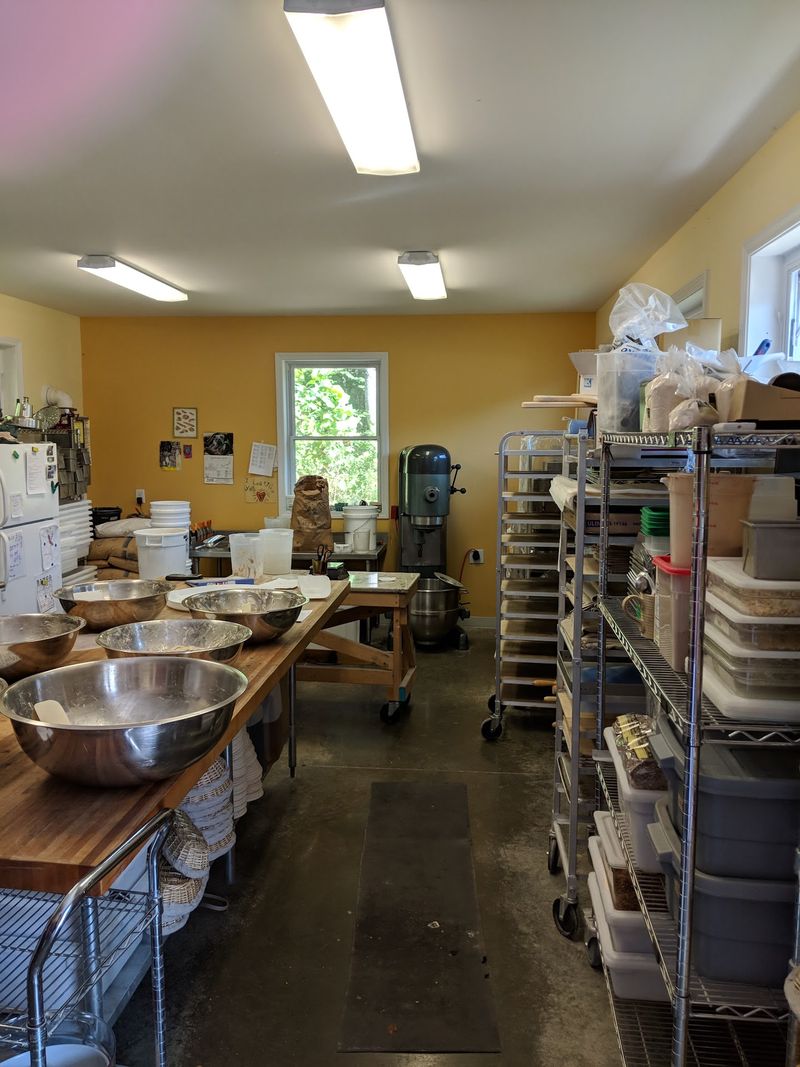
Most bakeries buy flour in sacks. At Muddy Fork, located at 4595 Earl Young Rd, Bloomington, IN 47408, the grain arrives whole and gets ground on a Danish stone mill right on the property, usually on Wednesdays, so the flour is only days old when it meets water and salt.
That timing matters more than it sounds. Freshly milled flour holds onto aromatic oils and active enzymes that fade quickly after grinding, which is why a loaf made from week-old flour tastes fuller and slightly sweeter than one made from flour that has been sitting for months.
The grains themselves are organic wheats, rye, and kamut, with most sourced from Janie’s Farm in Ashkum, Illinois. Choosing a single trusted farm keeps the supply chain short and the quality consistent.
Visitors sometimes notice the smell before anything else. It is not the buttery sugar scent of a mall bakery but something earthier, closer to a granary after rain.
Practical tip for anyone curious about baking at home: look into their community milling connections. Understanding when flour is ground helps explain why certain loaves taste different from one week to the next.
Milling in-house is slower and messier than ordering pallets of pre-ground flour. Muddy Fork does it anyway, treating flour as a living ingredient, and customers taste that freshness when they pick up their weekly pre-orders.
Naturally Leavened Sourdough With Real Patience Behind It
Bread here takes days, not hours. Nearly everything is naturally leavened using the bakery’s own sourdough culture, which was started years ago with freshly ground Indiana wheat and has been fed ever since.
The weekly rhythm is simple and strict. Wednesday brings the oven firing and the grain milling, Thursday is dough day for both breads and pastries, and Friday afternoon is when the farm driveway opens specifically for scheduled online order pickups.
Long, slow fermentation does several jobs at once. It builds flavor, strengthens structure, improves how well the bread keeps, and makes the grain easier on the stomach for many people.
The Rustic Sourdough Loaf shows the method best, with a dark, crisp shell and a creamy interior that tastes faintly tangy rather than sour. The Whole Wheat Loaf, made from 100 percent freshly stone-milled organic whole wheat, leans nuttier and denser.
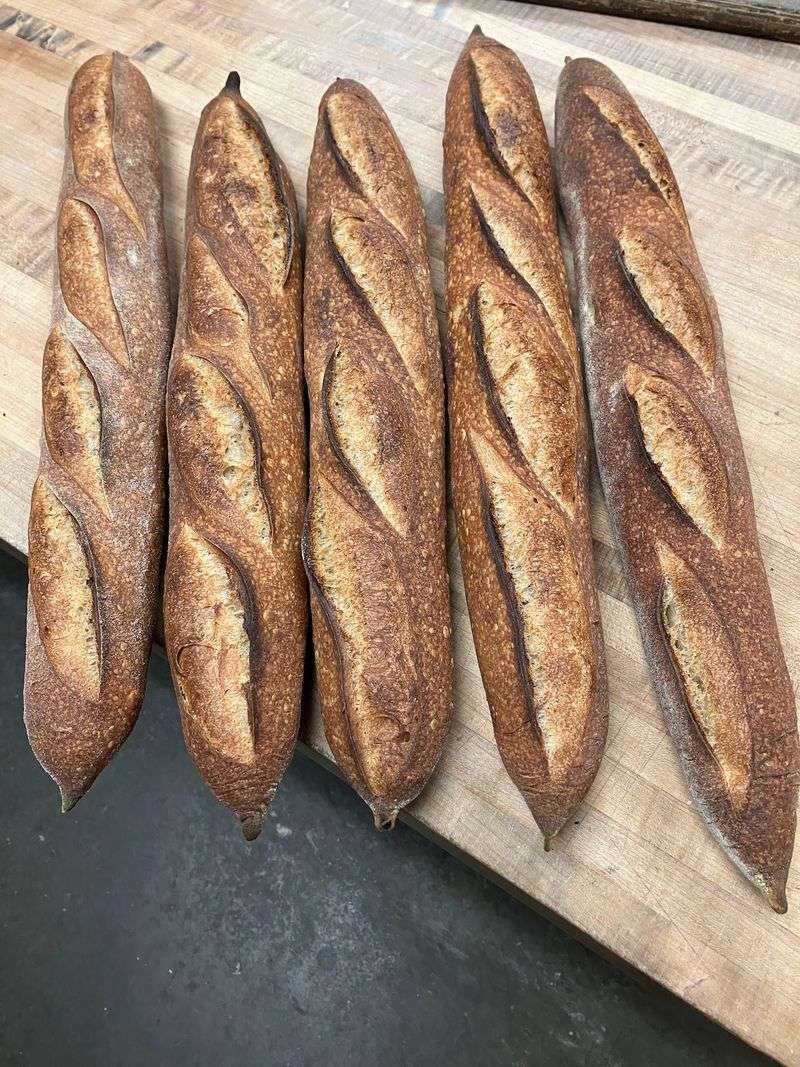
Baguettes take a slightly different path, combining sourdough culture with a touch of yeast for lift.
Storage advice worth following: keep a cut loaf face-down on a board rather than sealed in plastic, and the crust stays crackly for days.
Slow bread is not a trend at Muddy Fork. It is simply how the place has always worked, and the results reward anyone willing to plan a Saturday around it.
Croissants Worth Planning a Saturday Around
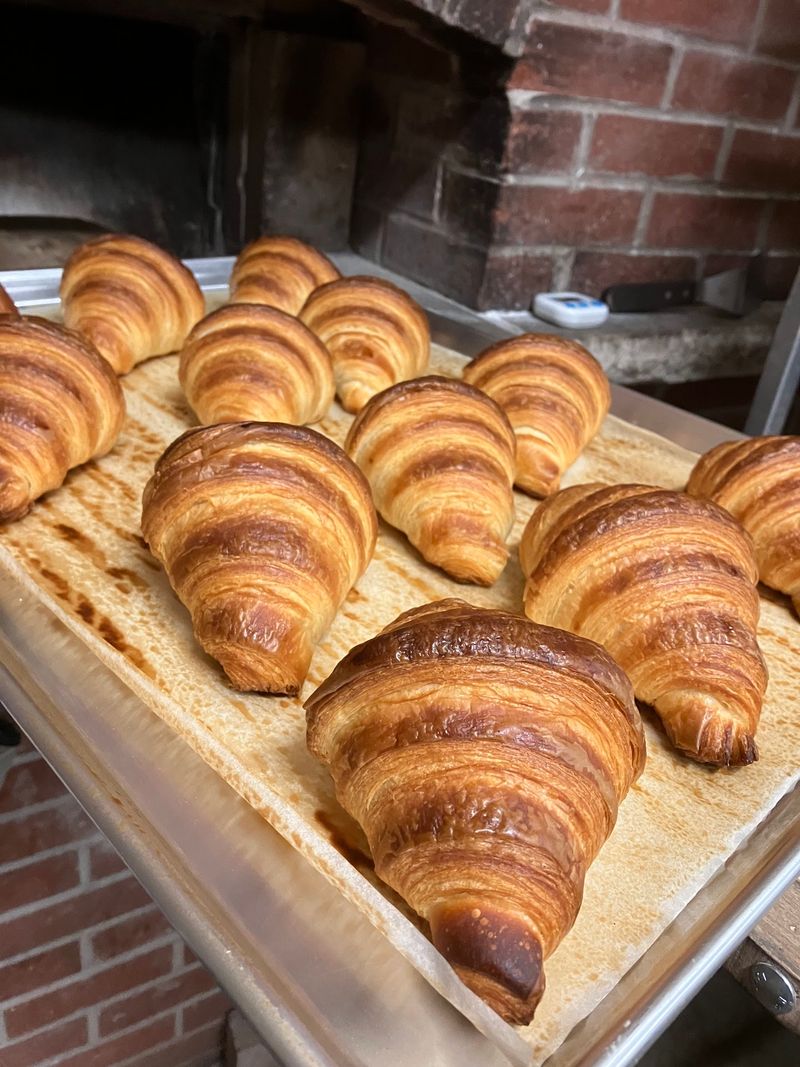
Ask around Bloomington about Muddy Fork and croissants come up again and again. They are laminated with cultured grass-fed butter and built on a blend of yeasted and sourdough preferments, which gives them a deeper, slightly tangy flavor underneath all that richness.
The layers are the giveaway. A proper one shatters into flakes the moment it is torn, leaving a small pile of buttery shards on the plate.
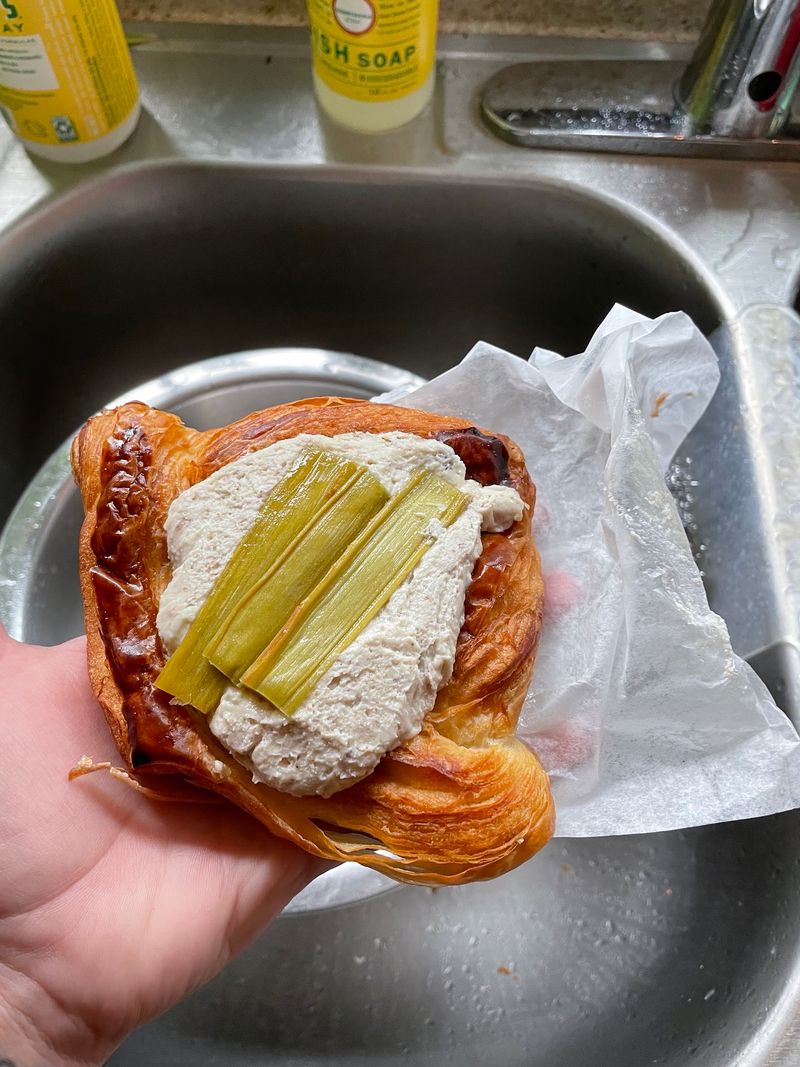
Classic, chocolate, and almond versions anchor the lineup. Seasonal fillings rotate through the year and have included cardamom baked pear, baked apple, asparagus with goat cheese, and savory combinations with cheese.
Some seasonal croissants pull straight from local regional producers. Those ingredient choices change with whatever is actually growing in the area.
Here is the honest logistics note: popular items sell out quickly online, and the bakery operates on an online pre-order system for Saturday morning market pickups. Ordering ahead eliminates the guesswork.
Warming a croissant briefly in a home oven, never a microwave, brings back the crispness beautifully. Freezing works too, which makes buying extras a reasonable decision rather than a greedy one.
Pastry here is treated with the same seriousness as bread, and that consistency is exactly what keeps regulars coming back week after week.
A Bread List That Rewards Repeat Visits
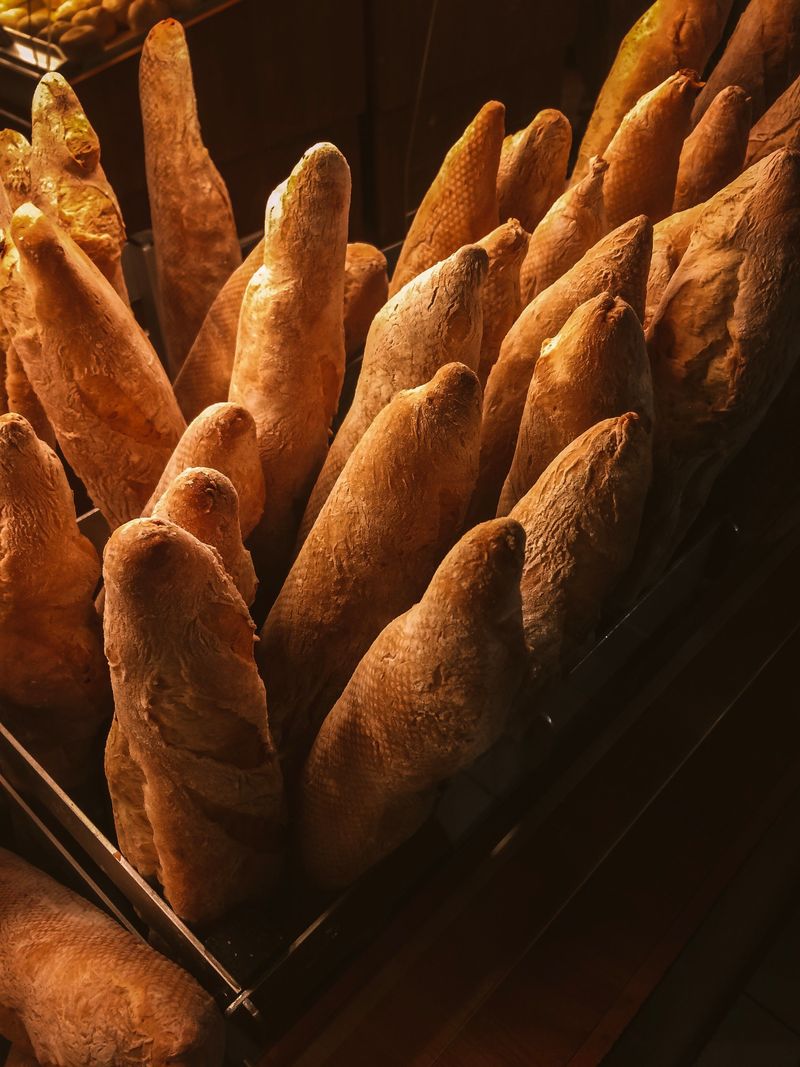
Variety is where things get fun. Alongside the rustic sourdough sit Seeded Kamut, Jewish Rye, Danish Rye, and a hearty Oatmeal Wheat, each with its own personality.
The Seeded Kamut is built from 60 percent freshly stone-milled organic KAMUT khorasan wheat, studded with flax, pumpkin, sesame, and poppy seeds. It tastes naturally sweet, almost buttery, without any sugar involved.
Danish Rye is the dense, dark, deeply grainy kind that holds up to almost anything piled on top. Jewish Rye leans lighter and more aromatic, the sort of slice that makes an ordinary sandwich taste intentional.
Beyond loaves, there are soft pretzels made from an authentic German recipe, toasted-oat scones built with two-thirds whole grain, and house granolas and muesli for breakfast at home.
A smart strategy for first-timers is to buy two contrasting loaves, something mild and something dark, then compare them across a week. Flavor differences become obvious fast.
Pizza nights have also appeared at the bakery, using the same brick oven that bakes the bread.
The lineup is broad enough that no two visits feel identical, and seasonal shifts keep the shelf changing. That variety is part of why people drive in from well outside Monroe County just to fill a tote bag.
Local Eggs, Honey, Vegetables and Cheese In The Mix
Crack one of the eggs used for egg wash here and the yolk comes out startlingly orange. That color is not decoration, it comes from locally raised hens and it carries straight into the glossy finish on the pastries.
Sourcing extends well past grain. Locally produced eggs, honey, meat, and vegetables move through the recipes, and the pastry chef regularly shops local farmers markets for whatever is in season.
Some fillings come from even closer than that. Swiss chard from the bakery’s own garden has turned up in savory croissants, paired with Gruyère from Tulip Tree.
That approach means the menu shifts with the calendar rather than staying frozen year-round. Rhubarb in spring, pears later, apples in autumn.
For visitors, this creates a small bonus reason to return. What sells out in June will not be the same thing available in October.
There is also a practical upside for anyone who cares where food comes from. Short supply chains make it easy to know which farm grew what, and the bakery is open about those relationships.
Mindful sourcing can sound like marketing language, but in this case it is visible in the color, smell, and seasonality of the food itself. Taste a spring pastry next to a winter one and the point makes itself.
Neighbor Loaves and Hands-On Baking Workshops
Seventy-five whole wheat loaves leave this bakery every week and never reach a cash register. They go to Mother Hubbard’s Cupboard through the Neighbor Loaves project, which asks participating bakeries to use at least 50 percent local, sustainably grown, stone-milled flour.
Customers can add a Neighbor Loaf to an order or set up a monthly contribution. The bakery also takes part in Dine and Donate efforts with groups like Friends of the Library and local elementary schools, and donates goods for nonprofit fundraisers.
Then there is the teaching side. Monthly artisan baking workshops walk participants through natural sourdough cultures, freshly milled flours, and the quirks of baking in a wood-fired oven.
Croissant workshops dig into lamination, which is the layering of butter and dough that creates those famous flakes. Sessions typically include a shared pizza lunch baked in the brick oven.
Gift certificates for workshops are available, which makes for an unusually good present for anyone with a sourdough starter on the counter.
Booking ahead is essential, since class sizes stay small and spots fill.
A bakery this size could easily keep its methods private. Sharing them instead, along with weekly bread for neighbors who need it, is a large part of why Muddy Fork means so much locally.
