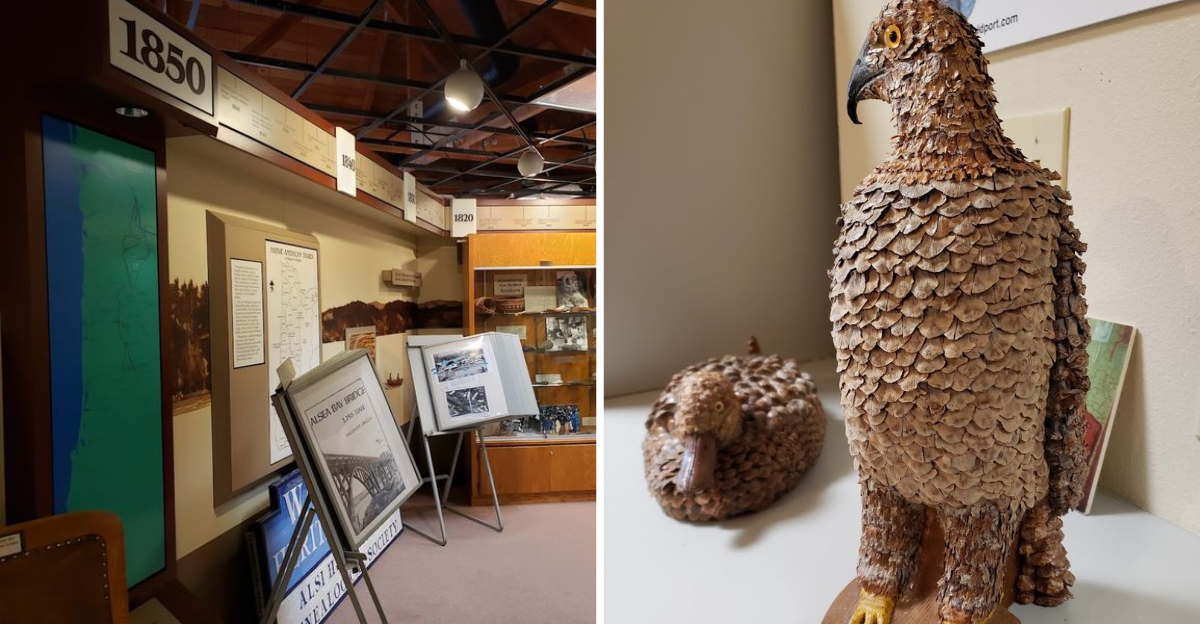
Old photographs, rugged tools, and stories that feel genuinely alive line the walls of a small Oregon museum. I wandered in expecting a quick look and ended up staying far longer than planned.
That place sits inside a historic bridge interpretive center, and the setting alone adds a layer of charm that is hard to shake.
The museum has been preserving local history for decades, and everything there, from logging axes to Native American fishing weights, tells a piece of the coastal story in a way that feels personal and unhurried.
I found myself lingering over displays, reading names and dates I had never heard before, feeling connected to a place I barely knew. If you are passing through the Oregon coast, that small museum deserves more than a glance from the car window.
The Logging Heritage That Built This Corner of Oregon
There’s something quietly powerful about seeing the actual tools someone once swung through an old-growth forest.
The logging exhibits at the Waldport Heritage Museum bring that feeling front and center, filling the space with axes, crosscut saws, pikes, and hooked Peaveys that were once essential for rolling massive logs across muddy terrain.
These weren’t decorative objects. They were the backbone of everyday survival for the people who shaped this region.
The collection also includes ox yokes and a Denby truck, giving visitors a sense of how the industry evolved from animal-powered labor to early mechanization.
Large pulleys called “blocks” are part of the display too, specifically tied to high-lead logging techniques that were common along the Oregon coast.
Seeing them up close makes you realize just how physically demanding and dangerous this work really was.
Old photographs hang nearby, showing fallers balanced on springboards cut into the sides of enormous trees, chainsaw-free and relying entirely on muscle and rhythm. The images are striking.
They capture a working world that most people today can barely imagine.
What makes this section of the museum special is how it connects the tools to the people who used them.
The Alsi Historical and Genealogical Society, which runs the museum, has done a careful job of grounding these artifacts in real local history rather than presenting them as relics behind glass.
You leave with a genuine respect for the labor that built this part of Oregon’s economy, one log at a time.
Fishing Stories Written in Nets and Weights
The fishing exhibits at the Waldport Heritage Museum have a quieter energy than the logging section, but they’re no less compelling.
Alsea Bay and the Pacific Ocean have fed this community for generations, and the artifacts here reflect that deep, ongoing relationship between people and water.
One of the most fascinating pieces in the collection is a set of Native American fishing weights, small and worn smooth, that connect modern visitors to ancient practices carried out on these same shores.
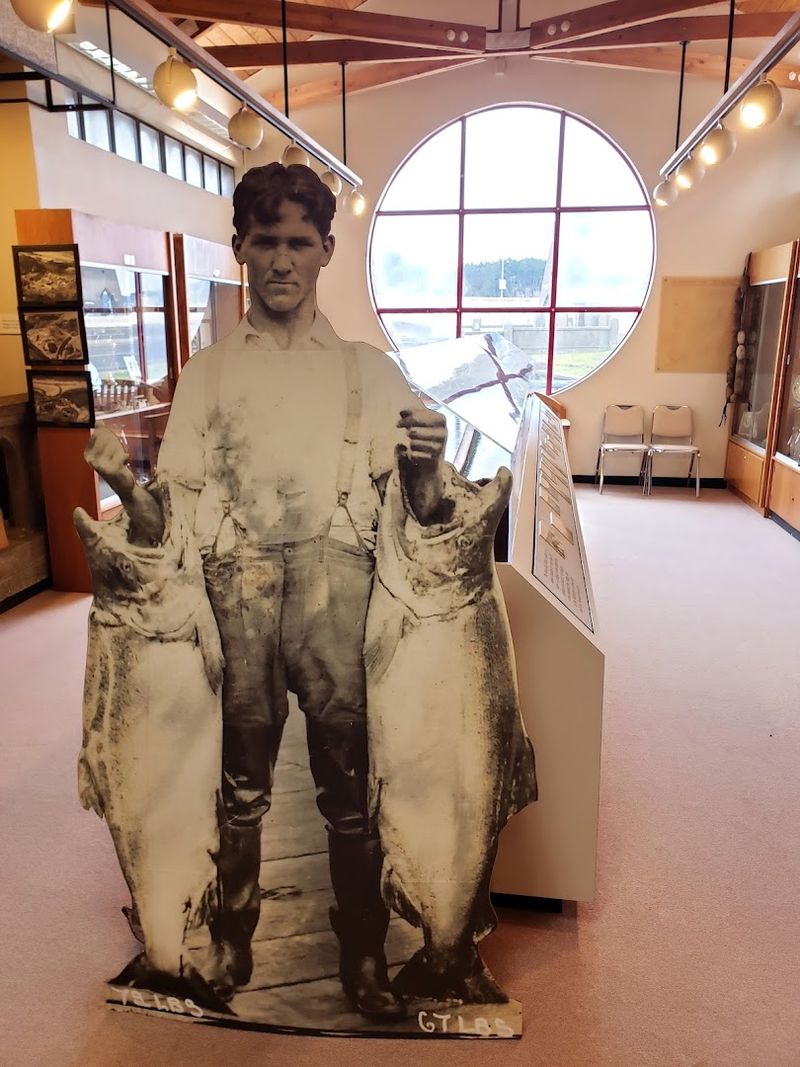
Early commercial fishing in the area centered around gillnet fishing, often supplying local canneries that processed the catch and sent it far beyond Oregon’s borders.
The museum lays out this history through photographs and written materials that show how fishing shaped not just the economy but the daily rhythm of life in Waldport.
It wasn’t just a job. It was an identity.
The photographs are especially worth lingering over. Boats, nets, and weather-worn faces tell a story that no paragraph could fully capture.
You get a real sense of the seasonal grind and the community that formed around it, people who knew the tides the way others know city bus schedules.
What I found most affecting was how the exhibits treat fishing as a living tradition rather than a finished chapter. The connection between the community and the bay hasn’t disappeared.
It’s shifted and adapted, but it’s still there. The museum honors that continuity without romanticizing the hardship that came with it, which feels honest and refreshing.
The Alsi People and the Roots of Waldport’s Identity
The name of the organization behind this museum, the Alsi Historical and Genealogical Society, is not a coincidence.
The Alsi were the original Native American people of the Alsea Bay area, and their name carries a meaning worth remembering: “peaceful.” That word shows up quietly throughout the museum’s focus, in the way it approaches history with care rather than spectacle.
The museum’s native heritage exhibits aim to preserve and share the culture and traditions of the indigenous people who lived along this stretch of the Oregon coast long before logging camps or canneries arrived.
Artifacts tied to everyday life, including fishing tools and other objects, offer glimpses into how the Alsi sustained themselves across generations in this landscape.
The bay, the forests, and the ocean were not resources to be extracted but a living environment they understood deeply.
It’s worth noting that the broader Waldport community continues to recognize this heritage in ongoing ways.
Future plans for Louis Southworth Park include an entry pavilion that will specifically depict the native Alsi people, suggesting that their story is being woven more visibly into the town’s public identity.
That kind of civic commitment is meaningful.
For families or students researching local indigenous history, the museum has proven itself genuinely useful.
Staff and volunteers have helped visitors track down information about the Alsea tribe for school projects, and that kind of hands-on, knowledgeable support makes the museum more than just a display case.
It becomes a real resource with real people behind it.
A Bridge, a Building, and a Surprisingly Perfect Location
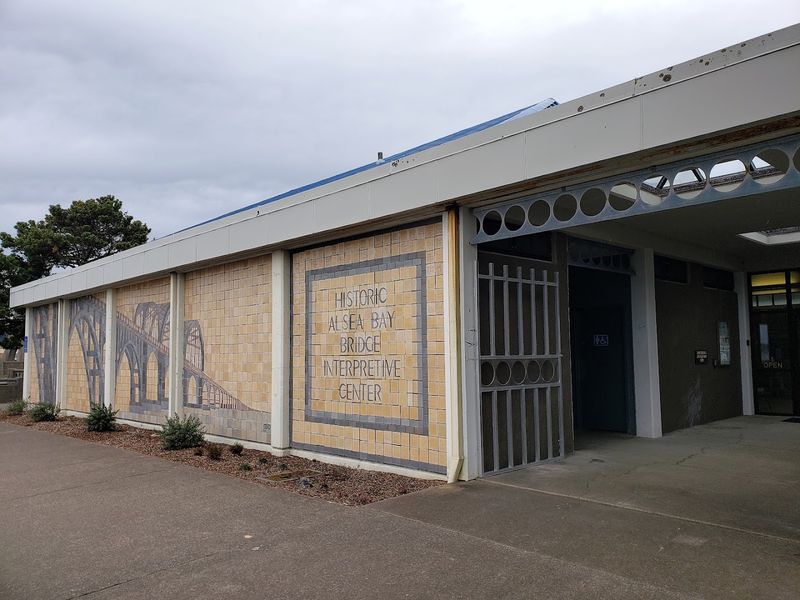
The location of the Waldport Heritage Museum is part of what makes visiting it feel like more than just a museum stop.
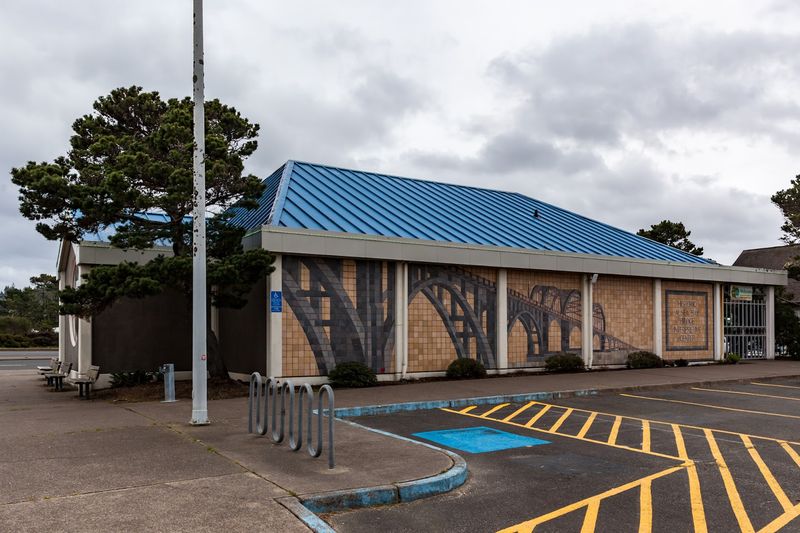
Housed inside the Historic Alsea Bay Bridge Interpretive Center at the south end of the Alsea Bay Bridge, the building itself is tied to a piece of Oregon engineering history.
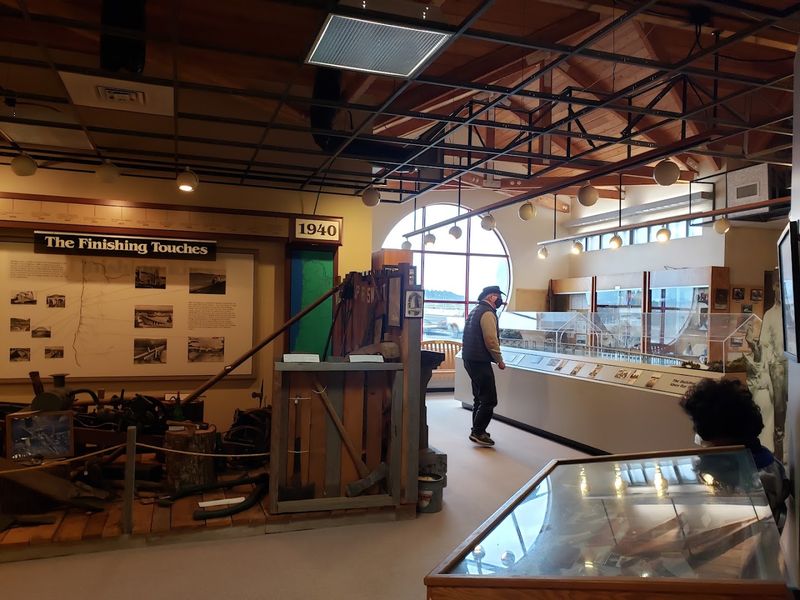
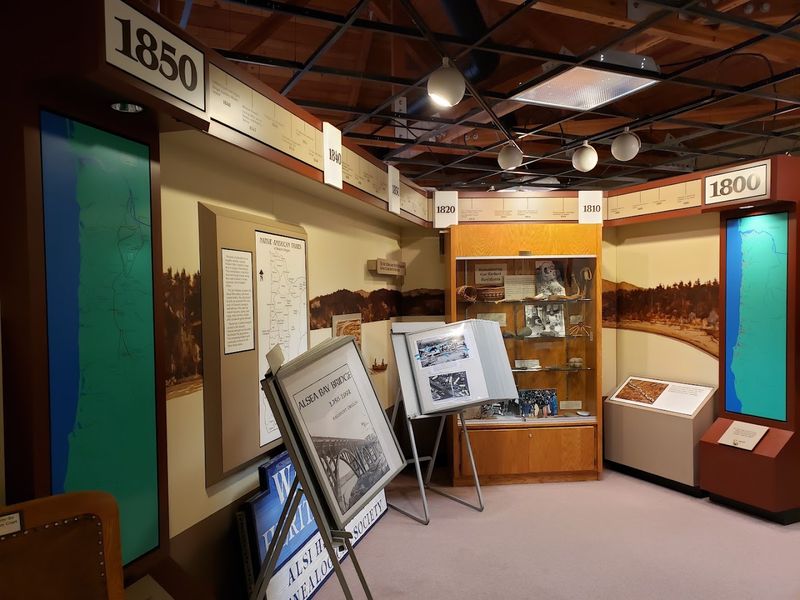
The original bridge, built in the 1930s, was eventually replaced, but the story of its construction and the workers who built it is preserved here alongside the region’s older histories.
Pulling up to the museum, you immediately notice the bay stretching out beside you, gray-green and wide, with the bridge arching overhead. It sets a mood that feels genuinely coastal, unhurried, and a little windswept.
The interpretive center gives the museum a more spacious home than you might expect for a small-town institution, and the views alone are worth the stop.
The museum officially moved into this location in July 2021, giving it a more prominent presence along Highway 101 than it had before.
For travelers driving the Oregon coast, it’s easy to spot and easier to park at, which removes one of the usual barriers to spontaneous museum visits.
I pulled over on a whim and ended up genuinely glad I did.
The building also connects visitors to the broader story of how Waldport developed as a coastal community, from its earliest indigenous inhabitants through the bridge-building era and into the present.
That layered sense of time is something you feel just by being in the space, not just reading the signs.
Volunteers, Free Admission, and the Heart of a Community Museum
Free admission might sound like a small detail, but at the Waldport Heritage Museum it signals something real about what the place is trying to do. This is not a museum built for revenue.
It’s built for community, and the volunteers who staff it bring that mission to life every time someone walks through the door.
Visitors consistently mention how knowledgeable and genuinely warm the staff are, people who know the history because they’ve lived it or studied it deeply, not because they read a placard that morning.
The museum first opened to the public on January 4, 1997, which means it has been quietly doing this work for nearly three decades. That kind of staying power in a small coastal town says a lot.
It takes real dedication to keep a place like this going, especially when it relies on volunteers rather than paid staff and a steady institutional budget.
Beyond the artifacts and exhibits, the museum holds genealogical and local historic materials including land records, school records, newspapers, letters, maps, and photographs.
For anyone tracing family roots in South Lincoln County, this is an invaluable stop.
The depth of the archive is surprising given the museum’s modest footprint.
The hours run Thursday through Monday from 11 AM to 3 PM, so a little planning goes a long way. But the visit itself is relaxed and unhurried.
Nobody rushes you out. There’s a real sense that the people here want you to leave knowing something you didn’t when you arrived, and that intention comes through clearly.
WWII History, Genealogy Records, and Unexpected Discoveries
One of the more unexpected threads running through the Waldport Heritage Museum is its connection to World War II history.
Just down the road from Waldport, a Conscientious Objector camp operated during the war, a piece of history that tends to get overlooked in broader national narratives.
The museum holds materials related to this camp, and for visitors who stumble across it without prior knowledge, it’s a genuinely eye-opening moment.
Conscientious Objectors were individuals who refused military service based on moral or religious grounds.
During WWII, many were assigned to work camps, and the one near Waldport housed men who contributed to the local landscape and community in ways that left a quiet but lasting mark.
Having that story preserved in a coastal Oregon museum feels important, a reminder that history is always more layered than the headlines suggest.
The genealogy resources at the museum add another dimension entirely. Families researching their Oregon Coast roots have found land records, school records, old maps, and letters that simply aren’t available anywhere else nearby.
The archive has helped residents and visitors alike piece together personal histories that might otherwise have been lost to time.
There’s a particular satisfaction in a museum that can surprise you.
You come in expecting logging axes and fishing nets, and you leave having learned something about wartime dissent, indigenous naming traditions, or a great-grandmother’s school record from 1912.
That range of discovery is exactly what makes the Waldport Heritage Museum worth more than a passing glance.
Address: 320 NW Highway 101, Waldport, OR 97394
