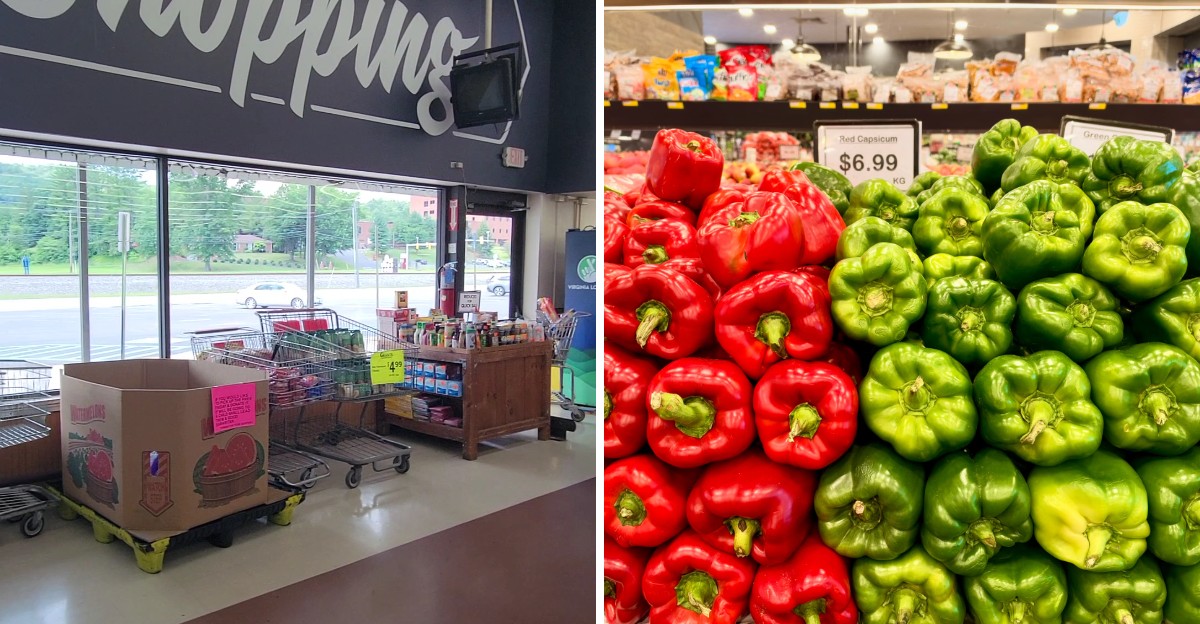
A single grocery store was paying more than $25,000 a month just to keep the lights on and the coolers cold. That number stopped me in my tracks.
The bills averaged that much for two straight years. Then the store’s lease came up for renewal.
The owners made a choice they called incredibly difficult.
I can’t imagine running a business where one monthly bill could cover a family’s yearly rent. Yet this store hung on for nearly 25 years in a small Virginia mountain town.
It sold meat, groceries, and household basics to neighbors who counted on it every week.
Now the doors are shut, and the town has one less place to shop. So how does a beloved local market reach a breaking point like this?
The Doors Closed For Good On A Saturday In October
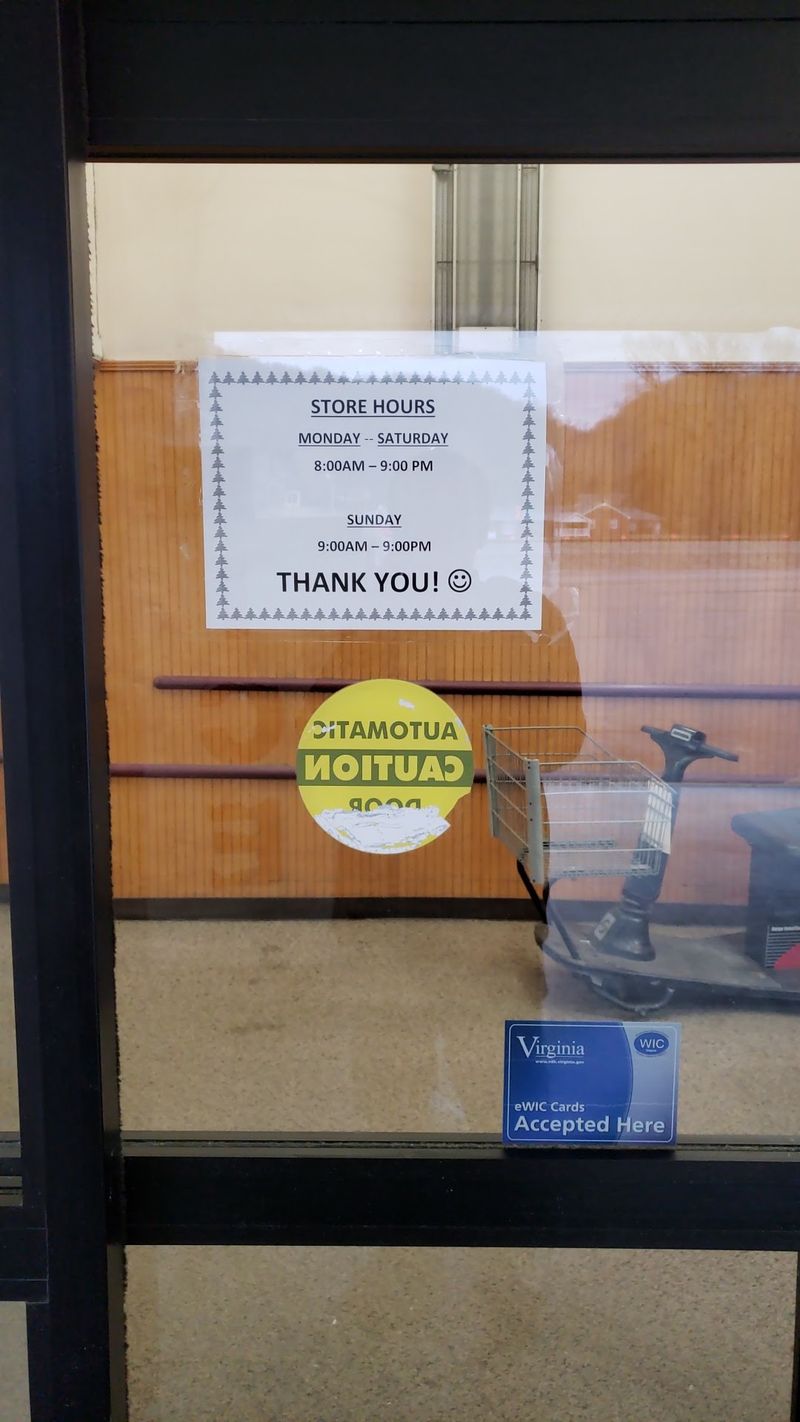
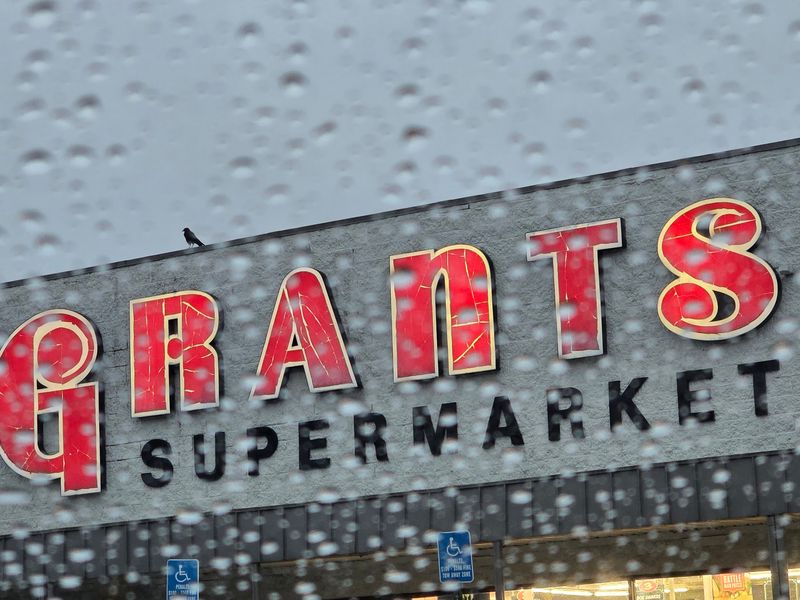
Saturday, October 10th marked the final day of business for Grants Supermarket in Richlands, Virginia. When the registers went quiet that evening, a long chapter ended for this corner of Tazewell County.
The store sat at the Richlands Mall and carried the IGA banner on its sign. For nearly 25 years, it served shoppers from Richlands, Doran, and the communities nearby.
It was a regular stop for groceries and everyday household needs.
Closing a grocery store isn’t like closing a gift shop. People plan meals, budgets, and weekly routines around where they buy food.
When that place disappears, the whole rhythm of a town shifts a little.
The company explained the closing plainly. Rising operating costs, led by huge utility bills, collided with the end of the store’s lease.
Renewing simply became too hard to justify.
I respect that the reasons were shared openly instead of hidden behind vague wording. Shoppers deserved an honest explanation, and they got one.
It doesn’t make the loss easier, though it helps people understand it.
If you ever drove through Richlands and grabbed snacks or supplies here, this news probably hit home. A familiar storefront is now part of local history.
That $25,000 Power Bill Is Not A Typo
Twenty-five thousand dollars. That was the average monthly utility cost for the Richlands store over the past two years.
Do the math, and the yearly total climbs past $300,000. That’s a staggering amount for one neighborhood grocery store.
Every month brought another giant bill before a single steak was sold.
Grocery stores are energy hogs by nature. Rows of coolers, freezers, and lights run day and night.
Meat cases and dairy walls can’t take a break just because the store closed for the evening.
So when power costs rise, grocers feel it faster than most businesses. Margins in the grocery world are famously thin.
A bill this size can swallow the profit from a mountain of milk and bread.
The company said the combined weight of rising expenses made the lease decision difficult. Utilities were the headline, but they weren’t the only pressure.
Here’s a practical takeaway for anyone shopping locally. Small stores often fight costs you never see from the checkout lane.
Supporting them steadily, not just during sales, can make a real difference.
I believe this story is a useful reminder. Those shiny refrigerated aisles come with a price tag far bigger than most of us realize.
Richlands Runs Its Own Electric Company, And That Matters
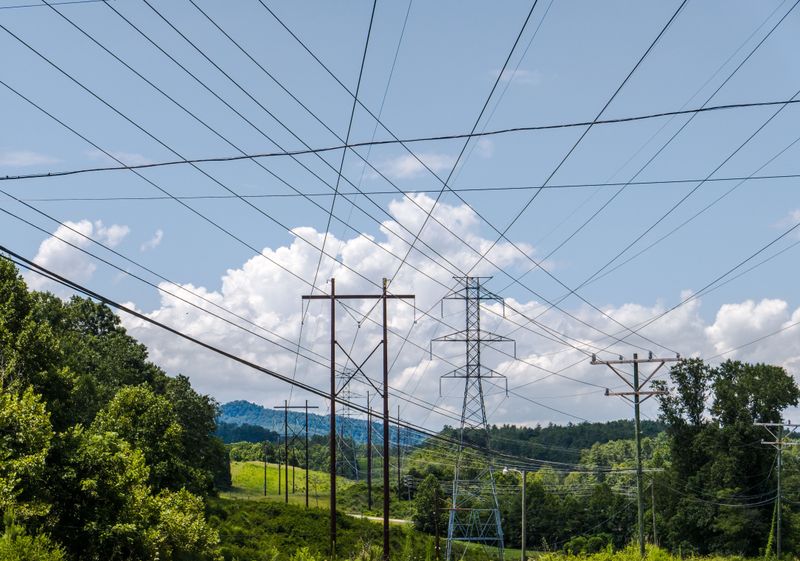
Few towns in Virginia generate headlines about their electric company. Richlands is a bit unusual, because it operates its own public electric utility.
Most of Southwest Virginia gets power from Appalachian Power. Richlands is different, and that difference shows up on the bill.
The town’s rates run about 4 cents higher per kilowatt-hour than Appalachian Power’s.
Four cents sounds tiny, right? It adds up to almost 25 percent more expensive power.
For a home, that stings. For a supermarket full of freezers, it’s a heavyweight punch.
Think about how many kilowatt-hours a grocery store burns each month. Even a small rate gap multiplies fast across that kind of usage.
That’s how a modest-sounding difference turns into thousands of dollars.
Town-run utilities aren’t automatically bad. Many communities choose them for local control and other benefits.
Still, this case shows how rates can shape which businesses stay and which ones leave.
If you run or plan to open a business, here’s a smart tip. Check local utility rates before signing a lease.
Energy costs can matter as much as rent, especially in a cold-storage operation.
Richlands taught that lesson the hard way.
A Family Grocery Name With Roots Going Back To 1949
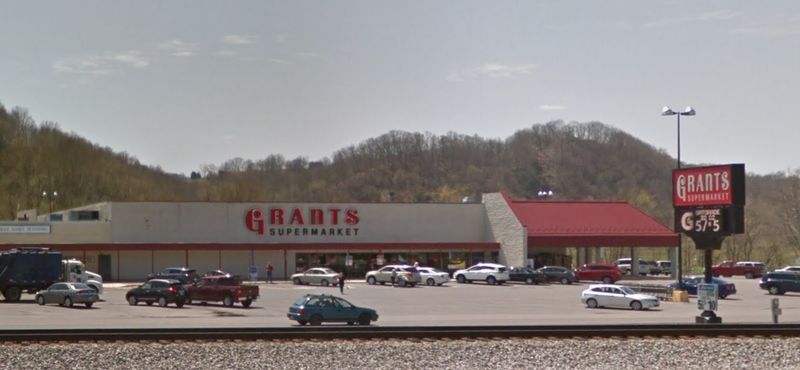
Long before Richlands had this supermarket, the Grants name was already stocking shelves. The chain has been in business since 1949.
It started with a single location. Over the decades, it grew to serve communities across southern West Virginia and southwest Virginia.
That’s a lot of growth from one humble storefront.
Picture the grocery world in 1949, minus the phones and self-checkouts. Families shopped close to home, and the store owner often knew customers by name.
Grants grew out of that era of hometown shopping.
The Richlands store joined that story roughly 25 years ago. It became one link in a chain of mountain-region markets.
Each location carried the same family name into a different town.
Fun fact for history buffs. A grocery company surviving more than 75 years is no small feat.
Supermarket giants have swallowed countless independent grocers along the way.
That longevity makes the Richlands closing feel weightier. This wasn’t a fly-by-night operation testing the waters.
It was a seasoned regional grocer making a tough call.
I like that a company with roots this deep still carried a small-town feel. That kind of staying power deserves a little appreciation.
The Meat Counter Was The Real Star Of The Show
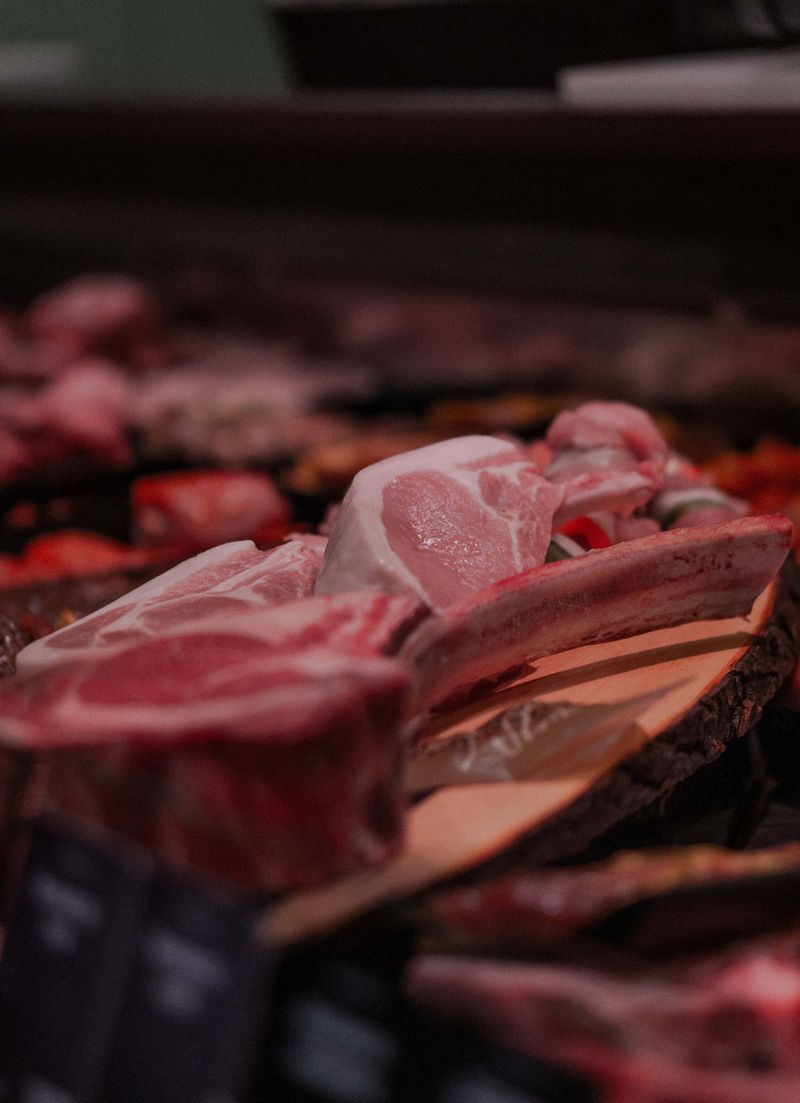
Ask around about this store, and the meat department keeps coming up. Affordable, quality meats were a big reason shoppers kept returning.
One longtime customer said they visited every week since the store opened. The draw was simple: good prices on quality meat and other goods.
That’s twenty-five years of weekly trips.
Weekly meat sales were part of the routine here. Smart shoppers watched for those deals and planned dinners around them.
Grilling season probably looked a lot brighter with a sale flyer in hand.
Here’s a handy money tip that applies anywhere. Buy larger cuts on sale, then portion and freeze them at home.
You’ll stretch your grocery budget without sacrificing quality.
A strong meat department is often the heart of a hometown grocer. Big-box stores carry meat too, but local markets tend to build loyalty through it.
That bond is hard to replace overnight.
It’s also a little ironic. Those same meat cases needed constant refrigeration to stay safe and fresh.
The thing customers loved most was also among the hungriest power users in the building.
Losing a dependable butcher counter hurts. Ask any family that cooks at home.
One Of Just Two Grocery Stores In Town
Richlands had only two grocery stores, and Grants was one of them. Losing it cuts the town’s options in half.
That’s a big deal in a small place. Fewer stores can mean longer drives, busier checkout lines, and less price competition.
Shoppers notice those changes quickly.
Grocery choice matters more than many folks realize. When one store runs a sale, the other often responds.
Competition helps keep prices in check for everyone.
For older residents or people without reliable transportation, distance becomes a serious hurdle. A store close to home is a lifeline, not a luxury.
Fresh food access can shrink when a neighborhood market disappears.
So what can residents do now? Planning ahead helps.
Make a weekly list, combine errands, and watch sales at the remaining stores to protect your budget.
Carpooling with neighbors is another practical idea. It saves gas and turns a grocery run into a social outing.
Small-town folks are often good at that kind of teamwork.
I can’t help thinking about how quickly a town’s map changes. One empty storefront reshapes daily routines for thousands of people across Richlands, Doran, and nearby communities.
You Could Find It Right Off Clinch Street
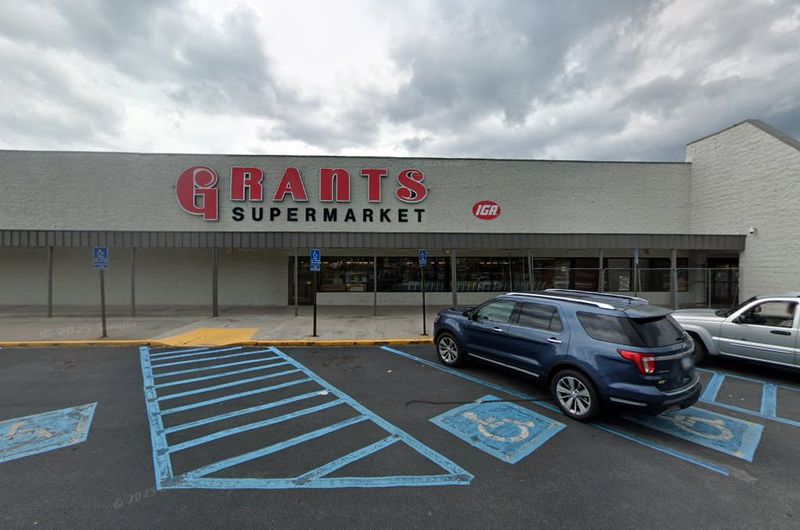
Location helped this store become a habit. Grants Supermarket sat at 2960 Clinch Street, Richlands, VA 24641, inside the Richlands Mall.
Clinch Street is a main route through town, so the store was easy to reach. Shoppers could grab groceries while running other errands nearby.
Convenience like that builds weekly routines.
The store traded under the IGA banner, short for Independent Grocers Alliance. IGA connects independently owned stores while letting them keep a local identity.
Grants fit that model nicely.
Shopping center spots come with leases, and leases come with deadlines. When this one expired, the company had to weigh another long commitment.
With power costs so high, that commitment looked shaky.
Here’s something many shoppers don’t consider. A store’s location affects its costs beyond rent.
Utility providers, taxes, and building upkeep can vary from one spot to the next.
In this case, being inside Richlands town limits meant buying electricity from the town’s utility. A store a few miles away might have paid Appalachian Power rates instead.
That’s a strange twist, right? The same handy spot that drew customers also tied the store to its biggest expense.
Friendly Faces And Clean Aisles Made Weekly Trips Easy
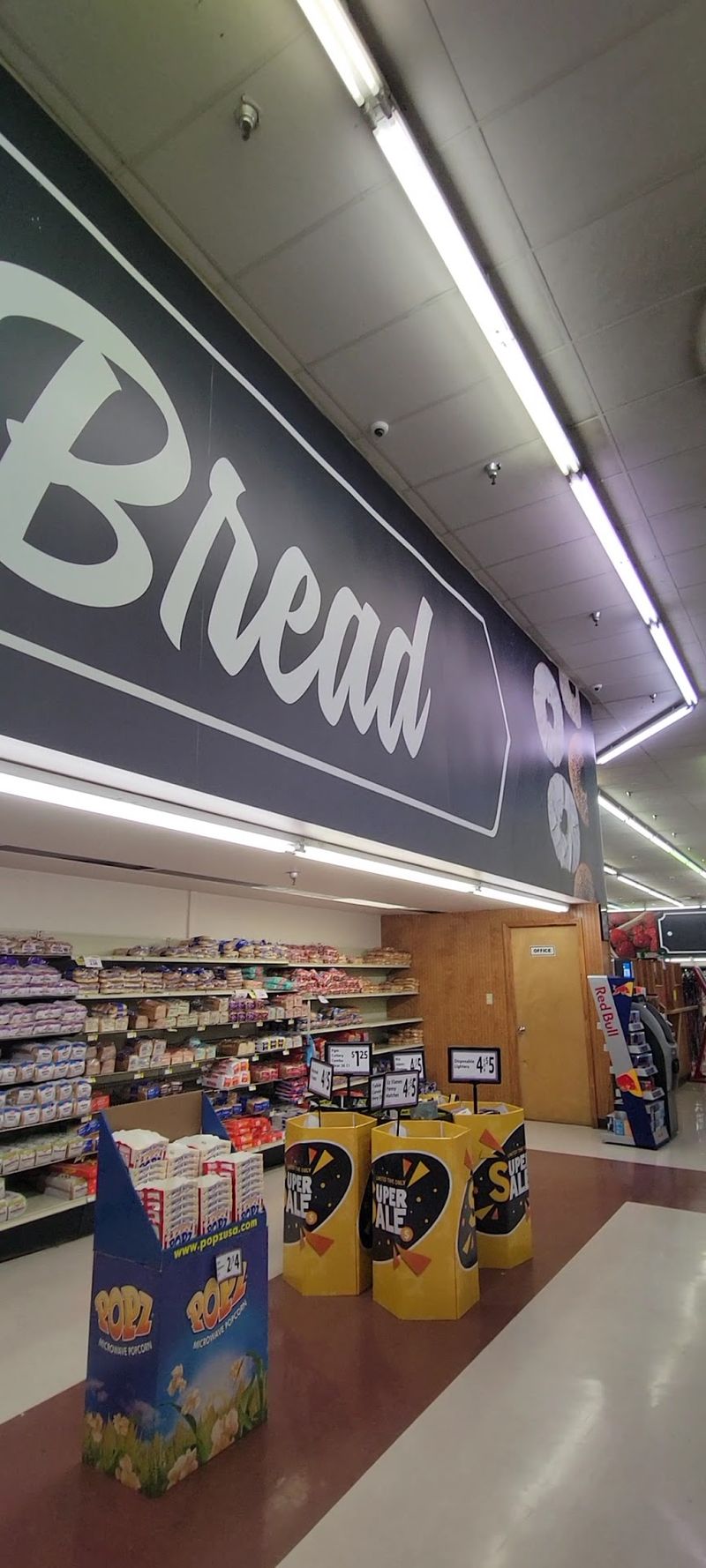
Clean floors and full shelves don’t make headlines. Still, they shaped how this grocery store fit into everyday life in Richlands.
Grants built a reputation around friendly staff and a tidy, well-stocked store. Those simple things matter when you shop the same place every week for years.
A hometown grocer often becomes a social spot without trying. You bump into a neighbor near the bread aisle.
You chat with a cashier who recognizes your usual order.
The store also carried smaller meat packages, which helped people cooking for one. That’s a thoughtful touch for seniors and single shoppers.
Not every store bothers with it.
Here’s a tip worth remembering at any local market. Get to know the staff, especially in the meat and deli areas.
They can point out deals, special cuts, or items arriving soon.
Losing that familiarity might sting more than losing the products. Groceries can be bought elsewhere.
Familiar faces and easy routines are harder to rebuild.
I believe the best small stores feel a bit like a front porch. You come for milk and leave with a little conversation.
What Every Small Town Can Learn From This Goodbye
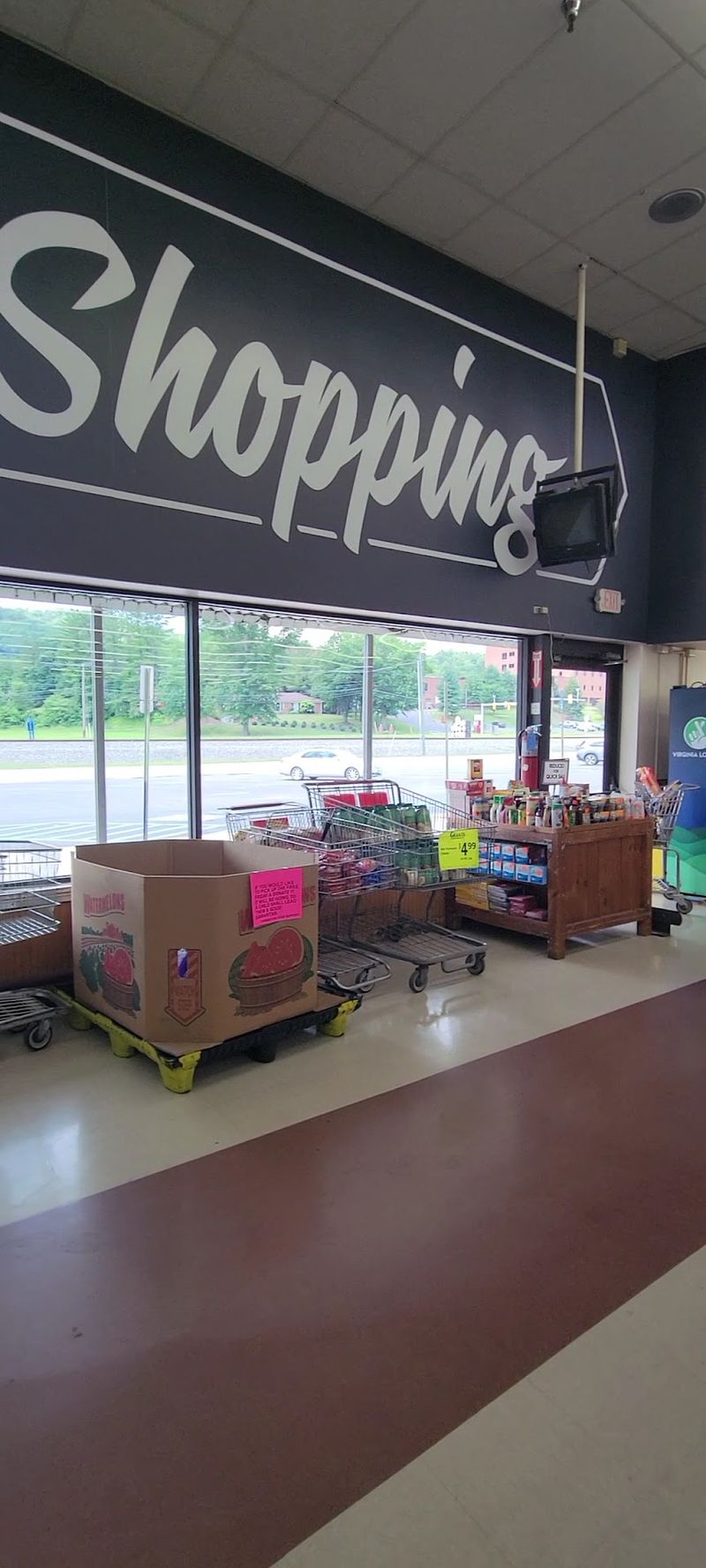
Grocery closings rarely happen because of one single problem. Grants Supermarket in Richlands faced a stack of pressures that finally tipped the scale.
High utility costs led the list. An expiring lease forced a decision.
Rising expenses overall made a long renewal hard to justify.
For Virginia towns, this story raises real questions. How do local utility rates affect business recruitment?
Can communities help keep essential stores open?
Residents have power too, and not just the electric kind. Shopping local regularly keeps money circulating in town.
Speaking up at council meetings helps leaders understand what matters to families.
Business owners can learn something here as well. Energy-efficient coolers, LED lighting, and smart thermostats can trim power use.
Those upgrades take money upfront but may pay off over time.
The Grants name continues at its other locations across the region. So this isn’t the end of the company, just this chapter in Richlands.
Nearly 25 years of meat sales, weekly routines, and familiar faces won’t vanish from memory. I hope the empty storefront on Clinch Street finds a new purpose soon.
Richlands could certainly use another place to fill its pantry.
