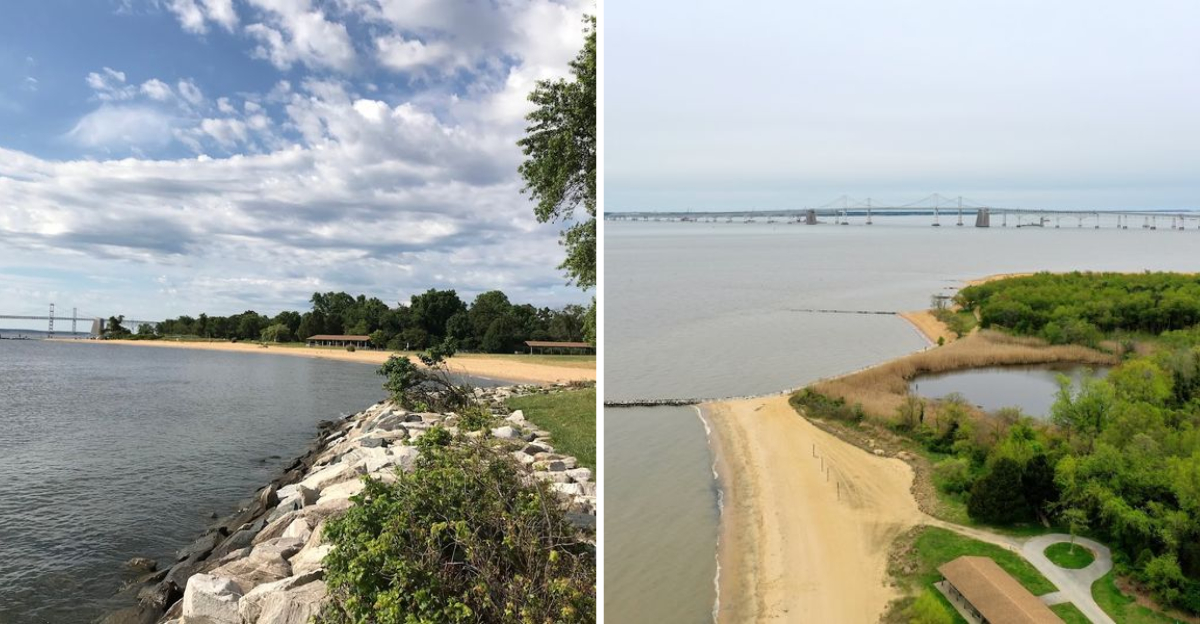
The only way to reach that South Carolina beach is by boat, which means the sand stays wide open and the birds outnumber the people. I stumbled across that spot while looking for something off the beaten path, and it genuinely surprised me.
The whole place hums with a kind of wildness you just do not find at a typical beach town. No crowds, no noise, no development pressing in from every direction.
Just shoreline stretching out in both directions and the sound of waves hitting an empty coast. I spent an afternoon there, the only footprints in the sand my own, and realized I had found something the travel magazines completely missed.
If you have ever wondered what the South Carolina coast looked like before development took hold, that beach is about as close as you are going to get.
Getting There Is Half the Adventure
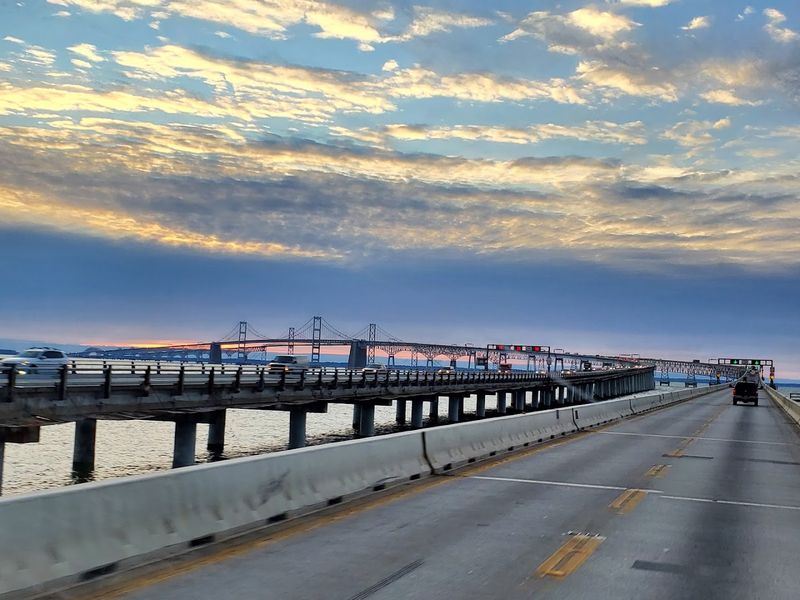
Most beaches start with a parking lot and a boardwalk. Sandy Point starts with a boat.
That single detail changes everything about the experience before you even set foot on the sand.
To reach Sandy Point Beach, visitors typically drive to the small fishing town of McClellanville, find a place to park, and then head out by water. The journey itself is part of what makes this place feel so removed from the everyday world.
You’re moving through open waterways, past marsh grass and tidal creeks, with the mainland slowly shrinking behind you.
It’s worth knowing that the trip can involve some real conditions. Wind picks up quickly on open water, and rip currents are possible once you’re near the beach.
Going with someone who knows the area well makes a big difference, especially on your first visit.
The boat access isn’t a flaw in the experience. It’s actually the filter that keeps Sandy Point feeling pristine.
Because it takes effort to get there, only people who genuinely want to be there show up. There are no lifeguards, no concession stands, and no rental umbrellas waiting for you.
What you get instead is a wide, natural beach that feels genuinely uninterrupted.
Low tide is the best time to arrive. The water pulls back and reveals a broad expanse of firm, wet sand that stretches in both directions.
Plan your timing carefully, bring everything you need, and the trip pays off in a way that a simple drive-up beach almost never does.
A Landscape Shaped Entirely by the Tide
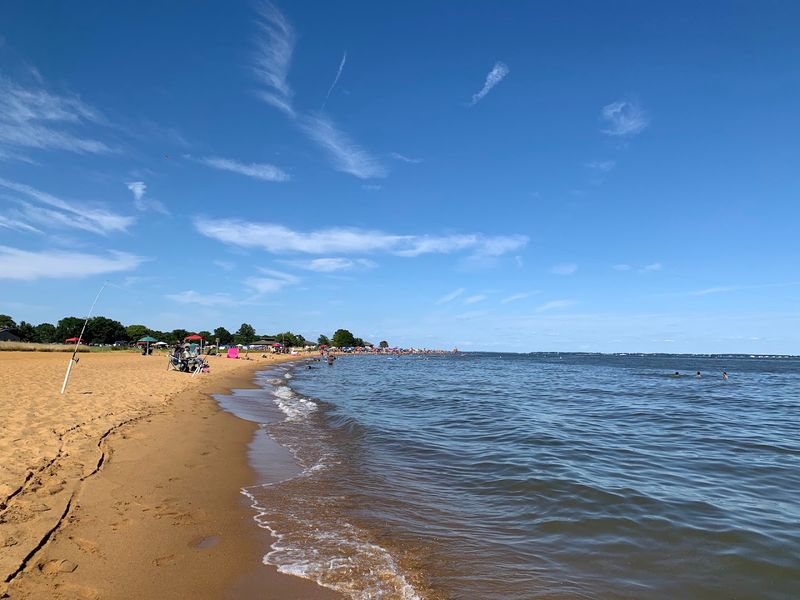
Sandy Point doesn’t look like a beach that was designed for visitors. It looks like a beach that simply exists on its own terms, and that’s exactly what draws people back.
The shoreline here is a classic barrier island setup. Wide, natural sand stretches along the Atlantic with almost nothing built on it.
Behind the beach, narrow strips of higher ground are covered in dense maritime scrub, the kind of tangled, salt-tolerant vegetation that grows low and tough against coastal winds. The whole landscape has a raw, unfinished quality that feels rare along the Eastern Seaboard.
Tides run the show at Sandy Point. The daily rhythm of the Atlantic determines what the beach looks like from one hour to the next.
At low tide, the sand opens up wide and flat, making it easy to walk and explore. At high tide, the beach narrows considerably, and the water pushes right up to the edge of the scrub.
That tidal movement is also what keeps the environment so dynamic. Sandbars shift, channels change, and the shoreline looks subtly different every single time you visit.
There’s a living quality to it that more developed beaches simply don’t have.
The absence of any commercial development means the natural processes here run completely unchecked. No seawalls interrupt the flow of sand.
No structures block the view. Just open sky, moving water, and a coastline doing exactly what coastlines have always done.
It’s quietly stunning in the most understated way.
Wildlife That Treats This Place Like Home
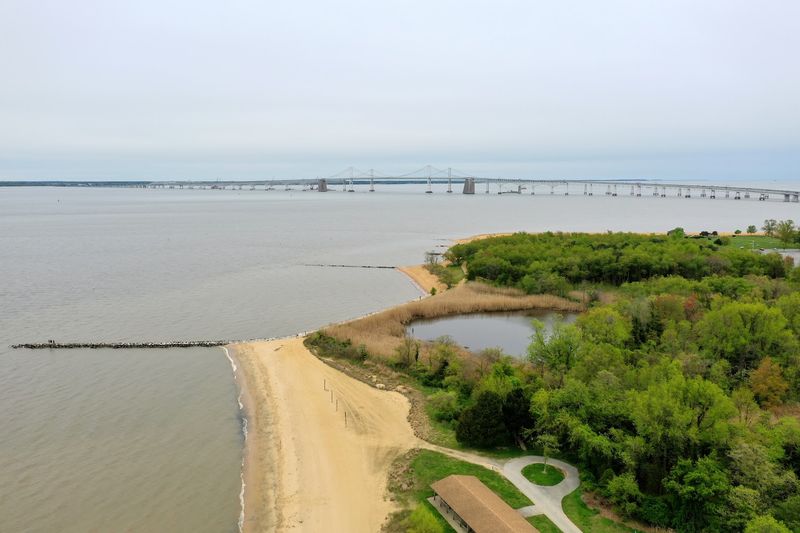
The first thing I noticed after stepping off the boat wasn’t the sand or the waves. It was the birds.
Sandy Point has the kind of birdlife that makes you stop mid-step and just watch.
Great blue herons are a common sight along the water’s edge, moving with that slow, deliberate patience that makes them look almost prehistoric. Painted buntings, one of the most colorful birds in North America, can be spotted in the scrubby vegetation behind the beach.
During migration season, the variety of species passing through this stretch of coast is genuinely impressive for birdwatchers of any experience level.
The tidal creeks and shallow flats around Sandy Point attract a range of crab species too. Sand fiddlers scurry across the wet mud in groups, ghost crabs dart along the surf at dusk, and horseshoe crabs occasionally make an appearance in the shallows.
It’s the kind of biodiversity you’d expect from a protected area, which makes sense given how close this beach sits to the Cape Romain National Wildlife Refuge.
Bottlenose dolphins are known to work the surrounding waterways, and if you’re out on the water at the right time, you might catch them riding the bow wake of a passing boat. Between May and October, loggerhead sea turtles come ashore to nest on South Carolina’s barrier island beaches, and Sandy Point falls within that broader nesting corridor.
Alligators have been spotted in the marshy areas nearby, so staying aware of your surroundings, especially near the edges of the scrub, is always a smart habit out here.
Shell Collecting at Its Most Rewarding
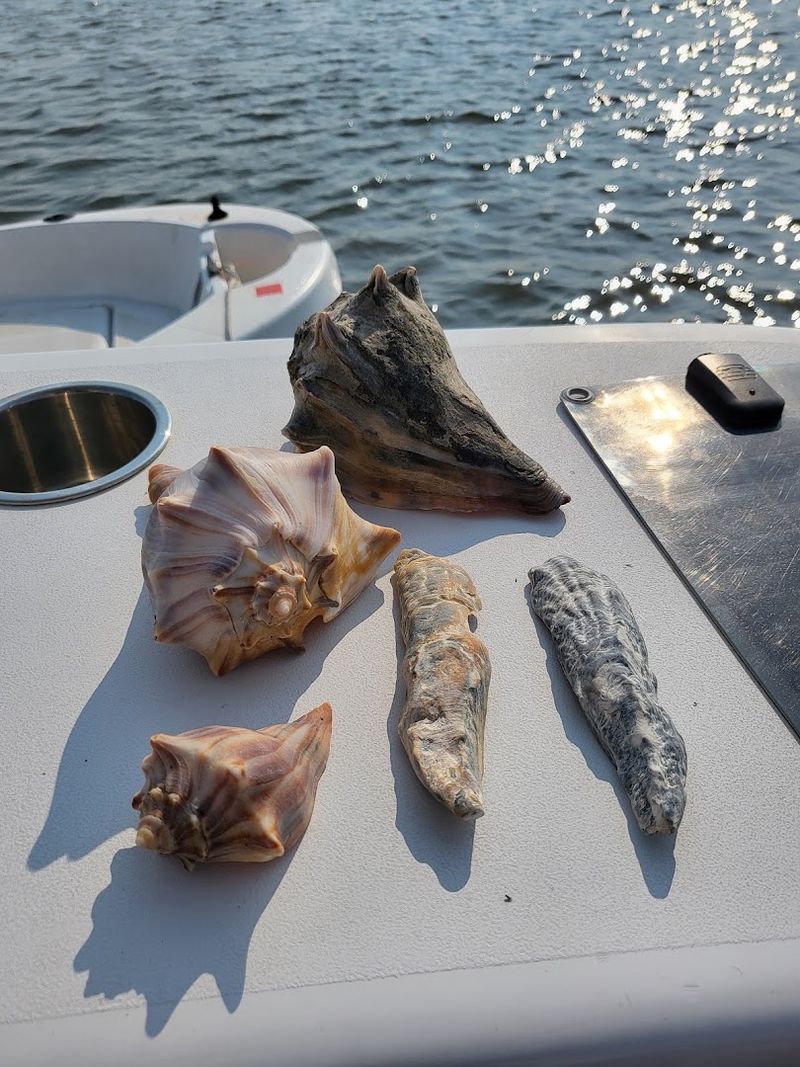
Shell collecting at Sandy Point has a different feel than picking through the leftovers at a busy beach. Because so few people make it out here, the shells are often exactly where the tide left them, undisturbed and waiting.
The beach is particularly well known for sand dollars. Finding a whole, unbroken sand dollar always feels like a small victory, and Sandy Point gives you a genuinely decent shot at it.
The lettered olive, also called the key shell, shows up here regularly too. It happens to be the official state shell of South Carolina, so there’s a bit of extra satisfaction in spotting one along this stretch of coast.
Baby’s ear shells are another find worth looking for. They’re delicate, smooth, and easy to miss if you’re moving too fast.
The trick with shell collecting anywhere is to slow down, and Sandy Point naturally encourages that pace.
Low tide is the clear winner for timing a shell-hunting visit. The receding water exposes wide flats of wet sand where shells collect in natural pockets and channels.
Bringing a small mesh bag keeps your hands free while you explore. A pair of water shoes is also useful since the sand near the waterline can be uneven and scattered with oyster shells.
There’s something almost meditative about combing a beach that hasn’t been picked over. The repetitive motion of scanning the sand, the sound of small waves, the occasional unexpected find.
Sandy Point turns a simple walk into something that sticks with you long after the drive home.
The Quiet That Actually Quiets Your Mind
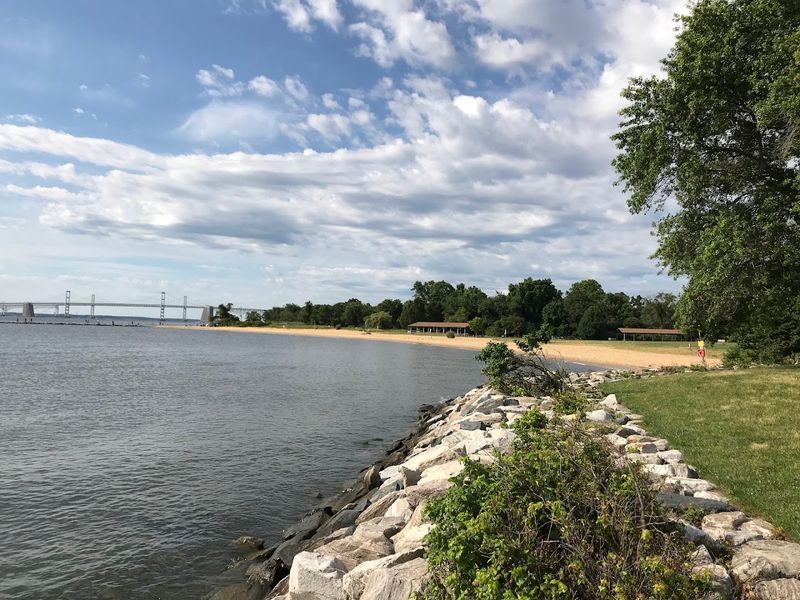
Solitude is easy to talk about but hard to actually find. Sandy Point delivers the real version of it, not just fewer people, but a genuine sense of being removed from the noise of everyday life.
Because the beach has no commercial facilities and no road access, the crowd dynamic is completely different from anything you’d experience at a typical coastal destination. On most visits, you’re likely to share the beach with shorebirds more than with other humans.
That changes the atmosphere in a way that’s hard to put into words until you’ve felt it.
Long beach walks are one of the simplest and most satisfying things to do here. The wide, undeveloped shoreline stretches out in both directions with nothing interrupting the view.
There’s no background noise from beach bars or rental stands. Just wind, waves, and the occasional call of a bird overhead.
A quiet picnic on the sand is another option that fits perfectly with this setting. Bringing your own food and water is a necessity anyway since nothing is available on-site.
That self-sufficiency actually adds to the experience. You’re not a customer out here.
You’re a visitor in a place that doesn’t depend on you.
Sunset from Sandy Point is worth planning your day around. The Lowcountry marsh stretches out behind the beach, and as the light drops, the colors that move across the sky and water are the kind that stay with you.
No filter needed, no caption required. Just a moment that feels genuinely earned.
When to Go and What to Bring
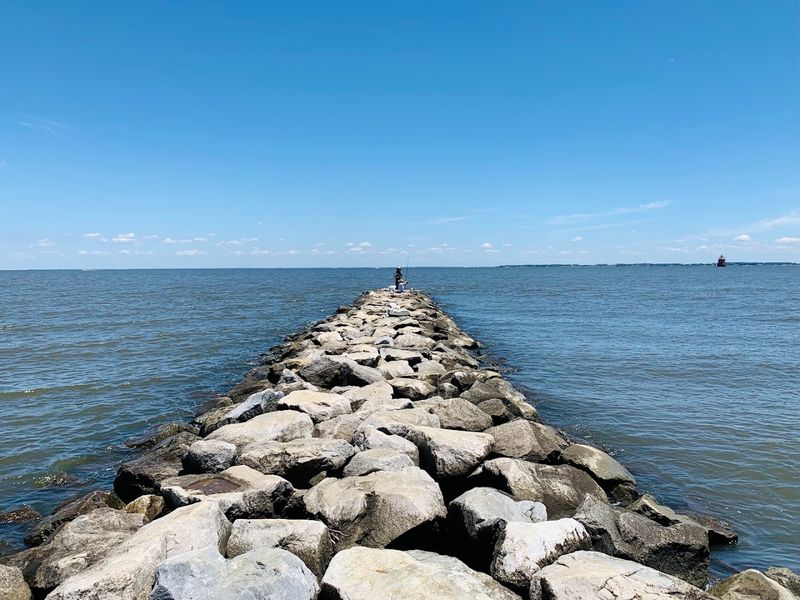
Planning a trip to Sandy Point takes a bit more thought than your average beach day, but the preparation is straightforward once you know what to expect. The beach rewards visitors who show up ready.
April through October is generally the best window for a visit. Spring and fall offer comfortable temperatures and tend to bring fewer people, which enhances the already-secluded atmosphere.
Summer is warm and full of wildlife activity, including sea turtle nesting season along the broader South Carolina barrier island chain. Winter visits are quieter still, and for birdwatchers specifically, the cooler months bring a different and rewarding mix of species to the area.
Checking tide charts before you go is genuinely important here. Low tide opens up the beach and makes shell collecting far more productive.
High tide can significantly reduce the available shoreline, so timing your arrival around the tidal cycle makes a real difference in the experience.
Since there are no facilities of any kind on the beach, the packing list matters. Bring all your own water and food.
Sunscreen is essential since there’s no shade structure of any kind. A hat, sunglasses, and a light layer for the boat ride back round out the basics.
Water shoes help with the uneven oyster shell terrain near the waterline.
A pair of binoculars is one of those things you’ll be glad you remembered. The wildlife viewing here is exceptional, and getting a closer look at a painted bunting or a diving pelican without disturbing them makes the whole trip feel even more worthwhile.
Address: Sandy Point Beach, South Carolina 29458
