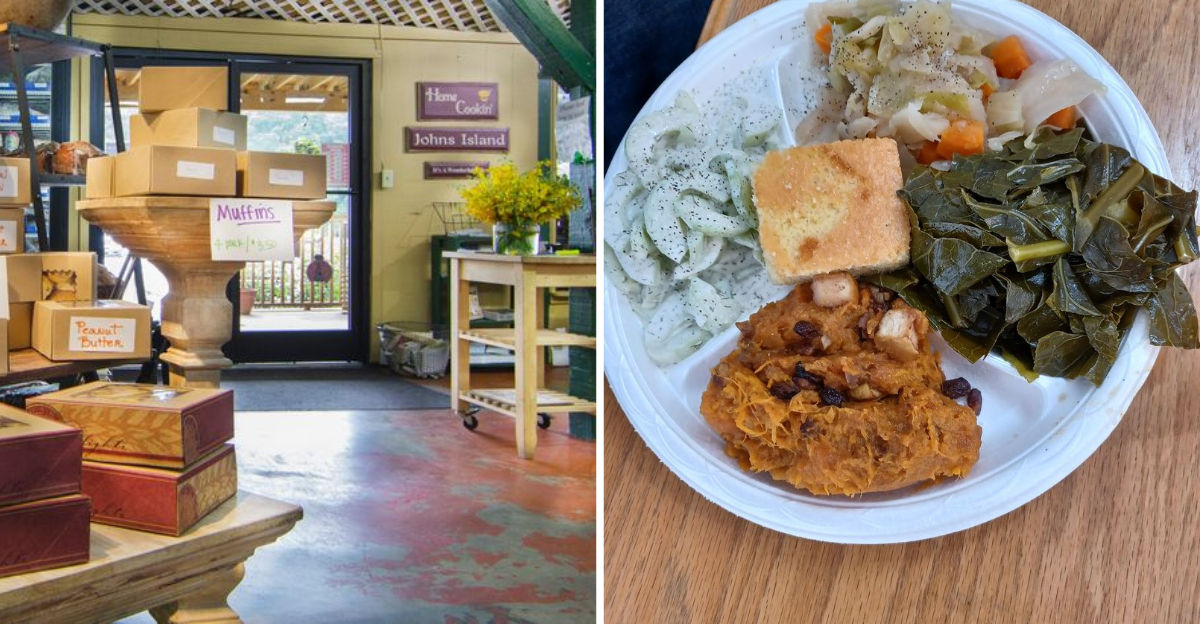
Hand-painted signs and the smell of something buttery drifting out the door pulled me back to a little building tucked under live oak branches on a South Carolina road. I nearly missed it the first time, and I circled back mostly because of curiosity and that smell.
Inside, I found a country kitchen full of chatter, shelves of jars and produce, and a menu with more side dishes than I could reasonably choose between. It felt less like a restaurant and more like somebody’s family had simply opened up their home to strangers, which, in a way, is exactly what happened here.
The place grew out of an old agricultural building on a shrimping and farming family’s property, and it has been feeding hungry locals since long before farm-to-table became a buzzword.
The grits are stone-ground, the tomatoes come from the field out back, and the whole room hums with the kind of warmth that makes you want to linger.
I left with a full stomach, a bag of grits, and a strong suspicion that I would be back before the season ended.
A Building With Dirt Under Its Fingernails
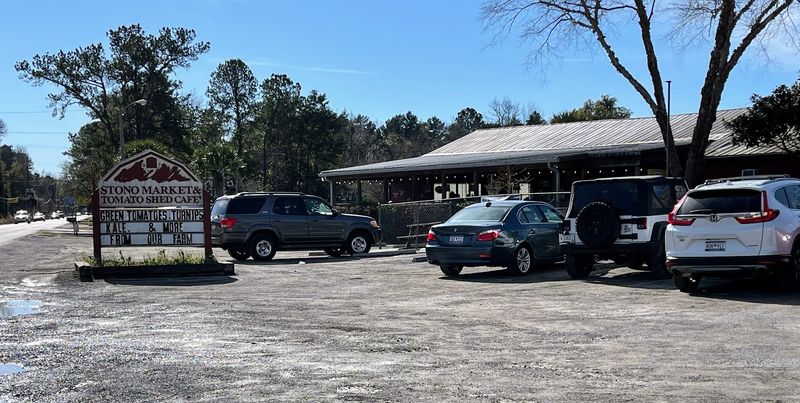
Old buildings usually tell on themselves, and this one does the moment you pull into the gravel lot. The structure has that low, practical shape of something built to move crates rather than seat customers.
The Ambrose family took over the historic agricultural building back in 1989, and instead of scrubbing away its working past, they leaned right into it.
The name Stono comes from the old Stono Depot that once stood on this very property, part of the Seaboard Air Line Railroad expansion in 1916.
That railroad push is why produce sheds sprouted all along Main Road in the first place, giving Lowcountry South Carolina farmers a way to ship tomatoes and corn out to distant markets.
Knowing that history changes how the room feels. You are eating lunch in a spot that once handled the island’s harvest, and the walls have clearly seen a lot of hard, honest work.
I like that nobody here turned the place into a museum. It still functions, still moves produce, still smells faintly of fresh vegetables and cornbread.
Adaptive reuse rarely feels this natural or this unfussy.
The Porch Swing Is Worth the Wait
Waiting for a table is usually the worst part of any meal out. Here it might genuinely be a highlight.
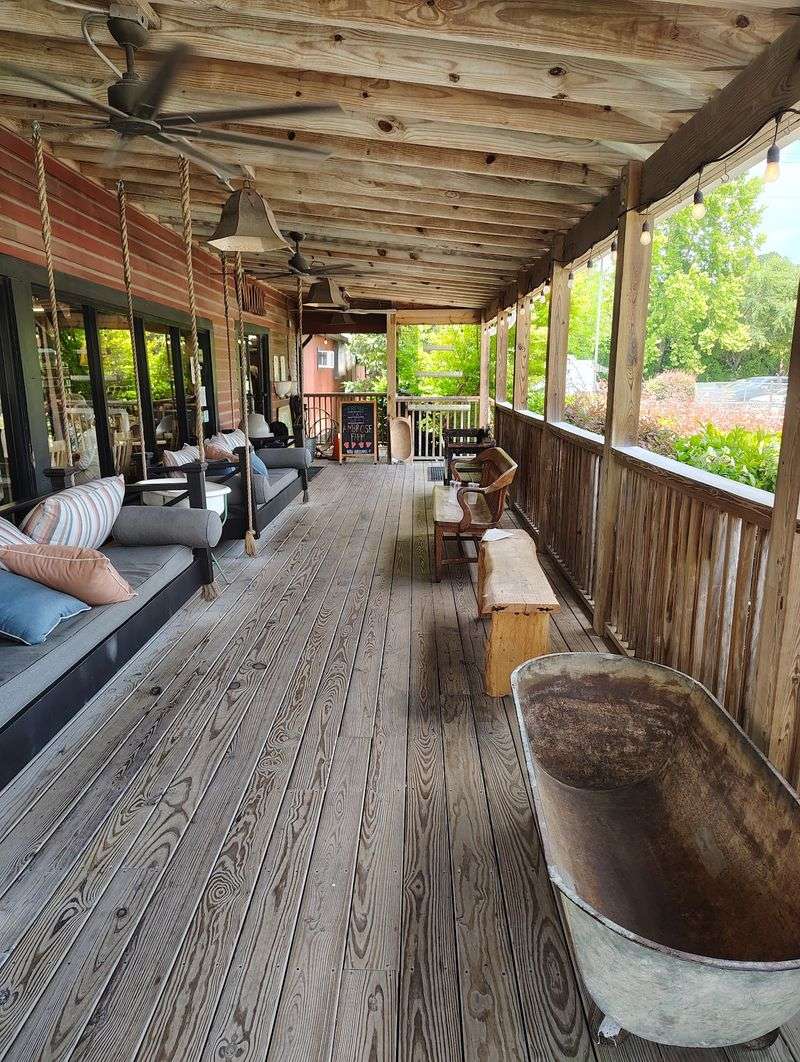
The front porch has swinging benches, and when the dining room fills up, which happens often, guests get pointed outside to sit and rock for a bit. Nobody seems bothered by it.
Shade from the surrounding oaks keeps the porch comfortable even in the thick of a Lowcountry summer afternoon. Crates of produce sit nearby, and the whole scene has an unhurried, front-yard quality that is hard to manufacture.
My advice: use that time. Wander the market side while you wait, because you will spot things you want to take home and it saves you a second lap after you eat.
Waits tend to run around fifteen minutes during the busy stretches, sometimes a touch longer on weekends.
Honestly, the porch sets the tone for everything that follows. By the time your name gets called, you have already downshifted into island pace, which is precisely the right mood for the food coming your way.
Sides That Steal the Whole Show
Here is the funny thing about ordering at the Tomato Shed: the entree often becomes an afterthought. The side dish list is long enough that people genuinely agonize over it.
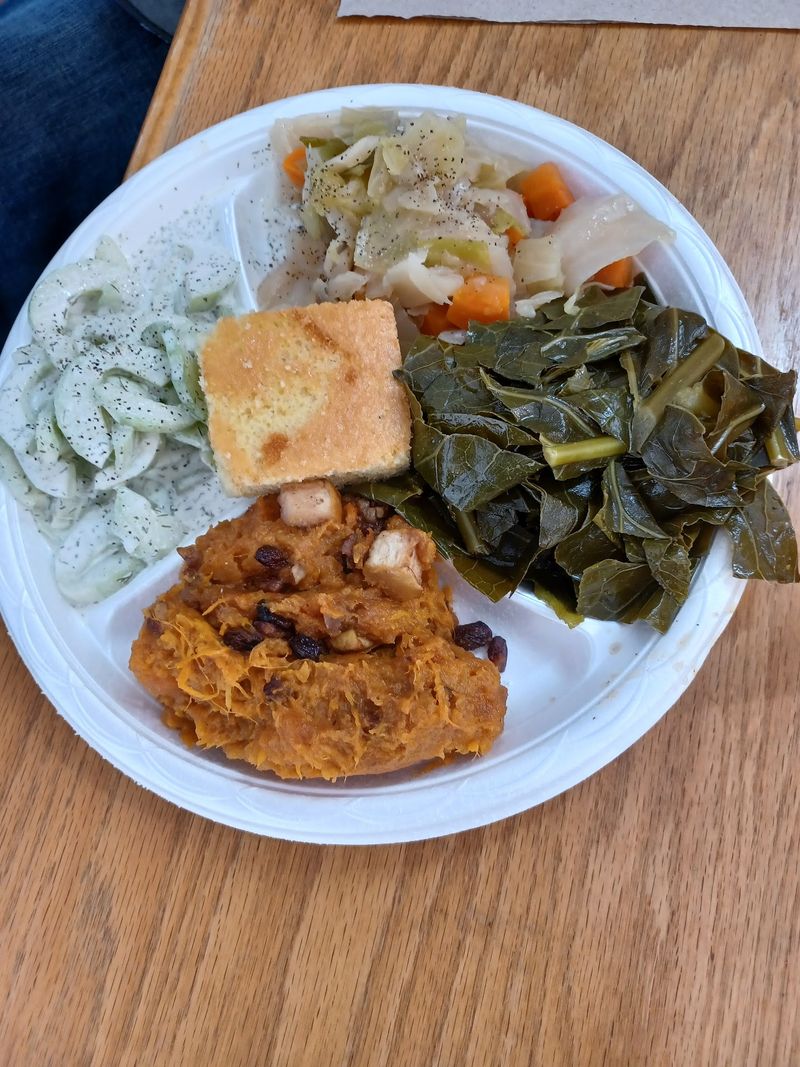
Squash casserole gets mentioned constantly, and for good reason. Speckled butterbeans, sweet potato casserole, creamy cucumbers with dill, mac and cheese, slaw, spinach dip, and cornbread all crowd the same page.
Vegetarians do especially well here. A four-vegetable plate lets you skip the meat entirely and still walk out completely satisfied, cornbread included.
Tomato pie deserves its own paragraph, and it gets one everywhere else too. Tangy, savory, loaded with tomatoes and onions, it is the single most talked-about item in the place and it is served as a side.
My strategy on a return visit was simple. Order fewer proteins, more vegetables, and let the kitchen show off what came in from the fields that week.
Portions are generous, prices stay reasonable, and the servers are quick with suggestions if you freeze up staring at the list, which is a real possibility.
Lowcountry Seafood From Family Waters
Shrimping came first in this family’s story, so it tracks that the seafood carries real weight on the menu.
Grits Shed Shrimp arrives as creamy stone-ground grits under a savory sauce with a generous pile of shrimp, and it is the dish I would order again without hesitation.
Crab cakes show up in review after review, cooked properly and portioned like someone’s grandmother made them. She crab soup has its own devoted following among repeat visitors from out of state.
Crab stuffed flounder rounds out the seafood side, and the chef’s daily specials often bring fried flounder into the rotation depending on the day.
What makes it all click is context. You are eating Lowcountry seafood a short drive from the creeks and marshes it comes from, in a building that once shipped local produce by rail.
Nothing is plated to impress a camera. It arrives hot, well seasoned, and clearly cooked by people who have made it countless times before.
If seafood is your priority, aim for a weekday lunch when the pace is a little easier.
Shopping the Market and Gift Shop
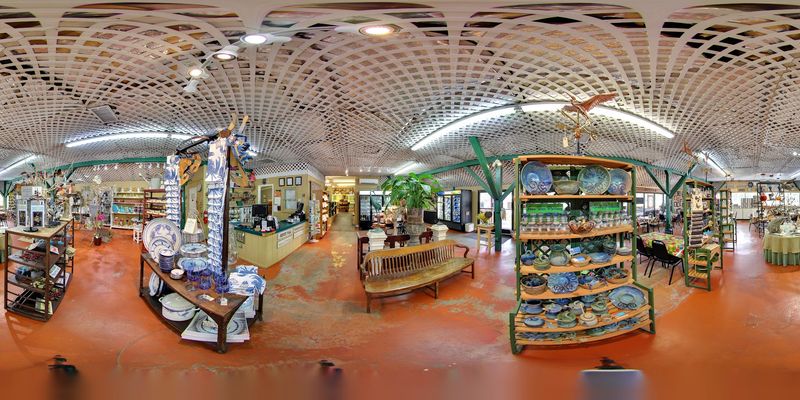
Half the fun happens before you ever sit down. The market side wraps around the dining area, so you shop and eat in essentially the same room.
Shelves hold stone-ground grits, honey, jellies, jams, local sauces, coffee, rice, and eggs. Baskets out front fill up with Lowcountry tomatoes, sweet corn, and fresh herbs when the season cooperates.
Spring and summer are peak time, especially for tomatoes, and the whole place buzzes a little louder then.
There is a gift shop element too, stocked with crafts and artwork from local makers, plus a surprisingly good selection of books and odd decorative pieces.
I ended up leaving with grits and a jar of jam I did not plan on buying, which I think is the intended outcome.
Prepared foods and baked goods sit in the coolers as well, handy if you are staying somewhere with a kitchen and want a shortcut dinner.
Bring a tote bag. You will use it, and it beats juggling jars across a gravel parking lot.
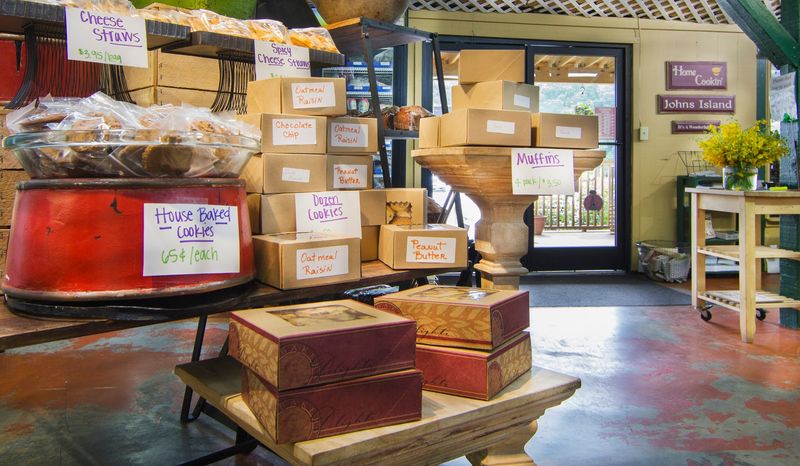
The whole market feels less like a gift shop and more like a neighbor’s pantry, stocked with the things you did not know you needed until you saw them. I found myself picking up jars just to read the labels, and the handwritten signs made everything feel personal and rooted in place.
By the time I reached the register, my arms were full and my curiosity was completely satisfied.
Planning Your Drive Down Main Road
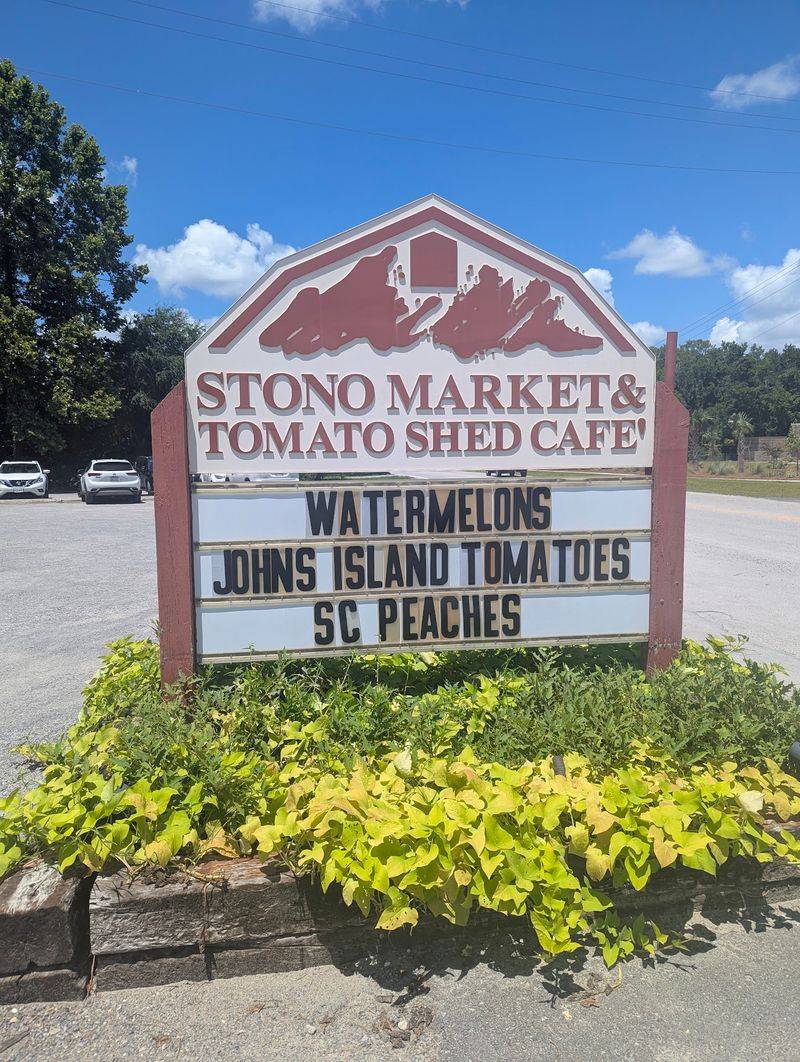
Getting there is genuinely part of the appeal. Main Road runs between U.S. 17 and the Kiawah and Seabrook Islands, threading beneath oak canopies that make the drive feel far longer removed from Charleston than it actually is.
Plan around the schedule, because it matters. The cafe is closed Sunday and Monday, opens at 9 AM Tuesday through Saturday, and stays open until 9 PM on Thursday, Friday, and Saturday.
Tuesday and Wednesday it wraps up at 6 PM.
Dress is completely casual. Beach clothes, work clothes, whatever you have on is fine, and nobody will look twice.
Pair the stop with other Johns Island attractions like the Angel Oak Tree, which sits a short drive away and makes for an easy combined afternoon.
The place is small, with one restroom and limited seating, so patience helps during peak hours.
Go hungry, arrive curious, and leave room in the car for groceries.
The Feeling You Walk Away With
The meal ends, the plates get cleared, and you pay at the counter near the jars of honey and bags of grits. But the feeling of the place stays with you.
It is not just the food, though the food is memorable.
It is the way the room holds onto the quiet hum of conversation, the way the porch swing still rocks gently after you stand up, the way the live oaks outside seem to keep the whole property cool and calm.
I walked out with a bag of grits and a jar of jam, both things I had not planned to buy, but I was already thinking about how I would use them at home.
That is the kind of place the Tomato Shed is. It does not just feed you.
It makes you want to carry a piece of it back with you. Whether it is a recipe, a memory, or a jar of something sweet, you leave with more than you came with.
And that, honestly, is the best kind of restaurant there is.
Address: 842 Main Rd, Johns Island, South Carolina 29455
