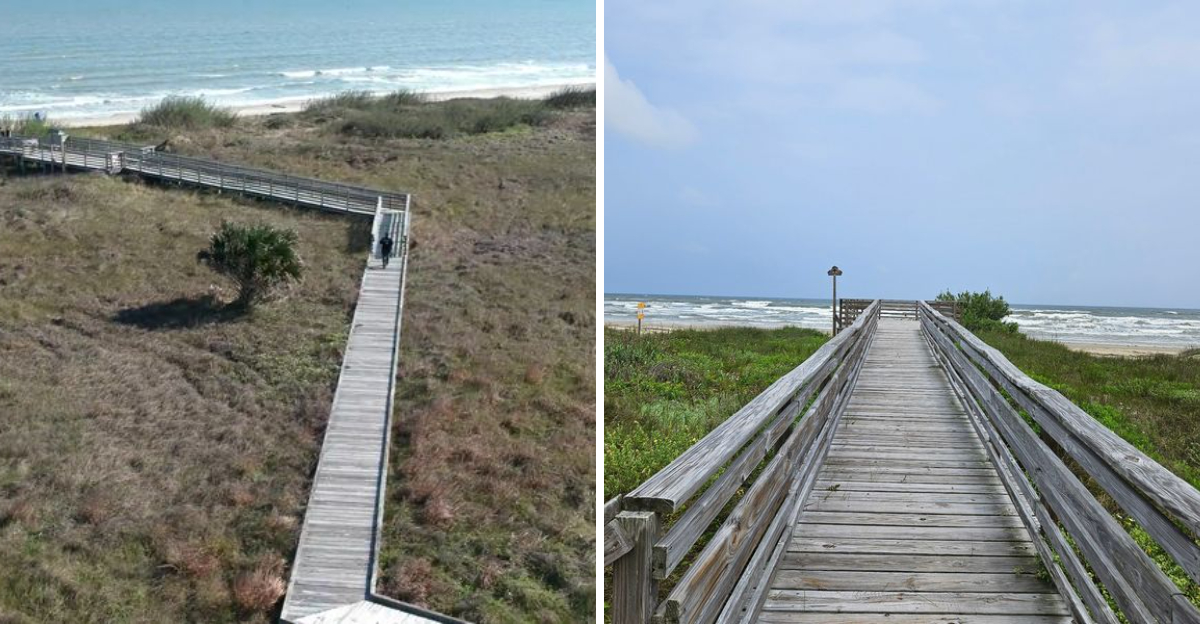
A coastal nature walk sounds relaxing enough, but this little Texas park adds birds, beach access, and seasonal butterflies to the deal.
The 5.6-acre day-use area has a walking trail through habitat used by scissor-tailed flycatchers, orchard orioles, buntings, tanagers, cuckoos, warblers, and other birds, with monarchs passing through during their fall migration.
It is the sort of outing where slowing down actually improves the experience, because rushing past everything would defeat the whole point of coming somewhere specifically to see what is flying, rustling, or growing nearby.
For Texas outdoor lovers who want a short nature break rather than an all-day expedition, this is a refreshingly manageable escape where wildlife watching and a walk toward the coast provide most of the entertainment.
A Quiet Coastal Escape Most Travelers Miss
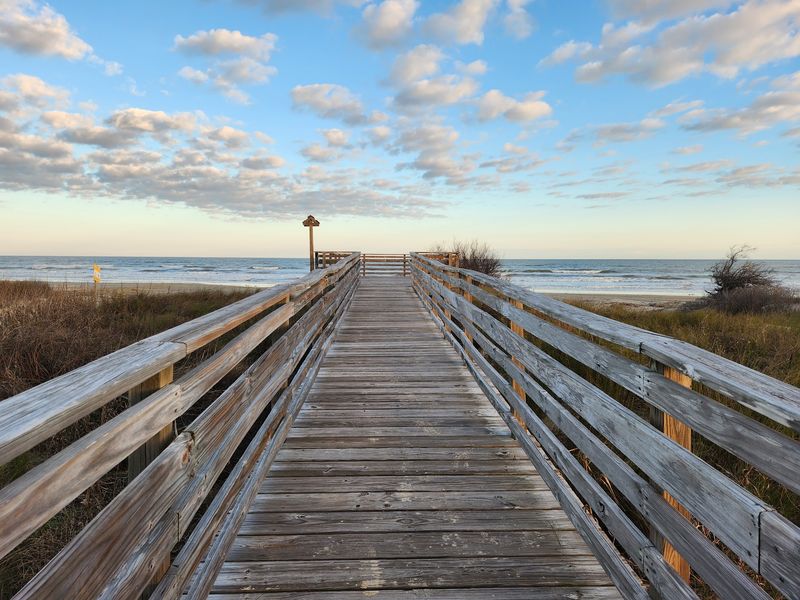
Most stretches of the Texas coast come with packed parking lots and beach umbrellas as far as the eye can see. Kelly Hamby Nature Trail Park works differently.
At only 5.6 acres, it is easy to overlook from the road, which is exactly why it stays peaceful.
The park is roughly halfway between Surfside Beach and Galveston. Parking is usually available without circling the lot, and the soundtrack is wind, waves, and birdsong instead of car stereos.
Visitors looking for a low-key morning outing will find the scale refreshing. The whole property can be explored in under an hour, which makes it a smart stop when driving the coastline rather than an all-day commitment.
Because it is a day-use facility, hours follow daylight. Arriving early gives softer light for photos and cooler temperatures, while late afternoon brings warm color across the dunes.
The trail leads to pristine Gulf Coast beach access, so swimming and shoreline strolling are both on the table. That combination of trail plus beach in one small package is uncommon along this part of the coast.
Fun detail worth knowing: the park is located about one mile southwest of the Galveston toll bridge, making it an easy detour for anyone crossing San Luis Pass. Plug the address into a map app before leaving, since cell service along the highway can be spotty and the entrance sign is modest.
Birdwatching That Rivals Bigger Preserves
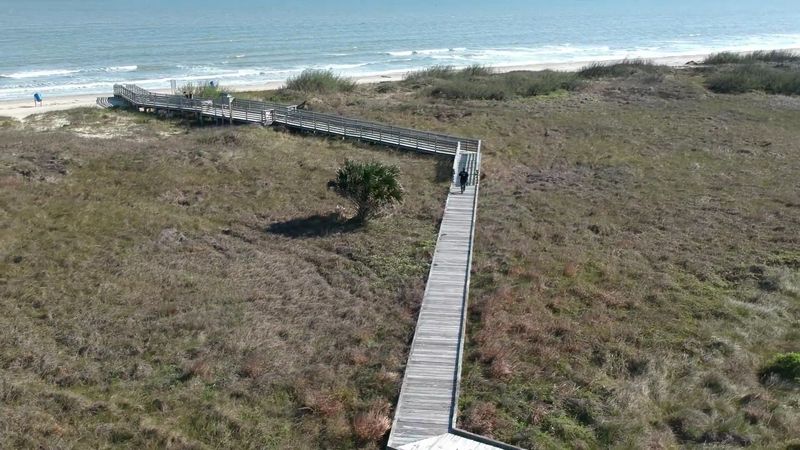
Serious birders already know this stretch of coastline. Kelly Hamby Nature Trail Park provides valuable habitat right where migrating flocks make landfall, and the species list can surprise anyone expecting only gulls.
Resident birds include scissor-tailed flycatchers, easy to identify thanks to their long forked tails, and orchard orioles with their rich coloring. Both often perch in the shrubby cover near the trail.
Migration turns the volume up considerably. Buntings, tanagers, cuckoos, and warblers all pass through, using coastal vegetation as a resting and feeding spot after long flights over open water.
Bring binoculars and a camera with a zoom lens. Small songbirds tend to stay hidden inside foliage, so patience does more good than chasing movement.
Timing matters for the best sightings. Early morning is typically the busiest period for bird activity, and spring and fall migration windows deliver the widest variety.
Quiet behavior pays off on a trail this size. Soft voices, slow steps, and a few minutes of standing still will produce more sightings than covering ground quickly.
A pocket field guide or a bird identification app helps turn a walk into a learning session, especially for kids who enjoy checking species off a list.
Because the park is compact, birders can cover the entire trail multiple times in one visit. Repeating the loop often reveals new arrivals, since birds shift between feeding spots throughout the morning hours.
Wooden Boardwalk Winding Through the Dunes
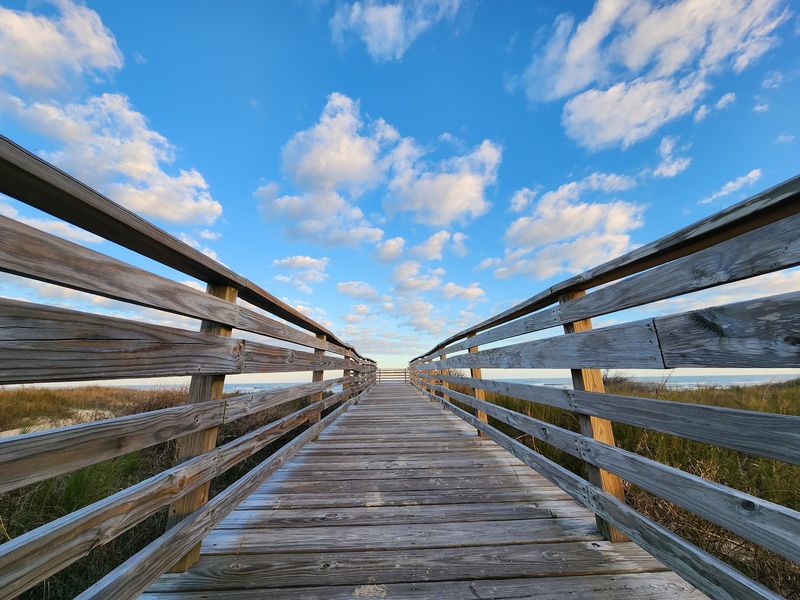
The star of the park is unmistakable the moment the path lifts off the ground. A flat gravel surface starts the walk, then transitions into an elevated wooden boardwalk that curves through coastal dunes covered in green, salt-tolerant plants.
Raised walkways like this one exist for a reason. Dune plants hold sand in place and protect the shoreline, and foot traffic can flatten them quickly.
Walking above the vegetation lets visitors get close to the habitat without damaging it.
From the planks, the view opens up in every direction. Grasses ripple, sand shifts, and the Gulf glitters ahead, all while a steady sea breeze keeps the air noticeably cooler than the parking area.
The distance is short and the grade is flat, so the boardwalk suits casual walkers as much as seasoned hikers. Anyone hoping for a strenuous workout should think of this as a scenic stroll instead.
Footwear advice: closed-toe shoes work well on the gravel section, and sandals are handy once the beach comes into view. Wooden boards can be slick after rain or heavy morning dew, so slow down on damp days.
Photographers tend to linger here. The boardwalk creates natural leading lines through the dunes, and early or late light brings out texture in the sand and shadows between the boards.
Take time to pause partway across. Standing still for a minute or two often reveals lizards, insects, and small birds moving through the greenery just below the railings.
Monarch Butterflies Stop Here Every Fall

Late September and early October bring one of the park’s most memorable sights. Monarch butterflies pass through on their long migration, and the coastal plants here supply the nectar and shelter they need along the way.
Seeing dozens of orange and black wings drifting across dune vegetation is a genuinely different kind of hiking reward. Unlike birds, monarchs often land close by and stay put long enough for a good photo.
The migration is one of the longest insect journeys on the planet, with monarchs traveling thousands of miles toward wintering grounds. Coastal stopover sites like this one function as fueling stations.
Warm, calm afternoons tend to produce the heaviest butterfly activity, while windy days push them low into the shelter of the plants. Checking the forecast before driving out is worthwhile during peak weeks.
Look for flowering plants along the boardwalk edges rather than scanning the open sky. Nectar sources concentrate the butterflies into small pockets.
Photographing monarchs takes a steady hand and a bit of waiting. Kneeling near a blooming shrub and staying still usually beats walking around after them.
Families with children get a built-in science lesson from the experience. Watching a butterfly refuel mid-journey makes the concept of migration far more real than any textbook diagram.
Resist the urge to touch or capture the butterflies. Their wing scales are delicate, and leaving them undisturbed keeps the migration route healthy for future seasons.
Swimming and Beachcombing Without the Crowds
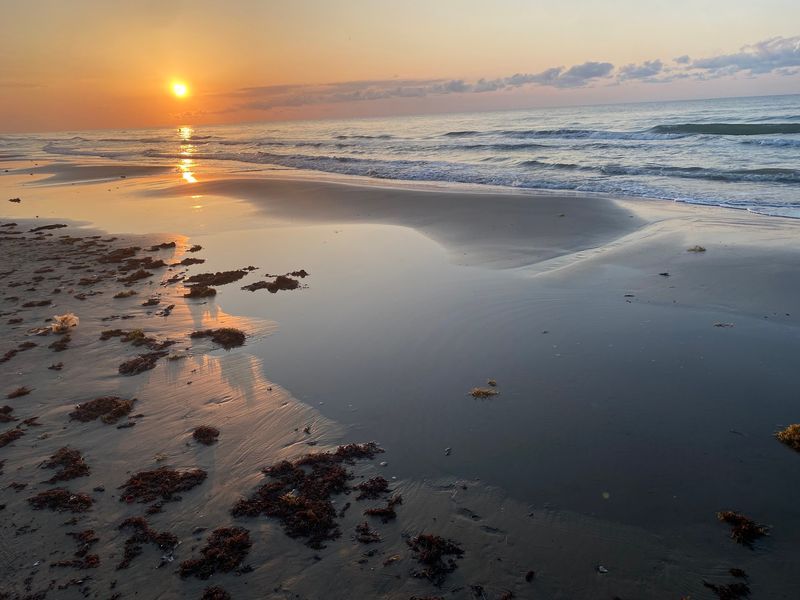
Follow the trail to its end and the Gulf opens up. Beach access is one of the park’s biggest draws, and the shoreline here tends to be far quieter than better-known beach towns nearby.
Swimming is a popular reason to visit on warm days. The water is open Gulf, so pay attention to conditions, watch for strong currents, and keep an eye on children at all times.
Beachcombers do well along this stretch. Shells, driftwood, and small bits of ocean debris wash in regularly, and a quiet beach means less competition for the good finds.
Low tide after a windy night usually delivers the best haul. Walking with the water on one side and scanning the wet sand line is the simplest strategy.
There are no concession stands or gear rentals here, so pack accordingly. Towels, a beach umbrella, drinking water, and a bag for trash cover the basics.
Sun protection deserves extra attention on open sand. Reflected light off the water increases exposure, making a hat, sunglasses, and reapplied sunscreen genuinely useful rather than optional.
Carry out everything brought in. Loose plastic and food wrappers can harm birds and marine life, and keeping the beach clean is part of what preserves the park’s quiet appeal.
Sunrise visits reward early risers with glassy water and an almost empty shoreline, a combination that is hard to find anywhere else on this coastline during peak season.
Picnic Spots and Signs That Teach as You Walk
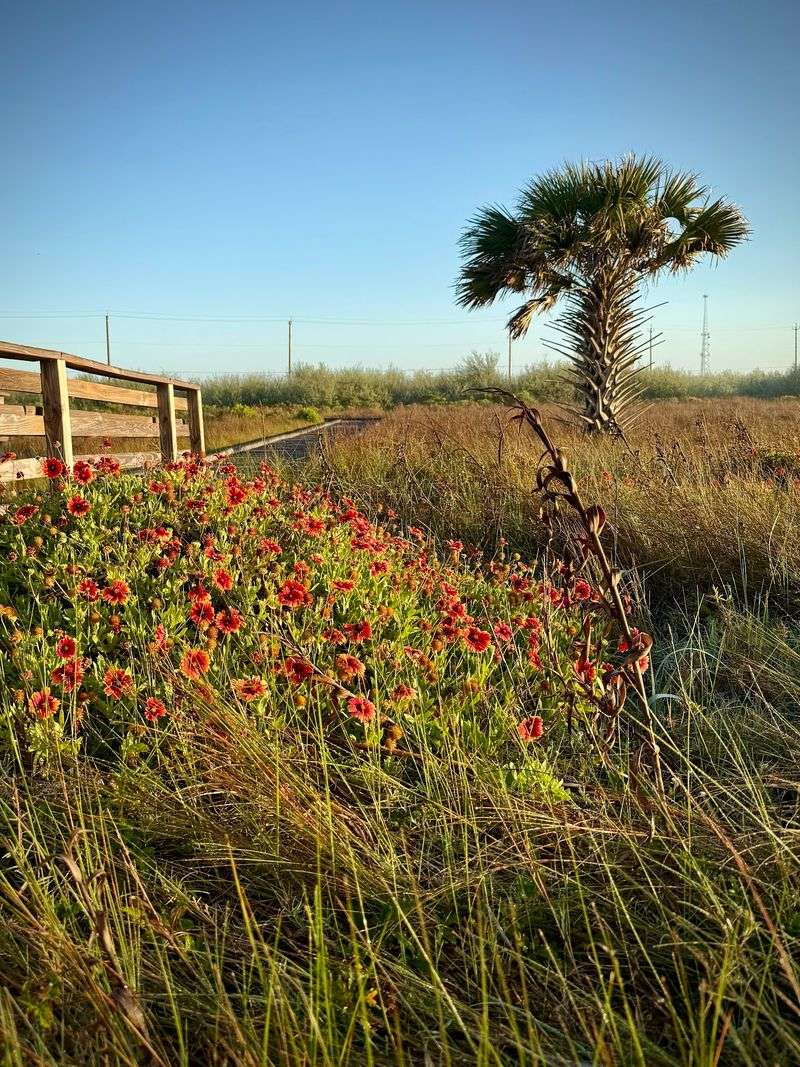
Learning happens naturally here thanks to interpretive signs placed along the trail. Each one explains a piece of the coastal habitat, from dune formation to the plants and animals that survive in salty, windy conditions.
Reading a sign and then spotting the exact plant it describes turns a short walk into something closer to an outdoor classroom. Teachers, scout leaders, and homeschool families find this format especially useful.
The park’s calm setting also lends itself to picnicking. Packing sandwiches, fruit, and plenty of water makes for an easy meal with a dune-and-ocean backdrop.
Since facilities are limited, plan meals to be simple and low-waste. Reusable containers, a small cooler, and a trash bag handle everything a family needs.
Wind is a factor when eating outdoors near the beach. Weighted napkins, sealed containers, and a low-profile blanket beat lightweight paper plates every time.
Kids often stay engaged longer when given a task. Counting bird species, matching plants to the signs, or sketching the dunes keeps young visitors curious rather than restless.
Quick history note: the trail carries the name Kelly Hamby, and the park is managed as part of the Brazoria County parks system, which oversees several nature-focused sites across the county.
Combining a short hike, a snack break, and a few minutes of reading makes this an ideal introduction to coastal ecology for visitors of nearly any age.
Stroller-Friendly, Dog-Friendly, and Easy for Everyone
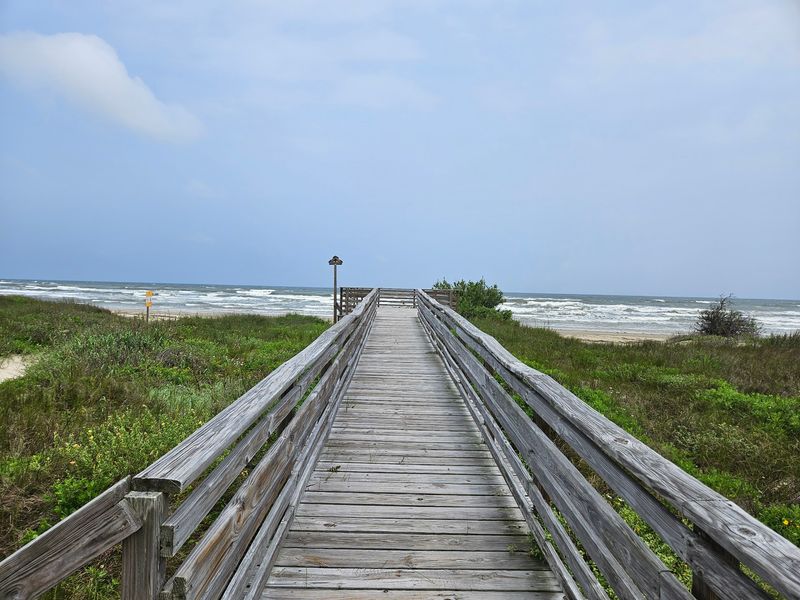
Accessibility is one of the quiet strengths of this little park. Wheelchair-accessible parking is provided, which makes reaching the trail far simpler than at many undeveloped coastal sites.
The wooden boardwalk also handles strollers well. Parents pushing toddlers can enjoy the dune views without wrestling wheels through soft sand.
Dogs are welcome, so leashed pups get to share the sea breeze. Bringing water for the dog, waste bags, and a check of the pavement temperature before setting out are all smart moves.
The hike itself rates as easy. Flat surfaces and a short distance mean grandparents, young kids, and casual walkers can all finish comfortably.
Groups with mixed ability levels appreciate that nobody has to be left behind. Everyone travels the same route at the same relaxed pace.
For those who want more distance, walking the trail out and back a couple of times or extending onto the beach adds mileage without adding difficulty.
Midday heat is the main challenge, not terrain. Shade is minimal, so morning or evening visits work better for anyone sensitive to sun and temperature.
Simple planning makes the trip smooth: sturdy shoes, refillable water bottles, and a plan for restroom stops before arriving, since amenities are limited at this day-use site.
Overall, the combination of accessible parking, smooth boardwalk, and short distance makes this one of the friendliest coastal trails in the region for families and mobility-conscious visitors alike.
What to Pack and How to Plan the Trip
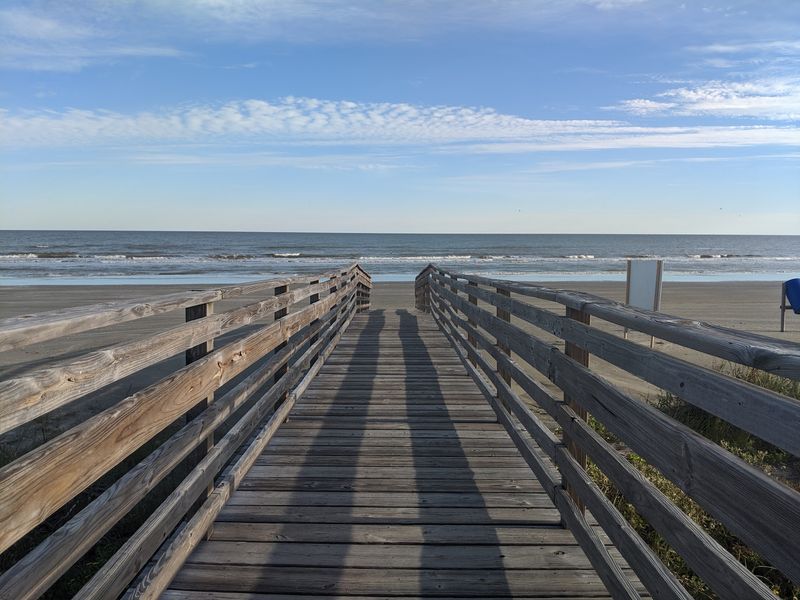
A little preparation turns a good visit into a great one. Water, sunscreen, and insect repellent top the packing list, since coastal humidity and mosquitoes can catch newcomers off guard.
Binoculars, a camera, and a hat round out the kit. Sunglasses help enormously on bright days when light bounces off both sand and water.
Staying on marked trails matters for two reasons. Dune plants recover slowly from trampling, and off-trail sand can hide uneven footing and wildlife.
Hours are limited to daylight because this is a day-use facility. Plan arrival and departure with sunset in mind rather than expecting evening access.
Directions are straightforward. The park sits on the Bluewater Highway between Surfside Beach and San Luis Pass, about one mile southwest of the Galveston toll bridge, which makes it an easy add-on to a coastal drive.
Pairing the visit with nearby stops works well. Surfside Beach lies in one direction and Galveston in the other, so a half-day itinerary comes together with almost no extra driving.
Questions about conditions, hours, or park rules can be directed to the Brazoria County Parks Department before heading out.
Leave the site better than it was found. Packing out trash, keeping noise down, and respecting wildlife are what allow a small park like this to stay a genuine hidden gem for the next group of visitors.
Address: 12083-12135 Bluewater Hwy, Freeport, TX 77541
