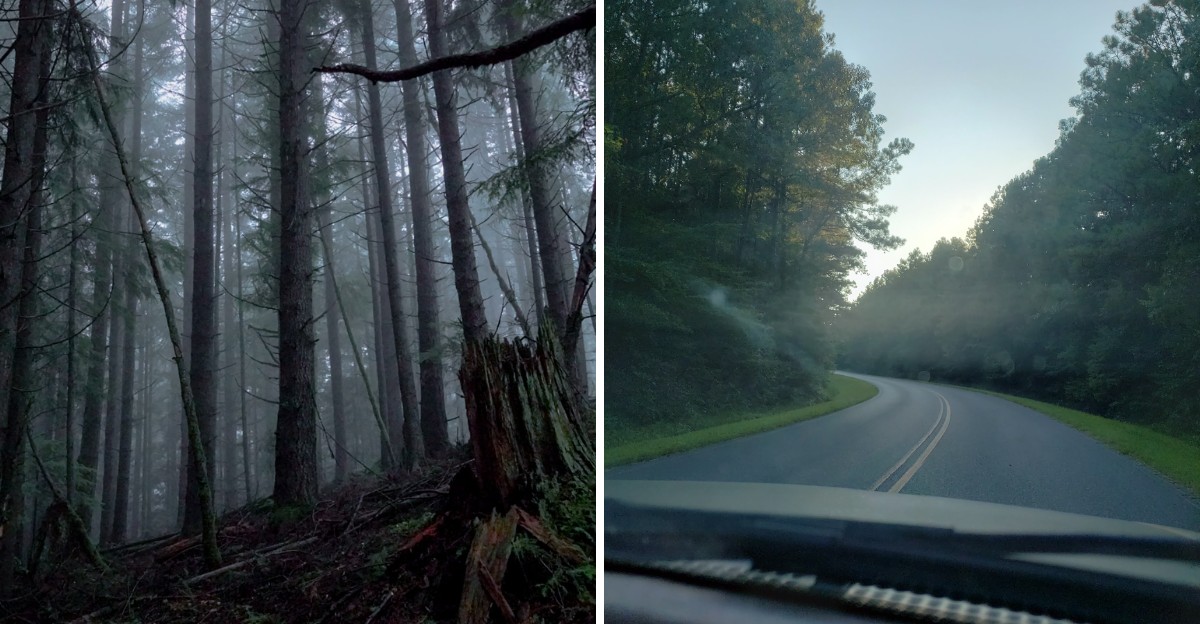
Most state forests are known for their trails, their trees, and their quiet. This one has a different reputation.
It is stunning during the day, with tall pines, winding paths, and the kind of scenery that draws photographers and hikers alike. But as the sun drops, the stories start.
Strange lights in the distance, unexplained sounds between the trees, and a history that locals do not always like to talk about. Whether you believe the legends or not, there is something in the air once the light fades.
Locals treat it with respect. Visitors come for the thrill.
A reminder that some places hold more than just scenery. The kind of forest that feels different after dark.
The kind of trip that stays with you.
Black Water That Swallows the Light
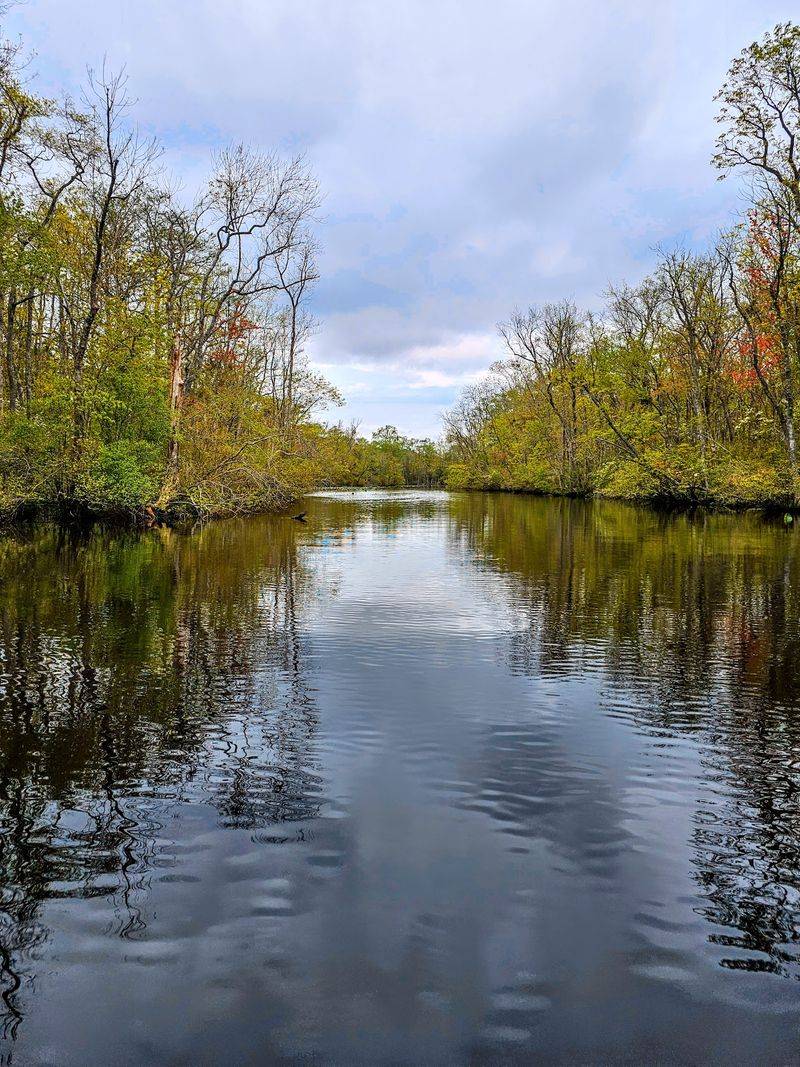
Few rivers in the mid-Atlantic look quite like the Pocomoke. The surface reads as pure black, almost like spilled ink, and the reflection of the cypress canopy sits on top of it so perfectly that it can be hard to tell which way is up.
That color comes from tannins, natural chemicals released by decaying cypress needles and leaves that steep in the slow-moving water like tea. The name Pocomoke is often translated as black water, which fits a little too well.
Paddling is the best way to understand it. Rent or bring a canoe or kayak and head toward quieter side channels like Corker’s Creek, where the trees close in overhead and the sunlight thins to a greenish glow even at noon.
The quiet out there is real. A paddle dip or a hidden bird call can feel loud enough to make you flinch.
History adds another layer. These waterways once hid British loyalists, and later served as escape routes for people fleeing enslavement, which means the currents carry stories that were never meant to be written down.
Practical tip for first-timers: go in the morning when the wind is calm and the water sits like glass. Bring insect repellent, because the bugs here take their job seriously.
Watch for cypress knees just below the surface. They can catch a hull in shallow spots and they appear in places you would swear were open water.
Cypress Knees That Look Back at You
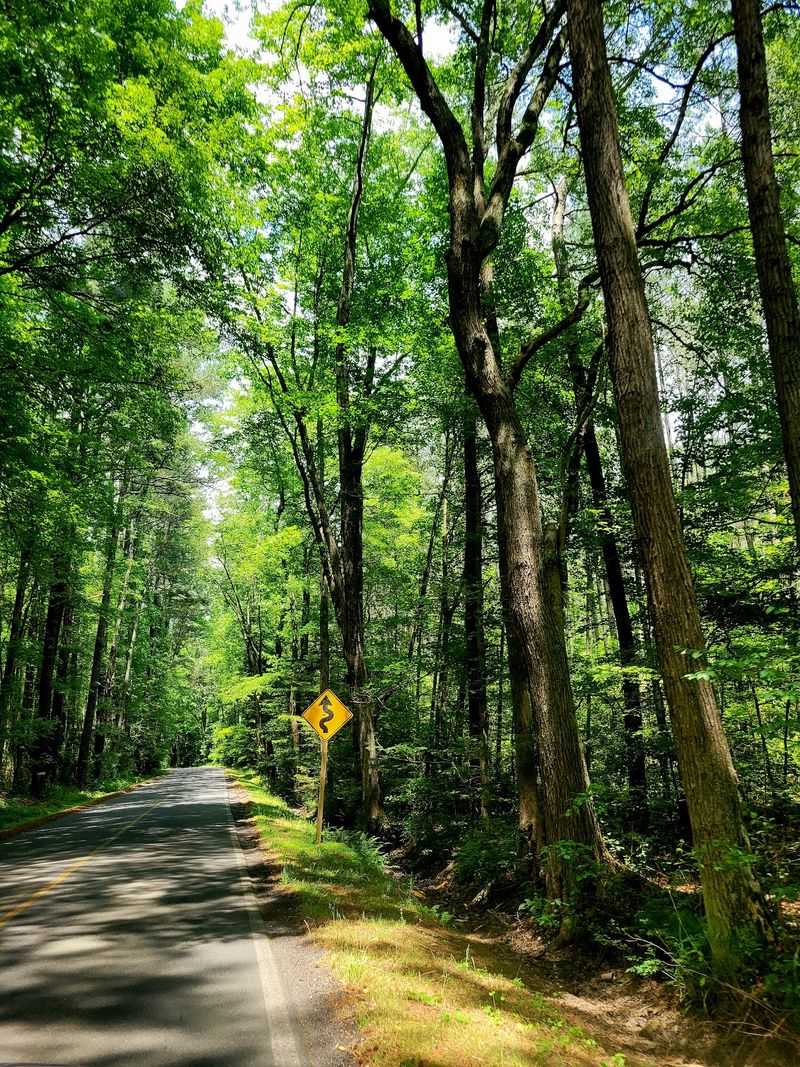
Bald cypress knees are one of the strangest sights in any American forest. They rise out of the mud in clusters, knobby and wooden, some barely ankle high and others tall enough to reach a person’s waist.
Scientists once believed the knees helped the trees breathe in waterlogged soil. The current thinking leans toward structural support, anchoring these giants in ground that floods regularly.
Either way, the effect at dusk is unforgettable. Half-light turns them into silhouettes that look uncomfortably like small figures standing still among the trunks.
Local lore leans hard into that image. One of the older and sadder legends tells of children born to enslaved women and their enslavers, said to have been drowned in the swamp, their shadows still drifting between the trees.
Visitors over the years have reported odd sensations out here, including the feeling of being brushed by something unseen. Whether that is imagination or atmosphere, the swamp certainly encourages it.
For anyone exploring on foot, stick to marked trails and boardwalks. The ground shifts from firm to soggy without much warning, and boots that stay dry are boots you will appreciate later.
Bald cypress trees can live well over a thousand years, and the species has been around since dinosaurs walked the planet. Standing among them, that fact lands differently.
Bring long pants. Ticks in this forest are relentless, and checking yourself afterward is not optional.
Old Iron, Old Ghosts at Furnace Town
Hidden near the edge of the forest sits Furnace Town, the remains of an 1800s iron furnace community where hundreds of people once lived and worked, including enslaved individuals. The tall brick furnace still stands, weathered and stubborn.
Today it operates as a living history museum with restored buildings, a blacksmith shop, and gardens. It is a genuinely interesting stop even for people who normally skip historical sites.
The ghost stories, though, are what keep it in conversation. The best known figure is Sampson Hat, sometimes called Sampson Harmon, a formerly enslaved man whose wish to be buried at the site reportedly went unfulfilled.
Reports of shadowy figures and voices with no source have circulated for decades. The surrounding woods do nothing to calm the mood.
What makes the place work is the mix. Real, documented history sits right alongside folklore, and the two feed each other.
Walking the old logging roads that thread out from this area, it helps to remember that these paths were once busy with carts, workers, and daily life. That knowledge changes how the silence feels.
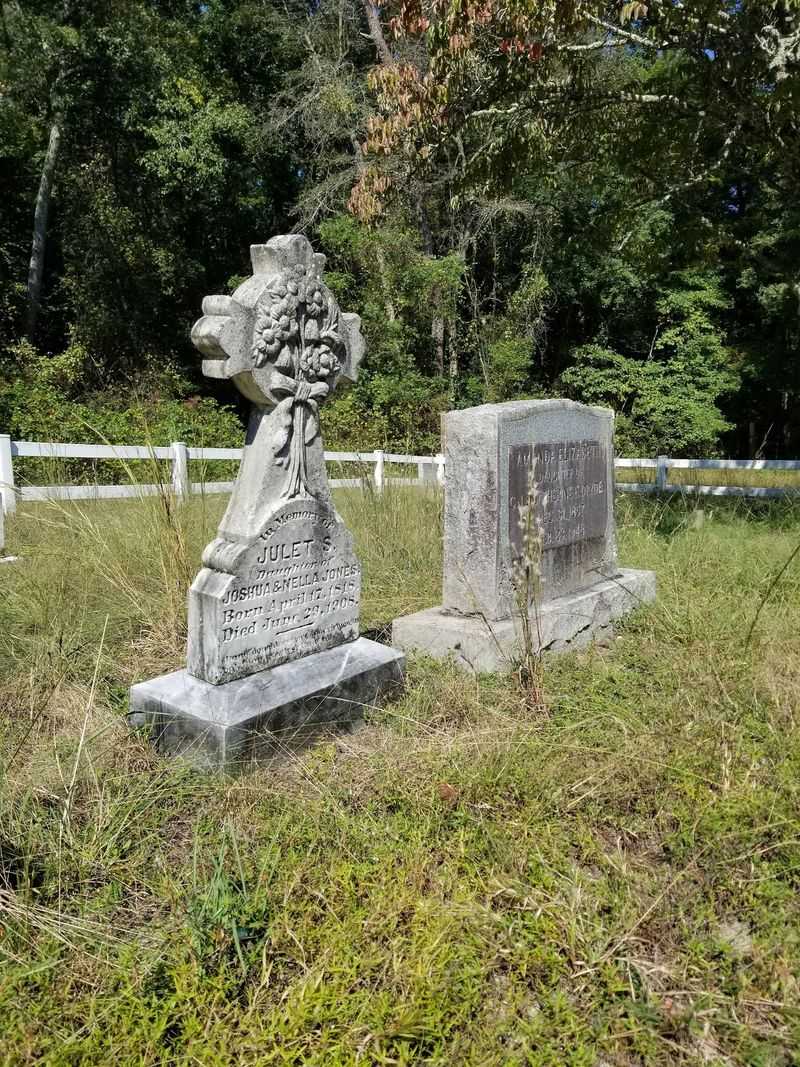
Not far off, an abandoned cemetery near the original Old Nazarene Church site adds its own strange footnote, including a tale of a Bible that grew too heavy for anyone to carry off.
Check seasonal hours before visiting, since the historic site keeps a different schedule than the forest trails.
The Sea Captain With Six Fingers
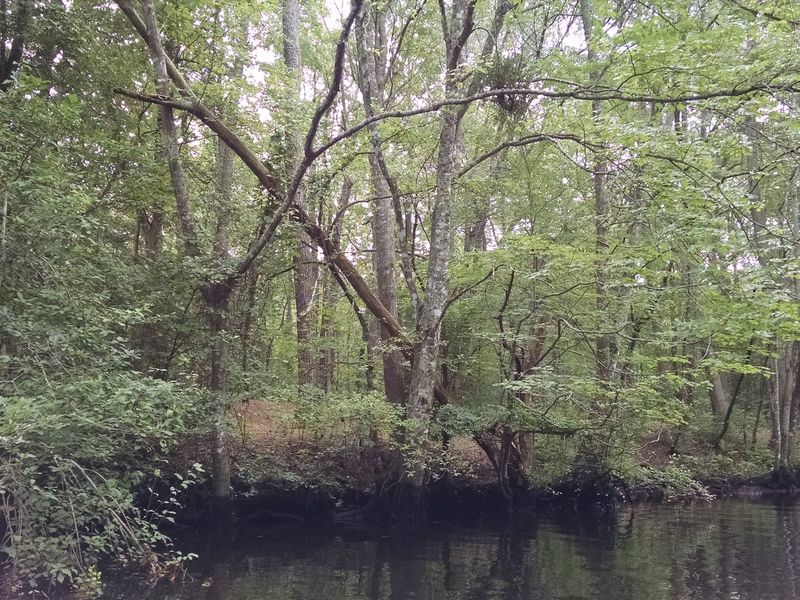
Of all the tales tied to this forest, the Cellar House legend is the one that sticks. A French sea captain is said to have built the riverside house for his bride before heading off on a long voyage.
When he returned, the story goes, he found her pregnant with another man’s child. What followed, depending on which version you hear, involved the baby cast into the Pocomoke River and the wife killed inside the house.
People claim to hear a woman crying near the river. Sometimes an infant.
Then there is the detail that turns an ordinary ghost story into something genuinely unsettling. The captain was rumored to have six fingers on one hand.
Drivers who park along the edges of the Pocomoke woods have reported returning to find six-fingered handprints pressed onto their car windows. No footprints, no explanation, just the marks.
Whether that is folklore doing what folklore does or something stranger, the specificity of it is hard to shake. Most ghost stories fade.
That one gets repeated with a shiver.
The Cellar House itself is private property, so admire the legend from a respectful distance and enjoy the surrounding river scenery instead.
Honestly, hearing the story before a paddle trip changes the whole experience. Every ripple near the bank suddenly deserves a second look.
Fair warning: you will check your car windows afterward.
Narrow Roads and Campfire Warnings
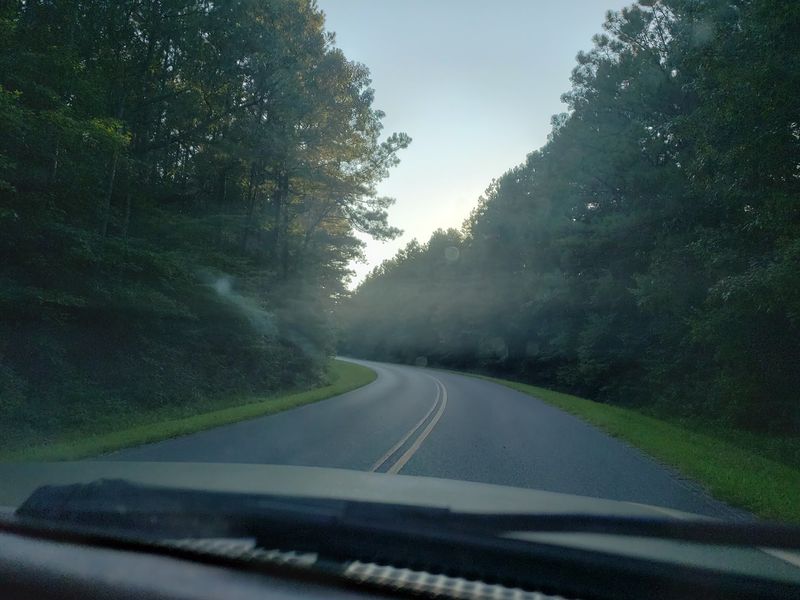
Driving through here after dark is an experience on its own. The roads narrow, the pines crowd in close to the shoulder, and headlights only reach so far before the darkness closes back up.
Deer are a constant hazard year-round, so keep your speed down. Several stretches offer nowhere to safely turn around, which matters if you are hauling anything larger than a car.
The forest’s main address is 6572 Snow Hill Rd, Snow Hill, MD 21863, and plugging that in before you lose signal is a smart move.
Two campfire classics get attached to these roads over and over. One tells of a couple who ran out of gas, the boyfriend leaving to find help, and the scratching sound on the car roof that turned out to be something horrible.
The other is the Hook Man, an escaped inmate with a hook for a hand, discovered only by the metal hook left lying beside the car door.
Neither story is unique to Maryland, but they found a comfortable home in this particular forest. Isolation and darkness will do that.
Practical advice beats bravado out here. Carry a real flashlight, keep a charged phone, and tell someone your plans.
Nighttime darkness in this forest is the genuine kind, with almost no ambient glow. Campers regularly mention bringing far more lighting than they expected to need.
Strange Lights and the Goat Man Rumor
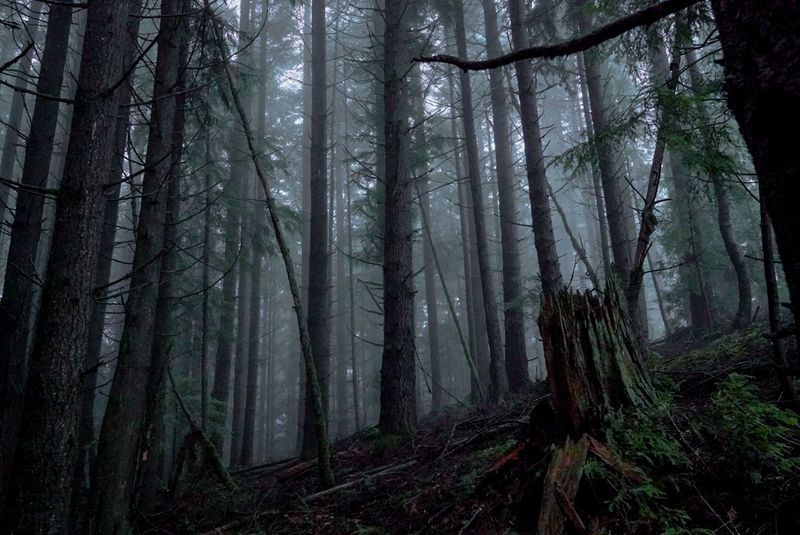
Swamps have always attracted stories about things that are not quite animal and not quite human. Pocomoke keeps that tradition alive with reports of drifting orbs, low mists that move against the wind, and quick flashes of light between the trunks.
Some people call these elementals, meaning spirits of place rather than ghosts of specific people. Others point out that swamp gas and reflected light explain a lot.
The forest does not exactly discourage either interpretation.
Then there is the Goat Man. Described as a creature with a man’s body topped by a goat’s head and horns, it supposedly roams the wetter, harder-to-reach sections of the forest, living off fish and small animals.
Actual sightings are rare. What people report far more often is sound, heavy footsteps snapping branches somewhere no person should reasonably be walking.
Most of that is almost certainly deer, and this forest has plenty of them. Still, at two in the morning with a thin tent wall between you and the woods, logic gets a little slippery.
Real wildlife here is worth far more attention than the mythical kind. Black rat snakes, eastern box turtles, prothonotary warblers, and bald eagles all make appearances.
Bring binoculars and a field guide. Birders rate this area highly, and spotting a warbler flashing gold against dark water beats any monster story.
Trails, Campsites, and Daylight Bliss
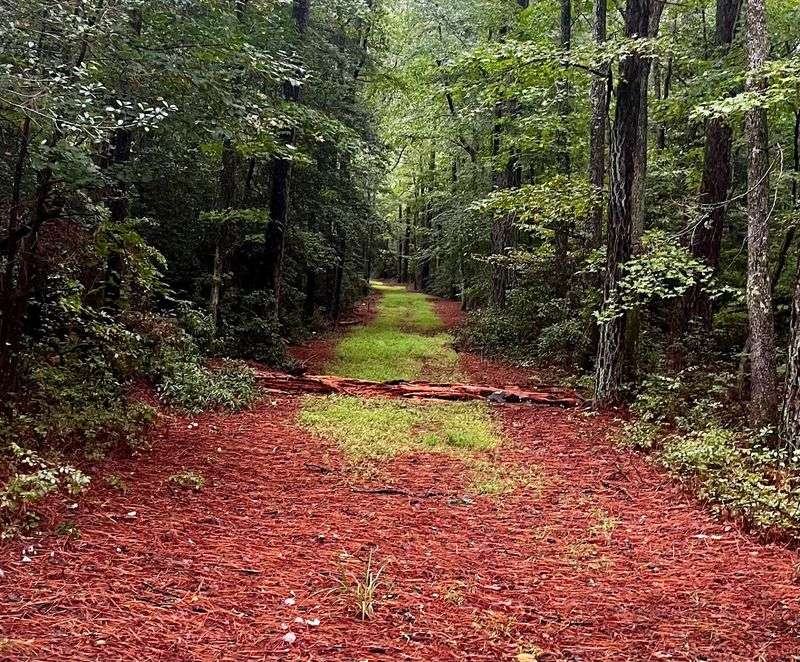
Strip away the legends and what remains is one of Maryland’s best outdoor playgrounds. The trail network runs for miles, with the Algonquin Cross Country Trail stretching about 12.5 miles through varied terrain.
Shorter options suit casual walkers just fine. The Yellow Furnace Loop runs roughly 1.8 miles and the Pusey Branch Trail clocks in under a mile.
Terrain here is famously flat, which makes it friendly for families, older walkers, and anyone who prefers scenery over suffering.
Mountain bikers and horseback riders share many of the paths, so a quick check of trail signage saves confusion. Some routes see better maintenance than others, and conditions shift with the seasons.
Camping happens mainly at Milburn Landing and Shad Landing, both offering picnic tables, fire rings, and modern bathhouses with hot showers. Shad Landing also has a boat launch and canoe rentals.
Sites tend to run on the compact side, so oversized rigs should confirm clearances in advance rather than gambling on it.
Spring brings wildflowers and a serious chorus of birds. Autumn cools things down and cuts the insect population considerably, which many regulars consider the sweet spot.
Standard forest hours run from 8 AM, with closing time shifting later on Fridays and Saturdays.
Pack repellent, wear closed shoes, and check for ticks afterward. That single habit will save you a lot of itching.
When the Sun Drops Behind the Pines
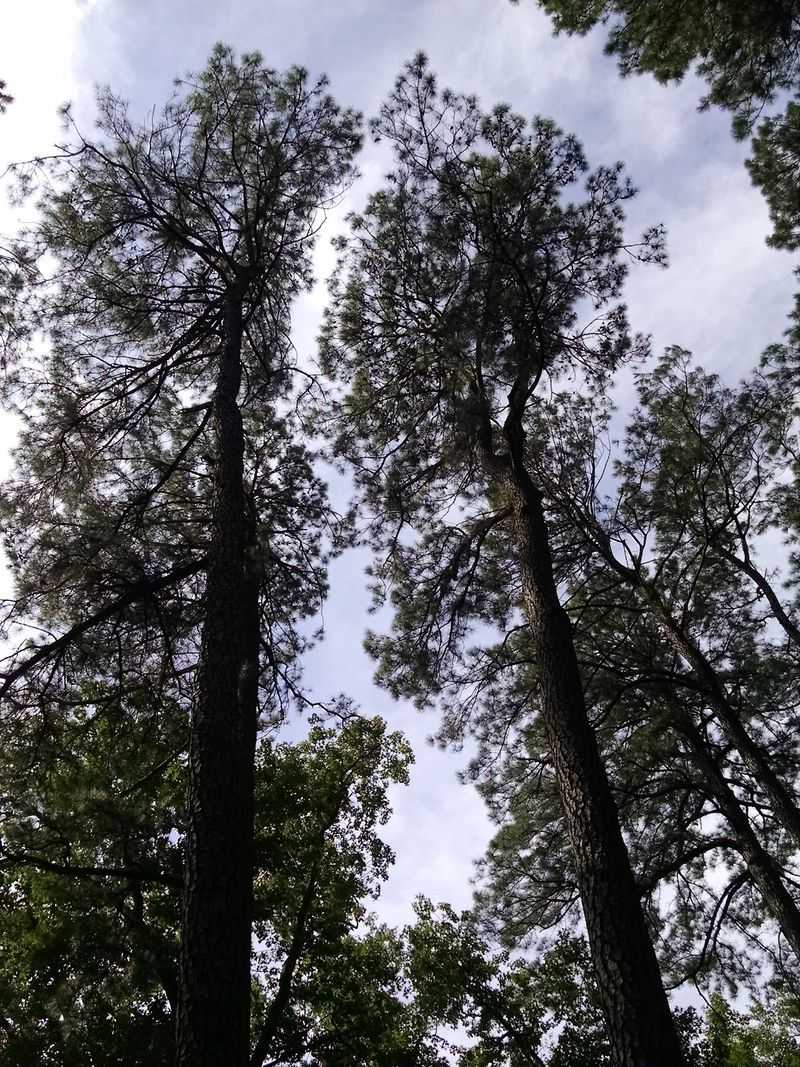
Sunset is the moment this forest earns its reputation. Orange and violet spill across the water, the cypress trunks turn to black cutouts, and for about twenty minutes the whole swamp looks like a painting.
Then the temperature dips and the mood flips.
Daytime sounds pack up quickly. Songbirds go quiet, and in their place come owls, frogs, and the occasional splash from something you will never identify.
Paths that felt open and cheerful at noon become narrow corridors. Even experienced hikers admit the atmosphere shifts, and people who arrive as complete skeptics often leave describing an odd sense of presence.
Five areas within the forest carry wildlands designation, meaning they are protected from development and left genuinely untamed. That preserved wildness is exactly what makes the darkness here feel so complete.
For photographers, golden hour along the river is worth planning around. Set up early, since light fades faster than you expect once it starts.
Anyone staying after dark should carry redundant light sources and know the route back. Getting turned around in flat, repetitive terrain is easier than it sounds.
Whether you buy into the sea captain, the drowned children, or the drifting orbs is entirely up to you. The forest does not require belief to leave an impression.
Come for the cypress and the quiet water. Leave with a story you will tell for years.
