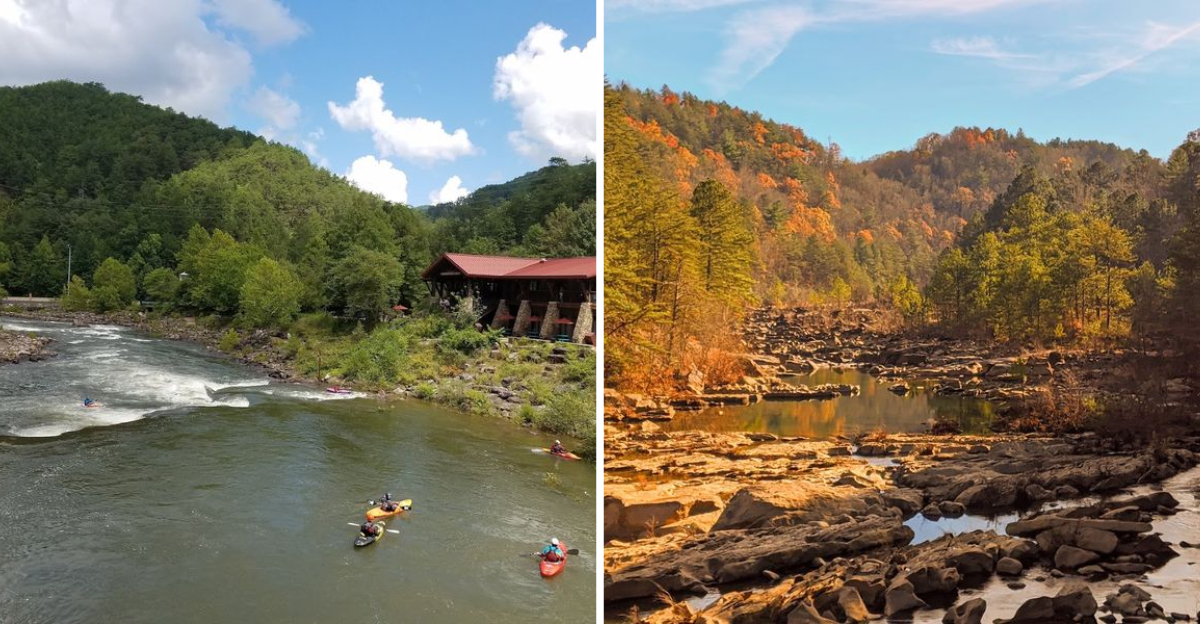
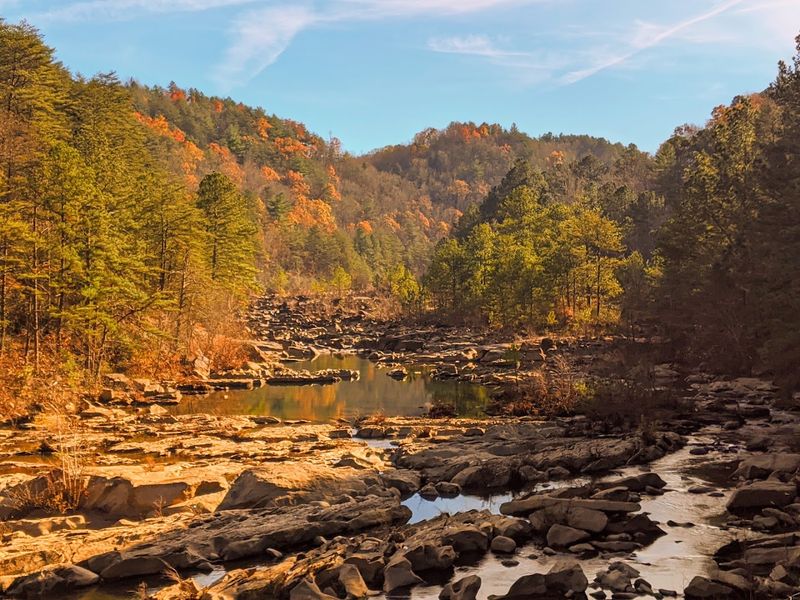
Crystal-clear mountain water rushes over smooth, sculpted boulders in Tennessee, creating natural slides, deep swimming holes, and rock formations that look like they belong in a fantasy novel.
I stumbled onto this place on a quiet weekday, and honestly, it stopped me cold.
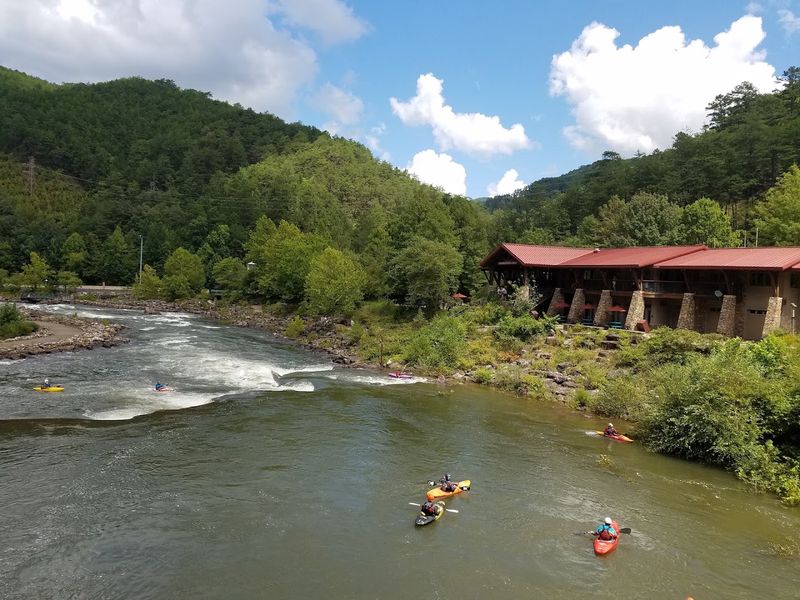
The area is best known as the site of the 1996 Summer Olympics canoe and kayak slalom events.
What most people do not know is that when the water runs low, it transforms into one of the most jaw-dropping natural swimming destinations in the entire South.
The former Olympic course section becomes a playground of cool pools, jumping rocks, and legendary natural rock slides.
Pack your water shoes, grab a towel, and get ready, because this place is something else entirely.
The Blue Hole, Where the Water Turns Impossibly Clear
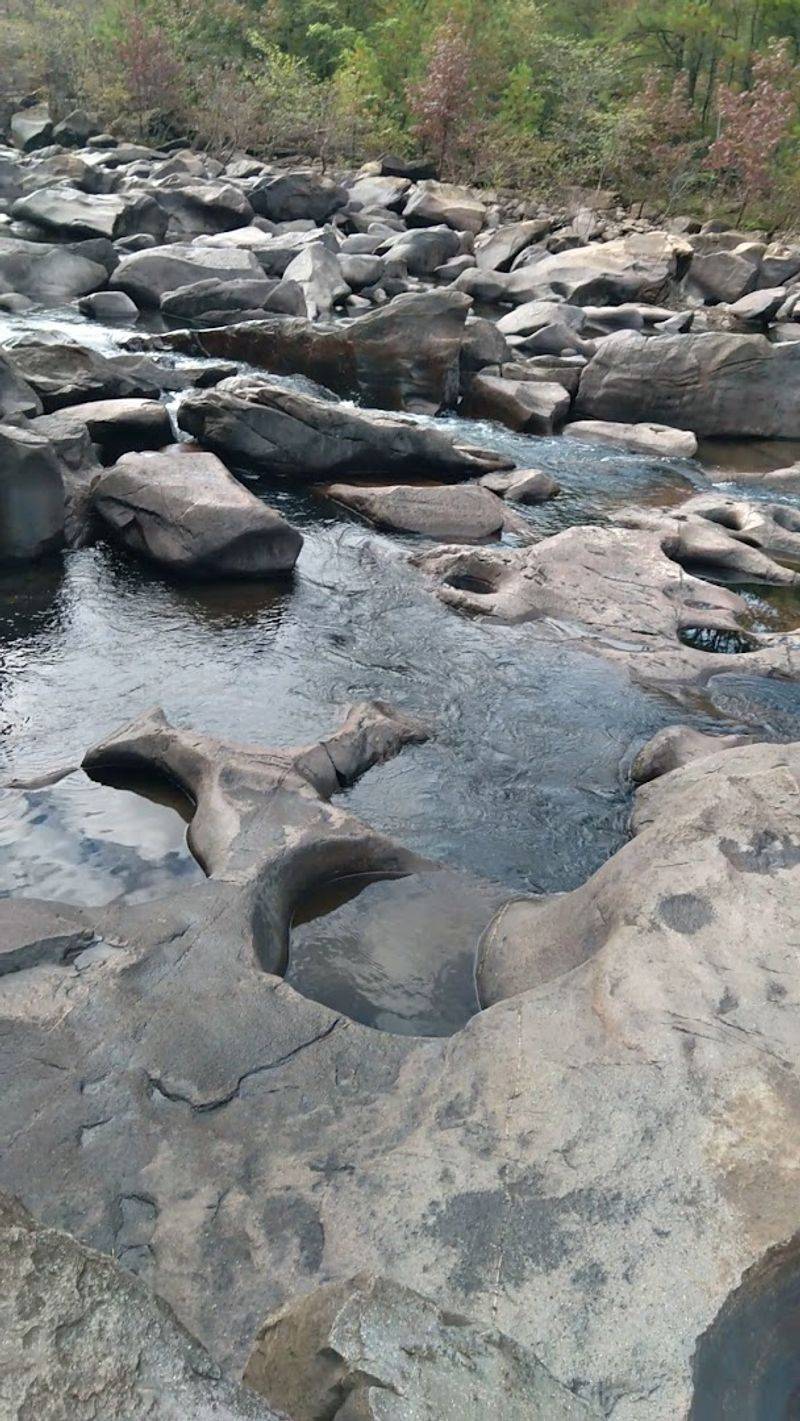
Some swimming holes earn their reputation honestly, and the Blue Hole at the Ocoee Whitewater Center is one of those rare places that actually lives up to the hype. The water here is genuinely that blue-green color you see in travel photos and assume must be edited.
It is not. The clarity comes from the smooth, water-worn river bottom and the cool mountain spring water flowing down through the Cherokee National Forest.
The Blue Hole sits just a few hundred feet upstream from the suspension bridge, so it is easy to spot once you cross over. Depths vary quite a bit throughout the area.
Some spots are shallow enough for little kids to wade and splash around, while other sections drop down to around fifteen feet, deep enough for a proper jump from the rocks above.
What makes this spot genuinely special are the natural rock tunnels and swiss cheese formations along the edges. Swimmers can weave through small channels and openings in the rock, which gives the whole experience a slightly adventurous, exploratory feel.
Bring goggles if you can, because seeing the rock structures underwater is worth it. The smooth boulders along the banks also make perfect spots to dry off and relax between swims.
Weekdays during late spring or early fall tend to bring the clearest water and the fewest visitors, which makes the whole experience feel much more personal and unhurried.
Natural Rock Slides That No Waterpark Could Ever Replicate
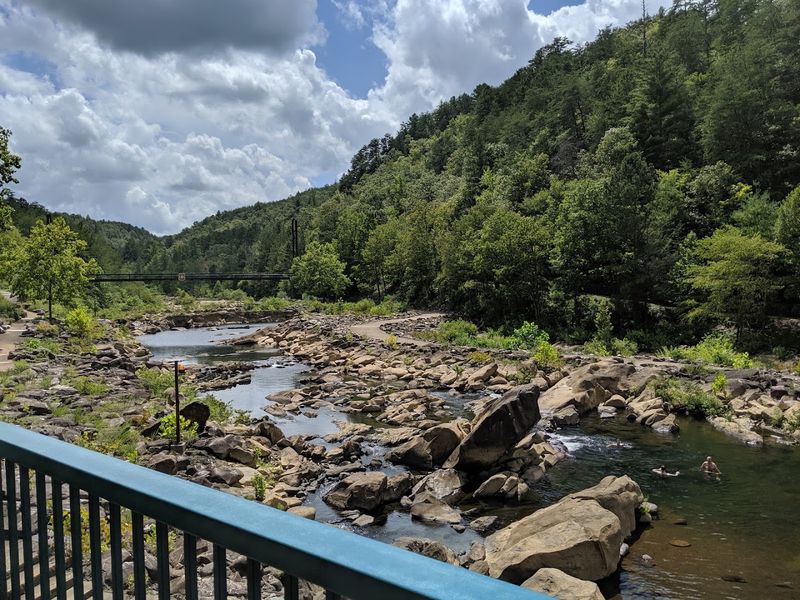
Forget the plastic tubes and chlorine smell. The natural rock slides along the Ocoee River are the real deal, and they have been shaped by thousands of years of rushing water rather than any engineering team.
The smooth, curved surfaces of the river rocks create natural chutes that send you straight into cold, clear pools below. The sensation is completely different from anything at a commercial waterpark.
These slides form where water has spent centuries grinding down the rock into curved, almost polished channels. Some are gentle enough for younger kids, while others have a steeper pitch that will get your heart pumping before you even commit to going.
The surrounding boulders create natural staging areas where people sit, watch, and wait their turn. It has a relaxed, community feel that is hard to manufacture.
The best slides are most accessible on weekdays when the Tennessee Valley Authority holds back water releases for whitewater rafting. On weekends during summer, the TVA releases water to power the rafting operations downstream, and the current becomes far too strong for casual swimming.
Timing your visit right makes a huge difference. A Monday or Tuesday in late August, for example, can feel like having a private water playground.
Water shoes are a smart call here because the rocks between pools can have sharper edges than the main slide surfaces. Once you are in the flow of a natural rock slide with mountain water rushing around you, it is genuinely hard to believe this place is free to explore.
The Olympic Connection That Makes This Place Even Cooler
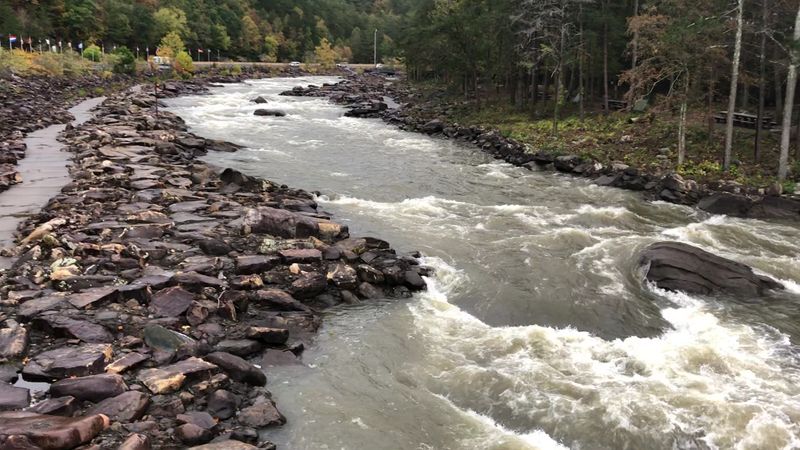
Not many swimming holes come with an Olympic backstory, and that layer of history makes exploring this stretch of the Ocoee River feel unexpectedly meaningful. In 1996, the Summer Olympics came to the American South, and the canoe and kayak slalom events were held right here on this section of the Upper Ocoee River.
It was the first time in Olympic history that these events took place on a natural river rather than an artificial course.
The Olympic course was built by carefully placing natural river boulders and artificial rocks in a quarter-mile section of the river, creating the technical gates and rapid sequences that challenged athletes from around the world. When water levels drop on weekdays, that same course becomes a rock-hopping, pool-jumping playground.
You are literally swimming in the same channels where Olympic competitors once paddled at full speed.
Country flags from participating nations are still displayed around the grounds, which adds a quiet sense of occasion to the whole visit. The 330-foot suspension bridge that crosses the river offers a great overhead view of the course layout.
Looking down from the bridge, you can start to understand how the boulder placements created the technical challenges the athletes faced. The Ocoee Whitewater Center grounds around the course include picnic areas and restrooms, making it easy to spend a full day.
Even with the main visitor center building no longer accessible due to fire damage, the landscape itself tells the story better than any exhibit could.
Timing Your Visit to Get the Best Swimming Experience
The single most important thing to know before heading to the Olympic Swimming Holes is that timing is everything. The Tennessee Valley Authority controls water releases on the Ocoee River, and when those releases happen, the river transforms from a calm swimming paradise into a churning whitewater corridor.
Swimming during release days is genuinely dangerous, and the posted warnings around the site mean exactly what they say.
Water releases typically happen on Saturdays and Sundays throughout the summer to support the commercial whitewater rafting industry downstream. That means weekdays are your window.
Monday through Friday, especially during late spring, late summer, and early fall, offer the best conditions for swimming. Water temperatures are more comfortable in those shoulder seasons, crowds are thinner, and the clarity of the water tends to be at its peak.
Arriving early in the day also helps, particularly in summer when afternoon thunderstorms can roll through the Southern Appalachians quickly. A morning swim on a calm Tuesday in September, with the mist still lifting off the surrounding ridgelines, is about as good as outdoor swimming gets in Tennessee.
Parking at the Ocoee Whitewater Center requires a small day-use fee, payable at a self-serve kiosk near the lower main lot. The fee covers all-day access, so there is no rush to leave.
A free short-term lot near the administration building works for quick visits. Checking current water conditions online before you go is always worth the extra five minutes, just to make sure the river is in swimming mode when you arrive.
Trails, Bridges, and All the Other Reasons to Linger Longer
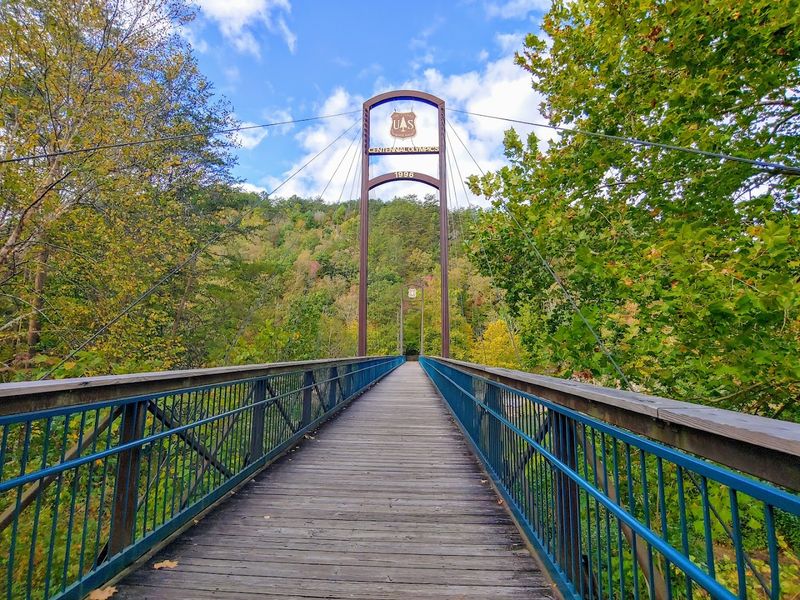
The swimming holes are the main draw, but the Ocoee Whitewater Center area rewards visitors who stick around and explore a little further. The 330-foot suspension bridge is one of the first things that catches your eye, and crossing it gives you a bird’s-eye view of the river gorge that is genuinely worth the short walk.
The bridge sways just enough to remind you it is hanging over a real river, which adds a little thrill to the crossing.
On the other side of the bridge, a network of more than thirty miles of hiking and mountain biking trails spreads out through the Cherokee National Forest. The Tanasi Trail System, Old Copper Road Trail, and Rhododendron Trail are among the most popular options.
Some routes are easy enough for a casual afternoon walk, while others push deeper into the Southern Appalachian backcountry for those who want a longer adventure.
The paved riverside walkway near the center is a good option for families with younger kids or anyone who just wants to soak up the scenery without breaking a sweat. Historical markers along the path cover topics ranging from the copper mining history of the region to the story of the 1996 Olympics.
Picnic pavilions, tables, and grills are scattered throughout the grounds, making it easy to pack a lunch and spend the whole day without needing to leave. The combination of water, trails, history, and mountain scenery in one compact area is genuinely rare, and it makes the drive out here feel well worthwhile.
What to Pack and How to Make the Most of Your Day
Getting the most out of a day at the Olympic Swimming Holes comes down to a little preparation. Water shoes are probably the single most important item to bring.
The main swimming areas have smooth, water-worn surfaces, but the paths between pools and the rocky banks can be rough on bare feet. A good pair of water shoes lets you move freely without having to slow down every few steps.
Goggles are a surprisingly worthwhile addition to the bag. The underwater rock formations at the Blue Hole, including those natural tunnels and swiss cheese channels, are genuinely fascinating to see from below the surface.
A dry bag or waterproof phone case is also smart if you want to take photos without worrying about splashes. Sunscreen matters more than people expect at a river spot, since the open gorge gets strong midday sun and the water reflection amplifies the exposure.
Pack a real lunch rather than planning to grab food on site. The picnic areas and pavilions at the center are genuinely pleasant, and eating on the rocks next to the river is one of those simple pleasures that sticks with you.
Nearby towns like Copperhill and Ducktown are within a short drive for a meal after your visit. The drive along US-64 through the Ocoee River Gorge is beautiful in its own right, passing historic hydroelectric structures and dramatic cliff walls.
Give yourself a full day here rather than treating it as a quick stop, because the place earns every hour you give it.
Address: 4400 US-64, Copperhill, TN 37317
