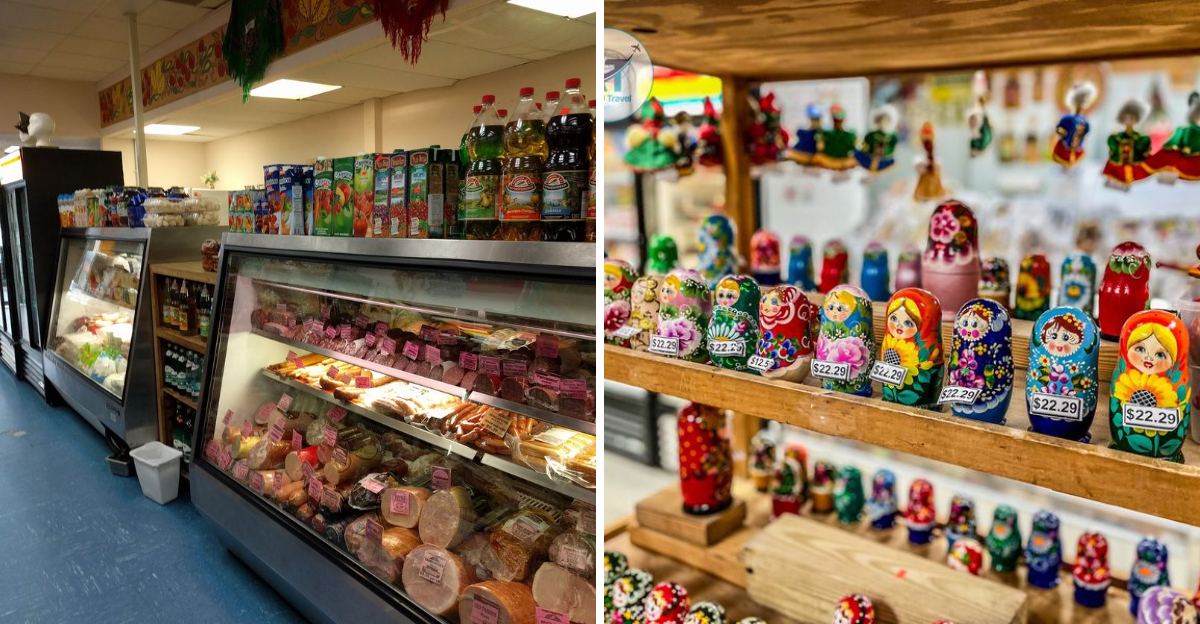
A normal grocery run rarely ends with smoked fish, dumplings, imported chocolate, caviar, nesting dolls, and a bottle of Moldovan drink fighting for room in the same basket.
This longtime Texas specialty market has spent decades stocking foods and goods from Russia and other parts of Eastern Europe, with cheeses, sausages, baked goods, desserts, pantry staples, books, jewelry, and a deli counter all packed into one wonderfully specific shopping experience.
The business has been around for more than 25 years, and its shelves have expanded well beyond basic groceries into the kind of products that can turn someone unfamiliar with Eastern European food into a very curious label reader.
Texas supermarkets are usually built for efficiency; this is the kind of store where wandering around and finding something unfamiliar is half the entertainment.
A Neighborhood Landmark With Roots Going Back To 1997
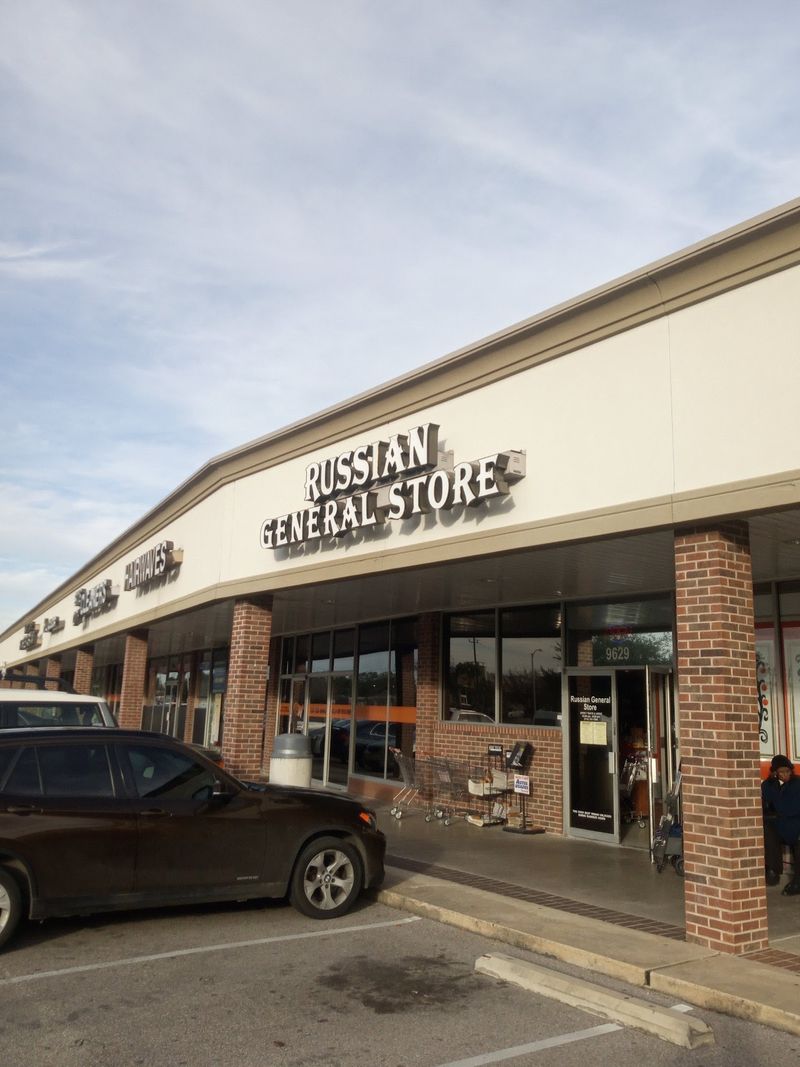
Long before international grocery aisles became common in big American cities, Anna Levitin saw a gap in Houston’s food scene.
Together with business partners Alex Kogan and Natalia Levine, she opened the shop in 1997 to bring Eastern European goods to a market that had almost nothing of the kind.
Demand grew quickly. By 2001 the original space could no longer hold the expanding inventory, so the business moved into the larger location it still occupies today.
For years the sign out front read Russian General Store. In 2022 the word Russian was removed, though the shelves continue to reflect the cultural heritage the founders built the business around.
What has not changed is the role the shop plays in the neighborhood. Families who arrived in Texas decades ago still make the drive, and newer arrivals find familiar labels that ease the feeling of being far from home.
Houston’s corridor is one of the most ethnically layered stretches in the state, lined with markets and restaurants from a dozen different countries. The General Store fits naturally into that mix while holding its own clear identity.
Visitors who appreciate small business history will notice the details, from handwritten signage to the steady hum of regulars greeting staff by name. Nearly three decades of operation in one competitive corridor says plenty about how well this shop understands its customers.
Arriving with a little background knowledge makes the visit richer and the shelves easier to read.
Walking In Feels Like Landing In A Foreign Bazaar
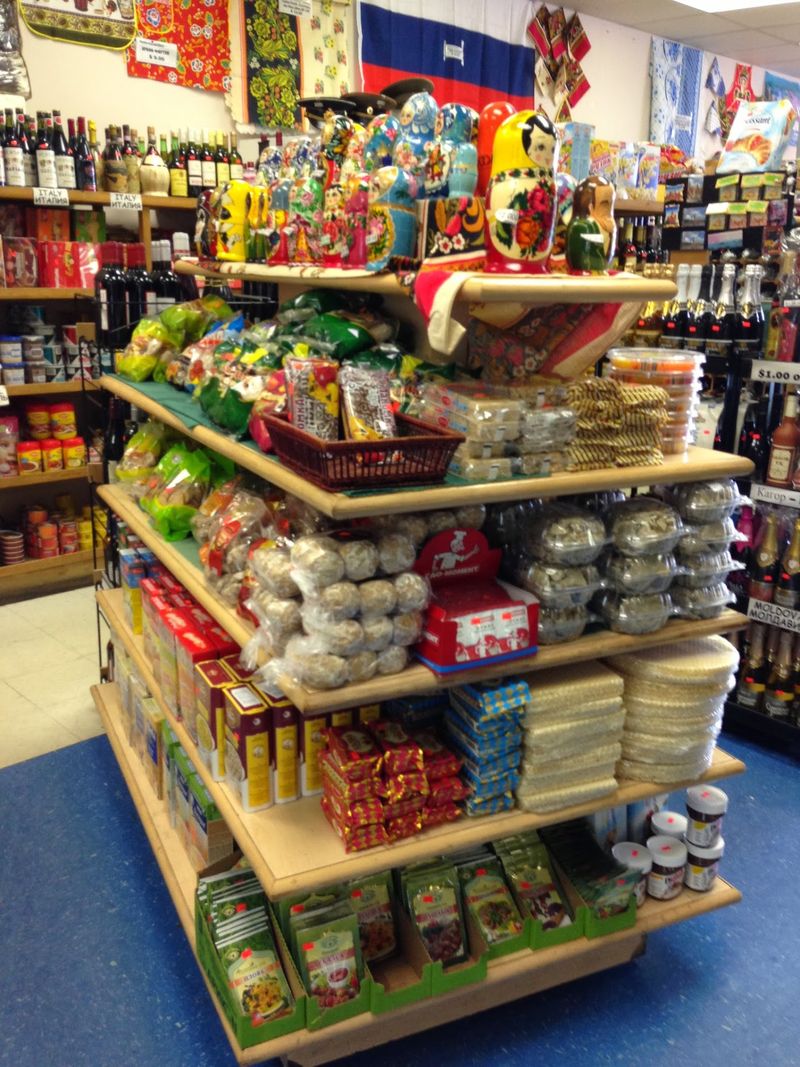
The change hits fast. One step past the door and the parking lot noise fades, replaced by the warm, earthy smell of bulk cumin, turmeric, and cardamom drifting from the spice section.
Shoppers regularly describe the sensation as being transported to a different continent. Packaging in Cyrillic script, Polish labels, and Hungarian brand names fill the sightlines from floor to ceiling.
The interior stays bright and clean, which keeps the experience welcoming rather than cluttered. Nostalgia and order manage to share the same space here.
Sound plays its part too. Conversations in several languages overlap in the aisles, and the energy tends to peak on weekends when multi-generational families shop together.
Size matters in a subtle way. The store is big enough to stock a genuinely deep selection, yet small enough that it never loses the intimacy of a neighborhood fixture where staff recognize faces.
First-time visitors should slow down instead of rushing to grab a few items. Reading labels, comparing similar products, and simply looking around turn a quick errand into something closer to a cultural outing.
Consider bringing reusable bags and allowing extra time, because the browsing tends to take longer than planned. Curiosity is rewarded in nearly every aisle.
Photographers and food lovers alike find plenty worth studying, from stacked tins to jars of preserved vegetables lined up like a museum display. Few grocery runs in Texas feel this much like travel.
Deli Counter Loaded With Sausages, Cheeses, And Pickled Herring
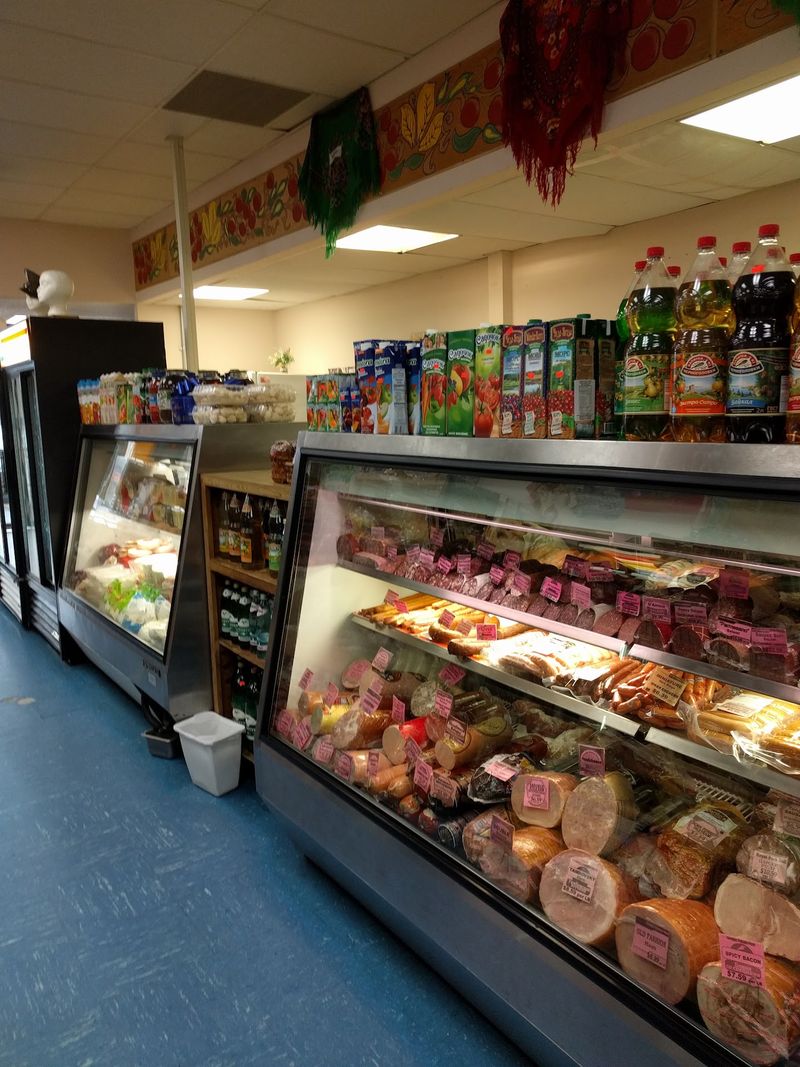
Ask regulars what keeps them coming back and the deli counter comes up first. Fresh meats and cheeses fill the case, sliced to order and wrapped while customers wait.
Sausage lovers hit the jackpot here. Salamis arrive from Jerusalem, Moscow, Hungary, and Germany, each with its own texture, spice level, and curing tradition.
The differences are worth exploring rather than guessing at. A Hungarian salami leans smoky and paprika-forward, while Moscow style versions bring a firmer bite and heavier peppercorn presence.
Pickled herring holds a place of honor in the case as well. Served cold with boiled potatoes, dark bread, or thin onion slices, it anchors countless Eastern European tables during holidays and ordinary weeknights alike.
Freshly pickled vegetables round out the counter. Cucumbers, cabbage, tomatoes, and mushrooms all get the brine treatment, offering the tang that cuts through rich meats.
Newcomers should not feel shy about asking for a small amount of something unfamiliar. Buying a quarter pound of two or three sausages costs less risk than committing to a full order of one.
Cheese selections deserve attention too, ranging from mild and creamy to sharp and firm, often unavailable in mainstream supermarkets.
Building a simple picnic board from this single counter is entirely doable. Add bread from the bakery section, a jar of pickles, and mustard, and lunch is settled without turning on the stove.
Fresh Bread Baked Daily, From Dark Rye To Soft White Rolls
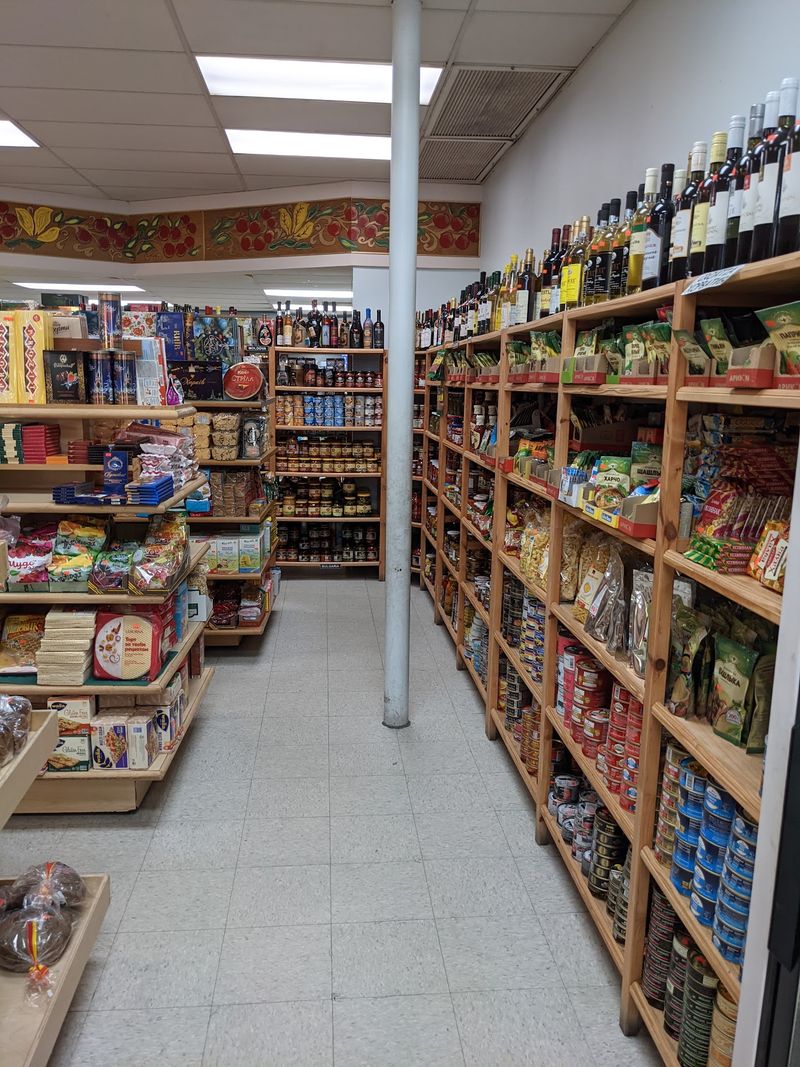
Bread here is not an afterthought tossed on a rack near the checkout. Loaves arrive fresh daily, and the selection reflects baking traditions that stretch across several countries.
Dark rye leads the lineup. Dense, faintly sour, and deeply satisfying, it is the kind of bread built for butter, cured fish, or a thick smear of soft cheese.
Softer white rolls sit alongside it, the sort found in Polish and Ukrainian bakeries. Pillowy inside with a thin crust, they work beautifully for sandwiches or simply torn apart at the table.
Shoppers often underestimate how quickly good rye disappears. Arriving earlier in the day improves the odds of finding the widest choice still on the shelf.
Storage advice helps too. Real rye keeps well for several days wrapped in cloth or paper, and slices freeze cleanly for later toasting.
Pairing suggestions are easy to come by. Dark rye with herring and onion is a classic combination, while white rolls handle sausage and mustard without falling apart.
Some loaves come studded with seeds or made with a sourdough starter, giving each variety a slightly different personality. Trying two at once makes the comparison obvious.
Fun detail worth knowing: rye thrives in cold northern climates where wheat struggles, which explains why it became the everyday bread across so much of Eastern Europe. That agricultural history is baked right into every slice sold here.
Candy Aisles And Frozen Treasures Like Pierogies And Sour Cherries
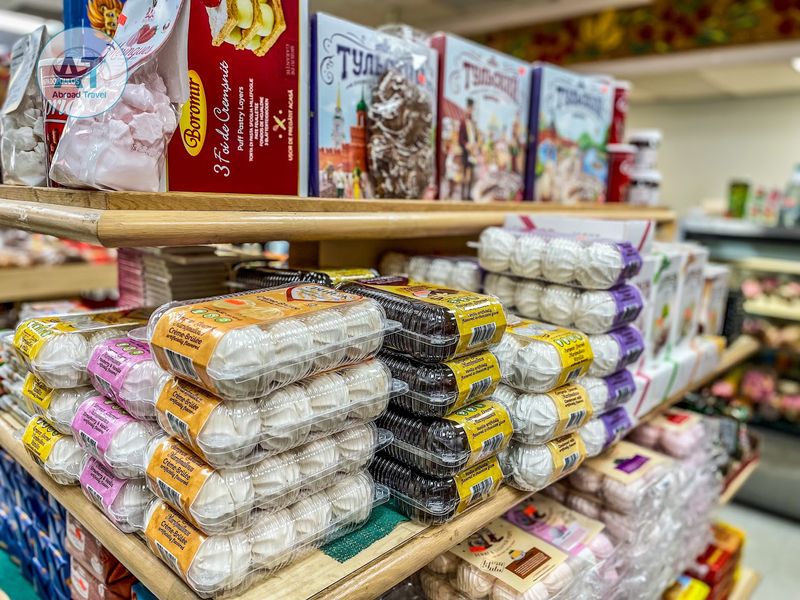
Kids tend to stop walking the moment the candy shelves come into view. Wrappers printed with bears, squirrels, and vintage illustrations turn the sweets section into something close to an art display.
Russian candies dominate, and each type has its own following. Chocolate-covered wafers, chewy milk caramels, and fruit-filled bonbons all sell steadily.
Buying a mixed handful is the smartest approach for first-timers. Many are sold loose, so sampling several kinds does not require committing to a full box of one flavor.
The freezer cases hold treasures of a different sort. Pierogies stuffed with potato, cheese, or cabbage wait for a quick boil and a pan of butter and onions.
Sour cherries also live in those freezers, and they are notoriously hard to find elsewhere in Houston. Bakers use them for pies, dumplings, and compote, where their sharpness beats sweet cherries by a wide margin.
Caviar sits in the specialty case as another draw, with salmon, whitefish, and trout varieties available for those preparing holiday spreads or open-faced appetizers.
Cooking with frozen dumplings is genuinely simple, which makes them a good starting point for anyone nervous about unfamiliar ingredients. Boil until they float, then crisp them in a hot skillet.
Bringing a cooler bag is a practical move during Houston summers. Frozen goods handle the drive home far better with a little insulation.
That Famous Spice Wall Worth Studying Slowly
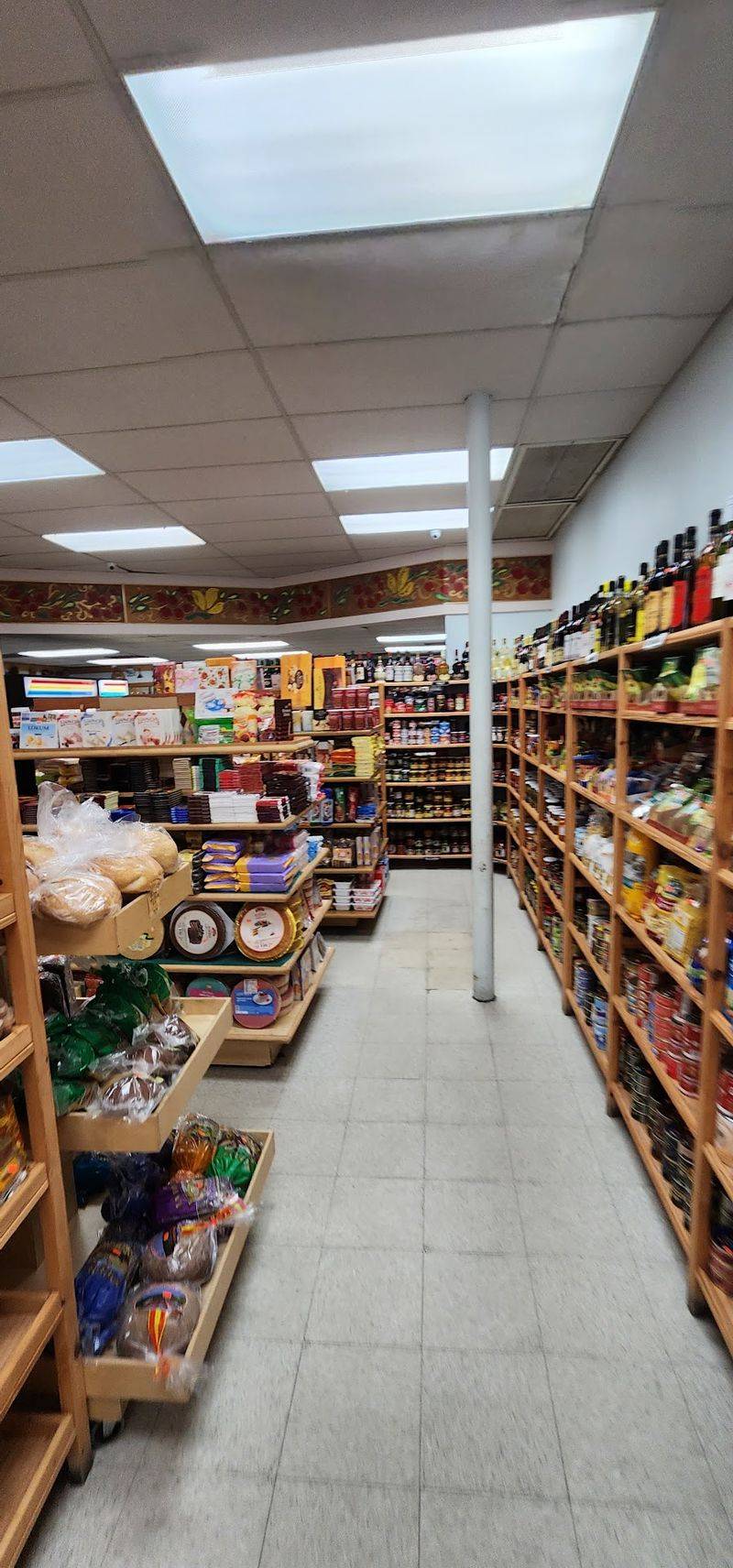
Scent arrives before sight in this part of the store. Cumin, turmeric, and cardamom sold in bulk send out an aroma that lingers in the whole building.
An entire wall is devoted to spices, and the range goes well beyond what standard grocery stores carry. Several grades of chili powder sit side by side, each suited to a different dish and heat tolerance.
Specialized blends make the section especially useful. Mixes designed for specific regional recipes remove the guesswork for cooks trying an unfamiliar dish for the first time.
Buying in bulk brings a practical advantage. Small quantities can be purchased for a single recipe, so nobody ends up with a giant jar of something used once.
Freshness is another benefit. Spices that move quickly off the shelf keep far more aroma and flavor than jars that sit for a year in a warehouse.
Home cooks should bring a short list of dishes they want to attempt. Staff and fellow shoppers are often happy to point toward the right blend.
Storage tips apply once the shopping is done. Keeping spices in sealed jars away from heat and sunlight preserves their punch for months.
Anyone who enjoys cooking will find this wall the single best reason to make the trip. It transforms ordinary weeknight meals into something with real character and depth.
Tea Shelves That Tell Stories From Across The Region
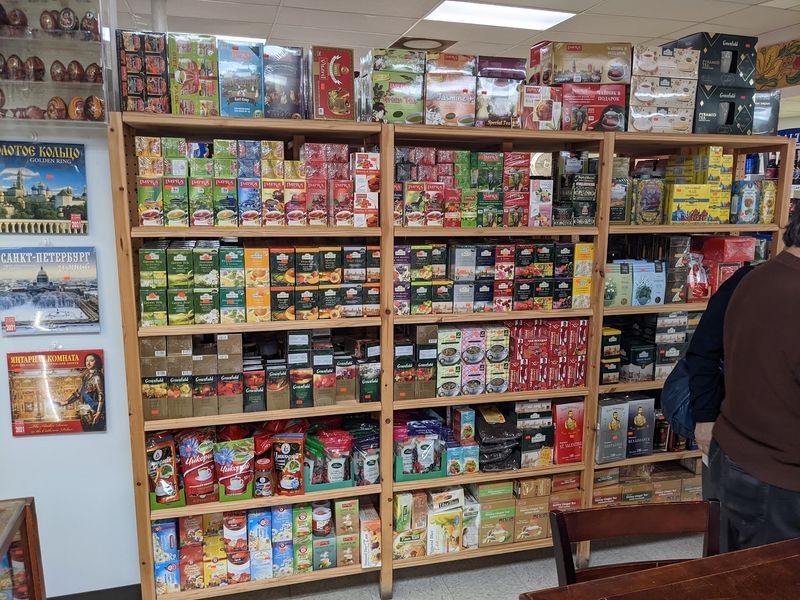
Tea culture runs deep across Eastern Europe, and the shelves here reflect that seriously. Loose leaf blends, herbal varieties, and classic black teas from established regional brands fill row after row.
Packaging alone rewards a slow browse. Tins decorated with folk patterns and painted landscapes make the section look more like a gift shop than a grocery aisle.
Each blend tends to carry a specific tradition behind it. Some are meant for long afternoon gatherings, others for strong morning cups served with sugar or jam stirred in.
Black tea remains the backbone of the selection. Strong, malty, and meant to be brewed concentrated then diluted with hot water, it forms the base of a serving style used across the region for generations.
Herbal options offer a gentler route. Chamomile, mint, linden flower, and rosehip blends show up regularly and appeal to shoppers avoiding caffeine.
Buying loose leaf instead of bags is worth the small extra effort. A simple infuser or strainer is all the equipment required, and the flavor difference is noticeable.
Pairing tea with the store’s candy section makes a natural combination. Many Eastern European households serve sweets alongside tea rather than dessert after a meal.
Gift shoppers should note that a decorative tin plus a bag of chocolates makes a thoughtful, inexpensive present. Few souvenirs travel home from a grocery store this gracefully.
Nesting Dolls, Books, And A Community Bulletin Board
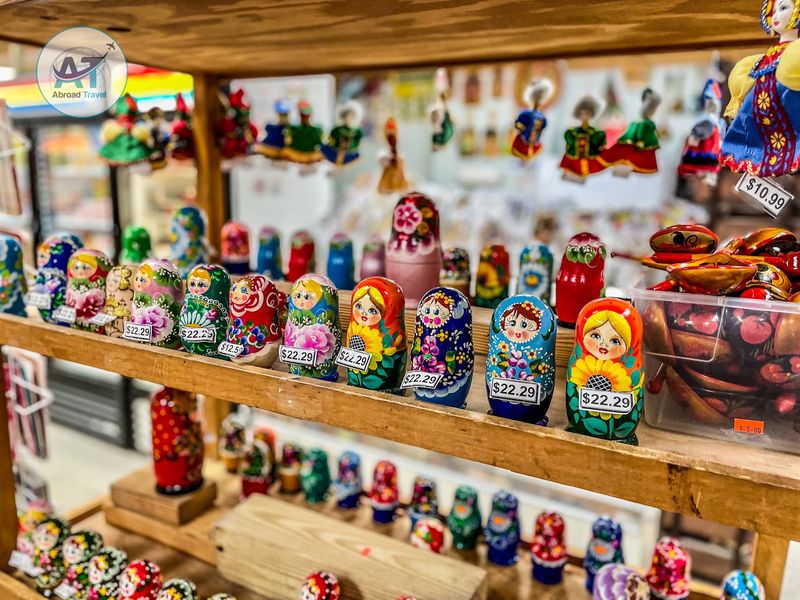
Groceries are only part of the story. Hidden among the food aisles sit shelves holding nesting dolls, traditional toys, and hand-painted plates that catch the eye immediately.
Those wooden dolls make popular souvenirs for visitors and gifts for children learning about other cultures. Each set is painted differently, so no two purchases look quite alike.
A small selection of Russian-language books and periodicals has also been spotted inside. For families raising bilingual kids, finding reading material locally saves a lot of online searching.
The bulletin board near the front deserves a look before leaving. Notices about upcoming community events, gatherings, and local services keep Houston’s Eastern European residents connected.
That board reveals something important about the place. It functions as a community hub, not simply a retail counter, and the connections formed here extend past the checkout line.
Owners are frequently on the floor rather than hidden in an office. Questions about an unfamiliar jar or an unusual cut of sausage get real answers, including where the product comes from and how to enjoy it properly.
Personal attention like that turns a confusing shelf into an invitation. Shoppers leave knowing more than they did walking in.
Plan for an unhurried visit, ask questions freely, and treat the trip as an outing rather than an errand. Houston has plenty of grocery stores, but few offer a passport stamp with the receipt.
Address: 9629 Hillcroft St, Houston, TX 77096
