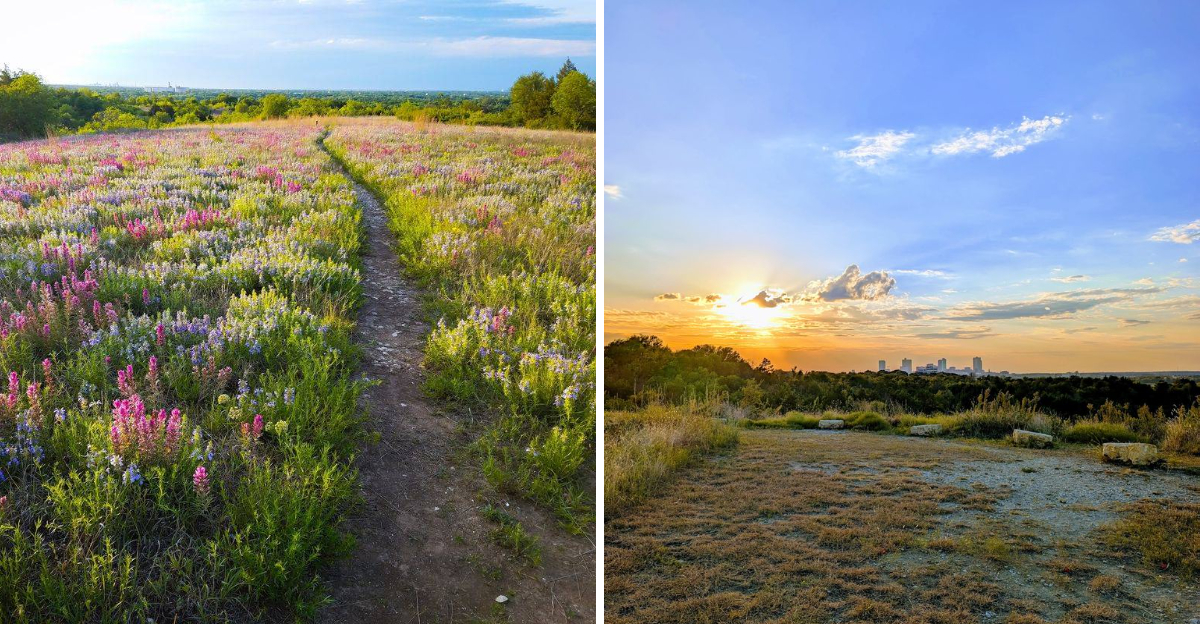
Texas is very good at hiding surprisingly wild pockets of nature in places where you would expect traffic, rooftops, and errands instead.
This preserve protects more than 200 acres of native prairie, with footpaths winding through open grassland and a landscape that feels far less urban than its surroundings suggest.
It is not a manicured garden or a paved stroll, which is exactly the appeal; the terrain stays natural, the views open up, and the city suddenly feels much farther away than it really is.
For anyone who wants a quick dose of Texas outdoors without committing to a full road trip, this is the kind of place that proves you do not always have to drive for hours to find something that feels genuinely untamed.
The Wild Heart of Fort Worth, A Stone’s Throw Away
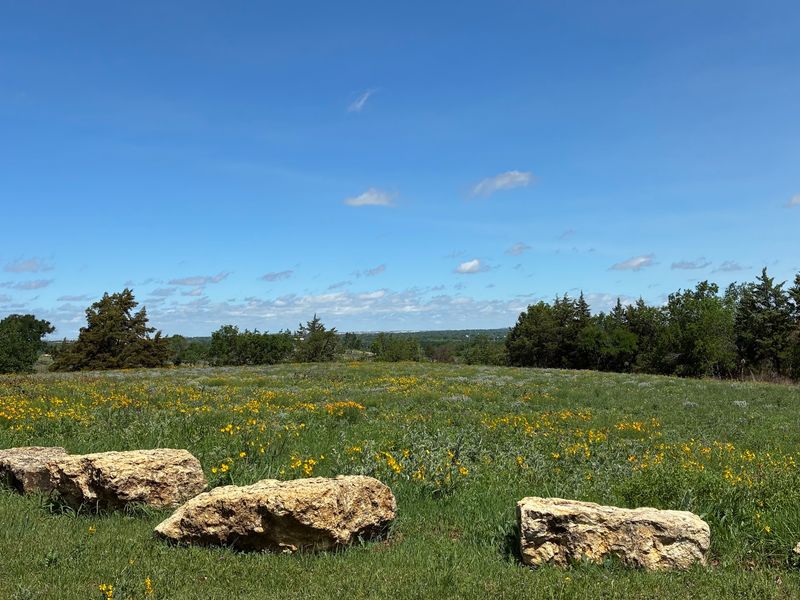
The first thing you notice at Tandy Hills is how fast the city disappears. One moment you hear traffic, and then, almost like someone turned a dial, it softens into birdsong and wind moving through tall grass.
This preserve covers over 222 acres and sits only about five minutes from downtown Fort Worth, which honestly feels impossible once you are out there.
Together with connected spaces like Stratford Park and Broadcast Hill Open Space, this area is recognized as one of the largest urban open space areas in the entire country. That is not a small thing.
Most cities struggle to protect even a fraction of native land this close to their core.
What makes Tandy Hills especially meaningful is that it offers a genuine window into what the Fort Worth landscape looked like before development took hold. The terrain is not manicured or shaped for visitors.
It is simply preserved, left to be what it has always been. Rolling hills, seasonal streams, and rocky outcroppings tell a geological story that stretches back to the Cretaceous Period.
The limestone bedrock, formed from ancient interbedded limestones and marls, occasionally breaks through the surface, reminding you that this land has been here far longer than the city surrounding it. Spending even an hour here shifts your perspective on what urban green space can actually be.
A Tapestry of Texas Prairie, Unfurled
Not many people realize just how rare the Fort Worth Prairie actually is. This ecosystem once spread broadly across North Central Texas, but urban growth has reduced it to scattered pockets.
Tandy Hills holds one of the most intact remnants left, which makes every visit feel like a small act of witnessing something precious.
The terrain here is genuinely varied. There are gentle slopes, short steep climbs, narrow ravines, and open ridgelines that catch the breeze on warm afternoons.
Intermittent streams thread through the lower sections, and natural seeps keep certain areas moist enough to support plant communities you would not expect to find in a city park.
Geologically, the ground beneath your feet is fascinating. The shallow soils sit atop formations including Pawpaw, Weno Limestone, and Denton Clay, all remnants of an ancient seabed.
Limestone outcroppings push through the surface in many places, giving the landscape a rugged, textured quality that photographs beautifully but feels even better in person. Stands of oak and juniper fill the ravines, creating pockets of shade and shelter for wildlife.
The juniper in particular tends to take over certain slopes, which is why volunteers work hard to manage its spread. Even in its imperfect, ever-evolving state, the prairie at Tandy Hills carries a quiet dignity.
It feels alive in a way that manicured parks simply do not, and that aliveness is exactly what draws people back again and again.
A Botanist’s Dream, A Wildflower Wonderland
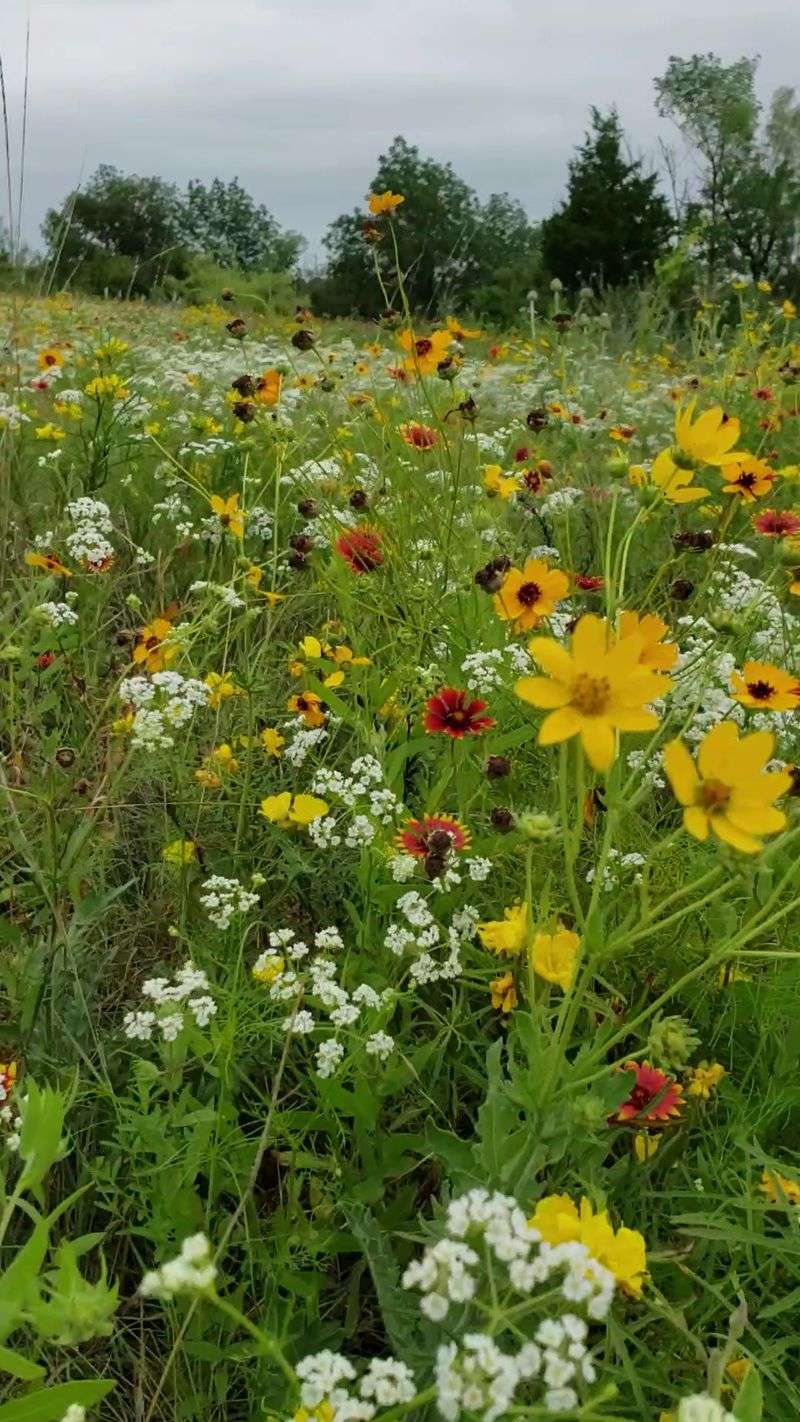
Spring at Tandy Hills is genuinely hard to describe without sounding like you are exaggerating. The wildflower displays here are considered among the best in the entire Metroplex, and once you see them in full bloom, that reputation makes complete sense.
Hundreds of native plant species call this preserve home, with some estimates pointing to over 600 flora species and others suggesting more than 1,200 native varieties documented across the area.
Bluebonnets draw the most attention, but they share the stage with a remarkable supporting cast. Prairie verbena, antelope horns, white rosinweed, and the striking purple paintbrush all contribute to the seasonal show.
The rarer orange Texas paintbrush occasionally appears, and delicate finds like Ladies Tresses Orchids and trout lilies reward those who look closely and move slowly through the trails.
Many of these prairie wildflowers are found nowhere else on Earth outside of the Fort Worth Prairie region. That specificity makes Tandy Hills feel less like a park and more like a living museum.
The native grasses, including little bluestem and Indiangrass, create a waving, golden-toned texture across the hillsides that is especially beautiful in late afternoon light.
Visitors are asked to stay on marked trails to protect these plants, since even well-meaning foot traffic can damage root systems and prevent seed production.
It is a small ask for something this extraordinary, and most people are happy to comply once they understand what they are actually standing next to.
Wildlife Encounters, Unexpected and Delightful
You do not have to be a serious birder to appreciate the wildlife at Tandy Hills. I spotted a Cooper’s Hawk gliding low over the grasses within my first twenty minutes, and that kind of sighting sets a tone for the whole visit.
The preserve supports a rich variety of bird species, including Scissor-tailed Flycatchers, Red-tailed Hawks, Spotted Towhees, Tufted Titmice, and various wrens and sparrows that dart through the native vegetation.
Mammals also make their home here, though most are shy and most active at dawn or dusk. Nine-banded armadillos are spotted fairly regularly, rooting through leaf litter near the ravines.
Bobcats and foxes have been documented in the area as well, which adds a certain thrill to an early morning walk.
The insect life is equally impressive and often overlooked. Tandy Hills buzzes with bees, butterflies, wasps, and flies, all playing essential roles in pollinating the native plants.
Conservation efforts are actively underway to support the Texas horned lizard, a species that has declined significantly across its range. Texas spiny lizards are more commonly seen, sunning themselves on limestone outcroppings along the trail.
The biodiversity here, with iNaturalist observations documenting well over 1,500 species of plants and animals, is staggering for an urban preserve. Every visit offers the chance to see something new, and that unpredictability is a big part of what keeps people coming back.
Trails for Every Pace, Views for Every Eye
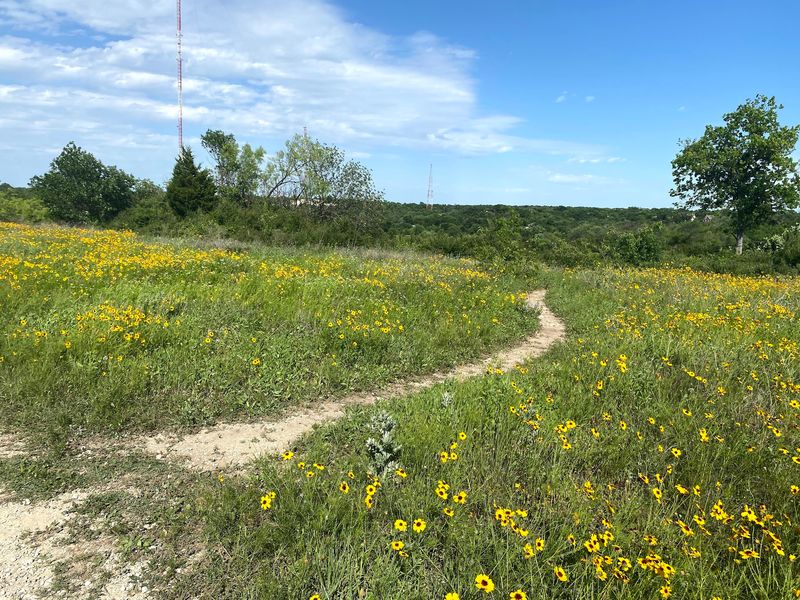
The trails at Tandy Hills are refreshingly unpretentious. No paved paths, no mile markers every few feet, no crowds moving in a single direction.
The surfaces are natural, sometimes rocky, and occasionally steep enough to get your heart rate up without feeling like a serious workout. That balance makes the preserve accessible to a wide range of visitors, from casual walkers to people who genuinely want a bit of a physical challenge.
One thing worth knowing before you go: bikes, motorized vehicles, and horses are all prohibited. The trails are for foot traffic only, which keeps the atmosphere calm and the wildlife undisturbed.
Dogs are welcome as long as they stay on a leash, and honestly, the dogs I saw there seemed just as delighted by the smells and sounds as their owners.
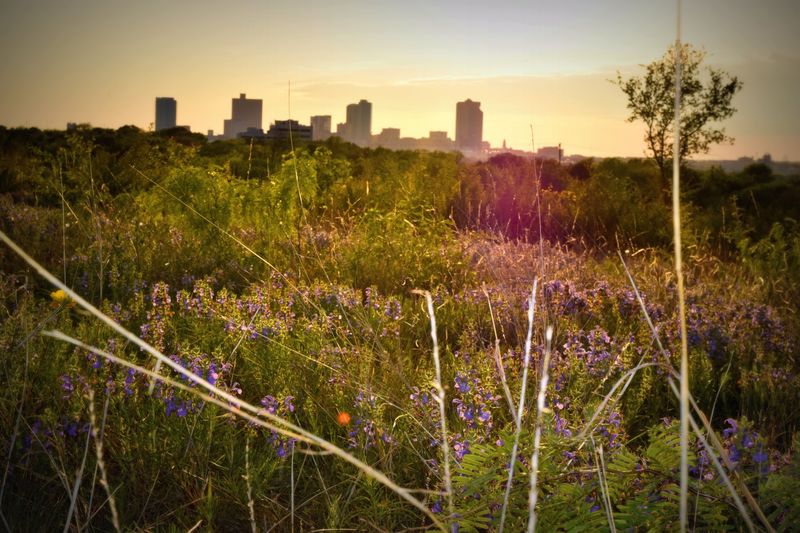
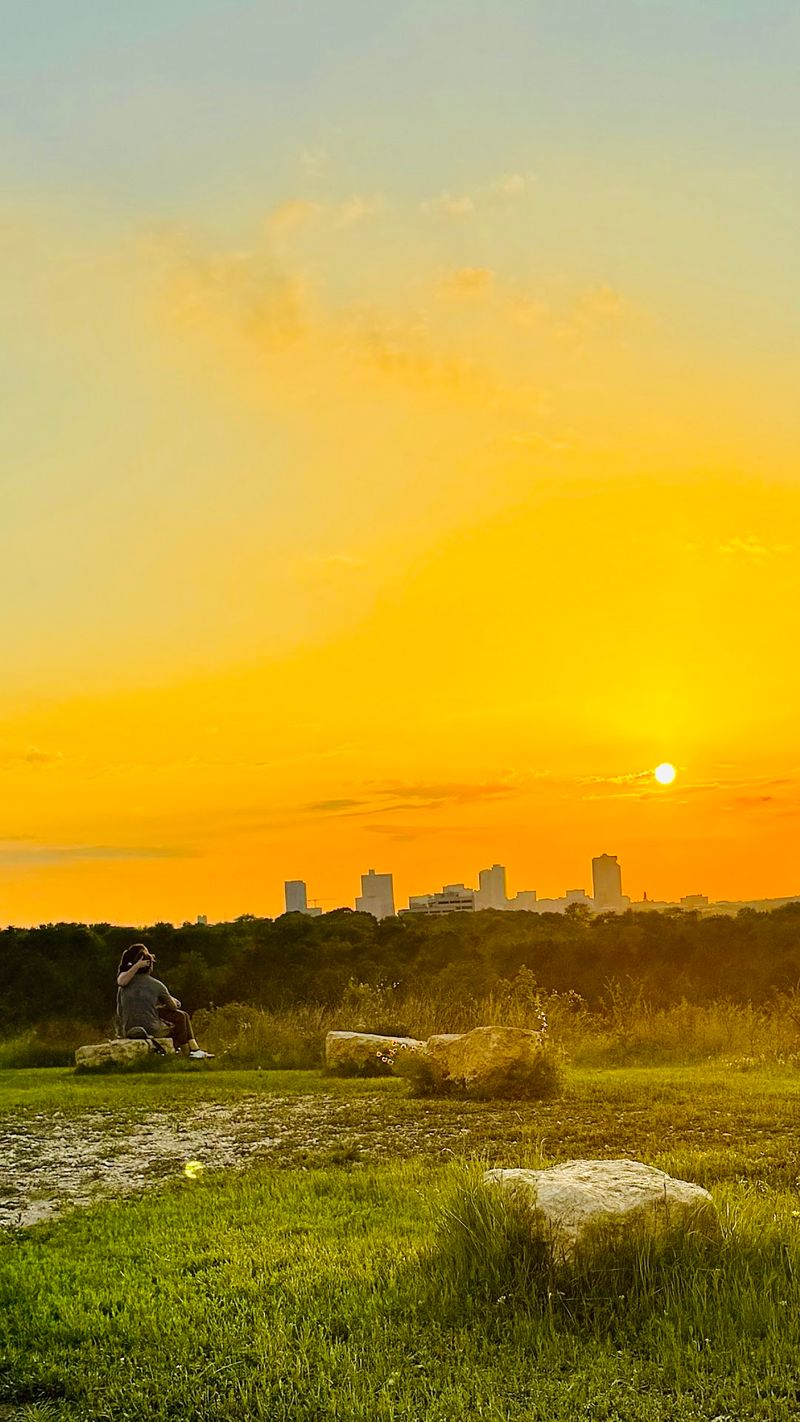
The real payoff comes when the trail climbs to higher ground. From certain ridgelines, the views open up dramatically.
You can see the Fort Worth skyline rising above the prairie, which creates one of those genuinely strange and beautiful contrasts that you do not expect to find on a city hike. Sunrise and sunset visits are especially rewarding for this reason.
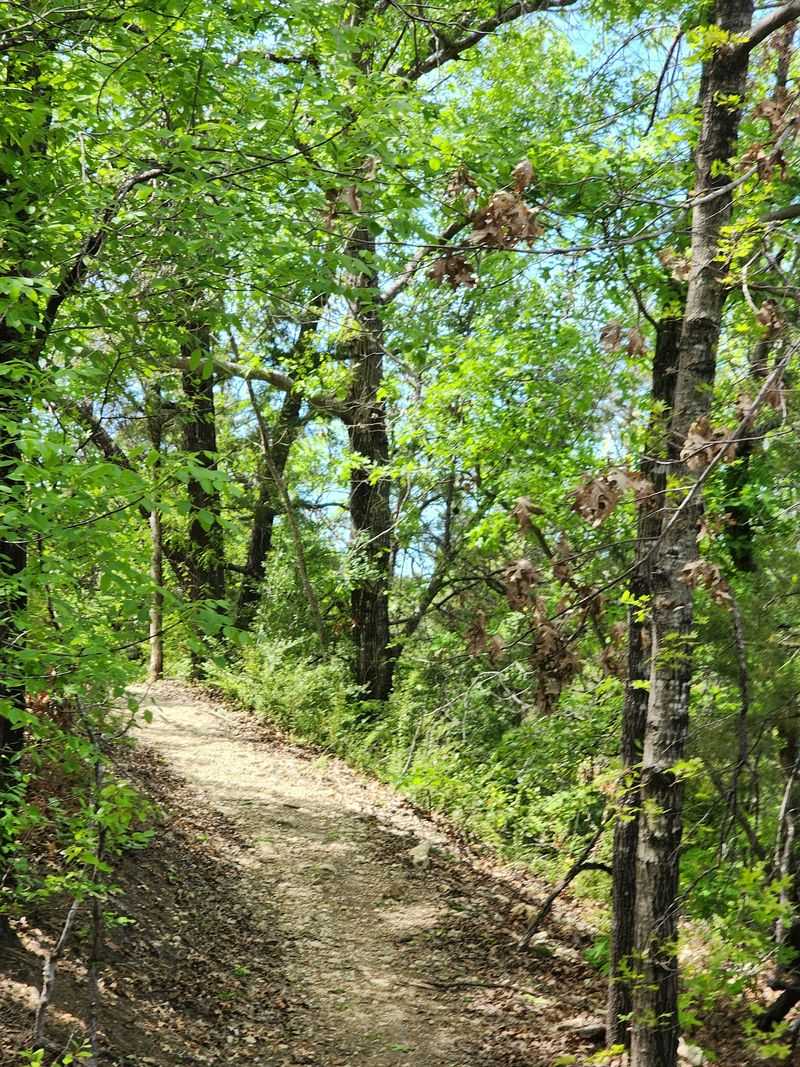
The lower ravines offer their own appeal, with thicker juniper cover and a cooler, quieter atmosphere. Exploring both the open ridges and the sheltered ravines in a single visit gives you a surprisingly complete picture of just how diverse this small but remarkable preserve really is.
Preserving the Pristine, A Community’s Dedication
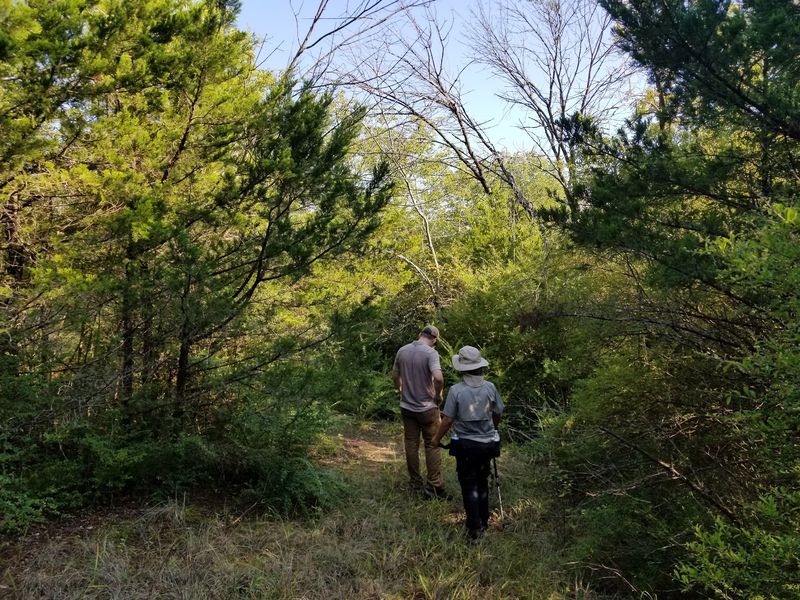
Tandy Hills did not stay wild by accident. Behind every unmarked trail and every blooming wildflower is a sustained, community-driven effort to keep this place from being swallowed by the city around it.
The City of Fort Worth Park and Recreation Department manages the preserve, but the real engine of conservation here is the Friends of Tandy Hills Natural Area, a non-profit group of dedicated volunteers who show up consistently to do the hard work.
Clearing invasive species is one of their most critical tasks. Privet, in particular, is a persistent problem.
Left unchecked, it shades out native plants and disrupts the ecological balance that makes Tandy Hills so special. Volunteers also handle litter removal, trail maintenance, and outreach efforts that help new visitors understand what they are walking through.
Scientific study plays a role here too. Bioblitzes, which are community science events where participants document as many species as possible in a set time, have helped build a detailed picture of the preserve’s biodiversity.
Controlled burns are another management tool used strategically to suppress invasive weeds and stimulate the growth of native grasses and wildflowers. It is a practice rooted in the same land management traditions used by Indigenous peoples for centuries.
Seeing this level of thoughtful, ongoing care gives the preserve a different kind of weight. Tandy Hills is not just a green space.
It is a living project, shaped by people who genuinely love it.
Rules of the Wild, Respecting the Landscape
Part of what keeps Tandy Hills feeling so unspoiled is the set of guidelines visitors are expected to follow. They are not complicated, and they are not unreasonable.
Most of them come down to a simple principle: take nothing, leave nothing, and tread lightly. Staying on marked trails is the most important rule, and it exists for good reason.
Wildflowers depend on pollination and seed dispersal to survive. When people cut through open areas or trample vegetation to get a better photo angle, they disrupt those processes in ways that can take years to recover.
The trails are carefully routed to give visitors a rich experience while minimizing impact on the most sensitive plant communities.
All natural objects, whether rocks, plants, or animals, are protected within the preserve. Collecting anything is prohibited.
If you bring a dog, it must stay on a leash at all times, and cleaning up after your pet is expected without exception. The park operates from dawn to dusk, so early morning arrivals and late afternoon visits are both perfectly timed.
Camping, discharging firearms, and any form of open fire are all prohibited within the preserve boundaries. The spirit behind these rules is not restrictive so much as protective.
Tandy Hills has survived this long in such remarkable condition because people have consistently chosen to treat it with respect. Showing up with that same mindset is the most meaningful thing any visitor can bring.
Capturing the Essence, A Photographer’s Paradise
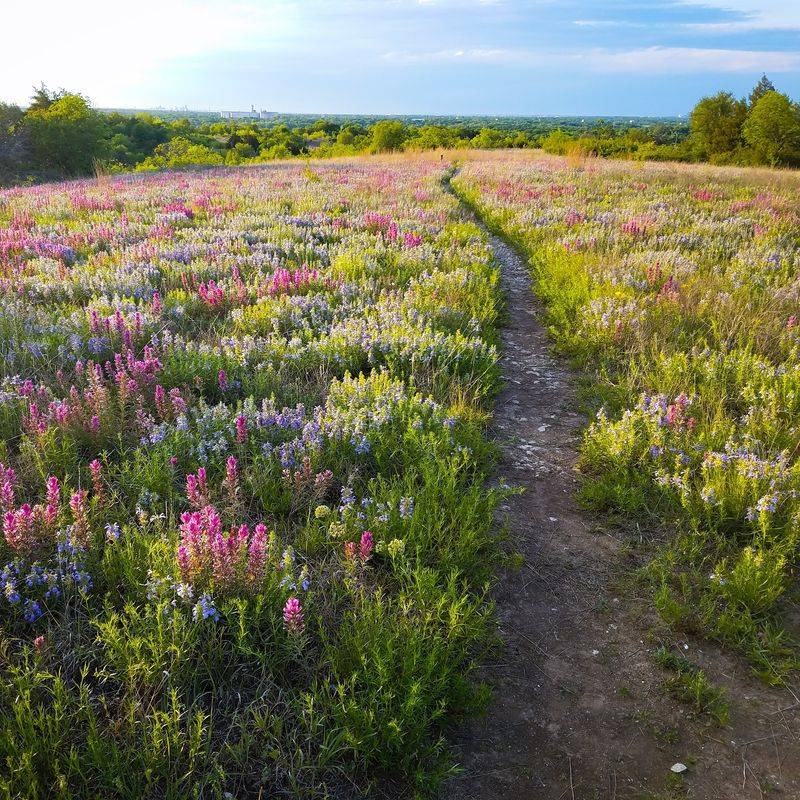
Few urban locations in Texas offer the photographic variety that Tandy Hills delivers. The combination of open grassland, rugged limestone terrain, dense ravine vegetation, and a city skyline hovering on the horizon creates a range of compositions that feels almost unfair for a single location.
I kept stopping on the trail, not because I was tired, but because every ridge offered a new angle worth considering.
Spring is the obvious peak season for photographers. The wildflower blooms transform the hillsides into layered color, with purples, reds, whites, and yellows competing for attention.
Getting low to the ground among the bluebonnets while keeping the skyline in soft focus behind them is a shot that never gets old, no matter how many times you have seen it done.
Beyond spring, the preserve has photographic appeal year-round. Summer light turns the native grasses a warm amber.
Autumn brings subtle color changes to the oak stands and a different quality of afternoon light that feels golden and cinematic. Even winter has its charm, when the bare branches of the ravine trees create stark, graphic patterns against pale skies.
Wildlife photography is rewarding here too, especially for birds. Patience and quiet movement are the main tools you need.
The hawks, flycatchers, and sparrows are not especially shy if you move slowly and avoid sudden sounds. Tandy Hills rewards the careful observer, and a camera is a great reason to slow down and look more carefully at everything around you.
An Island of Resilience, A Symbol of Hope
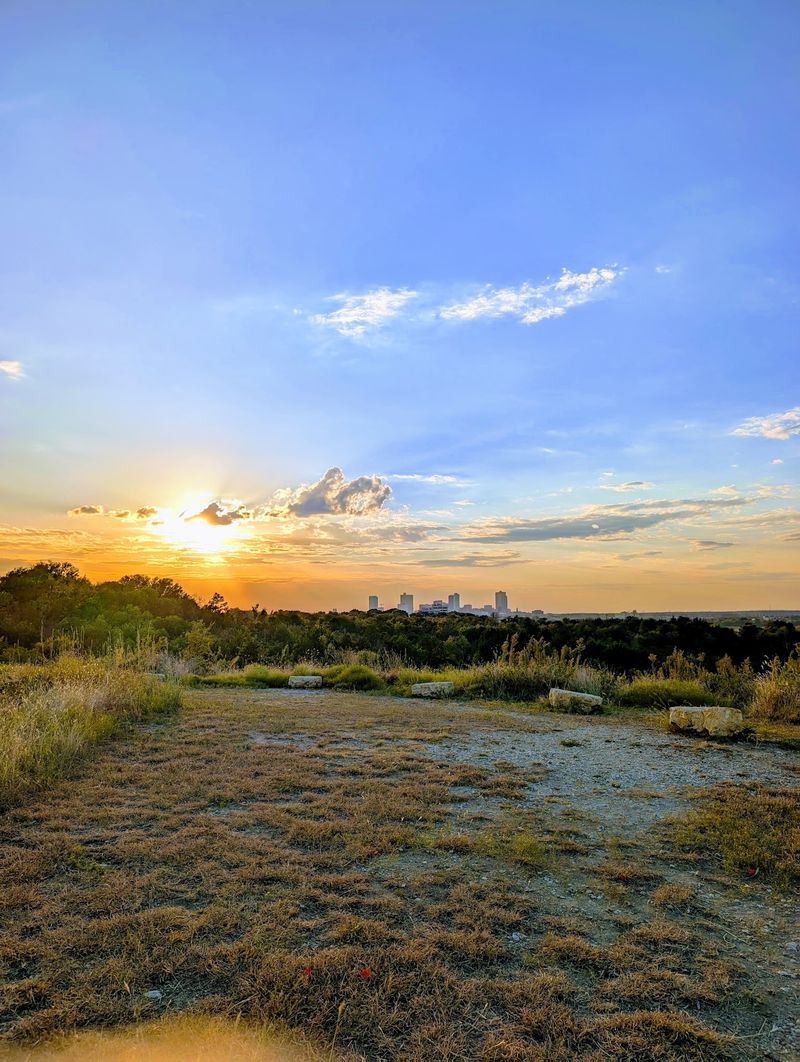
There is a particular feeling that comes at the end of a Tandy Hills visit. It is quieter than the feeling you get from most parks.
More settled. The preserve has a way of slowing you down without demanding anything from you, which is rarer than it sounds in a city environment.
What strikes me most is that this land was never developed. In a region that has seen explosive growth for decades, Tandy Hills simply remained.
No buildings, no pavement, no manicured lawns. Just prairie, persisting.
That fact alone feels like a small miracle worth acknowledging every time you visit.
The battle to keep it this way is ongoing. Invasive plants push back every season.
Urban noise and light pollution creep in from the edges. But the native grasses keep growing, the wildflowers keep returning, and the wildlife keeps finding its way here.
The broad support from the city and from volunteers who give their weekends to this place makes a genuine difference. Tandy Hills is proof that urban nature preservation works when people decide it matters.
It is not a grand wilderness destination. No one is hiking here for days.
But as a place to reconnect with something older and quieter than the city surrounding it, it delivers completely.
Address: 3325 View St, Fort Worth, TX 76103
