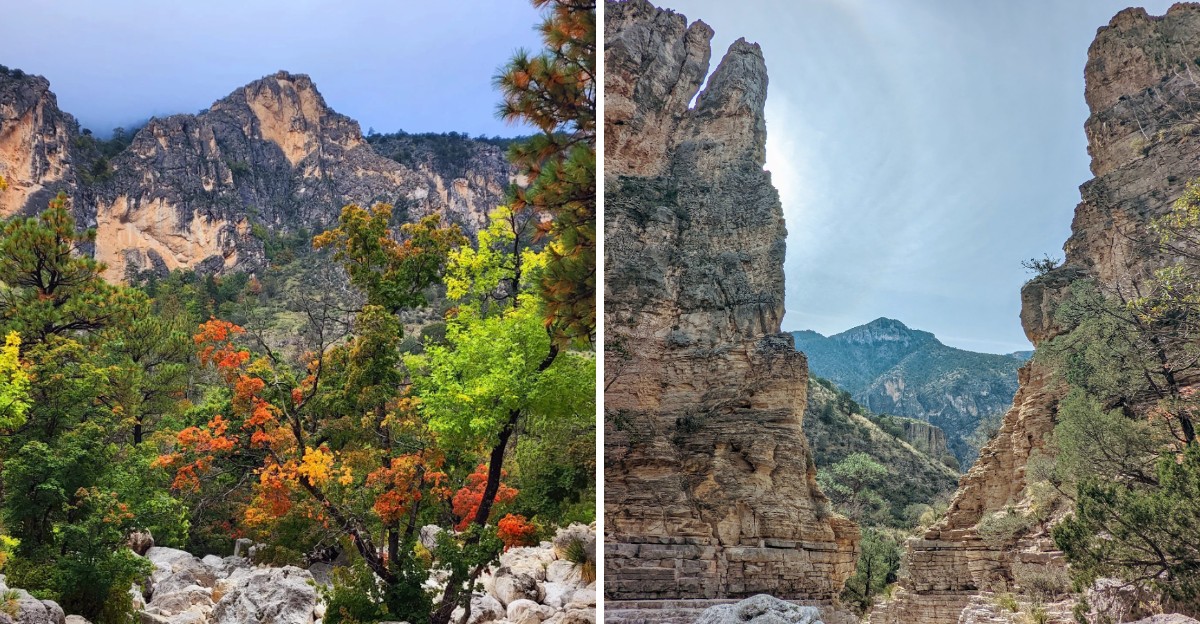
Natural stone steps rise out of a boulder-filled canyon, leading to a narrow hallway between towering rock walls. They’re called the Hiker’s Staircase, and they’re part of a Texas trail that feels strangely like a secret passage from a fantasy book.
The route begins on a regular mountain path, then drops into a rocky wash where hikers carefully navigate loose stones and larger boulders. At the far end, steep layers of limestone close in to form a dramatic corridor.
The entire hike covers 4.2 miles round-trip and is rated strenuous, so it’s no casual stroll.
I’m most intrigued by how the trail seems to change its personality halfway through. Open mountain views give way to a natural stone passage where the walls do all the storytelling.
It sounds like a Narnia scene without a single prop.
A Stone Hallway That Looks Built By Giants Waits At The End
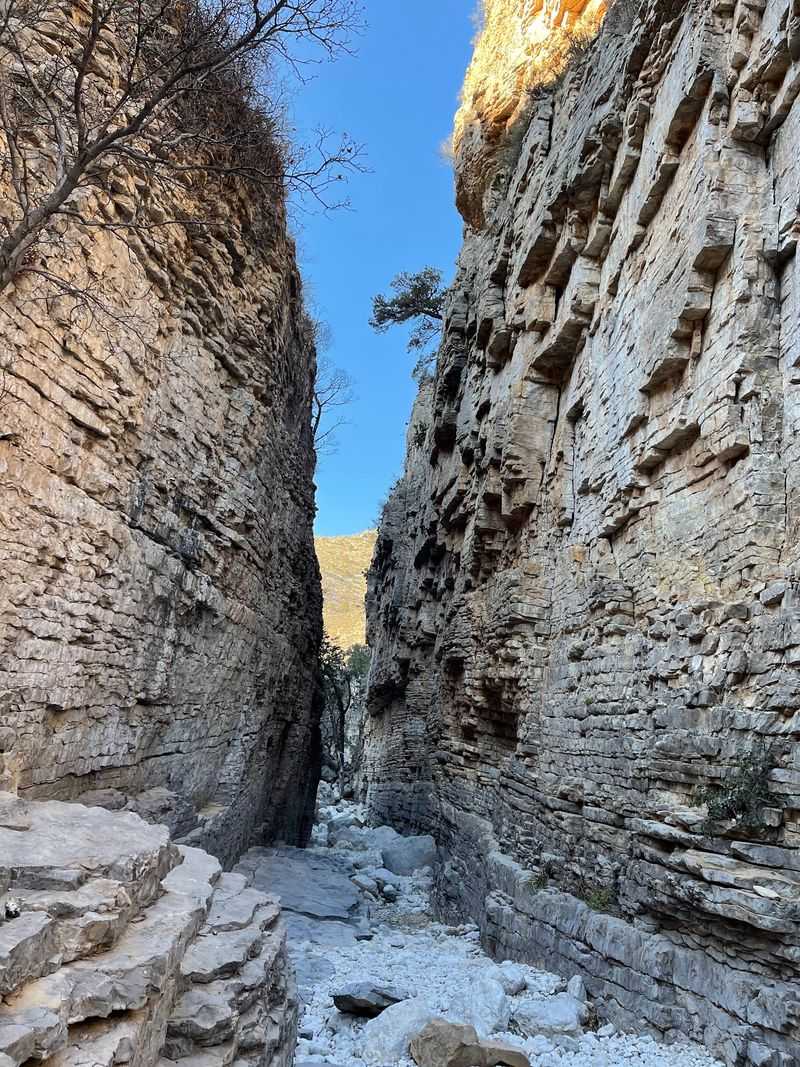
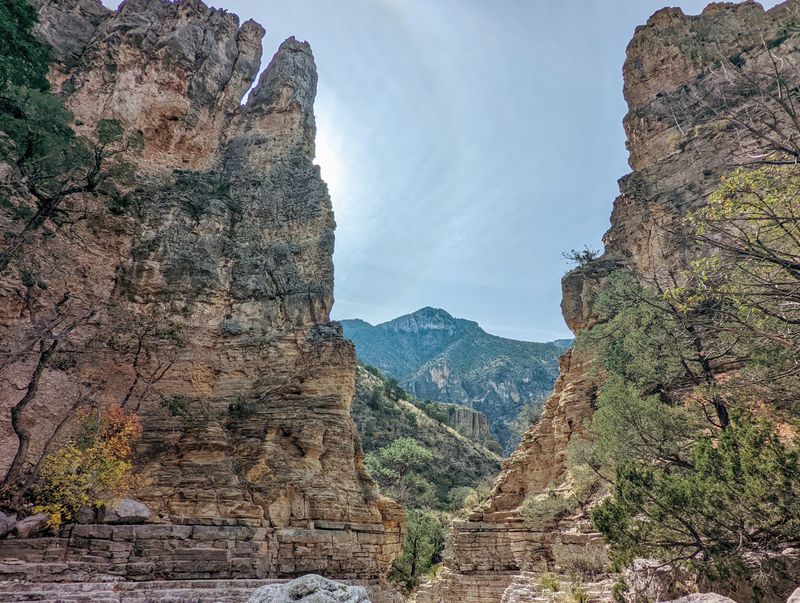
Walls rise about 50 feet on both sides of you at Devil’s Hall Trail. The gap between them shrinks to roughly 15 feet in spots.
That narrow passage is the famous Devil’s Hall, the grand finale of the hike. It stretches roughly 100 to 200 feet through solid limestone.
The walls are the real showstoppers here. Their horizontal layers look stacked, almost like giant bricks set by careful hands.
Some hikers compare the scene to ancient ruins. Honestly, that comparison feels fair once you see how tidy the stone appears.
The name sounds spooky, but there’s no ghost story behind it. It comes from the imposing, slightly ominous feel of the tight canyon and rugged land around it.
Plan to linger once you arrive. Many hikers rush the climb and then realize the hall deserves a slow, quiet look.
Bring a camera with a wide lens if you have one. Tall walls in tight spaces are tricky to fit in a single shot.
Shade inside the hall also makes it a nice spot for a snack break. Just pack out every crumb, because this place stays beautiful when everyone treats it kindly.
Climb The Hiker’s Staircase Like You’re Entering Another World
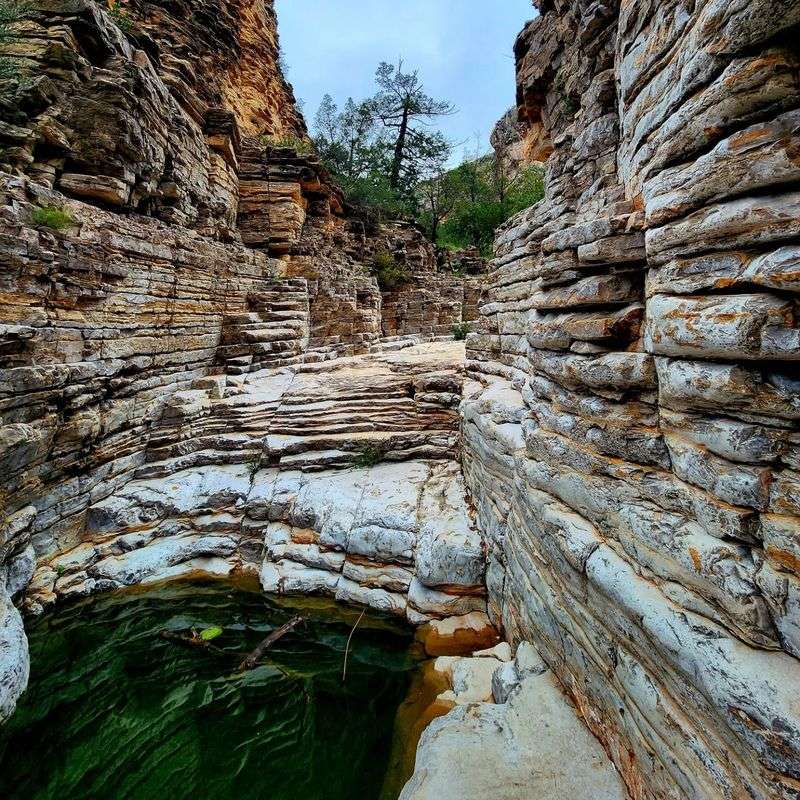
Nature spent centuries carving this staircase, and it shows. Erosion shaped layered limestone into a series of stepped ledges just before Devil’s Hall.
The Hiker’s Staircase is one of the most memorable features on the whole route. Each ledge asks for a careful step, a good grip, or both.
Take your time on these rocks. They can feel slick, especially if any moisture is around.
Near the top, keep an eye out for a small natural basin. Hikers often call it the bathtub or the reflecting pool, depending on how poetic they feel.
That little pool adds a magical touch to the climb. Seeing water in such a dry landscape feels like a surprise gift.
Good shoes matter a lot on this section. Sturdy soles with solid grip will make the ledges far less stressful.
Kids who love climbing usually find this part thrilling. Still, an adult should stay close and help pick safe routes up each step.
Once you top the staircase, the hall is right ahead. It feels like climbing the final steps to a castle gate, minus the grumpy guard.
The First Mile Is A Friendly Warm-Up Through The Desert
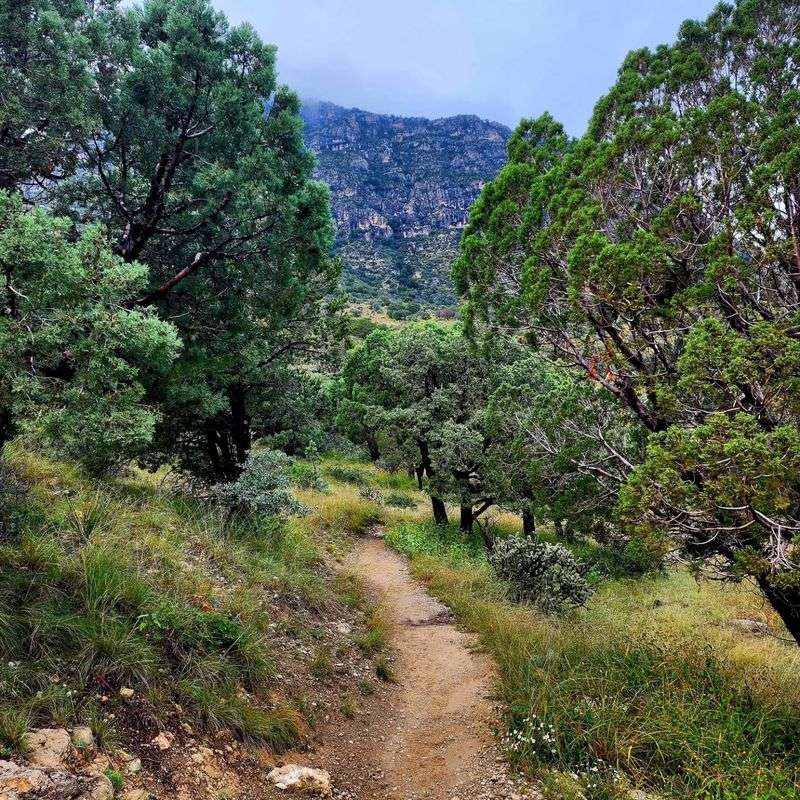
Easygoing is the best word for the opening stretch. The path is a narrow dirt trail that climbs gently through the Chihuahuan Desert.
Open views spread out around you as you walk. Cacti and yucca dot the slopes, and distant peaks keep you company.
This section shares space with the Guadalupe Peak horse trail. Watch your step, since horses sometimes leave little surprises behind.
Use this mile to find your rhythm. It’s a smart time to sip water and adjust your pack before the real fun begins.
The trail climbs about 800 feet over the whole hike. Much of that gain sneaks up slowly, so the opening mile rarely feels like a workout.
Morning is the sweetest time to be here. Cooler air, softer light, and calmer wind make the desert feel welcoming.
After about a mile, the trail splits from the Guadalupe Peak route. A sign points you down into the canyon wash.
That turn is where your warm-up ends. Tighten your laces, because the desert stroll is about to become a rock adventure.
Boulder Hopping In The Wash Turns Grown-Ups Into Kids Again
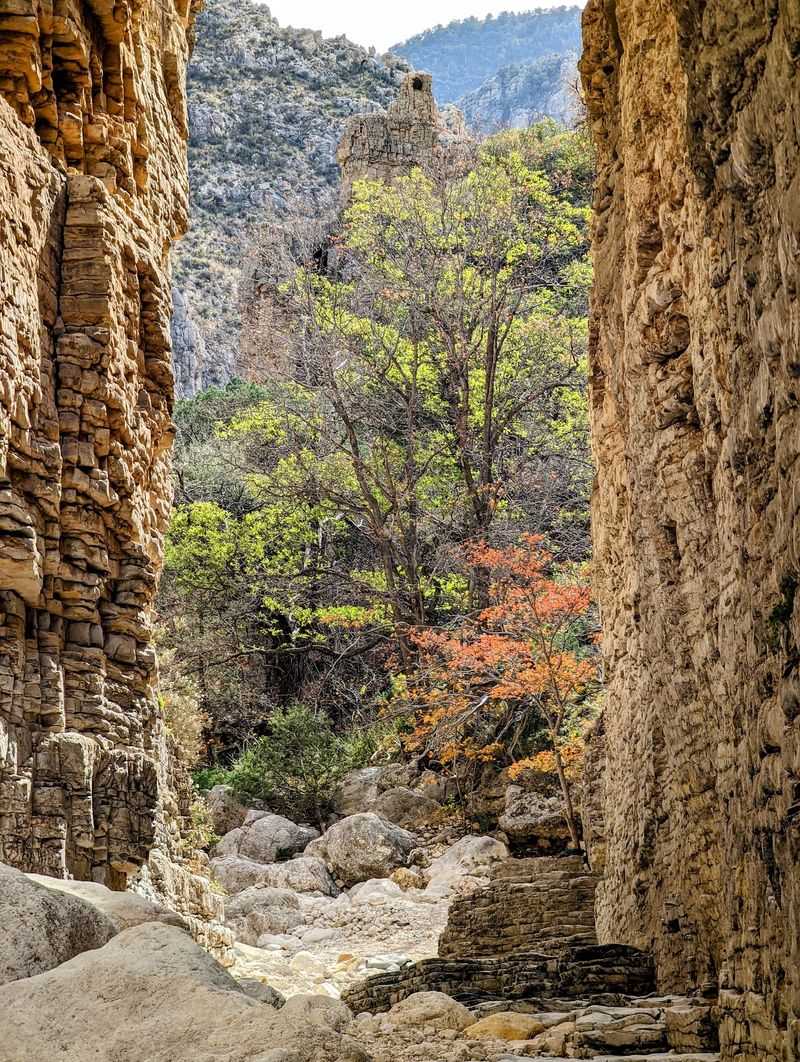
Who knew a dry creek bed could be this much fun? Once you enter Pine Springs Canyon, the trail becomes a rocky wash full of boulders.
There’s no smooth path anymore. You’ll hop, step, and scramble over loose rocks and debris for much of the second half.
Small rock piles called cairns mark the way now and then. Keep an eye out for them, since the route isn’t always obvious.
Part of the charm is choosing your own line through the stones. Every hiker solves the puzzle a little differently.
This is a true hands-on hike. Expect to grab rocks for balance and push yourself up larger boulders.
Gloves can help protect your hands from rough limestone. Trekking poles also help some hikers, though they can get in the way during scrambles.
The way back can be confusing too. Stay alert on the return so you don’t wander past the spot where the trail leaves the wash.
Skip this hike during rain. Wet rocks get slick, and the canyon can see dangerous flash floods.
You’re Walking On The Bones Of An Ancient Sea Reef
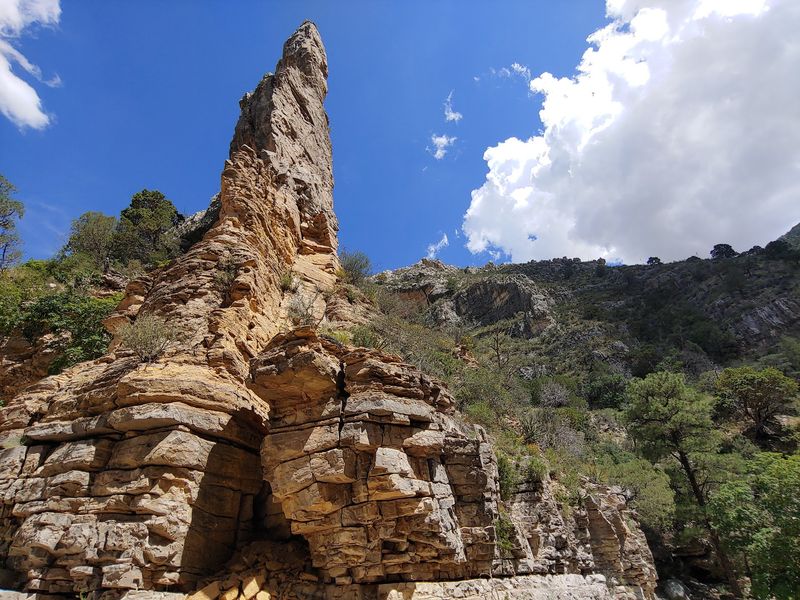
Long before cacti and hiking boots, this spot sat underwater. A shallow inland sea once covered the region millions of years ago.
The limestone around you formed as part of a Permian-period reef system. That means the canyon walls began as material from an ancient ocean world.
Erosion took over after the water disappeared. Over countless years, it sculpted the canyon, the staircase, and the hall into what you see now.
Knowing this changes how the hike feels. Every ledge you climb is a page from a very old story.
The neat horizontal bands make the history easy to spot. Each layer marks a different chapter of material settling down over time.
Kids often love hearing they’re hiking through a former sea. It turns a tough climb into a treasure hunt for clues.
Remember to leave rocks exactly where you find them. National park rules protect these features so future hikers can enjoy them too.
Next time a friend calls Texas dry, you can grin. Parts of it were once a sunny reef full of sea life.
Fall Colors In The Canyon Feel Like A Storybook Twist
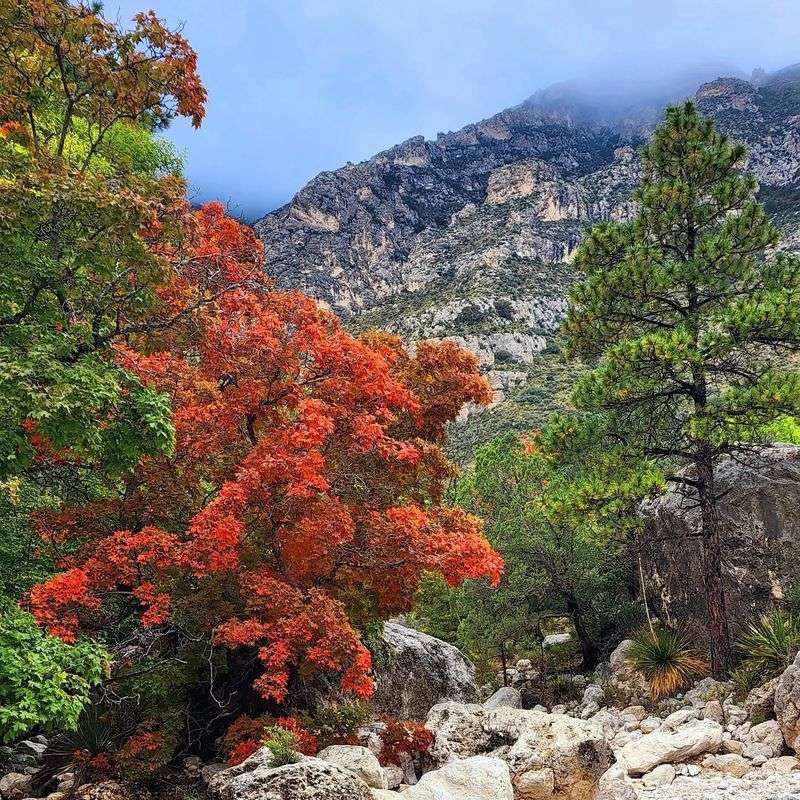
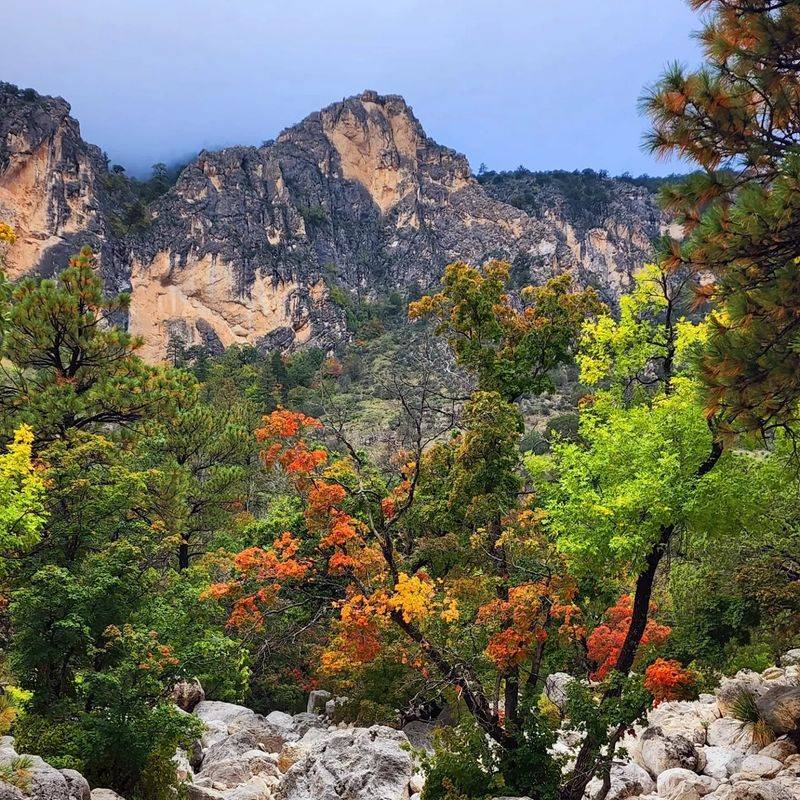
Red maples in a desert canyon sound like a typo. Yet autumn brings exactly that kind of color to this part of Guadalupe Mountains National Park.
Mid-October through mid-November is a popular window for fall foliage. Maples brighten the canyon while the desert plants hold their ground nearby.
The mix of trees is part of the magic. Ponderosa pine and Texas madrone grow along the route too.
Texas madrone stands out with its smooth, reddish bark. It looks almost painted, which fits the storybook mood perfectly.
Spring offers its own reward with desert blooms. Cacti and other plants can add pops of color across the open slopes.
Fall is also the busiest season for good reason. Arrive early to beat crowds and grab parking before it fills.
Layers are smart in cooler months. Mornings can feel chilly, while the climb warms you up quickly.
Winter can bring cold wind and even snow. Icy rocks are no joke, so check conditions with the park before heading out.
Pack Smart, Because The Canyon Won’t Hand You Water
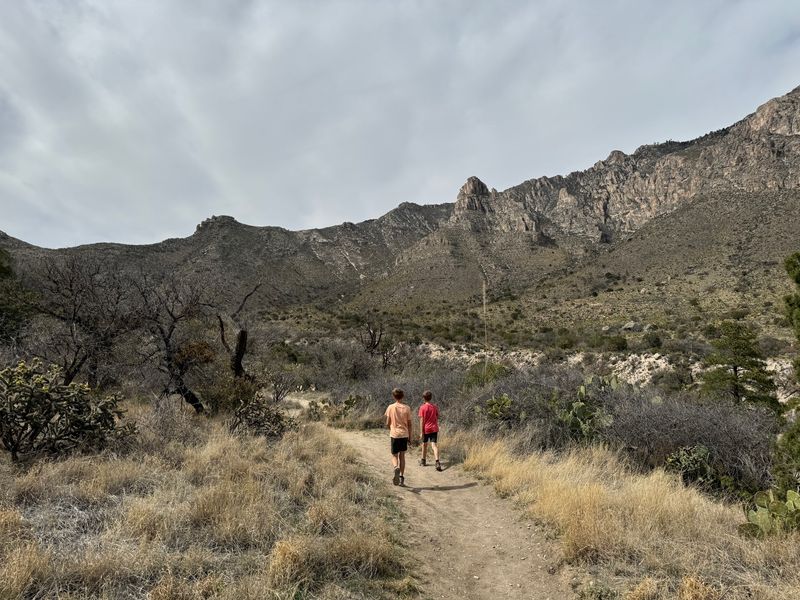
Water is the one thing you cannot forget. There’s none available anywhere on the trail.
Carry more than you think you need, especially in warm weather. The desert sun and the scrambling both make you thirsty fast.
The round trip covers 4.2 miles on an out-and-back route. Most hikers finish in two to four hours, depending on pace and breaks.
The park rates the hike moderate to strenuous. That rating comes from the loose rock and hand-over-foot scrambling, not the distance.
Sturdy hiking shoes with strong grip are a must. Sandals and slick sneakers will make the wash miserable.
A hat and sunscreen help on the exposed first mile. Snacks give you a boost before the staircase.
Pets must stay home for this one. Only service animals are allowed on the trail.
Start early in the day if you can. You’ll dodge heat, avoid strong afternoon winds, and enjoy the canyon in a quieter mood.
Getting To The Trailhead Takes A Little Planning
Your adventure begins at the Pine Springs Trailhead. It sits near the Pine Springs Campground and Visitor Center in Guadalupe Mountains National Park.
Park headquarters is at 400 Pine Canyon Drive, Salt Flat, Texas 79847. That’s a handy spot to grab maps and ask rangers about trail conditions.
An entrance fee applies to visitors 16 and older. Your pass covers one to seven consecutive days, which is great for exploring more trails.
Before hiking, sign in at the trailhead kiosk. Self-registration helps rangers know who’s out in the backcountry.
Parking at the trailhead fills early, especially on busy days. Overflow lots are available if you arrive late.
The visitor center lot adds about 0.4 miles each way. A farther overflow on Highway 62 adds roughly 0.8 miles each way.
Those extra steps aren’t terrible, but they add up. Early birds get both the parking and the cooler air.
Ask rangers about weather before you go. Their advice can save you from slick rocks or a surprise storm.
Stick Around For Stagecoach History Near The Visitor Center
Stagecoaches once rolled through this rugged corner of the state. In the 1850s, a Butterfield Overland Mail station operated in the area.
Remnants of that station still stand near the Pine Springs Visitor Center. It’s a quick, easy stop after your tired legs finish Devil’s Hall Trail.
The human story here goes back much further. Evidence shows people lived in the region about 10,000 years ago.
Spanish, Apache, and early American communities all left their mark on these mountains. That long history adds depth to every view.
Guadalupe Mountains National Park was established in 1972. It protects both the dramatic geology and these layers of the past.
Adding Devil’s Hall to a park visit is a popular move. Some hikers pair it with the climb up Guadalupe Peak, the highest point in Texas.
Devil’s Hall usually feels calmer than that famous summit trail. It’s a peaceful counterpoint after a busy day.
So pack water, lace up, and head for that stone hallway. Narnia had a wardrobe, but West Texas has a staircase.
