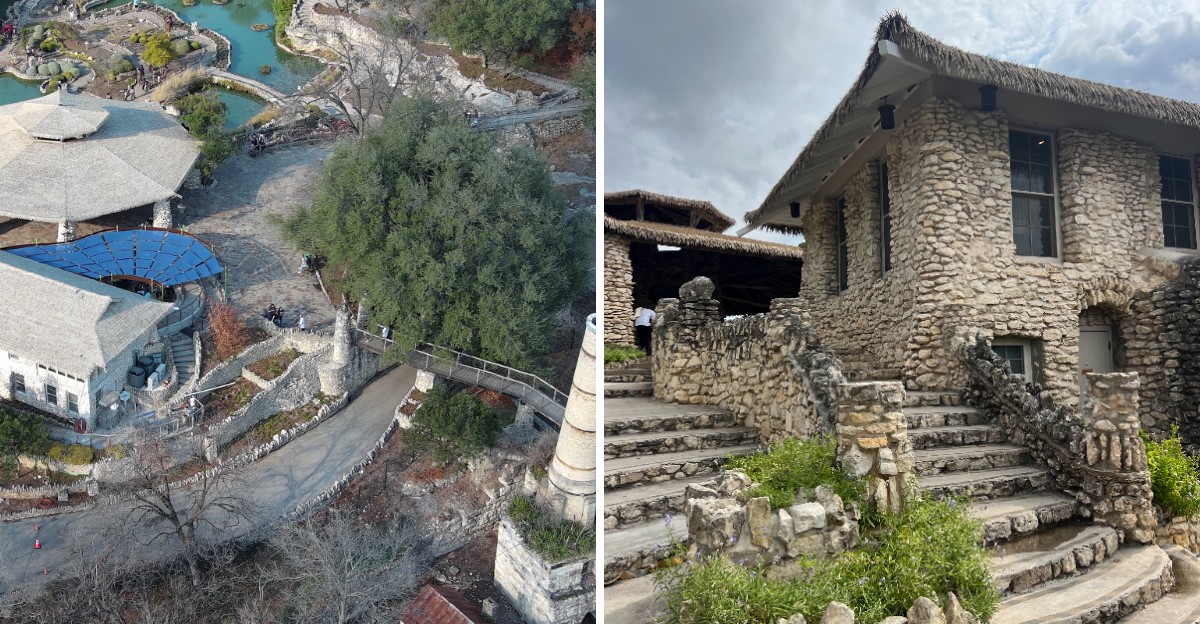
A tall smokestack and the remains of three cement kilns stand beside a walking path. Yes, actual factory ruins in a public park, with trees growing around structures once used for industrial work.
That’s an unexpected sight on an ordinary afternoon.
Cement made here went into the Texas State Capitol. The factory drew limestone from a nearby quarry, which later became a landscaped garden.
I like that a place once full of heavy machinery now has such a peaceful setting. Quite a change of scenery.
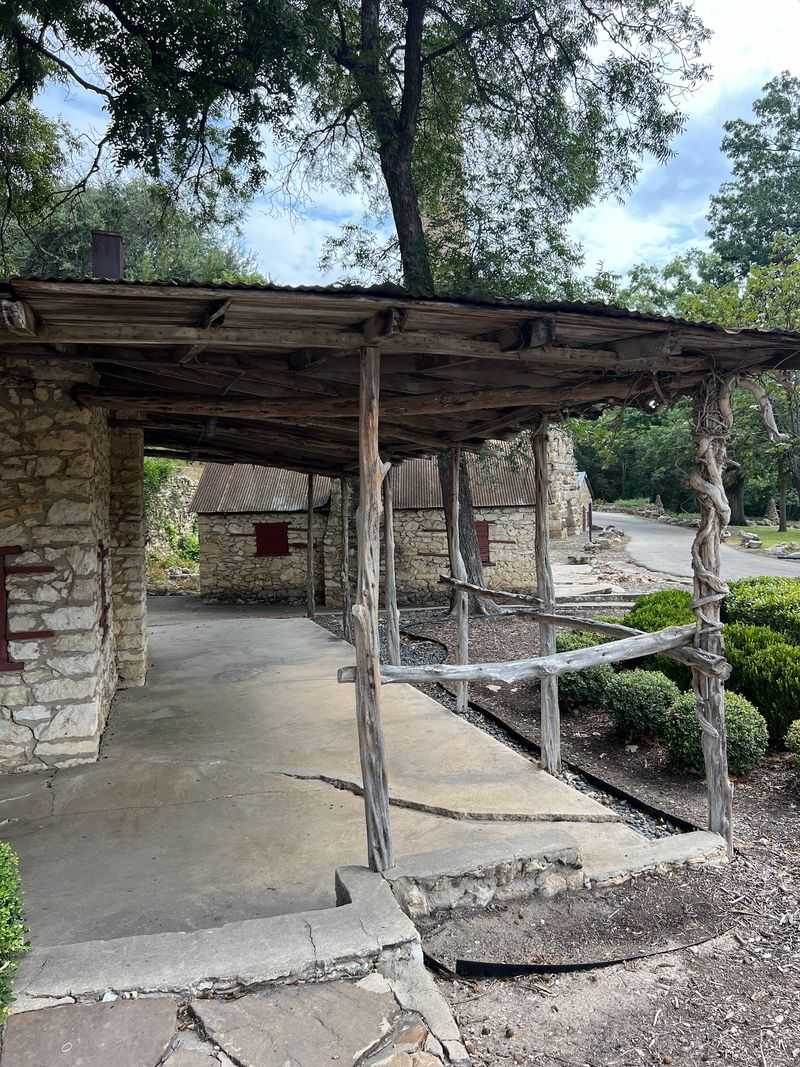
You can walk near the surviving stone and brickwork without signing up for a tour or paying admission. The old structures are part of a park, so this industrial history sits alongside everyday walking routes.
Knowing what those old kilns helped create makes the ruins harder to pass without stopping for a closer look.
The First Cement Plant West Of The Mississippi Started Right Here
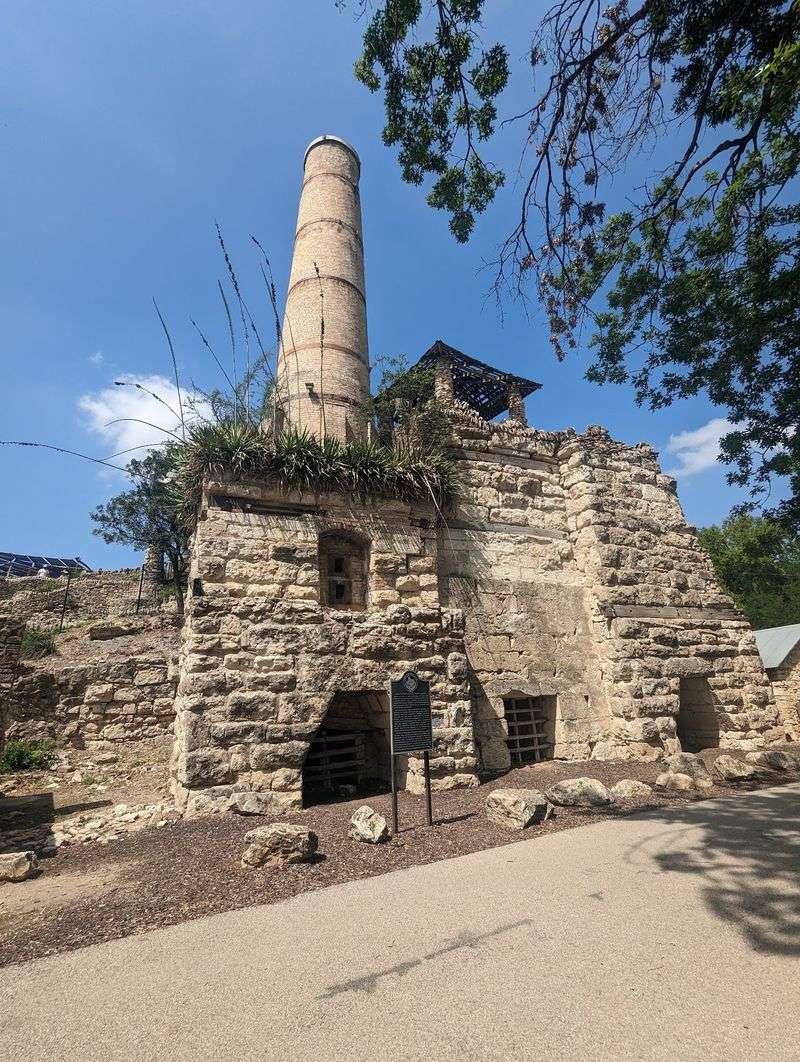
Back in January 1880, a bold new business got its charter in San Antonio. The Alamo Portland and Roman Cement Company became the first Portland cement plant west of the Mississippi River.
Today, that spot is known as the Portland Cement Plant Ruins. It sits inside Brackenridge Park, and it feels far calmer than its busy past.
Cement production started in 1880, the same year as the charter. The company grew throughout the 1880s and later became known as the Alamo Cement Company.
Why did it start here? The land held plenty of limestone, which is a key ingredient in cement.
Workers dug that stone out of the ground for years.
By 1908, though, the limestone ran low. The company packed up and moved its operations to a new site.
That new site grew into a small community called Cementville. Today, that area is home to The Quarry Market, so the story still echoes across town.
The original plant was simply left behind. Walls, kilns, and that tall smokestack stayed put while the world moved on.
So every brick you see tells part of a Texas origin story. Not bad for a pile of old industrial leftovers.
Look Up, Because That Smokestack Has Been Standing Since 1889
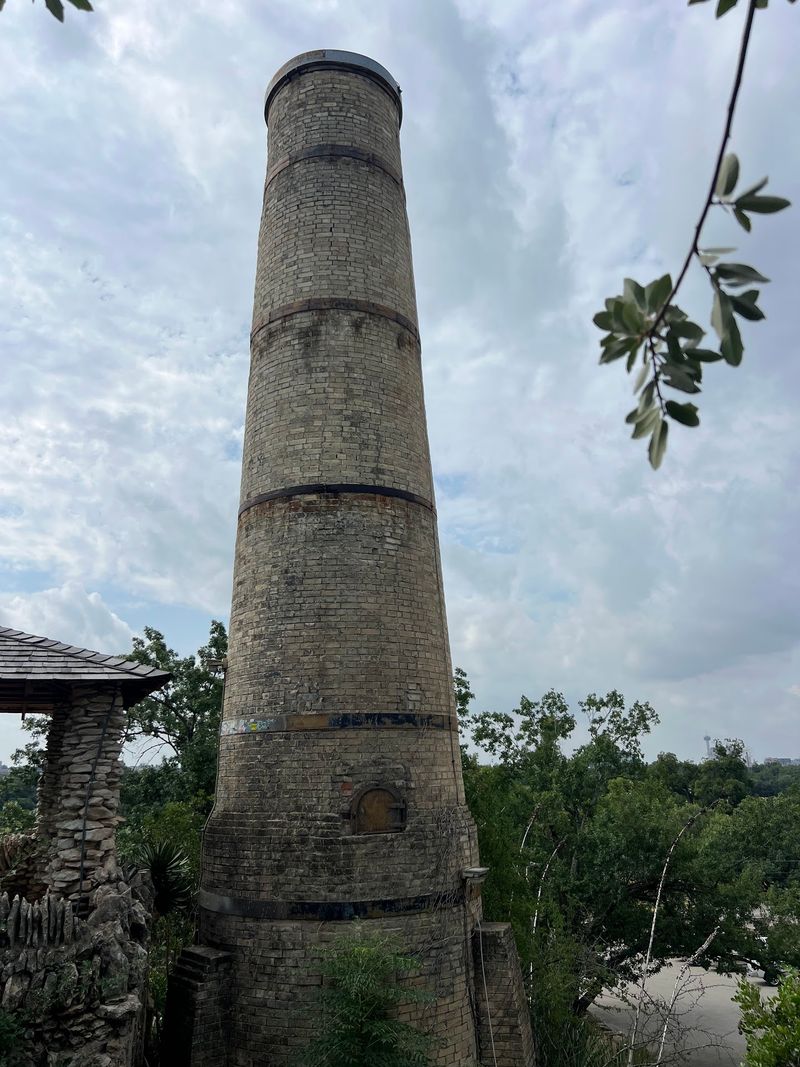
Some landmarks whisper, but this one stands tall and makes its point. The giant smokestack was built in 1889, and it still rises over the ruins today.
That means it has outlasted the factory, the workers, and plenty of Texas storms. Honestly, it deserves a little applause.
The stack is the easiest feature to spot from the trail. It works almost like a lighthouse for history fans walking through the park.
Try snapping a photo from a low angle. The height looks even more dramatic against a clear blue San Antonio sky.
Morning light can be friendly for pictures, too. The site’s listed hours run from 7 AM to 5 PM every day, so early birds have plenty of time.
Remember that this is an old structure, not a playground. Enjoy it with your eyes and your camera, and give it the respect any senior citizen deserves.
Kids usually love guessing how tall it is. Turn it into a quick game while you walk around the area.
Either way, it’s hard to leave without at least one smokestack selfie. Nobody will blame you for taking three.
Nature Is Slowly Taking The Whole Place Back
Plants growing out of rooftops sounds like something from a movie. At this site, it’s just a normal Tuesday.
Vines climb the old walls, and trees have grown through former work floors. Small boarded-up buildings wear greenery on top like messy hats.
It’s a slow and quiet takeover. No bulldozers needed, just roots, rain, and a lot of patience.
This mix of brick and leaves gives the ruins a peaceful feel. The area is known as a quiet stretch of parkland, away from busier downtown spots.
That calm makes it a nice break for anyone who needs fresh air. You can stroll, pause, and notice small details without feeling rushed.
Bring a phone or camera if you enjoy texture shots. Rough stone, twisting vines, and weathered roofs make great close-ups.
Shade can be limited in some areas, so plan ahead on hot days. A hat and a water bottle are smart buddies here.
Watching nature reclaim a factory might sound a little spooky. Instead, it feels oddly hopeful, like the land is getting its turn again.
Old Kilns Hold The Heart Of The Story
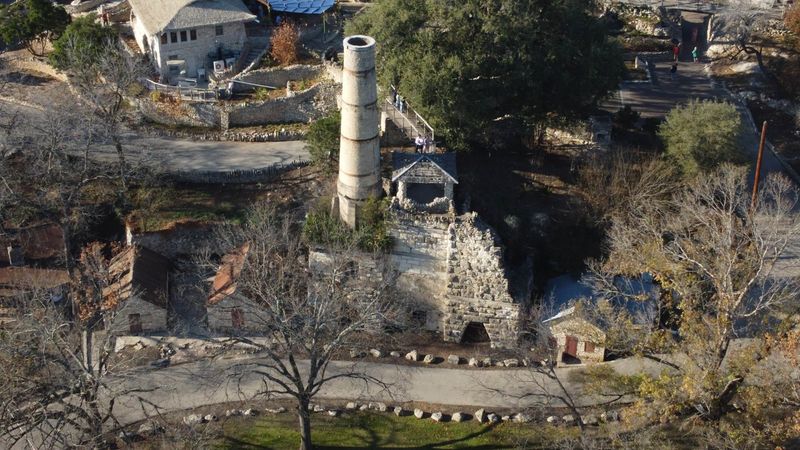
Ever wondered how rocks become cement? The answer lived inside kilns, and three of them still remain at the Portland Cement Plant Ruins.
Kilns are big ovens used to heat materials at very high temperatures. Here, they helped turn local limestone into the cement that built much of Texas.
The ruins of these kilns are considered important historical objects. They show how hard and hot this work once was.
In 1944, the kiln area was named Baumberger Plaza. That name gave the space a new identity as a place to remember, not a place to work.
Standing near them, it’s easy to think about the people who once kept the fires going. Their jobs helped shape buildings that still stand today.
Some older buildings around the site are now gated, according to recent notes on the area. So plan to admire things from the path rather than up close.
That’s okay, because the view still tells the story well. Big curved stonework speaks for itself.
Read any nearby markers, too. A minute of reading can turn old stones into a really cool history lesson.
Your Next Walk Could Pass Right By The Kilns
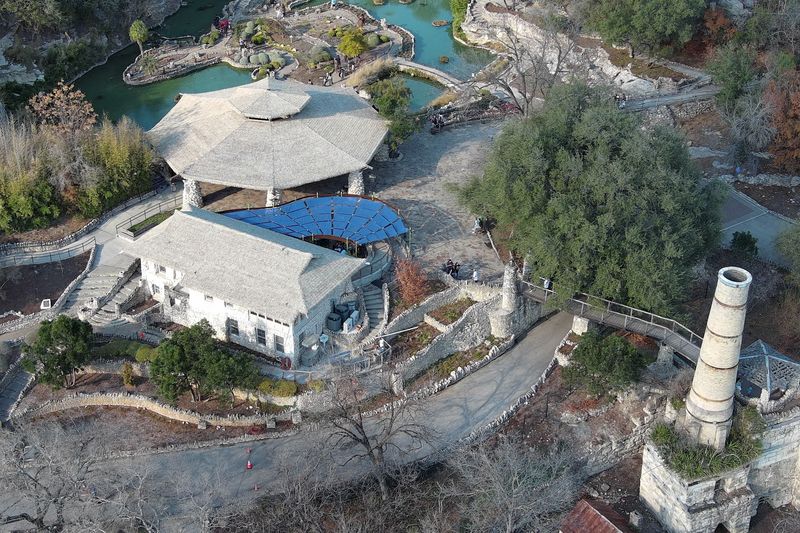
Good news for anyone who likes easy trails. The ruins sit along the Museum Reach, a scenic extension of the famous San Antonio River Walk.
The Museum Reach offers paved paths for walking and biking. That means sneakers work fine, and strollers can usually roll along too.
You’ll find the site at 3853 N St Mary’s St, San Antonio, TX 78212. It’s part of Brackenridge Park, which makes it easy to fold into a bigger day out.
Biking here is a fun option for families. You can cover more ground and still stop to look at the old structures.
The Museum Reach is also known for public art and landscaped green spaces. So the walk stays interesting even before you reach the ruins.
Wear comfy shoes and bring water, especially in summer. Texas heat does not care about your plans.
A slow pace is the best way to enjoy this trail. Rushing past means missing small surprises along the riverbank.
Think of it as exercise with bonus history. Your legs get a workout, and your brain gets a treat.
Carved Names And Love Notes Hide In The Bricks
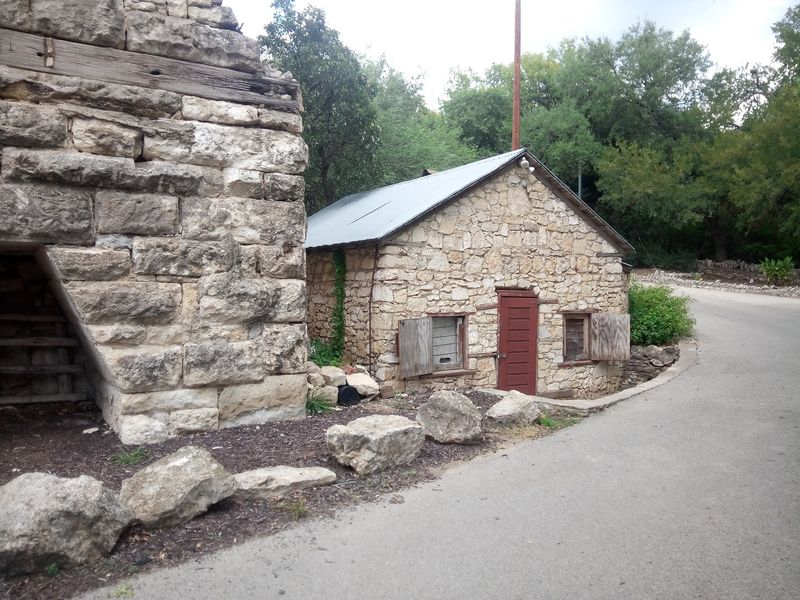
Old bricks can hold more than mortar. At this site, names and love notes have been carved right into them.
It’s like a giant, very old yearbook. Each scratch is a tiny message from someone who once passed through.
Spotting them takes sharp eyes. Slow down near the walls and look for initials, hearts, or short words.
Kids may enjoy this like a treasure hunt. Just keep it a looking game, since adding new carvings harms the history.
Peeking through some windows might also show bits of original cement processing equipment. That gives you a rare glimpse into the factory’s working days.
Still, respect any gates or closed areas. Safety comes first around buildings this old.
These little details make the ruins feel personal. A big factory suddenly turns into a place where real people laughed, worked, and maybe had crushes.
Snap a few close-up photos to remember them. Then leave the bricks exactly as you found them for the next curious visitor.
The Old Quarry Turned Into A Stunning Garden
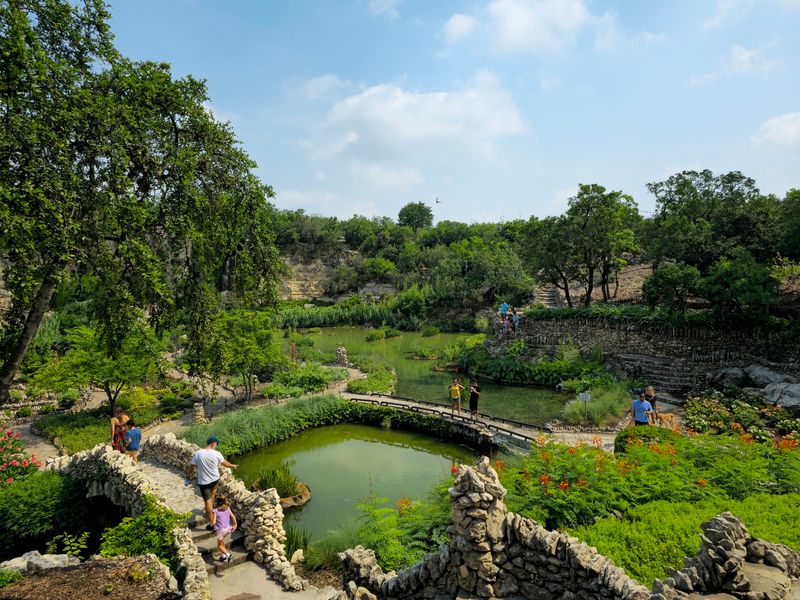
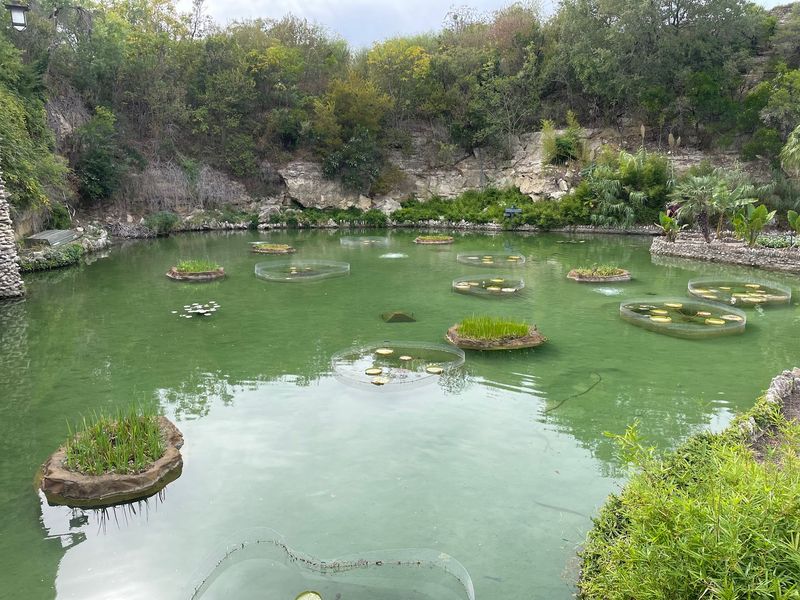
Talk about a makeover. The quarry that fed the cement plant later became the Japanese Tea Garden in Brackenridge Park.
Workers once dug limestone out of that pit for cement. Now it’s a lush space with ponds, paths, and plenty of greenery.
The garden was also known as the Japanese Sunken Gardens. That name makes sense, since it sits down inside the old quarry.
Seeing both places together tells a full story. One shows the rough industrial past, and the other shows how a city can reinvent a space.
Many people visit the ruins as an add-on to the garden. They’re close enough to explore in one easy trip.
Bring a camera for both stops. The stone walls of the garden look great next to water and plants.
Families can make a whole morning of it. Start at the ruins, then wander into the garden for a cooler, greener break.
Honestly, it’s one of the best before-and-after examples in Texas. Few construction sites get such a happy ending.
A Capitol Connection Gives These Ruins Bragging Rights
Here’s a fun fact to share at dinner. Cement from this plant helped build the Texas State Capitol in Austin.
That’s right, a factory now covered in vines played a part in one of the state’s most famous buildings. Pretty impressive for a spot near a trail.
The Driskill Hotel in Austin also used cement from here. So did many other major structures across Texas.
That makes the Portland Cement Plant Ruins more than just old walls. They’re a link to how the state grew during the late 1800s.
Think about how big a deal that was back then. Building materials had to come from somewhere, and San Antonio stepped up.
Next time you see the Capitol, remember this quiet park. Part of its story started with limestone dug up right here.
Kids might love that connection. It turns a history lesson into something they can actually picture.
So when someone asks why you’re staring at a crumbly smokestack, you have a great answer. You’re admiring a building block of Texas history, literally.
Make A Full Day Of It With These Nearby Stops
Once you’ve seen the ruins, Brackenridge Park still has plenty more to offer. The San Antonio Zoo and the Witte Museum are both part of the park.
There’s also a miniature train, sports fields, and a golf course. Families could easily fill a whole day without driving far.
Along the Museum Reach, the San Antonio Museum of Art sits inside a former brewery building. It’s a great stop for art lovers.
The Pearl district is connected by the same path. It’s known as a culinary and cultural hub, perfect for grabbing a bite after your walk.
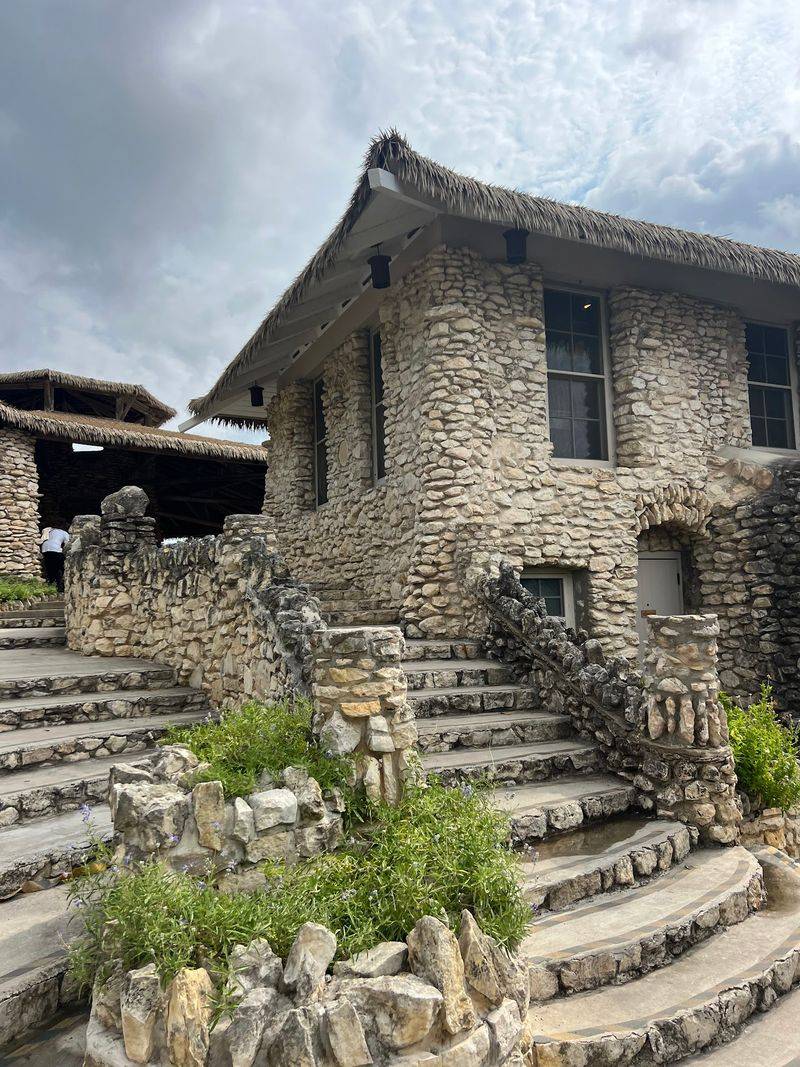
Don’t miss The Grotto, either. This cave-like structure shows off detailed faux bois artwork, which means concrete made to look like wood.
That’s a fun fit, considering you just visited an old cement plant. Concrete really gets around in this city.
Plan your route ahead so you don’t wear yourself out. Mixing indoor and outdoor stops helps on hot days.
By sunset, you’ll have seen history, art, and nature in one trip. Not bad for a day that started at a crumbling smokestack.
