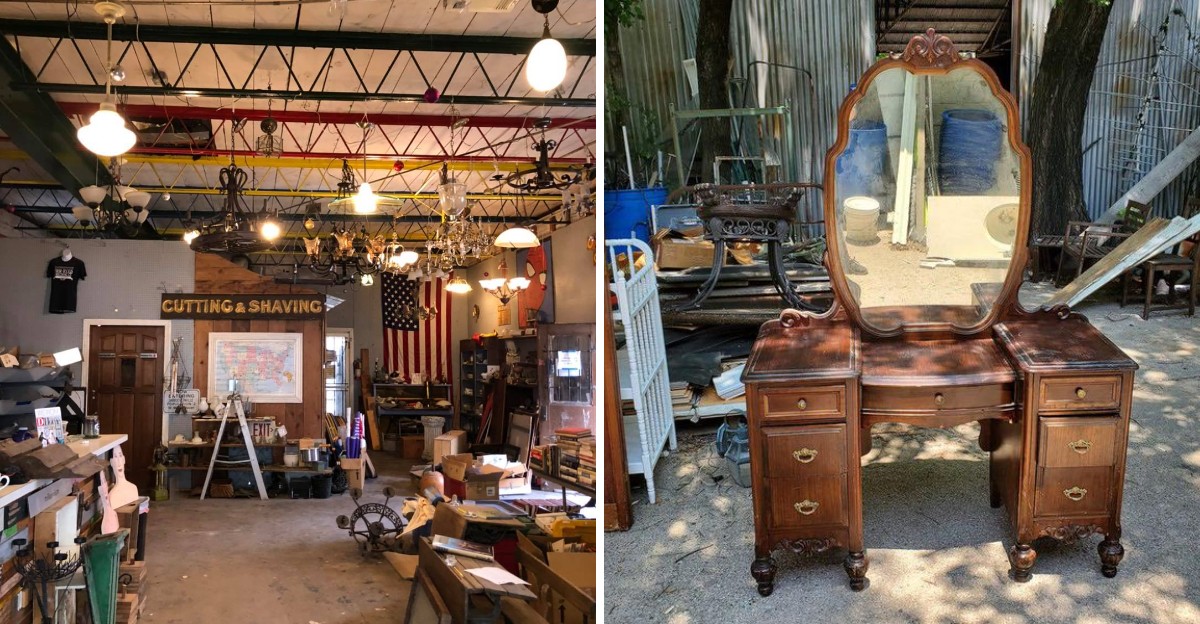
Old buildings come down all the time, but their best pieces do not have to disappear with them, and this Texas warehouse exists to make sure they get another chance, packing doors, windows, mantels, and hardware from floor to ceiling in a space that feels part museum and part treasure hunt.
Every item has a history, whether it came from a demolished home, a renovated storefront, or a building that simply could not be saved, and walking through the aisles gives you a sense of all the lives those pieces have already lived.
Renovators, designers, and curious browsers all find something worth taking home, whether it is a statement door or a small detail that completes a project. The inventory changes constantly, which means no two visits look the same.
Bring a truck, bring a measuring tape, and bring a little imagination, because the perfect piece is somewhere in there waiting to be found.f
A Salvage Yard With Roots Going Back to 1946
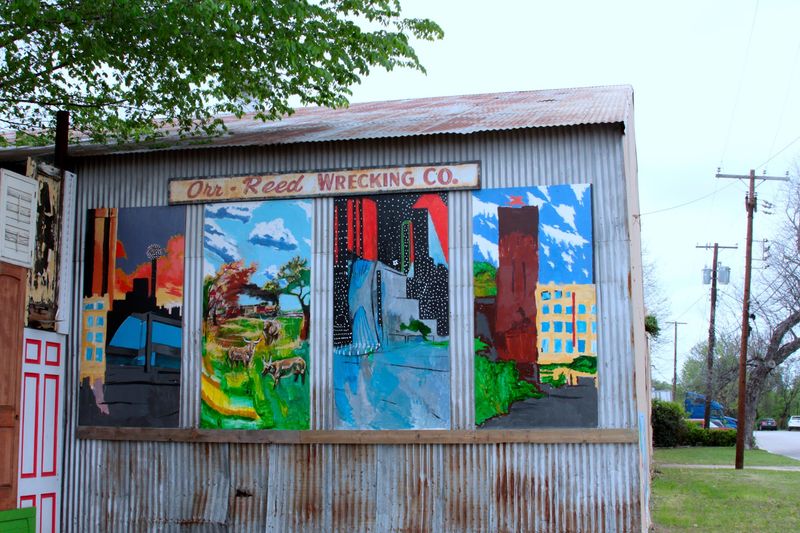
Few businesses can claim a backstory involving a goat herd, but this one can. Back in 1946, Charles Red Orr used his mustering-out pay from World War II, and James Reed chipped in money from selling his goats.
Together they opened what is now known as the oldest architectural salvage yard in Dallas.
That was long before recycling became a popular idea. The two partners were simply practical, and they saw value in materials other people were tossing away.
Without even trying, they became early pioneers of sustainability and historic preservation in the city.
Fast forward to 1993, when John and Michelle Hargrove bought the business. Their daughter Hannah stepped in to run things with her mother in 2013, after her father passed away.
So the yard has stayed in family hands for decades, and you can sense it.
The mission has not changed much. The goal is to save the history of Dallas one building at a time, keeping good pieces out of landfills.
Instead of smashing structures to the ground, the crew takes buildings apart carefully, piece by piece.
That slow method matters more than it might seem. Older materials were often built with better wood and stronger craftsmanship than many modern options.
When a house gets taken down gently, its doors, beams, and trim can live on somewhere else.
Knowing all this before visiting makes the experience richer. Every stack of lumber suddenly has a past.
And every scuffed doorframe starts to look like a little chapter of Dallas history waiting for its next home.
Thousands of Doors and Not One Boring
Over 4,000 doors. Read that number again, because it is not a typo.
The outdoor enclosure holds row after row of them, leaning together like old friends at a reunion.
There are tall ones, skinny ones, and doors with glass panels that look straight out of a 1920s bungalow. Five-panel doors and Craftsman-style pieces are some of the most wanted finds here.
They tend to go fast, so serious shoppers often check back regularly.
Peeling paint is part of the fun. One door might show three or four colors layered over the years, a quiet record of every family that ever lived behind it.
Some people strip that paint off, while others keep it exactly as it is for a rustic look.
Bring measurements before coming. It sounds obvious, yet plenty of shoppers fall in love with a door that will never fit their frame.
A tape measure and a phone photo of the space can save a lot of headaches later.
Doors here are not only for doorways, either. Creative folks turn them into headboards, tabletops, garden art, or room dividers.
A wide old door propped against a wall can make a plain room feel full of character.
Expect some wear, since many pieces are 75 years old or older. Small dings and loose hardware are normal.
The solid wood and old-school craftsmanship usually make the effort of a little fixing worth it, and that kind of quality is hard to find in a big-box store.
Tiny Treasures Near the Front Counter
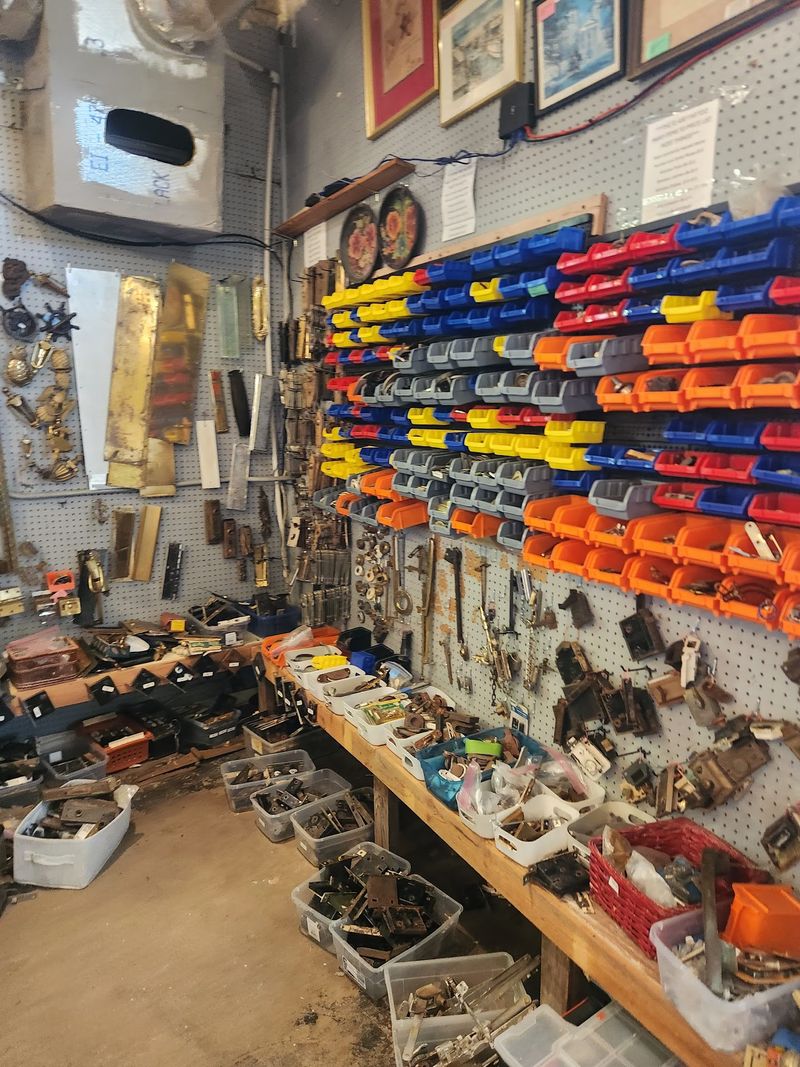
Small things often steal the show here. Right near the entrance, shelves and bins hold vintage hinges, old locks, cabinet pulls, and those famous glass doorknobs.
It is the kind of area where a quick glance easily turns into twenty minutes.
Glass knobs are a real crowd favorite. They catch the light in a way plastic never could, and swapping just a few can change the whole mood of a room.
Pair them with the right backplates, and an ordinary closet door suddenly feels charming.
Hardware hunters should be patient. Old pieces do not always come in perfect matching sets, so it helps to double-check that every part is included.
Asking the staff for help is smart, since they know their inventory well and can point out what goes together.
Shoppers with tricky repair jobs have found solutions here too. Hard-to-find items like antique window cranks and unusual drawer pulls show up in the collection.
For anyone restoring an older home, this corner can feel like a rescue mission.
Light fixtures hang nearby as well. Michelle has a reputation for restoring vintage lighting with real skill.
Seeing a once-forgotten fixture glowing again is honestly a little magical.
A handy tip is to bring an example of the hardware being matched. Holding an old hinge next to the options makes comparing much easier.
Snap a photo of screw holes and sizes too, because tiny details make a big difference when every piece has its own personality.
Old Wood, Tin, and Floors With a Story
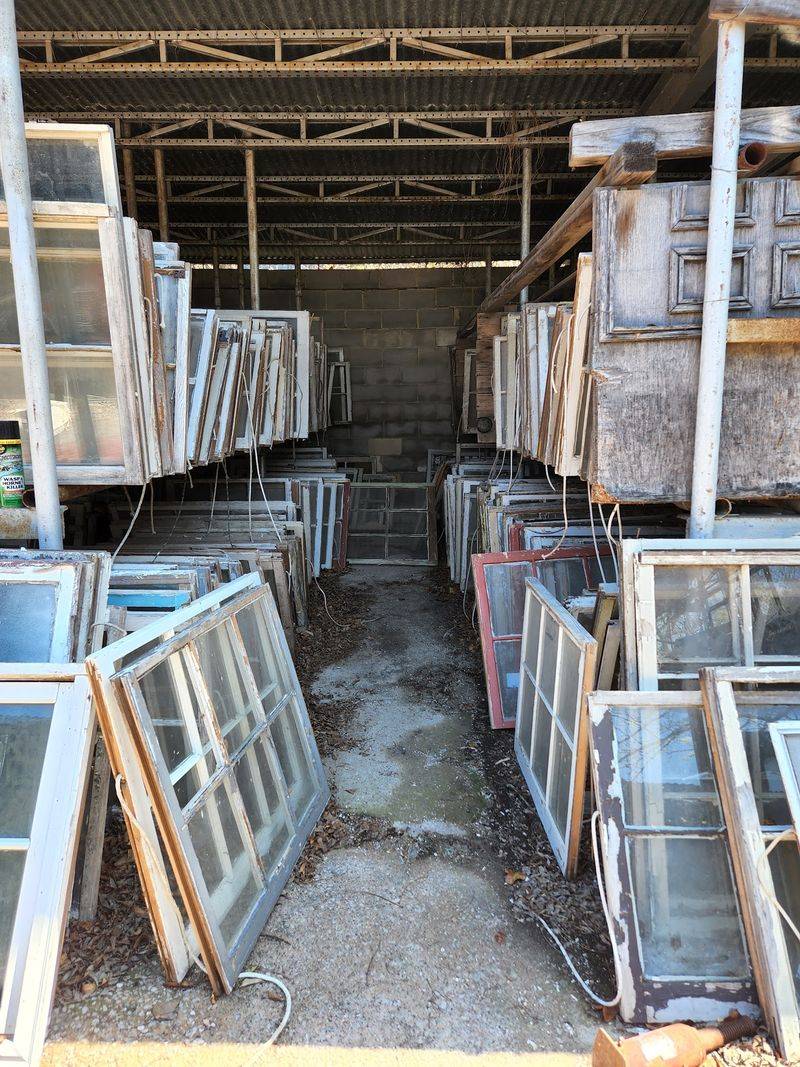
Reclaimed lumber has a smell all its own, a mix of dust, age, and the faint memory of old houses. At Orr Reed, stacks of antique wood wait for builders and dreamers alike.
There is shiplap, hardwood flooring, beams, and old tin too.
Shiplap is especially popular. Those long boards once lined the walls of older homes, often hidden under plaster.
Today people love them for feature walls, kitchen islands, and cozy reading nooks.
Matching existing floors is one of the smartest uses for this stock. Homeowners with original hardwoods sometimes need a few extra boards after a repair or remodel.
Finding wood that already has decades of aging makes the patch blend in far better than new planks would.
Old tin panels bring a whole different vibe. Pressed patterns add texture to ceilings, backsplashes, or even framed wall art.
A little rust only adds to the charm, at least for fans of a lived-in look.
Getting the right amount can feel tricky, especially for big projects. Staff members are known for helping figure out quantities and variety, which takes some stress out of planning.
Bring room measurements and a rough sketch to make that conversation easy.
Wear sturdy shoes and maybe gloves. Old wood can have nails, splinters, and rough edges here and there.
That rugged side is part of what makes the material special, since every knot and mark tells you it has already lived a long, useful life.
Sinks, Tubs, and Mantels Worth a Second Look
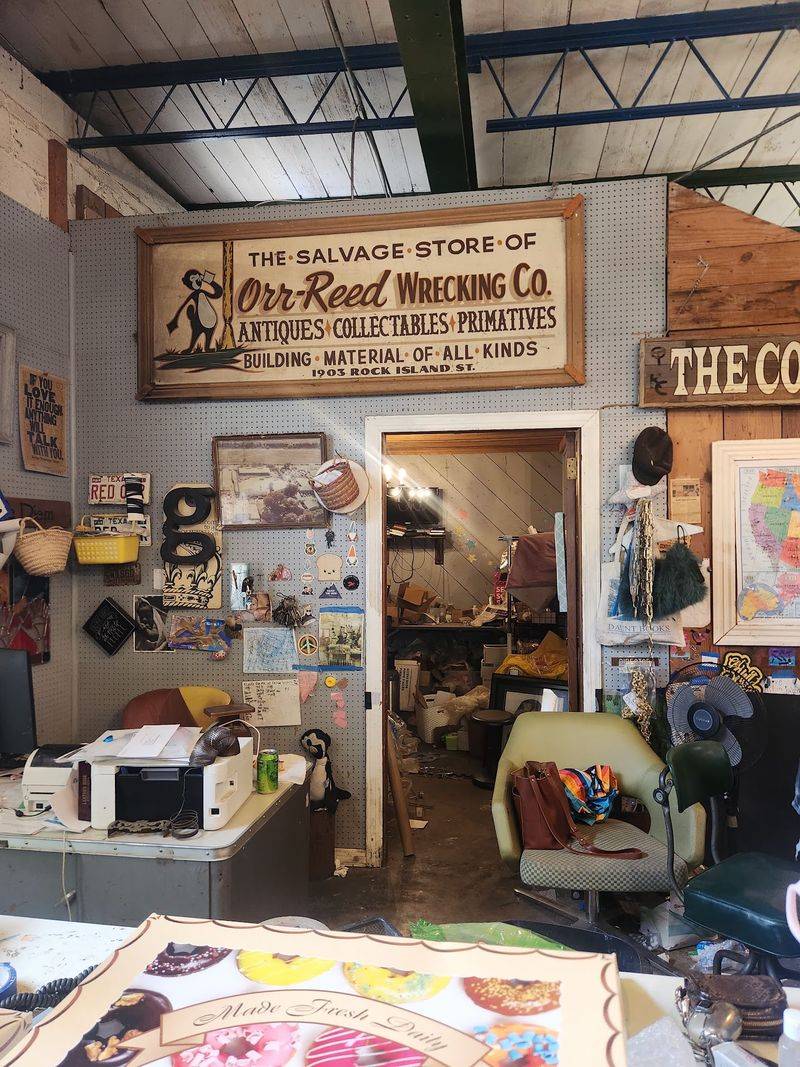
Bathroom dreams start in unexpected places, and one of them is a salvage yard in Dallas. Classic clawfoot tubs sit here with their curved edges and sturdy feet.
Nearby, pedestal sinks stand in a quiet line, looking elegant even with a bit of dust.
A pink sink once turned up in the collection, which says plenty about how fun the hunt can be. You never quite know what color or shape might appear next.
That surprise factor keeps regulars coming back.
Mantels are another highlight. Carved wooden ones can turn a plain wall into the warm heart of a living room, even without a working fireplace.
Some people use them as shelves for photos, plants, or seasonal decorations.
Heavy pieces need a plan. Clawfoot tubs are famously weighty, so bring helpers and a truck or trailer if buying one.
Check with the staff about loading before showing up with only a small car.
Inspect plumbing pieces carefully. Look at the finish, the drain areas, and any chips that might affect use.
Restoration help is available for those who need it, so minor flaws do not have to be deal breakers.
These items carry real nostalgia. Many people remember a grandparent’s bathroom with a tub just like these.
Bringing one home is a way to hold on to that feeling, while also giving a well-made fixture another few decades of purpose instead of a trip to the landfill.
Inside the Big Warehouse of Curiosities
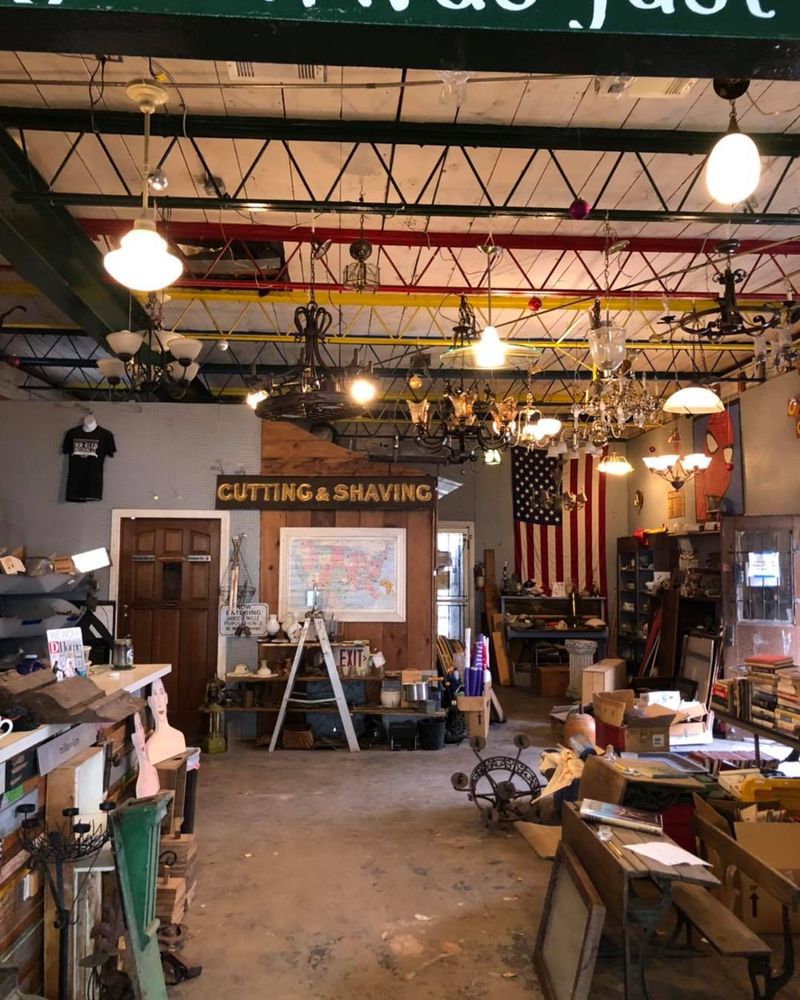
Step past the outdoor yard and a huge indoor warehouse opens up. This is where the title of this article really comes to life, because things are stacked practically floor to ceiling.
Vintage stoves, kitchenware, furniture, and old cash registers all share the space.
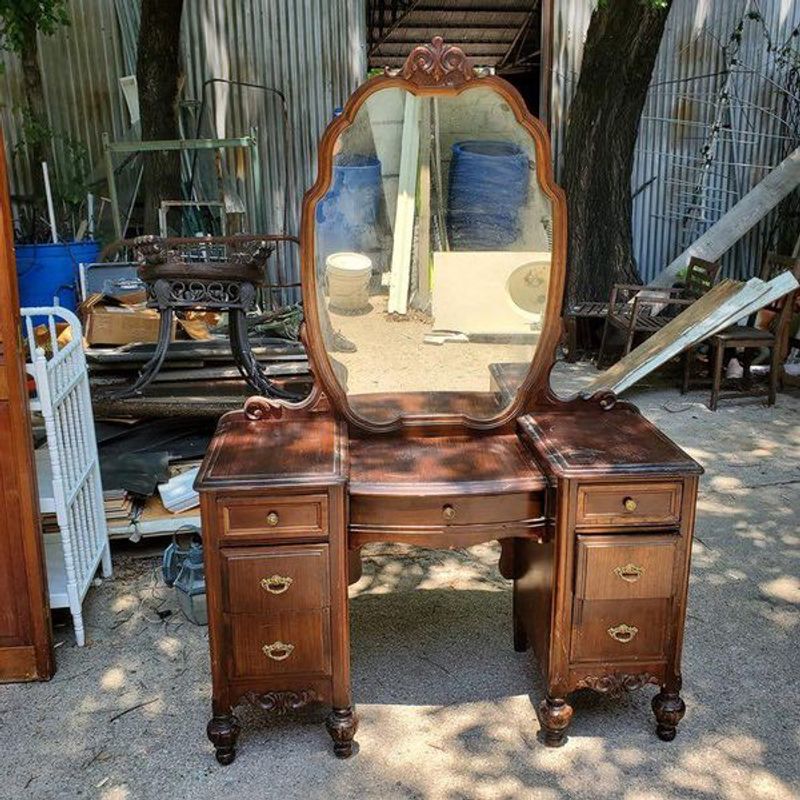
Midcentury fans will be happy. Sleek furniture, quirky mirrors, and retro decor pop up between older antiques.
One section might feel like a 1950s kitchen, while the next looks like a forgotten Victorian parlor.
Bigger surprises have shown up too. An entire trolley car was once part of the inventory.
Yes, a whole trolley car, which is not something most shops can claim.
The warehouse rewards slow browsing. Rushing through means missing the small art glass, china pieces, and odd collectibles hidden into corners.
Take time to look up, look down, and peek behind larger items.
There is also a sweet story connected to the business. A trunk full of 1960s high school memorabilia was once returned to its original owner.
Moments like that show how these objects hold real memories, not just style.
Some areas are dusty, and certain items show their age clearly. That is part of salvage life, so dress for it.
Comfortable clothes and a sense of adventure go a long way. Leave room in the car, too, because plenty of visitors walk in for one thing and leave with something they never expected to need.
Friendly Faces and Furry Shop Cats
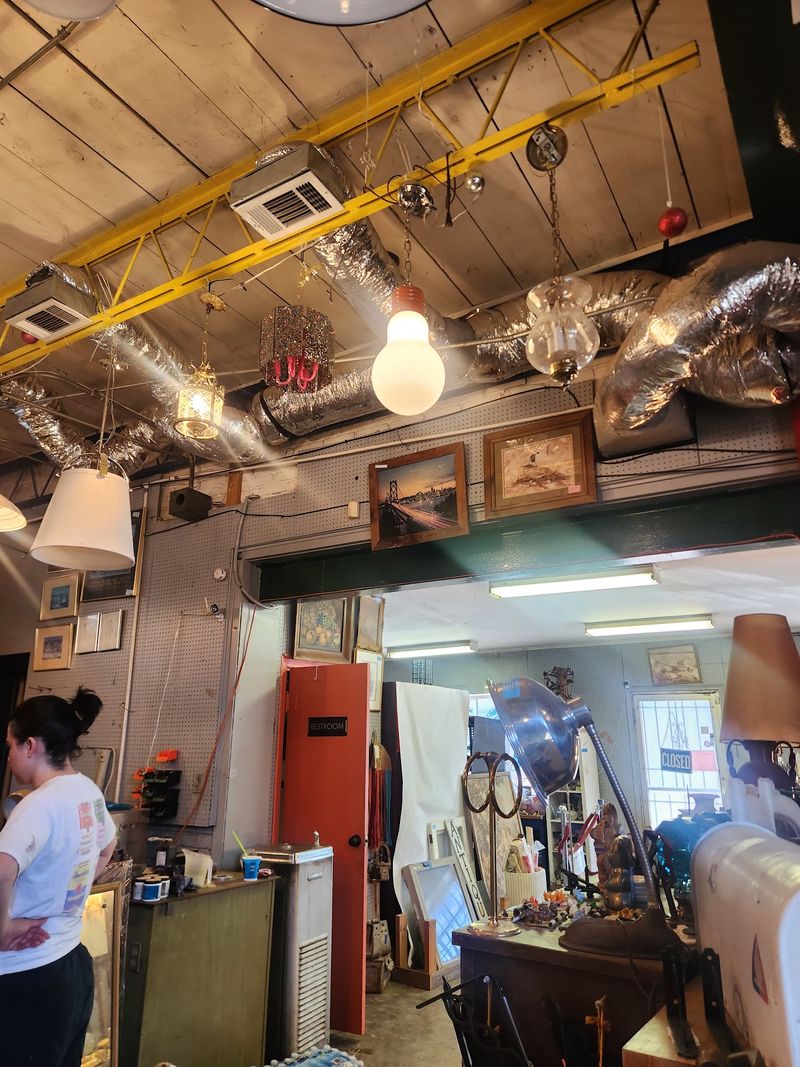
Good salvage yards have character, and a lot of that comes from the people running them. Here, Hannah and her mother keep the family spirit going strong.
Visitors often mention how helpful and funny the team can be.
Ask about the first timers rundown on a first visit. It is a quick introduction to how the place works and where things are.
That alone can make a big, overwhelming yard feel much easier to explore.
Staff members often know the background of many pieces. Hearing where a mantel or window came from adds a fun layer to shopping.
It turns a simple purchase into a little piece of Dallas history.
And then there are the cats. Shop kitties roam the warehouse, sometimes curled up on furniture like they own it.
Honestly, they kind of do.
Restoration advice is another perk. Whether someone is fixing up a 1920s house or just refreshing one room, the team can offer guidance.
Designers, contractors, and weekend handymen all come through, so the questions range from simple to very technical.
Be respectful of the space and the people working in it. Old items need careful handling, and asking before moving heavy things keeps everyone safe.
A little patience helps too, especially on busy Saturdays when the staff might be helping several shoppers at once. Treat it like visiting a friend’s very large, very interesting garage, and the whole experience feels warm and relaxed.
Markets, Hours, and Tips Before Heading Over
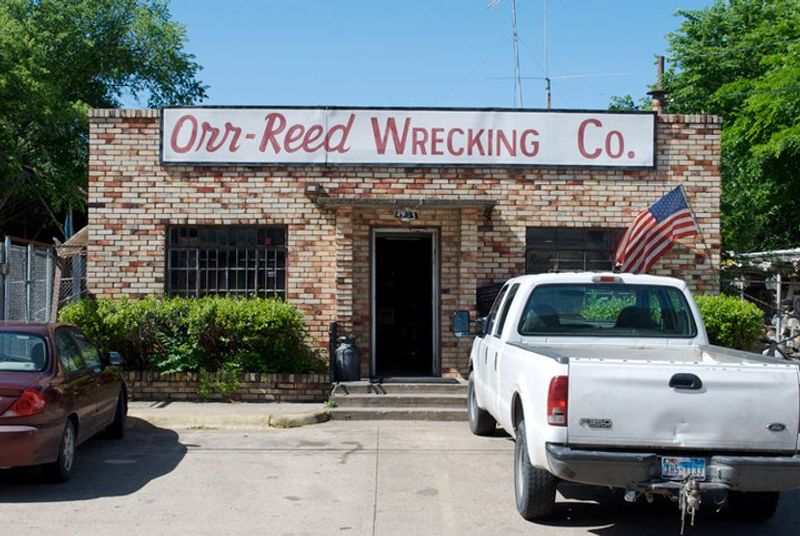
Timing a visit right can make it even better. Orr Reed Wrecking Co. sits at 1903 Rock Island St, Dallas, TX 75207, on a dead-end street south of downtown.
It is open Monday through Friday from 10:30 AM to 4:00 PM, and Saturdays from 9:00 AM to 2:30 PM.
Sundays are closed. Plan around that, especially for weekend trips from out of town.
Road work in the area can sometimes affect access. Checking a map app before leaving helps avoid surprise detours.
Giving yourself a few extra minutes never hurts either.
Community events are a big part of the yard’s personality. Artisan markets happen in the spring and fall, bringing local makers and shoppers together among the old doors and windows.
There is also an annual Christmas market, which many locals look forward to all year.
The business even appeared on the TV show Strange Inheritance. That fun bit of fame fits a place with such colorful history.
Fans of the show may recognize the setting right away.
Practical tips help a lot. Wear closed shoes, bring measurements, and pack water on hot Texas days.
A truck or a friend with one is useful for larger finds, and online shopping with pickup is an option for some items.
Above all, budget time. An hour is the minimum, but several hours disappear easily.
Treasure hunting here moves at its own pace, and that slower rhythm is part of what makes the trip memorable.
