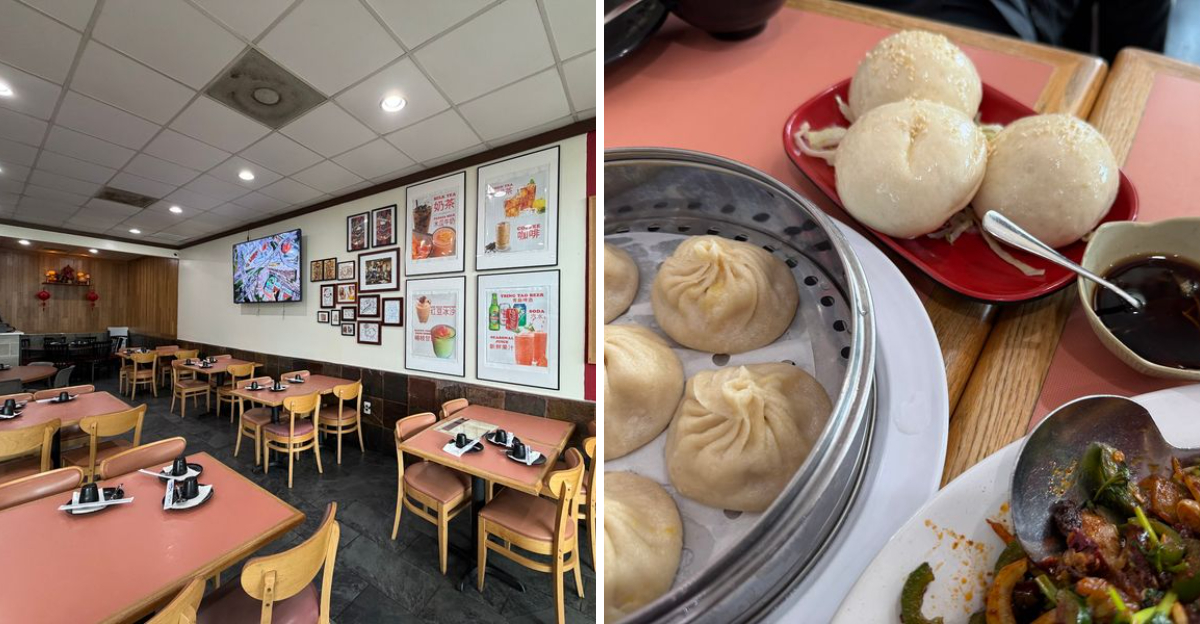
There are restaurants where ordering one appetizer is perfectly reasonable, and then there are places where a table covered in small dishes suddenly feels like excellent decision-making.
This Maryland Chinese restaurant has become especially associated with its soup dumplings, including pork and crab-pork versions, although the menu goes much further with noodles, seafood, vegetables, meats, wontons, and Shanghainese specialties.
The dumplings may get much of the attention, but that only creates the dangerous situation where you order them “for the table” and then immediately start protecting your share.
It is casual, focused on the food, and exactly the sort of Maryland dining stop where curiosity can turn a quick meal into an ambitious ordering session.
Sharing is technically possible, assuming everyone at the table can behave themselves.
A Rockville Storefront That Hides a Serious Dumpling Operation
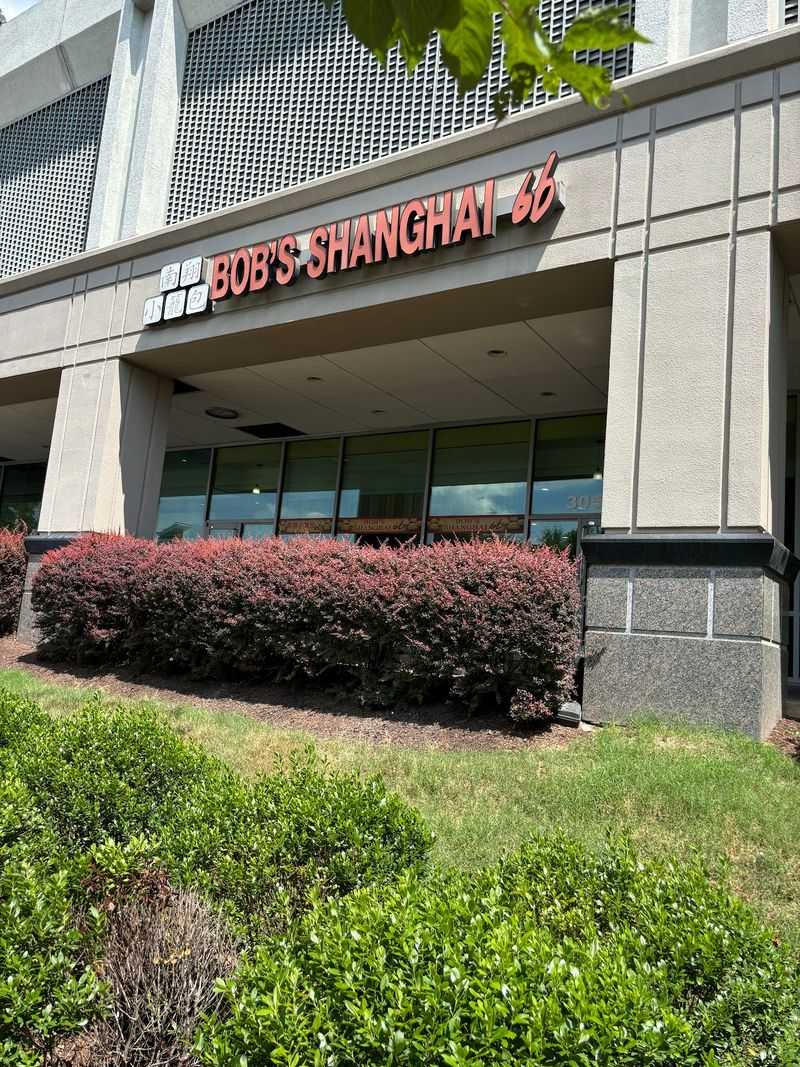
The building itself gives away almost nothing. Bob’s Shanghai 66 reads as a modest storefront hidden into a row of businesses in downtown Rockville, easy to drive past twice.
Then the door opens and the temperature changes. Steam, garlic, and the clatter of steamer lids hit at once, and suddenly the small footprint makes sense as a kind of concentration rather than a limitation.
Opened in 2013, the restaurant has spent more than a decade building its reputation on one very specific skill. Dumplings, folded by hand, served fast.
What surprised me most was how little the space tries to impress anyone. There is no grand entrance, no lengthy branding story painted across a wall, no host stand theatrics.
The focus lands squarely on the food, and that clarity is refreshing in a suburb full of restaurants competing for attention with decor.
Rockville has become one of the strongest destinations for regional Chinese cooking, and this address sits near the center of that reputation. Readers of Washingtonian Magazine voted it the best restaurant in Maryland in 2023, which is a remarkable outcome for a place this compact.
Parking nearby is manageable, with garages and street spots within a short walk. Plan for a few extra minutes on weekends.
Arriving without expectations of luxury makes the visit better. The reward here is not atmosphere in the traditional sense, but the sensation of walking into a kitchen that has quietly perfected one thing and refuses to be distracted from it.
Watching the Wrappers Work Behind Glass
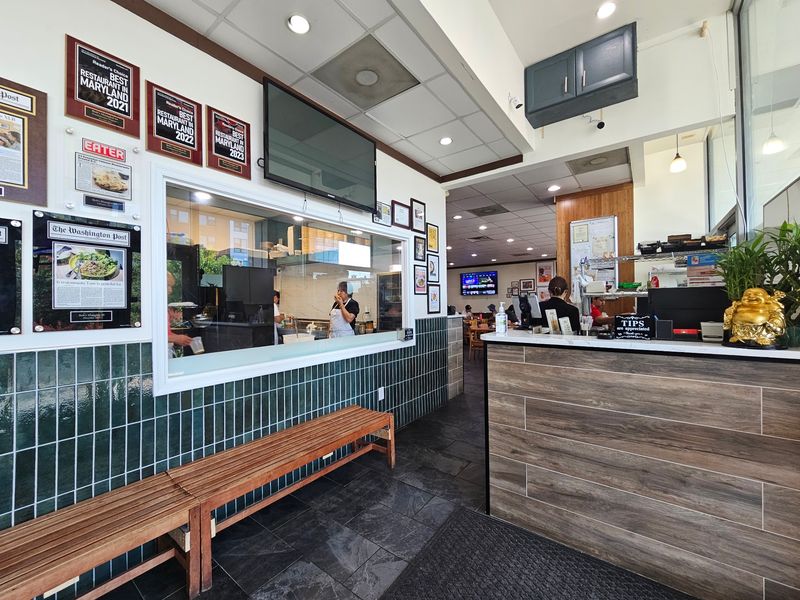
Few restaurant details hold attention like a window into a working kitchen, and here it becomes the main entertainment while waiting for a table. Cooks stand at a flour-dusted counter, rolling wrappers thin, spooning filling, and pleating with a rhythm that looks almost impossible to slow down.
The speed is the part that gets you. Each dumpling takes seconds, yet the pleats land evenly every single time.
Shu mai gets the same treatment, shaped by hand and lined up in rows before heading to the steamers. Seeing it happen removes any doubt about what the word handmade means on the menu.
Kids pressed against the glass are a common sight, and honestly, adults do it too. There is something oddly calming about the repetition, like watching bread being kneaded or noodles being pulled.
The open kitchen also functions as a quiet promise. Nothing arrives frozen from a box, and the proof stands there in a white apron.
For anyone who cooks at home, the technique is worth studying closely. Notice how the dough is rolled thicker at the center and thinner at the edges, which keeps the base from tearing under hot soup while the top stays delicate.
Photographers should keep flashes off and stay out of the aisle. The space is tight and the staff moves quickly.
Standing near that window for five minutes explains the restaurant’s reputation better than any write-up could. The craft is not hidden, and that transparency turns an ordinary meal into a small performance.
Xiao Long Bao, The Reason Most People Show Up
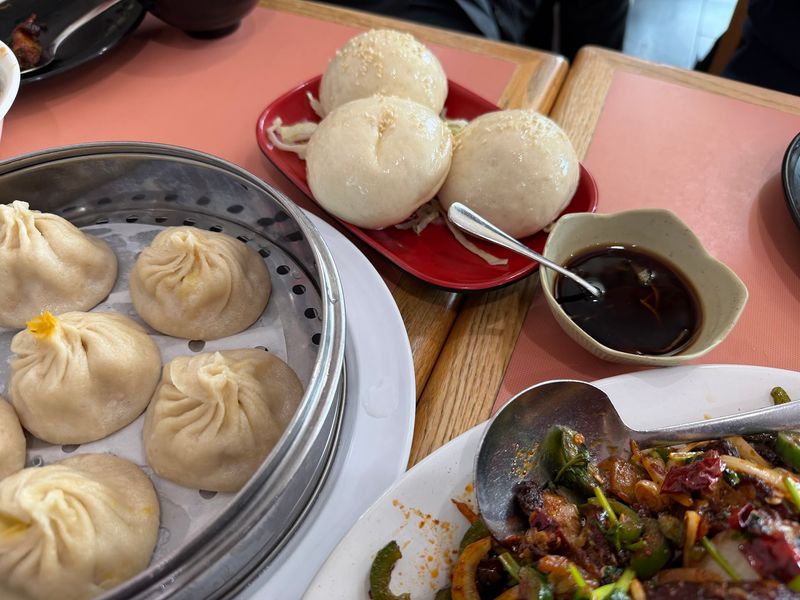
Order the soup dumplings first. Everything else at the table becomes supporting cast the moment that bamboo lid comes off and a cloud of steam rolls upward.
Xiao Long Bao here arrive plump and heavy, each one holding hot broth inside a thin skin that somehow does not leak. Fillings rotate through pork, crab and pork, chicken, and a pork and shrimp combination that has plenty of loyal fans.
The crab and pork version carries a richer, slightly sweet depth that lingers. Pork alone stays cleaner and lets the broth shine.
Eating them takes a small amount of technique, and getting it wrong once is basically a rite of passage. Lift gently from the top pleat, rest the dumpling on a spoon, nibble a tiny opening in the side, and let the steam escape before sipping.
Rushing leads to a scalded tongue and broth on the shirt. Patience genuinely pays off.
A dish of shredded ginger with vinegar sits nearby for good reason. The sharpness cuts through the fat and resets the palate between bites.
Portions encourage sharing, so a table of three or four can order several baskets in different fillings and compare. That comparison is half the fun.
Quick tip worth remembering: eat them in order of arrival rather than letting a basket sit. As soup dumplings cool, the broth thickens and some of the magic fades, which is exactly why they come out of the kitchen so fast.
Tables Close Enough to Hear the Sizzle
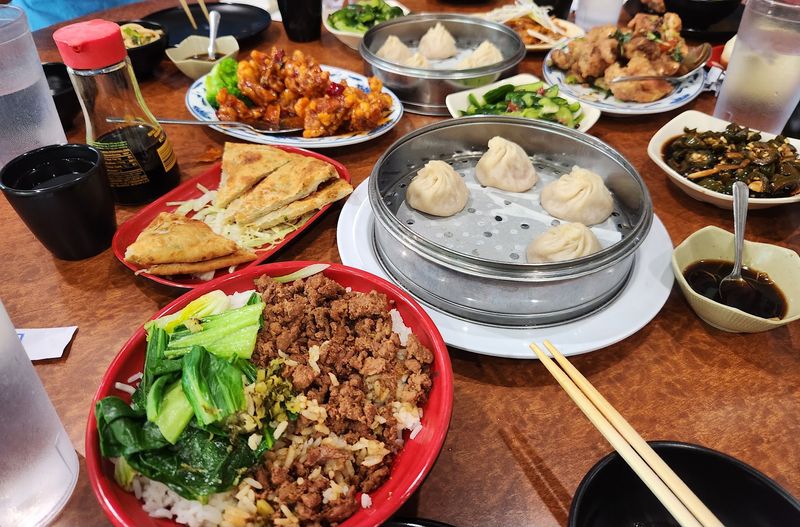
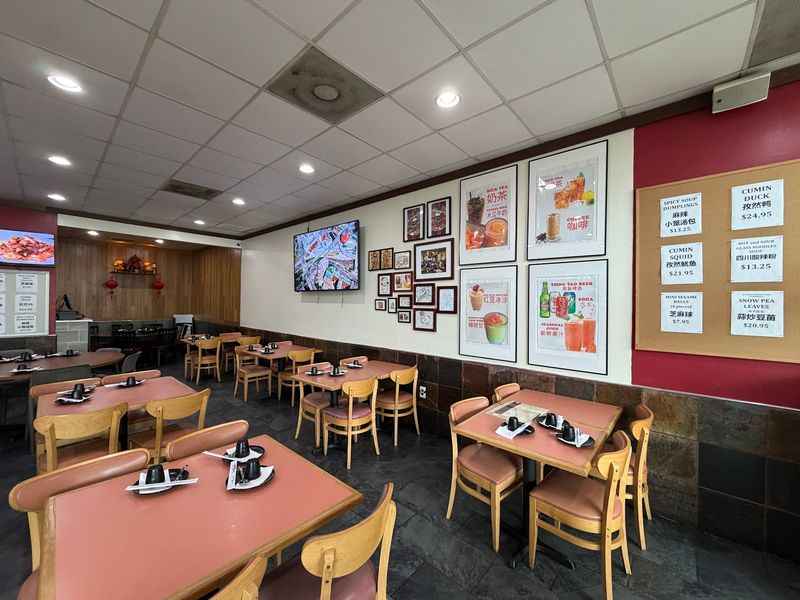
Elbow room is not the selling point here, and nobody pretends otherwise. Tables sit close together, conversations overlap, and servers navigate the aisles with practiced sidesteps.
Somehow it works in the restaurant’s favor. The energy feels alive rather than cramped, closer to a busy family kitchen than a quiet dining room.
An interior refresh a couple of years back updated the look while keeping roughly the same footprint. Cleaner lines, brighter surfaces, same friendly crush of people.
Groups larger than five should think carefully about timing. Smaller parties slot in far more easily, and two people can often be seated faster than expected.
The noise level rises during peak hours, which suits a meal built around passing plates and reaching across for the last dumpling. Nobody is whispering.
Solo diners fit in fine too. A single steamer basket, a pot of tea, and a seat near the window makes for an easy lunch that costs less than most sandwich shops in the area.
Coats and bags need managing since floor space is limited. Keep belongings on your lap or the back of the chair.
What I appreciated was the honesty of the setup. The room exists to move food from a hardworking kitchen to hungry people, and every square foot serves that goal.
Come expecting warmth and motion rather than hushed elegance. That mindset turns the tight quarters into part of the charm, and it explains why regulars keep returning instead of drifting toward roomier options nearby.
How to Handle the Wait Without Losing Patience
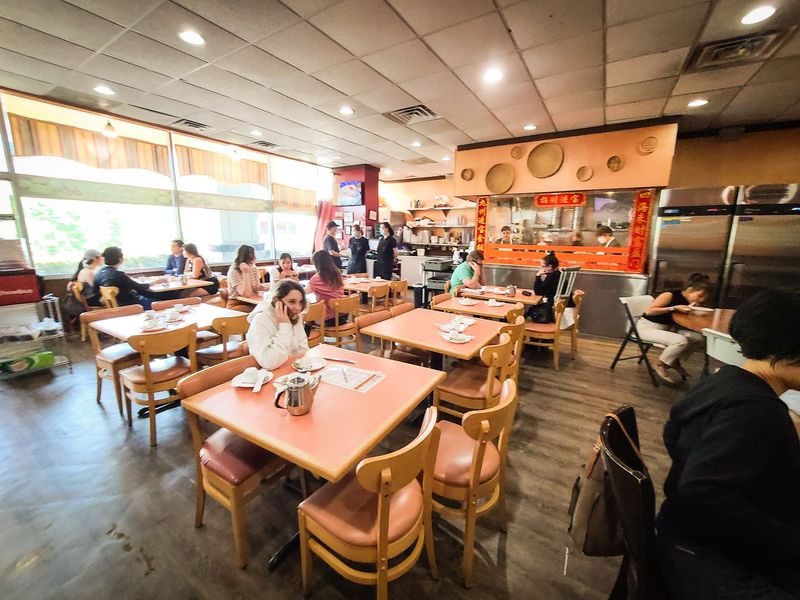
Weekends bring a line. Holidays bring a longer one, and by mid-day Saturday the entryway fills with people checking their phones and glancing toward the kitchen window.
Timing solves most of it. Arriving right when doors open, or landing in that quiet pocket between the lunch rush and dinner, cuts the wait dramatically.
Weekday visits are the easy mode version of this restaurant. Same dumplings, far fewer people.
The upside of waiting is that downtown Rockville gives you somewhere to go. A short stroll around the neighborhood passes shops, plazas, and other storefronts worth peeking into while a table opens up.
Put your name in first, then wander. Just stay close enough to hear the call.
Once seated, the pace shifts completely. Food tends to arrive quickly, sometimes surprisingly so, because the kitchen runs with real efficiency and steamers are constantly cycling.
Deciding what to order before sitting down helps everyone. The menu covers a lot of ground across Shanghai, Szechuan, and Taiwanese cooking, and browsing it online in advance saves several minutes.
Takeout is a solid backup plan on the busiest days, though soup dumplings genuinely taste best straight from the steamer. Travel time softens them.
Treat the wait as part of the experience rather than an obstacle. A restaurant this small staying this busy for over a decade says something meaningful, and the payoff arrives in a fogged bamboo basket about ten minutes after you sit down.
Beyond the Steamers, Dishes Worth Sharing
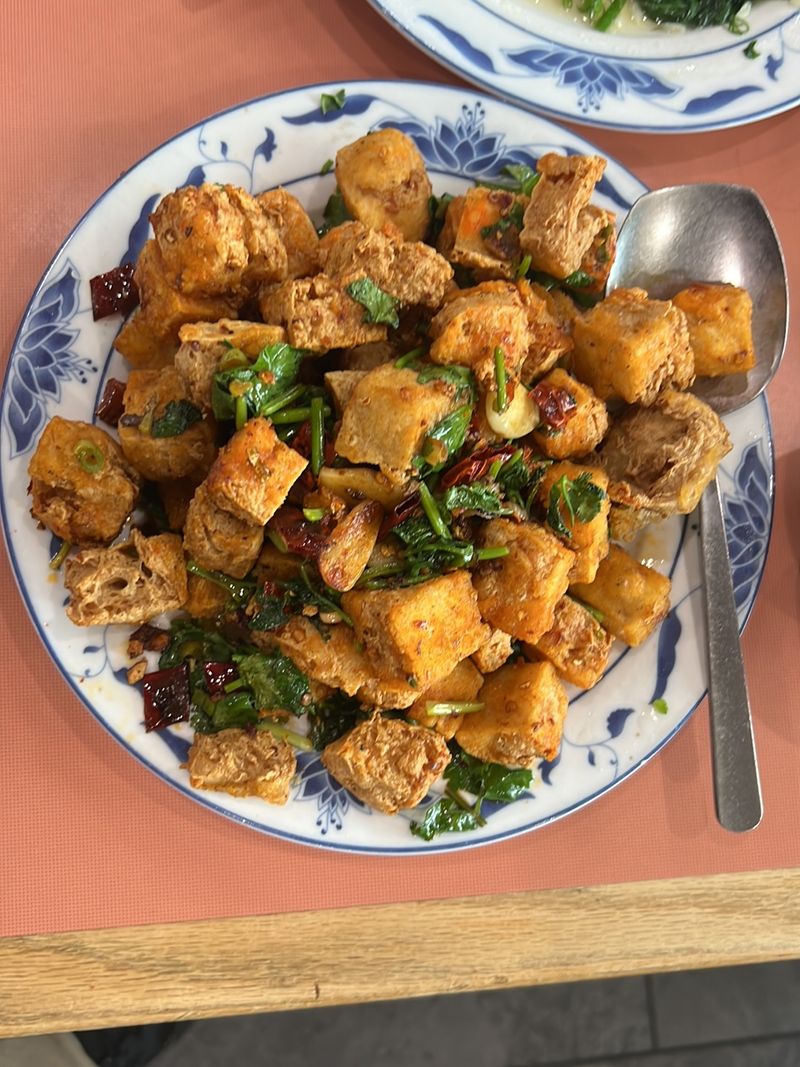
Skipping the rest of the menu would be a mistake, even though dumplings carry the headline. The kitchen pulls confidently from Shanghai, Szechuan, and Taiwanese traditions, and the results reward curiosity.
Mapo tofu shows up soft and deeply seasoned, the kind that makes plain rice disappear fast. Salt and pepper crispy jumbo shrimp lands with a shattering coating and a hit of pepper heat.
Spicy Szechuan style sliced beef has a following of its own. So does the crispy beef.
Vegetable dishes deserve more attention than they usually get on tables like this. Garlic eggplant turns silky under sauce, and the Sichuan string beans come out blistered with a savory bite.
Basil chicken and beef with long horn peppers round out the choices nicely. General Bob’s chicken exists for anyone who wants something a little sweeter.
Portions run smaller than the giant platters found at many American Chinese restaurants, which is intentional. The style encourages ordering several dishes and passing them around instead of everyone guarding their own plate.
Heat levels lean genuine, so ask about spice if that matters to your group. Many dishes arrive spicy by default.
Pair one steamer of dumplings, one vegetable, one protein, and a bowl of rice for a well balanced table. Add scallion pancakes or pan fried pork buns if the group is hungry.
Save room for Taiwanese shaved ice at the end. It is fluffy, cold, and exactly the right finish after a run of chili oil and steam.
Practical Details That Make the Visit Smoother
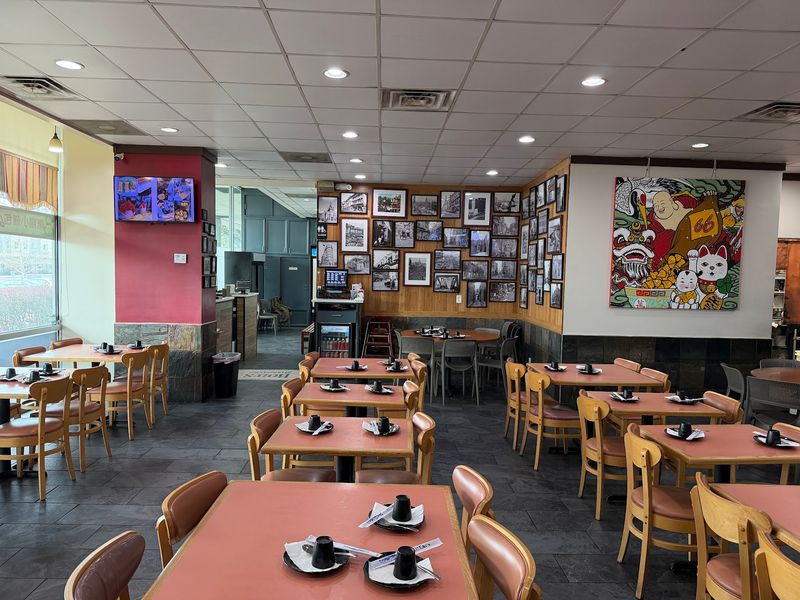
Cash used to be the only way to pay here, a detail longtime regulars still mention. Cards work now, though paying with cash still earns a discount, which is a small but nice bonus for anyone who plans ahead.
Hot tea appears automatically at the table. Water comes if you ask.
That tea turns out to be genuinely useful alongside spicier plates, and refills keep coming without much fuss. Service moves briskly, so having questions ready when the server stops by keeps things flowing.
Ordering happens quickly and food follows almost as fast. Do not be shocked when the first basket arrives before you have finished settling in.
Bring a few extra napkins to your side of the table if soup dumplings are involved. Splashes happen to everyone.
Families with young children fit fine, especially during off-peak hours when the aisles are clearer. The open kitchen keeps kids occupied better than any tablet.
Portion sizes and pricing make this an easy value pick compared with similar restaurants closer to the city. Two people can eat very well without spending much.
Reservations are not the norm, so plan around walk-in timing instead. Groups should expect to split across tables during rush periods.
Note the spice defaults before ordering for anyone sensitive to heat. A quick word with the server handles it.
Small logistics like these shape the whole visit, and knowing them in advance means more time enjoying dumplings and less time figuring out the system.
Why This Little Dining Room Keeps Winning People Over
Reputation rarely builds this steadily by accident. More than a decade after opening, the place still draws crowds from across the region, and the pull comes down to consistency rather than novelty.
Recognition has followed. Mentions in the Washingtonian Restaurant Guide, The Washington Post, Yelp, and the Zagat Survey stack up, capped by that 2023 vote naming it the best restaurant in Maryland.
None of that changed how the room feels. It remains unpretentious.
What sticks with visitors is the sense of a kitchen doing honest work in full view. The dumplings taste the same on a rainy Tuesday as they do on a packed Saturday, and that reliability builds loyalty faster than any promotion.
Regulars treat it like a local canteen. Newcomers drive an hour for it.
Rockville itself benefits from having an anchor like this, a small spot that gives people a concrete reason to visit downtown and then stay for a walk afterward. Food tourism does not always require a big city address.
My advice for a first visit is simple. Bring at least one other person, order more baskets than seems reasonable, and let the shaved ice cool everything down at the end.
Then plan the return trip while still at the table, because half the menu will remain unexplored.
Small rooms with big kitchens tend to leave the strongest impressions, and this one earns every bit of its following through pleated dough and steady hands.
Address: 305 N Washington St, Rockville, MD 20850
