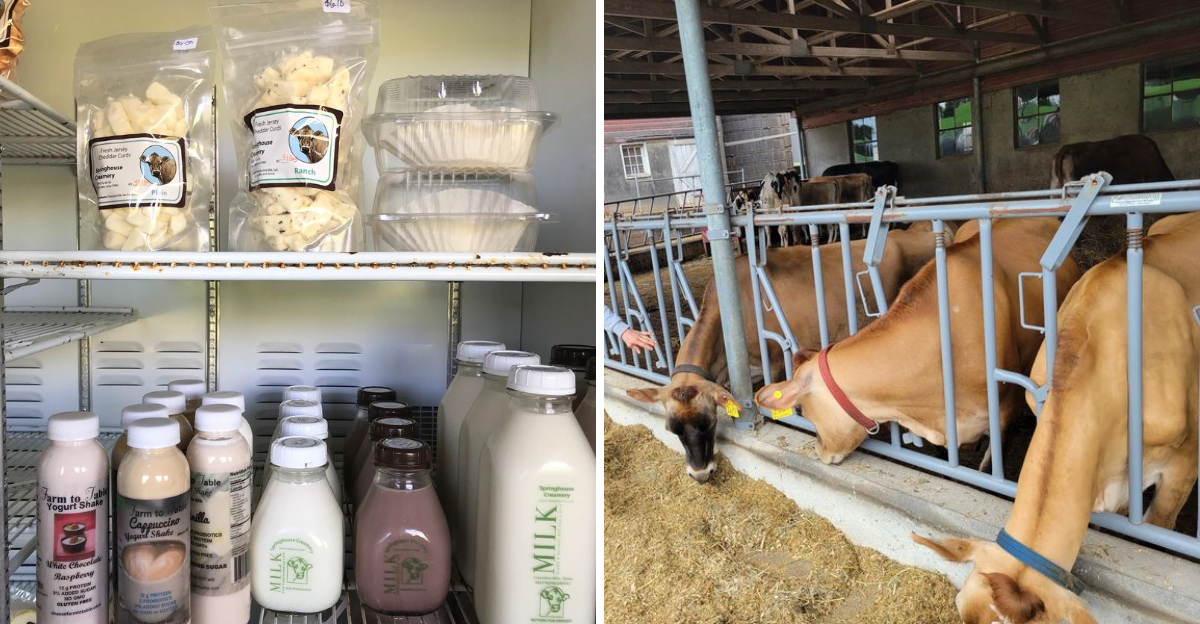
Twenty-four hours a day, seven days a week, this New Jersey creamery has fresh milk and cheese waiting for you.
It is a family-run operation that milks Jersey and Guernsey cows twice daily, processing the milk in a low-temp pasteurizer that keeps the flavor as close to the cow as possible.
The milk is non-homogenized, so the cream rises to the top just like in the old days.
The farm stand runs on an honor system, which tells you everything you need to know about the people behind it.
People who are lactose intolerant have reported being able to drink this milk without issue because the natural enzymes stay intact.
It is the kind of spot that makes you rethink everything you knew about dairy.
Fresh, honest, and available around the clock.
A Farm Shop That Never Closes Its Door
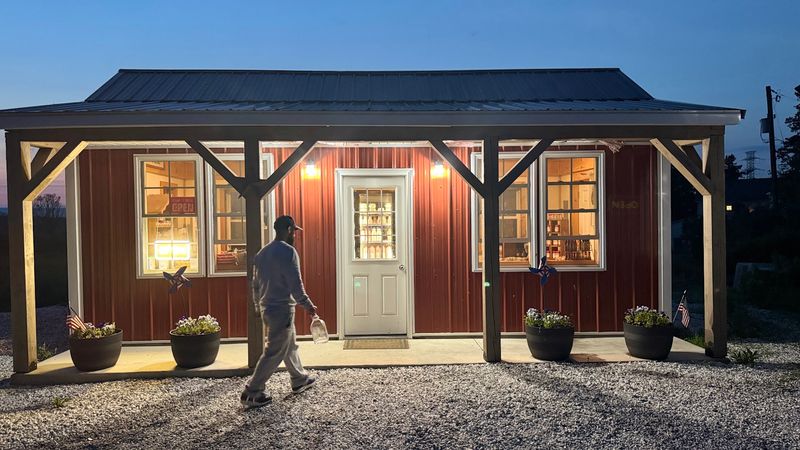
Most farm stands keep bankers hours. Not here.
The little shop at Springhouse Creamery stays open twenty-four hours a day, seven days a week, which means a midnight milk run is genuinely an option.
The setup is self-serve, so you walk in, open the cooler, choose what you want, and settle up on your own. It runs on plain old trust, and that alone makes the visit feel different from any grocery trip.
Early risers heading toward the Delaware Water Gap can swing by before sunrise. Night owls driving home from somewhere far away can pull in when the fields are pitch black and the only light comes from the shop window.
I like that there is no pressure to hurry. You can stand there reading labels, comparing cheeses, and deciding whether one bottle is really enough.
Spoiler: it usually is not. Most people walk out carrying more than they planned, and nobody seems to regret it.
Jersey And Guernsey Cows Doing The Real Work
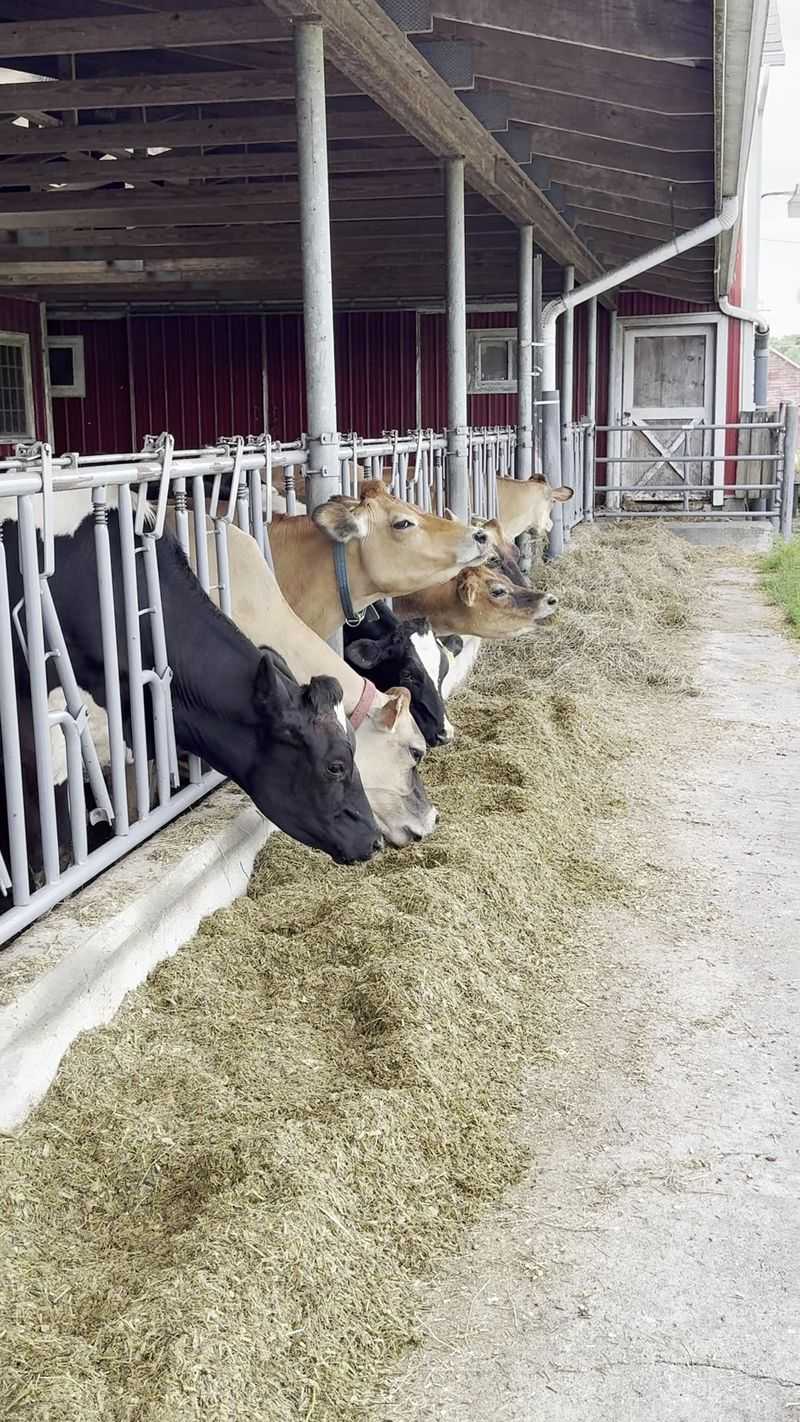
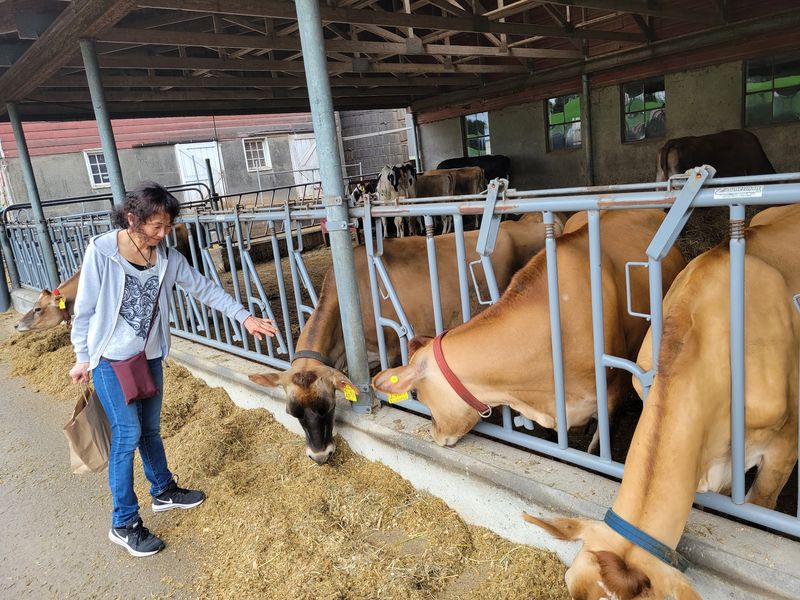
The herd here is made up of Jersey and Guernsey cows, two breeds known among dairy folks for milk that runs richer and creamier than average. You can see them from the shop, often just a short distance away, munching through the grass without much concern for visitors.
They roam across a wide stretch of farmland, roughly three hundred acres of pasture and rolling hillside. Space like that matters, and you can taste the difference it makes.
Their feed is kept free of genetically modified ingredients, part of a broader effort to keep things clean and simple from the ground up.
Kids tend to lose their minds a little at the sight of cows standing that close. Adults do too, honestly.
There is something grounding about seeing the actual animals responsible for the bottle in your hand. Supermarket dairy never gives you that connection, and once you have had it, the anonymous carton starts feeling a bit hollow by comparison.
Glass Bottles And Cream That Floats To The Top
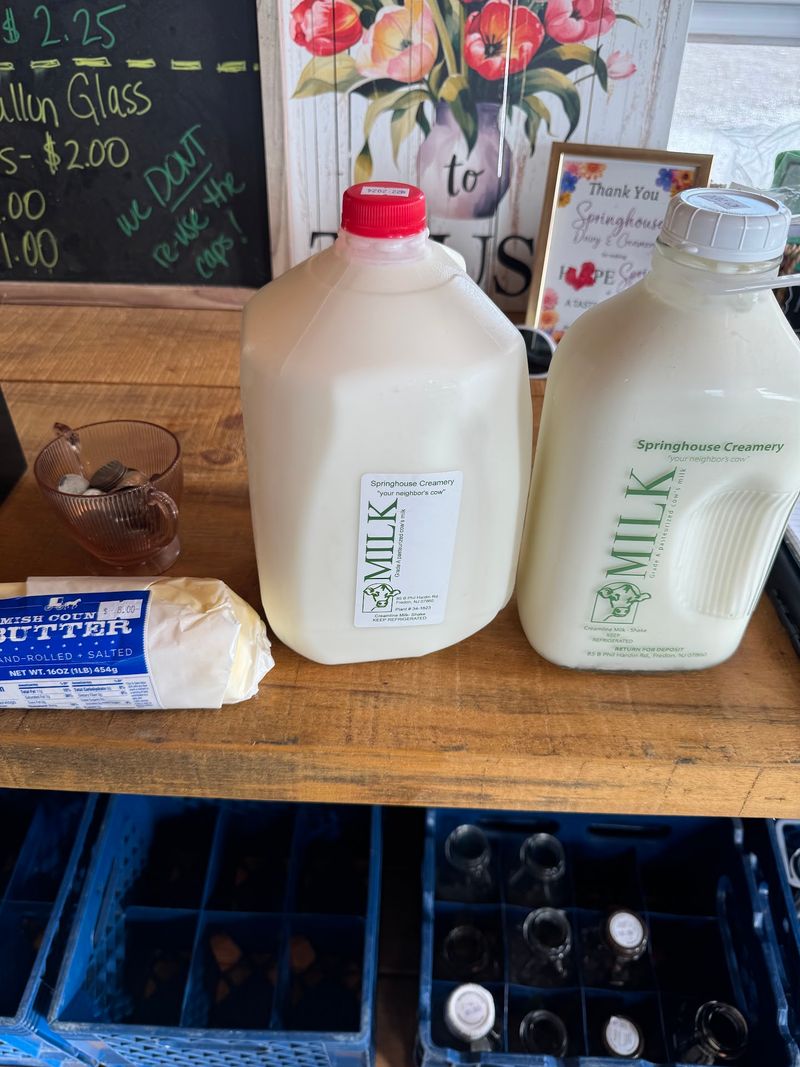
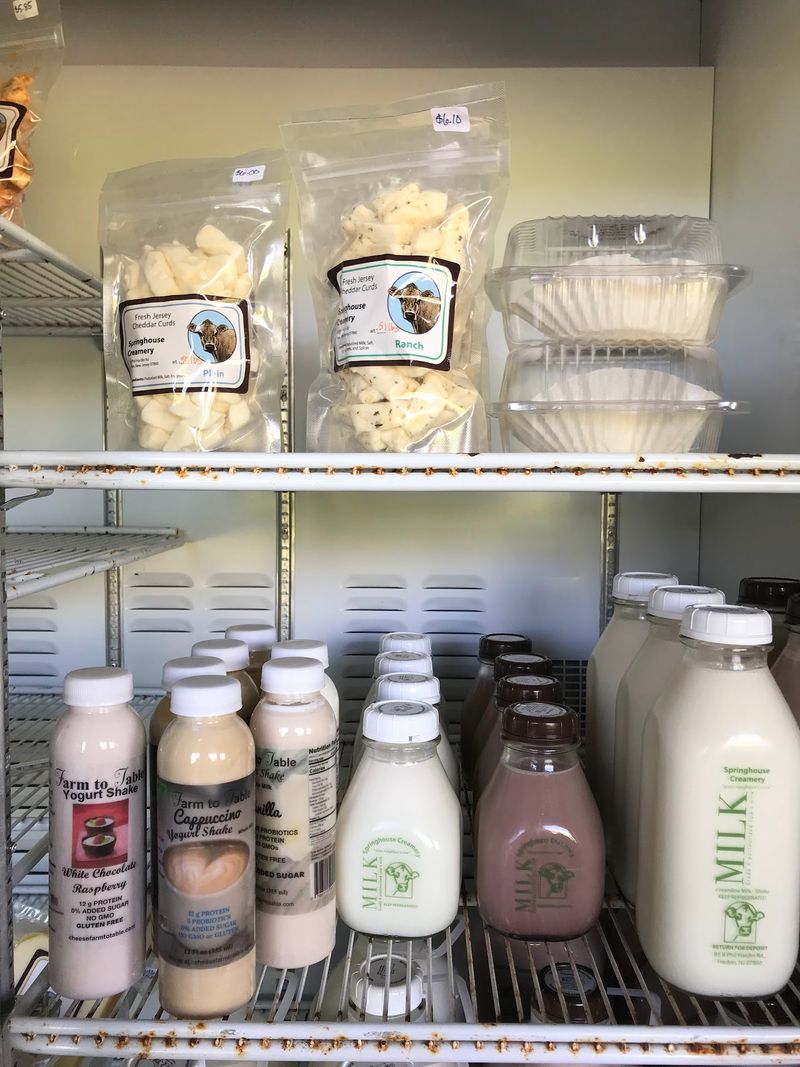
Pull a bottle from the cooler and hold it up. That pale band near the neck is the cream, risen naturally because the milk here is never homogenized.
Old-fashioned cream-line milk works exactly the way milk did generations ago, before machines started breaking fat molecules into permanent suspension. You shake it before pouring, or you skim the top for coffee and feel briefly fancy.
Glass makes a difference too. It keeps the flavor clean, stays properly cold, and makes the whole thing feel like a small ritual instead of a chore.
Sizes range from pints up to gallons, so you can grab a little or stock the whole fridge.
Chocolate milk shows up in the cooler as well, and it has a serious following. I would not blame anyone for buying a pint and drinking it in the parking area before the engine cools.
The bottles are meant to come back, which keeps waste down and gives you a reason to return.
Low Temperature Pasteurizing Keeps The Flavor Intact
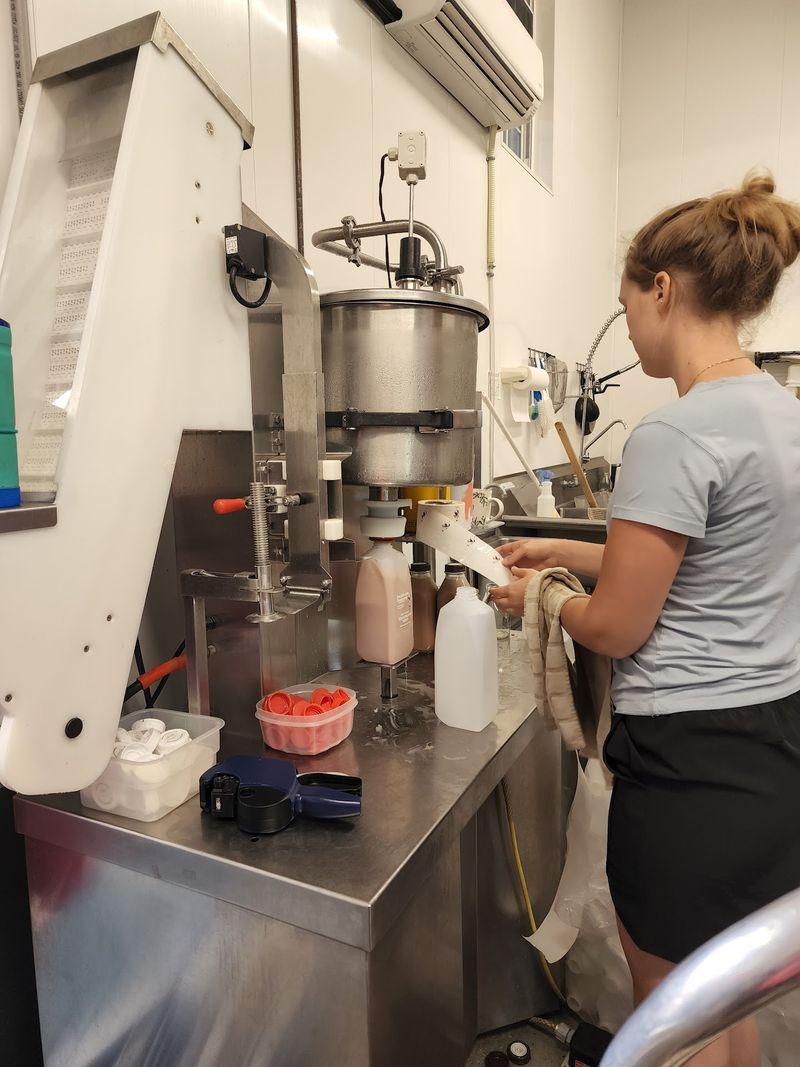
Here is a detail worth knowing. The milk is pasteurized at a low temperature, heated to 164 degrees for just seventeen seconds, rather than blasted with high heat the way most large-scale dairies do it.
That short, gentle treatment keeps the milk safe while holding onto beneficial enzymes and good bacteria that harsher methods destroy. Flavor survives the process too, which is really the whole point.
Because the operation is small and the barn sits steps from the bottling area, milk often reaches the cooler about a day after it leaves the cow.
Compare that to a jug that has traveled hundreds of miles and sat on a shelf for weeks. There is no contest.
Some people who normally struggle with dairy find this milk sits easier, though everyone’s body is different and worth listening to.
What I noticed most was the taste. Clean, slightly sweet, with none of that flat cardboard quality that creeps into heavily processed milk.
Twelve Farmstead Cheeses, Hand Cut And Ready
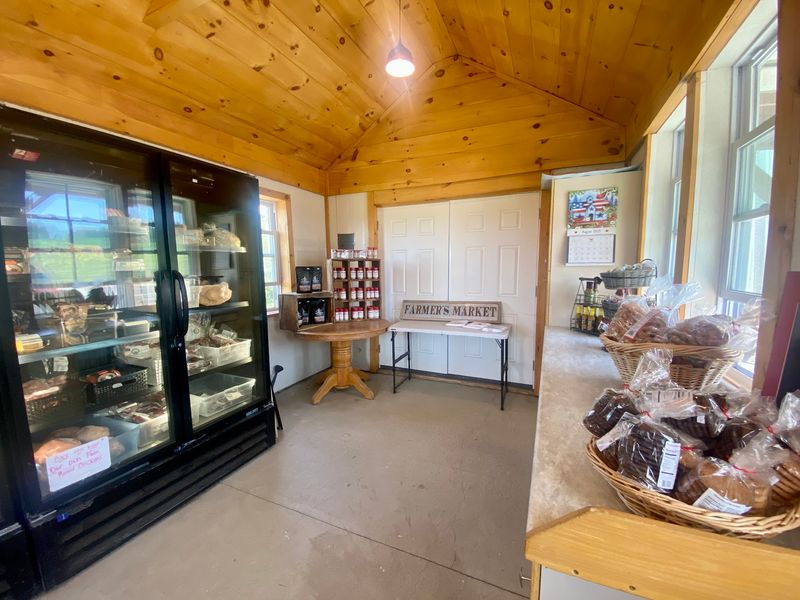
Farmstead cheese means something specific. The milk comes from the farm’s own herd and the cheese is made right there, not shipped off to a factory somewhere and stamped with a rustic label.
Twelve varieties fill the cooler, each cut by hand and usually packed in half-pound pieces. That size is generous enough to share and small enough to justify grabbing three or four different kinds.
Mild cheddar, sharper aged wedges, and flavored options like hot pepper all make appearances depending on what has been made recently. Fresh mozzarella turns up too, and it disappears fast.
Flavored cheese curds sit alongside the wedges, squeaky and snackable straight from the bag.
My advice is simple. Buy one cheese you recognize and one you have never tried, then compare them side by side at home with crackers and apple slices.
You will start noticing how the same herd, the same fields, and the same hands produce twelve genuinely distinct results.
The Honor System Still Works Out Here
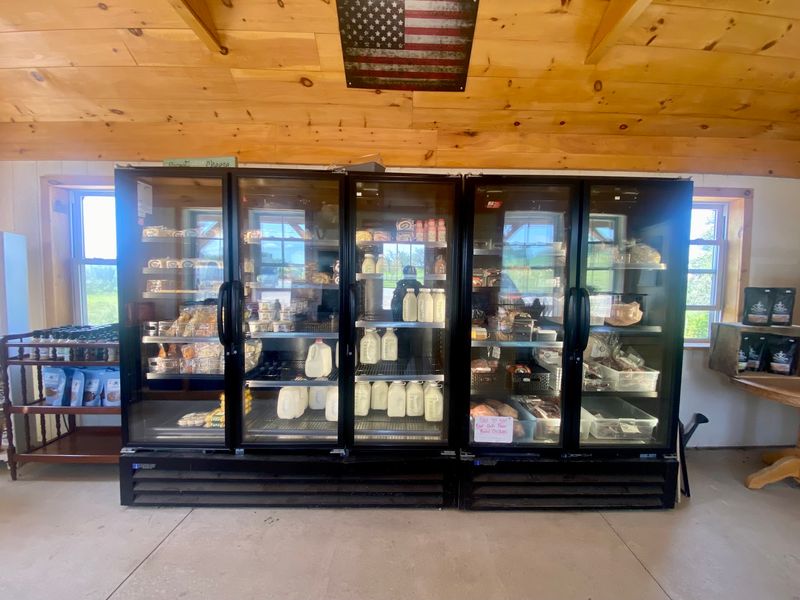
No cashier waits behind a counter. You take what you want, tally it yourself, and leave payment behind, which sounds almost impossible in the modern world but works perfectly well here.
Trust like that says a lot about the surrounding community. It also makes the visit feel oddly peaceful, because nobody is watching you deliberate over cheese for five minutes.
Signs inside explain everything clearly, so first-timers never feel lost. The system is easy enough that a kid could handle it, and plenty do.
Bring small bills if you can. It makes the whole thing smoother for everyone.
Occasionally the milk cooler runs low, especially on busy weekends, because word has spread and demand is real. Coming earlier in the day improves your odds considerably.
What stays with me is the quiet decency of the arrangement. A shop left open all night, stocked with good food, relying on people to do the right thing, and by all appearances they do.
Beyond Dairy, The Coolers Hold Surprises
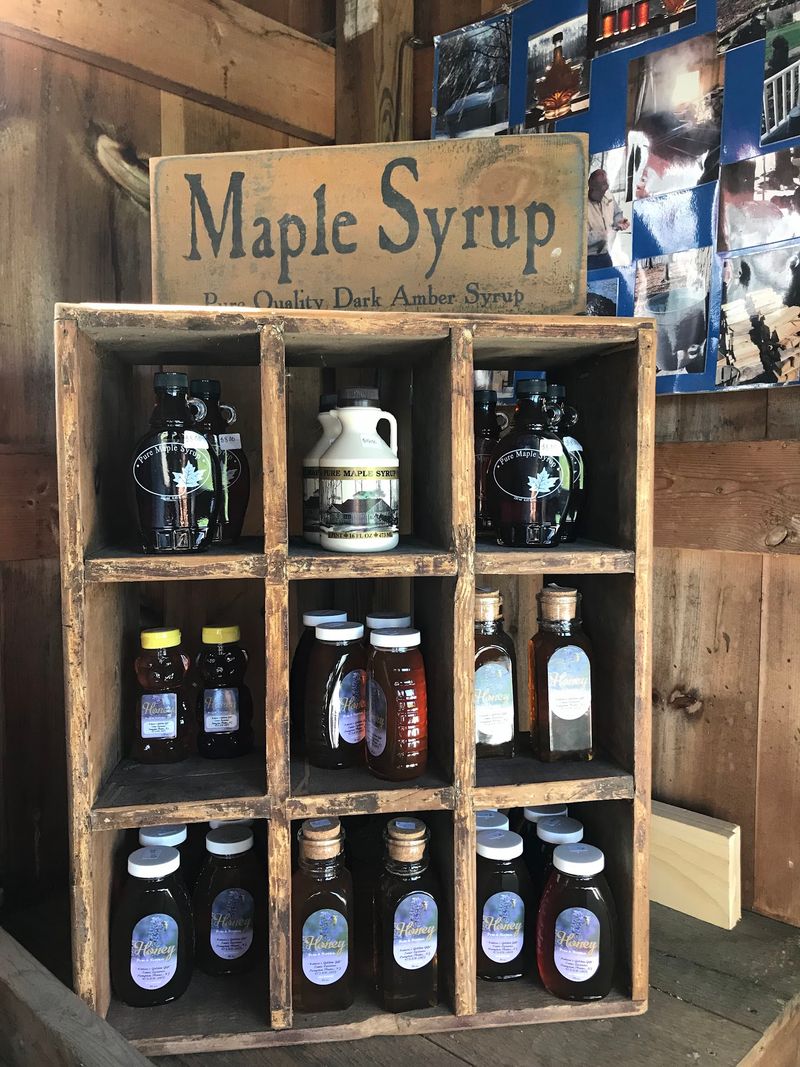
Milk and cheese pull people in, but the shelves hold more than that. Fresh eggs, local honey, and farm-made maple syrup rotate through, along with pasta and other pantry goods from nearby producers.
Freezer cases carry beef from the farm, including ground beef, steaks, short ribs, and burgers, with the selection shifting by season. Sausage and bacon show up too.
Baked goods make appearances as well, from cookies and bars to loaves of banana bread, depending on what has come out of the kitchen recently.
Because stock changes, no two visits look quite the same.
That rotation is half the fun. You come for a gallon of milk and leave holding honey, a wedge of cheddar, and something you did not know existed twenty minutes earlier.
Supporting other small producers seems to be part of the philosophy here, and it turns a simple dairy stop into a proper little local market worth browsing slowly.
Country Roads Make The Trip Half The Fun
Getting there is genuinely pleasant. Fredon Township sits in the Skylands region of northwestern New Jersey, where roads curve past hayfields, old stone walls, and barns that have clearly weathered a few decades.
The drive slows you down whether you intend it or not. Cell signal thins out, traffic disappears, and the hills start rolling in a way that feels closer to Vermont than to the Turnpike.
Autumn turns the whole route gold and rust colored, though spring green has its own appeal.
Plenty of visitors build a whole day around it. Nearby state parks, lakes, and hiking trails sit within easy reach, so a milk run turns into an actual outing.
Pack a cooler if you plan to wander afterward, because glass bottles and warm car interiors do not mix well.
Honestly, the approach sets the tone. By the time the barn comes into view, you are already in the right frame of mind for a slower kind of shopping.
Small Farm Thinking You Can Actually See
Sustainability gets thrown around a lot, usually without much behind it. Here you can look at the fields and the animals and understand what the words mean in practice.
The cows graze on open pasture across a large property, and their feed avoids genetically modified ingredients. Healthy animals produce better milk, and better milk makes better cheese, which is a fairly straightforward chain of logic.
Processing stays minimal on purpose. Nothing gets homogenized, heat is kept low, and the milk travels a very short distance from barn to bottle to cooler.
Reusable glass cuts down on packaging waste too.
Buying here also keeps money circulating in a farming community that has held on through decades of development pressure in this part of the state.
I think that is the quiet appeal of the place. Nothing is dressed up or marketed heavily, yet every part of the operation lines up with what people say they want from food, and you can verify most of it with your own eyes.
Why This Little Stop Sticks With You
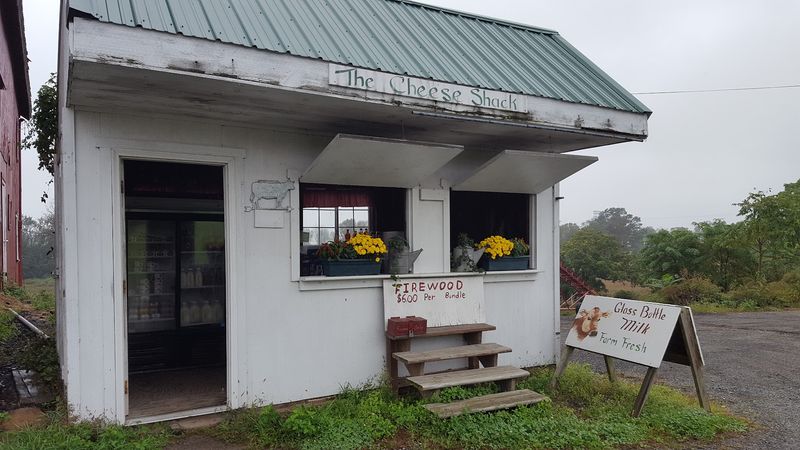
Driving away with cold bottles rattling gently in a bag, it becomes easy to understand why people make a special trip for this place. The appeal goes beyond simply stocking the fridge.
Springhouse Creamery sits at 85 Phil Hardin Rd B in Fredon Township, surrounded by the kind of quiet rural scenery that makes the drive feel like part of the outing. The small farm shop keeps things simple, with fresh dairy products, a relaxed atmosphere, and the working farm right outside.
Bring a cooler and leave a little extra room in the trunk. Popular items can move quickly, especially when shoppers arrive with a particular favorite in mind.
There is also something refreshingly uncomplicated about stopping at a small shop beside the farm and choosing from milk, cheese, and other fresh goods without the rush of a typical grocery run.
The hardest part may be sticking to the original shopping list. Restraint tends to disappear somewhere between the milk cooler and the cheese case.
