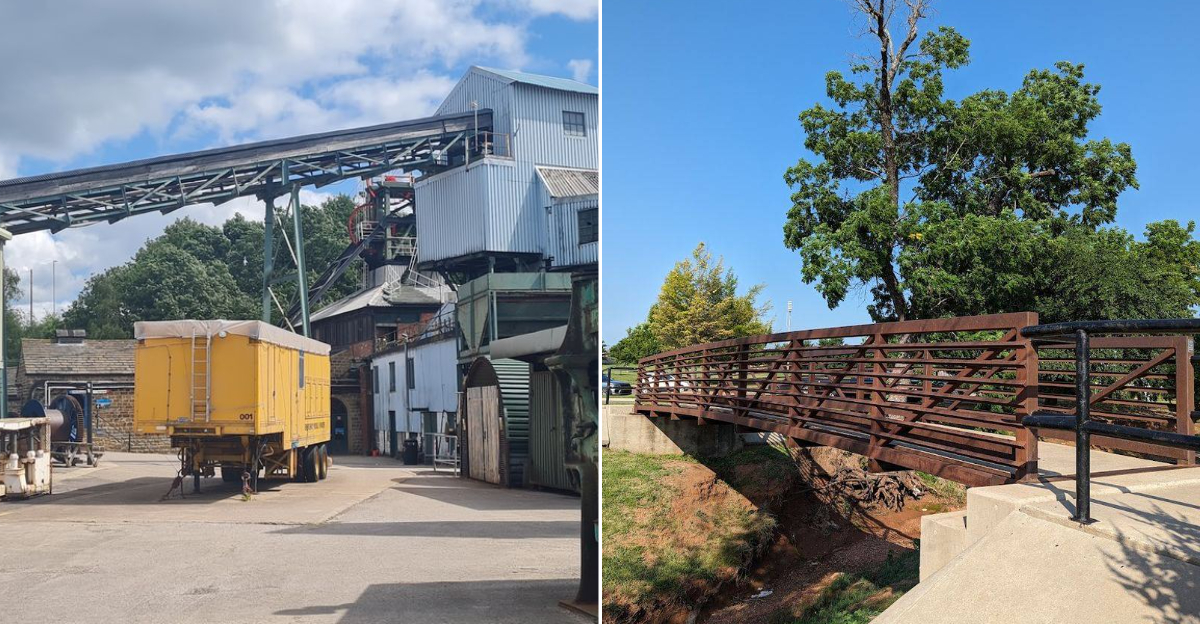
A tiny Oklahoma town sits on land that once fueled the region’s growth, and a local museum keeps that story alive. Coalgate was built on coal, and the industry shaped everything from the buildings to the families that have been here for generations.
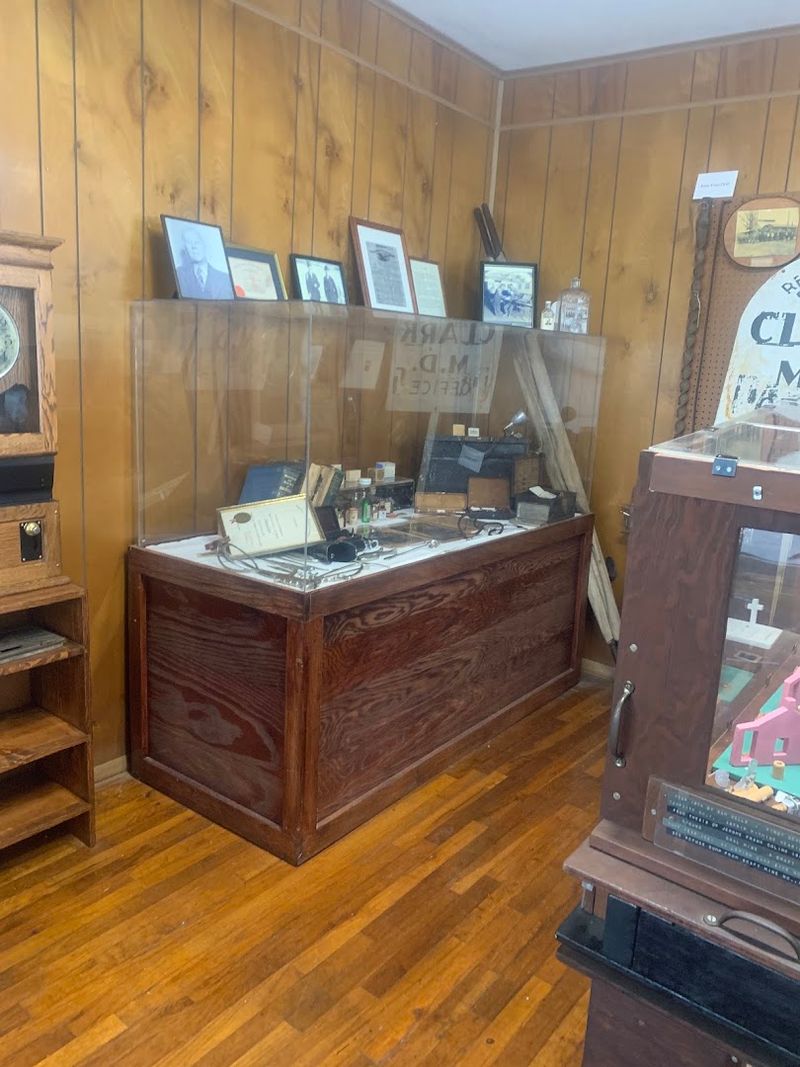
The museum holds artifacts from the mining era, photographs of the men who worked underground, and the kind of everyday objects that tell a more personal story.
You can see the tools they used, the lamps that lit the dark tunnels, and the maps that charted the mines beneath the town.
It is not a flashy museum with interactive displays or glossy exhibits. It is a place where history sits out in the open, waiting for anyone curious enough to stop and look.
A stop here is a reminder that the past is still present, if you know where to find it.
The Museum That Started With Curiosity
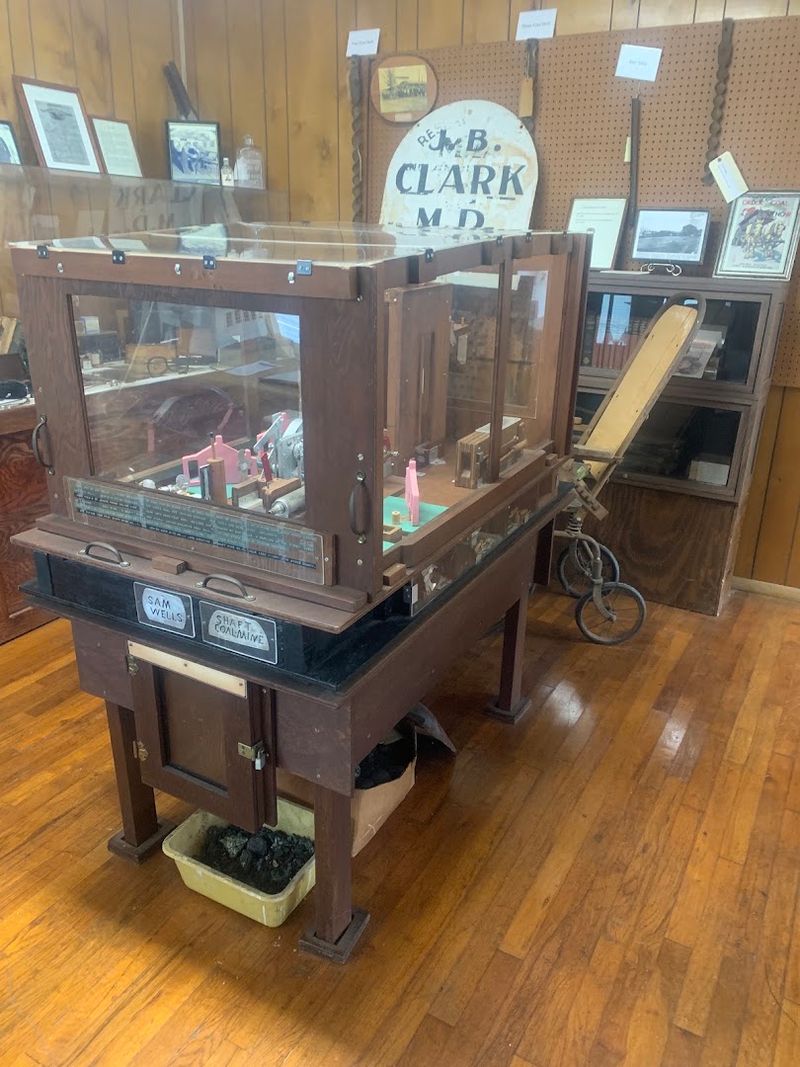
The first thing I would tell you is this museum does not feel stiff or overly polished, and that is exactly why it works so well. The Coal County Historical and Mining Museum feels personal from the minute you walk in, like a place built by people who genuinely wanted to save stories before they slipped away.
You can sense that care in the way the exhibits are arranged, with tools, photographs, and small objects that make the town’s mining past feel close instead of distant.
What really got me is that the museum began as a local school history project, which somehow makes the whole place even more meaningful. It was never just about collecting old things for a shelf, because it grew out of people asking questions about who lived here, who worked here, and what kind of life they built in Coalgate, Oklahoma.
That origin gives the museum a kind of grounded honesty that is hard to fake.
If you like local museums that still feel connected to the community around them, this one lands exactly right. You leave with more than a few facts, because you start to understand how a small Oklahoma town holds onto its memory.
That, to me, is what makes the stop worth your time.
Inside The Daily Life Of The Mines
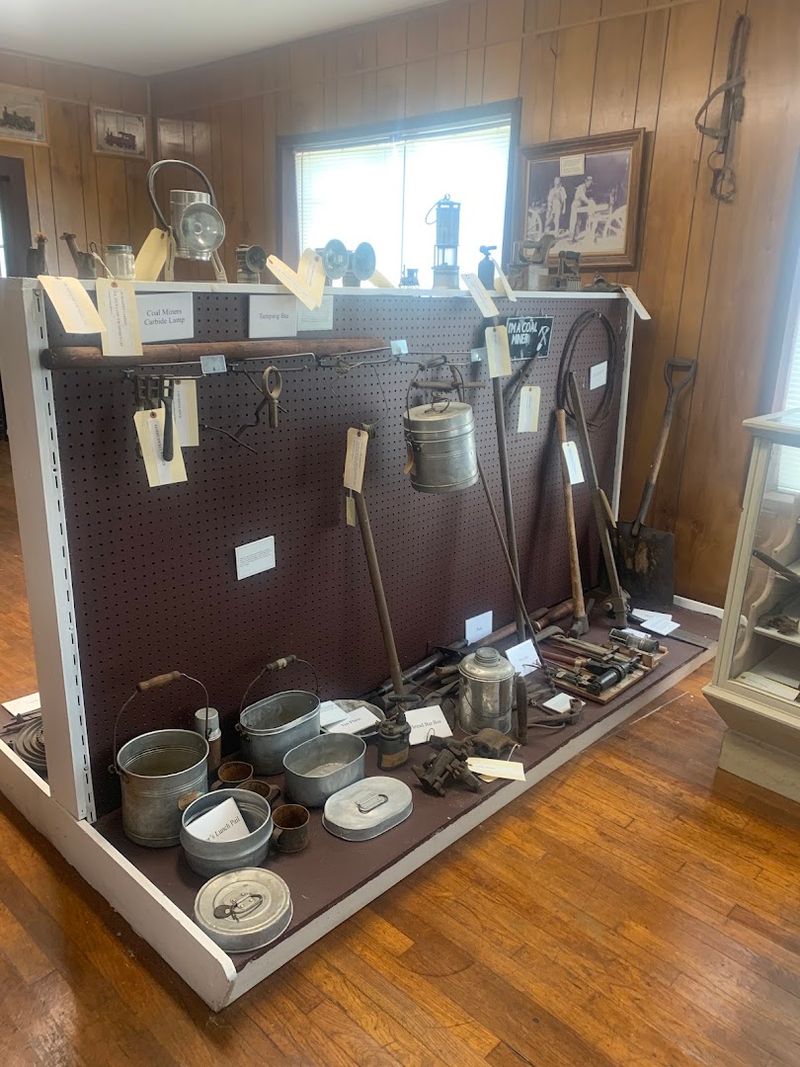
Once you start looking closely, the museum stops being just a place about industry and becomes a place about people. That shift happens fast, because the displays make it easy to imagine the routines, worries, and ordinary moments that shaped life around the mines.
You are not just staring at equipment behind glass, since every object hints at hands that used it and families that depended on the work.
I liked the exhibits that connect mining to the rest of town life, especially the pieces tied to early local residents and community figures. A doctor’s medical bag, household items, and old photographs quietly remind you that this was never only a work story, because it was also about raising children, treating injuries, and trying to build something steady in a rough line of work.
That wider view gives Coalgate more depth than you might expect at first.
There is something unusually affecting about seeing how a whole community in Oklahoma organized itself around one demanding industry. You start picturing the sounds, the dirt, the tension, and also the everyday resilience that kept people going.
By the time you finish this part of the museum, the human side of coal mining is what really stays with you.
How Coalgate Got Its Name
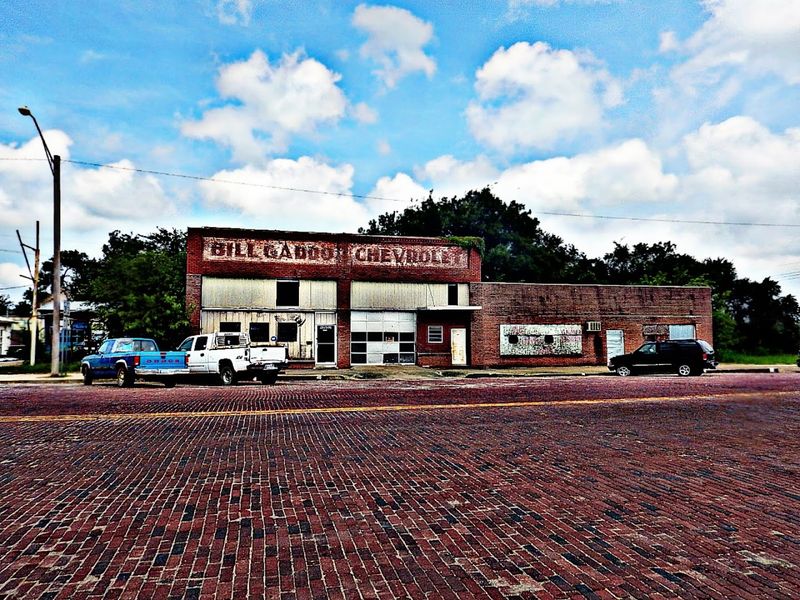
You know those town names that sound almost too on the nose to be real? Coalgate is one of those names, and once you hear where it came from, it makes the whole place feel even more rooted in its working past.
The name is tied to a gate near the rail line that separated trains from the busy coal operations north of town, which is about as practical and direct as a town name can get.
I honestly love details like that because they tell you what mattered most when a place was taking shape. This was a community formed around labor, movement, and the constant business of getting coal out and sending it on its way.
Even the name carries that sense of purpose, and it gives the town an identity that still feels plainspoken and strong.
Walking around Coalgate after learning that story makes the streets feel a little different, almost like the town introduces itself more clearly once you know what the name means. It is a small detail, but it opens the door to a bigger understanding of local history in Oklahoma.
Sometimes one practical bit of background does more than a long timeline ever could, and this is exactly that kind of detail.
The Many Communities Drawn Here
One of the most interesting parts of Coalgate’s story is how many different people ended up here because of the mines. Families came from places across Europe, along with workers from other parts of the country, all chasing the chance to earn a living and start over somewhere that needed them.
You can feel that mix in the history, and it gives the town a richer texture than you might expect from a place this small.
The museum does a nice job of hinting at that cultural blend without turning it into something abstract or overly tidy. When you think about Italians, Scots, Irish, Slavs, Germans, English families, and others all arriving in southeastern Oklahoma for the same hard work, the town starts to feel less isolated and more connected to a much bigger story.
Coalgate was shaped by labor, yes, but also by language, tradition, food, faith, and everyday adaptation.
I always find that part moving because it reminds you that local history is never really just local. A place like this holds traces of a lot of journeys, and those journeys changed Oklahoma in ways that still matter.
In Coalgate, the mining story is also an immigration story, and that makes the town feel bigger than its size in the best way.
How The Town Changed After Mining
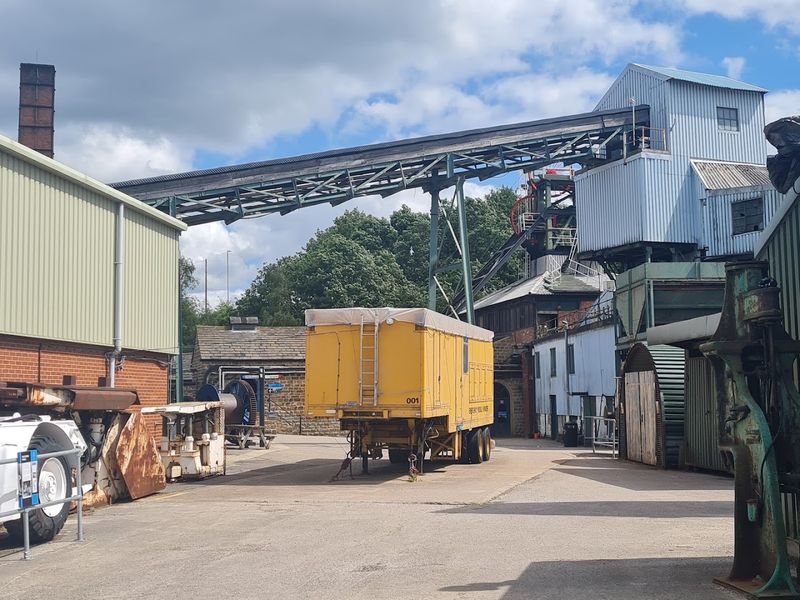
What makes Coalgate feel especially real to me is that the town’s story does not end when the mining boom fades. A lot of places get talked about as if history only matters during their busiest years, but this town kept going and found other ways to support itself through agriculture, manufacturing, and plain old determination.
That kind of transition may sound quiet on paper, yet it says a lot about the people who stayed.
You can feel that resilience when you spend a little time around town and look beyond the museum walls. The coal era explains why Coalgate began, but the later chapters explain why it still matters as a living community rather than a historic footnote.
I think that balance is part of what gives the place its emotional weight, because it honors hardship without getting stuck in it.
There is something deeply human about a town adjusting to change and refusing to disappear into nostalgia. Coalgate, Oklahoma, carries its mining heritage openly, though it also tells a broader story about adaptation in rural Oklahoma.
If you ask me, that makes the history more compelling, not less, because survival is every bit as interesting as the boom that came before it.
A Quiet Pause At Memorial Park
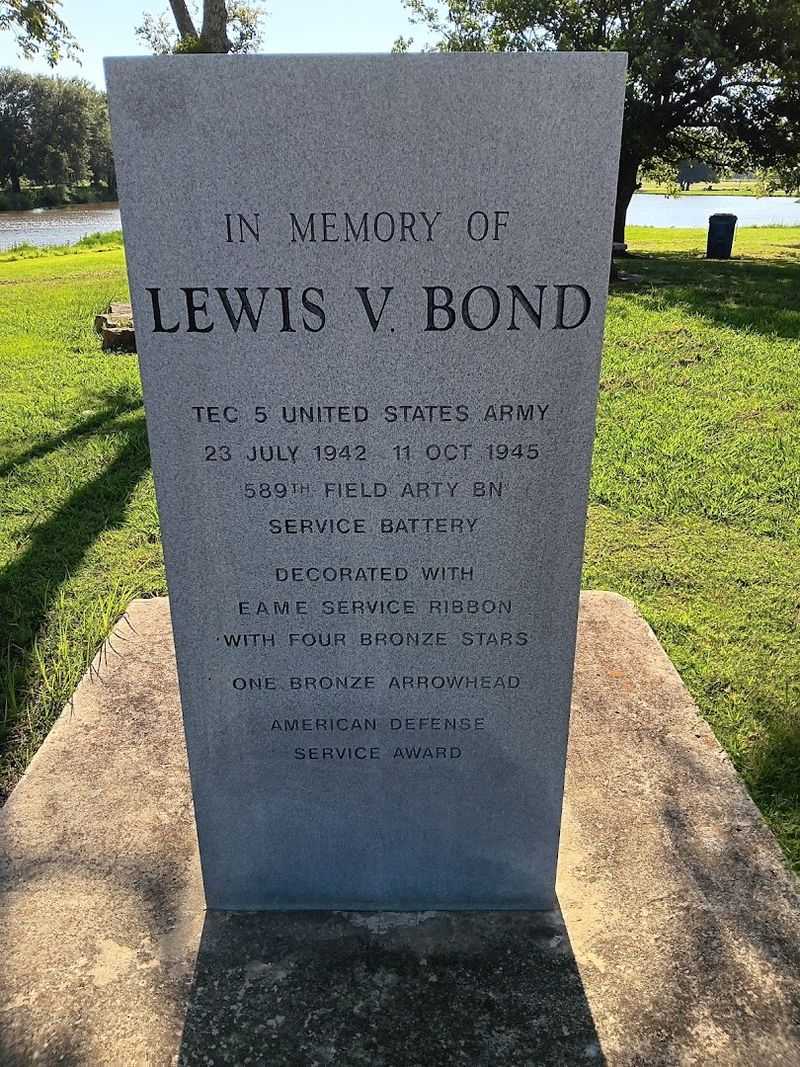
After all that museum history, I liked stepping outside and heading to the park because it changes the pace in a really welcome way. Forty-Fifth Infantry Memorial Park has that calm, open feel that makes you slow down without even meaning to, and it sits near the water in a way that feels restful instead of staged.
It is the kind of place where you naturally lower your voice a little.
The flagpoles and memorial elements give the park a sense of purpose, but it never feels heavy or formal in an intimidating way. There is room here to reflect, sit for a while, or simply take in the fact that small towns often carry remembrance into everyday spaces better than larger places do.
In Coalgate, that blend of local pride and quiet respect feels sincere.
I think this stop works best when you let it be simple, because not every meaningful place needs a big speech attached to it. Sometimes a park in Oklahoma tells you plenty through its stillness, its setting, and the way people care for it.
If the museum helps you understand the town’s past, this park gives you space to sit with what you just learned.
The Bridge With Its Own Journey
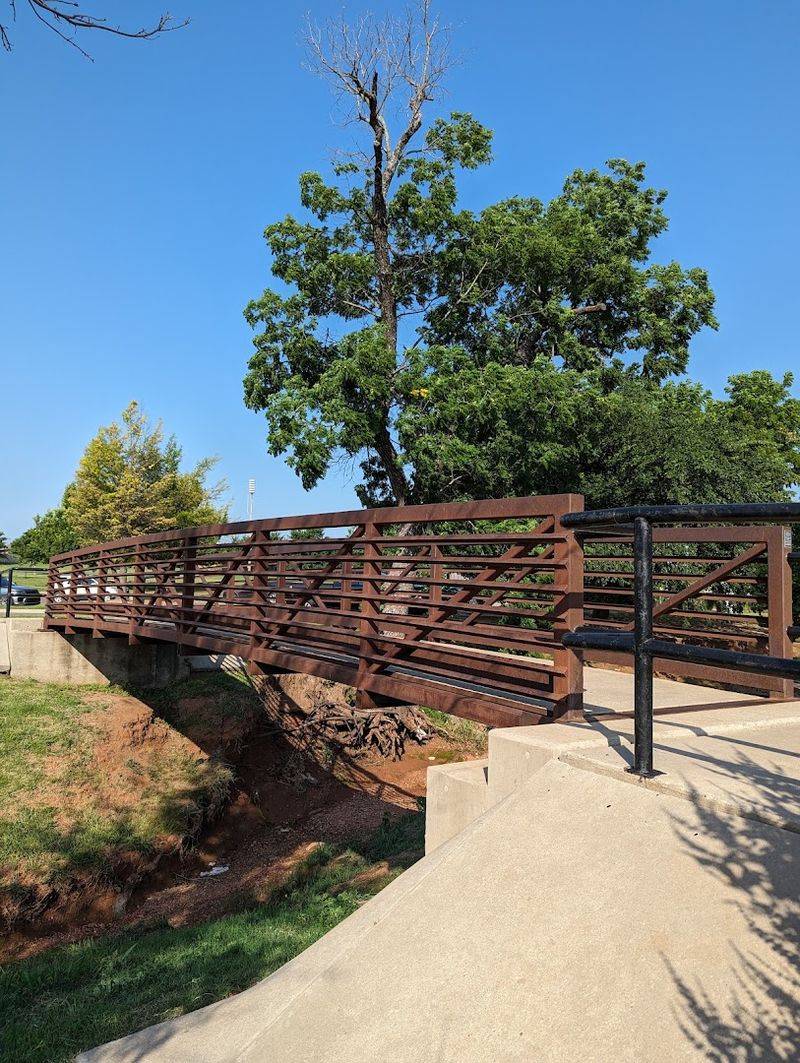
Now here is the kind of detail I always end up talking about later, because it says so much with very little fuss. The Veterans Memorial Bridge at the park is not just a walkway, since it has its own backstory after first serving elsewhere across Muddy Boggy Creek before being moved and given a new life here.
That little piece of relocation turns a simple crossing into something with memory built into it.
I like places that reuse the past instead of flattening it, and this bridge does exactly that. It honors veterans while also preserving a physical piece of local infrastructure, which feels fitting in a town where practical history matters so much.
You are not looking at some decorative imitation, because the bridge carries the sense that it has already done real work and still has something to offer.
Walking across it, you get that small but satisfying feeling of connection between different parts of Coal County’s story. It is about service, movement, and continuity all at once, and somehow that seems right for Coalgate, Oklahoma.
I would not call it flashy, though I would absolutely call it memorable, which is often a better quality anyway when you are exploring places with real character.
A Look Toward Amish Country Nearby
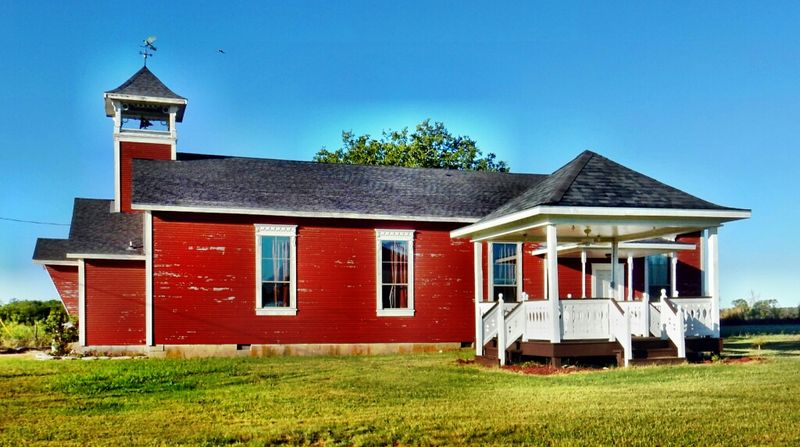
If you are around Coalgate at the right time, people will probably mention the Amish school auction and consignment sale just outside town. Even if you are not usually the kind of person who plans a trip around an event like that, this one has a reputation for drawing visitors who want to browse handmade furniture, quilts, and other carefully made goods.
It adds another layer to the area that goes beyond mining history without feeling disconnected from the local character.
What I enjoy about stops like this is that they show how rural Oklahoma still revolves around skill, usefulness, and community gathering. There is something refreshing about seeing craftsmanship appreciated in such a direct way, especially after spending time learning about the labor traditions that shaped Coalgate in the first place.
Different story, same respect for work done well.
I would not force this into your day if the timing does not line up, but if it does, it is worth paying attention to. The atmosphere just outside town can tell you a lot about how this part of Oklahoma lives now as well as how it remembers the past.
That wider context makes the museum visit feel even richer when you think back on it later.
