The roar of a tornado on screen is one thing, but standing next to the machine that helped make movie magic is another.
A small town in Oklahoma, which once stood in as a storm-ravaged backdrop for a blockbuster film, has preserved its Hollywood history in a way few places can claim.
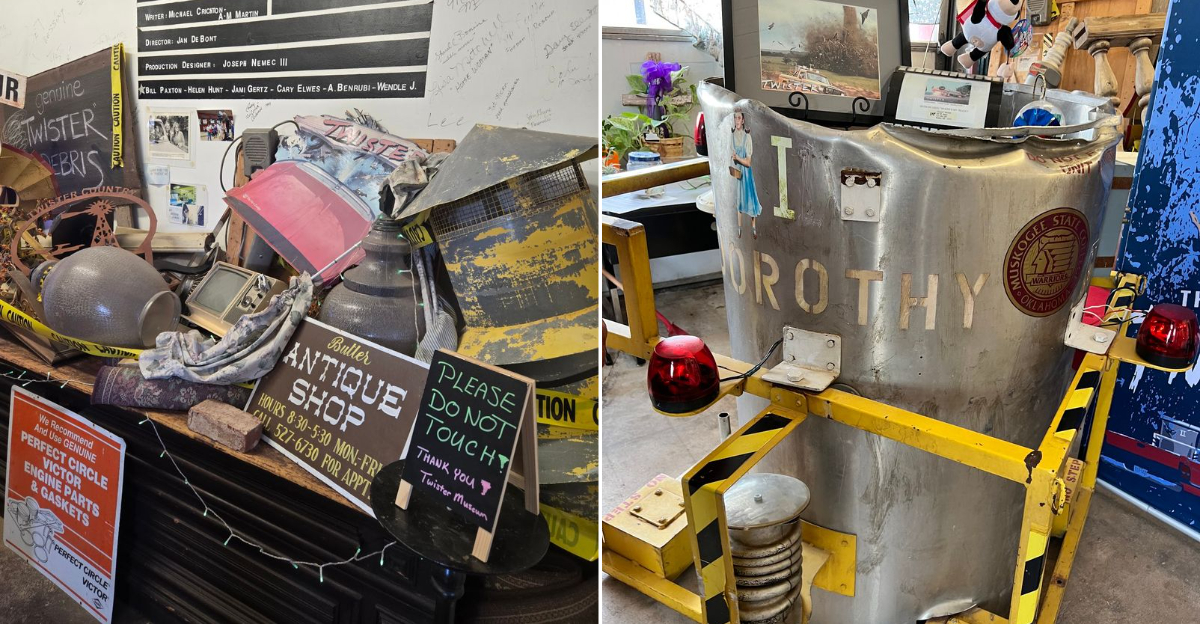
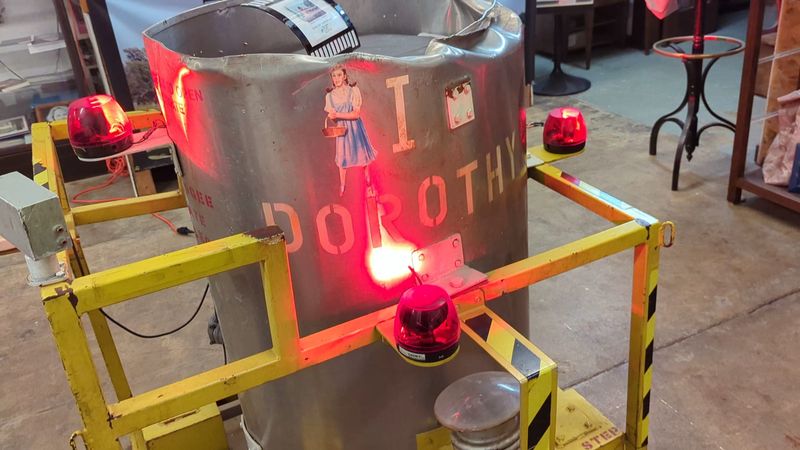
The museum is a treasure trove of memorabilia, from set debris to personal items gifted by the stars. Yet, its crown jewel is Dorothy I, an original, screen-used prop that was central to the film’s story.
This is not just a collection of items; it’s a living monument to a piece of pop culture that put this community on the map.
For movie buffs and road-trippers alike, this quirky Oklahoma landmark offers a nostalgic and unforgettable step back into the nineties.
A Town That Played Its Own Role
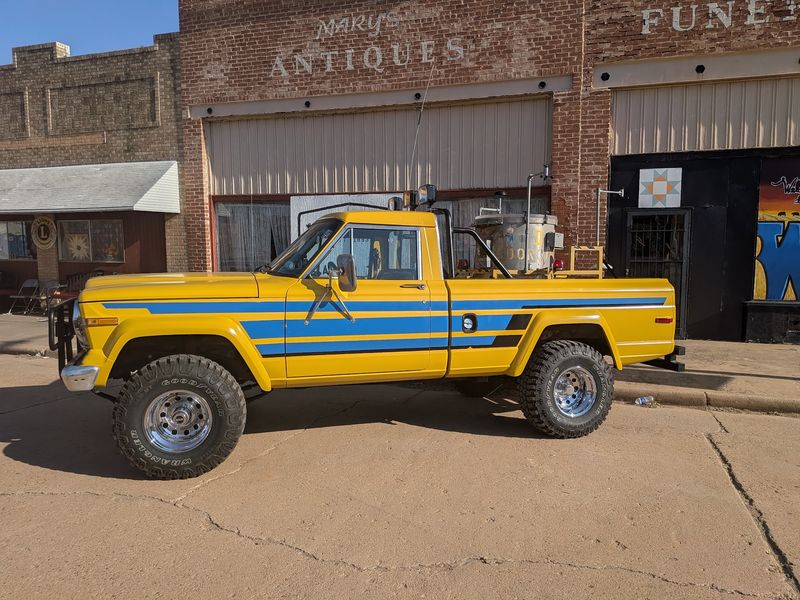
You know how some movie towns only claim a scene or two? Wakita did something way cooler, because it played itself in Twister, which gives the place a kind of honest movie fame that feels rare and surprisingly personal.
Driving in, you are not hunting for a recreated backdrop or a fake tourist setup. You are looking at the real Oklahoma town the cameras used, and that makes every block feel more grounded than flashy.
That matters because film locations can sometimes feel distant once the story leaves. Here, the connection stays simple, and you can understand why locals still talk about the production like it happened in a neighbor’s front yard.
If you visit, slow your pace more than you think you need to. The fun is not only in spotting movie links, but in noticing how an ordinary place became part of a very big film without losing itself.
Kids who know the movie will get a kick out of that idea, and adults usually do too. It is a neat reminder that Hollywood sometimes finds exactly what it needs in places that already have character.
Wakita, Oklahoma, wears that history in a relaxed way, which honestly makes the story even better.
Nothing feels forced, and that easygoing feeling is a huge part of why the town stays memorable after the trip ends.
Inside The Former Movie Office
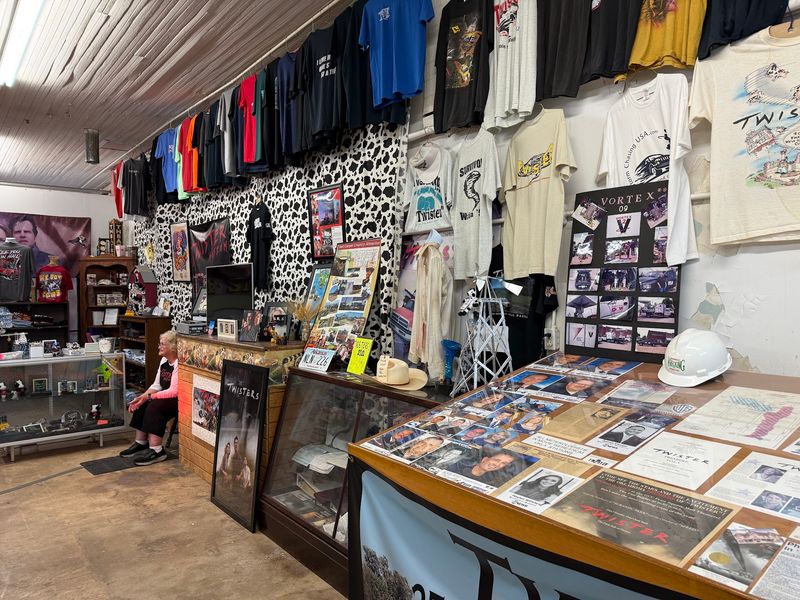
Here is where the whole visit starts to feel real, because the museum is not tucked into some random building with a loose connection to the film. It sits in the former location office used during production.
You can find Twister The Movie Museum at 101 W Main Street, Wakita, OK 73771, and that address matters because you are stepping into a place tied directly to the filming work, not just the memory.
That little detail changes the mood as soon as you walk in. Instead of feeling like a general exhibit about a famous storm movie, it feels like a room that still remembers people planning scenes and moving things around.
I always like places that keep their story straightforward, and this one does exactly that. The building itself helps explain why Wakita, Oklahoma, still feels connected to Twister in a hands-on, local way.
If you are road tripping across Oklahoma, it is smart to give yourself time here rather than treating it like a quick stretch break. There is something special about standing inside a working part of the movie’s real footprint.
You do not need to be a huge film expert to enjoy it, either. Curiosity does the job just fine.
By the time you leave the doorway, the town’s movie story already feels much more personal than you expected.
Seeing Dorothy I Up Close
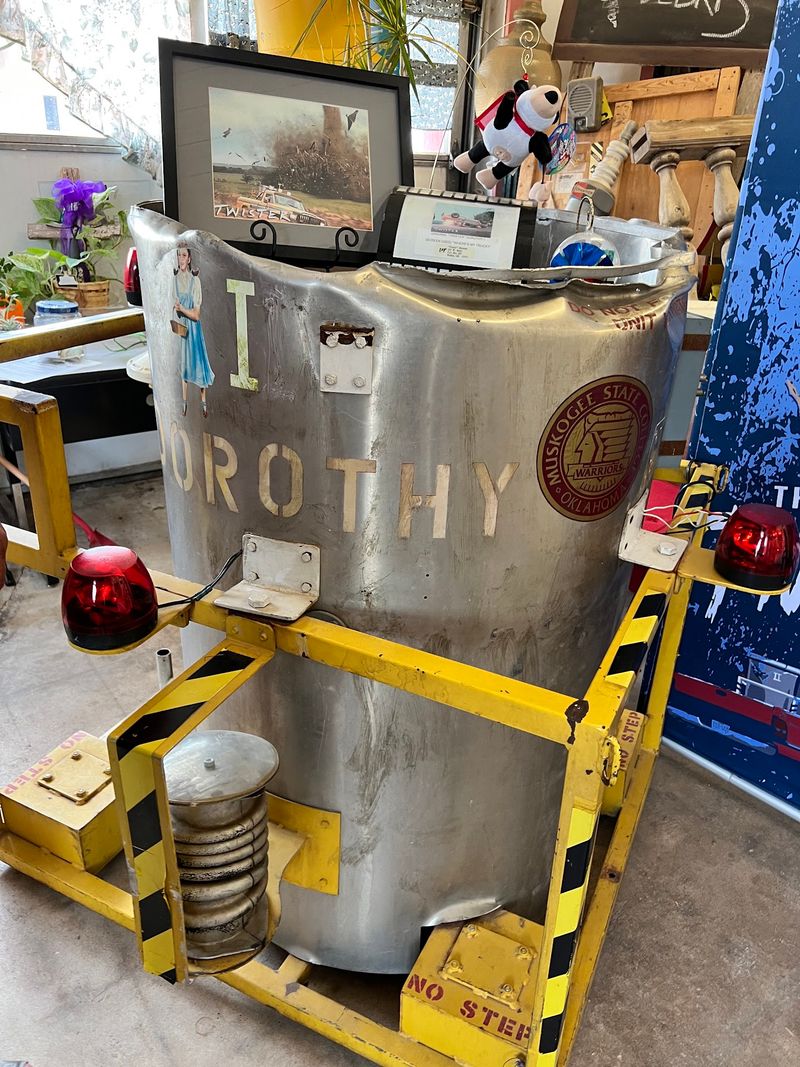
Let me be honest, this is the part most people are waiting for, and it absolutely earns the attention. Seeing the original Dorothy I in person gives the museum its biggest wow moment without feeling overhyped.
On screen, Dorothy seemed like a wild piece of storm-chasing genius racing toward danger. In the museum, it becomes something you can actually study, and that shift makes the movie feel more tangible than it does at home.
There is something oddly fun about standing near a prop you have only seen in chaotic action scenes. Up close, you notice shape, scale, and the practical side of how movie storytelling gets built from real objects.
That is why this display works so well for families and casual visitors. You do not need deep technical knowledge to appreciate it, because the object instantly connects memory, film history, and plain old curiosity.
If you are bringing kids, give them a minute to imagine how the machine fit into the story. That small pause turns a simple display into a conversation about weather, movies, and creative problem solving.
Wakita kept the original piece that fans actually care about, which says a lot. It feels meaningful, not gimmicky.
By the end, Dorothy I stops being just a prop name and starts feeling like the living center of the whole stop.
Screens That Fill In The Story
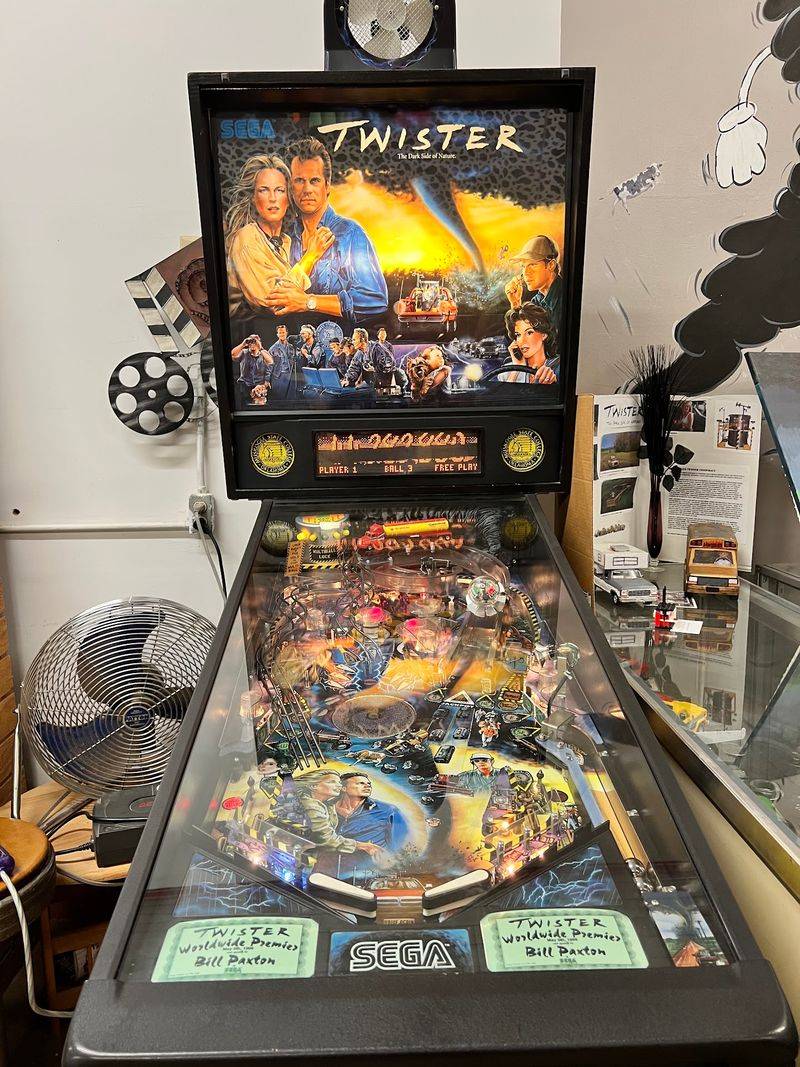
Sometimes a museum piece needs a little context before it really clicks, and that is where the video material comes in. The behind-the-scenes footage helps bridge the gap between object displays and the action people remember.
Watching those clips gives you a better sense of how much effort went into making the storm scenes feel huge. You start to notice that the movie’s energy did not come from effects alone, but from planning, location work, and timing.
I like that the museum does not just throw props in a room and call it a day. The visual material adds movement and personality, which helps younger visitors stay engaged instead of just drifting past the cases.
There is also something warm about seeing a famous film from the angle of the people who built it. That perspective makes the work feel human, and it puts Wakita back in the middle of the story.
If you are visiting with someone who loves movie trivia, this section will probably slow them down in the best way. They can connect scenes they know with the practical work happening around town during filming.
Even if you only watch for a short while, the museum suddenly feels fuller and more alive. That is a big win.
It turns the stop from a simple photo opportunity into a richer experience that actually explains why this Oklahoma story still matters.
Props That Look Like Storm Wreckage
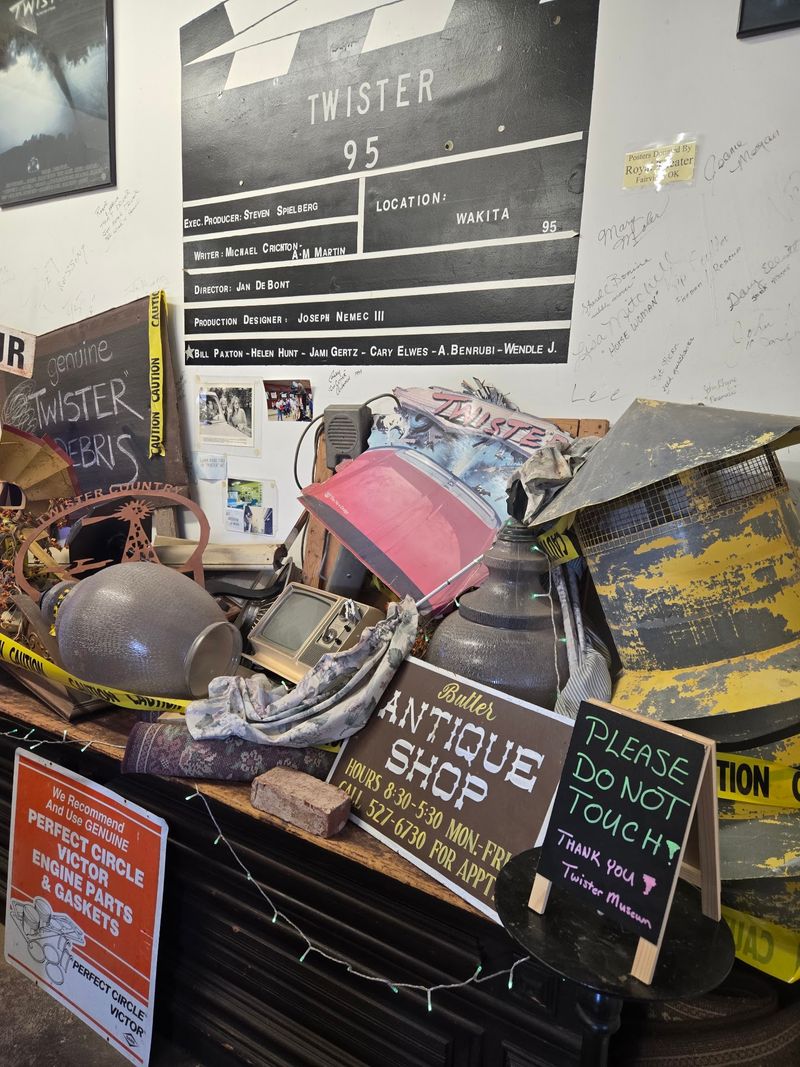
One of the sneakiest cool parts of the museum is the debris display, because it reminds you how much physical stuff goes into making movie destruction feel believable. Fake storm damage still takes real craftsmanship.
Pieces like structural fragments and wreckage props help translate the chaos of Twister into something you can inspect at your own speed. Instead of scenes flashing past you, the details sit still long enough to appreciate.
That makes this section especially fun for people who enjoy set design and practical effects. You start thinking less about computer magic and more about crews hauling, placing, painting, and arranging everything to look convincingly battered.
For younger visitors, this can also be a nice teaching moment. Movies often look effortless on screen, but displays like this show how imagination depends on hands-on work and a whole lot of problem solving.
I found this area unexpectedly memorable because it gives weight to the town’s role in the film. Wakita was not just a name in the credits, because its spaces held the visual mess that helped sell the story.
Spend a little time reading and looking carefully instead of rushing through. Small details do a lot here.
By the end, even a broken-looking prop can feel like an important part of why the movie still lands so well.
Signed Memories From The Cast
Not every movie museum has a personal side, but this one does, and that makes a difference. The signed photos and cast memorabilia bring real faces into the story instead of leaving everything at the level of props.
There is a natural pause that happens when you stand in front of autographed items. Suddenly the film stops being only a big weather thriller and starts feeling connected to the people who gave it voice and personality.
That is especially true for longtime fans who grew up with Twister on television and road trip playlists. Seeing those signed pieces can stir up the kind of memory that sneaks in quietly and sticks around all afternoon.
I appreciate that the museum keeps this material feeling respectful rather than flashy. It does not lean on celebrity in a loud way, because the focus stays on how the cast and Wakita became linked through one unusual production.
If you are visiting with a friend who loves film history, let them linger here a bit. This section often sparks the best conversations, especially about favorite scenes and how certain performances shaped the movie’s lasting charm.
Even people who came for Dorothy usually slow down at the photos. Faces make the story feel immediate.
That human connection adds warmth, and it helps the museum feel more like a shared memory than a collection alone.
The Water Tower Everyone Recognizes
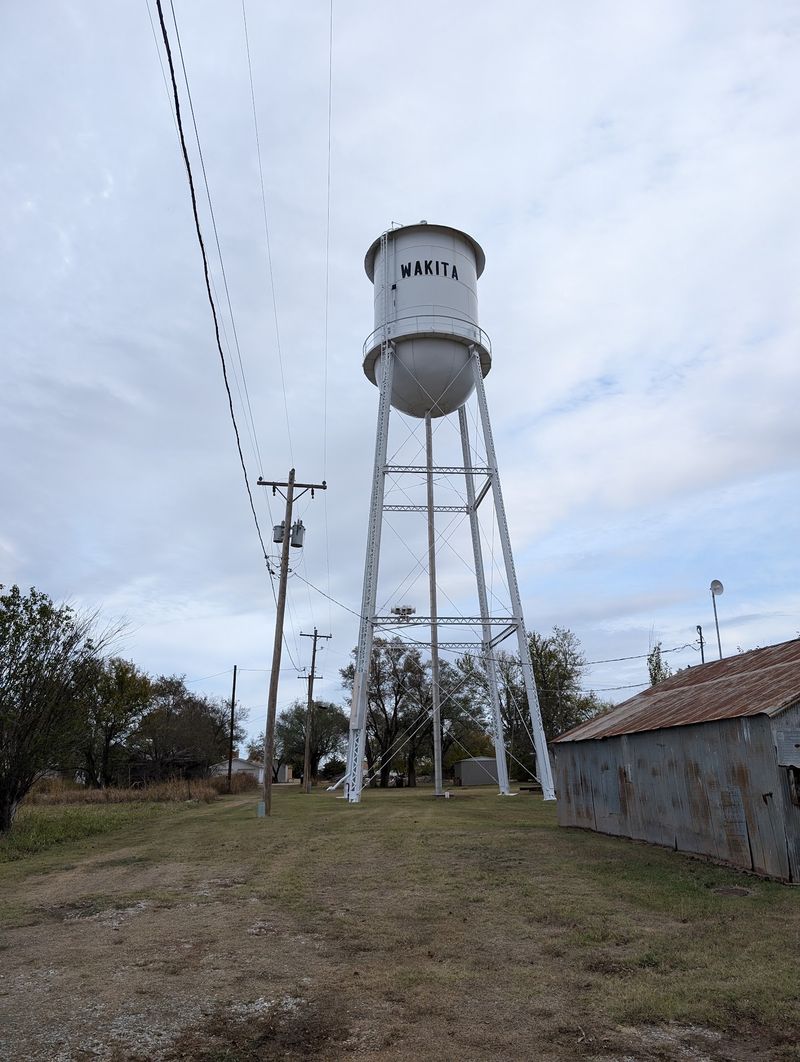
Some landmarks do all their work quietly, and the Wakita water tower is one of those. You see it, and if the movie lives anywhere in your brain, the connection snaps into place fast.
What I like most is that the tower does not need a dramatic setup to make an impression. It stands there doing a normal town job while also carrying a strange little bit of film memory.
That blend of ordinary and iconic feels very Oklahoma to me. Big sky overhead, a practical structure in view, and a story attached to it that locals understand without needing to overexplain anything.
If you are taking photos, step back enough to include some of the surrounding town. The wider frame helps show why Wakita worked so well on screen, because the landscape and built details belong together.
Kids may not care about water towers in daily life, but movie context changes everything. Suddenly it becomes a marker, a clue, and a piece of the setting they can match to scenes later.
I always think places like this carry their fame in the most appealing way. They stay useful and unpretentious.
That is exactly why the tower matters here, because it keeps the Twister connection visible without turning the town into a stage set.
Local Voices Keep The Story Alive
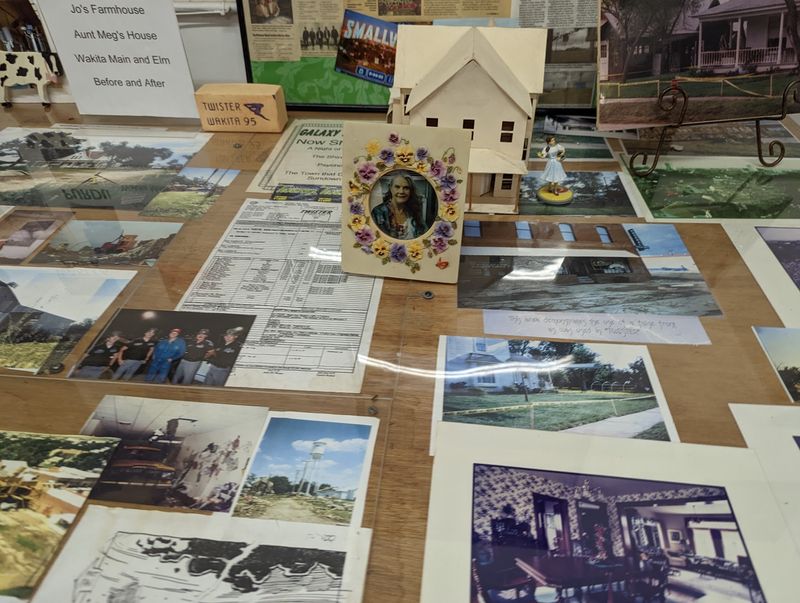
What really gives the museum heart is not only what sits in the displays, but who has cared enough to preserve it. You can feel that the story stayed alive because locals decided it mattered.
The museum grew from community effort, and that shows up in the tone of the place right away. Nothing feels distant or corporate, which makes the experience more like hearing a hometown story than reading a cold summary.
I always trust a small museum more when it sounds like people are speaking from memory instead of script. In Wakita, that personal voice is part of the attraction, because the movie connection belongs to residents as much as fans.
That local perspective helps explain little things visitors might otherwise miss. A room, a photo, or a prop can mean more when someone nearby understands how filming changed the rhythm of town life.
If you get the chance to chat, do it. A short conversation can give you the kind of detail no wall label ever captures, and those offhand stories usually become the part you repeat later.
This is one reason the museum feels warm instead of staged. It carries lived memory, not just collected objects.
By the time you leave, the film history feels less like entertainment trivia and more like a shared Oklahoma community story.
