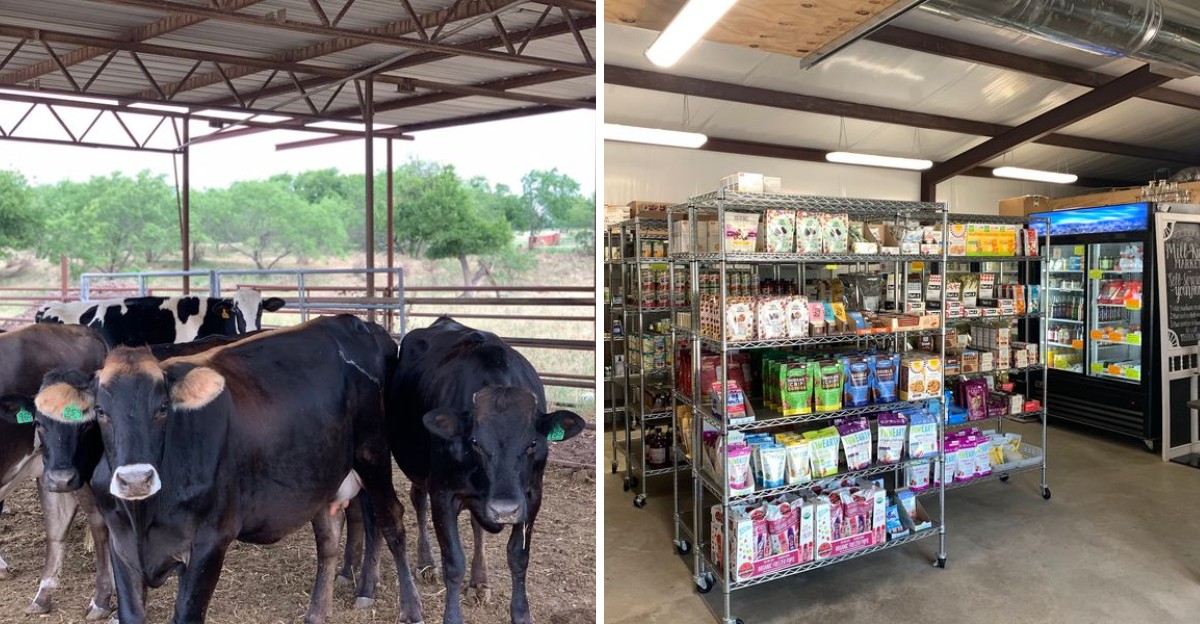
Fresh milk and cheese at any hour of the day or night. That is what this tiny Texas creamery offers.
It runs on an honor system, which means you show up, grab what you need, and leave your payment behind. No cashier, no lines, no closing time.
Just a cooler full of dairy that was likely bottled that morning. The milk is rich, the cheese is creamy, and the whole operation runs on trust.
Locals love it, and visitors find it charming. It is the kind of place that reminds you what small-town Texas is all about.
You can stop by at sunrise for a fresh gallon or at midnight for a block of cheddar. The creamery does not care.
It is always open. Just make sure you bring exact change or a way to pay.
The cows have done their part. The rest is up to you.
Finding the White Building Down a Dirt Road
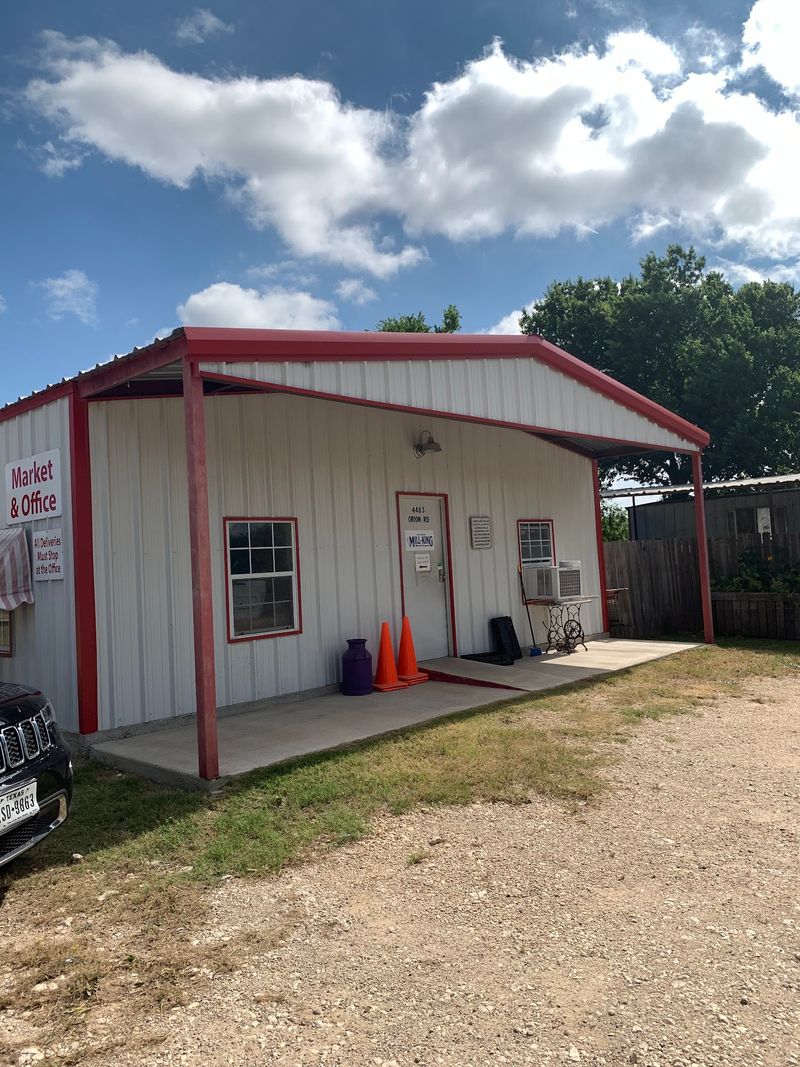
Getting here is half the charm, honestly. The farm store sits at 4483 Orion Rd, McGregor, TX 76657, but plenty of visitors have better luck typing 1410 Coyote Lane, McGregor, TX 76657 into their phones instead.
That second address nudges drivers onto Orion Road, which is a dirt road, not a mistake. Roll along roughly 300 yards and the white metal building with red trim appears on the left.
Cell signal out here can get moody, so screenshot the directions before leaving Waco. A little planning saves a lot of backtracking on country roads that all start to look alike after the third turn.
The parking area is gravel and casual, usually holding a mix of pickups and family cars with coolers in the back. Bringing a cooler is smart thinking, especially in a Texas summer when the drive home stretches past twenty minutes.
What surprises first-timers most is how close the animals are. Pastures border the lane, and the herd often grazes within easy view, which turns an errand into a small field trip for anyone traveling with children.
Store hours run Monday through Friday from 7:30 in the morning until 6 in the evening, Saturday from 9 to 6, and Sunday from 10 until 3. Early mornings tend to feel peaceful, with soft light across the fields and hardly anyone else browsing the coolers.
Take the drive slowly. Dust settles faster that way, and the scenery deserves more than a rushed glance.
Milk That Still Has Cream on Top
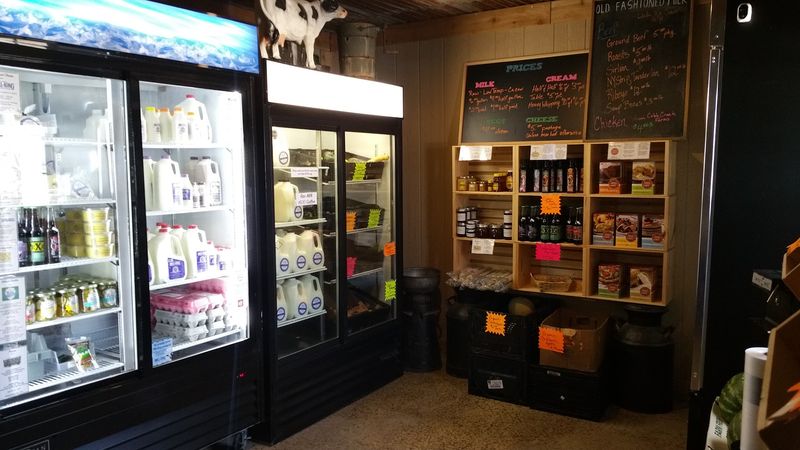
Open a bottle of Mill-King whole milk and something old-fashioned happens. The cream has risen to the top, forming a thick layer that needs a good shake before pouring.
That happens because the milk is non-homogenized, meaning the fat was never blasted into tiny pieces to stay permanently mixed. Grocery store milk almost always gets that treatment.
Here, the cream behaves the way it did generations ago.
Pasteurization also works differently. Instead of a quick, very hot blast, the milk is held at 145 degrees Fahrenheit for a full 30 minutes, a method called vat pasteurization that keeps more of the natural enzymes and nutrients intact.
The ingredient list stays refreshingly short. No artificial hormones, no antibiotics, no powdered milk, no preservatives, no emulsifiers, thickeners, or brighteners sneaking in through the back door.
Choices include whole milk and 1%, plus a chocolate version called Cacao Mill made with 1% milk, agave nectar, and cacao paste. That chocolate milk has a quiet cult following among visiting families.
Because the dairy processes everything on site, milk can go from cow to customer within 48 hours or less. Freshness like that shows up in the flavor, which tastes rounder and sweeter than expected.
Seasons matter too. As pasture grass changes through the year, so does the milk, which is a sign of real food rather than a factory formula.
Shake well, pour into a cold glass, and taste the difference for yourself.
Raw Milk and Raw Cheese, the Reason Many Make the Trip
Raw milk brought the creamery into existence, in a way. Rhianna Miller, wife of third-generation dairyman Craig Miller, dealt with severe lactose intolerance symptoms and found relief after trying raw milk, and that experience helped shape the family mission.
Raw cow milk sits in the cooler alongside the pasteurized bottles, and it moves fast. Regulars often call ahead or arrive early in the day to be sure of getting what they came for.
Raw cow milk cheese shares the same case. Much of it is crafted by the Texas Cheese House using Mill-King’s raw milk, which keeps the whole chain refreshingly short and local.
Flavor-wise, raw cheese carries more personality than mass-produced blocks. Expect deeper, slightly grassy notes that shift with the season, the same way the milk does.
Anyone new to raw dairy should start small. A single bottle or a modest wedge is plenty for a first taste, and staff members tend to be happy to explain how the products differ from conventional versions.
Goat cheese also turns up among the selections, giving cheese lovers another reason to linger at the cooler door a little too long.
Keep the cold chain in mind on the drive home. Raw products deserve a cooler with ice, not a warm floorboard.
For visitors curious about where dairy actually comes from, standing a few hundred feet from the herd while shopping for their milk makes the whole idea click.
Meet the Herd Grazing Just Beyond the Parking Lot
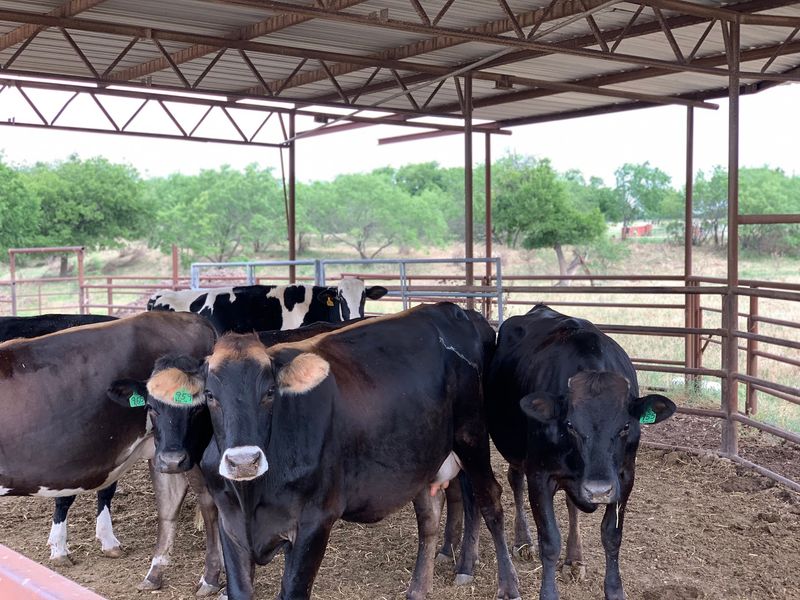
Roughly fifty cows live on about 700 acres here, which works out to a generous amount of room per animal. The herd is handpicked, mixing Holsteins, Brown Swiss, and Jerseys for milk that pours rich and smooth.
Grass does most of the work. Cows graze pasture as much as possible, and when the season turns dry or cold, they get a forage-based, non-GMO supplement.
What is left out of that supplement matters just as much. No corn, no soy, no cotton seed, which is unusual in modern dairy feeding.
A bovine nutritionist tests the grass, the forage, and the cows themselves. The goal is healthy animals first, with good milk following naturally from that.
Hormones to push production are not part of the program. Neither are routine antibiotics, and the farm raises its own replacements, keeping female calves and many bull calves right on the property.
Organic standards and practices guide daily decisions even though the family has not paid for formal certification, largely because of the fees involved.
Visitors regularly mention how satisfying it is to hear and see the animals while shopping. Cows drift across the pasture, tails swinging, completely unbothered by the parade of cars.
Bring binoculars if birdwatching or cow-watching sounds fun, though honestly the naked eye does fine. Stay on the road and out of the pastures, since this is a working farm with real chores happening.
Quiet, unhurried, and genuinely pleasant to watch.
From an Honor System Garage to a Real Farm Store
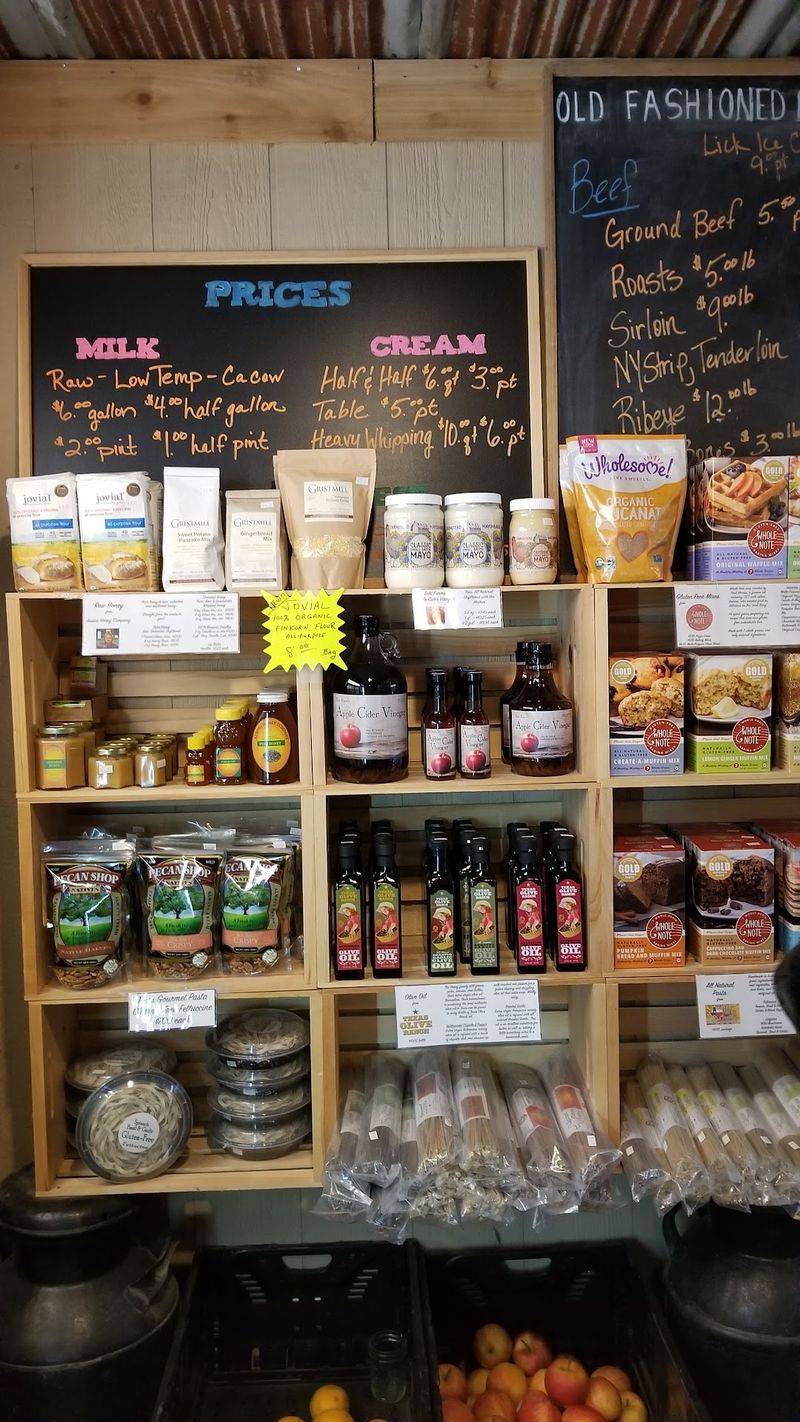
Long before the current building opened, the market ran out of a garage on the honor system. Shoppers wrote down what they picked up, dropped money in a cash box, and made their own change.
Remarkably, that setup lasted about ten years with barely any trouble. Stories from longtime customers often circle back to how unusual and comforting that level of trust felt.
Things shifted after 2020, when the events of that year pushed the family to move into a dedicated store space. The building is modest, clean, and well organized, without a hint of showroom polish.
The creamery itself dates to around 2010 and 2011, born from a rough stretch in the dairy industry. Rather than keep selling milk to processors, the Millers decided to bottle it and sell straight to people.
That pivot changed everything. It gave the farm control over processing, packaging, and pricing, and it connected the family directly with the folks drinking their milk.
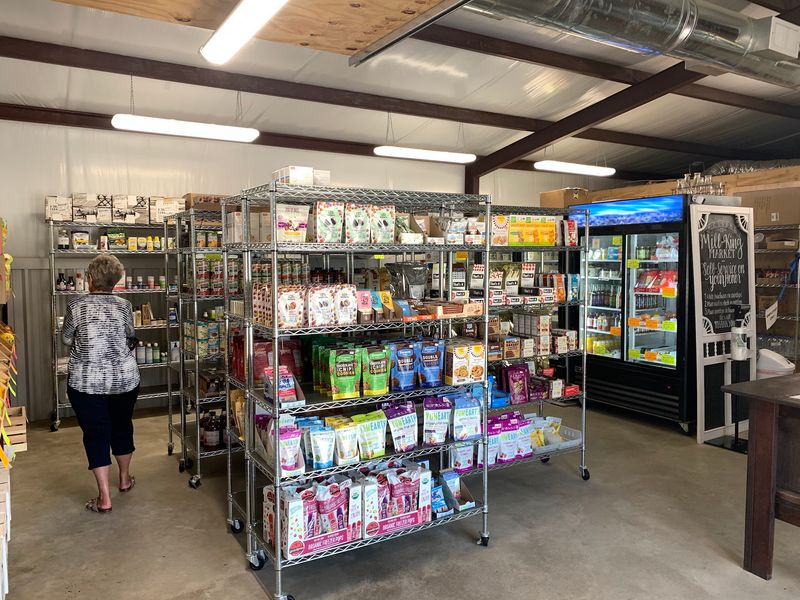
Inside, the layout encourages slow browsing. Coolers line one area, shelves of pantry goods fill another, and small local items tuck into corners where curious shoppers find them.
Staff here have a reputation for being genuinely helpful, especially with newcomers who have questions about raw dairy or how to store it.
Give yourself extra time. The store looks small from the door, then somehow swallows half an hour once the label reading begins.
Honey, Pecans, Fudge and the Shelves That Slow You Down
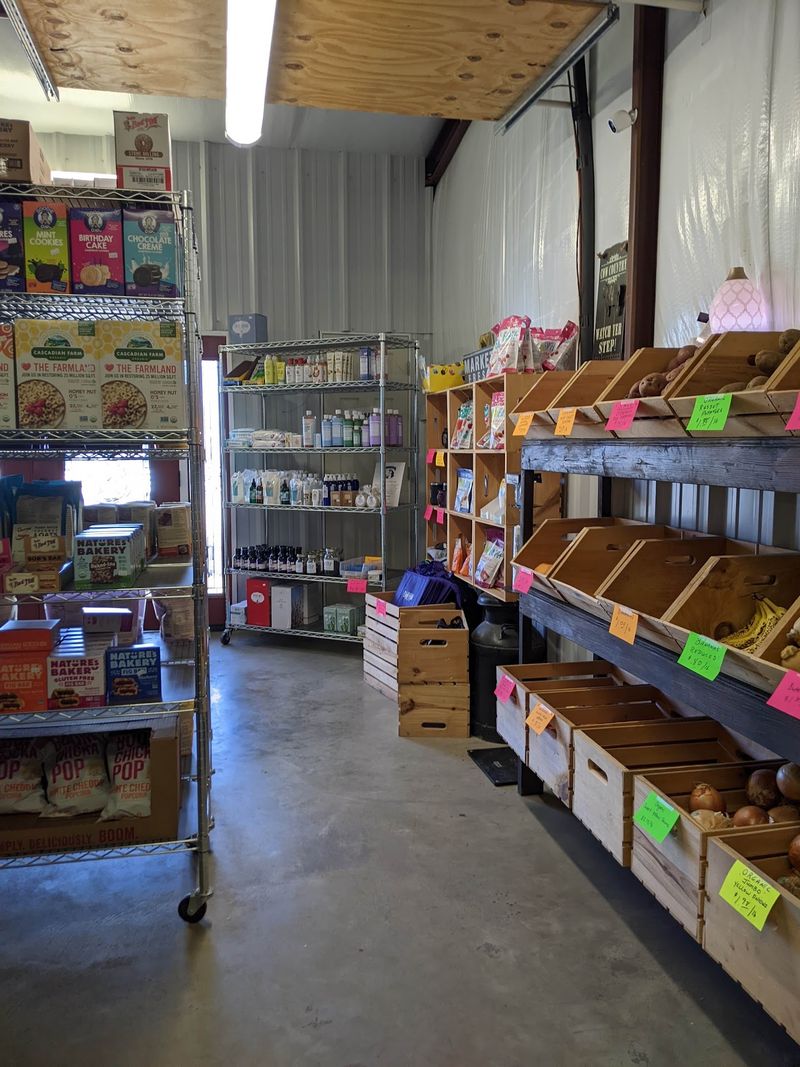
Somewhere between the milk cooler and the register, the browsing gets serious. Shelves here hold local honey, pecans including a special crispy recipe version, elderberry syrup, jams, fudge, and fresh bread.
Pecans deserve a mention of their own. Texas takes its pecans seriously, and the crispy recipe batch has a habit of not surviving the drive home.
Fudge shows up in tempting little packages. Cookie sandwich versions exist, peanut butter among them, and buying only one is a rookie error.
Fresh produce appears as well, depending on the season, with potatoes, onions, and other vegetables coming in from nearby farms. Sourdough bread and even sourdough starter have made appearances, which makes home bakers very happy.
Pantry finds stretch further than expected. Teas, sauces, gluten-free pastas, snacks, and specialty chocolate fill out the shelves, all chosen with an eye toward simple ingredients.
For dessert lovers, the frozen case is a small treasure hunt. Ice cream and popsicles from brands like Straus, GoodPop, JonnyPops, and Ice Cream For Bears include organic, gluten-free, and honey-sweetened options.
A fun local detail: Heritage Creamery in nearby Woodway uses Mill-King milk in its ice cream, so the dairy’s influence travels well beyond this dirt road.
Budget a few extra minutes to read labels. Half the enjoyment comes from spotting something unfamiliar and deciding to risk it.
Grab a treat for the ride. Country roads pair well with fudge.
Clean Soaps, Lotions and Household Finds Hidden Beside the Groceries
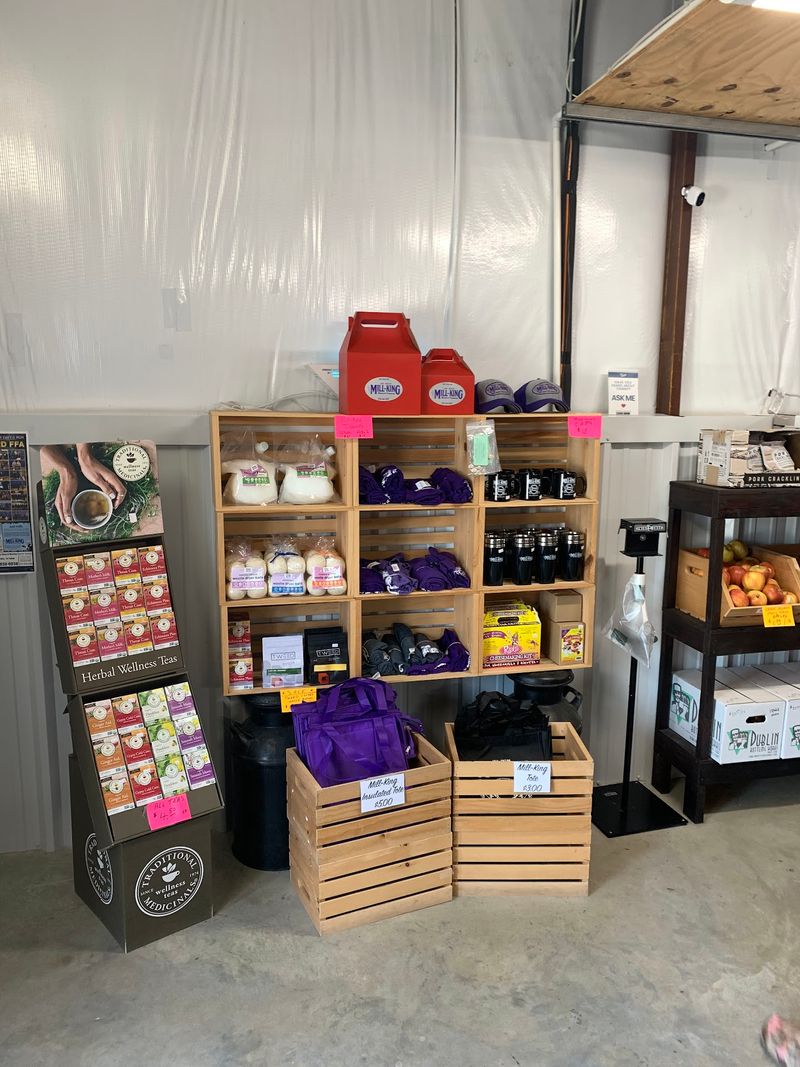
Not every dairy sells toothpaste, and that quirk is part of the fun. One side of the store carries clean body and home products chosen for simpler, less toxic ingredient lists.
Soaps and lotions sit alongside plant-based surface cleaners, laundry detergent, dish soap, sunscreen, and wool dryer balls. It reads less like a gift shop and more like a thoughtfully stocked pantry for the rest of the house.
Shoppers switching to gentler products often find this section handy because everything is in one place. Comparing labels beats scrolling through endless online listings.
Cinnamon toothpaste has surprised more than one visitor who wandered over out of curiosity. Small discoveries like that give the store its personality.
Practically speaking, these items travel better than dairy. No cooler needed, no melting, no timeline, which makes them easy souvenirs for anyone visiting from farther away.
The selection leans toward small businesses and Texas makers where possible, which fits the overall spirit of the place. Money spent here tends to stay fairly close to home.
Staff knowledge extends to this aisle too. Questions about which detergent works in hard water or which lotion suits sensitive skin usually get a straightforward answer rather than a sales pitch.
Think of it as the unexpected bonus round of the trip. People arrive for milk and leave with dish soap, a bar of soap, and zero regrets about either one.
A Family Dairy Legacy That Reaches Across Texas
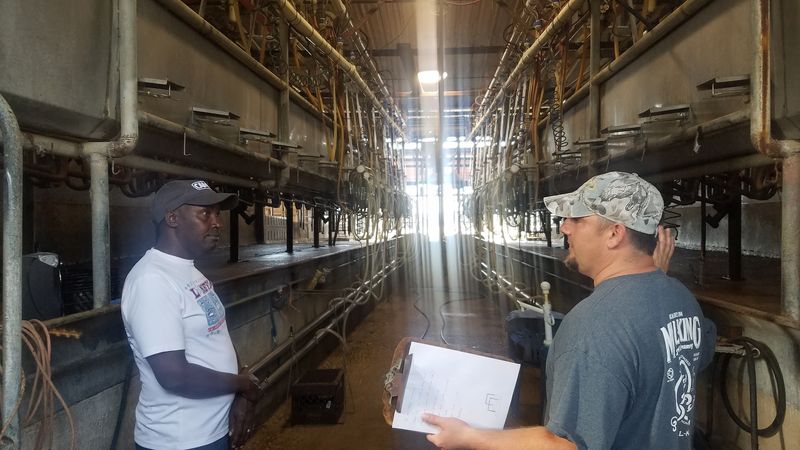
Back in 1941, Arnold and Minnie Miller started raising and milking dairy cattle around Crawford and McGregor. Three generations later, the family is still at it on the same stretch of Central Texas land.
Craig Miller returned to the farm in 2005 and now runs the operation. He has spoken about the freedom of dairy work, setting his own schedule and personally making sure quality holds.
Family language extends to the animals, which the Millers describe as part of the family. That attitude shapes choices about feed, care, and how the herd spends its days.
Reach has grown well beyond the dirt road. Mill-King products turn up at Whole Foods Market locations, Central Market, Natural Grocers, and many smaller grocers and specialty shops around Austin, Houston, San Antonio, Dallas-Fort Worth, and the Waco area.
Restaurants and coffee shops use the milk and cream wholesale in Austin, Houston, and the DFW region. More than a few people discover the brand in a cappuccino before ever seeing the farm.
Waco-area residents can get home delivery, and the creamery shows up at Austin farmers markets including Cedar Park Farm to Market, SFC Downtown, SFC Sunset Valley, Hope Farmers Market, and Lone Star Farmers Market.
Still, the farm store hits differently. Buying milk within sight of the cows that made it closes a loop most grocery trips never even open.
Call ahead at 254-340-0003 if planning around specific products. Then enjoy the drive.
