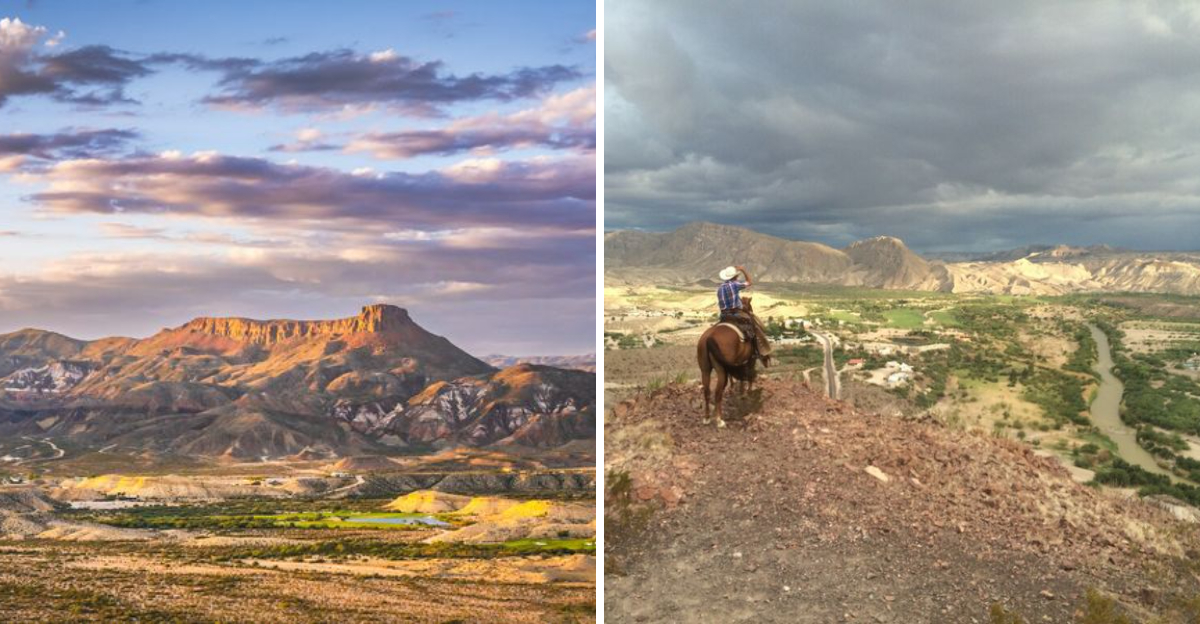
A tiny town with a big claim. This Texas spot is home to one of the most scenic drives in America, and it is worth every mile of the journey.
The road winds through the desert, hugging the Rio Grande and offering views of mountains that seem to rise out of nowhere. It is the kind of drive that makes you want to pull over every five minutes just to take it all in.
The town itself is small, but it serves as the perfect starting point for an unforgettable adventure. You can stop, stretch, and appreciate the beauty of West Texas.
The scenery is dramatic, the roads are quiet, and the experience is pure magic. It is a reminder that sometimes the best destinations are the ones you did not know existed.
An Oasis on the Rio Grande
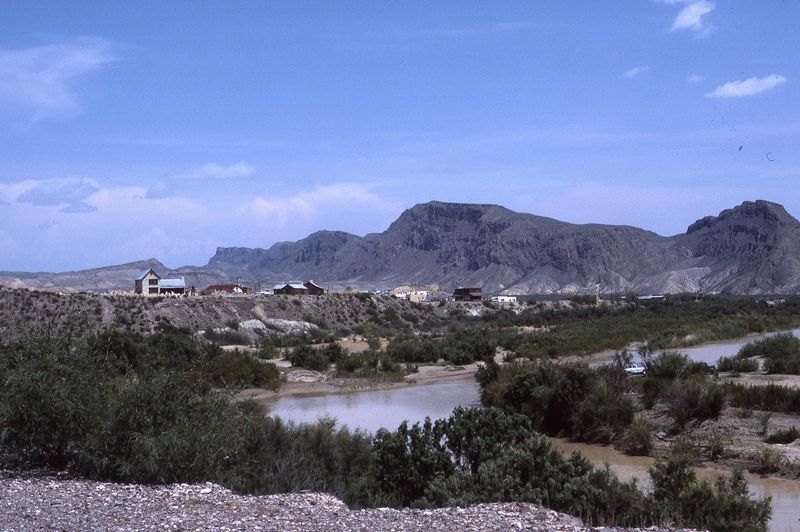
There is something almost surreal about arriving in Lajitas for the first time. You drive for what feels like forever through open desert, and then suddenly a small community appears on a bluff above the Rio Grande, calm and unhurried, like it has always known a secret the rest of the world missed.
Lajitas sits at around 2,200 feet of elevation, perched right along the Texas-Mexico border. The Rio Grande curves gently below the town, and on clear days the water catches the light in ways that make it look like liquid copper.
It is a quiet kind of beautiful, not the kind that shouts for attention.
The town sits between two extraordinary wild places. Big Bend National Park lies to the east, and Big Bend Ranch State Park stretches to the west, making Lajitas a natural base camp for anyone wanting to explore this part of Texas seriously.
The name itself comes from the Spanish word for “little flat rocks,” a reference to the Boquillas flagstone scattered across the landscape. That small detail always struck me as fitting.
Nothing about this place is flashy. It is all texture, depth, and quiet power.
Even just sitting near the river at dusk, watching the desert colors shift from gold to deep red, felt like more than enough. Lajitas does not need to try hard.
The land does all the talking, and it says something worth listening to.
The Legendary River Road, FM 170
FM 170 is the kind of road that makes you forget where you were going. Locals call it the River Road, and others know it as El Camino del Rio, which translates to the Road of the River.
Either name fits perfectly.
The highway runs roughly 50 miles between Lajitas and Presidio, hugging the Rio Grande the entire way. It twists through narrow canyon passages, climbs steep desert grades, and opens suddenly into vast panoramic views that make your chest feel a little tight with awe.
I kept having to remind myself to watch the road.
What makes FM 170 so special is how it changes constantly. One moment you are in a shadowed canyon with rock walls pressing close on both sides.
The next, the road opens wide and you can see for dozens of miles across Mexico and deep into Texas simultaneously.
This road is widely considered one of the most scenic drives not just in Texas, but in the entire United States. That reputation is completely earned.
There is no stretch of it that feels ordinary or routine.
Driving it in the late afternoon is something I would recommend to anyone. The low sun turns the canyon walls into shades of amber and rust that feel almost theatrical.
Pull over when you feel the urge. There are no wrong stops on this road, only better and better views waiting at every bend.
Conquering Big Hill and Beyond
Not every great road is gentle, and FM 170 makes sure you know that at Big Hill. This stretch of the River Road features a 15 percent grade, the steepest paved grade in the entire state of Texas.
The first time you see it rising ahead of you, it looks almost vertical.
Climbing it is an experience that demands full attention. Your engine works hard, the road curves sharply, and then you crest the top and everything opens up at once.
The Chisos Mountains appear to the east, nearly 75 miles away. To the west, Colorado Canyon cuts its dramatic path toward Mexico.
I pulled over at the summit and just stood there for a while. The scale of what you can see from that point is difficult to put into words.
It is the kind of view that makes the drive worth every mile of effort it took to get there.
Beyond Big Hill, the road continues to surprise. Rock formations known as Hoodoos rise from the desert floor, shaped by centuries of wind and water erosion into tall, narrow towers that look like they belong in another world entirely.
They are strange and wonderful.
Every pull-off along this section of the road offers something different. The colors shift, the shadows move, and the desert keeps revealing new layers of itself.
Big Hill is the dramatic centerpiece, but the road surrounding it is just as worth savoring slowly.
Big Bend Ranch State Park, Texas’ Wild West
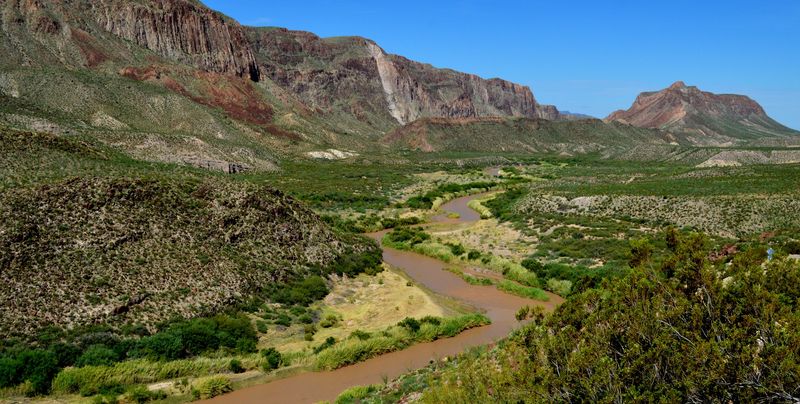
If Big Bend National Park is the famous sibling, Big Bend Ranch State Park is the one that does not need the recognition. It is enormous, remote, and unapologetically wild.
At over 300,000 acres, it holds the title of the largest state park in Texas, and it earns that status every single mile.
The park is home to rugged volcanic mountains, deep canyon systems, and desert terrain that has barely been touched. It feels genuinely remote out here.
Cell service disappears quickly, and that is actually part of the appeal.
Night skies in this part of Texas are extraordinary. The darkness is deep and complete, and on a clear night the Milky Way stretches overhead in a way that feels personal, like it is just for you.
I have not seen stars like that many places in my life.
Hiking and backcountry routes wind through the park for those who want to get serious about exploration. There are also easier trails for people who simply want to walk in the silence and feel the weight of all that open space around them.
Both experiences are genuinely rewarding.
Lajitas sits right at the eastern edge of the park, making it the most logical and comfortable base for anyone wanting to explore. You can head into the wilderness each day and come back to a real bed each night.
That balance makes the whole adventure feel sustainable and deeply enjoyable.
The Barton Warnock Visitor Center, An Interpretive Start
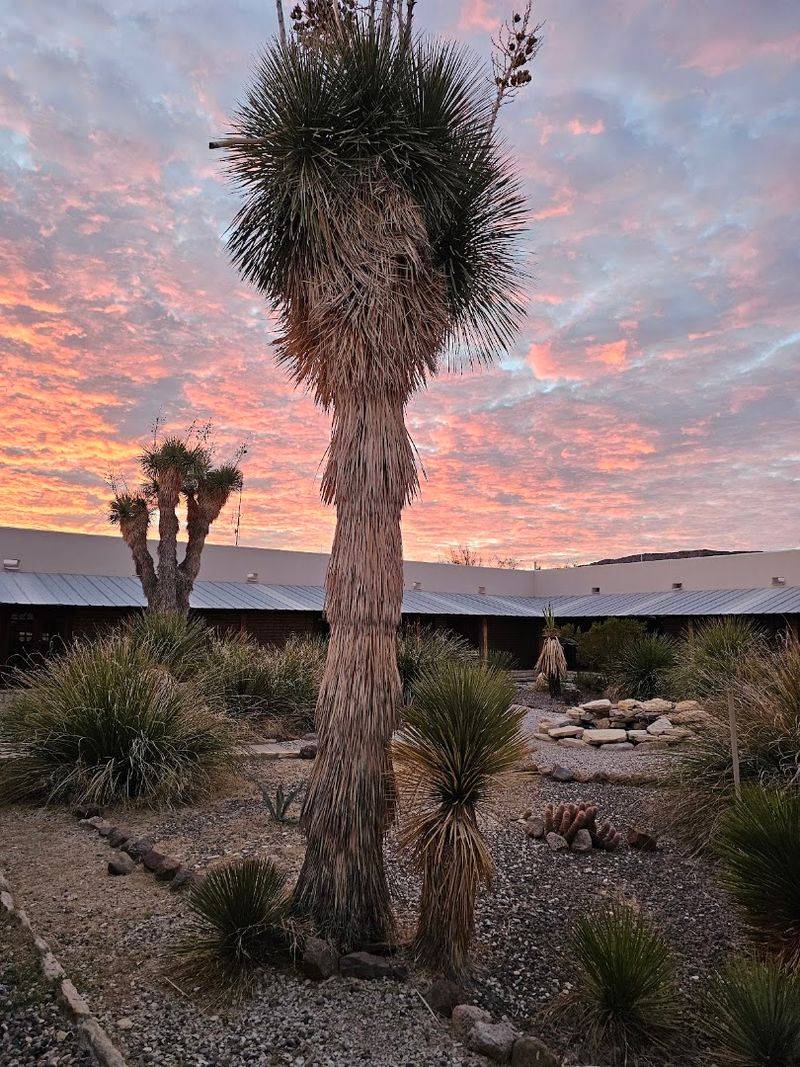
Before heading deep into the desert, I made a stop that turned out to be far more interesting than I expected. The Barton Warnock Visitor Center sits just east of Lajitas and serves as the official eastern gateway to Big Bend Ranch State Park.
It is modest in size but generous in what it offers.
The center is named after Dr. Barton H. Warnock, a botanist who dedicated decades of his life to studying the plants of the Chihuahuan Desert region.
His work is honored throughout the exhibits, which do a genuinely good job of explaining the ecology of this unusual landscape.
Outside, a botanical garden showcases the native plants of the desert in a way that is organized but still feels natural. Walking through it, I started noticing details I would have completely missed otherwise.
The variety of life that survives in this dry, harsh environment is quietly astonishing.
Inside, exhibits cover the geology, history, and wildlife of the region. You can learn about the ancient forces that shaped the canyon systems and mountains visible from the River Road.
It puts the scenery in context, which makes experiencing it afterward feel richer.
Picking up a park map and talking to the staff before heading out is genuinely useful. The rangers here know the land well and can point you toward spots that do not always make it into travel guides.
That kind of local knowledge is worth stopping for every time.
Lajitas Golf Resort, Desert Luxury
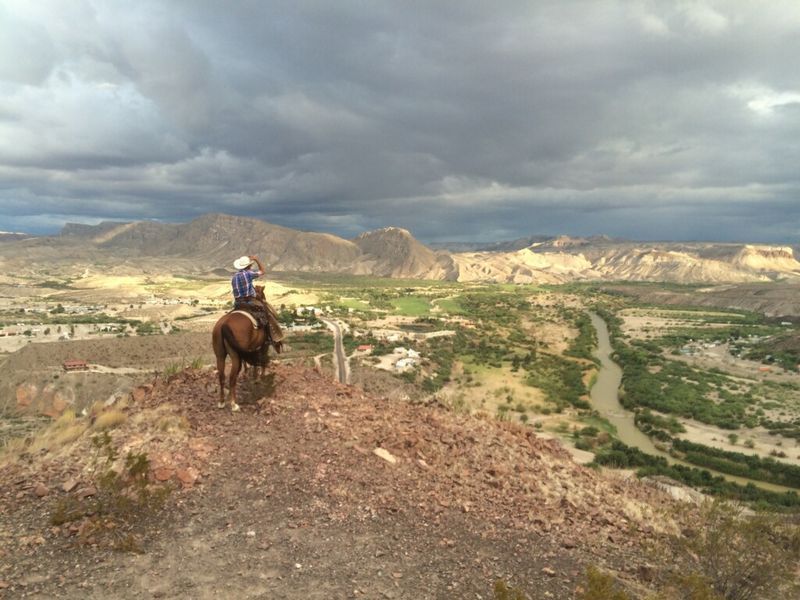
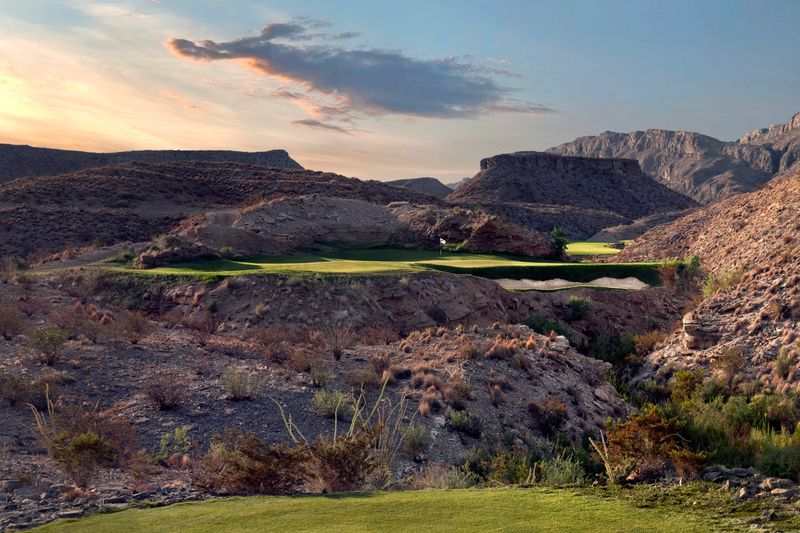
Finding a full resort in the middle of the Chihuahuan Desert is the kind of thing that makes you do a double take. Lajitas Golf Resort spreads across 27,000 acres of West Texas terrain, offering an experience that genuinely should not exist out here but absolutely does.
The centerpiece is Black Jack’s Crossing, an 18-hole golf course designed by PGA Hall of Fame golfer Lanny Wadkins. The course plays against a backdrop of canyons, desert mountains, and glimpses of the Rio Grande.
Even non-golfers will appreciate the visual drama of the setting.
Beyond golf, the resort offers swimming pools, multiple dining options, and comfortable accommodations that make a real difference after a long day of driving or hiking. Coming back to air conditioning and a proper meal after hours in the desert heat is not something to take for granted.
The resort manages a tricky balance well. It feels refined without being stiff, and it never loses the sense of where it is.
The desert is always visible, always present, always reminding you that something wild and vast surrounds the whole operation.
Staying here also puts you in the perfect position for early morning drives on FM 170 before the heat builds. That alone makes the resort a smart choice for anyone serious about getting the most out of the River Road experience.
The combination of comfort and access to raw wilderness is genuinely hard to beat in this part of Texas.
A Glimpse into Lajitas’ Past
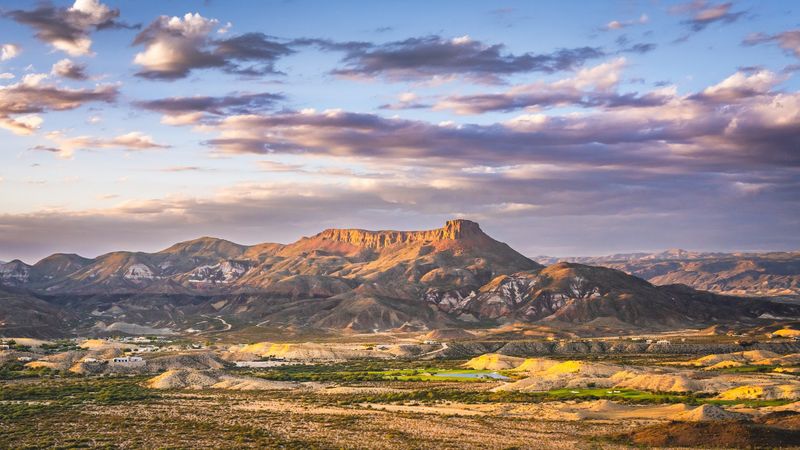
Lajitas carries history in its bones, and it does not hide it. Long before it became a resort destination or a base for desert adventurers, this spot on the Rio Grande served as one of the most important crossing points in the region.
People and trade moved through here for centuries.
The crossing was known as Paso Lajitas, a natural ford in the river that made it practical for travelers moving between Texas and Mexico. That kind of geography tends to attract activity, and Lajitas was no exception.
It grew slowly but steadily as a community tied to the river.
In the late 1890s, the discovery of quicksilver near the neighboring town of Terlingua brought a surge of people into the area. By 1900, Lajitas had been designated a substation port of entry, reflecting its growing importance along the border.
The early 20th century brought even more dramatic history. Reports of Pancho Villa’s activity in the region led General John J.
Pershing to establish a cavalry post in Lajitas in 1916. The military presence shaped the community in ways that echoed for years afterward.
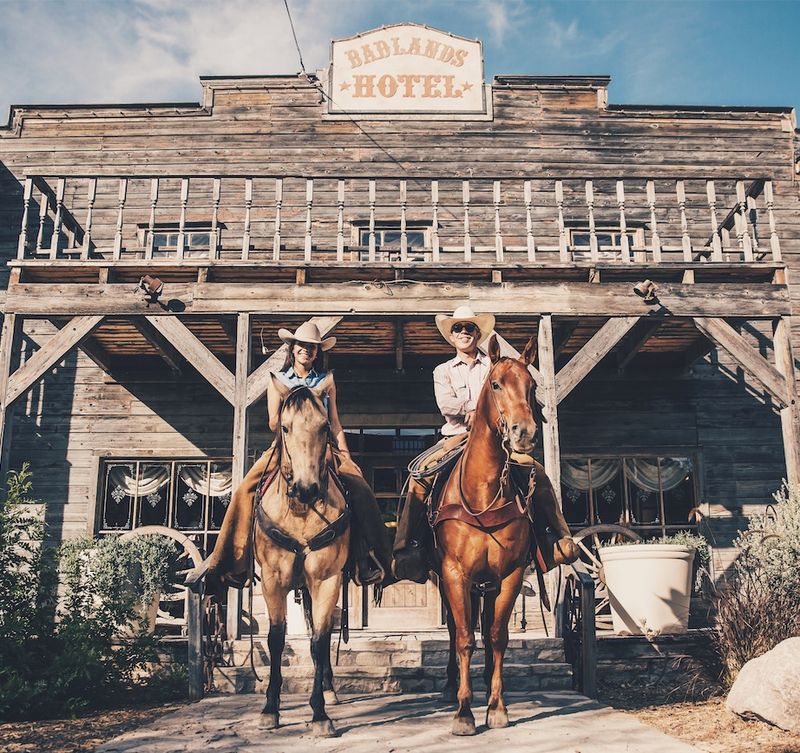
All of that history sits quietly beneath the surface of modern Lajitas. You can feel it in the adobe architecture, in the way the town sits close to the river, and in the stories that locals still carry.
It is a place where the past and present exist comfortably side by side, neither one crowding out the other.
The Enduring Charm of a Tiny Texas Town
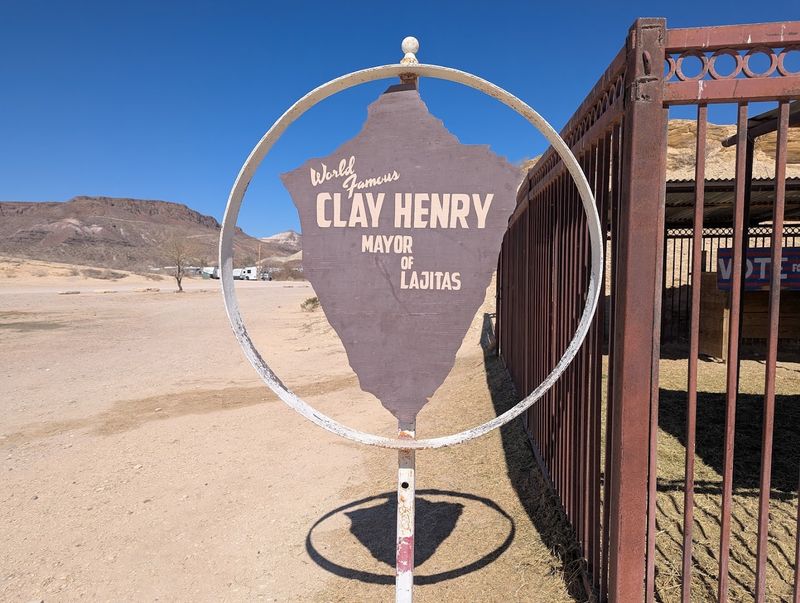
There is a particular kind of charm that only very small, very remote towns seem to hold, and Lajitas has it in full. The population here is tiny, the nearest major city is hours away, and somehow that isolation is exactly what gives the place its personality.
Lajitas is known for a piece of local lore that captures its spirit perfectly. For many years, the town claimed a goat named Clay Henry III as its honorary mayor.
It is the kind of detail that sounds made up but is completely real, and it tells you everything you need to know about the town’s sense of humor and self-awareness.
The remoteness here is genuine. This is not a place that pretends to be off the beaten path while secretly being easy to reach.
Getting to Lajitas takes commitment, and that commitment filters the crowd. The people you meet out here tend to be curious, adventurous, and genuinely interested in the place itself.
Evenings in Lajitas are something I keep thinking about. The desert cools quickly after sunset, the stars come out in force, and the whole landscape settles into a deep quiet that feels restorative in a way that is hard to explain until you have experienced it firsthand.
Lajitas is a place that rewards patience and curiosity. It does not reveal everything at once.
The longer you stay, the more it gives, and that slow unfolding is exactly what makes it worth the long drive to get there.
Address: 1 Main Street, Lajitas, TX 79852
