Nobody warned me that a tiny dot on a West Virginia map could completely rewrite everything I thought I knew about American history.
I expected a quiet drive through some pretty hills, maybe a historical marker or two, and a peaceful afternoon.
What hit me instead was the story of a place so wildly important, so shockingly dramatic, that I genuinely had to sit down and process it all.
The ground here once erupted with black gold, armies came to destroy it, and tens of thousands of people flooded in practically overnight.
If history had a hidden wild card, this community was it, and most people have never even heard its name.
The Tiny Town That Struck Oil Fever
Before the world understood what petroleum could do, this quiet corner of West Virginia was already sitting on top of one of the most consequential geological secrets in American history.
Natural gas bubbled up through local springs here for centuries, occasionally catching fire, which gave the community its evocative and fitting name: Burning Springs.
Early settlers found the phenomenon curious, even useful, long before anyone grasped its true economic potential.
The Rathbone family, prominent landowners in the area, began collecting oil from the surface of the Little Kanawha River, selling it as a medicinal curiosity called “rock oil.”
This was not a grand industrial operation; it was humble, almost accidental. Yet those early efforts planted the seeds of something enormous.
Salt brine wells drilled in the 1830s and 1850s frequently struck oil as an unwanted byproduct, which was then collected and sold for lamp fuel. That accidental oil predated the famous Drake Well in Pennsylvania.
The fever had not yet started, but the match was already lit.
When Burning Springs Became Boomtown USA
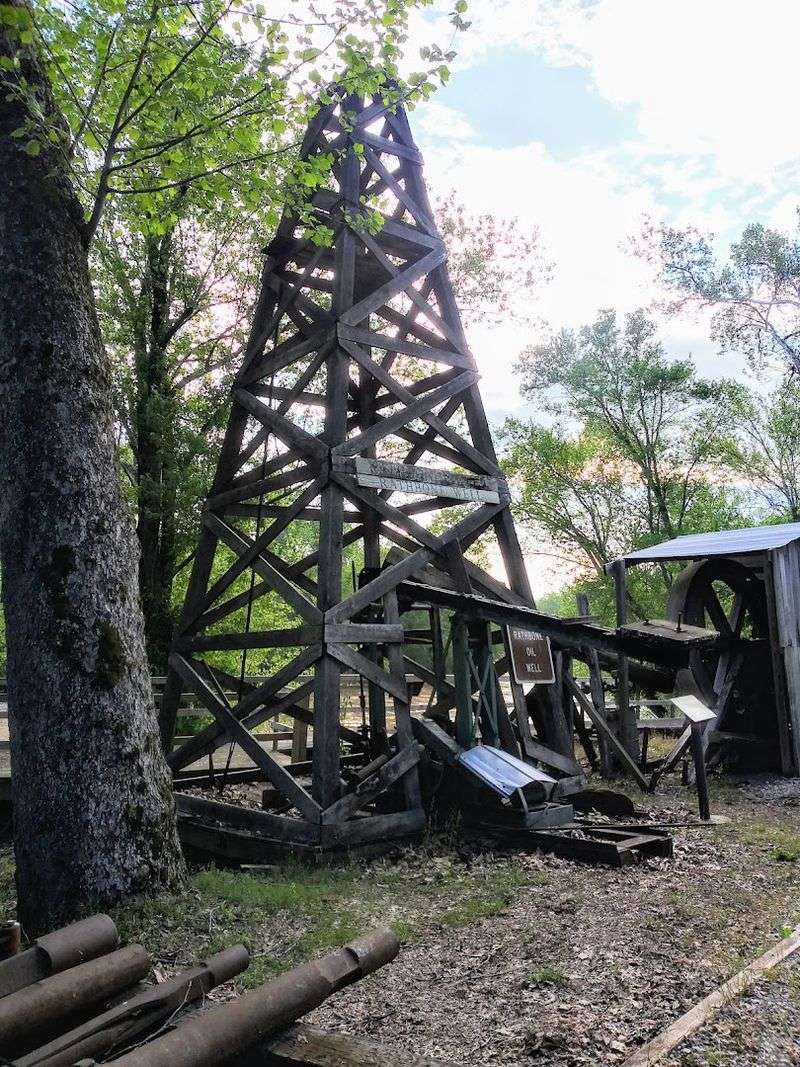
In 1859, Samuel D. Karnes leased a brine well from Cass Rathbone and began pumping seven barrels of oil per day, proving that commercial drilling here was not just possible but profitable.
That single well changed the trajectory of an entire region. The Rathbones themselves drilled just below the mouth of Burning Springs Run shortly after, and what they found was staggering.
Their initial strike yielded 100 barrels daily. Subsequent wells pushed that number past 600 barrels per day, sending shockwaves through the young American petroleum industry.
Word spread with breathtaking speed, and the rush began almost immediately.
By 1861, the population of Burning Springs had exploded to an estimated 10,000 to 15,000 people. The community stretched more than a mile along the Little Kanawha River, filled with hotels, blacksmith shops, machine shops, and stores.
Historians widely recognize it as the first fully developed oil boomtown in the United States. That title belongs here, in this small West Virginia valley, not somewhere else.
Black Gold Changed Everything Overnight
The speed at which petroleum transformed Burning Springs is almost difficult to comprehend. One season it was a quiet rural settlement; the next it was an industrial frontier buzzing with ambition, noise, and commerce.
Oil from the wells here fetched between five and nineteen dollars per barrel at the wellheads, a staggering sum for the era that made the prospect of drilling irresistible.
The logistics of moving that oil to market became an industry unto itself.
Barges and flatboats loaded with barrels navigated the Little Kanawha River downstream to Parkersburg, where the crude was transferred to larger vessels on the Ohio River or loaded onto railroad cars bound for refineries and markets across the country.
The economic ripple effect was enormous.
Every barrel extracted created demand for workers, equipment, housing, and services. The community ballooned to accommodate that demand almost overnight, reshaping its physical landscape completely.
Fields and forests gave way to derricks and roads. The transformation was total, absolute, and astonishing in its pace, a real-life example of how one resource can upend everything around it.
One River Valley Fueled a National Rush
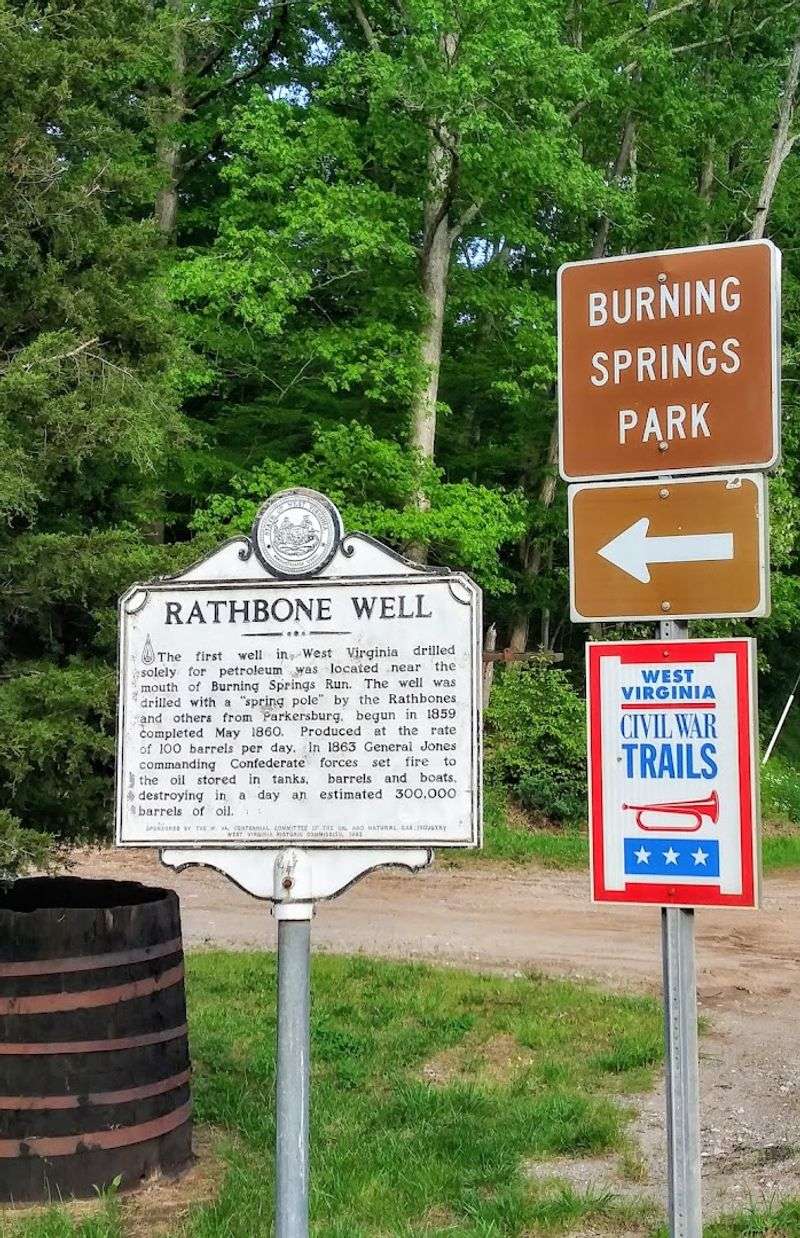
At the outset of the Civil War, Burning Springs was one of only two producing oil fields in the entire world. That fact alone tells you everything about the outsized importance this single river valley carried on the national stage.
The Little Kanawha River, once a quiet and largely overlooked waterway, became a critical artery of American energy supply at exactly the moment the country needed it most.
The success here did not stay local for long. Prospectors, investors, and laborers poured in from across the nation, drawn by the documented proof that oil could be commercially extracted in massive quantities.
The Burning Springs field became the model, the proof of concept, that inspired drilling efforts in Pennsylvania, Ohio, and beyond.
This valley essentially wrote the first chapter of the American petroleum playbook. The methods developed here, the transport systems established, and the commercial frameworks created all fed directly into the broader national industry that followed.
Without this river valley and its productive wells, the timeline of America’s oil story might look very different indeed.
Derricks Once Crowded This Quiet Landscape
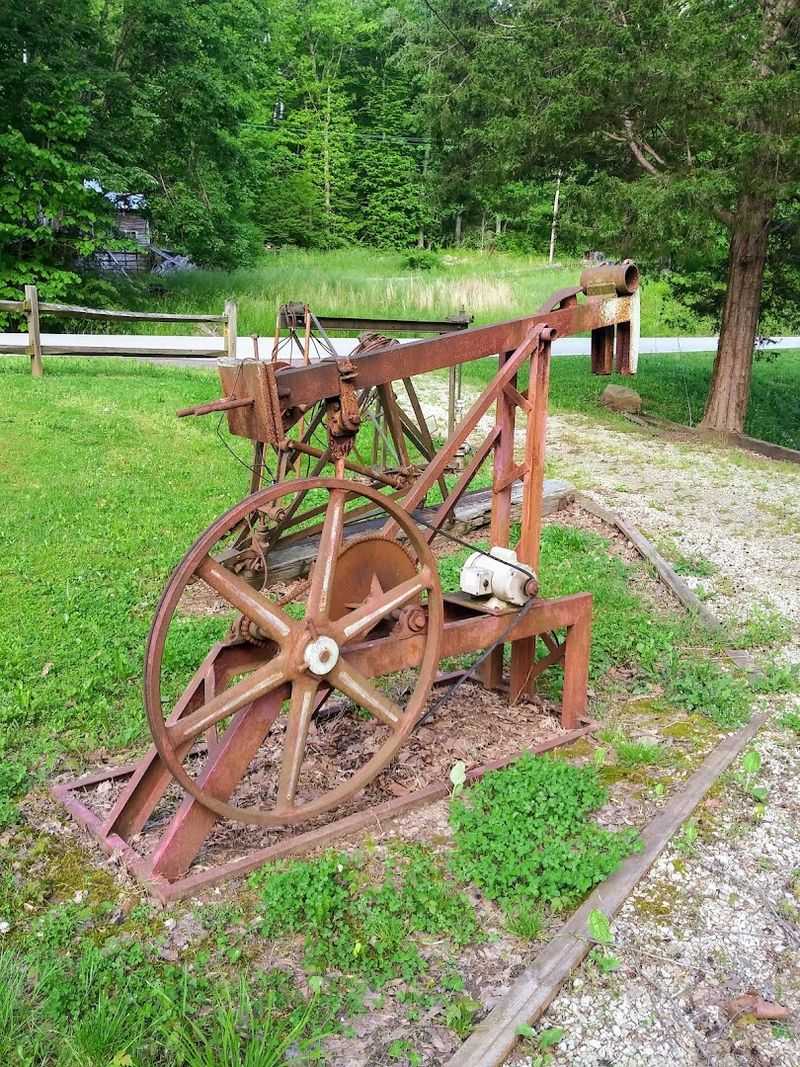
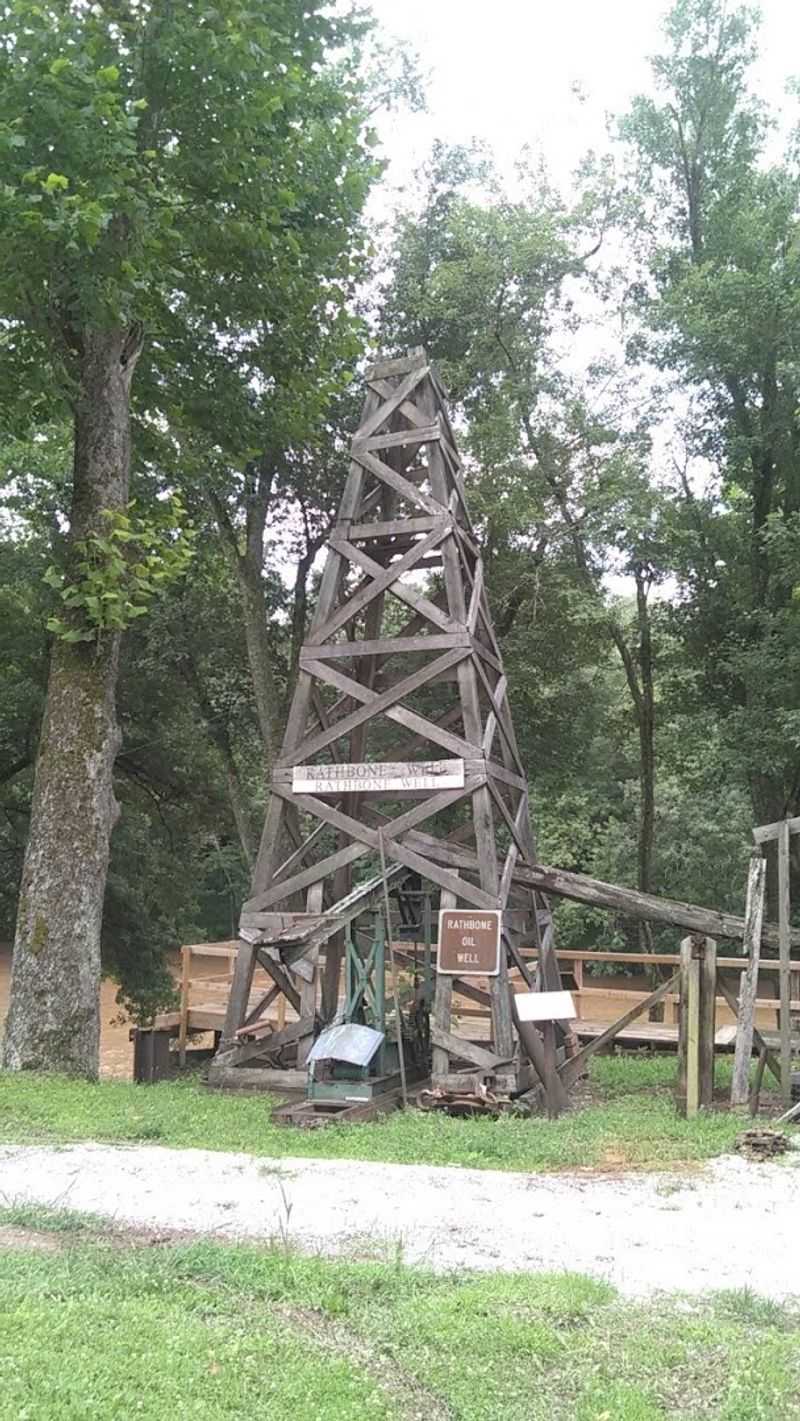
Standing in the peaceful landscape of Burning Springs today, the mind has to work hard to reconstruct what this place once looked like. Hundreds of wooden derricks packed the valley floor, each one a towering symbol of extraction and ambition.
The Rathbones divided their land into 70 one-acre plots and leased them individually to eager drillers, which meant wells were sunk as closely together as physically possible.
The density of the operation was remarkable even by the standards of later oil booms. Workers drilled around the clock, maximizing output from every square foot of productive ground.
The sounds of that era must have been relentless: creaking wood, clanging metal, shouting crews, and the constant rumble of loaded wagons heading for the riverbank.
The visual impact of that many derricks crowded into a narrow valley would have been extraordinary. It created a kind of industrial forest, completely alien to the natural surroundings, yet entirely purposeful.
Every structure had a job, every worker a role, and the whole operation ran with the urgent momentum of people who believed the ground beneath them held infinite wealth.
Fortunes Rose Fast and Vanished Faster
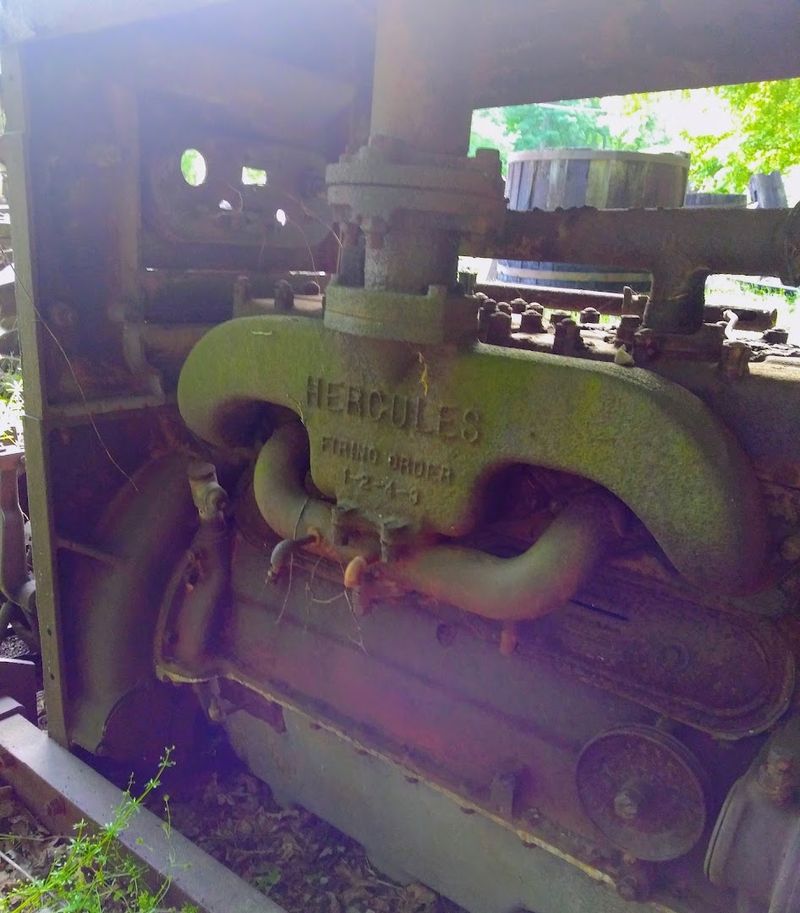
The promise of overnight wealth drew an astonishing cross-section of American society to Burning Springs. Farmers abandoned their fields, merchants left their shops, and adventurers traveled hundreds of miles on the chance that a single lucky drill strike might set them up for life.
For some, that dream came true with stunning speed. Fortunes materialized from the ground with almost no warning.
But the volatile nature of oil production meant that what came up fast could disappear just as quickly. Wells that gushed one season sometimes ran dry the next.
Speculation ran wild, and many investors lost everything they had committed to the venture. The emotional swings of the boom era were as dramatic as the financial ones.
The community itself reflected that instability. Buildings went up in weeks and were sometimes abandoned just as fast.
The frantic pace of development created an atmosphere that was equal parts exhilarating and precarious.
Those who thrived here did so with sharp timing and a good measure of luck, while others departed with far less than they arrived with, leaving behind only the memory of what might have been.
The Civil War Nearly Burned the Boom Away
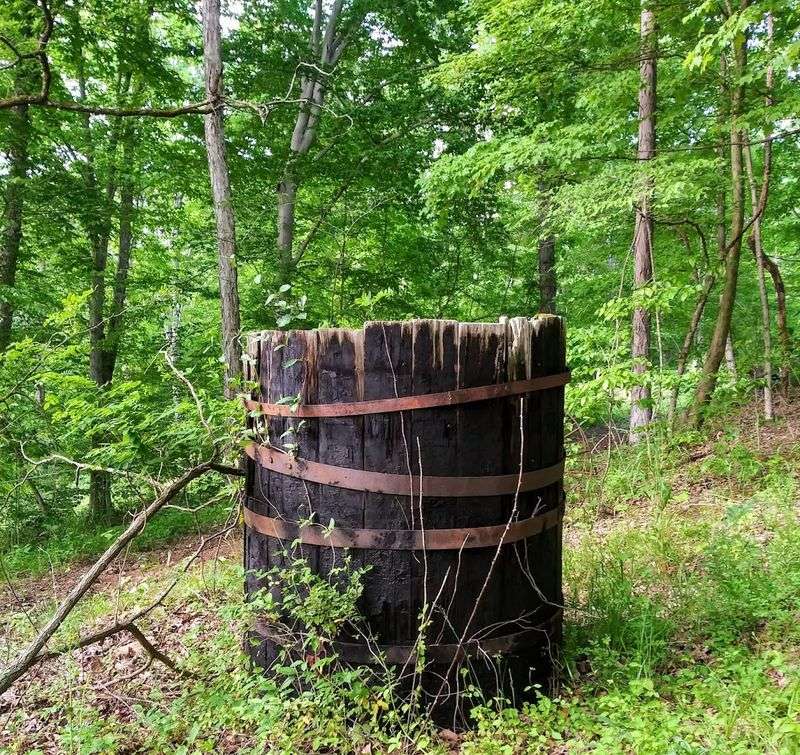
In May 1863, Confederate General William E. Jones led a raid directly targeting the Burning Springs oil fields, making this the first oilfield ever deliberately attacked in modern warfare.
The strategic intent was clear: cripple a vital Union energy resource and disrupt the industrial capacity fueling the Northern war effort. The raid succeeded with devastating efficiency.
Jones’s troops torched every oil well they could reach, along with an estimated 120,000 to 150,000 barrels of crude oil that had been stockpiled and readied for shipment. The resulting inferno was catastrophic in scale.
The Little Kanawha River itself became a river of fire for miles, consuming wooden derricks, storage tanks, boats, and the forested riverbanks along with them.
General Jones reportedly described the scene in a dispatch to Robert E. Lee as one of magnificent destruction, an almost surreal spectacle of industrial annihilation.
The boomtown was left in smoldering ruins. Yet the story did not end there.
Production resumed after the war, and hundreds of additional wells were drilled in the following decades, proving that even fire could not permanently extinguish what the earth here offered.
America’s Oil Story Runs Straight Through Here
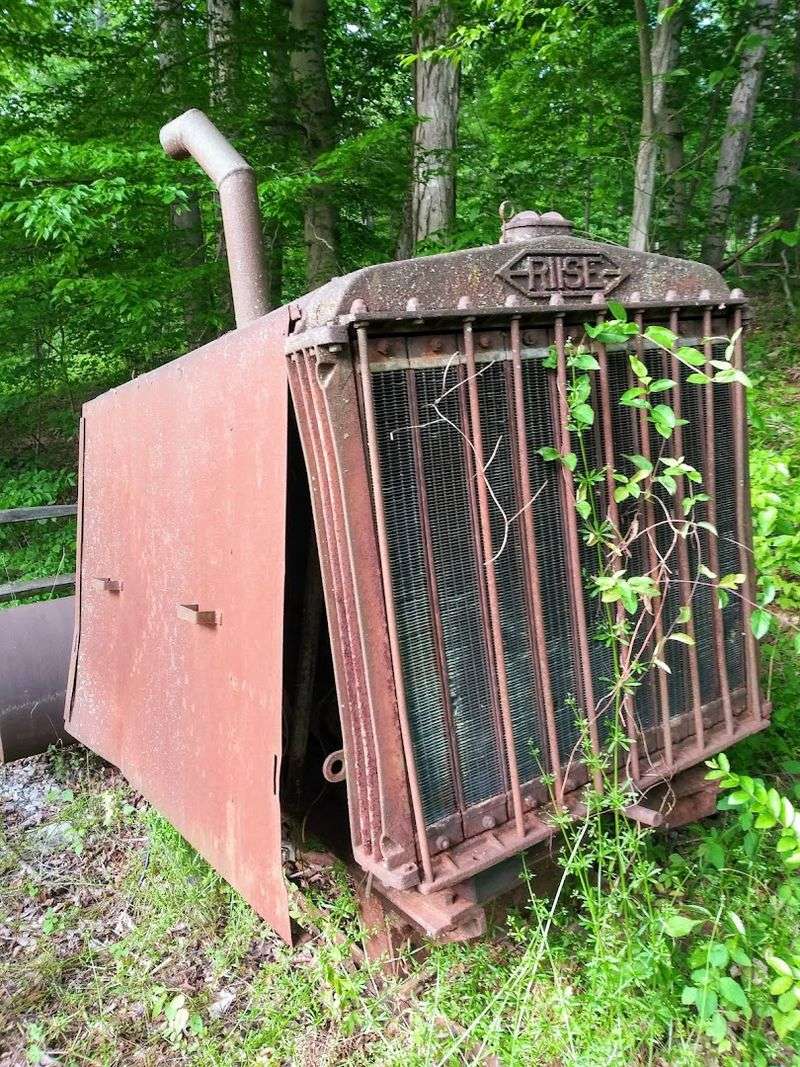
Most people credit Titusville, Pennsylvania, and the Drake Well of 1859 as the birthplace of the American oil industry. But the full story is more complicated, and Burning Springs sits right at the center of that complexity.
Commercial oil extraction for illumination purposes was happening here before Drake’s famous strike, making this West Virginia community a genuine pioneer of petroleum history.
The operations at Burning Springs established foundational practices in drilling, transport, and commercial distribution that shaped the entire industry going forward.
The lessons learned along the Little Kanawha River fed directly into the methods used in Pennsylvania, Ohio, and eventually across the continent.
This was not a footnote; it was a chapter that came before the chapters most people know.
Historians of the energy industry consistently point to Burning Springs as the true commercial starting point for American oil and gas production. The National Register of Historic Places recognized this significance in 1971, adding the site to its rolls.
That designation acknowledges what the ground here has always known: this valley did not just participate in America’s oil story. It started it.
A Sleepy Community With an Explosive Past
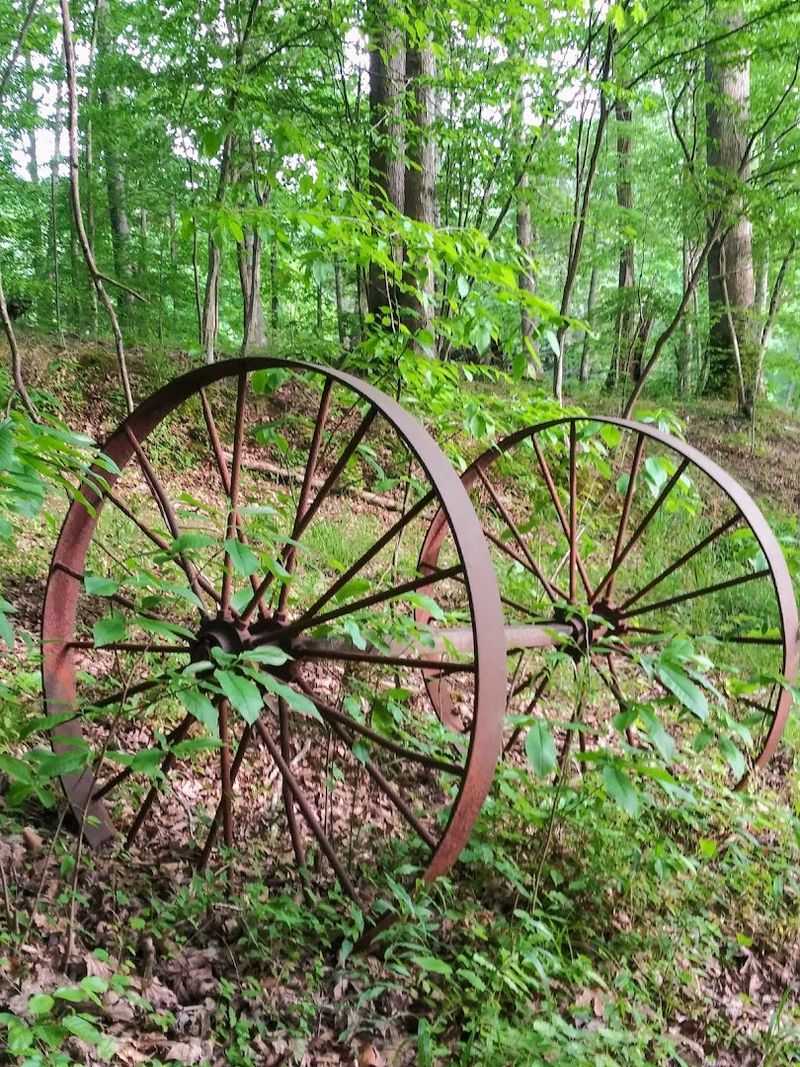
There is something quietly powerful about standing in Burning Springs today. The community has settled into a gentle, unhurried rhythm that gives almost no outward hint of the explosive history buried just beneath its surface.
The hills are green, the river runs easy, and the pace of life here feels far removed from the frantic energy that once defined this exact stretch of the Little Kanawha valley.
That contrast is part of what makes the place so compelling. The same ground that once supported tens of thousands of people and hundreds of industrial wells now holds a much smaller, quieter community.
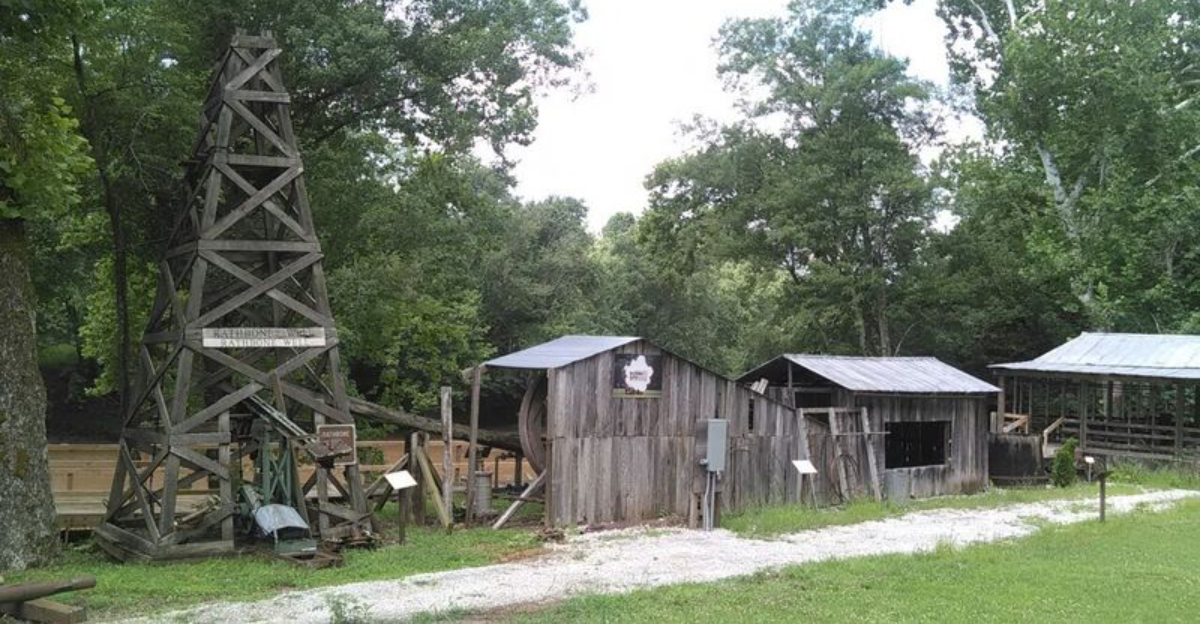
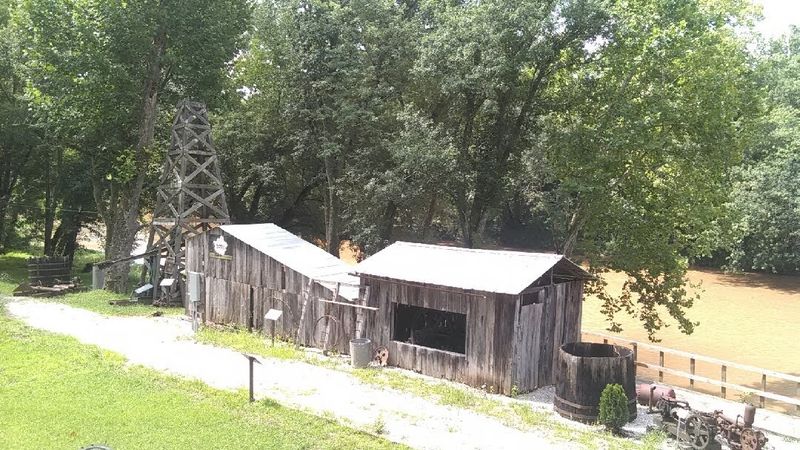
Yet the geological bounty that sparked the boom has not entirely disappeared. Some oil production still continues from remaining wells, including the historic Rathbone well, a living connection to the 1860s.
Visiting here means sitting with that duality, the serene present layered over the turbulent past. Every hill and bend in the river carries a story that most of the country has forgotten.
But forgetting does not erase significance. The explosive past of Burning Springs is as real as the quiet morning air that hangs over it now.
The Boom Is Gone but the Legend Still Burns
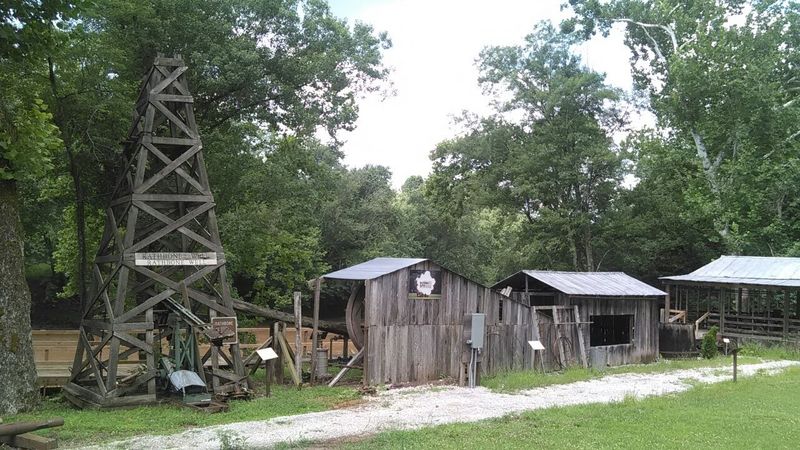
The derricks are gone, the boomtown crowds have long since dispersed, and the roar of an industrial frontier has faded into memory. But the legend of Burning Springs has not quieted.
If anything, the distance of time has made the story more vivid, more remarkable, and easier to appreciate in full. This was a place where history moved at a sprint, where the ground itself rewrote the rules of an entire nation’s economy.
A park and museum were established at Burning Springs to ensure that legacy is preserved and accessible to future generations. The site’s inclusion on the National Register of Historic Places in 1971 cemented its standing as a location of genuine national significance, not just regional curiosity.
These efforts keep the story alive in a tangible way.
The legend burns because the facts are simply too astonishing to let go. The first oil boomtown in America.
The first oilfield targeted in modern warfare. A community that helped launch an entire industry.
Burning Springs earned every word of its remarkable reputation, and that reputation, unlike the boom itself, shows no sign of running dry.
Address: Burning Springs, West Virginia 26141
