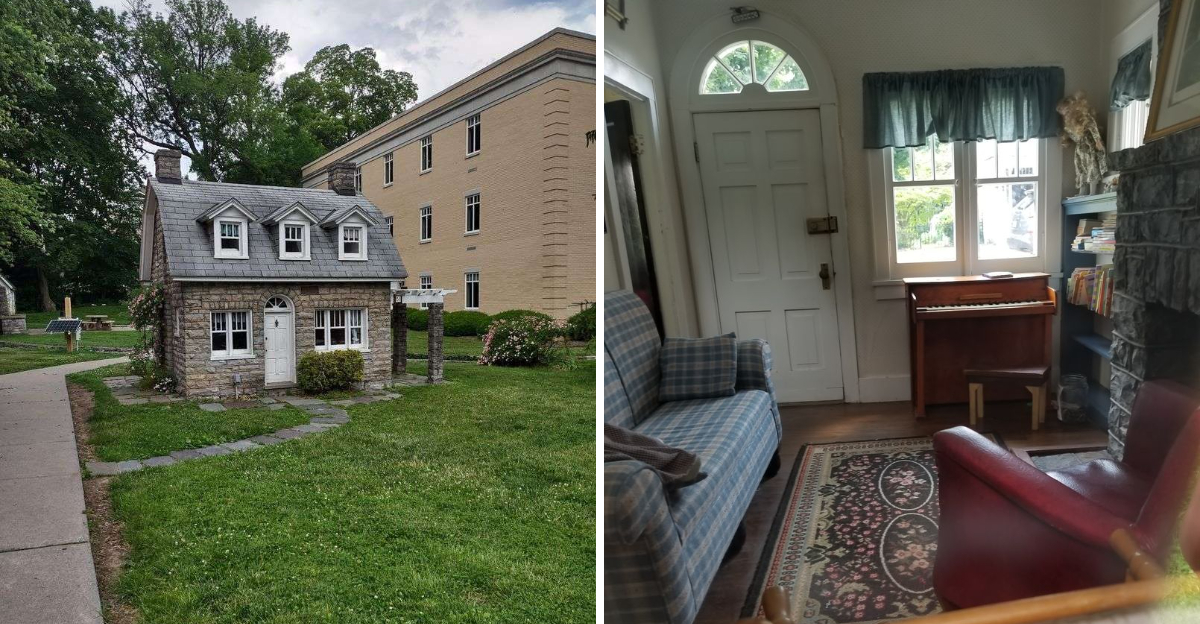
You have never seen a historic landmark quite like this.
This West Virginia treasure stands just ten feet tall. Ten feet. That is shorter than your living room ceiling.
It is a perfectly scaled-down cottage built with local stone by a teacher who wanted kids to learn by doing.
Students and tradespeople built the whole thing together, complete with a working fireplace, electric lights, and tiny furniture you can actually see through the windows.
Across a stream, a matching miniature barn keeps it company. It is the kind of place that makes you feel like a giant in the best way possible.
After years of restoration, this little gem is finally back.
Bring your curiosity. Leave your adult-sized worries at the gate. You will not regret it.
A Storybook Cottage Standing Barely Ten Feet Tall
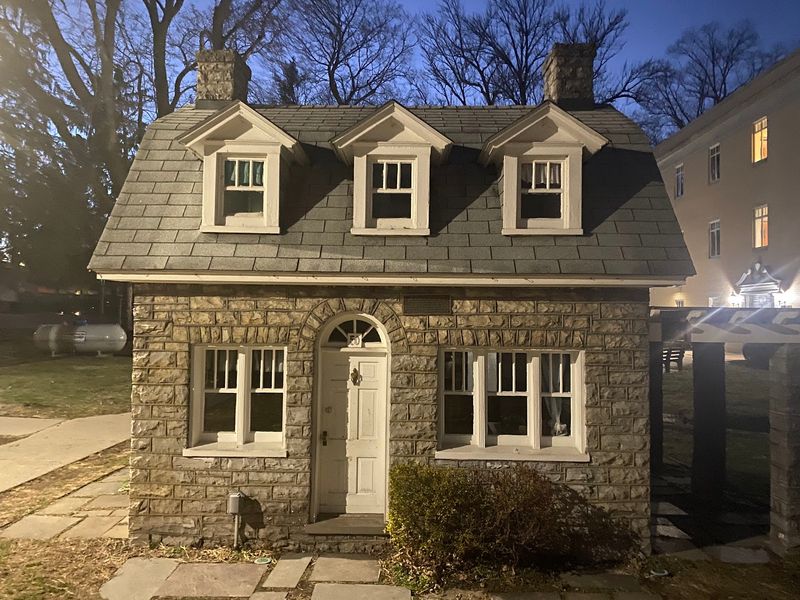
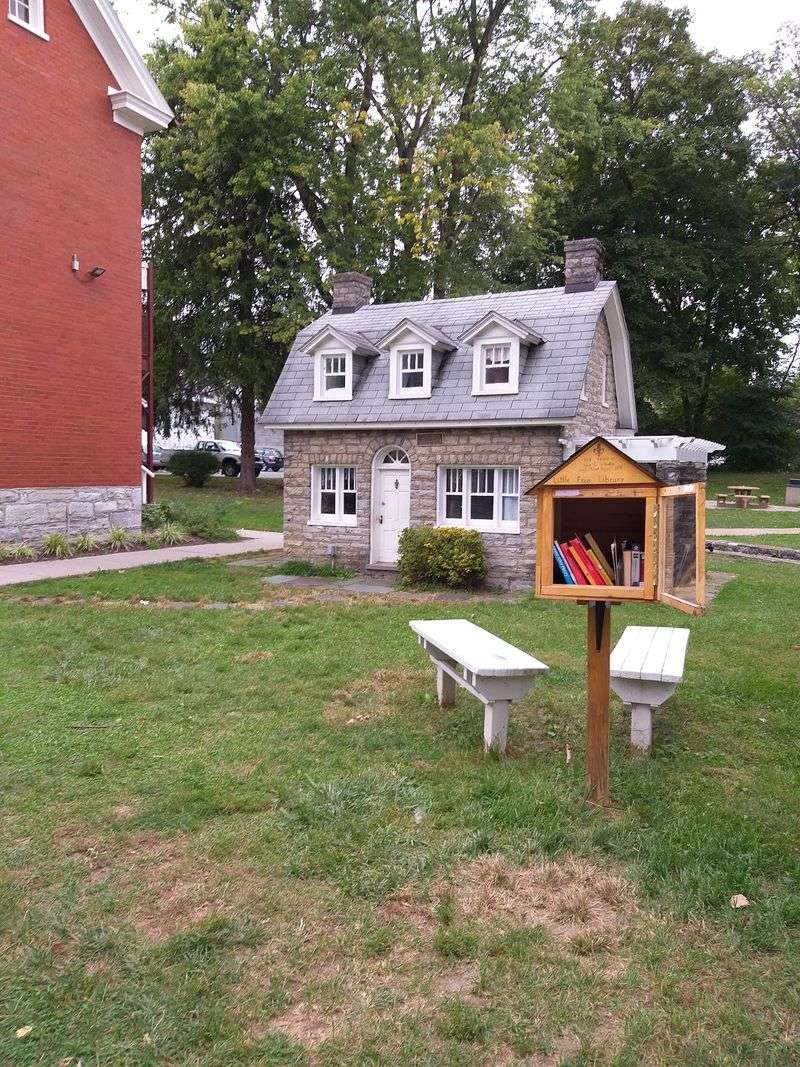
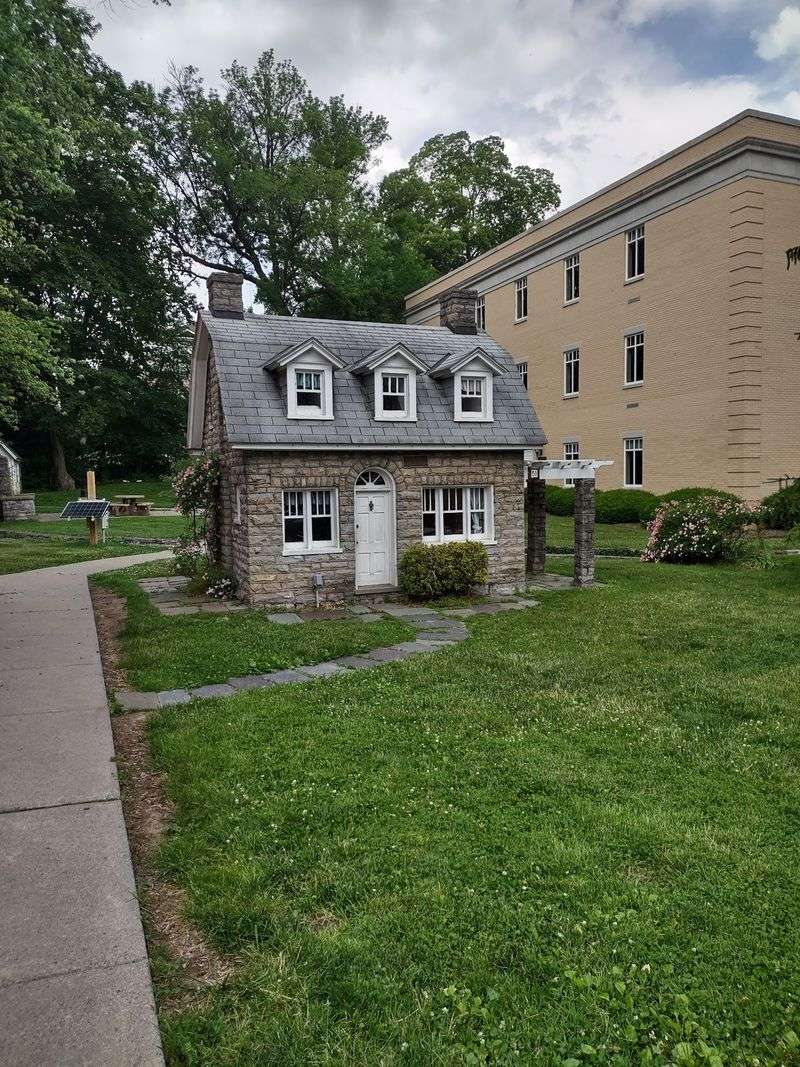
The scale is the first thing that scrambles your brain a little. Standing on North Princess Street, the Little House looks like a full farmhouse that got left in the dryer too long, rising only about ten feet from the ground.
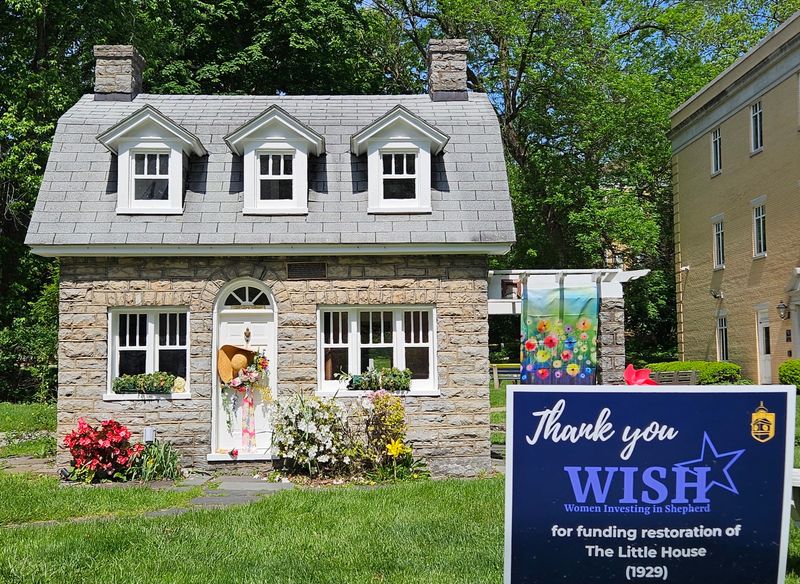
Officially it carries the name Florence Shaw Demonstration Cottage, though almost nobody calls it that. It is a two-story dollhouse made real, with proper stone walls, proper windows, and a proper roof.
What makes it work is that nothing feels cheap or gimmicky. Every element is scaled down with care rather than simply made smaller, which is why it reads as a genuine home instead of a decoration.
Visiting takes no planning at all. The site sits along a quiet lane, open around the clock, so a quick stop fits easily into any wander through town.
Bring a camera and crouch low for the best angle. Photographing it from a standing position flattens the effect, while a lower view makes the whole miniature illusion land beautifully.
Built In The Late 1920s For A Very Clever Reason
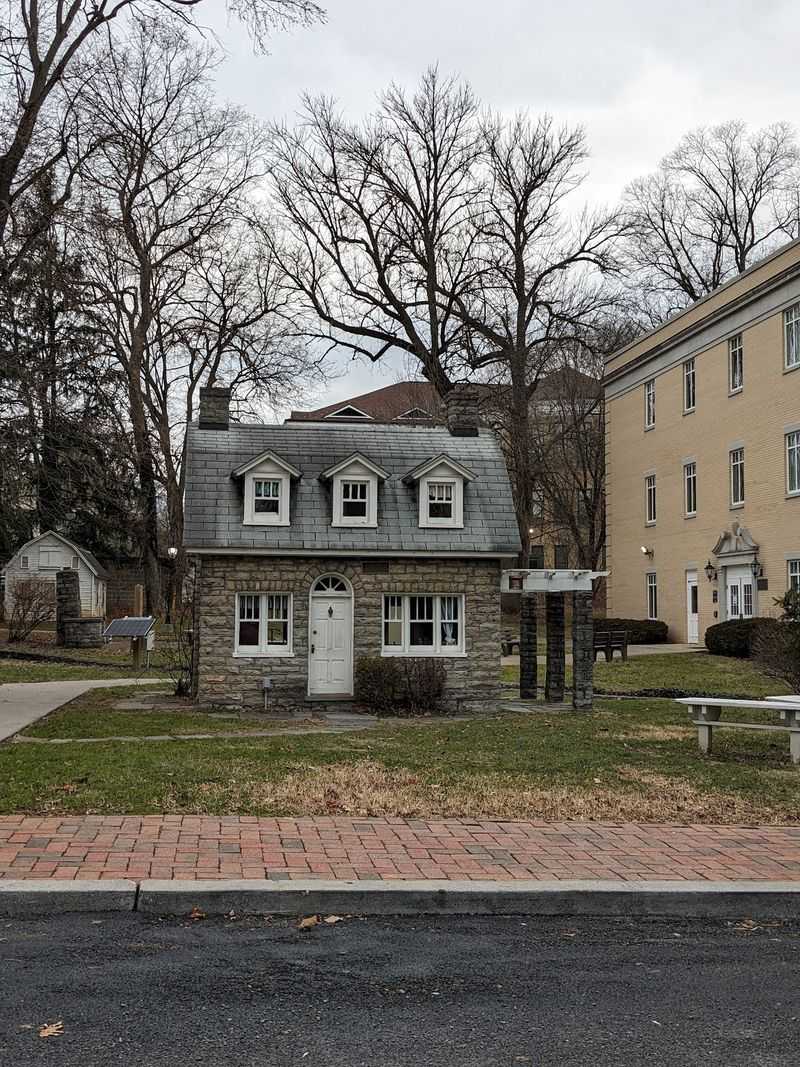
Behind the cuteness sits a genuinely smart idea. In the late 1920s, Florence Shaw supervised teacher training at Shepherd College and wanted her student-teachers to practice on real children rather than imaginary ones.
So she had a house built. Not a classroom, not an auditorium, but a small working home where lessons could happen inside something that felt lived-in and familiar.
Summer school suddenly became something children looked forward to. Instead of sitting at desks copying notes, they moved through rooms, handled objects, and learned by doing.
That approach feels surprisingly modern for a project nearing its hundredth birthday. Hands-on learning is standard advice now, yet here it was already carved into limestone back then.
Knowing this changes how the building looks. What seems purely whimsical at first glance was actually a serious educational experiment dressed up in an irresistibly small package, and that combination is exactly why it still draws curious visitors down a side street today.
The One-Acre Miniature Farm That Taught Kids About Food
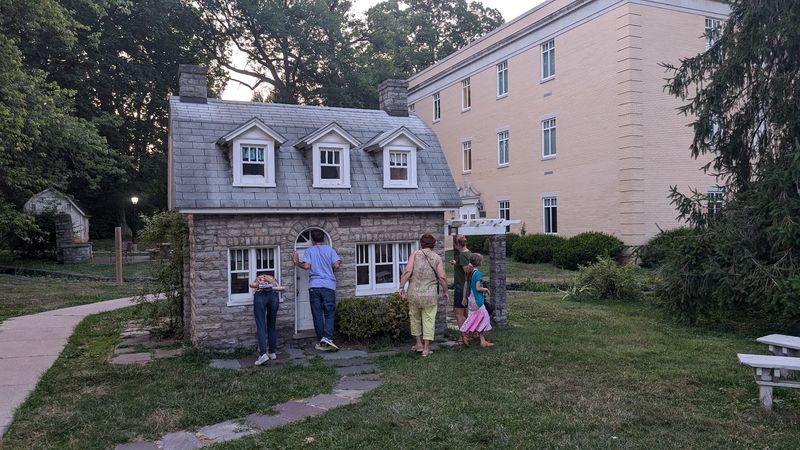
Here is the part food lovers will appreciate most. The cottage did not stand alone originally; a full one-acre miniature farm spread around it, modeled after the working farms of the Shenandoah Valley.
Children helped research those real farms first. Then they cleared the land, planned the layout, and planted crops with their own hands.
Lessons about food did not come from a textbook chapter. They came from dirt under fingernails, seeds in rows, and the slow wait for something edible to appear.
That kind of teaching sticks. A kid who has grown a single vegetable understands grocery stores differently for the rest of their life, and that was clearly the point.
Standing on the grounds today, it takes only a small mental leap to picture those tidy little fields. The connection between soil and supper was the whole curriculum here, which makes this humble landmark quietly meaningful for anyone who cares about where meals begin.
A Kitchen Small Enough To Make You Grin
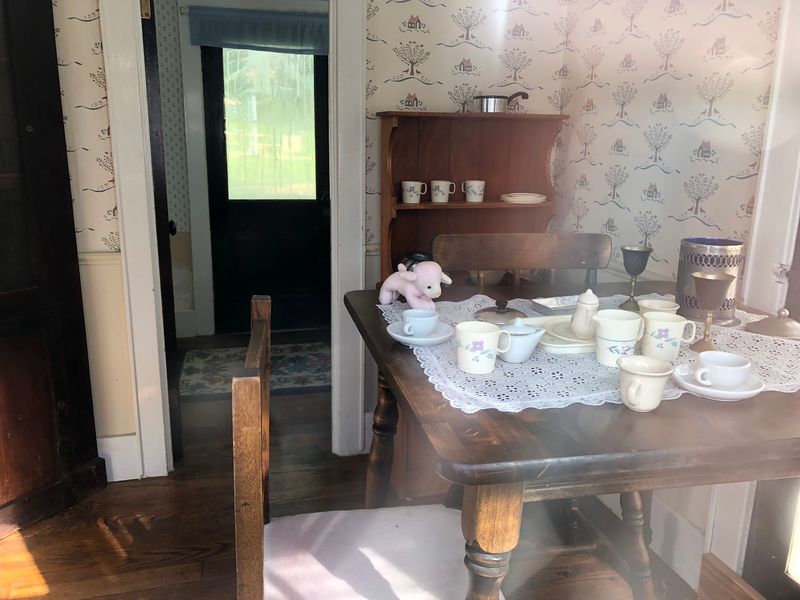
Peeking through the windows reveals the detail that gets the biggest reaction: a kitchen built to child scale. Tiny cupboards, tiny dishes, everything sized for small hands rather than grown ones.
Cooking lessons here would have been wonderfully practical. Simple meals, wholesome ingredients, and the basics of feeding a family were exactly the sort of skills the cottage was meant to pass along.
A working fireplace sits inside too, which hints at older cooking methods and gives the space a warm, real-home feeling rather than a museum stillness.
The kitchen also closes the loop on the farm outside. Crops grown in the little fields could travel a few steps indoors and become something to eat, which is about as clear a food lesson as anyone could design.
Come with an appetite for whimsy. Standing beside a kitchen this small makes anyone feel like a friendly giant, and the grin it produces is completely involuntary.
Dutch Colonial Charm Carved From Native Limestone
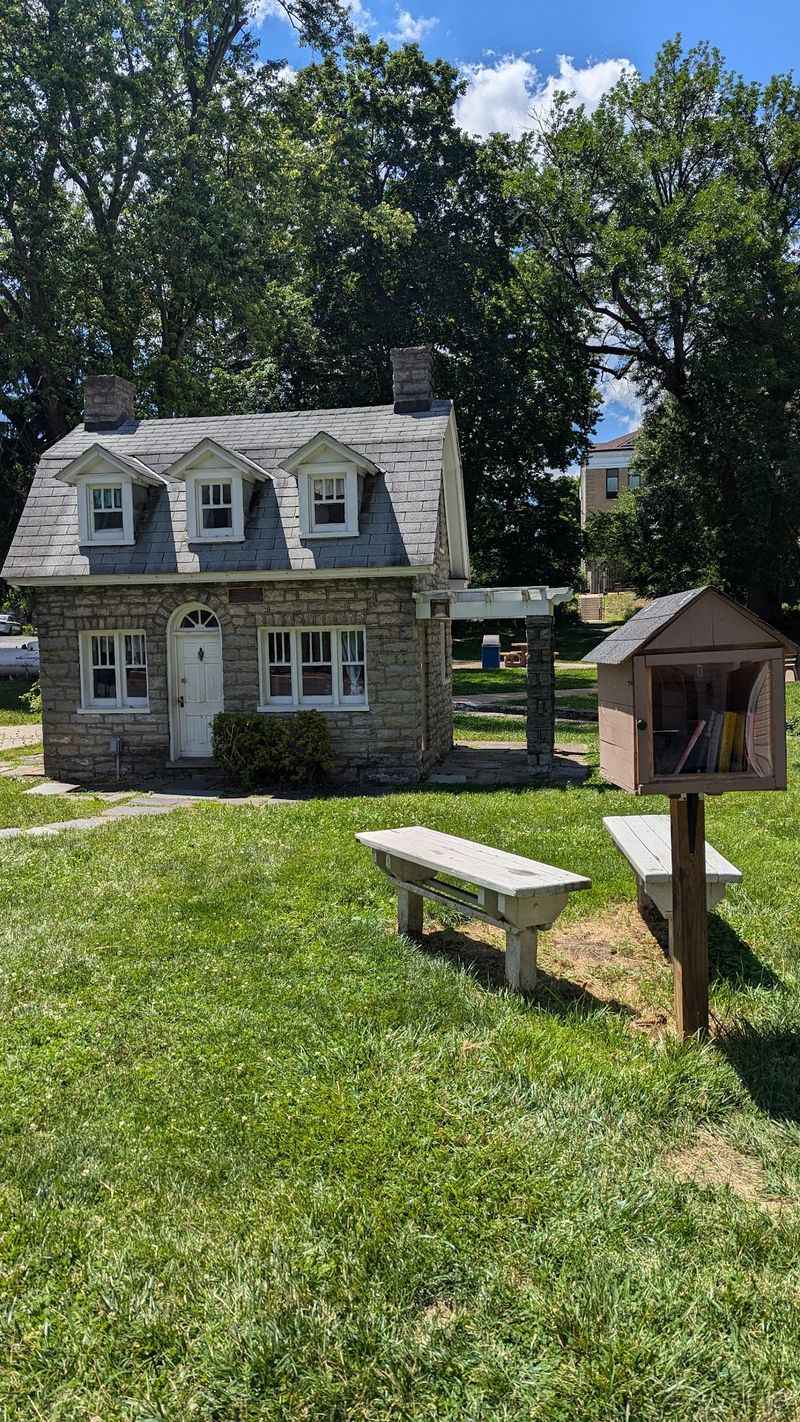
Architecture nerds get a treat here. The cottage follows a Dutch Colonial Revival style, complete with a gambrel roof, that distinctive double-sloped shape that makes barns look like barns.
Native limestone forms the walls, so the building feels rooted in the region rather than dropped in from elsewhere. The stone gives it weight and permanence despite the tiny footprint.
Local stonemason Charlie Jones, known around town by the nickname Big Moustache, laid that masonry. His work is precise enough that the small scale never reads as sloppy or simplified.
Look closely at the joints and corners. The care in each stone placement explains why this structure has held up through decades of weather and curious visitors.
Proportion is the real magic trick. Everything relates correctly to everything else, so your eye accepts it as a house first and only afterward realizes how absurdly small that house actually is.
Rooms Furnished Like A Real Home, Just Shrunken
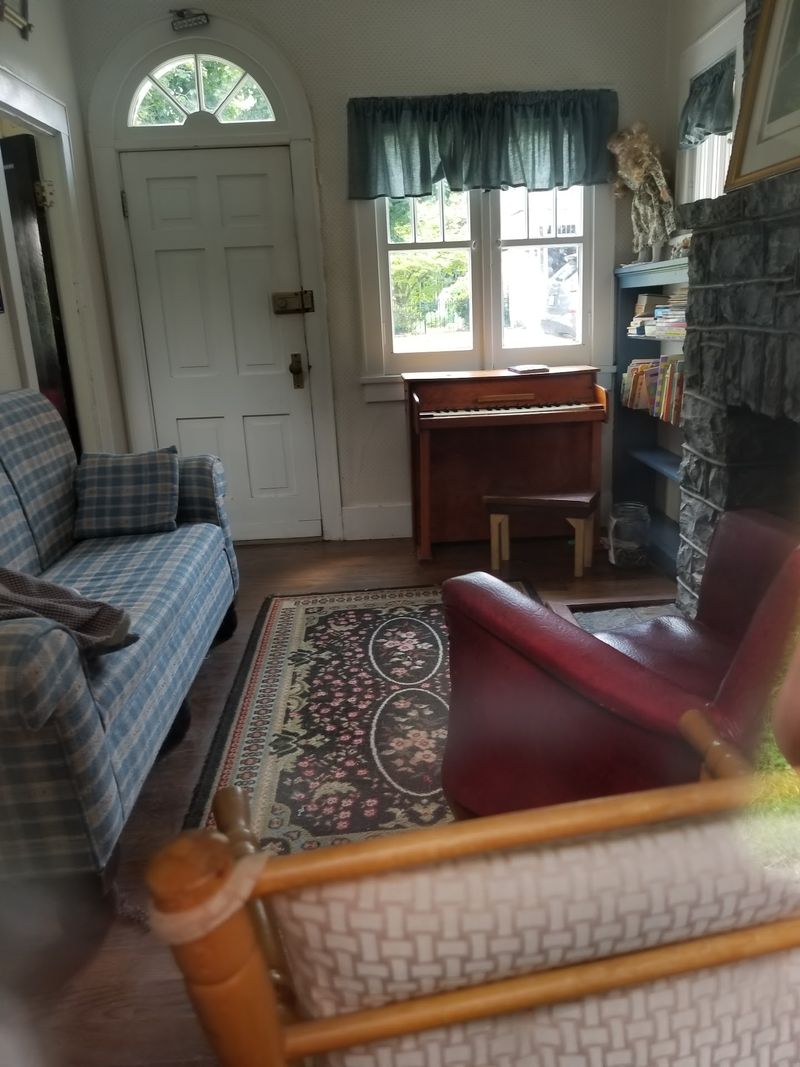
Two floors. Inside a house barely taller than a doorway, there are two actual floors, arranged with a living room, a dining area, and bedrooms.
Furnishings historically matched that scale perfectly. Small chairs, a small table, delicate little dishes set out as though someone might arrive for supper at any moment.
Electric power and that working fireplace pushed the illusion further. The place was not a display case; it functioned, which is why children believed in it while they learned there.
Anyone who ever loved a dollhouse will feel a pull of nostalgia standing at these windows. The difference is that this dollhouse has real stone walls and a real chimney.
Furnishings have come and gone over the years depending on restoration work, so expect the interior view to vary. Even empty, the rooms tell you plenty about how carefully this small world was imagined.
The Companion Barn Across Town Run
Most visitors spot the house and stop there, which means the barn gets overlooked. It sits across Town Run, built in the same Dutch Colonial Revival style with its own gambrel roof.
Scale-wise, it matches its neighbor. A tiny barn for a tiny farm, which is exactly the sort of logic that makes this whole site so satisfying.
Originally the barn anchored lessons about the rest of farm life. Caring for animals, storing harvested crops, and understanding how a working property actually runs were all part of the picture.
These days it serves the university as storage space, so the interior is not part of a visit. The exterior alone is worth the extra thirty seconds of walking.
Seeing both structures together completes the story. House plus barn plus fields equals a small food system, laid out for children in a form they could walk through and understand.
Fifth And Sixth Graders Helped Build The Whole Thing
Imagine being ten years old and helping design an actual building. That happened here, because fifth and sixth graders took part in nearly every stage of the project.
They studied Shenandoah Valley farms for reference. They helped clear the lot, contributed ideas for the farm buildings, and worked alongside student-teachers throughout.
Ownership changes how kids treat a place. When you have hauled brush off a piece of land, you tend to care what happens to it afterward, and that was part of the lesson.
Practical skills came bundled with softer ones. Teamwork, patience, and the ability to see a long project through were all baked into the experience.
Food knowledge landed hardest of all. Growing crops on ground they had cleared themselves gave those children a direct answer to a question most people never really consider, which is how meals arrive on a table in the first place.
Still Standing, Still Cared For, Still Delightful
Nearly a century on, the cottage is still here and still holding much of its original character. Shepherd University counts it among its treasures, and the town clearly considers it a mascot of sorts.
Restoration work has happened thanks to community support, which is why the stonework and roof still look sharp instead of tired.
Special events sometimes open the building for closer looks, so checking ahead is worthwhile if peeking inside matters to you. Otherwise the exterior is accessible any hour of any day.
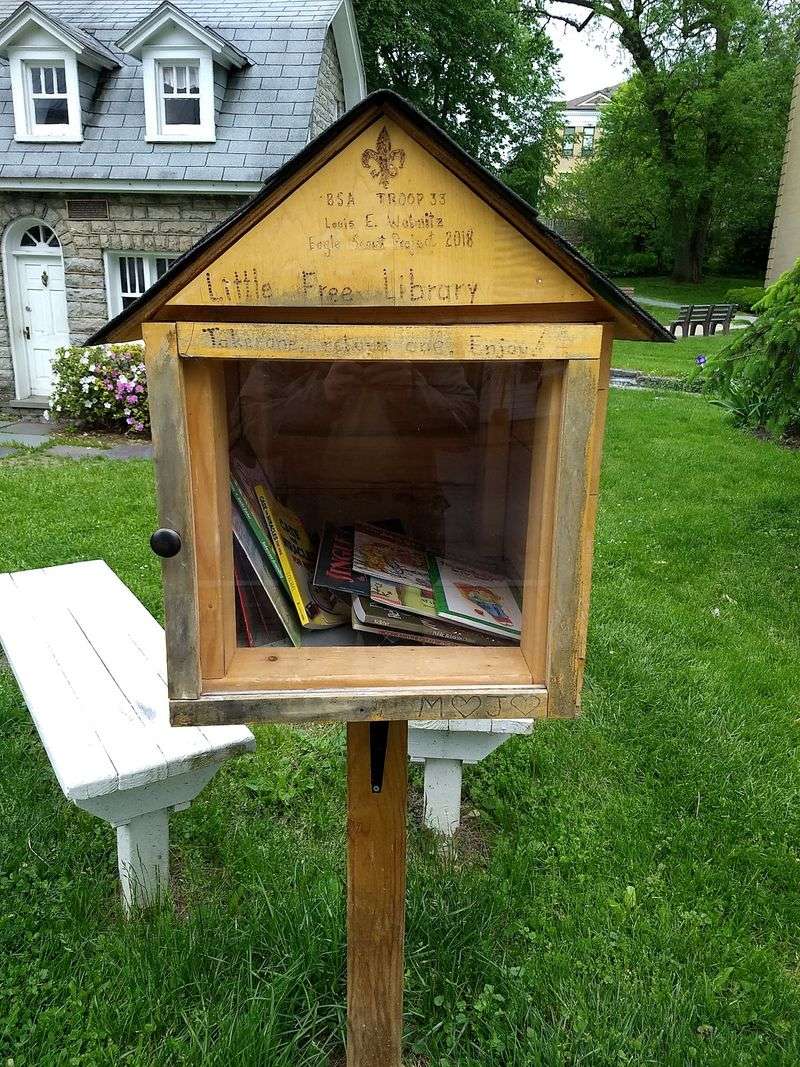
The grounds add to the appeal. A native plant garden and a few picnic benches give visitors a reason to linger rather than snap a photo and leave.
Kids adore it, which surprises nobody. Small explorers get a building sized closer to their own world, and grown-ups get a rare chance to feel enormous while standing perfectly still.
A Food Story Hidden Inside A Tiny Building
No meals are served here, and yet the place belongs on any food lover’s list. Its entire purpose was wrapped around growing, harvesting, and preparing food at a scale children could grasp.
Standing on the grounds gets the imagination moving. Little crop rows, a tiny kitchen, a small barn for storage, all working together the way a real farmstead once did.
Historic foodways can feel abstract in a textbook. Here they feel tangible, because the whole lesson was built in stone and planted in soil rather than printed on a page.
The takeaway is simple and worth carrying home. Food takes effort, knowledge passes between generations, and simple ingredients fed entire communities for a very long time.
Plan a slow visit rather than a quick one. Sit at a bench, look at the little house, and let the food story behind it settle in properly.
Address: 120 N Princess St, Shepherdstown, West Virginia
