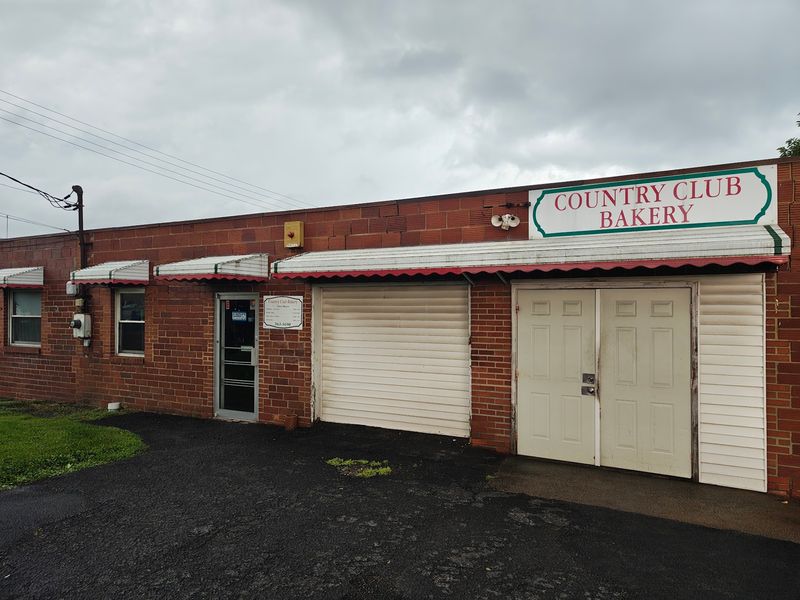
Nearly a century ago, a former coal miner reportedly stuck sticks of pepperoni inside bread dough and changed lunch in West Virginia forever. He wasn’t chasing fame.
He just wanted a meal that could ride into a mine and survive a long shift without a fridge.
The bakery tied to that story is still turning out rolls today. It sits on a quiet road in a small city, and it looks more like a neighborhood stop than a food landmark.
I love that detail.
The pepperoni roll now shows up in gas stations, school lunches, and church bake sales across the Mountain State. Plenty of places make one.
Only a couple can claim they made the first.
So what does the reported birthplace of a state icon actually look like? And how did a humble miner’s snack climb all the way to the top of West Virginia’s food pride?
1. Country Club Bakery
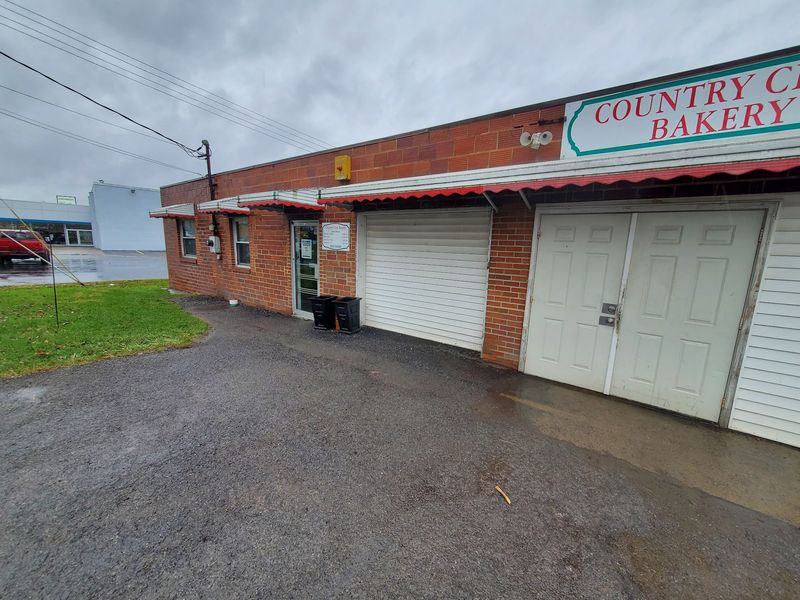
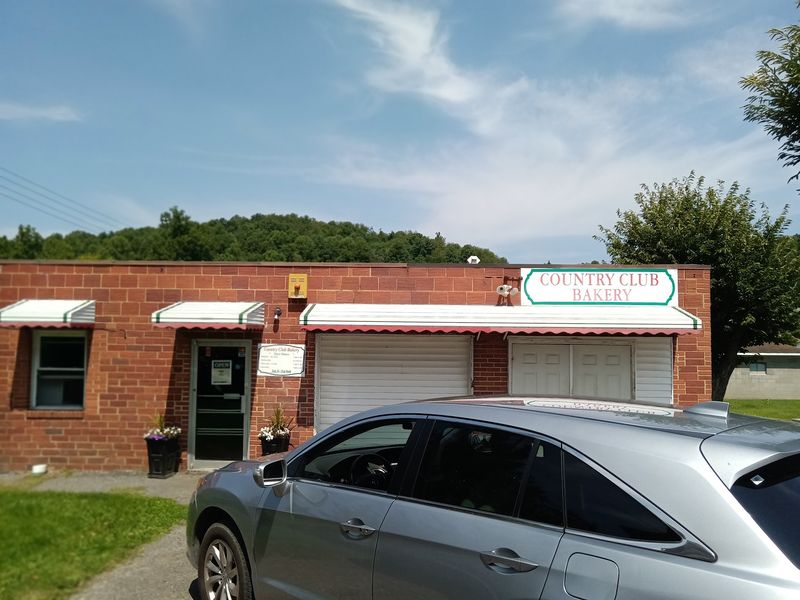
The name sounds fancy, but the bakery takes it from Country Club Road, not a golf membership. Country Club Bakery in Fairmont, West Virginia, is the spot most often credited with inventing the pepperoni roll.
You won’t find a towering sign or a flashy dining room here. It’s a modest bakery with a big reputation and a very focused mission.
That focus is part of the charm. The bakery is best known for its pepperoni rolls, and it doesn’t try to be a sit-down restaurant or a trendy cafe.
For a place with this much history, the low-key setup feels fitting. The roll began as working people’s food, after all.
Many West Virginians treat a stop here as a kind of food pilgrimage. Food writers and travel shows have pointed readers to this bakery for years when telling the pepperoni roll story.
If you grew up with these rolls in your lunchbox, the visit may feel like meeting a famous relative. If you’re new to them, it’s a pretty great place to start.
Either way, you’re standing where a statewide habit reportedly began. Not bad for a small building on a side road.
Address: 1211 Country Club Road, Fairmont, WV 26554
2. Giuseppe Argiro
Before he was a baker, Giuseppe Argiro reportedly worked in the coal mines of north central West Virginia. Like many Italian immigrants of his era, he came to the region for mining jobs.
That background matters. He knew firsthand what miners needed to carry underground, because he had carried it himself.
Argiro later opened Country Club Bakery in Fairmont. Most accounts credit him with creating the pepperoni roll there in 1927.
You can see the logic of a former miner turned baker. He understood the job, and he understood dough.
His idea pulled from a common habit among Italian miners. Many reportedly packed bread and a stick of pepperoni separately for lunch.
Argiro simply combined the two. One tidy roll replaced a loose bundle of food, and it was easier to eat with dirty hands.
Sometimes the best inventions aren’t brand new ideas at all. They’re smart shortcuts that make everyday life a little easier.
Today his name comes up whenever folks debate who made the first pepperoni roll. That’s quite a legacy for one practical lunch fix.
Address: 1211 Country Club Road, Fairmont, WV 26554
3. The Coal Mine Lunch Problem
Lunch underground in the 1920s didn’t come with a microwave or a cooler. Miners needed food that could sit in a pail for hours and still be safe to eat.
Cured pepperoni solved a big part of that puzzle. It holds up well without refrigeration, which made it a smart choice for long shifts.
Bread was the other half of the answer. Wrapped around the pepperoni, it turned two pantry staples into one sturdy meal.
No plate was needed. No fork either, which mattered when hands were covered in coal dust.
Think about how practical that is. A miner could pull out a roll, eat it in a few bites, and get back to work.
That’s why so many people still call the pepperoni roll a coal camp food. Its shape and ingredients reportedly grew straight out of the demands of the mines.
West Virginia’s coal history shows up in a lot of places, from old company towns to museums. It also shows up in your snack bag, which is a fun twist.
Next time you grab one, you’re eating a little piece of that working history.
Address: 1211 Country Club Road, Fairmont, WV 26554
4. 1927
Some food origin stories are fuzzy. The pepperoni roll’s most popular one comes with a specific year: 1927.
That’s the date most often linked to Country Club Bakery and Giuseppe Argiro. It puts the roll’s birth almost 100 years in the past.
Do the math and you’ll notice something exciting. The pepperoni roll’s centennial is coming up soon.
That gives the bakery’s claim a nice sense of timing. Few small bakeries can say they’re tied to a food that’s nearly a century old.
Of course, food history can be slippery. Recipes were rarely written down, and many families made similar snacks at home.
Still, 1927 has become the anchor date in most retellings. It’s the year that shows up in news stories, food guides, and local lore.
Back then, Fairmont was surrounded by mining activity. A bakery selling a miner-friendly roll would have had plenty of hungry customers nearby.
It’s fun to picture how ordinary that first batch probably seemed. Nobody at the counter likely guessed it would become a symbol of the whole state.
Address: 1211 Country Club Road, Fairmont, WV 26554
5. The Stick Method
Sliced or sticks? Ask a pepperoni roll fan that question and you might start a friendly debate.
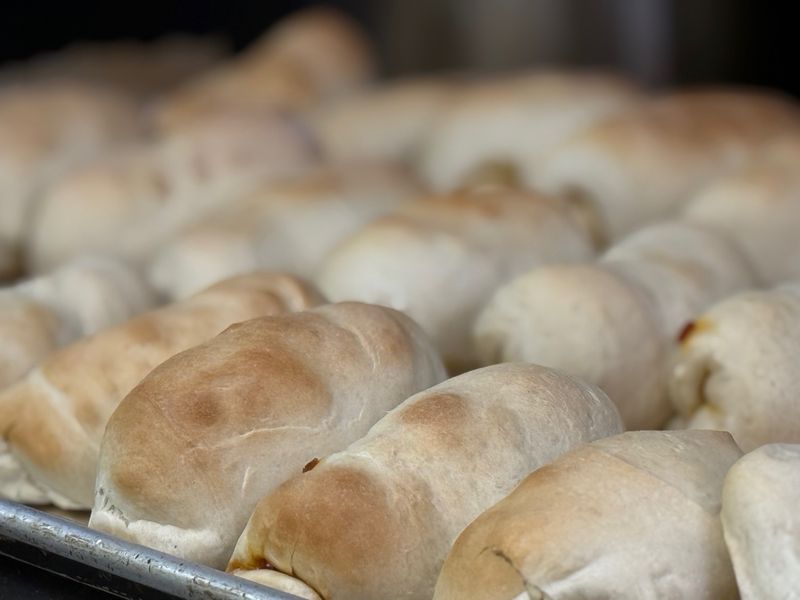
Country Club Bakery is known for baking sticks of pepperoni into its rolls. That style is often described as the original approach.
Sliced pepperoni spreads the flavor out in thin layers. Sticks give you a firmer, meatier bite right down the middle.
Neither one is wrong, but the stick version feels closest to the roll’s roots. It mirrors the way miners reportedly packed whole sticks of pepperoni with their bread.
Some bakeries around West Virginia also add cheese or peppers. Those versions are popular, and you’ll see them at plenty of shops and stores.
The classic idea, though, is wonderfully simple. Bread and pepperoni do the heavy lifting together.
If you like trying food the way it was first made, this matters. You get a taste of the roll before decades of add-ons and variations.
And honestly, there’s something satisfying about a snack with only two main ingredients. It proves you don’t always need extras to make something memorable.
Address: 1211 Country Club Road, Fairmont, WV 26554
6. Bread That Soaks Up The Flavor
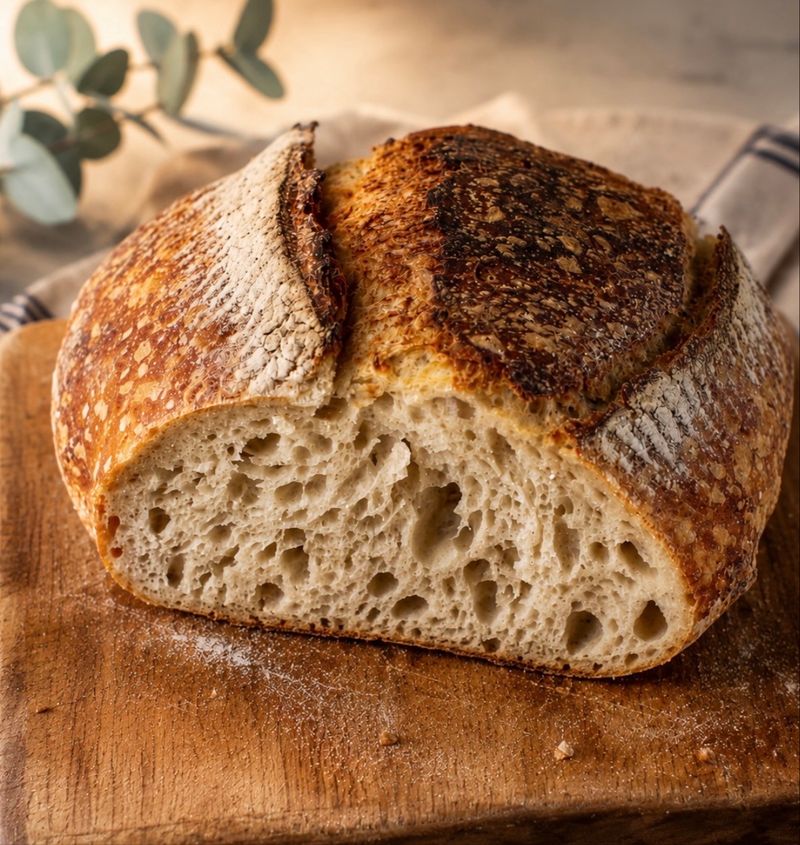
Here’s the delicious science lesson nobody assigned in school. When pepperoni bakes inside dough, its oils seep into the bread around it.
That creates the reddish, flavor-packed spots fans love. The bread doesn’t just hold the meat, it borrows its seasoning.
This is a big reason the stick method works so well. A thick piece of pepperoni releases its flavor right into the center of the roll.
The result is a snack that tastes good warm or at room temperature. That second part was a huge deal for miners without a way to heat their lunch.
It’s also why pepperoni rolls travel so well today. Families toss them into coolers for road trips, hunting camp, and ball games.
Parents especially appreciate food that needs no prep at the picnic table. Hand one over and the job is done.
The bread itself plays a supporting role you shouldn’t overlook. A soft roll keeps the whole thing easy to bite, even for younger eaters.
So when you take a bite, notice that tinted bread. It’s the flavor trick that made a simple idea last nearly a century.
Address: 1211 Country Club Road, Fairmont, WV 26554
7. The Friendly Rivalry With Tomaro’s
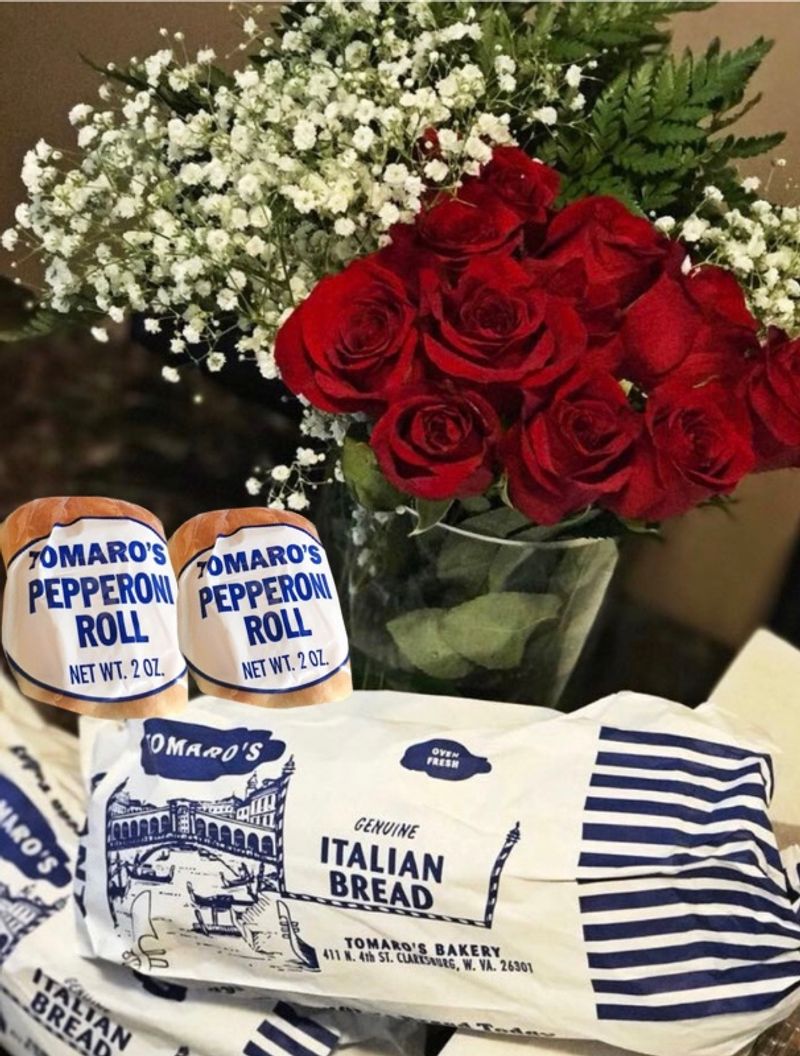
Every great origin story needs a little drama. For the pepperoni roll, that drama lives about 25 miles down the road in Clarksburg.
Tomaro’s Bakery, founded in 1914, is often mentioned as another early pepperoni roll maker. Some locals point there when the question of who came first comes up.
Country Club Bakery still carries the more widely repeated claim. Most food histories credit Argiro and Fairmont with the invention.
The truth may be a bit messier, as food history often is. Italian bakeries across north central West Virginia served the same mining families with similar tastes.
That’s what makes the debate fun instead of bitter. Both bakeries reflect the same immigrant community and the same practical needs.
If you’re a true fan, why not try both? A Fairmont and Clarksburg tasting day makes a pretty tasty little road trip.
You can form your own opinion on style, size, and flavor. Just be ready to defend it at the next family reunion.
Either way, the rivalry shows how much pride West Virginians take in this roll. People don’t argue this hard about foods they don’t love.
Address: 1211 Country Club Road, Fairmont, WV 26554
8. From Bakery Counter To State Icon
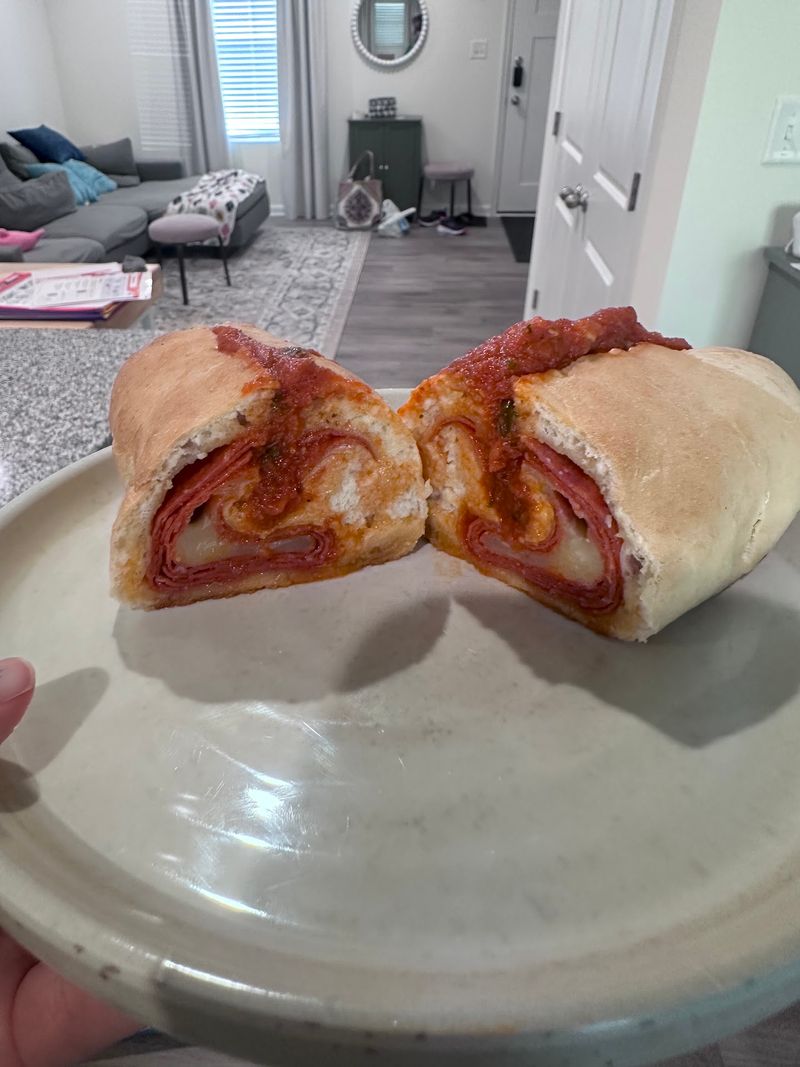
Few snacks can claim a fan club as big as an entire state. The pepperoni roll comes awfully close in West Virginia.
You’ll find versions in grocery stores, gas stations, school cafeterias, and fundraisers. It’s become one of the foods people most connect with the Mountain State.
State lawmakers have reportedly taken steps to honor it too. In recent years, the pepperoni roll has been recognized as West Virginia’s official state food.
That’s a long way from a miner’s lunch pail. It shows how a working-class idea can grow into a source of statewide pride.
Former residents often say the roll is one of the first things they miss after moving away. Some even ask relatives to ship them out of state.
The roll also helps families keep traditions alive. Grandparents share stories about coal camps while the grandkids munch away.
Country Club Bakery sits at the start of that long journey. Its claim gives the roll a home address and a hero.
When a snack becomes part of your identity, its birthplace matters. That’s why this small bakery draws so much attention.
Address: 1211 Country Club Road, Fairmont, WV 26554
9. Fairmont’s Place In The Story
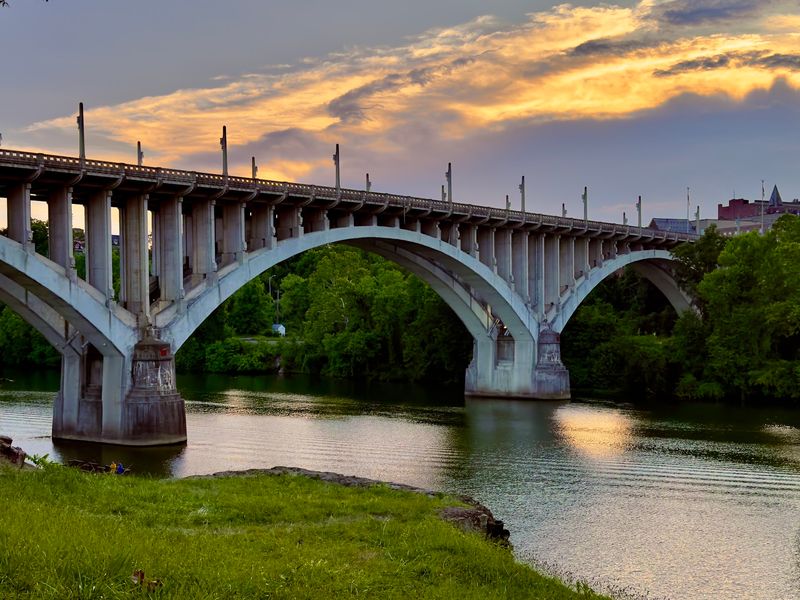
Fairmont wears a few nicknames, and one of the most common is the Friendly City. It also has a strong claim as pepperoni roll country.
The city sits in Marion County along the Monongahela River. Coal shaped much of its early growth, along with the immigrant families who came for mining work.
That mix created the perfect setting for Argiro’s invention. Italian traditions met coal country needs, and something new came out of the oven.
Today you can pair a bakery stop with a little sightseeing. The historic High Level Bridge over the river is a recognizable local landmark.
Fairmont State University also calls the city home. Its campus adds a college-town feel to parts of the area.
For travelers on Interstate 79, Fairmont is an easy detour. That makes a pepperoni roll stop simple to fit into a longer drive.
Plenty of small West Virginia cities have deep coal roots. Fairmont happens to have a famous snack to show for it.
It’s a good reminder that local history doesn’t only live in museums. Sometimes it’s sitting in a paper bag on your passenger seat.
Address: 1211 Country Club Road, Fairmont, WV 26554
10. Planning Your Pepperoni Pilgrimage
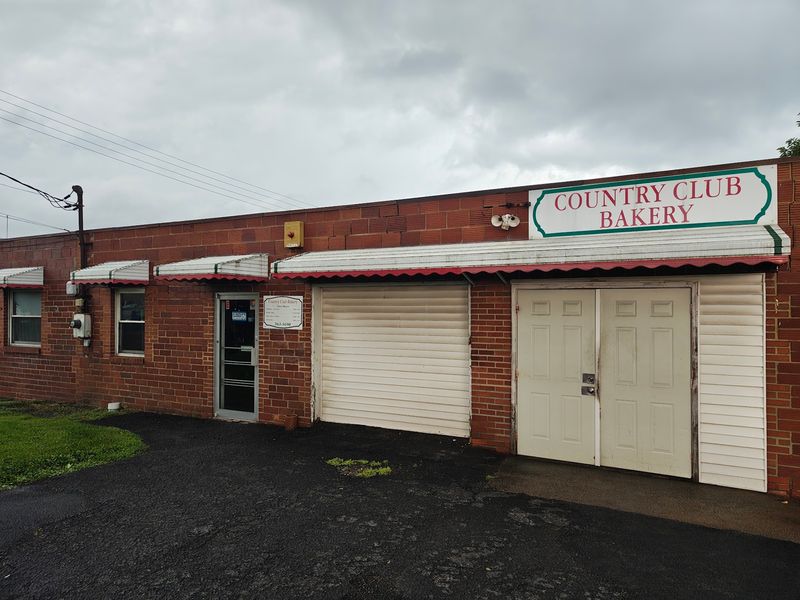
A trip built around a single snack might sound silly. Then again, how many snacks have their own reported birthplace?
Country Club Bakery is a grab-and-go kind of stop. Plan on taking your rolls with you rather than lingering at a table.
Hours can change, and bakeries often sell out of popular items. Checking the bakery’s current hours before you drive is a smart move.
Many visitors like to buy extra for later. Pepperoni rolls hold up well, which makes them handy for the ride home.
Bringing kids along? They’ll likely enjoy hearing that miners once ate this same kind of lunch underground.
It’s an easy history lesson with a tasty reward at the end. That beats a quiz any day.
Pair your stop with a Clarksburg bakery visit if you’re curious about the rivalry. You could also explore Fairmont’s riverfront before heading out.
However you plan it, keep expectations simple. The magic here is the story and the roll, not fancy extras.
Honestly, that’s the most West Virginia thing about it. A humble place, a hardworking past, and a snack worth telling your friends about.
Address: 1211 Country Club Road, Fairmont, WV 26554
