Some of the biggest stories in West Virginia hide inside the smallest, quietest buildings. You could drive past this one on a regular weekday and never guess that a holiday celebrated in homes everywhere got its start right here.
It sits calmly on a hometown street, brick and steeple and stained glass, waiting for curious folks to stop and look closer. Once you learn the story, every card and carnation you give your mom will feel a little more special.
A Brick Church on a Quiet Main Street
Picture a small railroad town tucked into the hills of north central West Virginia. Trains once rumbled through here day and night, and the downtown still carries that proud, sturdy feeling of a place that helped build the state.
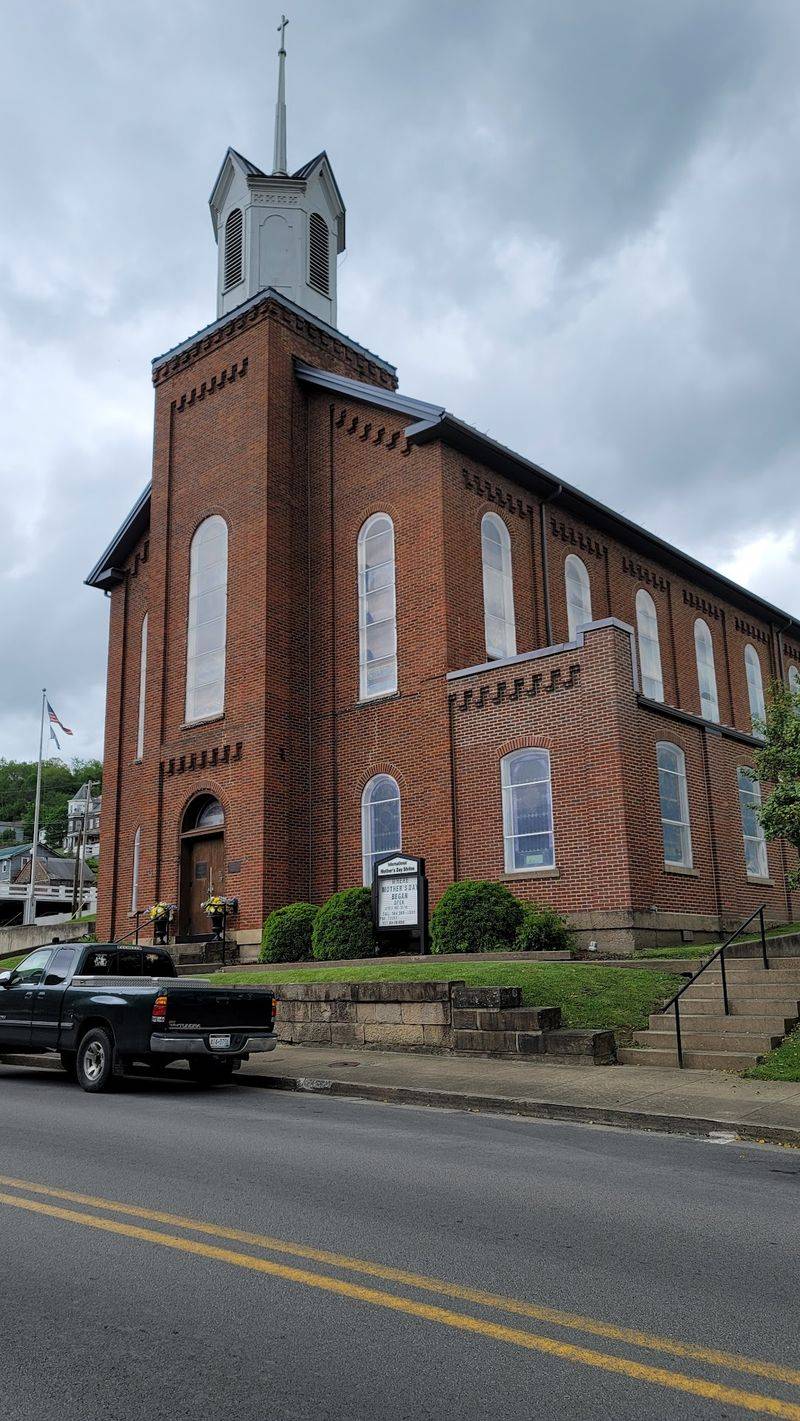
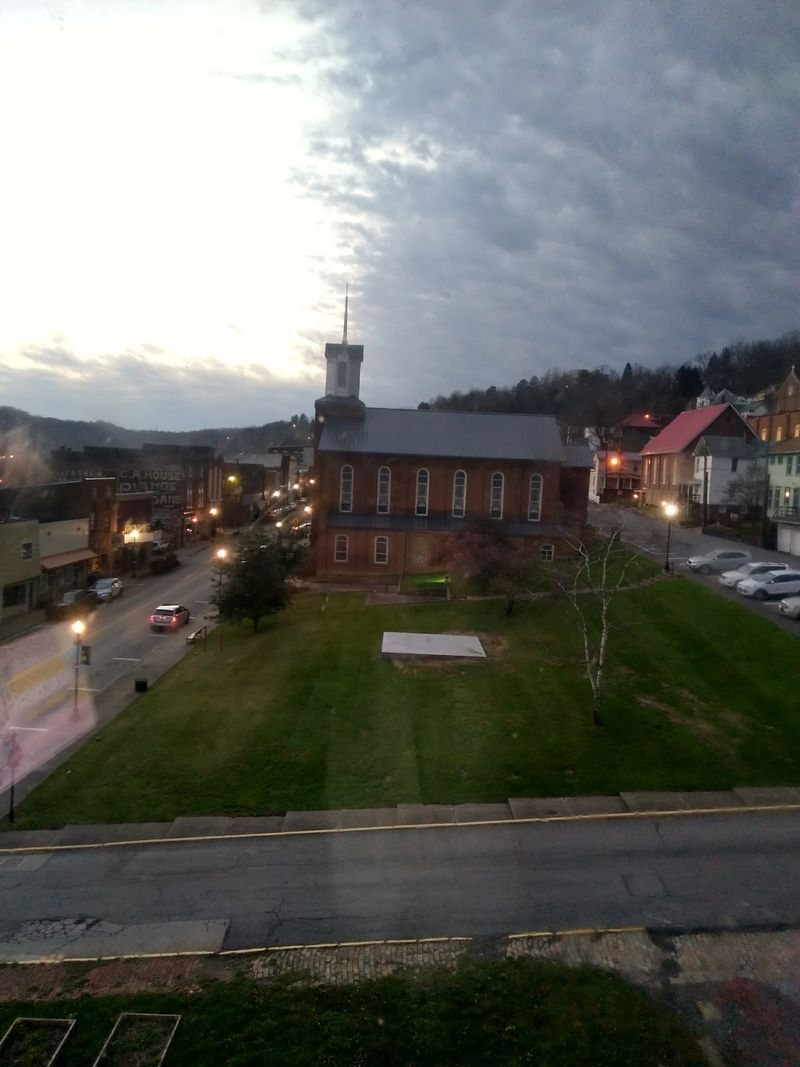
Right along the main drag stands a handsome brick church with a bell tower. It does not shout for attention.
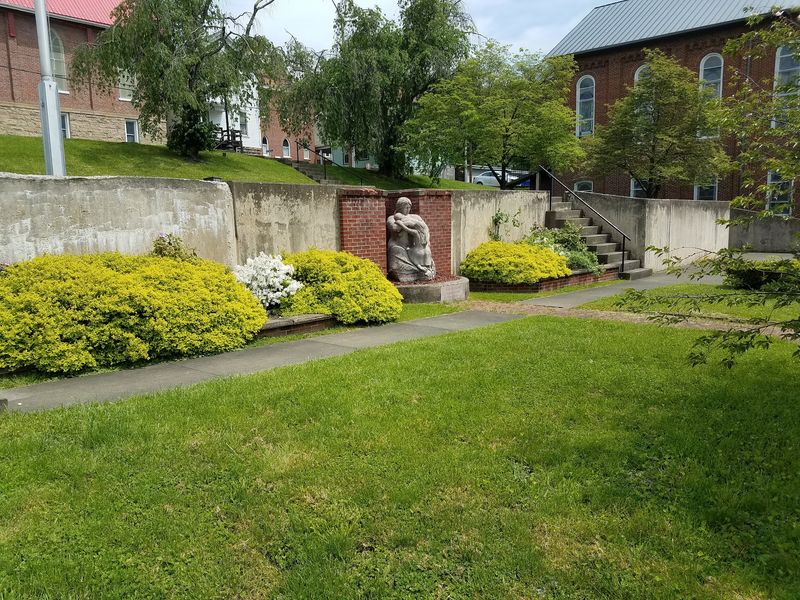
There are no flashing signs or giant parking lots, just a well-kept building, a few historical markers, and neat grounds that visitors often describe as clean and cared for.
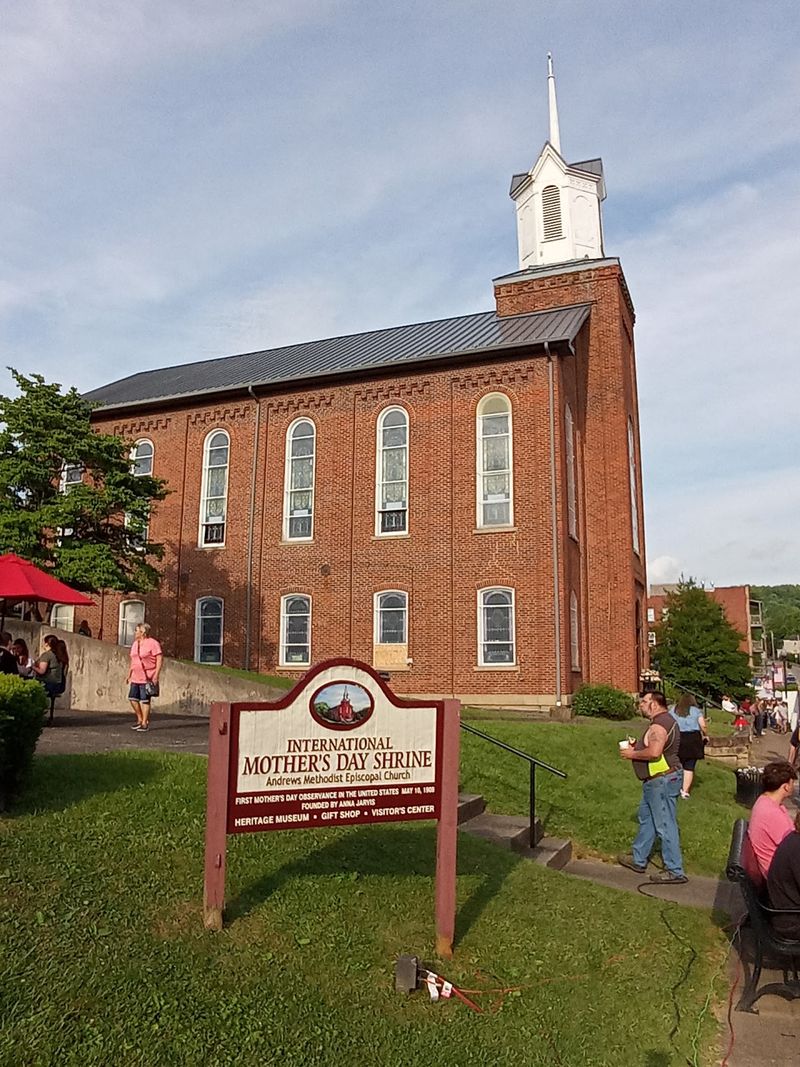
Yet this humble spot is known around the world. It is the International Mother’s Day Shrine, the former Andrews Methodist Episcopal Church, and it is recognized as a national historic landmark.
The very first formal Mother’s Day service was held inside these walls.
Folks who stroll by on foot say it makes a nice place to pause and rest during a walk through town. Others come from far away just to stand on the steps where the holiday began.
Either way, it rewards anyone willing to slow down.
Before we get to the address and visiting details, though, the real treasure here is the story. It starts with a mother who spent her life caring for her neighbors.
Ann Reeves Jarvis and Her Work Clubs
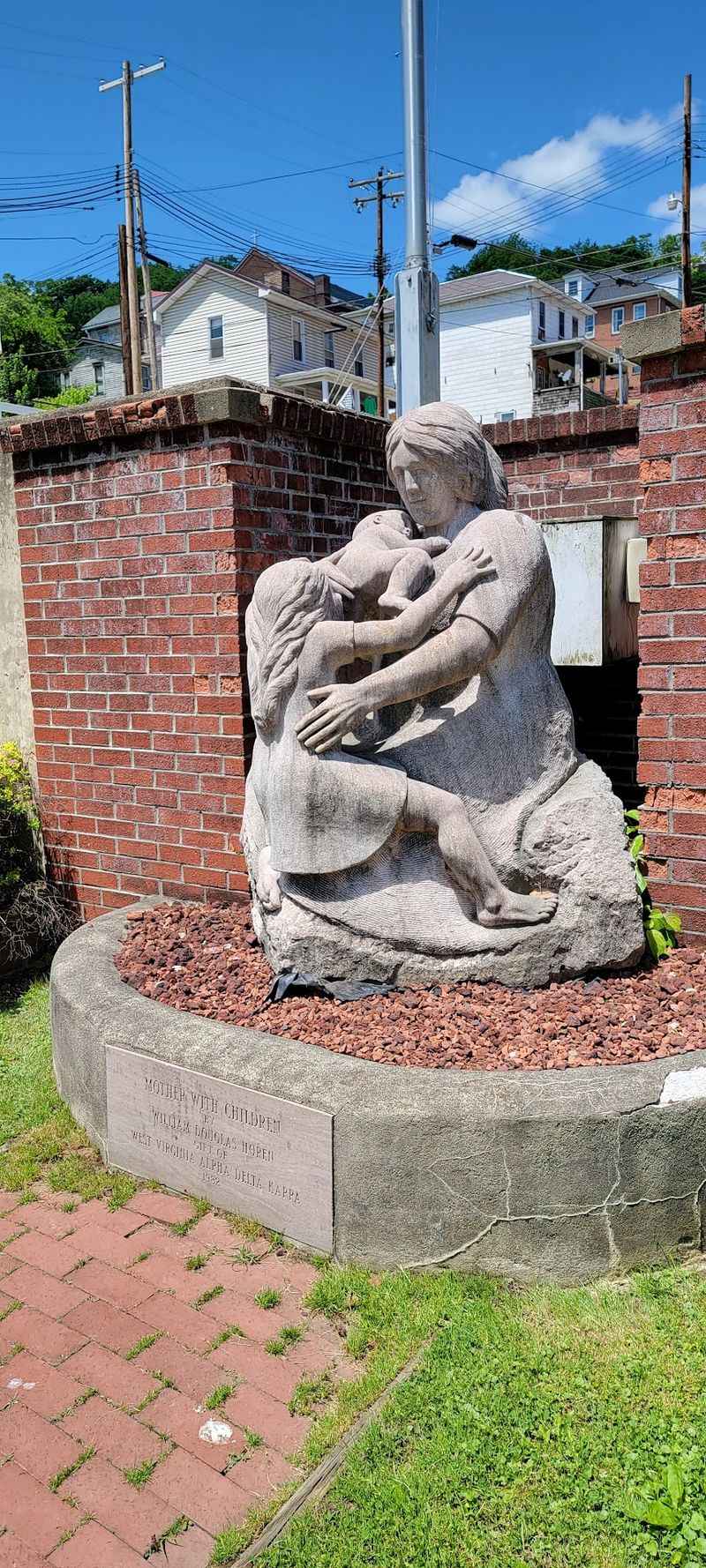
Long before anyone bought a Mother’s Day card, a West Virginia woman named Ann Reeves Jarvis was rolling up her sleeves. She had known deep heartbreak as a mother, losing many of her own children, and she turned that sorrow into service.
Before the Civil War, Ann organized what she called Mothers’ Day Work Clubs. The goal was practical and powerful.
These gatherings taught local women about hygiene and sanitation, which may have helped reduce the loss of infants in the surrounding communities.
When the war came and split families and neighbors apart, her clubs reportedly cared for hurt soldiers from both sides. Imagine the courage that took in a region where loyalties were sharply divided.
Afterward, the same women worked to bring people back together and heal old wounds.
Ann worshipped at Andrews Methodist Episcopal Church, the very building that now serves as the shrine. Visitors often mention how moving it feels to see the place where the founder’s own mother sat on Sunday mornings.
Her daughter, also named Anna, never forgot that example. The younger Anna would spend years making sure the whole country honored mothers like hers.
That campaign began with a single service in a small town church.
May 10, 1908 and 500 White Carnations
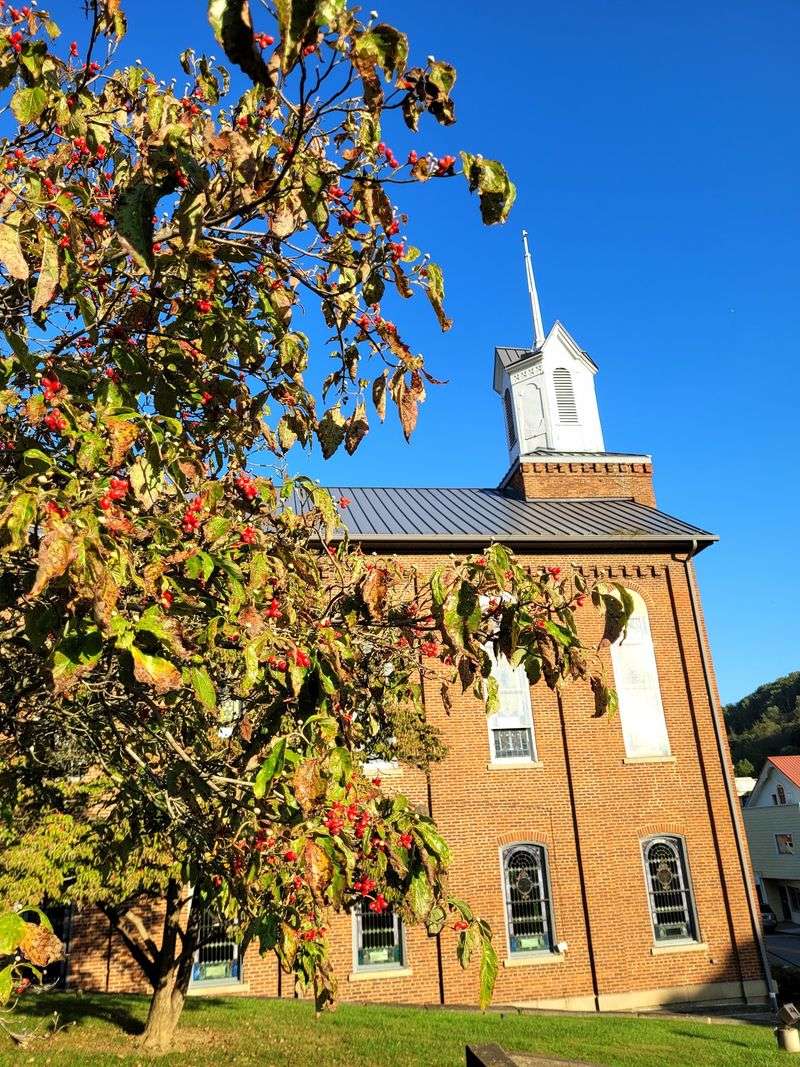
Mark it on your calendar: May 10, 1908. On that spring Sunday, the first formal observance of Mother’s Day took place inside Andrews Methodist Episcopal Church.
Here is a fun twist many people never hear. Anna Jarvis, the woman behind the whole idea, was not actually in the pews that morning.
She was in Philadelphia for a parallel event. Still, she made sure her hometown church felt her presence by sending 500 white carnations, her mother’s favorite flower, for the people attending.
Those carnations became a lasting symbol. The white flower came to stand for the pure, steady love of a mother.
For years afterward, folks pinned carnations to their coats on Mother’s Day, and plenty of older West Virginians can still remember grandparents doing just that.
Did you know? West Virginia moved fast after that first service.
In 1910, it became the first state to officially recognize Mother’s Day as a state holiday. Mountain State pride, right there in the record books.
Standing inside the shrine today, it is easy to imagine the sweet smell of those flowers filling the sanctuary. One visitor summed it up well, saying that to see and touch the place where it all started is a very emotional experience.
From Hometown Service to National Holiday
Persistence might be the best word to describe Anna Jarvis. After that first Grafton service, she launched a letter-writing campaign that seems almost unbelievable today.
She wrote to politicians, business owners, and church groups all across the country. Letter after letter, she made the case that mothers deserved a special day of honor.
There was no email or social media, just paper, ink, stamps, and a whole lot of determination.
All that effort paid off in 1914. President Woodrow Wilson signed a joint Congressional resolution naming the second Sunday in May as Mother’s Day.
A tradition that began in a modest West Virginia church had become a national holiday in just six years.
Here comes the surprising part. As Mother’s Day grew, Anna became deeply troubled by how commercial it turned.
She had pictured a quiet day of personal reflection and thanks, not one centered on buying gifts and cards.
Anna reportedly believed that a handwritten letter meant more than any store-bought message. That idea still feels right, doesn’t it?
Maybe the best way to honor her wish is to sit down this May and write your mom a few heartfelt lines in your own handwriting. It costs nothing, and it may be treasured forever.
Stained Glass, Murals, and a Bell You Might Ring
Step through the doors and the whole mood shifts. The outside is handsome, but the inside is where people start reaching for words like breathtaking and gorgeous.
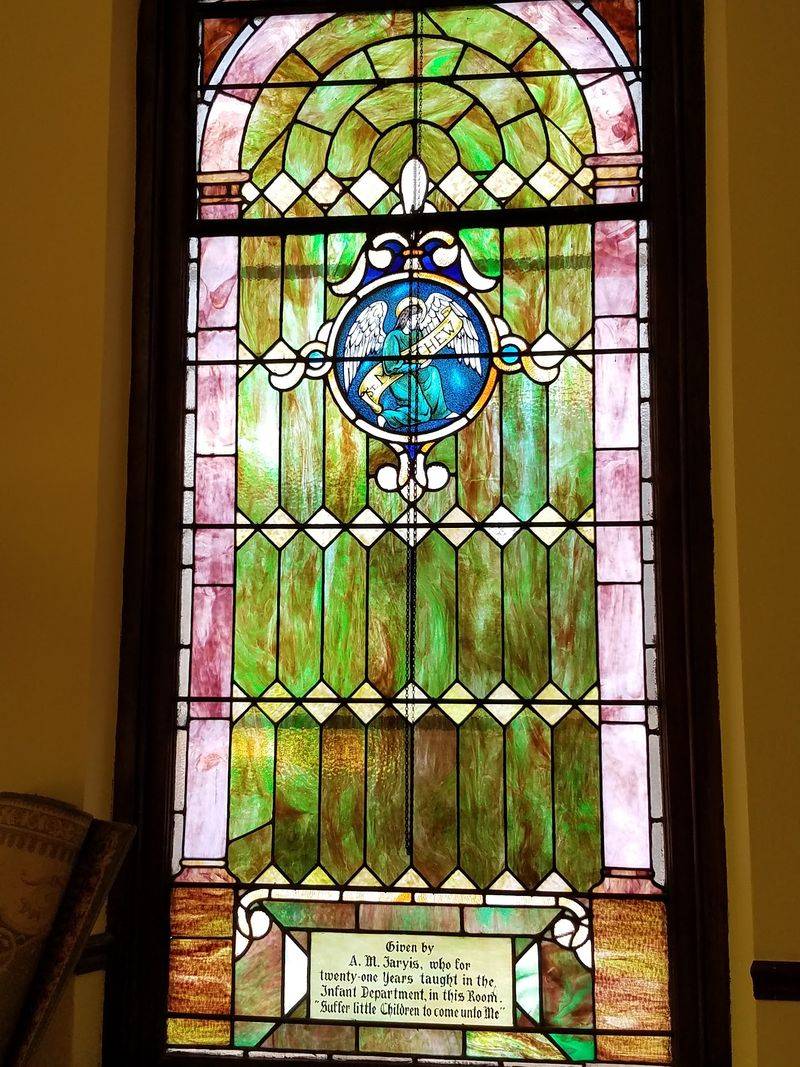
Stained glass windows get a lot of love from visitors. Sunlight pours through the colored panes and paints the sanctuary in warm reds, blues, and golds.
One guest singled out a favorite window dedicated to a Dr. Kennedy, so keep an eye out for it as you wander.
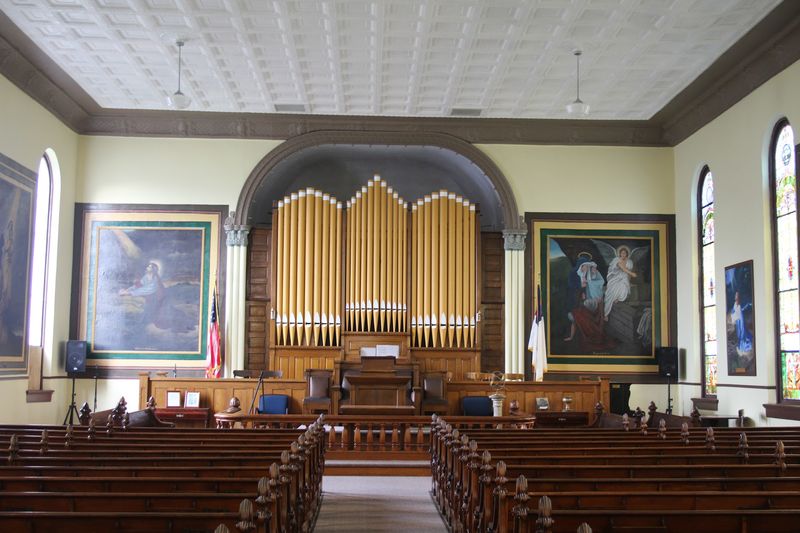
Murals painted on the walls add another layer of beauty. They give the old sanctuary a rich, storybook feel that photos rarely capture.
Many folks say the building looks far more impressive inside than they expected from the street.
Then there is the bell. At least one family shared that their tour guide let them ring it, which turned a history lesson into a memory the kids will not forget.
No promises that every visit includes a bell moment, but it never hurts to ask kindly.
Guides tend to be the secret ingredient here. Visitors describe friendly local ladies who share stories about Anna Jarvis and her mother with obvious pride.
Their knowledge brings the stained glass and murals to life in a way no plaque ever could.
Who Will Love a Visit Here
Grandmothers, first-time moms, history buffs, and road trippers all seem to find something here. The shrine has a gentle, welcoming feel that suits just about anyone who enjoys a good story.
Families especially connect with it. One visitor put it simply: take your mom and the whole family.
Bringing three generations to the spot where Mother’s Day began can spark wonderful conversations about the women who raised us.
Retirees on a budget will appreciate that this is a low-key, easygoing outing. There is a small gift shop inside, which guests describe as modest but very nice, so you can pick up a keepsake without a big splurge.
Couples might be surprised to learn the old church also works as a wedding venue. Several people have praised it as a beautiful indoor spot for tying the knot, with all that stained glass as a backdrop.
Folks with West Virginia roots often feel a special tug. One commenter born on Mother’s Day shared how amazed she was to realize the church sat near where her own parents grew up.
Moments like that remind us how small and connected our Mountain State world really is.
Do you have a Mother’s Day memory tied to this town? It might be worth sharing.
Hours, Tours, and Finding Your Way
Planning matters here, because the doors are not open every day. The shrine keeps short weekday hours, running Tuesday through Friday from 11 AM to 3 PM.
It is closed Saturday, Sunday, and Monday.
Visitors suggest checking ahead before you go, since inside tours are only sometimes available. The official website, internationalmothersdayshrine.org, is a good place to start.
A quick look there can save you from arriving to locked doors.
Showing up after hours is not a total loss, though. Historical information is posted outside, and a few people have enjoyed evening strolls past the building when it is lit up and peaceful.
You can still soak in the setting and snap a few pictures.
So where exactly is it? The International Mother’s Day Shrine sits at 11 E Main St, Grafton, WV 26354, right in the heart of downtown Grafton in Taylor County.
Grafton is a bit of a drive for some, and one traveler joked that the trip felt long. The winding hill roads are part of the charm, however.
Pack a snack, enjoy the scenery, and consider it a classic West Virginia Sunday drive, just scheduled for a weekday.
A Small Church With a Big Heart
Some places impress you with size. The Mother’s Day Shrine wins you over with meaning instead.
It is not flashy, and it will not fill an entire vacation. What it offers is quieter and, honestly, better.
You get a well-kept historic church, beautiful stained glass, friendly guides, and a true story about a West Virginia mother whose kindness grew into a holiday honored far beyond our hills.
For anyone road tripping through Taylor County, it pairs nicely with a stop at the Anna Jarvis Birthplace Museum, located a few miles south near Webster. That museum reportedly preserves over 5,000 items tied to the Jarvis family, giving you an even fuller picture of where this all began.
Maybe the finest part is how the visit sticks with you. The next time you hand your mom a bouquet, you might picture those 500 white carnations arriving at a small town church back in 1908.
You might even skip the store card and write her a real letter, just like Anna wanted.
If you have not been yet, put it on your list for a spring weekday. Bring someone you love, ask the guides a question or two, and let this unassuming corner of West Virginia surprise you.
