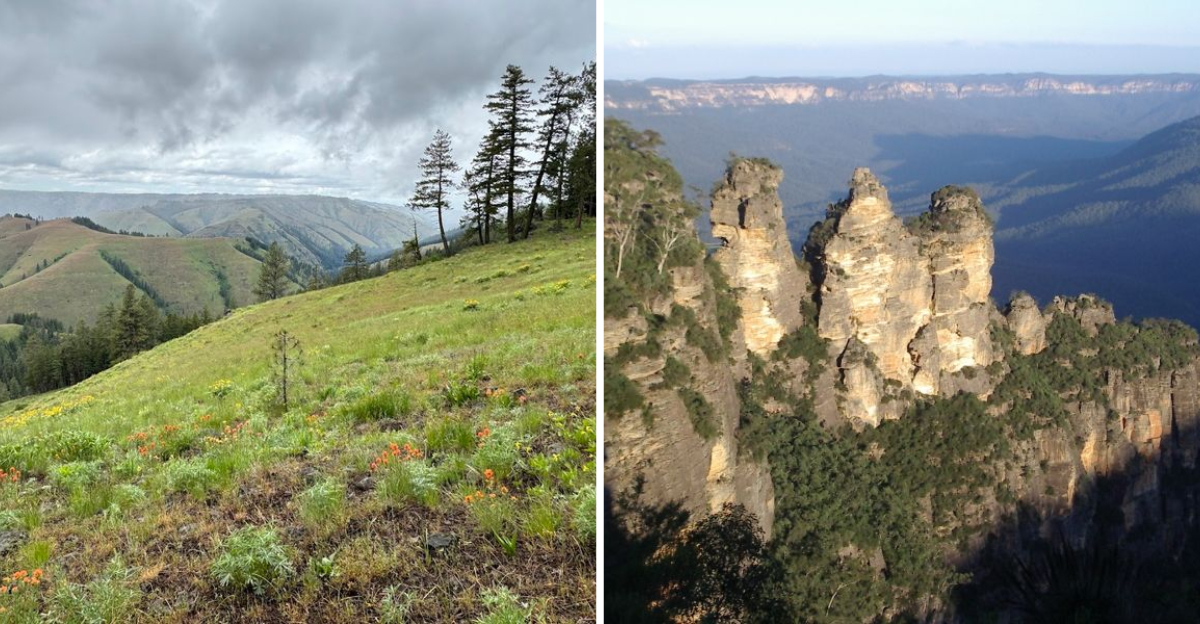
That crisp Oregon morning carried the scent of pine and damp earth, a quiet invitation. I gripped my thermos, breath visible in the cool dawn, and felt genuine anticipation as I drove deeper into the mountains.
After years of dreaming about seeing a moose, I had heard whispers of a hidden place where these majestic creatures roam free.
Moose were not present in Oregon at the time of European settlement, but the first recorded sighting happened in 1960, and a small but growing herd has since established itself in the northeastern part of the state.
Finding an under-the-radar spot where they actually appear makes the journey feel all the more personal and unforgettable. That single glimpse of a cow moose stepping out of the timber was worth every mile.
Discovering Oregon’s Wild Secret: The Wenaha State Wildlife Area
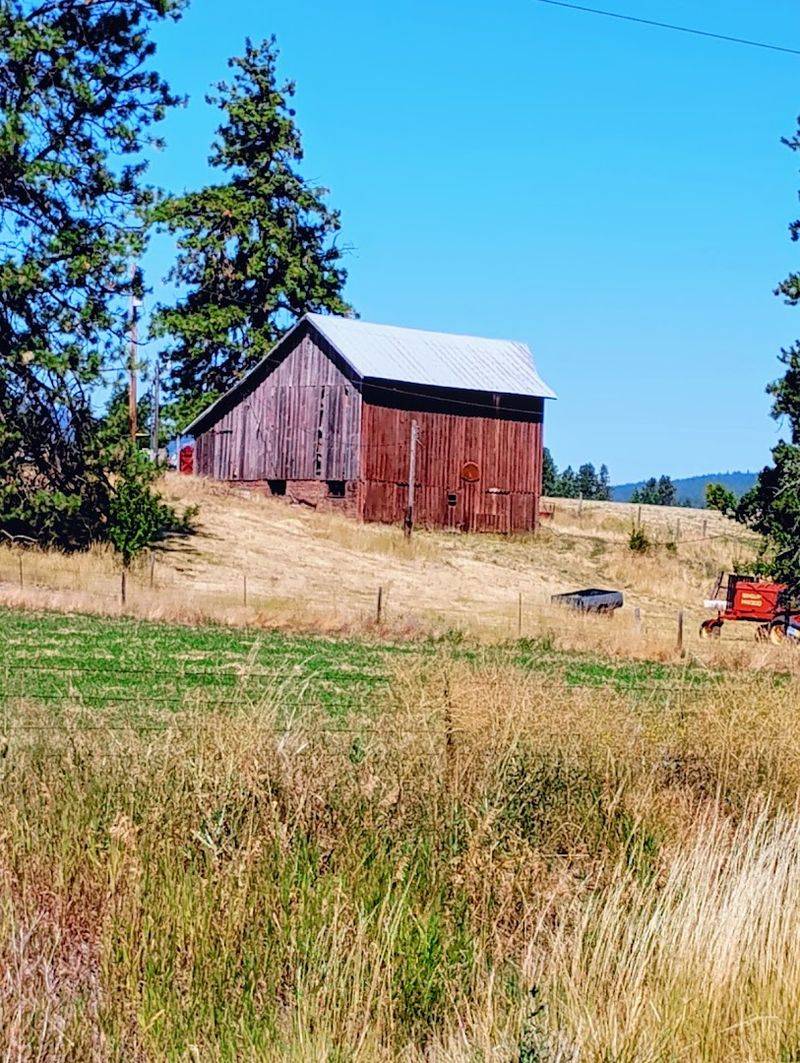
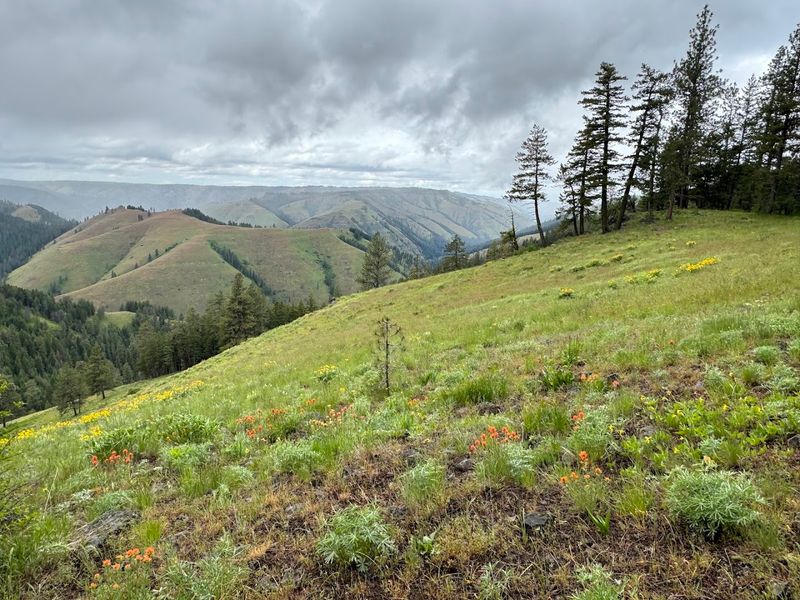
Driving into northeastern Oregon, the sheer scale of the Blue Mountains unfolded around me in a way I genuinely did not expect.
Rolling timbered slopes stretched endlessly in every direction, and the wide, clear skies above felt almost theatrical in their grandeur.
It was within this vast expanse, nestled amidst the Grande Ronde and Wenaha Rivers, that I discovered the Wenaha State Wildlife Area.
Managed by the Oregon Department of Fish and Wildlife, this expansive 12,419-acre sanctuary is something truly special.
Unlike bustling national parks with crowded parking lots and souvenir shops, the Wenaha State Wildlife Area offers a tranquil, genuinely off-the-beaten-path escape.
It borders the Umatilla National Forest, creating an even larger continuous habitat for a remarkable diversity of animals.
The concept of seeing a moose in Oregon felt almost like a well-kept secret before I arrived.
Moose were not historically present in Oregon at the time of European settlement, but they have since naturally dispersed into the northeastern part of the state from adjacent Washington and Idaho.
The first recorded sighting was along the Imnaha River in 1960, and reports increased significantly in the northern Blue Mountains between 2001 and 2006.
This growing population, conservatively estimated at around 50 adults and calves in the Blue Mountains north of Elgin, has established a small but thriving herd.
That unique history makes encountering one here feel genuinely rare.
This is not a zoo or a wildlife refuge with guaranteed sightings; it is the real, untamed thing.
A Canvas of Nature: Landscapes and Seasons in the Blue Mountains
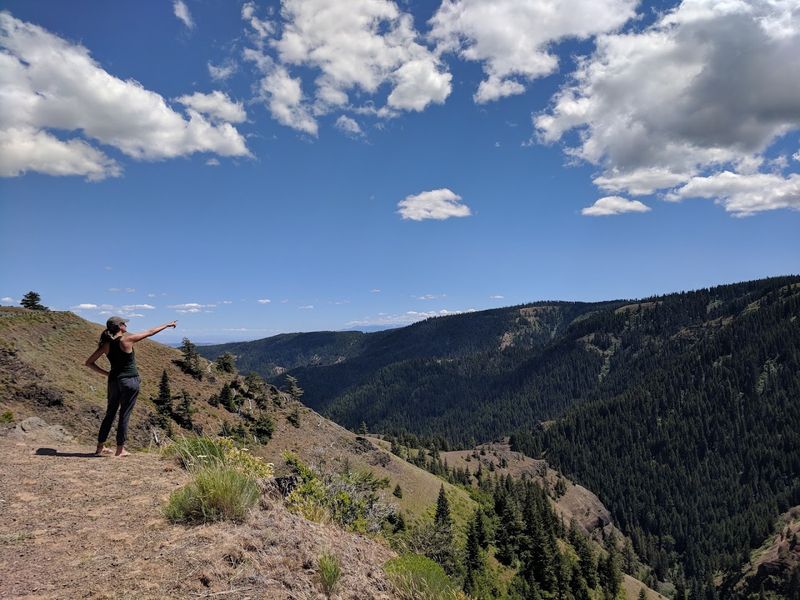
There is something almost painterly about the way the Blue Mountains shift in character depending on the season.
The elevations here range dramatically, from approximately 1,600 feet along the Columbia River to around 8,000 feet in the higher reaches, creating a varied tapestry of environments that keeps every visit feeling fresh and surprising.
Heavily timbered slopes give way to open grassland ridges and benches. D
eep river canyons carve through the terrain with impressive force, and the riparian zones hugging the Grande Ronde and Wenaha Rivers are particularly lush, bursting with willows, cottonwoods, and dense undergrowth that wildlife absolutely love.
Spring, from April through May, brings migrating birds in extraordinary numbers, including waterfowl, ducks, geese, and swans passing through in colorful waves.
Songbirds fill every branch, and the whole landscape feels like it exhales after a long winter.
Summer transforms the region into a warmer, greener haven where animals gather near water sources to cool off.
Fall is arguably the most visually stunning season, with deciduous trees shifting into deep golds, burnt oranges, and rich reds across the hillsides. The air turns crisp again, carrying that unmistakable scent of dry leaves and cool river water.
Winter brings a stark, serene beauty to the mountains, though some gravel roads can become difficult to navigate without a capable vehicle.
The wildlife area is open year-round, though certain sections close from January through March, making spring through fall the most accessible and rewarding times to visit.
The Elusive Giants: Your Best Chance at Spotting a Moose
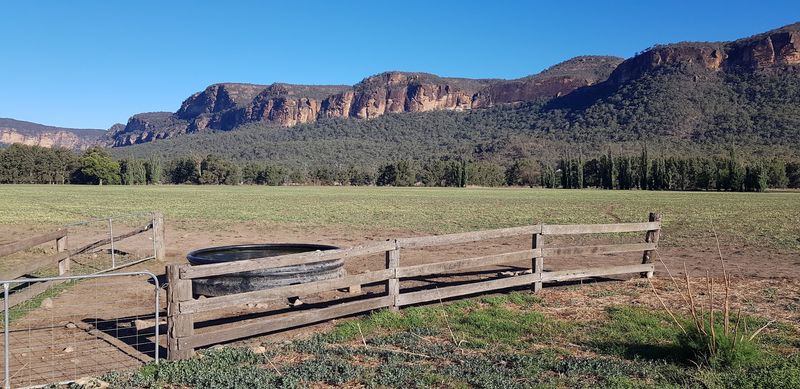
My ultimate goal was to catch a glimpse of the Shiras moose, the smallest subspecies of moose in North America, and somehow the word “smallest” felt laughably modest once I understood what I was actually looking for.
Males can weigh up to 1,000 pounds and stand impressively tall, with wide, palmate antlers that seem almost too large for any real animal.
Females, while smaller, still tip the scales at 700 to 800 pounds.
Their dark brown or brownish-black coats blend seamlessly with forest shadows, which partly explains why sightings feel so electric when they happen. Moose are secretive and solitary by nature.
They are not herd animals like elk or deer, tending instead to wander individually, separated from others by about half a mile of quiet forest.
These magnificent creatures prefer habitats with abundant willow and other deciduous growth, often found in burned and logged areas.
During warmer months, they gravitate toward water, sometimes submerging themselves in ponds or beaver meadows to feed and escape the heat.
That behavior makes riparian zones and aspen groves the best places to focus your search.
Rising early is genuinely the most effective strategy. Late evening ventures also increase your odds considerably.
Move slowly, keep noise minimal, and scan the treeline patiently rather than rushing through open areas. Binoculars are essential, since moose can blend into surroundings with surprising ease.
Patience is not just a virtue here; it is the entire game plan for a successful encounter.
Beyond Moose: A Symphony of Wildlife Waiting to Be Found
The moose may be the headline act, but the Wenaha State Wildlife Area is really an ensemble performance.
Rocky Mountain elk and mule deer winter throughout the area in impressive numbers, their tracks crisscrossing muddy riverbanks and open meadows.
Seeing a large bull elk emerge from the treeline at dawn is its own kind of reward, completely separate from the moose dream.
Black bears and bobcats also call this landscape home, though they tend to be far shyer and far less commonly seen. Coyotes, raccoons, mink, otters, beavers, and muskrats round out the mammal roster in ways that make every slow walk along a riverbank feel genuinely unpredictable.
You never quite know what might appear around the next bend.
The skies above are just as alive. Bald eagles and golden eagles soar with effortless grace above the rivers, their wingspans casting wide shadows across the water below.
Goshawks, red-tailed hawks, merlins, prairie falcons, and ospreys are also regular fixtures overhead. Mountain bluebirds and western bluebirds add brilliant flashes of color to the forest edges.
Wild turkeys roam the forest floor alongside blue and ruffed grouse, creating constant movement and sound through the underbrush.
For those who enjoy fishing, the Grande Ronde and Wenaha Rivers offer steelhead, salmon, rainbow trout, and bass.
The sheer variety of life here creates an immersive, layered experience that rewards slow, attentive exploration rather than rushed sightseeing.
Navigating the Wilderness: Trails, Roads, and Getting There
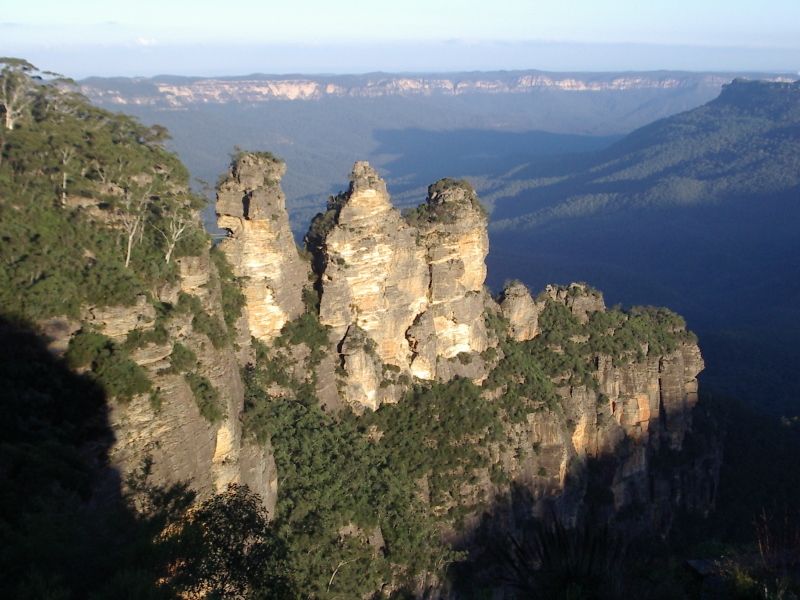
Getting to the Wenaha State Wildlife Area is genuinely part of the adventure, and I mean that in the best possible way. From Enterprise, you take Highway 3 north to Flora Junction, then follow signs for approximately 13 miles.
About eight of those miles involve steep, narrow gravel road that demands both attention and a vehicle with decent clearance.
Crossing the Redmond grade bridge over the Grande Ronde River and then the Wenaha River brings you further into this secluded region, and each crossing feels like moving another layer deeper into something genuinely wild.
Passenger cars can manage the main access routes, but a higher-clearance vehicle opens up more of the area for exploration.
Some roads within the wildlife area are not recommended for standard sedans.
Designated gravel roads wind through the larger parcels, making vehicle or road walking a practical and enjoyable way to explore. The main access point along Eden Lane leads you into the heart of the wildlife area.
Some sections of Eden Bench Road pass through private property clearly marked with no-trespassing signs, so respecting those boundaries is both a legal and ethical necessity.
Camping is available at designated spots including the headquarters area and Griz Flat, which makes an overnight stay a genuinely appealing option.
Waking up inside the wildlife area before dawn, surrounded by forest sounds and cool air, puts you in the perfect position for early morning wildlife observation.
The limited development here ensures a profound sense of solitude that is increasingly rare.
A Sanctuary Worth Protecting: Why the Blue Mountains Matter
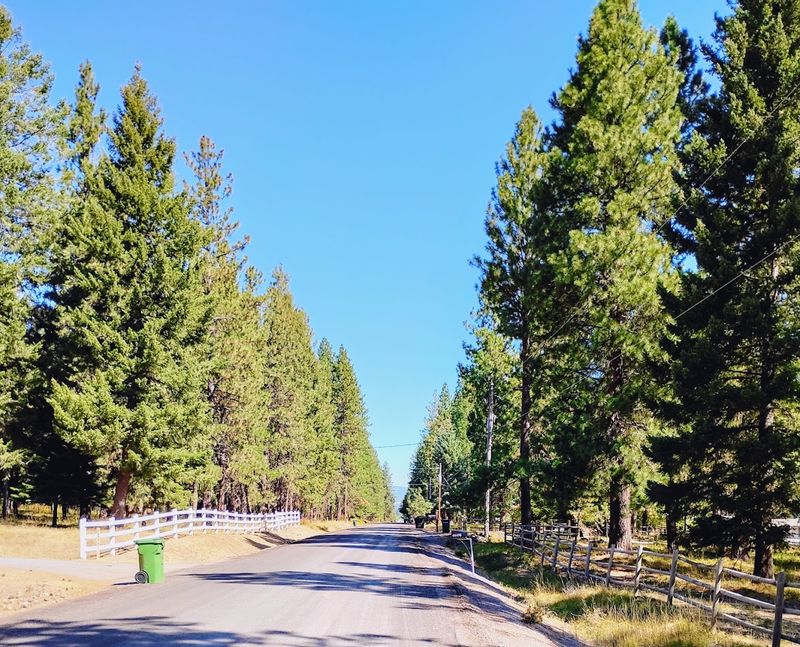
The Wenaha State Wildlife Area represents something genuinely important in a time when truly wild spaces are harder and harder to find.
This remote corner of the Blue Mountains, with its rugged canyons, pristine rivers, and layered ecosystems, functions as a crucial sanctuary for animals that need space, quiet, and undisturbed habitat to thrive.
The moose population here is not a managed or reintroduced group; these animals arrived on their own terms.
That distinction matters more than it might initially seem. A self-established population signals healthy habitat and functioning ecological corridors connecting Oregon to neighboring states.
It tells a story about what wild landscapes can still support when given the chance to breathe. The Blue Mountains north of Elgin have quietly become one of the most important moose habitats in the Pacific Northwest.
My visit felt less like a tourist excursion and more like an immersion into something living and ancient. The mountains do not perform for visitors.
They simply exist, indifferent and magnificent, full of creatures going about their lives with complete independence. That dynamic is rare and genuinely moving.
For anyone seeking a quiet adventure, a real escape from crowds, and the electric possibility of locking eyes with a moose in the wild, this under-the-radar corner of Oregon is an extraordinary destination.
It asks you to slow down, to listen carefully, and to notice small things.
The Blue Mountains reward exactly that kind of attention, and they do it beautifully.
Address: Wenaha Wildlife Area, 85060 Grande Ronde Rd, Enterprise, OR 97828
