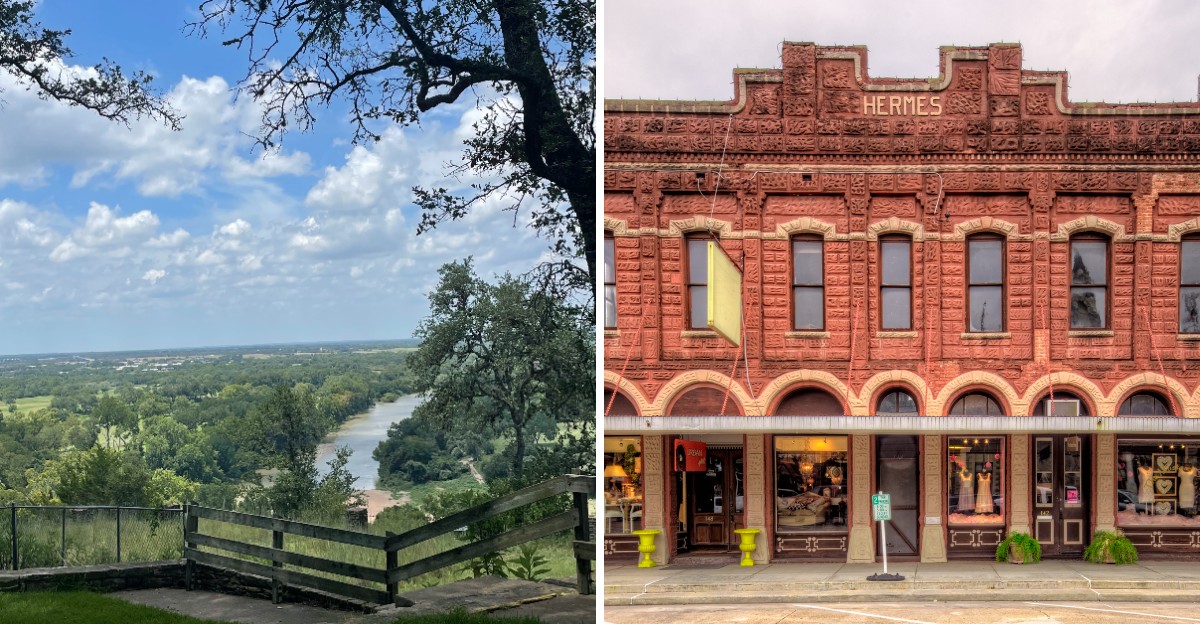
Some towns try to be everything to everyone. This one just does what it does well.
Historic homes, local museums, and river views all packed into a compact, walkable area that makes for an easy day trip. You can park once and spend the whole day exploring.
The historic district is well preserved, with old homes that have stories to tell and museums that bring the past to life. The river adds a peaceful backdrop, with paths and benches where you can sit and watch the water go by.
It is not a tourist trap. It is not trying to be.
It is just a quiet, charming town that offers a little bit of everything without the hassle. Perfect for a solo escape, a family outing, or a day date.
Bring comfortable shoes and a camera. You will want both.
The Faison Home and Its Quiet Mid-1800s Charm
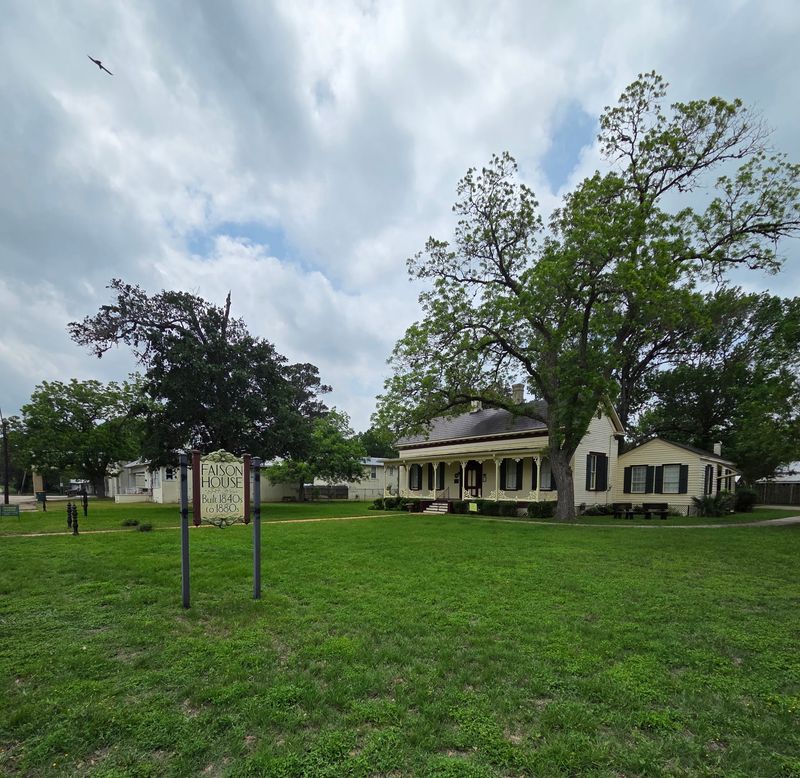
Some houses whisper their history instead of shouting it. The Faison Home is one of those, a modest but dignified residence that dates to the middle of the 1800s and still holds original furnishings inside its rooms.
Located at 822 South Jefferson Street, the home belonged to one of the area’s earliest families. The front wing that gives the house its stately look was added in 1880, decades after the original structure went up.
The La Grange Garden Club stepped in to save the property in 1961, and that decision is the reason visitors can walk through it today. Restoration has been ongoing ever since, handled now by the Faison Preservation Society.
The house sits on the National Register of Historic Places, recognized specifically for its social history rather than just its architecture. That distinction matters, because the stories attached to the rooms are as interesting as the woodwork.
Tours generally run on Saturdays from noon to 4 p.m., which makes it an easy addition to a weekend itinerary. Groups wanting a longer, more detailed look can arrange visits by appointment.
Plan on spending 30 to 45 minutes here. The pace inside is unhurried, and the volunteers who keep the place going know plenty of details that never make it onto plaques.
Photography lovers should note the exterior angles in late morning light. The porch and surrounding trees frame the house beautifully, and the whole property feels pleasantly removed from the busier parts of town.
Address: 822 S Jefferson St, La Grange, TX 78945, United States
Fayette County Courthouse Anchoring the Square
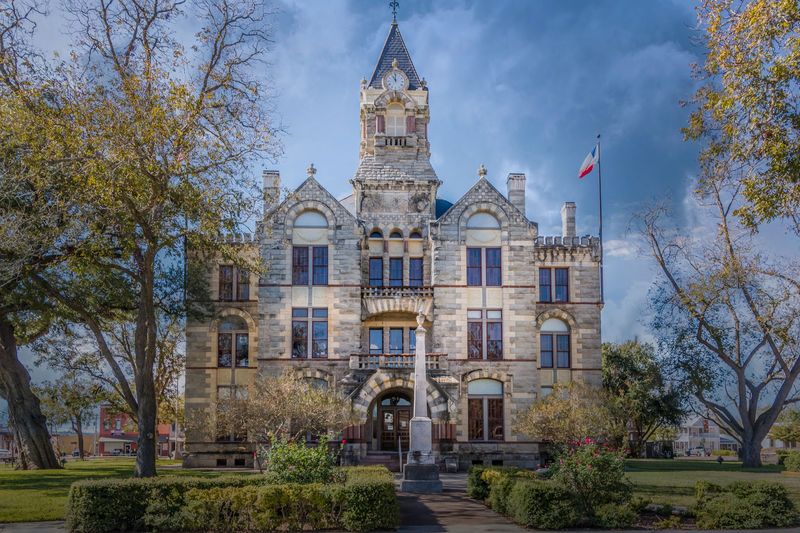
Texas has a lot of county courthouses worth photographing, and this one belongs near the top of the list. Completed in 1891, the Fayette County Courthouse mixes white Belton limestone with blue Muldoon sandstone, then throws in red and pink sandstone accents for good measure.
The result is a Romanesque Revival building that looks almost too elaborate for a town this size. A clock tower rises above the arches and has been keeping time over the square for well more than a century.
Here is the detail most visitors miss. The original design included an open central atrium meant to bring light and air into the interior, a clever solution long before air conditioning existed.
That atrium got covered over in the 1940s when the space was converted to offices. A 2005 restoration brought it back, and the reopened interior became a genuine source of local pride.
You can find the building at 151 North Washington Street, La Grange, TX 78945, right in the middle of everything. It remains a working seat of government, so respectful exploration is welcome when court is not in session.
Step inside to see original woodwork and historical displays. The courtroom itself is worth a look if the doors happen to be open.
Afternoon light hits the west side best. Circle the whole building before settling on a photo spot, because each angle shows off a different combination of those colored stones.
Texas Heroes Museum Inside a Victorian Gothic Jail
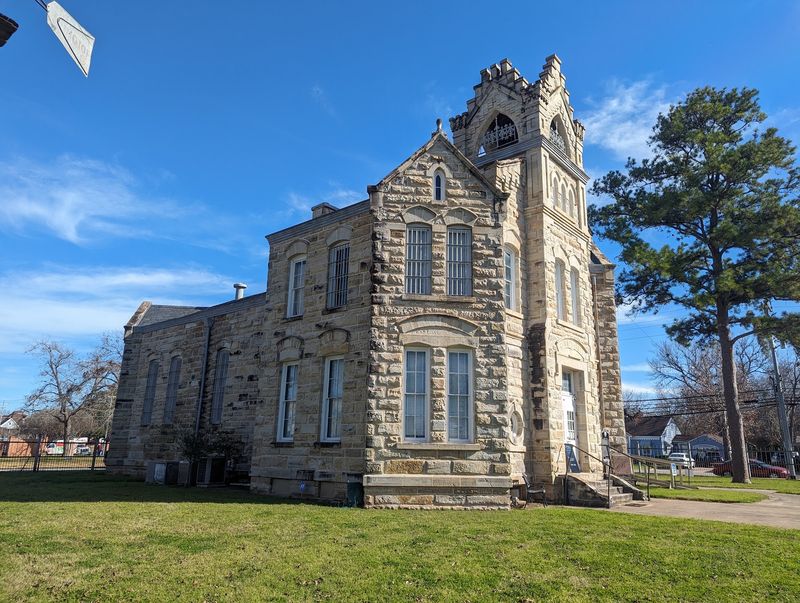
Few museums come with a better building. The Texas Heroes Museum occupies the Old Fayette County Jail, an 1883 Victorian Gothic structure built from Muldoon sandstone that honestly looks more like a small European cathedral than a lockup.
It served as an actual jail for over a hundred years. That history stays visible, since visitors can walk through the cells, the sheriff’s quarters, and the gallows area.
The exhibits themselves shift focus toward service and courage. Displays honor law enforcement officers, firefighters, first responders, and military veterans from across Texas, including well-known figures such as Audie Murphy and Chris Kyle.
What makes the visit interesting is the contrast. Nineteenth century ideas about criminal justice are built right into the walls, and seeing how the architecture handled incarceration gives you a lot to think about.
The La Grange Area Chamber of Commerce also operates out of the building, which makes it a handy stop for picking up local information. Staff there can point you toward whatever else is happening in town that day.
Sitting just off the square, it pairs naturally with a courthouse visit. Two very different 1880s and 1890s buildings, a short walk apart, both telling you something about how this county worked.
Give yourself an hour. The stonework alone deserves a slow lap around the outside before you head in, and the cell block tends to hold people longer than they expect.
Address: 171 S Main St, La Grange, TX 78945, United States
Czech Traditions Kept Alive at the Heritage Center
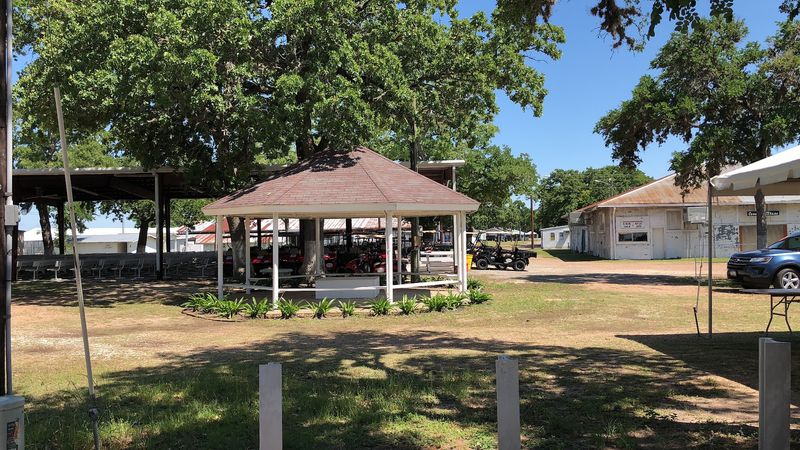
Polka music, embroidered clothing, and relocated farmhouses. The Texas Czech Heritage and Cultural Center gathers all of it onto one sprawling campus at 250 West Fairgrounds Road.
Czech and German families began reshaping this part of Fayette County in the 1840s and 1850s, and their influence never faded. The center exists to keep that story organized and accessible.
The complex includes a museum, a library, an amphitheater, and a pavilion. Restored historic Czech family homes sit on the grounds, moved here and rebuilt so visitors can see how early immigrant families actually lived.
Inside the museum you will find clothing, household items, and a notable collection of musical instruments. The staff genuinely encourages guests to turn the polka music up, which tells you plenty about the atmosphere.
Plan around the schedule, because the center is closed on Mondays and Sundays. That catches some day trippers off guard.
The Czech influence spills well beyond this campus. Kolaches, those soft pastries filled with fruit or savory options like sausage and cheddar, are everywhere in Central Texas thanks to these settlers.
Weikel’s Bakery at 2247 Texas Highway 71 is the local name most people mention for them. Grabbing a few before or after your visit connects the exhibits to something you can actually taste.
Budget at least an hour for the grounds. The outdoor buildings are the part people remember most.
Quilts on Display in a Restored 1890s Building
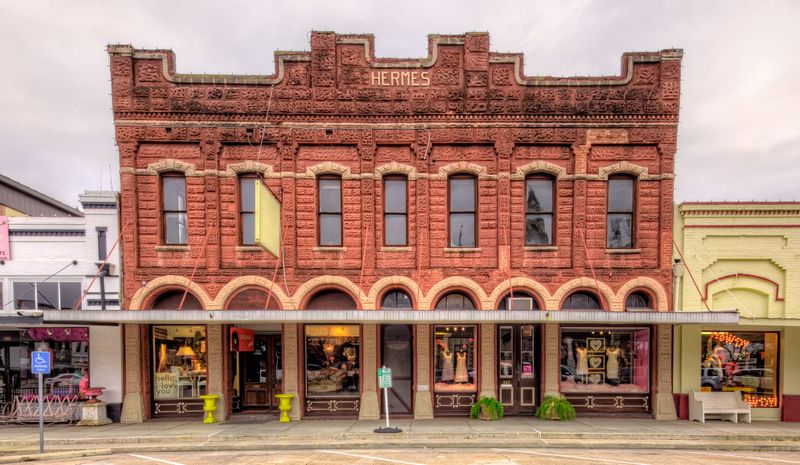
Textile art might not be the first thing you expect in a small Texas town. The Texas Quilt Museum makes a strong case that it should be.
Two restored buildings from the 1890s hold the galleries, and the setting does half the work. High ceilings, brick walls, and original hardwood floors give every hanging quilt a warm backdrop.
Exhibits rotate between antique pieces and contemporary work. The range of colors and patterns is genuinely striking, and even visitors with zero sewing knowledge tend to leave impressed by the precision involved.
You will find it at 140 West Colorado Street, an easy walk from the courthouse square. That central location makes it simple to fold into a larger downtown loop.
Hours run Thursday, Friday, and Saturday from 10 a.m. to 4 p.m., so plan your trip accordingly. Showing up on a Tuesday will not work.
Quilting carries real weight in this region’s history. Immigrant families brought patterns and techniques with them, and many designs on display trace back through generations of Texas households.
Allow 45 minutes to an hour. Moving slowly is the right approach, since the detail work rewards close attention and the lighting inside was clearly chosen with that in mind.
A small gift area offers books and related items. It is a nice stop even if quilting was nowhere on your radar before the drive down.
Bluff Views Over the Colorado River at Monument Hill
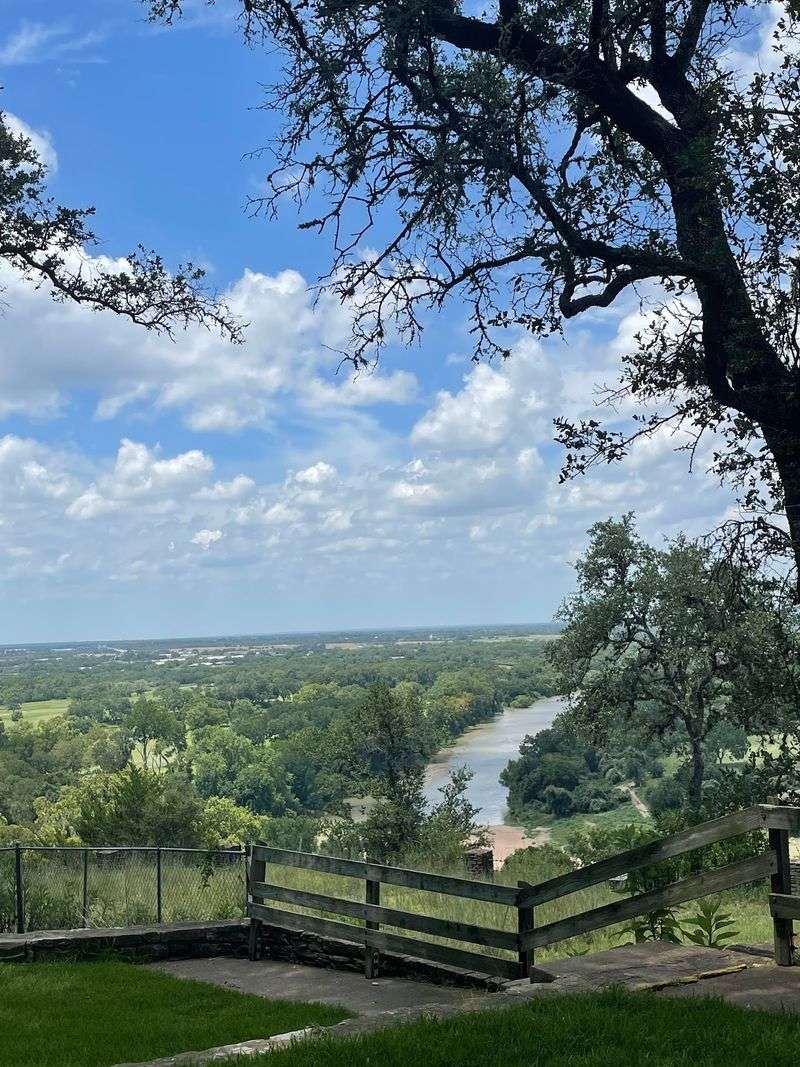
The best view in Fayette County requires a short walk and a little elevation. From a sandstone bluff inside Monument Hill and Kreische Brewery State Historic Sites, the Colorado River spreads out below alongside the rooftops of La Grange.
The 40-acre park sits at 414 State Loop 92. Oak woodlands and shaded trails lead toward the overlook, which geologists know as part of the Oakville Escarpment.
That escarpment is the reason the river bends the way it does. Thousands of years of water working against rock shaped the whole valley you are looking at.
Beyond the scenery, the site carries real historical weight. Monuments here commemorate Texans connected to the Dawson Massacre and the Mier Expedition, giving the spot a solemn quality alongside the pretty views.
The same grounds hold the ruins of a brewery founded by Heinrich Kreische, a stonemason from Saxony who settled here in the 1800s. His family home still stands and shows off German building styles from the era.
Self-guided walks through the foundations are straightforward and well marked. The stonework built into the hillside is impressive on its own.
Picnic tables under the oaks have drawn families for generations. Late afternoon is the sweet spot, when the light softens and the river below picks up a golden tint.
Wear real shoes. The paths are gentle but uneven in places.
Paddling and Slow Trails Along the Colorado
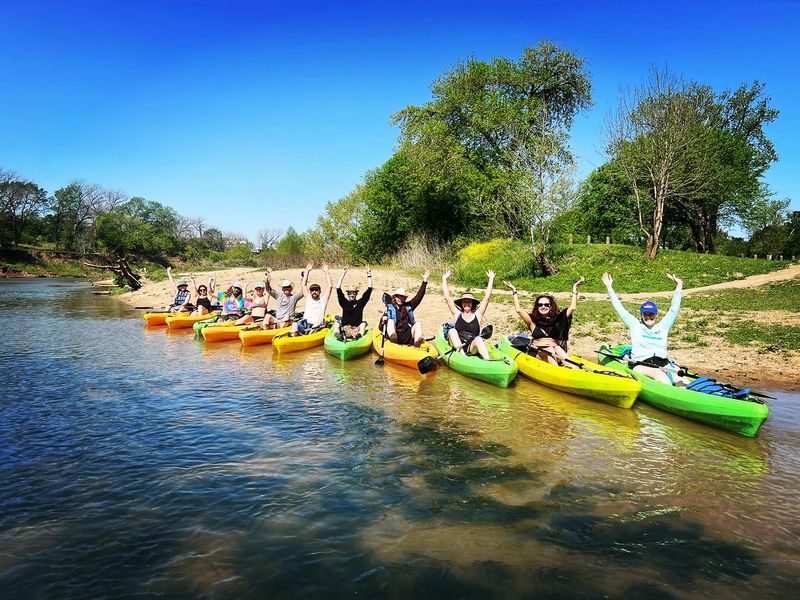
Down at water level, the river feels like a completely different place than it does from the bluff. Slow current, heavy green banks, and almost nobody around.
Kayaking through this stretch of the Colorado is one of the more underrated ways to spend a morning in Central Texas. Several docks provide access, including a convenient one on the south side of the Highway 71 Business Route bridge where it crosses the river.
Local outfitters such as Camp Lone Star arrange paddling trips for visitors without their own gear. That removes most of the planning headache.
Wildlife shows up regularly along the quieter sections. Herons, turtles, and plenty of songbirds keep things interesting between paddle strokes.
For dry land options, Colorado Landing RV Park at 64 East Bluffview opens up 28 acres of shaded woods and winding trails. Walking, biking, bird watching, and fishing all work well here.
The paths stay cool under tree cover even when the afternoon heats up. Several spots along the way drop down to the water’s edge.
A bit of history to file away. The first bridge across the Colorado at La Grange went up in 1883, which changed how the growing town connected to everything around it.
Finish the day back on the square, where the Saturday farmers market runs from 8 a.m. to noon year round. Fresh produce, local crafts, and a genuinely friendly crowd.
