There’s no wheat flour, no dairy, and no cane sugar anywhere on this menu. Beef, pork, and chicken are missing too, and nobody seems to mind one bit.
Instead, the kitchen leans on bison, elk, venison, wild rice, sumac, and cedar. These are ingredients that grew in North America long before European ships arrived.
I find it easy to appreciate a restaurant with a mission this clear. Its earlier version won a James Beard Award for Best New Restaurant in the country. Now it has moved into a bigger, glittering home on the Minnesota riverfront.
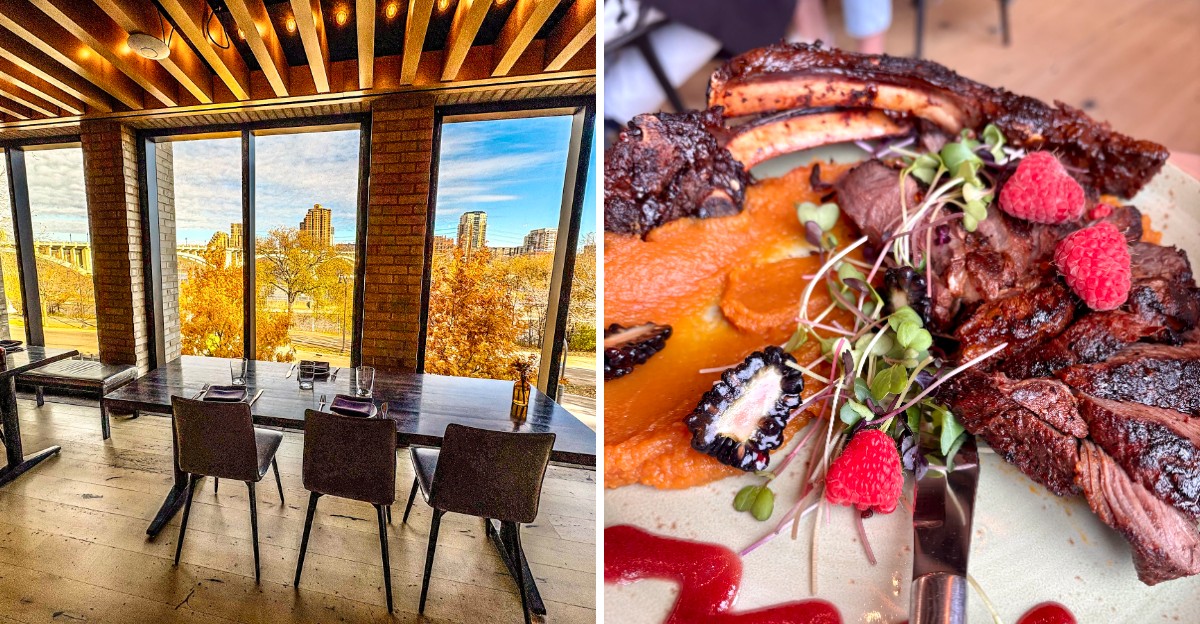
One detail I find worth mentioning is the view. Diners look out toward a waterfall that the Dakota people consider sacred.
Meet The Menu That Quietly Skipped Five Centuries Of Pantry Changes
Indígena by Owamni cooks with one firm rule. If European colonizers brought an ingredient to North America, it stays off the plate.
That rule removes wheat flour, dairy, and cane sugar. It also removes beef, pork, and chicken, which wipes out most of a typical American menu.
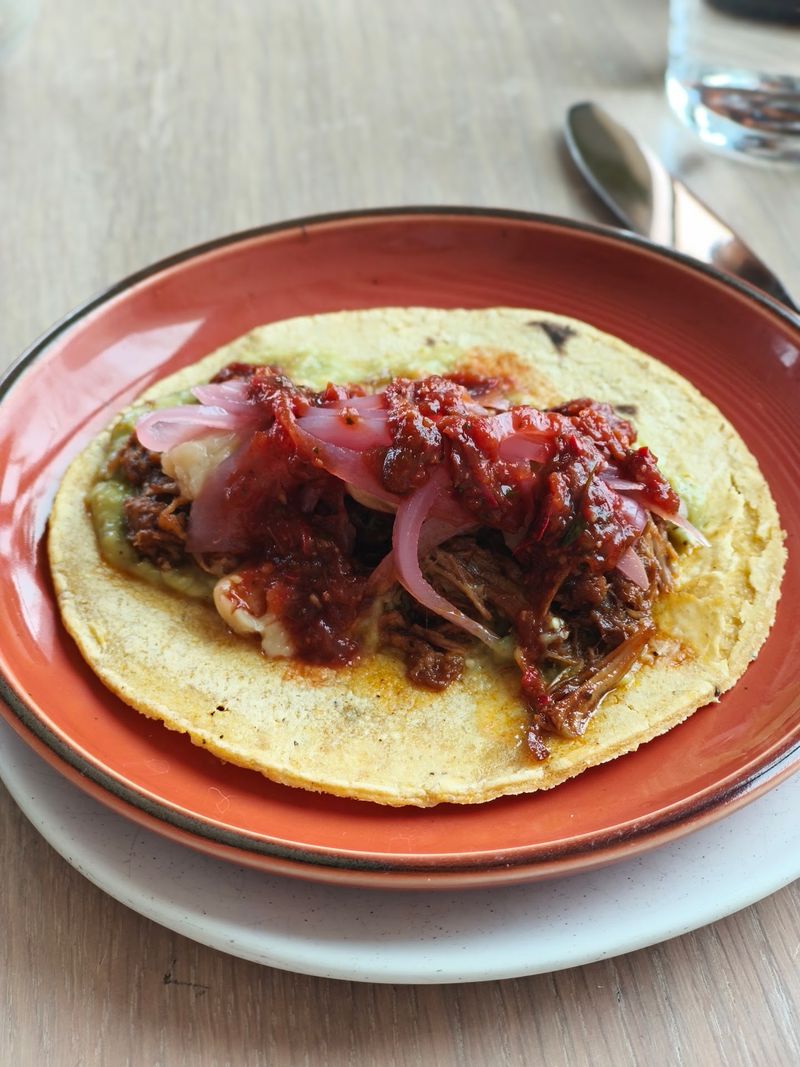
What’s left is surprisingly huge. Game meats like bison, elk, and venison share space with fish, wild plants, heirloom grains, and vegetables.
Corn, squash, and sweet potatoes show up often. Wild rice, sumac, and cedar add flavors that many diners have never tasted before.
Because of the rule, every dish is naturally gluten-free and dairy-free. There’s no added cane sugar either, which makes life easier for people with food restrictions.
Plenty of vegetable dishes are vegan by default. You don’t need to ask for a special version or pick things off your plate.
Chefs here call this approach decolonized cuisine. The idea is simple, though the cooking behind it takes real skill and deep knowledge.
For anyone who thinks a meal needs bread and butter to feel complete, this place offers a friendly challenge. It proves those staples were never the only option on this continent.
A Chef Called The Sioux Chef Started It All
Chef Sean Sherman is a member of the Oglala Lakota Sioux tribe. Many people know him by a playful nickname, The Sioux Chef.
His goal goes far beyond one great dinner. Sherman wants to revive Indigenous food systems and bring Native culinary heritage back into everyday life.
He also co-founded the nonprofit North American Traditional Indigenous Food Systems, or NATIFS, with Dana Thompson. Since 2023, that nonprofit has owned and run the restaurant.
That setup matters more than you might expect. The restaurant operates as a not-for-profit enterprise tied to a bigger cause.
NATIFS works to address health and economic gaps in Native communities. It does this through food education and by rebuilding traditional Native foodways.
So every meal connects to something larger. Your dinner helps support a mission that stretches well past downtown Minneapolis.
Sherman also backs Indigenous producers directly. The kitchen buys from Native fishers, ricers, and farmers, and plans to spend much more with them at this new location.
The restaurant trains and hires Indigenous chefs and cooks too. That helps grow a new generation of cooks who carry these traditions forward.
From Award Winner To Fresh New Name Just Blocks Away

Back in July 2021, the original Owamni by The Sioux Chef opened at Water Works Park Pavilion. It sat near St. Anthony Falls on the Mississippi.
The building had serious history. The original restaurant occupied the upper floor of the modern Water Works Pavilion, which incorporates historic remnants of the 19th-century Columbia Flour Mill.
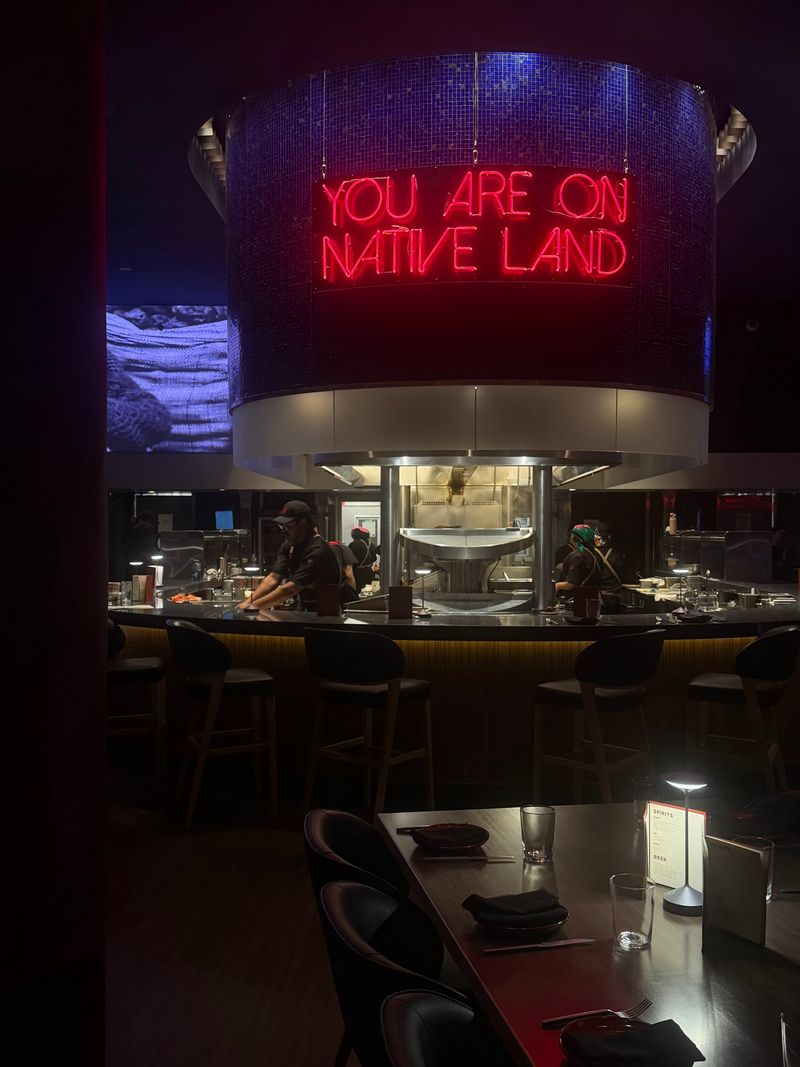
A red neon sign inside delivered a memorable message. It read, You Are on Native Land.
The national spotlight arrived fast. In 2022, the James Beard Foundation named it Best New Restaurant in the United States.
That’s one of the biggest honors in American dining. Winning it within a year of opening put Minneapolis on plenty of food lovers’ radar.
In October 2025, big news dropped. The restaurant would relocate and take on a new name.
Indígena by Owamni held its soft opening on June 23, 2026. The full launch followed on July 4, 2026.
The move didn’t take it far. The new home sits just a few blocks from the old one, so the riverfront connection stayed strong.
Those Windows Point Toward A Sacred Waterfall
Owámniyomni is the Dakota name for St. Anthony Falls. It translates to place of the falling, swirling water.
The restaurant’s own name comes from that word. So the view from the dining room isn’t just pretty, it’s personal.
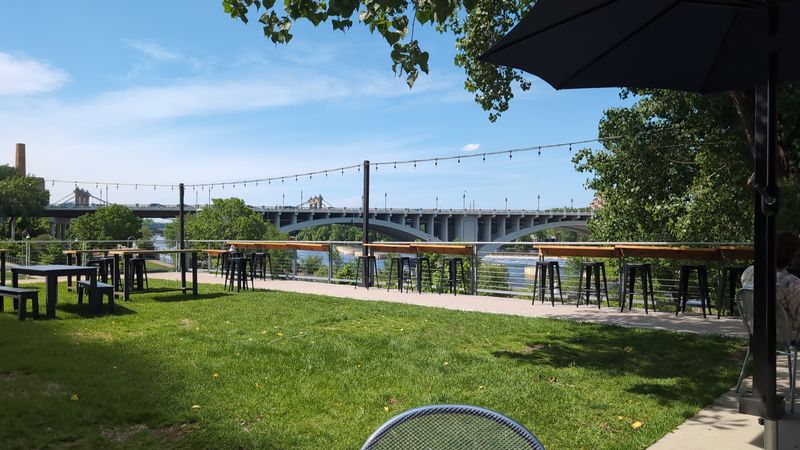
These falls are sacred to the Dakota people. Indígena by Owamni sits on the Mississippi Riverfront overlooking them.
That setting gives the meal extra meaning. You’re eating Indigenous food while gazing at land and water tied to Indigenous history.
The location also makes Minneapolis easy to explore. The riverfront has walking paths, parks, and historic spots close by.
The original restaurant sat in a park pavilion near the same falls. Moving a few blocks kept that link with the river intact.
Timing your visit for good light could be smart. Big windows and moving water tend to look their best before the sky goes dark.
Plenty of restaurants brag about a view. Few can say the view inspired their name and connects to the whole mission behind the menu.
It’s a reminder that place shapes food. Here, the river is part of the story from the first bite to the last.
Wild Rice And Sumac Show Up In Your Glass Too
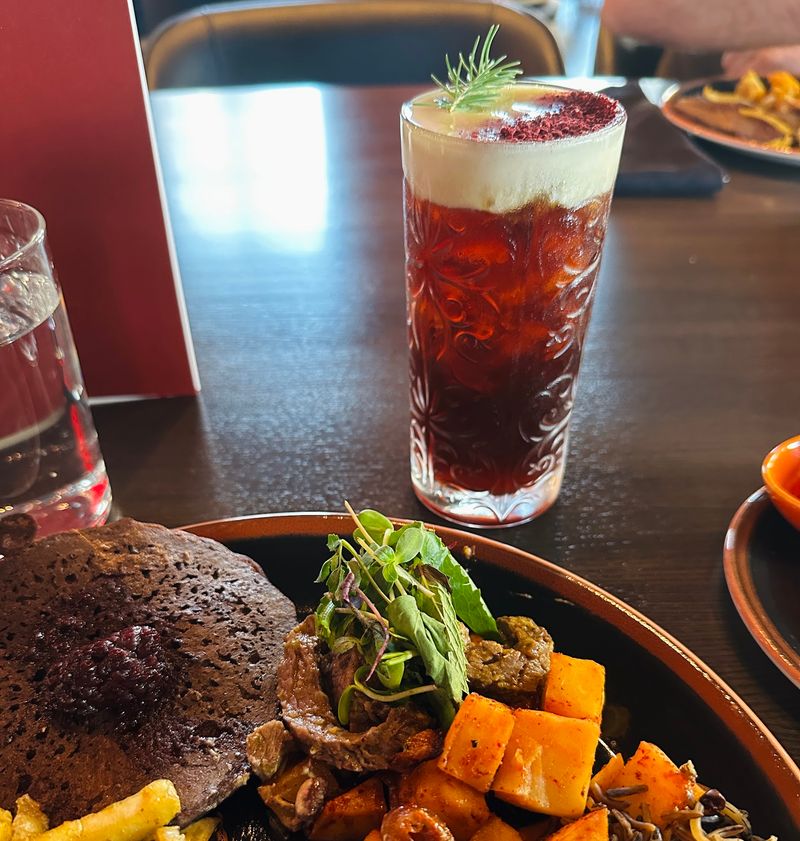
Iced tea made with chaga mushrooms might not be on your bucket list yet. After hearing about this drink menu, it could be.
The beverage program leans on Indigenous plants just like the food does. Wild rice, corn, sumac, nettle leaf, and chaga all appear in drinks.
Iced teas are a big part of the lineup. Craft mocktails round things out for anyone wanting something fancy and creative.
Sumac brings a tart, bright flavor. That’s handy at a place that skips citrus, a detail some servers explain to guests.
Nettle leaf has a long history in herbal drinks. Chaga is a mushroom that grows on birch trees in northern forests.
Corn and wild rice in a glass sound unusual. Yet they fit the restaurant’s philosophy of honoring what this land naturally provides.
The specialty drinks offer creative flavors, but some contain added sweeteners such as maple syrup, agave, or honey. Nobody gets stuck with plain water while the table celebrates.
Ask your server which flavors are in season. Since the kitchen follows ingredient availability, the drink options may shift through the year.
Dinner Inside A Famous Theater Feels Pretty Dramatic
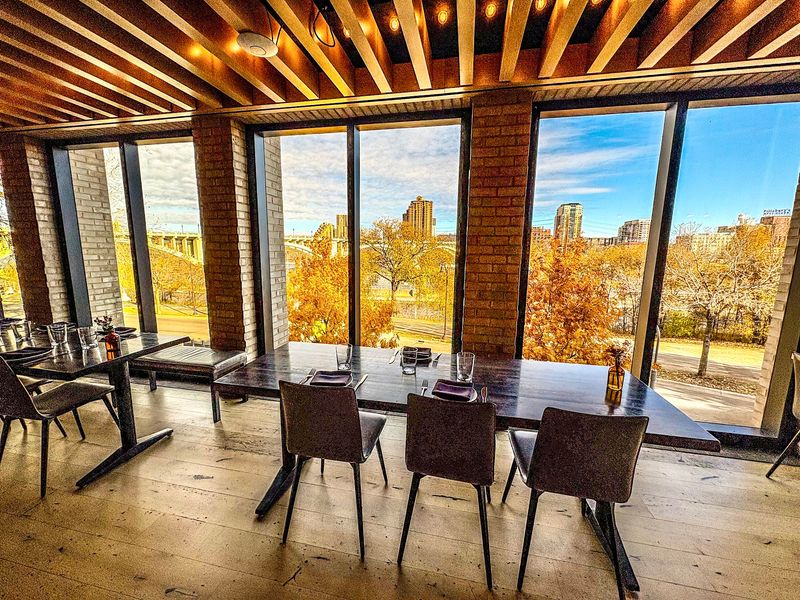
Most restaurants don’t share a building with one of the country’s best-known theaters. This one does, and it shows.
You’ll find it at 806 S 2nd St in Minneapolis, Minnesota. It fills the main floor of the Guthrie Theater.
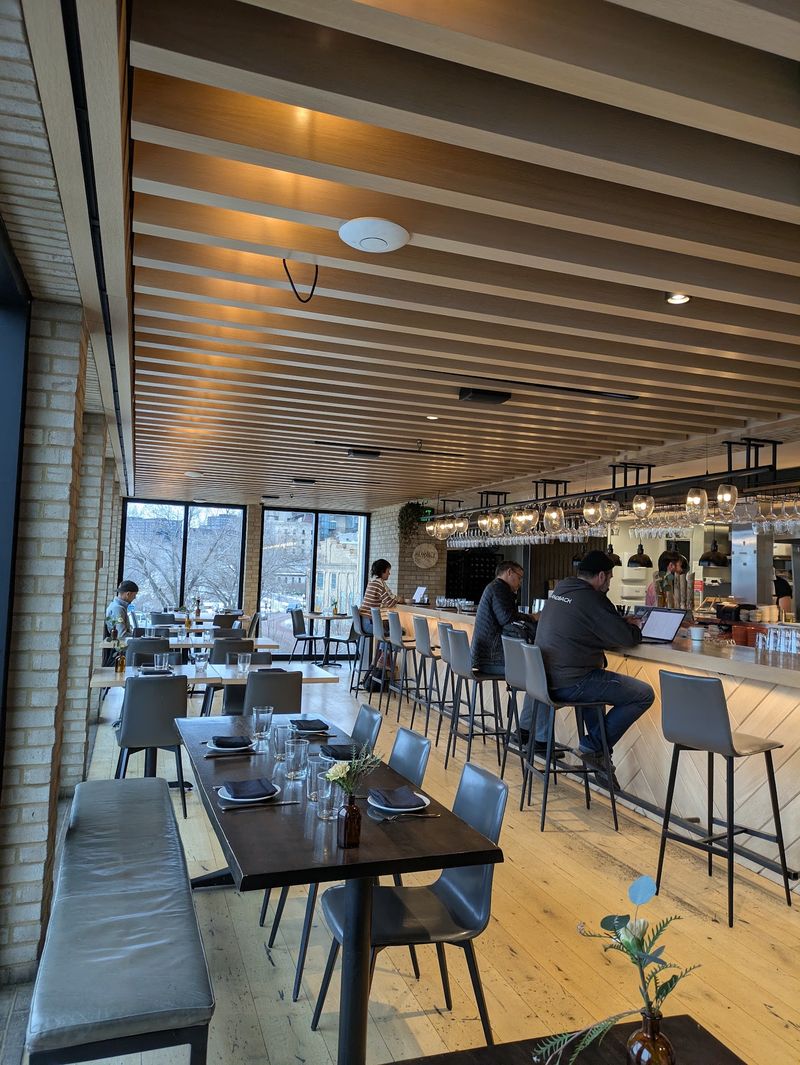
The Guthrie is known for its dramatic public spaces. The restaurant fits right in with a glittery, spacious look.
Large windows open the room to the riverfront. Daylight pours in, and the Mississippi becomes part of the decor.
The mood feels elevated and intentional. Even so, it stays warm rather than stiff, so nobody needs to whisper.
That balance is tricky to pull off. Fine dining can feel formal, but this room seems built for real conversation.
Size is another big change. The new space has more than double the seating of the original location.
More seats means more chances to snag a table. That’s welcome news for a place that has been famously hard to book.
A theater lobby and a riverfront view make a fun pairing. You can catch a show and a meal under one roof, which saves you a cold walk on a Minnesota winter night.
Bigger Game Cuts And An Oyster Bar Joined The Party
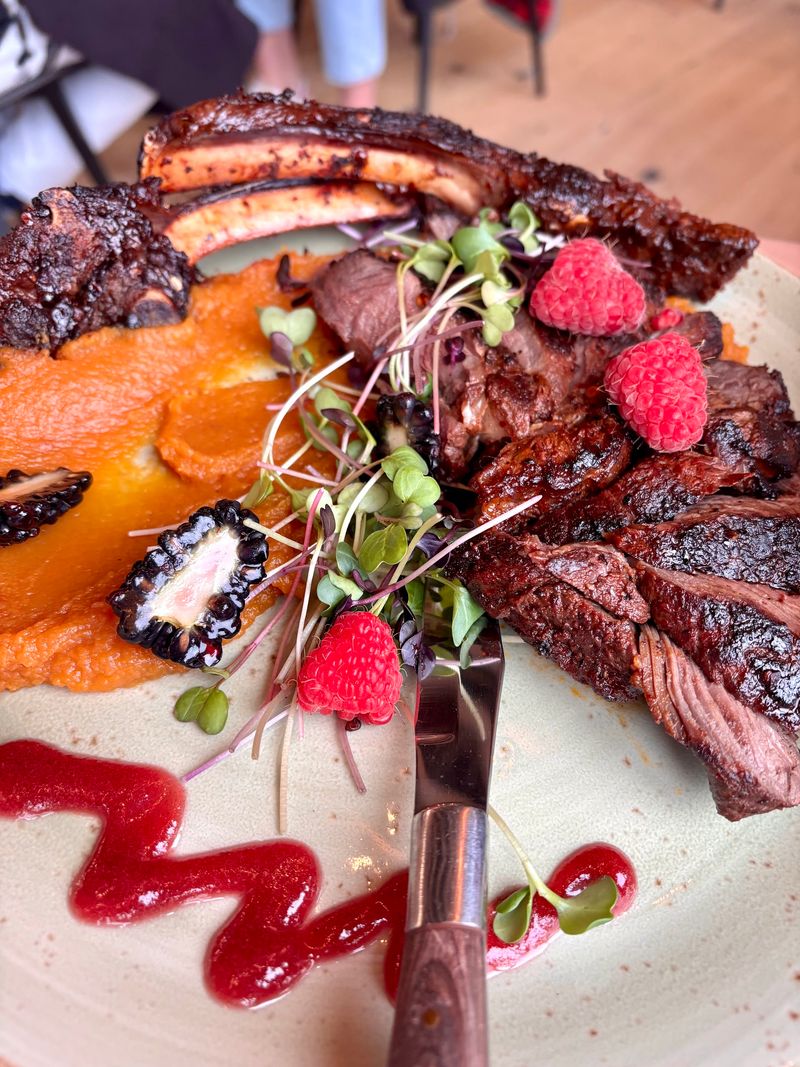
Moving to a larger space gave the kitchen room to stretch. The expanded menu now features larger game cuts like bison, elk, and venison.
Meat lovers, take note. These are proteins that roamed North America long before cattle showed up.
Seafood got a big boost too. There’s now a full oyster bar, which wasn’t part of the old setup.
The seafood selection also grew. It highlights the Indigenous diaspora, showing that Native food traditions stretch far beyond the Upper Midwest.
That’s a clever way to widen the story. Coastal and southern Indigenous cultures get a seat at the table alongside Great Lakes traditions.
Remember, the menu changes with the seasons. What’s available depends on what’s growing, swimming, or being harvested at the time.
So two visits months apart may look quite different. That keeps things interesting for anyone who comes back often.
Sharing dishes is a smart move here. Ordering a few plates for the table lets everyone sample game, seafood, and vegetables in one sitting.
It also helps first-timers stay brave. Trying elk feels easier when you’re passing it around with friends instead of committing to a whole plate alone.
Grab A Seat At The New Chef’s Table For Something Special
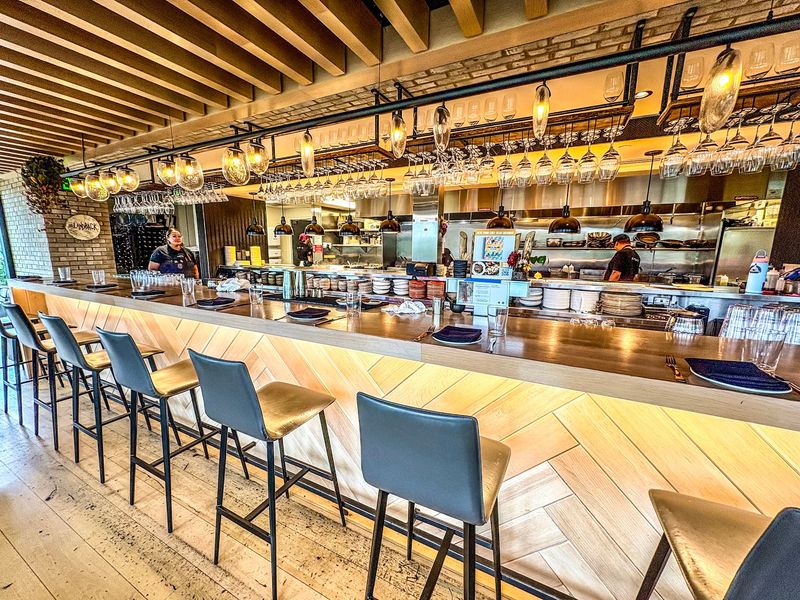
Special occasions call for special seats. The new Chef’s Table at Indígena by Owamni offers curated tasting menus and coursed dinners.
A tasting menu takes the pressure off ordering. The kitchen guides the meal, course by course, so you can simply relax and enjoy.
That’s especially helpful at a restaurant like this. Many diners may not know much about Indigenous ingredients yet, so a guided meal works like a tasty lesson.
Beyond the food, the team brings culture into the room. The staff is mostly Native American, which gives the experience a genuine voice.
Shifts reportedly start with a sage ceremony. Indigenous music plays in the space to help set the tone.
Those touches show the restaurant is about more than eating. It’s a platform for storytelling and cultural revival.
The goal is to reconnect people with traditional Indigenous food practices. A coursed dinner gives that story time to unfold naturally.
Birthdays, anniversaries, and big wins all seem like fair excuses. So does simply wanting to learn something new over a memorable meal.
Planning ahead is wise for this option. Booking early gives you the best shot at a seat with the kitchen’s full attention.
Smart Planning Makes Your Visit So Much Smoother
Reservations are strongly recommended, and that’s not an exaggeration. This Minnesota favorite has been popular since the original location opened.
Lunch may offer more open tables than dinner. If your schedule is flexible, a midday meal could be the easier win.
The doors open at 11 AM Tuesday through Friday. Saturday and Sunday start earlier at 10 AM, and every day except Monday runs until 11 PM.
Mondays are closed. Plenty of travelers have planned a big Monday dinner somewhere, only to find a locked door, so skip that heartbreak.
The larger space helps with demand. More than double the seats means better odds than at the old pavilion.
Food sensitivities are easier to handle here than at most places. With no gluten, dairy, or cane sugar, many common worries are already solved.
Still, mention any allergy when you order. Dishes can include ingredients you wouldn’t guess, like seeds or wild herbs.
Pairing a meal with a Guthrie show makes for a full evening. You get culture on the stage and on the plate.
Indígena by Owamni rewards a little planning. Show up curious, share plates, and let the Minneapolis riverfront do the rest.
