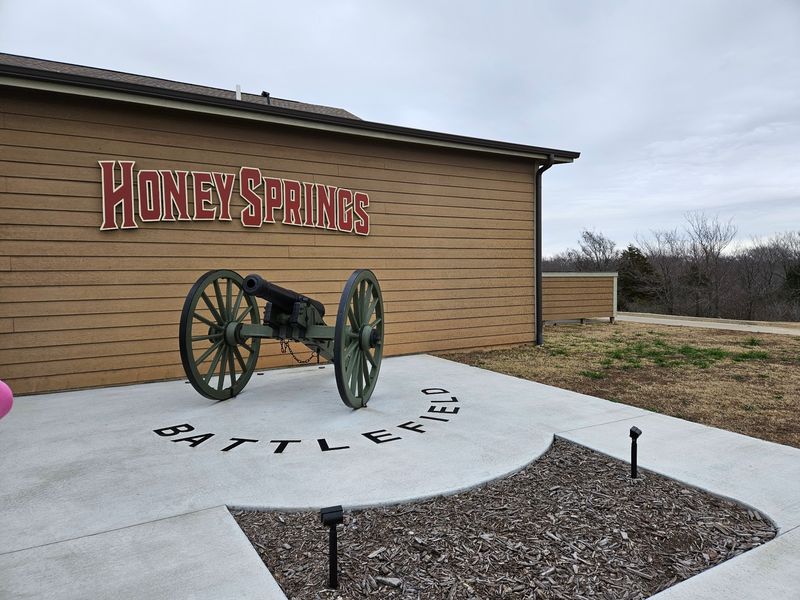
I expected a quick stop, maybe a sign and a parking spot, somewhere off a quiet Oklahoma highway. Instead I found open fields and creek-side trails that look almost exactly like they did in the summer of 1863.
Thousands of soldiers once faced off here, and the story involves Black regiments and Native nations in ways most history books skip. If you think you know Civil War history, this patch of prairie and woods might surprise you.
A Battlefield Between Checotah and Muskogee
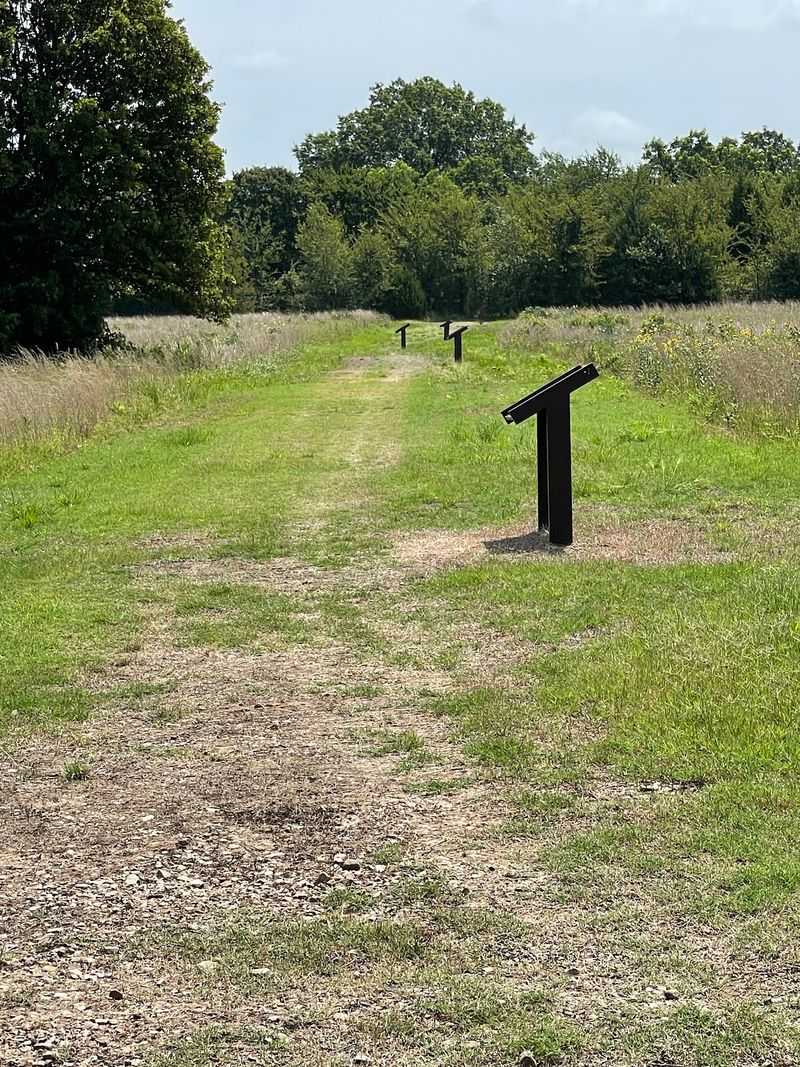
Picture a stretch of rolling ground where southern Muskogee County meets northern McIntosh County, about five miles north of Checotah. That quiet spot, tucked east of U.S.
Highway 69 between Rentiesville and Oktaha, holds Honey Springs Battlefield.
On July 17, 1863, it became the site of the largest Civil War engagement in what was then Indian Territory. Today the Oklahoma Historical Society protects more than 1,000 acres of it, roughly 1,100 acres in all, so the land has stayed wide open instead of turning into subdivisions or strip malls.
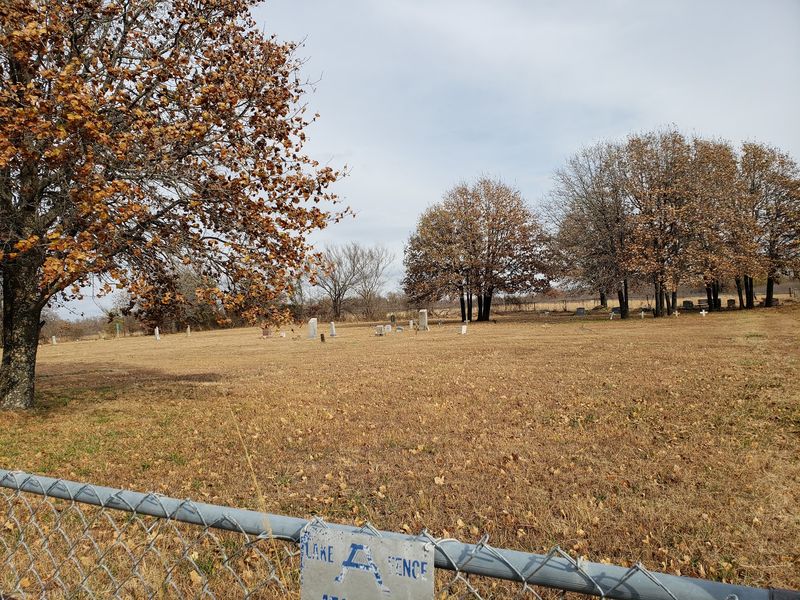
Visitors who have toured famous battlefields like Vicksburg and Pea Ridge often say Honey Springs feels different. There are no paved roads winding through the fields and no crowds jockeying for photos.
The land looks much like it would have when two armies met out in the middle of nowhere.
For Oklahomans, the setting is refreshingly close to home. From Tulsa or Muskogee, it makes an easy day trip, and folks coming from Oklahoma City can reach it in a comfortable drive.
You get real, walkable history without a plane ticket or a pricey tour package, which is a pretty good trade for one afternoon of your weekend.
The Day Elk Creek Changed Indian Territory
Confederates had a surprisingly modest name for it: the Affair at Elk Creek. The Union remembers it as the Battle of Honey Springs, and the outcome was anything but modest.
Major General James G. Blunt led the Union troops, while Brigadier General Douglas H.
Cooper commanded the Confederate side. Around 6,000 men and horses were encamped on the grounds before the fighting started.
When the smoke cleared, the Union held the field.
That victory mattered far beyond one July afternoon. It helped the Union gain control of Indian Territory and opened the road for its forces to capture Fort Smith, Arkansas.
It also kept the southern army from holding sway over Kansas and the land that would become Oklahoma.
Historians have long ranked the site as significant. Back in 1993, the Civil War Sites Advisory Commission named Honey Springs a top priority for preservation, and a multi-million dollar plan has since supported that work.
Here is a fun bit to share with the kids on the drive: the Confederates were stocked up at a supply depot near the springs themselves, which is how the battlefield earned its sweet-sounding name. Knowing that story makes the quiet fields feel a lot more alive.
Soldiers From Many Nations on One Field
Few Civil War battles brought together such a mix of people. At Honey Springs, African American soldiers, white troops, and Native American regiments all fought, and the lines did not split neatly.
Men from the Cherokee and Muscogee (Creek) nations served on both the Union and Confederate sides. Families and communities found themselves divided in ways that still echo in Oklahoma history.
Treating that story with care is a big part of what the site does well.
The 1st Kansas Colored Infantry played a major role for the Union. Visitors often point out that this battle saw Black troops fight in larger numbers than in the better-known South Carolina engagements, and their performance helped secure the victory.
Standing on the ground where all of these groups met can be a powerful experience. It turns the war from something that happened back east into something that shaped the homelands of Oklahoma’s tribal nations and the lives of formerly enslaved people seeking freedom.
If your family enjoys heritage stops like the tribal museums around the state, Honey Springs fits right into that lineup. It offers a thoughtful way to talk with children and grandchildren about courage, hard choices, and how many different people helped write Oklahoma’s story.
Inside the Visitor Center Theater and Exhibits
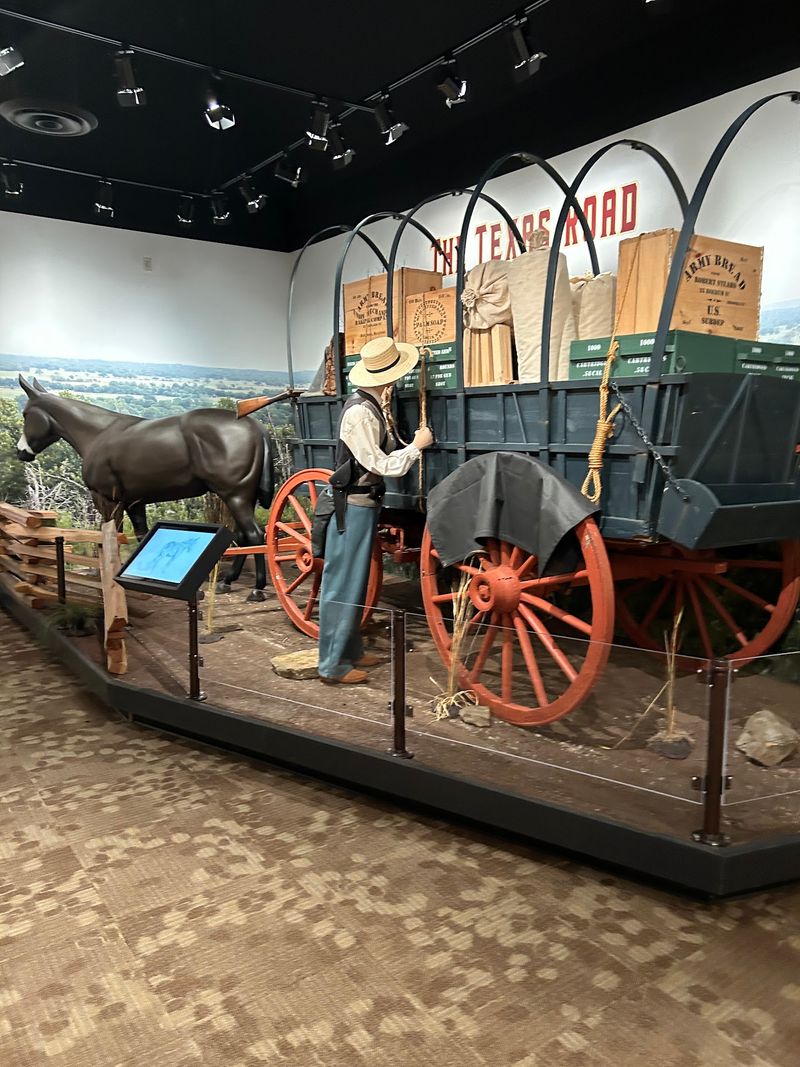
Start indoors, even if the trails are calling your name. The Visitor Center sets the stage so the fields outside actually make sense.
A short film, around 12 to 15 minutes long, walks you through the battle. Guests love that it is narrated from the viewpoints of the two generals and also shares perspectives from the Black soldiers and the Native American soldiers.
Many families say it sparked real conversation afterward, and the film is timed to connect with the exhibits nearby.
Once the lights come up, the museum rooms are packed with interpretive graphics and artifacts. Life-sized mannequins dressed in Union and Confederate uniforms stand beside artillery on display, which tends to grab the attention of younger visitors fast.
Folks describe the museum as small but clean, well kept, and full of detail.
History buffs should peek at the library, where you can do a bit of research on the battle and the region. The staff gets frequent praise for being friendly, and the on-site historians are happy to answer questions.
Groups can even request a historian to come along for a tour. It is a cozy, welcoming spot that packs a lot of learning into a modest building.
Six Trails Through Untouched Ground
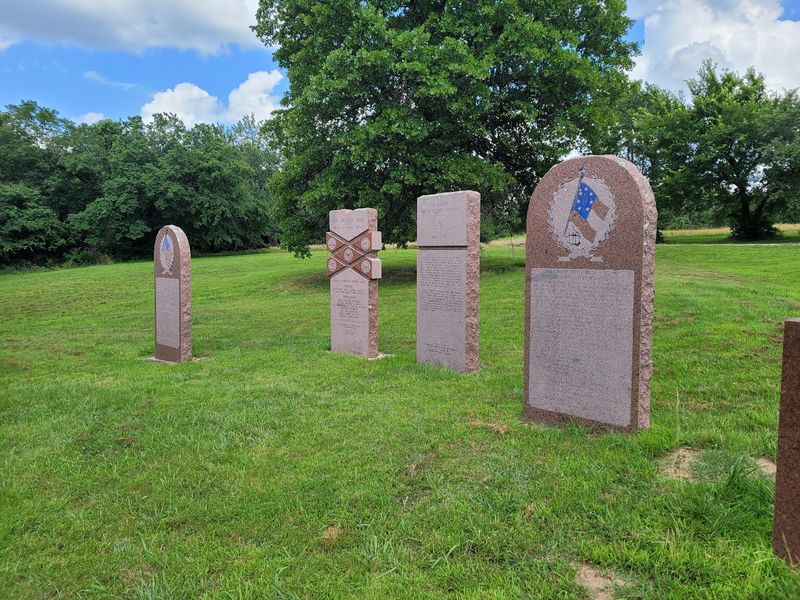
Lace up your sneakers, because the real magic happens outside. Six walking trails lead across the grounds, letting you stand near where Confederate forces set up and where the Union launched its attack.
Elk Creek is a favorite stretch for many visitors, and it is easy to see why. Shady banks and quiet water make it feel peaceful now, which adds a strong contrast when you picture the fighting there.
Some guests describe the whole place as feeling like hallowed ground.
Granite memorials and monuments appear along the paths and hold up nicely. The older interpretive signs have struggled, though, since many faded and cracked under the Oklahoma sun.
The good news is that the site has shared that it is updating and reprinting trail signs as part of a larger restoration project expected to take a few years.
Another welcome change is the underbrush clearing north of the Visitor Center. Opening up that land gives a more realistic view of how the camp may have looked.
Pack bug spray, since ticks do show up in the grass, and bring water in warmer months. Trails close at 4 p.m., so plan your walk early enough to enjoy it without rushing.
Reenactment Weekends Worth Planning Around
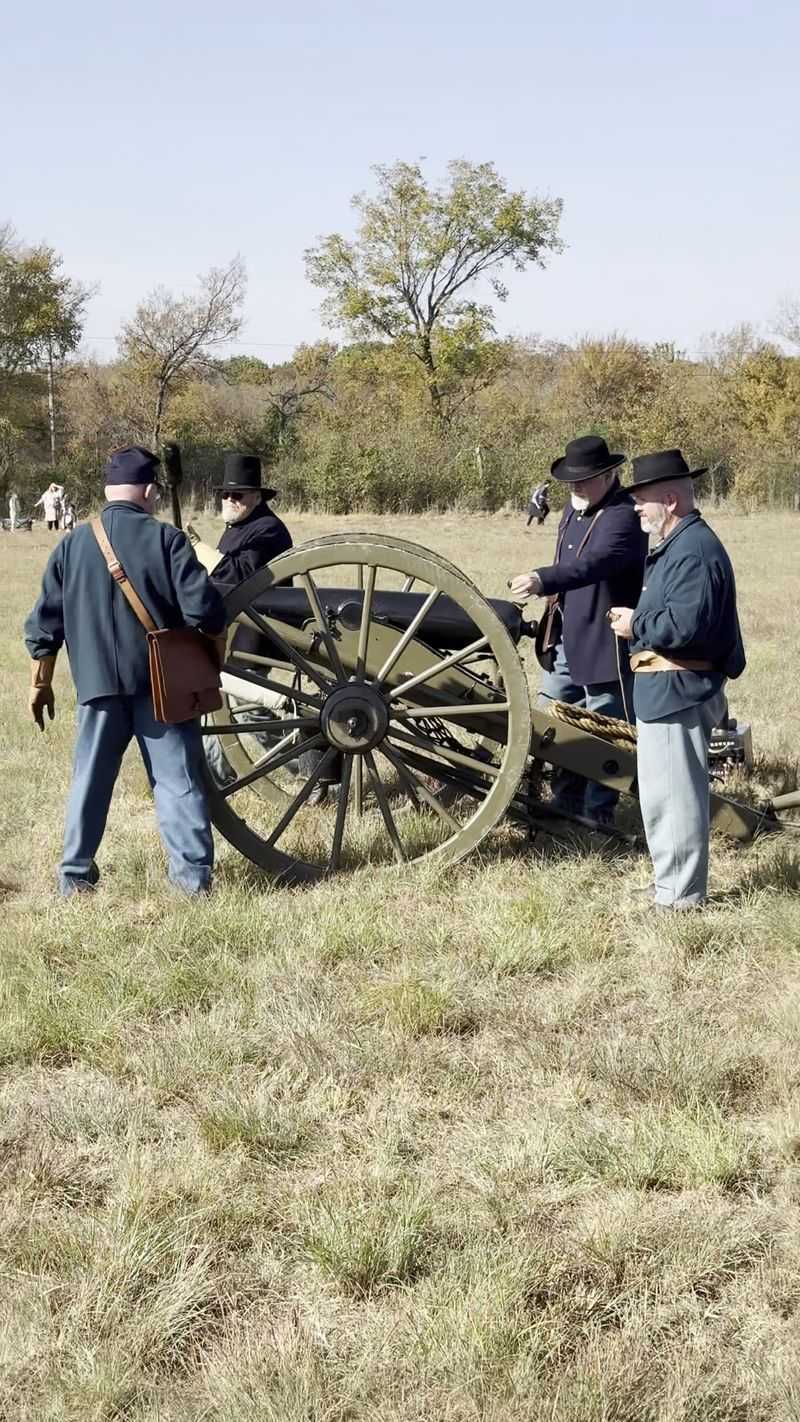
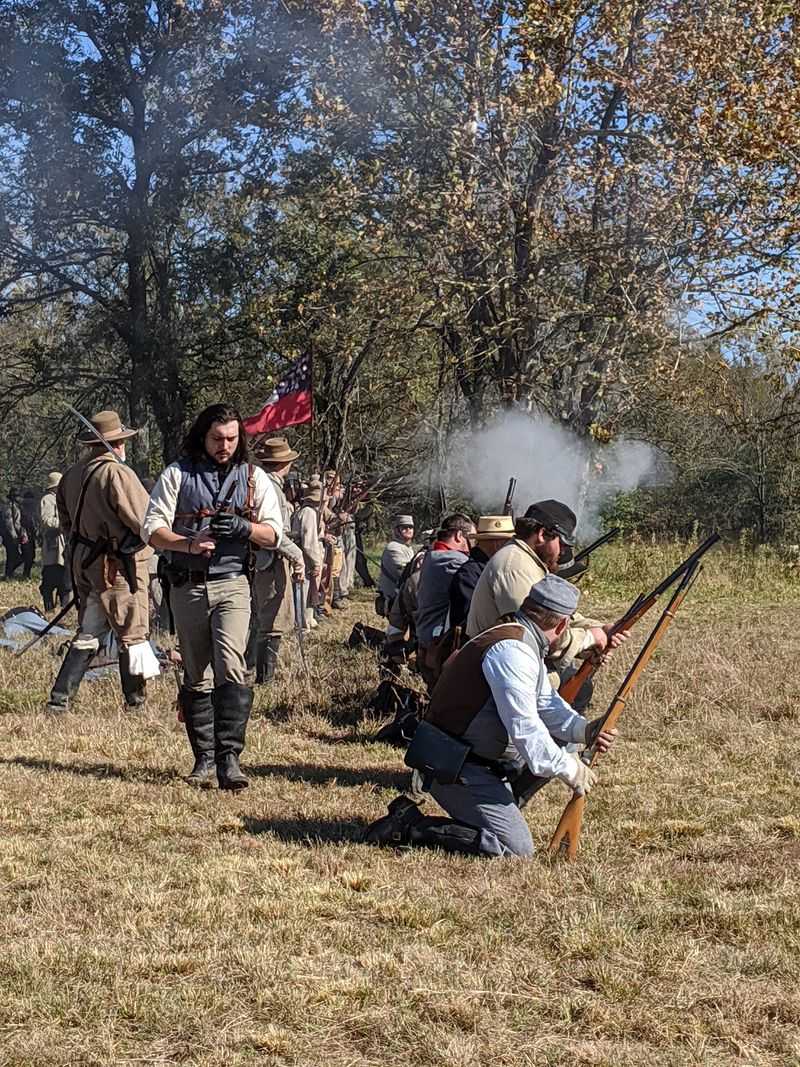
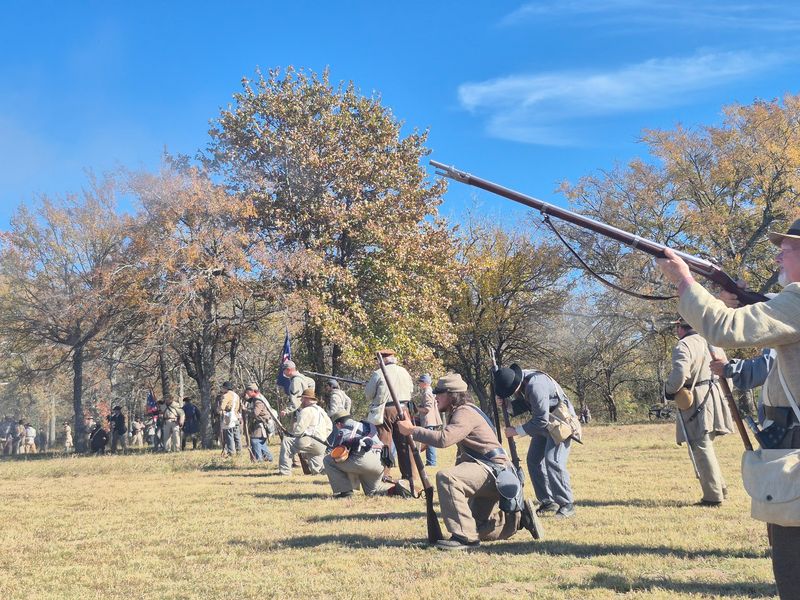
Cannons boom, horses thunder, and suddenly the history books spring to life. The Honey Springs reenactment is one of the most talked-about events on site, held every odd-numbered year, typically in the fall around November.
Spectators rave about how much effort the volunteers and reenactors pour into it. An announcer often guides the crowd through the action, sharing local history and the events that led to the clash.
Afterward, reenactors are known to stick around and answer questions.
Across a small bridge, the reenactors set up a camp you can wander through once the battle wraps. Kids tend to find this part just as exciting as the main event, since they get a close look at period gear and daily camp life.
A few seasoned tips come up again and again:
Arrive about half an hour early and bring your own chairs or a blanket, because you will be there a while. Parking is usually in a pasture across the road, which can get muddy after rain.
Pack hearing protection for little ones, since the cannons are very loud.
Vendors sell food and goods, and one repeat piece of advice stands out: grab a root beer.
Hours, Admission, and Finding Your Way
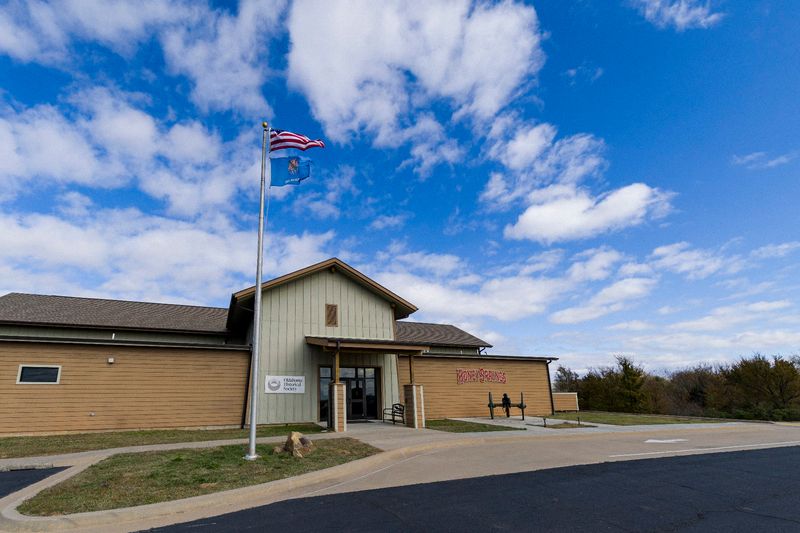
Mark your calendar carefully. The Visitor Center is open Tuesday through Saturday from 9 a.m. to 4:30 p.m., and it closes on Sundays and Mondays.
Trails shut down at 4 p.m.
Admission has been reported at around $7 for a regular adult ticket to the Visitor Center, though prices can shift, so it may help to call ahead at 918-617-7125. Occasional special closures do happen, and the site posts them on its website and social media pages, so a quick check before you leave home can save a wasted drive.
Directions matter here more than usual. Some GPS routes send drivers down miles of dirt road, so stick with U.S.
Highway 69 when you can. Take the Checotah and Rentiesville exit, follow Business 69 north to Rentiesville Road, then head east toward the battlefield signs and the Visitor Center.
The address to plug in is 423159 E 1030 Rd, Checotah. Earlier visitors had trouble spotting the newer building, but the site says it has improved visibility and updated its listings.
Summer heat and spring storms are real factors in this part of Oklahoma. Mild fall mornings are often the most pleasant time to explore.
A Quiet Stop With a Big Story
Sometimes the most memorable places are the ones without fancy gift shops or giant crowds. Honey Springs falls right into that category, offering a genuine piece of the Civil War tucked into the Oklahoma countryside.
It works well for a lot of different travelers. Grandparents who love history, parents looking for an educational outing, and scouts or school groups can all find something here.
Veteran battlefield visitors appreciate how untouched the land feels, while first-timers often leave surprised they had never heard this story before.
Keep expectations realistic, and you will likely have a great time. The museum is small, some outdoor signs are still being replaced, and the roads out here are rural.
Those quirks are part of the charm for many guests, and ongoing restoration work suggests the site will only get better.
Pair your visit with a stop in Checotah or Muskogee for lunch, and you have a full, affordable day. Plan a return trip for a reenactment year if you can.
Walking these fields gives you a new way to see your home state. Oklahoma’s past runs deeper than many realize, and this peaceful stretch of land proves it beautifully.
