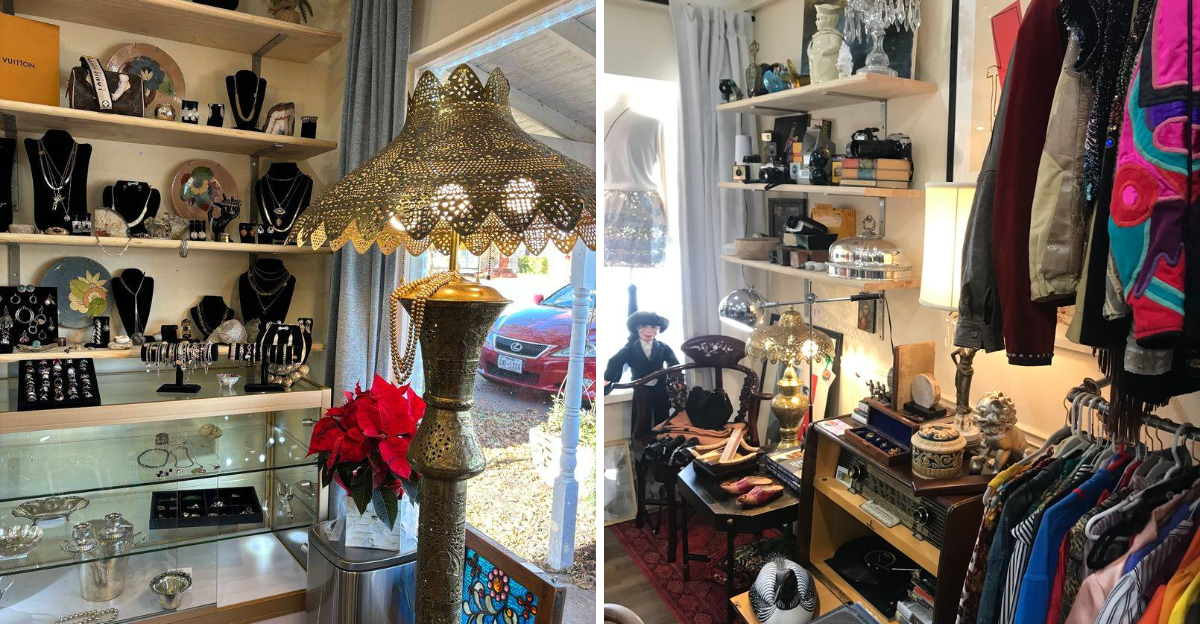
Vintage shopping becomes much more dangerous when there is absolutely no way to predict what will be sitting on the next shelf.
This Texas boutique is connected to an estate-sale business, so its inventory is constantly fed by personal collections and can include vintage clothing, jewelry, furniture, fine art, decorative pieces, vinyl records, old band posters, glassware, and more.
The store describes its collection as curated around items that are unique, interesting, and beautiful, which is basically permission to wander around looking for something wonderfully strange.
Texas has plenty of antique stores where shoppers arrive hunting for something specific, but this feels more suited to the opposite strategy: walk in with no plan whatsoever and see what weird little piece of somebody else’s history decides to follow you home.
A Neighborhood Shop That Hides in Plain Sight
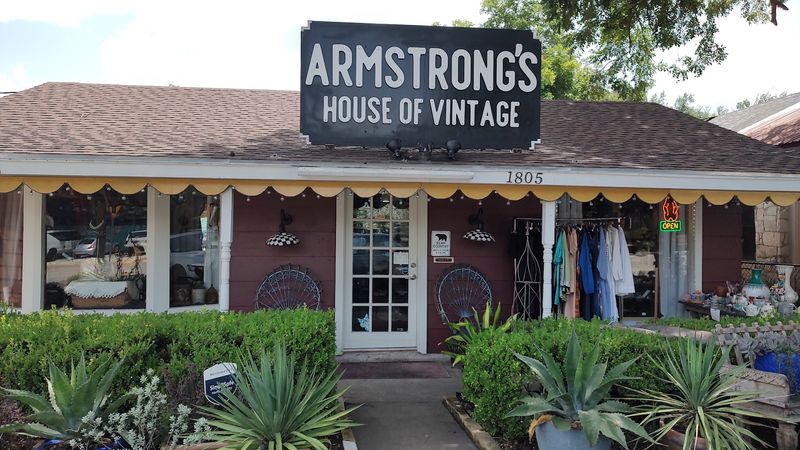
Armstrong’s House of Vintage sits close enough to central Austin that a detour costs almost nothing. The shop keeps a modest profile, which is part of the fun.
Nothing about the outside shouts, so the contrast once you step inside lands harder.
Parking around the area is straightforward compared to downtown, and the street itself makes for a pleasant slow walk. There are moments when the whole block feels residential, and then a small sign reminds you that a curated shop is hidden among the trees.
Hours run Tuesday through Saturday, so plan around that. Tuesday to Friday the doors open at 10 AM and close at 6 PM, while Saturday runs a shorter window from 11 AM to 4 PM.
Sundays and Mondays are quiet days for the shop, which catches a few travelers off guard. Checking the schedule before setting out saves an unnecessary drive across town.
What I appreciated most was the pace. No crowds pressing in, no music turned up loud, just a small space where browsing feels unhurried and genuinely enjoyable for anyone who likes older objects with character.
Jewelry Cases Worth Slowing Down For
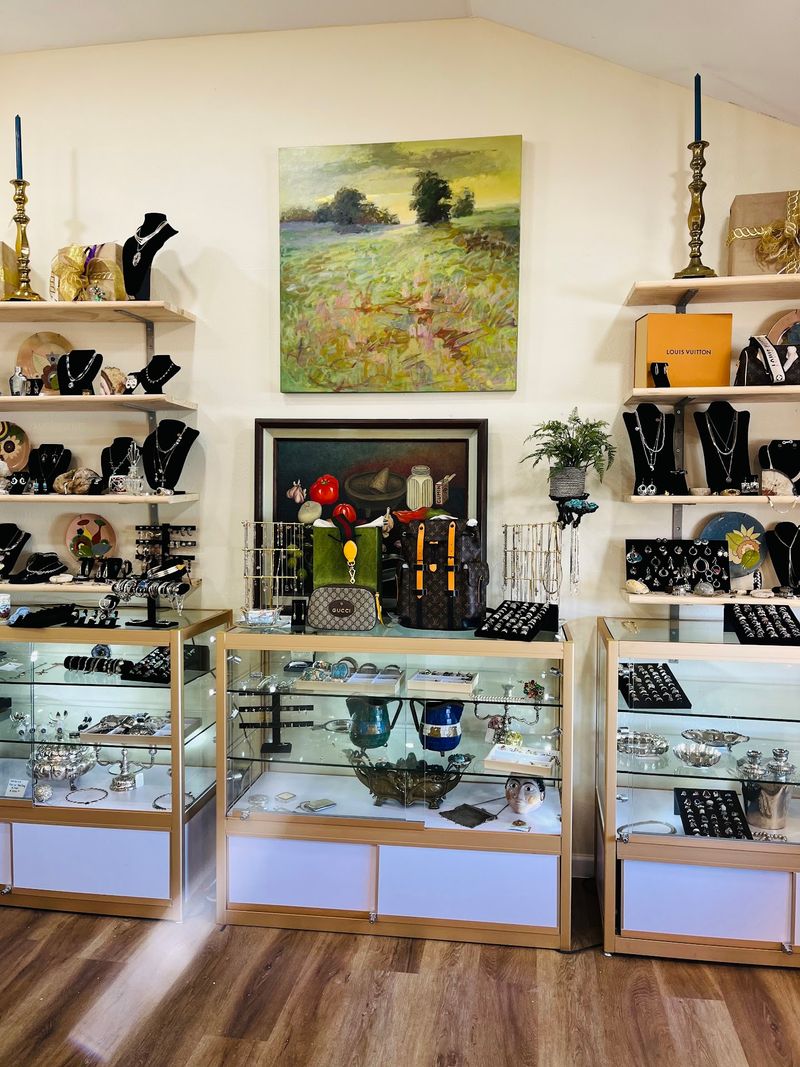
Sparkle does a lot of heavy lifting in this shop, and the jewelry cases are where most people stop first. Brooches, rings, chains, and statement pieces sit close together, catching light from every angle.
The range is genuinely wide. Delicate older designs sit near bolder pieces with big shapes and bright color, so the cases end up telling a rough history of style across many decades.
Because the shop buys gold and silver jewelry directly and takes quality pieces on consignment, the selection refreshes often. A visitor who came by a month ago would likely see something entirely different today.
Practical advice for jewelry hunting here. Take your time, ask to see anything behind glass, and pay attention to details like clasps, stones, and the weight of a piece in your hand.
Vintage jewelry rewards patience more than speed. The piece that seems ordinary at first glance often turns out to be the one you keep thinking about later that evening.
Sterling silver shows up throughout the store too, not only in jewelry but in serving pieces and small decorative objects. It gives the whole room a soft shine.
For travelers wanting a keepsake that actually feels tied to a place, a small vintage piece beats a mass-produced souvenir every single time.
Clothing Racks Spanning the 1800s to the 1980s
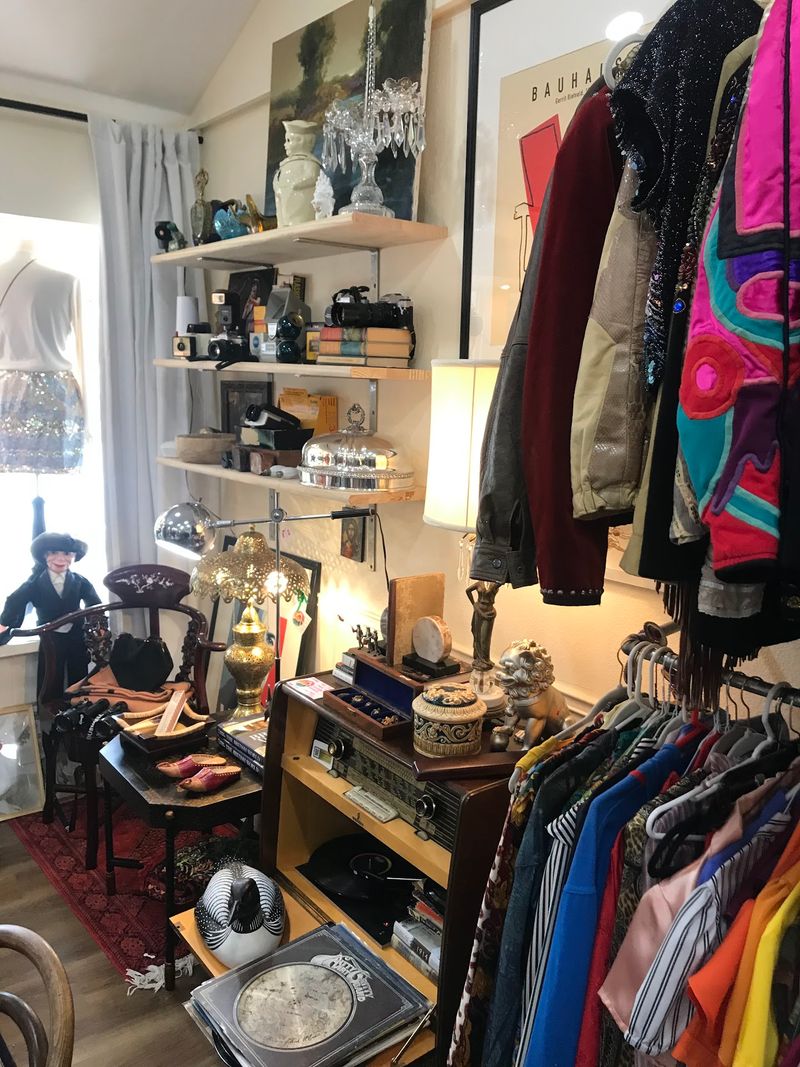
Fashion here does not stick to one decade, and that is what makes the racks so entertaining. Pieces range from romantic older styles all the way up to bold 1980s silhouettes with shoulders that mean business.
Flipping through hangers becomes a kind of time travel. One moment you are holding something soft and lace-trimmed, the next you are looking at strong colors and sharp tailoring.
Only garments in excellent condition make it onto the floor. Stained, ripped, or damaged clothing is not accepted for consignment, which spares shoppers the usual thrift-store gamble.
My tip for anyone trying vintage clothing seriously. Ignore the size on the tag, because sizing standards have shifted enormously over the years and old labels rarely match modern expectations.
Hold pieces up, check seams, and look at how fabric drapes. Older construction often surprises people with how sturdy it feels compared to newer fast fashion.
Handbags round out the wardrobe section nicely, with structured shapes and materials you simply do not see in mall stores anymore.
Even shoppers who never buy clothing tend to linger by the racks. There is real pleasure in seeing how people dressed in different eras, and how much of it still looks sharp today.
Come early in the week for the freshest arrivals, since consignment turnover keeps the mix moving.
Glassware, Crystal, and the Quiet Art of Table Settings
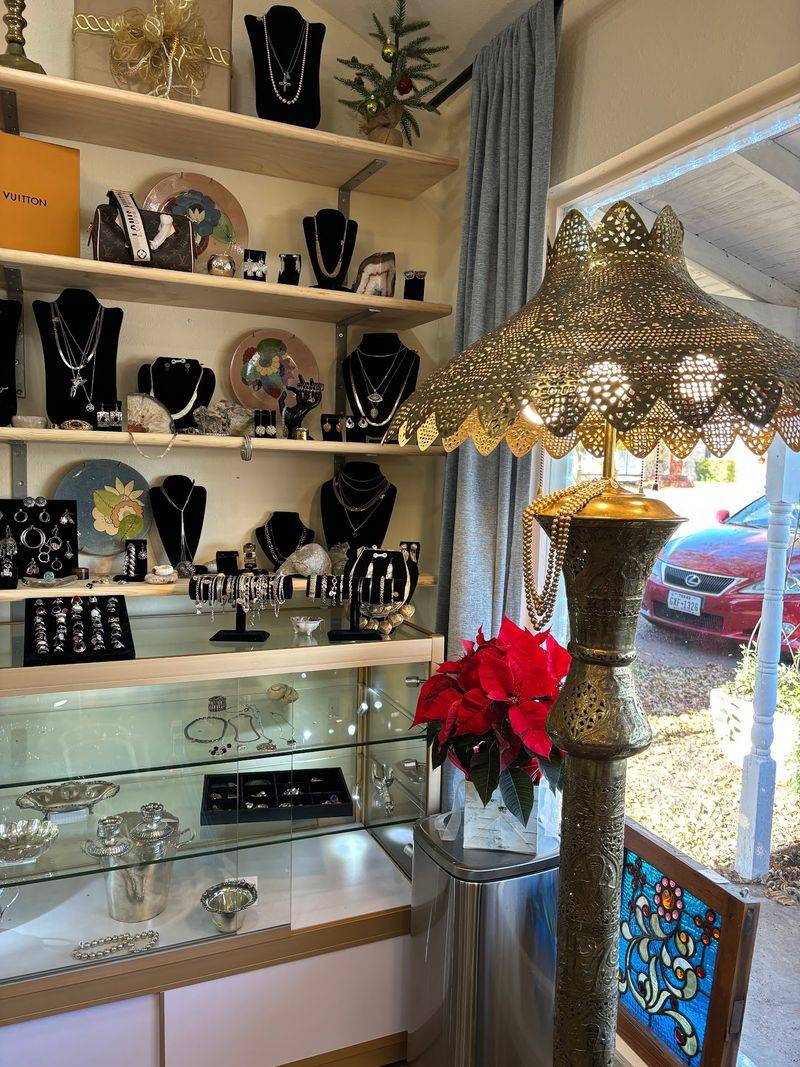
Sunlight hitting a shelf of cut crystal is a small daily miracle, and this shop gets plenty of it. Bowls, stemware, decanters, and odd little dishes line up in rows that throw color across the wall.
Antique and vintage glassware makes up a solid chunk of the inventory. Some of it is delicate and etched, some heavy and geometric, and the variety keeps browsing interesting.
Collectors tend to know exactly what they want here. Casual visitors, on the other hand, often fall for a single unusual piece and build a whole tablescape around it later.
A practical note about traveling with glass. Ask about wrapping, pack pieces in the center of a suitcase surrounded by clothing, and avoid checking anything truly fragile if you can carry it instead.
Sterling silver serving pieces sit nearby, and the two categories pair beautifully. A vintage silver spoon next to old crystal makes an ordinary dinner feel like an occasion.
Worth knowing, the shop does not accept common china or silver-plate, souvenir spoons, or mass-produced figurines. That editing keeps the shelves from turning into clutter.
The result is a glassware section where almost everything earns its spot, and where even a single small dish can carry decades of history into a new kitchen.
Vinyl Records and Vintage Band Posters for Music Lovers
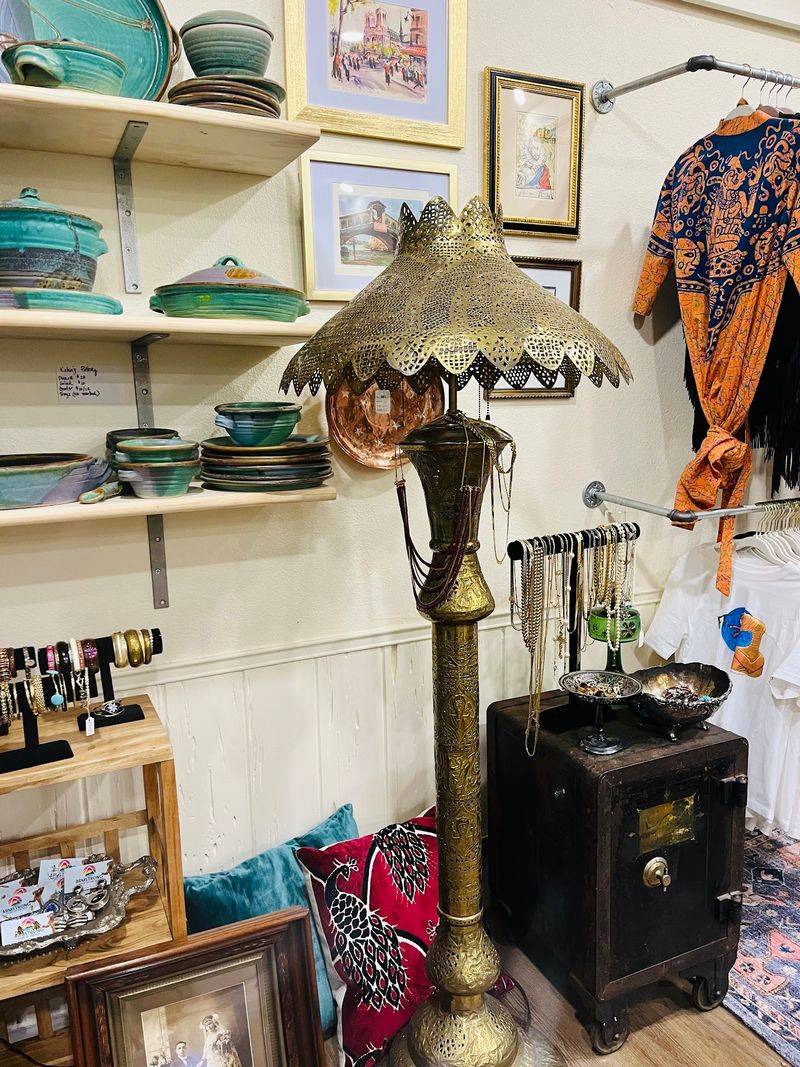
Austin and music go together so naturally that finding records here feels almost inevitable. Crates of popular vinyl sit alongside vintage band posters, and the corner draws a very specific kind of happy browser.
Flipping through records has a rhythm to it. Thumb, glance, thumb again, then that sudden pause when a familiar cover appears out of nowhere.
Posters add color and personality to the walls. Some are genuinely old, carrying creases and fading that only time can produce, and those marks tend to make them more appealing rather than less.
For anyone building a collection, condition matters most. Check sleeves for splits, look at the vinyl surface under light, and think about whether a piece is meant for playing or framing.
Music memorabilia also makes a smart travel purchase because it packs flat. A poster rolls into a tube, and a few records slide into a bag without much fuss.
What I like about this section is how it grounds the shop in its city. Plenty of vintage stores sell furniture and silver, but the music element gives the place an unmistakably Austin flavor.
Souvenirs and small collectibles round out the area, offering easy options for anyone who wants a memory without a moving truck.
Furniture, Fine Art, and Decorative Pieces With Real Character
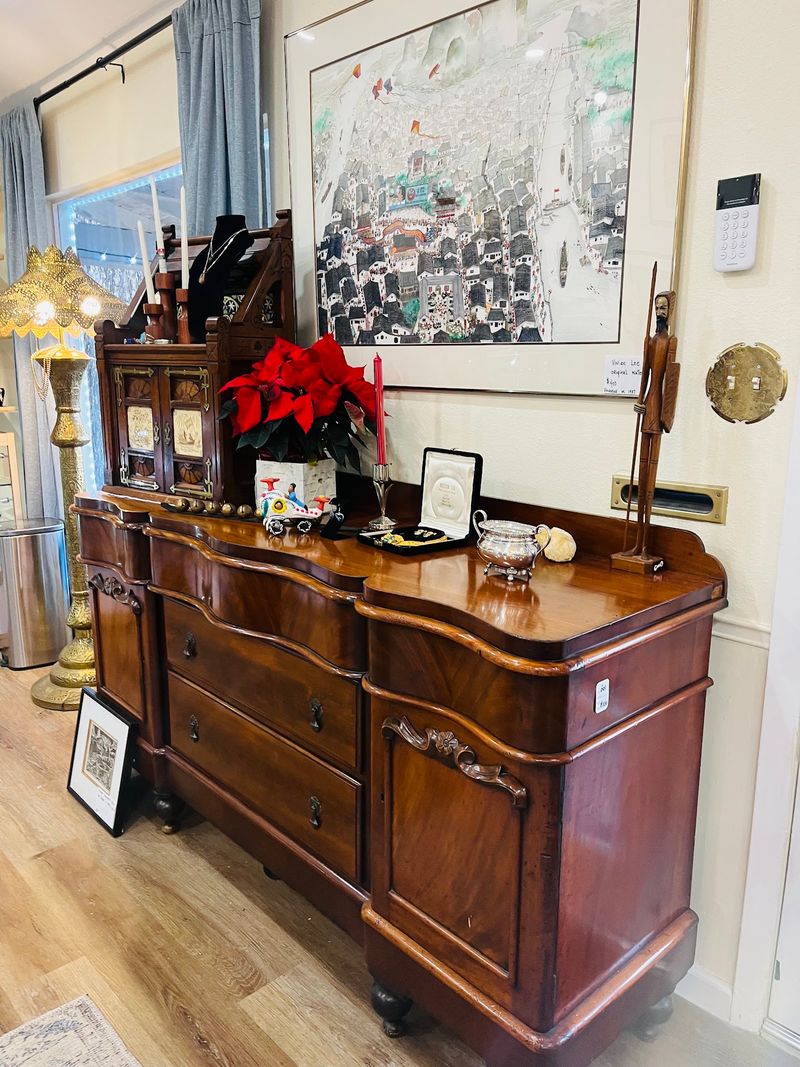
Bigger pieces anchor the room and give the whole shop its shape. Furniture, fine art, and decorative accessories fill out the space between the smaller display cases.
Original and handmade artwork hangs on the walls, which means the paintings you see are not reproductions pulled from a catalog. That alone separates the shop from typical home decor stores.
Furniture selection leans toward pieces that are genuinely usable. Grandfather clocks, armoires, large upholstered items, and beds are intentionally left out, so the floor never turns into a maze of oversized objects.
Practical thinking helps here. Measure the space at home before falling for a piece, and ask about delivery options if something larger catches your eye.
Small antique items are scattered throughout, and honestly those are my favorite. A brass object with no obvious purpose, a tiny box with a worn hinge, a curious little figure that clearly lived several lives already.
Everything is checked for condition first. Items missing hardware or needing repair do not make the cut, which spares buyers unexpected projects.
Art shoppers should take a slow lap around the walls rather than scanning quickly. Pieces get rotated, hung, and rearranged as new consignments come in, so a second look often reveals something missed the first time around.
The Consignment Model That Keeps Everything Changing
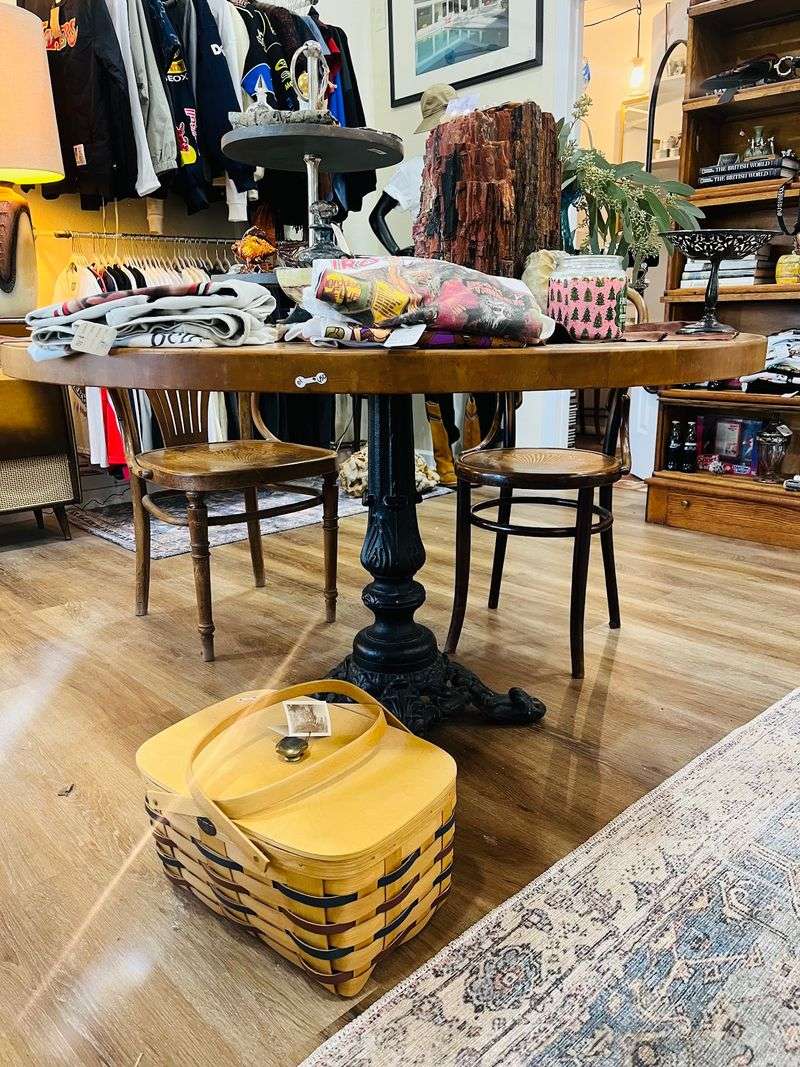
Repeat visitors have an advantage at this shop, and it comes down to how the inventory works. Armstrong’s operates primarily as a consignment store, so merchandise arrives continuously from many different sources.
People bring in quality items they no longer need, and the shop offers a place for those objects to find new owners. Jewelry, vintage clothing, furniture, sterling silver, fine art, and decorative accessories top the preferred list.
Standards stay high. Only pieces in excellent condition are accepted, and anything stained, torn, damaged, or missing hardware gets turned away at the door.
The shop also declines items made from endangered species such as ivory or tortoise, along with dolls, dollhouse furnishings, and mass-produced collectible figurines.
That careful filtering explains why browsing feels satisfying rather than exhausting. Someone has already done the sorting, so shoppers get the interesting part.
For Austin residents, the consignment side is genuinely useful. Anyone with a handful of quality pieces but not enough for a full estate sale has an obvious place to turn.
Visitors benefit differently. Because stock rotates constantly, a return trip six weeks later can feel like walking into an entirely new store, which is exactly the sort of unpredictability that makes vintage shopping addictive.
Estate Sale Roots and the Story Behind the Shop
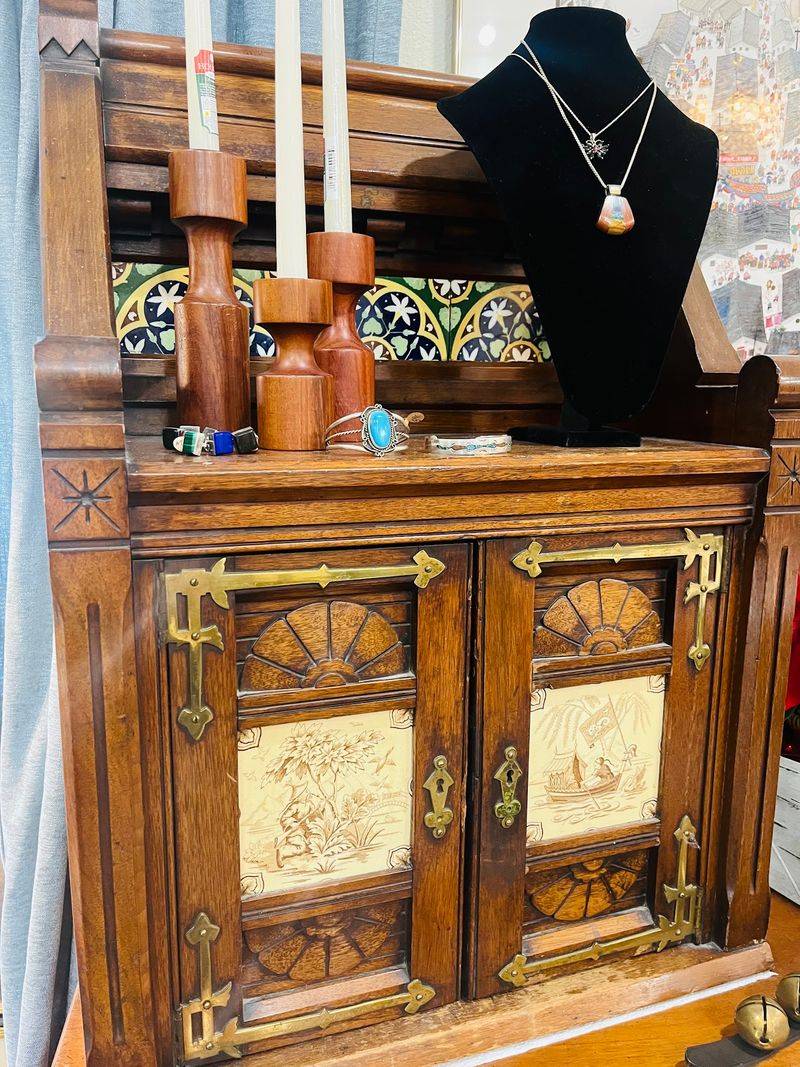
Behind the shop sits a longer history than the storefront suggests. Armstrong’s House of Vintage grew out of Armstrong Estate Sales, a company with more than fifteen years of experience working across the Austin area.
Allison Armstrong learned the estate sale business from a mentor and built the company from there. The vintage shop came later, created to serve clients who had wonderful pieces but not enough of them to justify a full estate sale.
Knowing that background changes how the shelves read. These are not random flea market pickups, they are objects gathered by people who spend their working lives evaluating what households leave behind.
Gold and silver coins turn up in the mix as well, along with small antiques and sterling pieces that reflect that estate sale pipeline.
Every item carries some earlier chapter, and that is honestly the appeal. A ring belonged to someone, a painting hung on a wall, a record spun on a turntable in a house across town.
Browsing here feels less like shopping and more like being handed a series of small histories.
For anyone touring Austin beyond the usual food and music circuit, an hour spent among these shelves offers something quieter and oddly memorable.
Address: 1805 W 35th St, Austin, TX 78703
