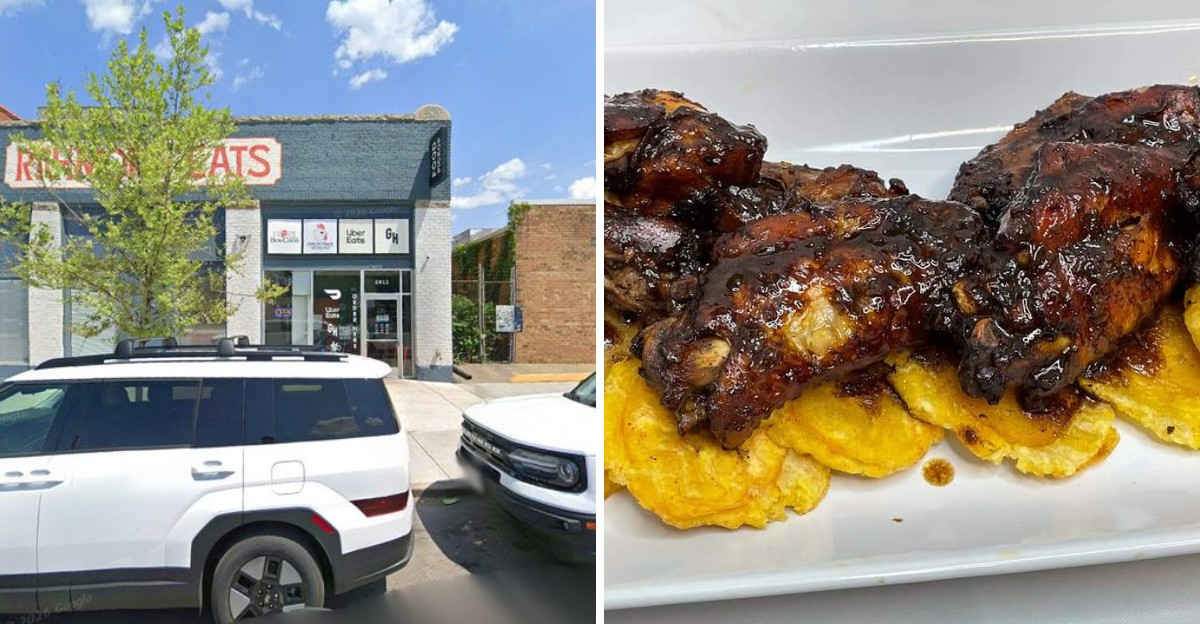
Haitian griot, crispy pressed plantains, and a fiery slaw called pikliz once put a small Virginia kitchen on the map. Promotional listings even called it the only Haitian restaurant in the entire state.
That’s a bold title to carry around, and a big responsibility too. Fans of Haitian cooking had very few nearby choices before it opened its doors.
I like how one small kitchen tried to fill that gap with real island recipes. Oxtail, fried snapper, tassot, and Haitian patties all became part of its story.
Here’s the honest twist, though. The owner has shared that the doors closed in August, with a reopening in the works, so checking before any trip matters.
Still, food this rooted in tradition deserves a spotlight. Ready to meet the dishes behind the buzz?
Virginia Finally Got A Real Taste Of Haitian Home Cooking
Lakay Zaz brought something to Richmond that Virginia had been missing for a long time. Promotional listings described it as the only Haitian restaurant in the state, which is quite a claim to fame.
The name itself carries a warm meaning. In Haitian Creole, lakay means home, so the whole idea leans toward comfort and family-style cooking.
Haitian food blends French, African, Spanish, and Taino roots into one bold kitchen. You’ll find slow-marinated meats, citrus, garlic, peppers, and a famous seasoning base called epis.
That base matters more than most people realize. Epis is a blended mix of herbs, peppers, and aromatics that gives Haitian dishes their deep, layered flavor.
Lakay Zaz built its menu around those classic flavors instead of trendy fusion ideas. Griot, oxtail, fried snapper, tassot, rice and beans, and plantains all appeared on its lineup.
For local diners, that meant a rare chance to taste dishes usually linked with Miami, New York, or Boston. Not bad for one small kitchen on Broad Street.
New to Haitian food? This style makes a friendly starting point, since the flavors are bold and bright but lean savory rather than wildly hot.
Griot Is The Crispy Pork Dish You Should Learn To Pronounce
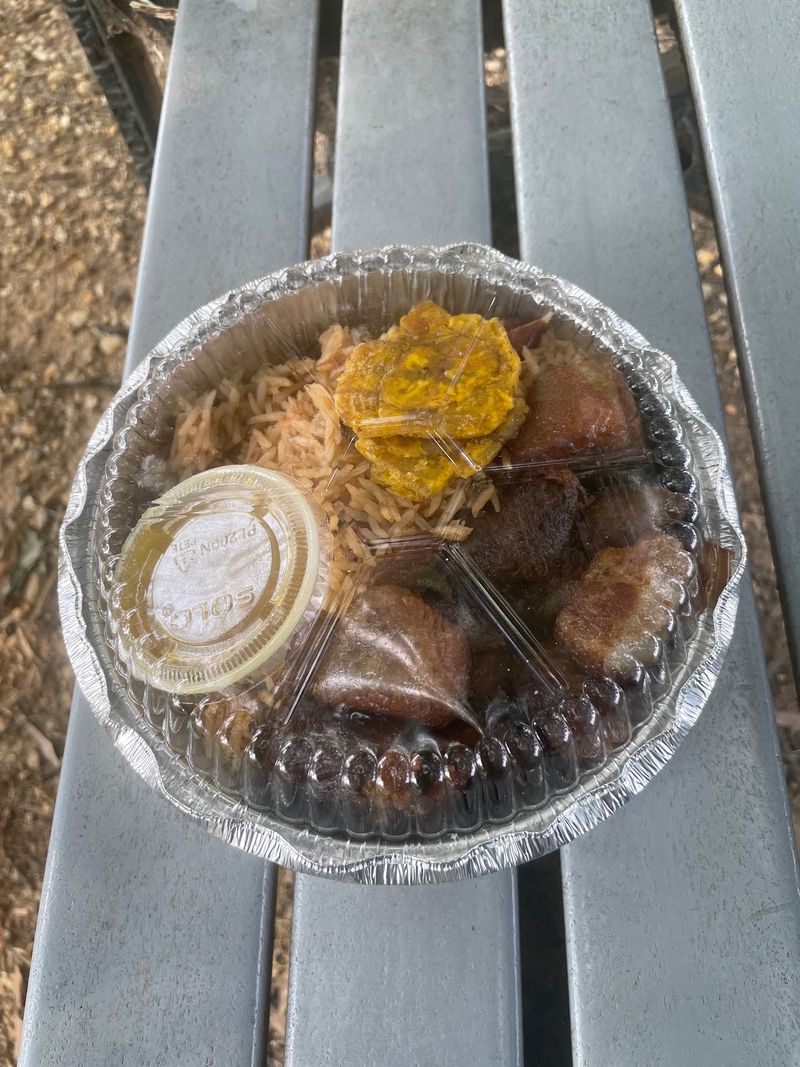
Say it like gree-oh, and you’re already halfway to sounding like a pro. Griot is often called the national dish of Haiti, and it held a starring spot at Lakay Zaz.
The idea is simple but clever. Pork chunks soak in citrus and seasoning, then get cooked until tender before frying for a crisp, golden edge.
That two-step process is the secret. You get juicy meat on the inside and crunchy bits on the outside, which is basically the best of both worlds.
Sour orange juice is a classic part of the marinade in Haitian kitchens. It adds a tangy brightness that keeps the rich pork from feeling heavy.
At Lakay Zaz, griot was listed among the basic dishes worth trying first. It pairs naturally with rice and beans, plantains, and a spoonful of spicy pikliz.
Here’s a helpful tip for first-timers. Grab a bite of pork, plantain, and slaw together, because that combo shows how Haitian plates are built to balance.
Crunchy, tangy, savory, and a little spicy. Few dishes manage that many moods on one fork, and griot pulls it off with ease.
Rice And Beans Get A Serious Upgrade In Haitian Style
Don’t call it a side dish around Haitian cooks. Diri kole ak pwa, which means rice cooked with beans, is the backbone of almost every great Haitian plate.
Lakay Zaz served this staple alongside its main dishes. It’s the steady friend that makes everything else on the plate taste even better.
Unlike plain rice with beans spooned on top, this version cooks everything together. The rice soaks up the bean liquid, seasoning, and aromatics as it simmers.
The result is rice with real personality. Each grain picks up an earthy, savory flavor and a soft color from the beans.
Many Haitian families use red kidney beans or black beans for this dish. Cooks often add epis, garlic, thyme, and cloves to give it warmth and depth.
Fun fact: in Haiti, rice and beans often show up at both everyday meals and big celebrations. It’s comfort food that also knows how to dress up.
Here’s a smart move when ordering Haitian food. Use the rice to catch any sauce or juices from your meat, because letting that flavor go to waste feels wrong.
Plantains And Pikliz Make The Perfect Odd Couple
One is crunchy and mellow. The other is sour, spicy, and ready to wake up your taste buds in a hurry.
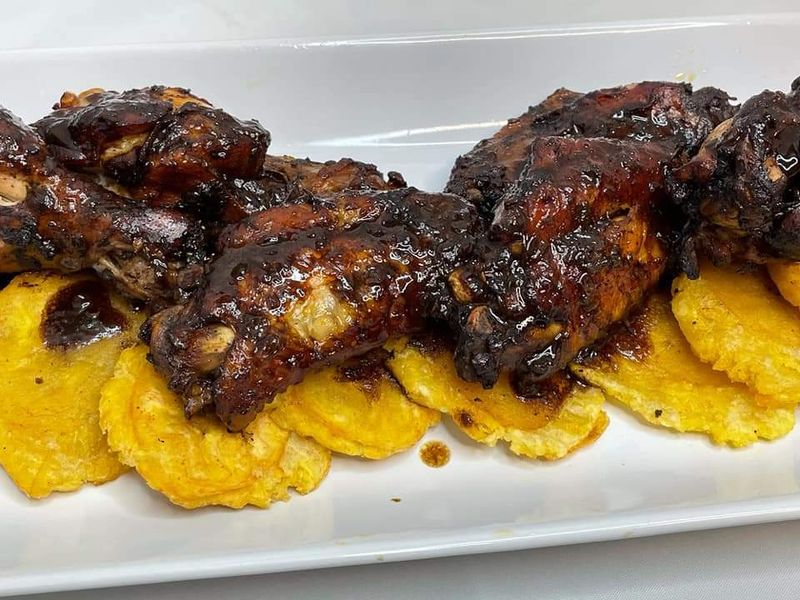
Banan peze are green plantains that get fried, smashed flat, and fried again. That double trip to the fryer creates a sturdy, crispy slice that works like a Haitian chip.
Lakay Zaz offered these pressed plantains as part of its classic lineup. They sit right next to griot on many traditional Haitian plates for good reason.
Then comes pikliz, the bold sidekick. It’s a pickled slaw made with cabbage, carrots, onions, and hot peppers soaked in vinegar and citrus.
Pikliz brings serious heat in many Haitian kitchens. Scotch bonnet peppers usually do the heavy lifting, so start with a small bite before going big.
The magic happens when you pile the two together. Crunchy plantain plus tangy, fiery slaw creates a snack that’s hard to stop eating.
Spice-shy eaters still have options here. Try the plantains plain first, then add tiny amounts of pikliz until you find your comfort zone.
Your tongue will thank you for the slow approach.
Oxtail Lovers Should Pay Close Attention Here
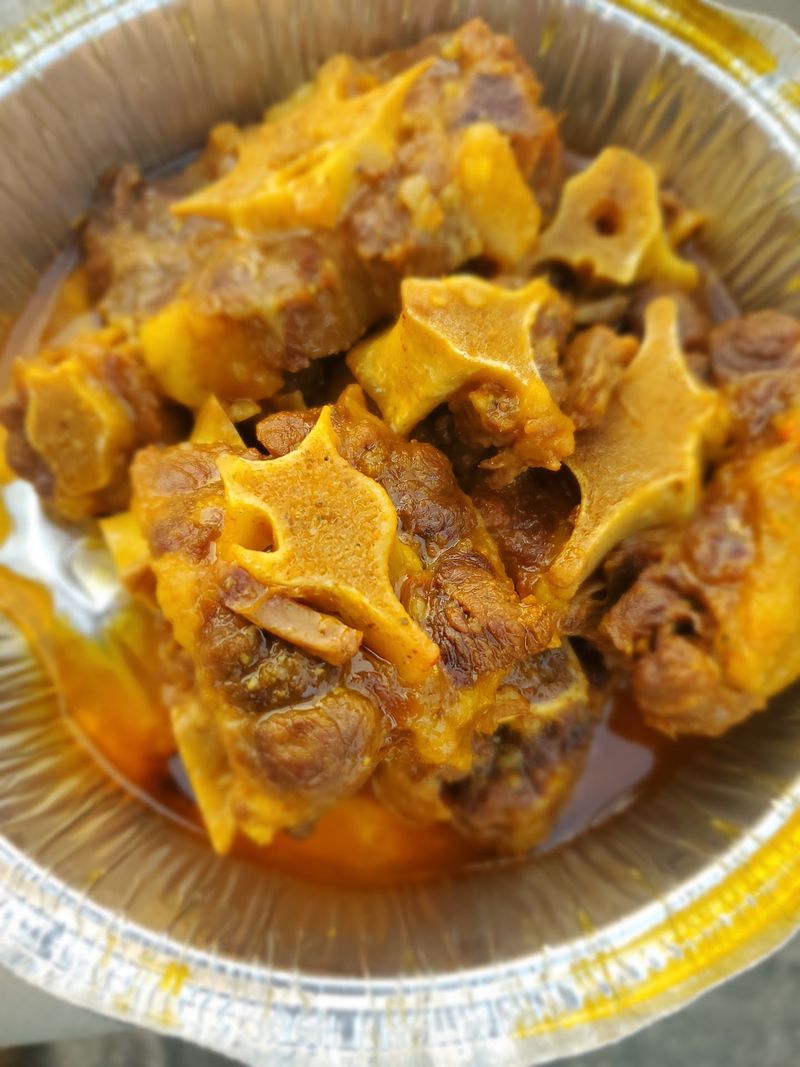
Oxtail takes patience, and that’s exactly why it feels special. This cut needs long, slow cooking before the meat turns tender and falls away from the bone.
Lakay Zaz featured oxtail on its menu, giving Richmond another island classic to explore. It stood out as one of the dishes most connected with the restaurant.
Many people know oxtail from Jamaican kitchens. Haitian versions bring their own personality through epis, citrus, peppers, and a savory sauce that builds over hours.
The bone is part of the charm. As the oxtail cooks, the bone and connective tissue enrich the sauce, making it thick and full of flavor.
Eating oxtail is a hands-on experience. Don’t be shy about working around the bones, because the most tender bites often hide in those little corners.
A plate of rice and beans makes the ideal partner. The rice soaks up every drop of that rich sauce, so nothing gets left behind.
Planning to try oxtail for the first time? Go in hungry and give yourself time, since this dish rewards slow eaters with bite after bite of deep, savory goodness.
Whole Fried Snapper Brings Big Seaside Energy
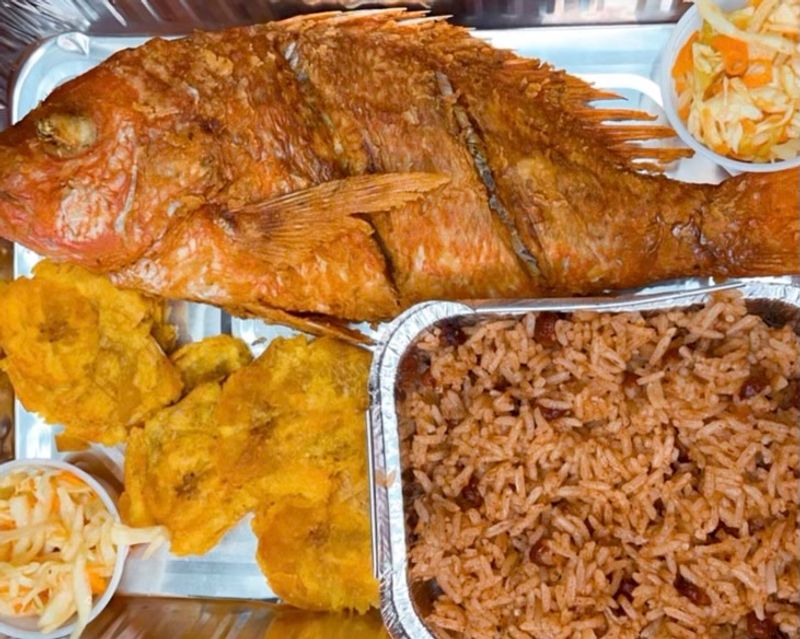
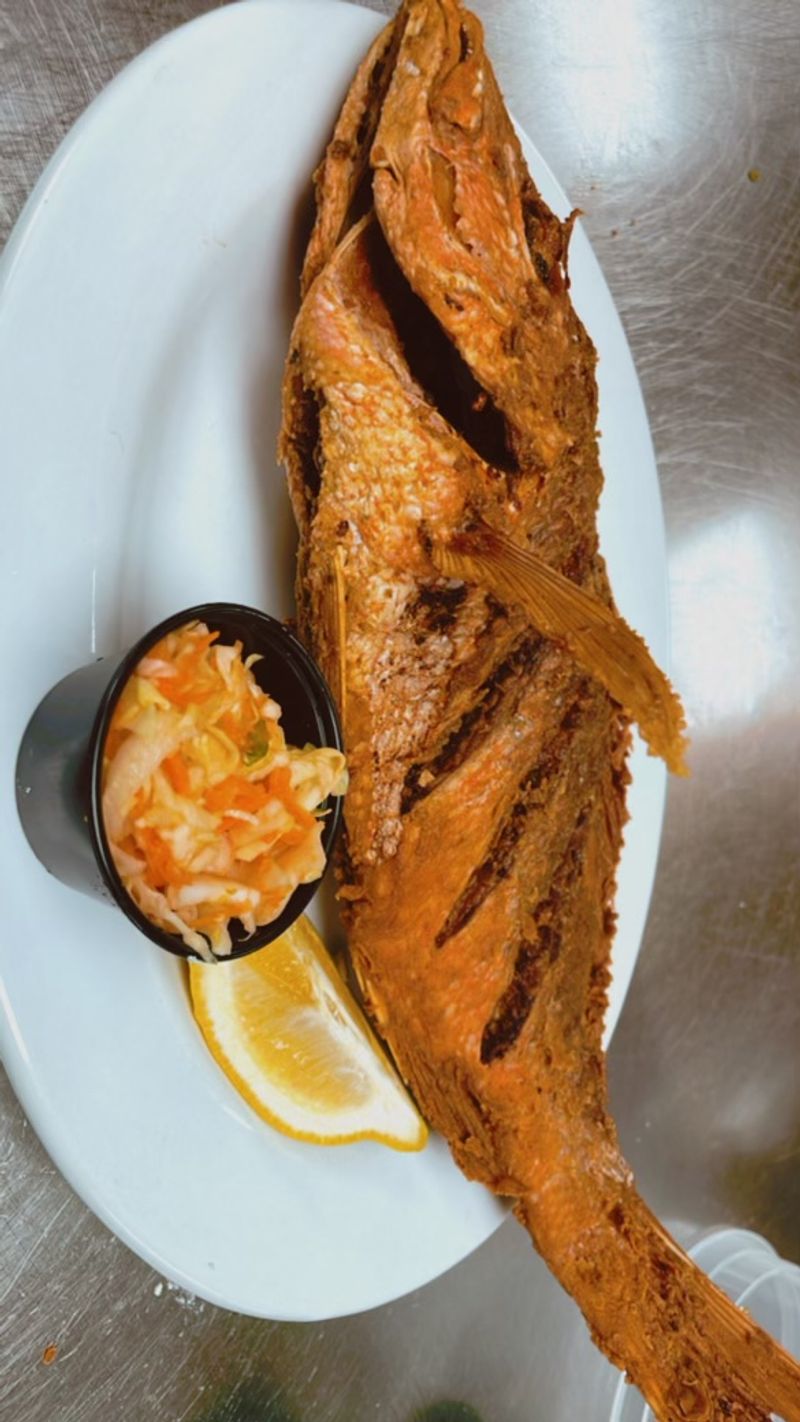
Seafood lovers, this one’s for you. Fried snapper showed up on the Lakay Zaz menu, bringing a taste of the Haitian coast to central Virginia.
Haiti is an island nation, so fish plays a huge role in its cooking. Snapper is a popular choice because its mild white meat holds seasoning beautifully.
In Haitian kitchens, the fish is often marinated with lime, garlic, peppers, and herbs. Then it hits hot oil until the outside turns golden and crispy.
Some versions come whole, head and tail included. Don’t let that surprise you, because cooking the fish whole helps keep the meat moist and flavorful.
Here’s a handy trick for eating whole fish. Start along the top, lift the meat away gently, and then flip it to reach the other side.
A squeeze of lime brightens everything instantly. Add a little pikliz on the side, and you’ve got crunch, tang, and heat in every forkful.
Snapper makes a great pick for anyone who wants something lighter than pork or oxtail. It still delivers plenty of bold island flavor without feeling heavy at all.
Tassot And Patties Round Out The Island Lineup

Griot gets plenty of attention, but tassot deserves its own fan club. Lakay Zaz served this fried meat dish alongside its other Haitian favorites.
Tassot is usually made with beef or goat. The meat is marinated, cooked until tender, and then fried for a satisfying, slightly chewy crust.
Think of it as griot’s cousin with a beefier attitude. The same citrus and herb flavors show up, but the meat brings a richer, deeper taste.
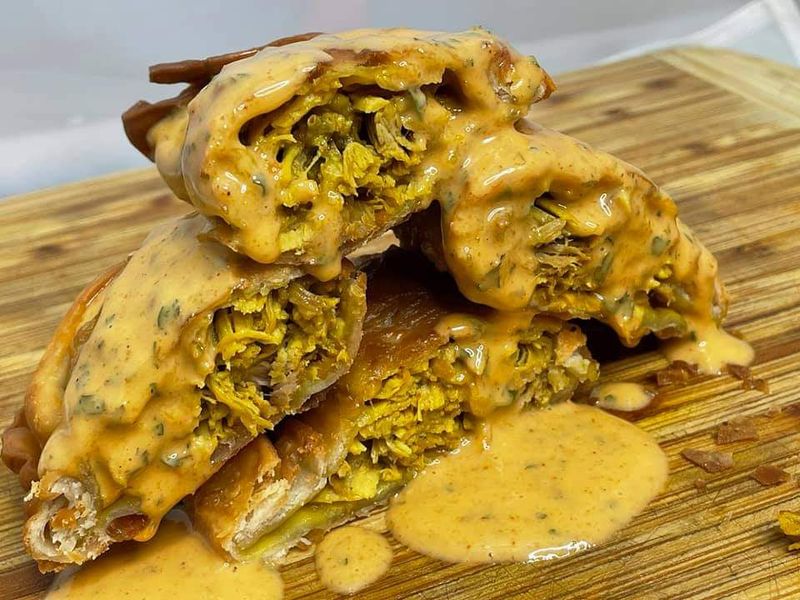
Then there are the patties, called pate in Haiti. Lakay Zaz offered Haitian patties, which are flaky puff pastry shells stuffed with seasoned fillings.
Haitian patties differ from the Jamaican kind many people know. They use layered, buttery puff pastry instead of a firmer, golden crust.
Common fillings include seasoned beef, chicken, herring, or salt cod. Each bite mixes delicate crunch with a savory, well-spiced center.
Patties make an easy choice for a quick bite or a first taste of Haitian food. They travel well too, which makes them great for snacking on the go.
Grab a few napkins, though, because those flaky layers love to scatter everywhere.
Broad Street Is Where You Need To Look

Finding Lakay Zaz means heading to one of the busiest roads in Richmond. The restaurant’s listed address is 2812 W Broad St Ste 103, Richmond, VA 23230.
That spot sits near Scott’s Addition, a lively neighborhood full of eateries and converted industrial buildings. It’s an easy area to reach from many parts of the city.
Lakay Zaz operated as a ghost kitchen there. That means the focus was mainly on cooking food for pickup and takeout rather than a big sit-down dining room.
Ghost kitchens have become popular across the country. They let small food businesses share space and keep things simple while building a following.
Since it’s a suite inside a larger building, the entrance can be easy to miss. Look carefully for suite 103 and give yourself an extra minute to find it.
Takeout also opens up fun options. Byrd Park sits a short drive away, and it makes a lovely backdrop for a casual picnic with Haitian food.
Spreading out griot and plantains on a blanket near the water sounds like a pretty great afternoon. It beats eating in the car, anyway.
Call Ahead Before You Chase That Haitian Craving
Honesty time, because nobody likes a wasted trip. The owner of Lakay Zaz has shared that the restaurant closed in August and that the team is working on reopening.
That news stings for anyone hoping to grab griot this week. Still, the goal of coming back keeps hope alive for Haitian food fans across Virginia.
Before heading out, check the restaurant’s official social media for the latest updates. That’s the best way to learn about reopening plans or new hours.
Watch out for mix-ups too. The owner has pointed out that food from another business was mistakenly connected with Lakay Zaz during the closure.
So make sure any order truly comes from the official Lakay Zaz team. A quick check can save you from confusion and disappointment.
In the meantime, you can still explore Haitian flavors in other ways. Try learning about epis, griot, or pikliz, and maybe experiment with a recipe at home.
Big flavors like these rarely stay quiet for long. If Lakay Zaz returns, Richmond will get another shot at crispy pork, tender oxtail, and rice and beans cooked the proper Haitian way.
Keep that appetite on standby.
