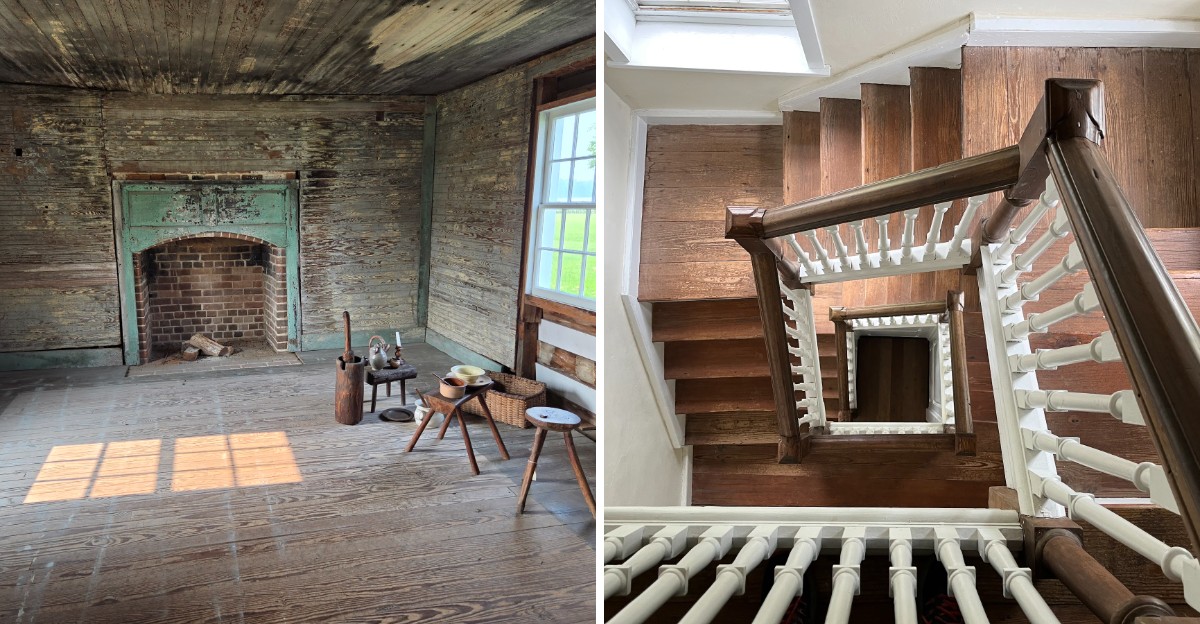
A love poem was scratched into a window here with a diamond in 1840, and that glass still survives today. I love a detail that makes me stop scrolling.
The house holding that window is even older, with brick walls dating back to 1665. Rebels once took over this Virginia home for about four whole months.
Funny thing, the man the house is named after never lived there and isn’t known to have visited. I like how real history and a few spooky legends share the very same address here.
Tales include a fireball racing down a stair tower and a lady in white who tickles sleeping children. Toss in triple diamond-stacked chimneys and a giant garden found in the dirt by archaeologists, and tell me, who could resist a visit?
Those Bricks Were Stacked Before America Was Even An Idea
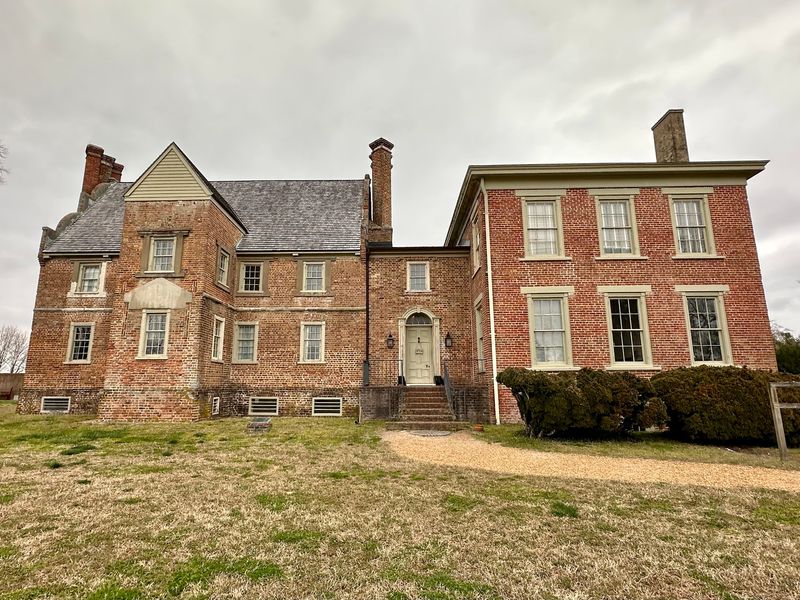
Bacon’s Castle has held its ground in Surry since 1665. That makes it the oldest documented brick dwelling in what is now the United States.
A wealthy merchant named Arthur Allen built it. He also served as a Justice of the Peace, so he was a pretty big deal locally.
Back then, folks didn’t call it a castle at all. The original name was simply Allen’s Brick House, which sounds more like a hardware store than a landmark.
The Allen family kept the property for a very long time. They held onto it until at least 1843, and possibly as late as 1884.
Big honors followed in the 1900s. The house became a National Historic Landmark in 1960 and joined the National Register of Historic Places in 1966.
Virginia added it to the Virginia Landmarks Register in 1969. That’s a lot of official paperwork for one brick home.
Here’s a fun way to think about its age. The bricks were already old news when George Washington’s great-grandparents were getting settled in the colony.
So when you stand in front of it, you’re looking at more than three and a half centuries of weather, families, and stories. Not bad for a house built with hand-laid brick.
The Famous Rebel Never Actually Slept Here
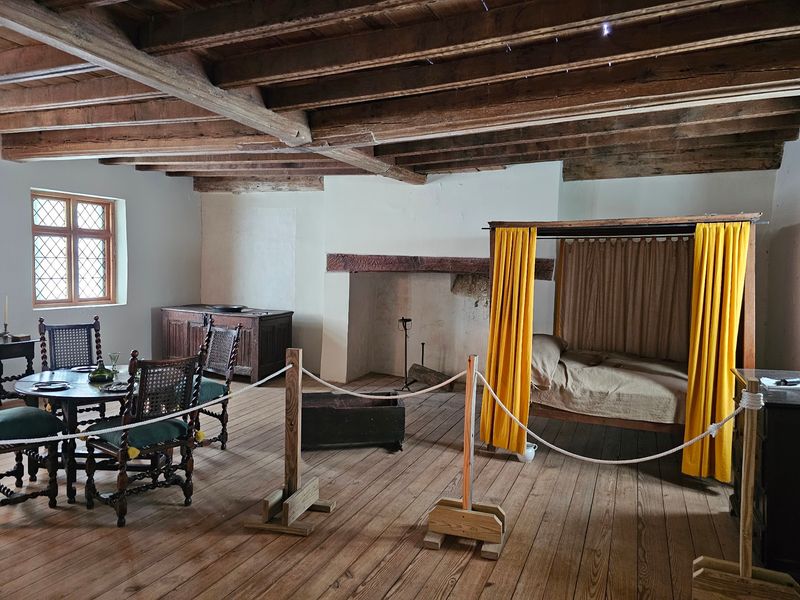
Talk about a name that stuck for the wrong reason. Nathaniel Bacon is the guy the house is named after, yet he never lived there.
In fact, there’s no record he even visited. So how did his name end up on the front door for centuries?
Blame 1676 and an uprising called Bacon’s Rebellion. Followers of Bacon took over the brick house and held it for about four months.
They used the sturdy building like a fort. Thick brick walls made it a smart choice for anyone wanting a safe base.
After that, people started calling it Bacon’s Castle. The nickname was catchier than Allen’s Brick House, and it never let go.
I find this story oddly charming. Imagine your home being named after uninvited guests who stayed way too long.
Guided tours explain the whole uprising and why it mattered in early Virginia. It’s a great story to share with kids studying state history.
Next time someone asks about the name, you’ll have the real answer ready. And yes, you can also tell them the house has nothing to do with breakfast meat.
Look Up, Because Those Chimneys Steal The Show
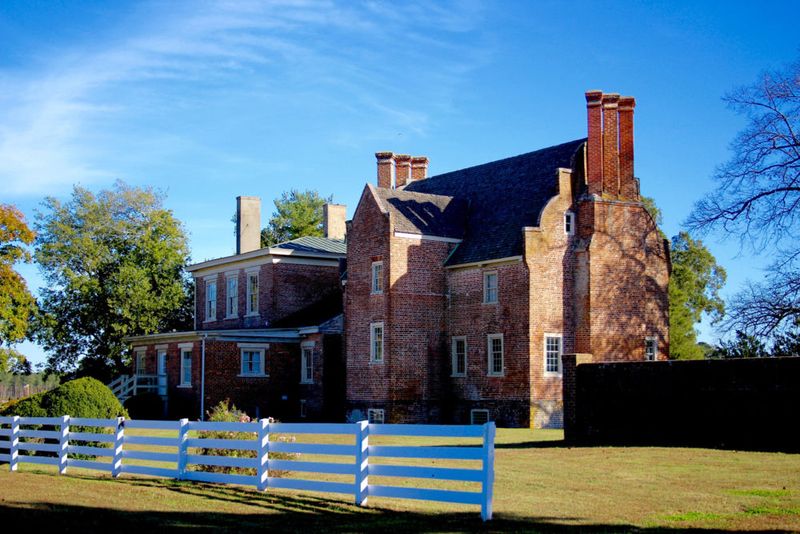
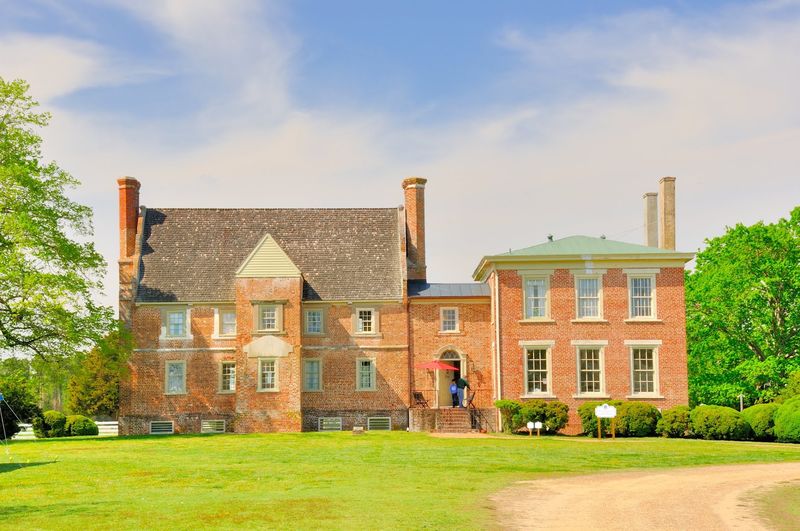
Three chimneys twisted into diamond shapes rise from each end of the roof. Once you spot them, it’s tough to look anywhere else.
Bacon’s Castle is the only surviving example of High Jacobean architecture in British North America. That’s a fancy English style that was popular in the early 1600s.
The curved gables add even more personality. They swoop and step along the roofline like decorative frosting on a brick cake.
The house also uses a cruciform plan. In plain words, the layout is shaped like a cross when you see it from above.
Later owners added a wing in the Greek Revival style around the 1840s. It’s a neat side-by-side lesson in how building tastes changed over time.
Bring a camera and walk all the way around the outside. Every angle shows something different about those gables and chimneys.
Architecture fans can geek out here for a long time. Even folks who don’t care about building styles will admit those chimneys look pretty cool.
It’s a little like seeing a page from an English history book planted in the Virginia countryside. Very few places let you do that.
You Can Walk On Floors Laid Down In The 1600s
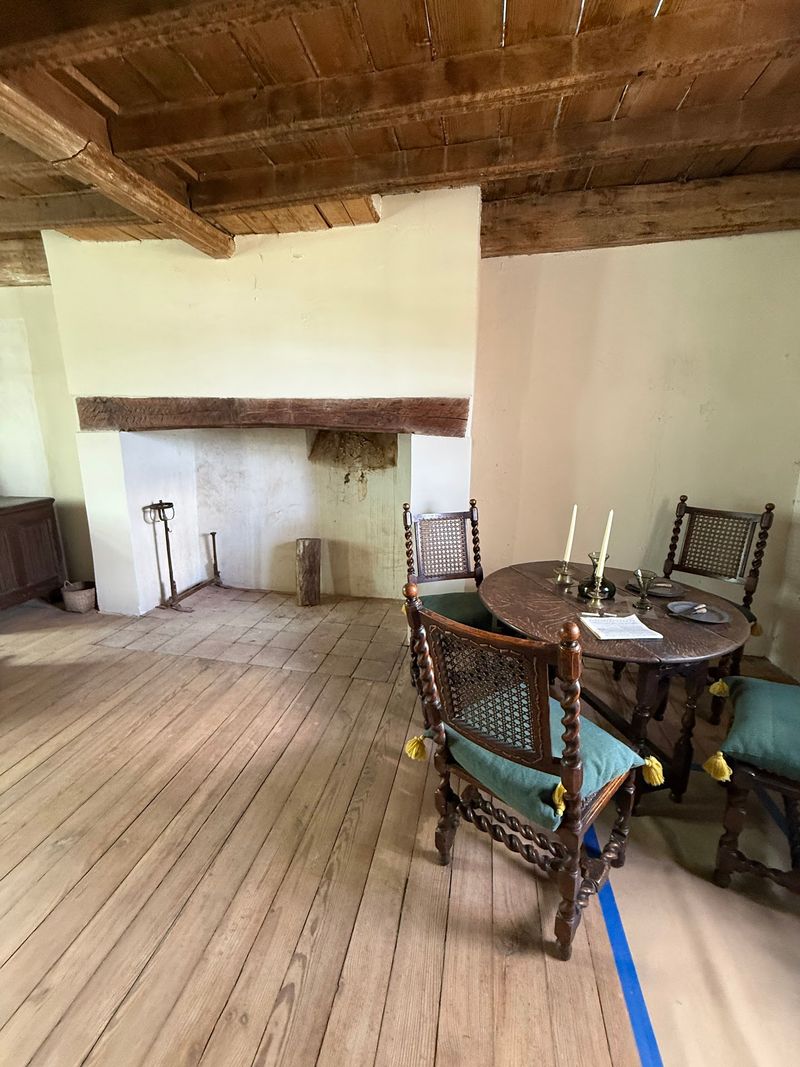
Original floorboards still stretch across parts of this house. Your sneakers get to touch the same wood that colonial feet crossed long ago.
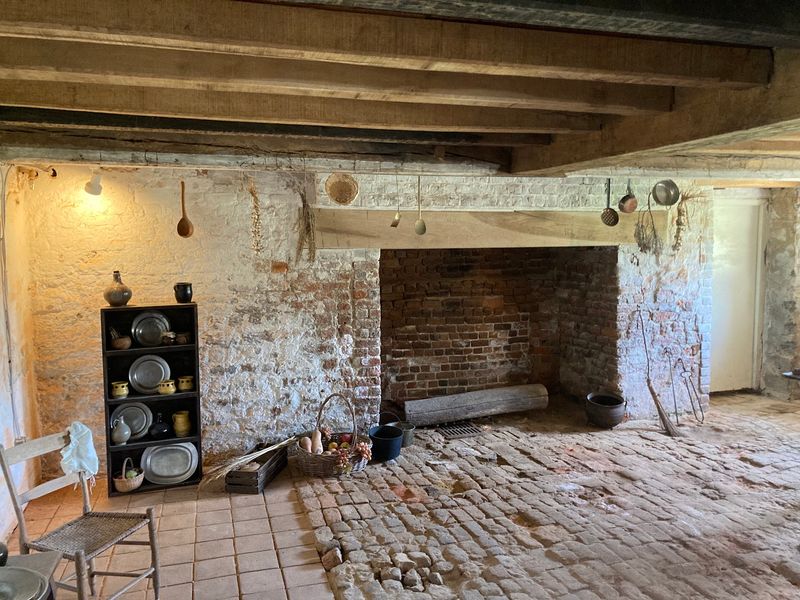
A lot more of the old building survives too. Original fireplaces, the brick facade, and the cellar have all made it through the centuries.
Even the roof structure keeps its original nails. Somebody hammered those in by hand, and they’re still on the job.
Guided interior tours last about 45 minutes. A docent leads you room by room and explains how each space was used.
Right now, the house is going through a two-year restoration project. Some artifacts and furnishings may be out of view, but tours still run as scheduled.
I actually think that makes a visit more interesting. You get to see a landmark being cared for in real time.
Ask questions as you go. Tour guides here love sharing the small details, from building methods to family stories.
It’s one thing to read about old houses in a textbook. Standing on boards from the 1600s hits a whole lot differently.
A Diamond Love Note Is Still Hanging Around
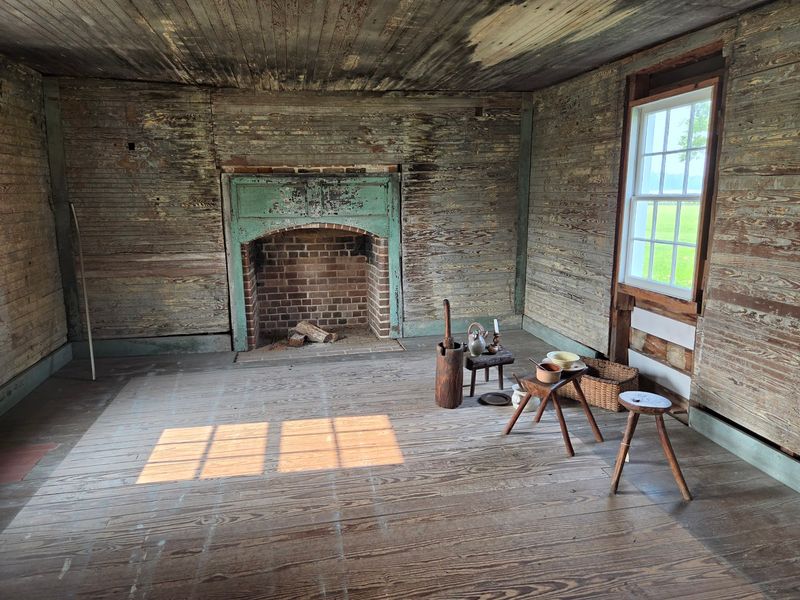
September 1840 brought one of the sweetest surprises in the whole house. Emmett Robinson used a diamond to etch a love poem into a window pane.
He wrote it for his wife, Indianna Allen Henley Robinson. Forget a greeting card, this guy carved his feelings into glass.
The poem has been carefully preserved and conserved. That means you can still find it during a visit to Bacon’s Castle.
I love how personal this detail feels. Old houses often show us big events, but this one shows a quiet moment between two people.
It also gives a peek at life in the 1800s. Diamonds were used to scratch glass, and a window made a pretty permanent place for a message.
Romantics will want to linger here for a minute. History buffs will enjoy spotting a real document that lives inside a window frame.
Take a closer look when the guide points it out. Old glass can be tricky to read, so patience pays off.
Honestly, it sets a high bar for anniversary gifts. Good luck topping a poem that has lasted more than 180 years.
Archaeologists Dug Up America’s Biggest Early Garden Here
Shovels changed everything in 1983. Archaeologists uncovered the remains of a garden that turned out to be the largest documented 17th-century garden in America.
That discovery taught experts a lot about early American landscape design. It was a big moment for anyone who studies how colonists grew food and flowers.
Today, the Garden Club of Virginia has rebuilt the space as an English formal garden. It’s tidy, organized, and full of color during the growing season.
Border beds hold fruits, shrubs, and flowers. You’ll also find a forcing wall, starting beds, and roomy vegetable plots.
A forcing wall might sound mysterious. Basically, it helped plants get an early start by holding warmth from the sun.
Gardeners will pick up ideas they can try at home. Kids can play spot-the-vegetable while adults admire the neat rows.
Give yourself time to stroll after your house tour. The garden adds a peaceful, outdoorsy chapter to the visit.
Think of it as history you can smell and see growing. That beats staring at a museum label any day.
The Smaller Buildings Tell The Bigger Story
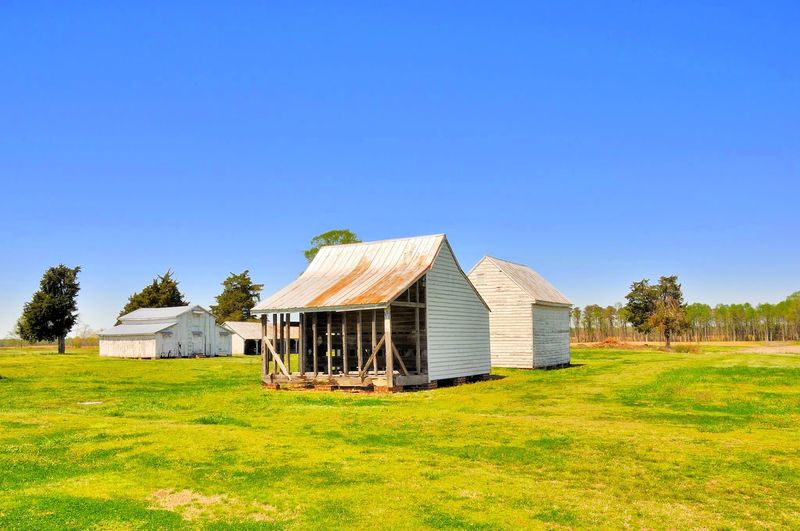
Beyond the main house, several older buildings dot the grounds. Each one adds an important piece to the site’s long story.
A barn here dates back to around 1700. There’s also a smokehouse from the 1820s and a dwelling for enslaved people built in 1830.
These structures help explain who really kept the property running. Enslaved and free Africans and African Americans lived and labored on this land.
Bacon’s Castle covers four centuries of Virginia history, and their lives are a key part of it. The site makes a point of telling those stories honestly.
Preservation Virginia bought the property at auction in the early 1970s. The group spent the 1980s researching, restoring, and furnishing the house.
That careful work is why so much survives today. It’s also why the stories feel grounded in real evidence.
Walk the grounds slowly and read what you can. The quiet buildings often leave the strongest impression.
A visit feels more complete when you see the whole property. The main house is impressive, but these places round out the truth.
Bring A Flashlight And A Brave Friend
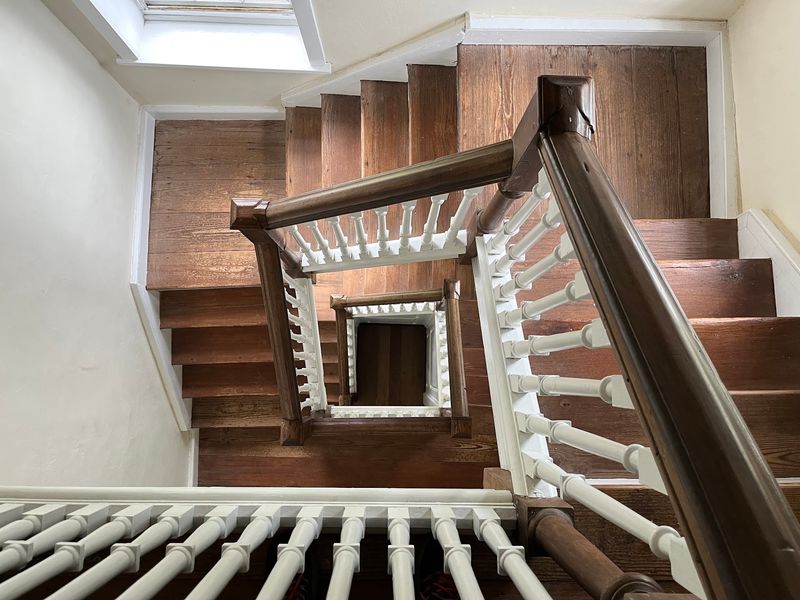
Spooky stories cling to this place like ivy. The most famous tale features a mysterious fireball that races down a stair tower and across a field.
Another legend describes a woman in a white dress in the yard. She’s said to playfully tickle sleeping children, which is creepy and oddly polite at once.
Ghost hunters often mention spectral fireballs, floating heads, and voices with no body attached. Whether you believe them or not, the stories are fun to hear.
The site leans into the mood with special evening programs. Legends and Lore at the Castle: An Evening Lantern Tour runs about 40 minutes.
That tour shares tales of a cursed family, a secret heiress, and a daring rescue. Sounds like a movie plot, right?
Haunted History Tours also run at night. They focus on reports of unexplained activity around the house.
Check the event schedule before planning a spooky outing. These tours are ticketed and offered at certain times only.
Skeptics can enjoy the history and storytelling. Believers might want to keep the lantern extra close.
Plan Your Trip So You Catch A Tour
Good news for road trippers. Bacon’s Castle sits at 465 Bacons Castle Trail, Surry, VA 23883, in the quiet countryside of southeastern Virginia.
Interior tours run from March through December. Fridays and Saturdays go from 10 a.m. to 5 p.m., and Sundays run from noon to 5 p.m.
Summer adds Thursday hours in June, July, and August. Those days also run from 10 a.m. to 5 p.m.
Groups have even more options. Private and group tours can be set up year-round, seven days a week, through Preservation Virginia.
A gift shop and public restrooms are inside the home. That’s handy after a long drive through rural Surry County.
Special events pop up throughout the year too. Seventeenth Century Day and the Tournament of the Castle Renaissance Faire are two big ones.
Pair your visit with other historic stops nearby for a full day. This part of Virginia is packed with colonial history.
However you plan it, leave time to linger. A house that’s stood since 1665 deserves more than a quick drive-by.
