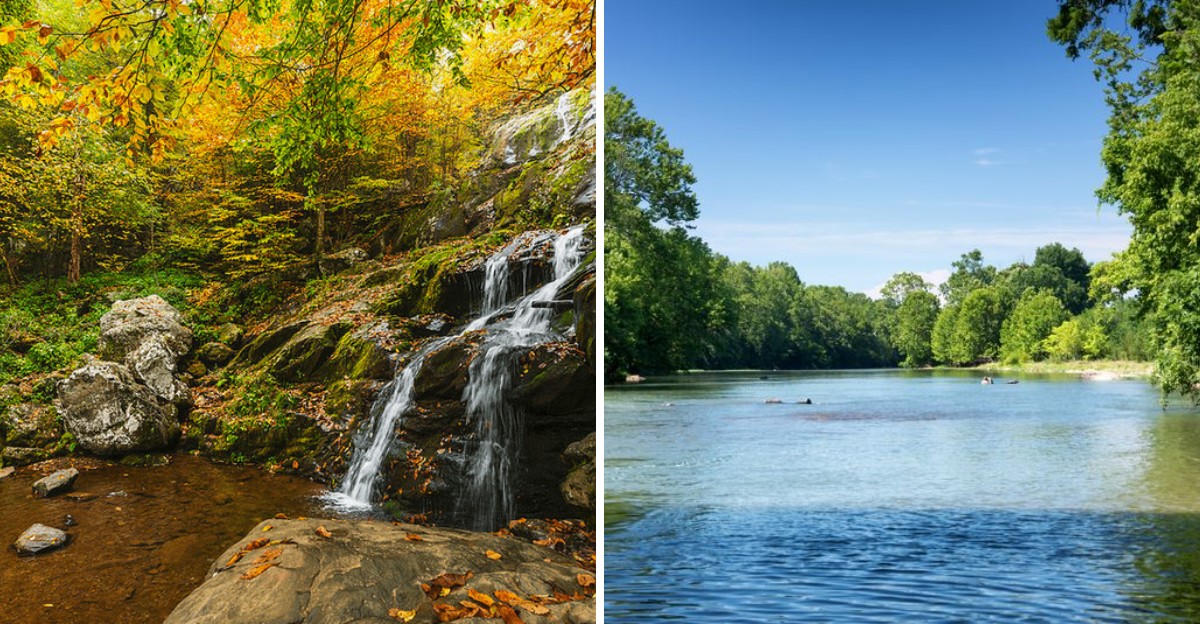
The trails are beautiful, the views are stunning, and the wildlife is abundant. But this Virginia national park is also home to so many snake species that visitors are told to watch their step.
I hiked a section of the park on a warm day and was reminded by a park ranger to stay alert and keep an eye on the trail ahead. The snakes are generally not aggressive, and they are more interested in sunning themselves than in bothering hikers.
Still, it pays to be aware of your surroundings and to watch where you place your feet. The park is still worth visiting, with its sweeping mountain views and peaceful forests.
Virginia has plenty of national parks, but this one requires a little extra caution.
Eighteen Snake Species Call This Ridge Home
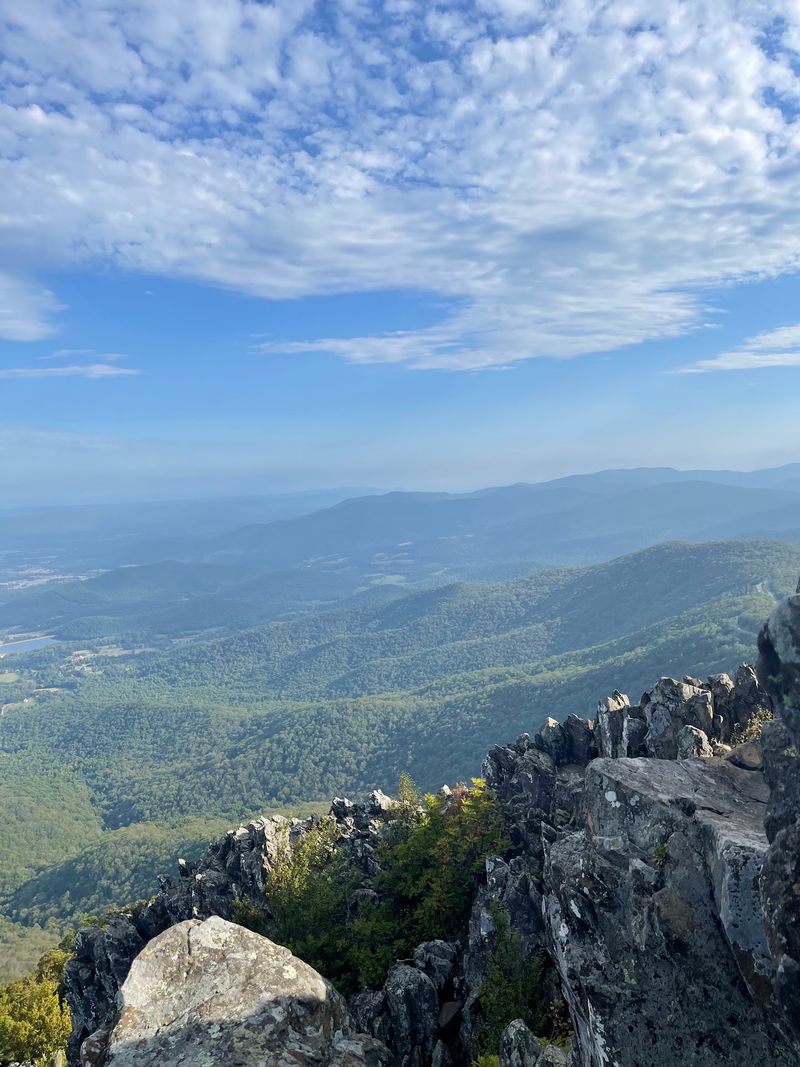
Eighteen. That is the number of snake species living inside Shenandoah National Park, and it surprises almost everyone who hears it.
Most of them are completely harmless, going about their business hunting mice, frogs, and insects in the leaf litter. Two, however, carry venom that matters to humans.
The timber rattlesnake and the copperhead both live here, and both prefer to be left alone.
I found the odds of a bad encounter far lower than the odds of a good photo. Snakes here are shy by nature, and they hear footsteps long before you spot them.
The hognose and ringneck snakes technically produce venom too, but their fangs sit toward the back of the mouth and pose almost no threat to people.
Watch sunny patches on rocks, especially mid-morning when the stone warms up. That is prime basking real estate.
My rule became simple. Look where I step, step where I look, and never reach blindly into a rock crevice.
Virginia gave this park a wild, functioning ecosystem, and snakes are a healthy part of it. Respect the reptiles and they will happily ignore you.
Skyline Drive Rolls Out 105 Miles of Pure Showoff
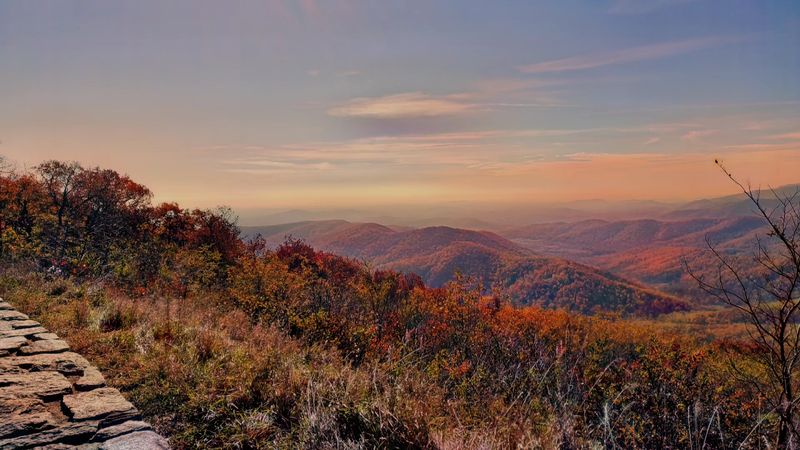
One road. That is all Shenandoah National Park gives the public, and honestly, it is enough.
Skyline Drive runs 105 miles along the crest of the Blue Ridge Mountains, north to south, curving like a ribbon someone dropped across the spine of Virginia. Driving the whole stretch takes roughly three hours if the weather cooperates and you have superhuman self-control.
You will not have that control. Nobody does.
Between 69 and 75 marked overlooks line the route, each one framing the Shenandoah Valley on one side and the rolling Piedmont on the other. The low stone walls make ridiculously good photo foregrounds.
Speed limits stay modest, which suits the terrain and the deer that wander across without warning.
I pulled over so many times that a three hour drive stretched into most of a day, and I regret nothing.
Morning fog settling in the hollows below turns the whole thing into something out of a painting. Late afternoon light does the same trick with warmer tones.
Bring snacks, bring a full tank, and forget your schedule entirely.
Old Rag and the Legendary Rock Scramble
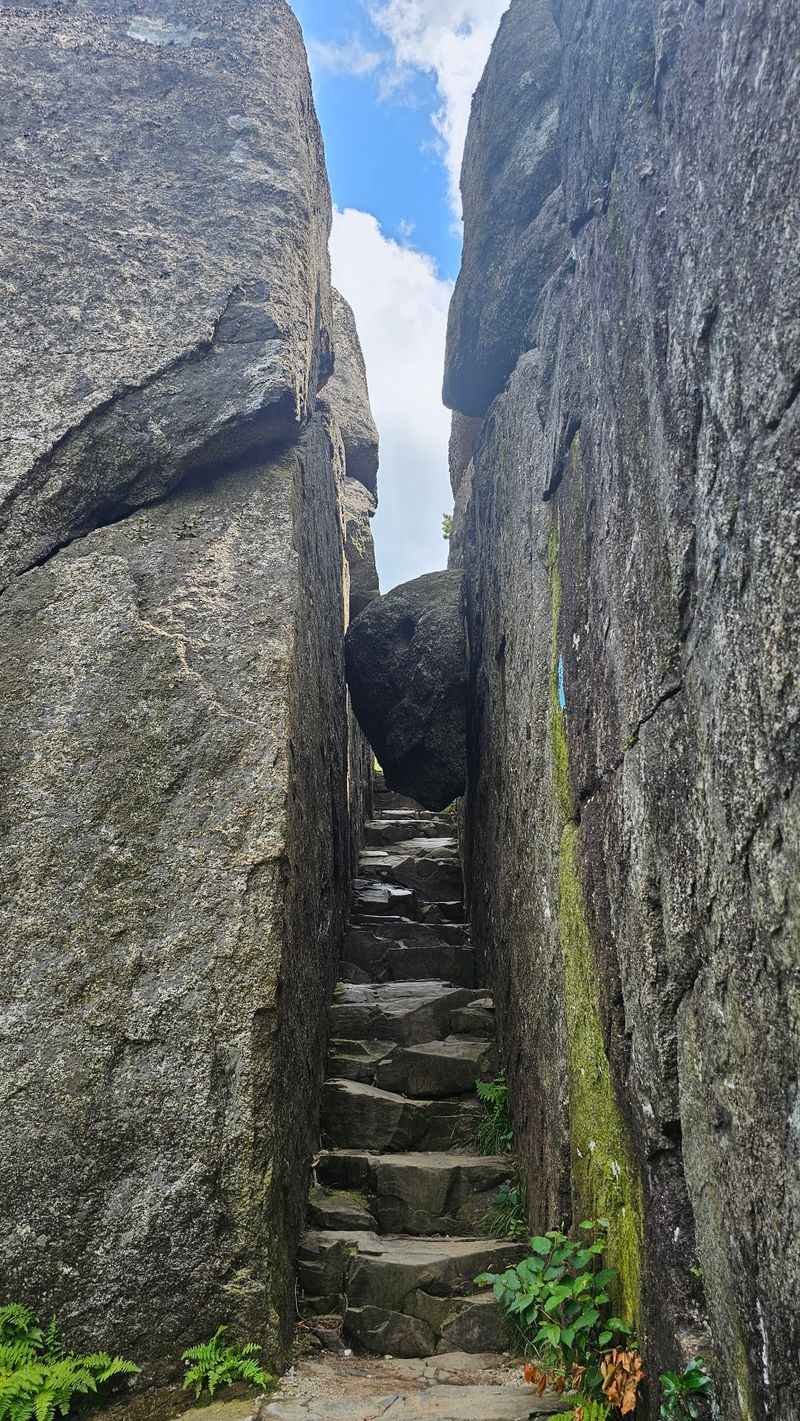
Ask anyone in Virginia to name a tough hike and Old Rag comes up first, every single time.
The mountain earns its fame with a rock scramble that turns hiking into part climbing, part puzzle solving. You squeeze through granite corridors, haul yourself over boulders, and occasionally wonder if you took a wrong turn into a jungle gym for giants.
Reaching the summit delivers one of the best payoffs in the entire park.
Old Rag is not the only scramble on offer. Bearfence Mountain packs a shorter, friendlier version with hands-on climbing and a panoramic reward at the top.
Watch the rocks carefully on both. Warm granite is exactly the kind of place a snake picks for an afternoon nap.
Parking fills fast, and popular trailheads can be full by noon on weekends. I arrived early and had space with room to spare.
Sturdy shoes are non-negotiable, gloves help, and leaving the oversized backpack behind makes tight squeezes much easier.
Take your time on the descent. Tired legs plus slick stone is how ankles get sad.
Waterfalls That Reward Every Muddy Boot
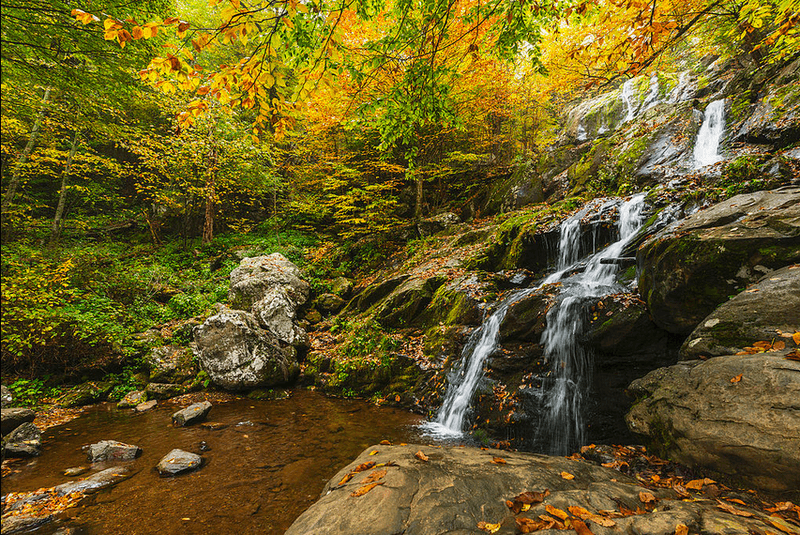
Cascading water hides all through these hollows, and chasing it became my favorite excuse to hike.
Dark Hollow Falls sits closest to the road and draws the biggest crowd for good reason. Water tumbles down layered rock into a mossy green amphitheater that feels genuinely peaceful.
Overall Run Falls claims the tallest drop in the park. Rose River Falls and Lewis Spring Falls each bring their own personality to the lineup.
Greedy for more than one in a single outing? The Jones Run and Doyles River loop stacks several cascades along one trail, which feels like cheating in the best way.
Trails to waterfalls almost always go downhill first. That means the hard part waits for you on the return, when your legs are already done negotiating.
Rocks near the water stay slick year round, so keep your footing deliberate and stay off wet ledges.
Spring runoff makes the falls thunder. Late summer slows them to a trickle.
Shenandoah National Park keeps these routes well maintained, but a trekking pole still earns its place in your pack.
Big Meadows Turns Into a Wildlife Theater
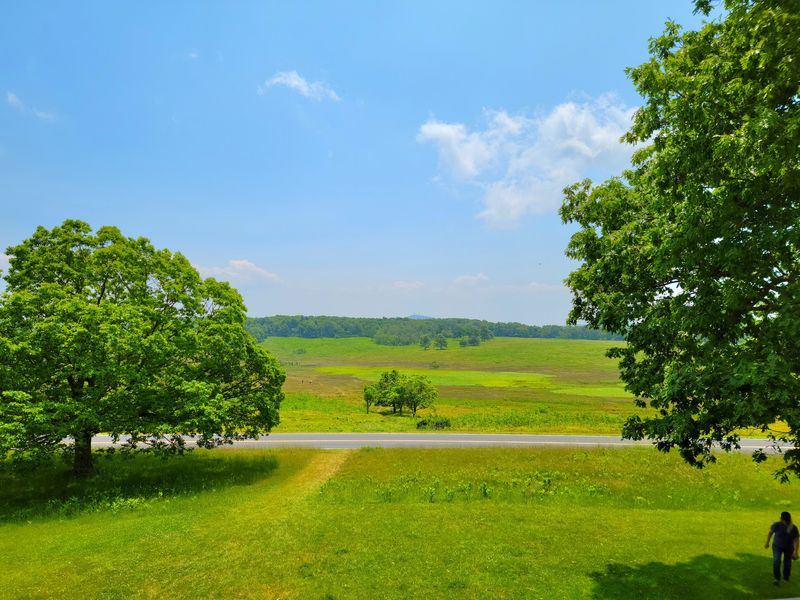
Wide, open, and impossibly calm, Big Meadows breaks up the endless forest with a sweep of grassland that changes the whole mood.
Deer graze here in the soft light of dawn and dusk, and they are so relaxed you almost feel like an intruder.
Over fifty mammal species live in the park, including black bears, bobcats, and big brown bats. More than 190 bird species either nest here or pass through on migration, from red-tailed hawks circling the thermals to warblers flitting through the canopy.
Add over twenty reptile and amphibian species plus more than forty fish species, and the biodiversity starts sounding almost tropical for Virginia.
Golden hour transforms the meadow. Grass glows, mist creeps in, and photographers lose their minds.
Nighttime is the second act. Stargazing over this open ground ranks among the finest experiences in the park, far from city glow.
Bring a flashlight or headlamp for after dark walks. Snakes get active at night, and seeing where you place your feet matters just as much then.
Patience pays off here more than speed.
Five Hundred Miles of Trails and Then Some
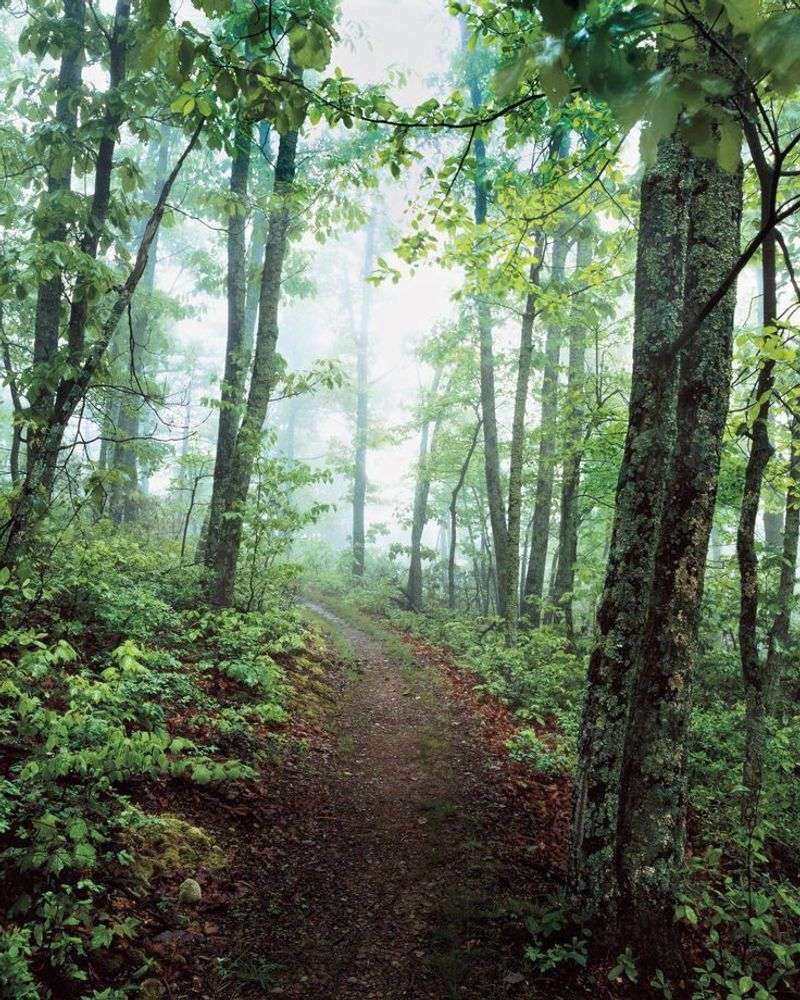
Over 500 miles of trail thread through this park, which is roughly enough walking to get you from the Blue Ridge to well past the horizon.
Tucked inside that network sit 101 miles of the Appalachian Trail, marked with those famous white blazes. Stepping onto it, even for a mile, gives you a small taste of the through-hiker life.
Mary’s Rock and Stony Man deliver huge views for moderate effort, making them my go-to recommendations for anyone easing into mountain hiking.
Hawksbill Summit crowns the highest point in the park. Blackrock Summit piles up a field of shattered stone that looks lunar.
Compton Peak hides columnar basalt formations worth the detour.
Best part? Most trailheads sit directly off Skyline Drive, so you can hike, drive, and hike again without wasting a minute.
Dogs are welcome on the vast majority of trails, though a handful stay off limits, so check before you leash up.
Trail surfaces range from smooth dirt to ankle-testing rubble. Pack water, watch sunny rock ledges, and let the ridge set your pace.
Timber Rattlesnakes and Copperheads Deserve Your Attention
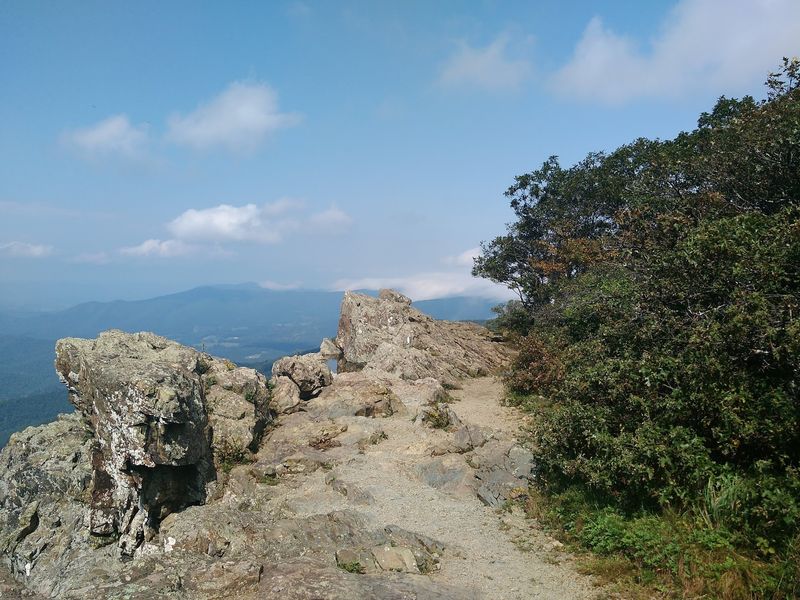
Two venomous residents share these mountains with you, and knowing them makes the whole visit less nerve-wracking.
The timber rattlesnake sports dark crossbands and a rattle it will use as a courtesy warning. Copperheads wear hourglass markings in coppery tan and blend into fallen leaves with unnerving skill.
Neither wants a confrontation. Both would rather you walk on by.
My approach stayed consistent. Stay on the trail, scan ahead, and never step over a log without checking the far side first.
Sunny rock outcrops, stone walls, and trail edges are favorite lounging spots on warm days. Those places deserve a second look before you plant a hand or a foot.
Hiking after dusk changes the rules entirely. A headlamp is essential, not optional, since these snakes move at night when temperatures drop.
Should you spot one, admire it from a comfortable distance and give it room to leave. Photographing from far away is smarter than any close-up.
Handling wildlife is prohibited anyway, and honestly, why would you?
Snakes keep rodent numbers in check across Virginia, quietly doing unglamorous work nobody thanks them for.
Skyland and Big Meadows Lodge Feed Hungry Hikers
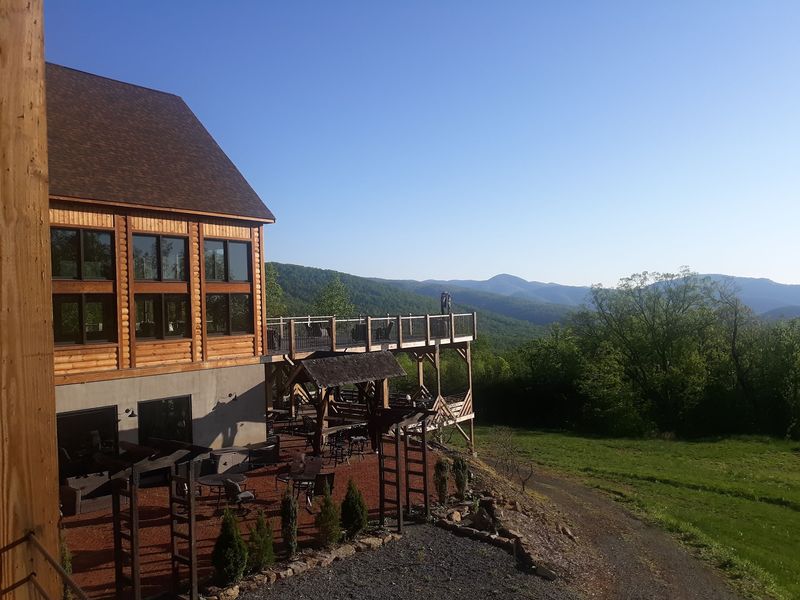
Hiking builds an appetite that trail mix simply cannot satisfy.
Skyland sits at miles 41.7 and 42.5 along Skyline Drive, where the Pollock Dining Room serves full meals with regional flavor and valley views through big windows. The Mountain Taproom next door handles lighter plates and evening entertainment.
Further south at mile 51.2, Big Meadows Lodge keeps things wonderfully rustic. The Spottswood Dining Room has built its reputation on the New Deal Roast Turkey Plate and Roosevelt’s Roasted or Fried Chicken.
Save room. Blackberry Ice Cream Pie is the dessert everyone talks about, and skipping it feels like a rookie error.
New Market Taproom at Big Meadows offers lighter fare with nightly entertainment, plus an outdoor terrace where well-behaved dogs are welcome.
Need something quicker? Waysides at Big Meadows and Loft Mountain, at mile 79.5, cover breakfast, sandwiches, grilled items, and grab-and-go picks.
Timing helps. Mid-afternoon tends to be calmer than the noon rush.
Stone fireplaces, wood beams, and mountain air outside make these dining rooms feel like the reward chapter after a long climb.
Autumn Sets the Blue Ridge on Fire
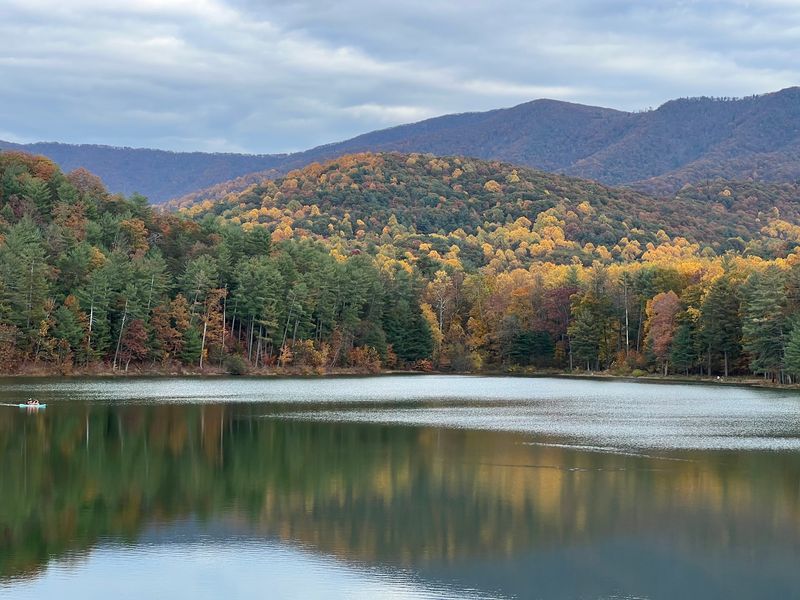
October flips a switch on these mountains and everything changes.
Reds, oranges, and blazing yellows sweep across the ridges, and every overlook along Skyline Drive suddenly looks like a screensaver come to life. Peak color rolls down the elevations gradually, which stretches the season out nicely.
Traffic climbs right along with the leaf count. Weekday visits beat weekends by a mile, and early mornings beat everything.
Spring has its own charm, with wildflower fields spreading through the hollows and waterfalls running at full strength from snowmelt and rain.
Summer brings thick green canopy, cooler mountain temperatures than the valley below, and the highest snake activity of the year.
Winter strips the trees bare and opens up views you cannot see any other season, though sections of the road close during ice and snow.
Fog is a wildcard in every month. Some days it swallows the overlooks entirely, other days it pools in the valleys and makes the peaks look like islands.
Whatever month you choose, Shenandoah National Park rewards flexibility. Check road conditions before committing to a long drive.
Caverns and River Runs Just Outside the Gates
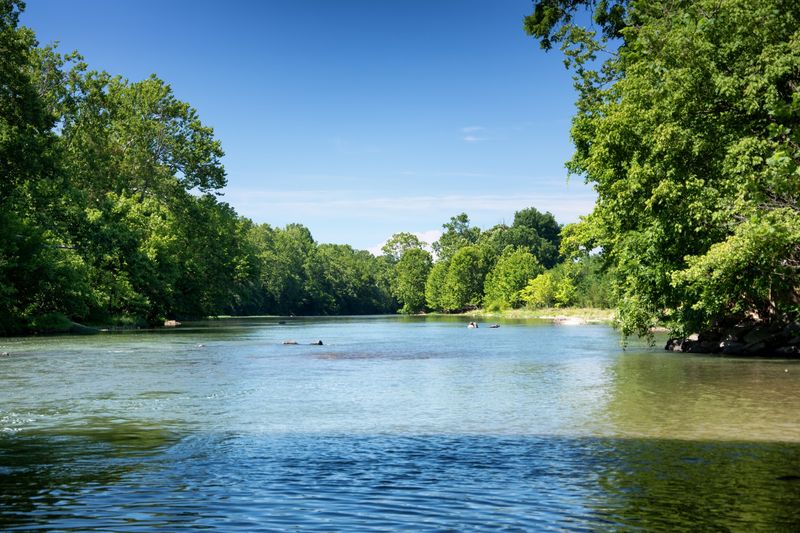
The adventure does not stop at the park boundary, and the surrounding stretch of Virginia knows it.
Underground, four cave systems compete for your attention. Luray Caverns, Shenandoah Caverns, Skyline Caverns, and Grand Caverns each hide their own chambers of stalactites, columns, and mirror-still pools.
Above ground, the Shenandoah River invites rafting, canoeing, kayaking, and lazy tubing on hot afternoons. Floating past mountain scenery beats sitting in traffic any day.
Curious about local history? Shenandoah Heritage Village, the Luray Singing Tower, and the Car and Carriage Caravan Museum round out the rainy day options.
Virginia Safari Park adds a completely different kind of wildlife encounter for families.
Ready to plan your own trip? The mailing address for Shenandoah National Park is 3655 U.S.
Highway 211 East, Luray, VA 22835, and the North Entrance near Front Royal sits at 21073 Skyline Drive, Front Royal, Virginia 22630. Reach the park by phone at +1 540-999-3500.
Pack decent boots, charge your camera, and keep those eyes on the ground now and then.
The snakes were here first. Go say a respectful hello from a very reasonable distance.
