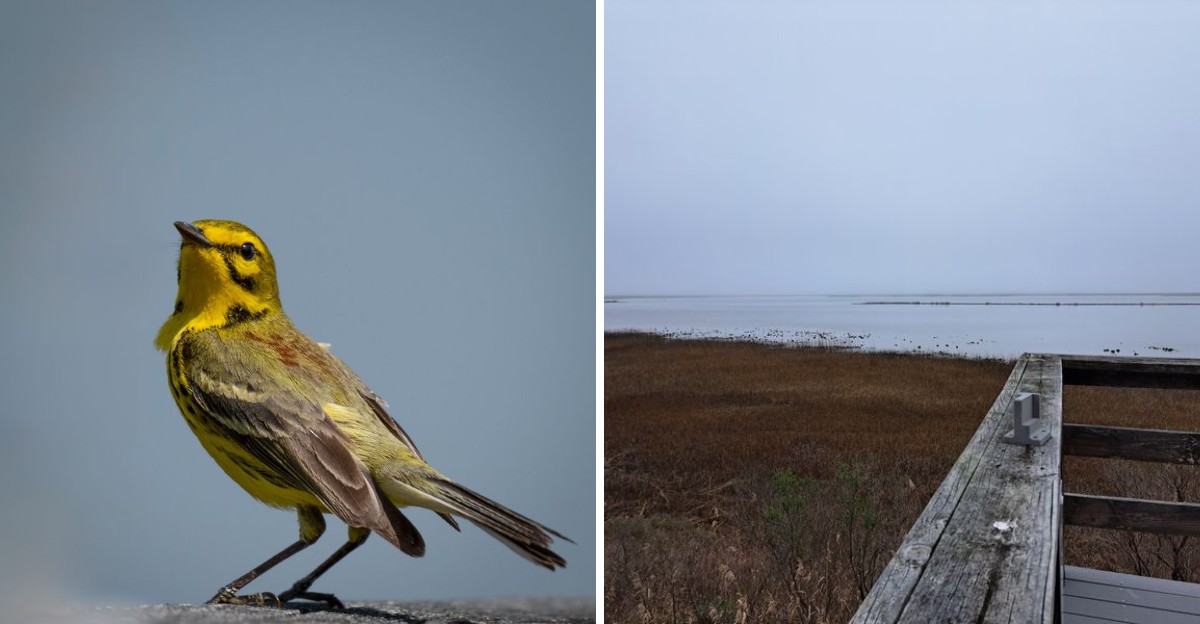
A bird blind and a scenic boardwalk make it possible to watch wildlife without pushing through marsh grass or disturbing sensitive habitat. That’s a thoughtful setup for anyone who enjoys observing birds in their natural surroundings.
The Virginia preserve protects coastal habitats that attract migrating songbirds and waterbirds. Its walking areas give visitors a chance to explore the landscape while keeping an eye on nearby vegetation and wetland edges.
Bird sightings vary by season, weather, and plain luck.
I like how birdwatching rewards patience. A few quiet minutes can reveal movement that would be easy to miss if you hurried along the path.
Binoculars can make the experience even more rewarding.
The preserve also offers a chance to appreciate the broader coastal ecosystem. Even without a rare sighting, the changing scenery gives you plenty to notice.
A Former Landfill Site Grew Into A Birding Superstar
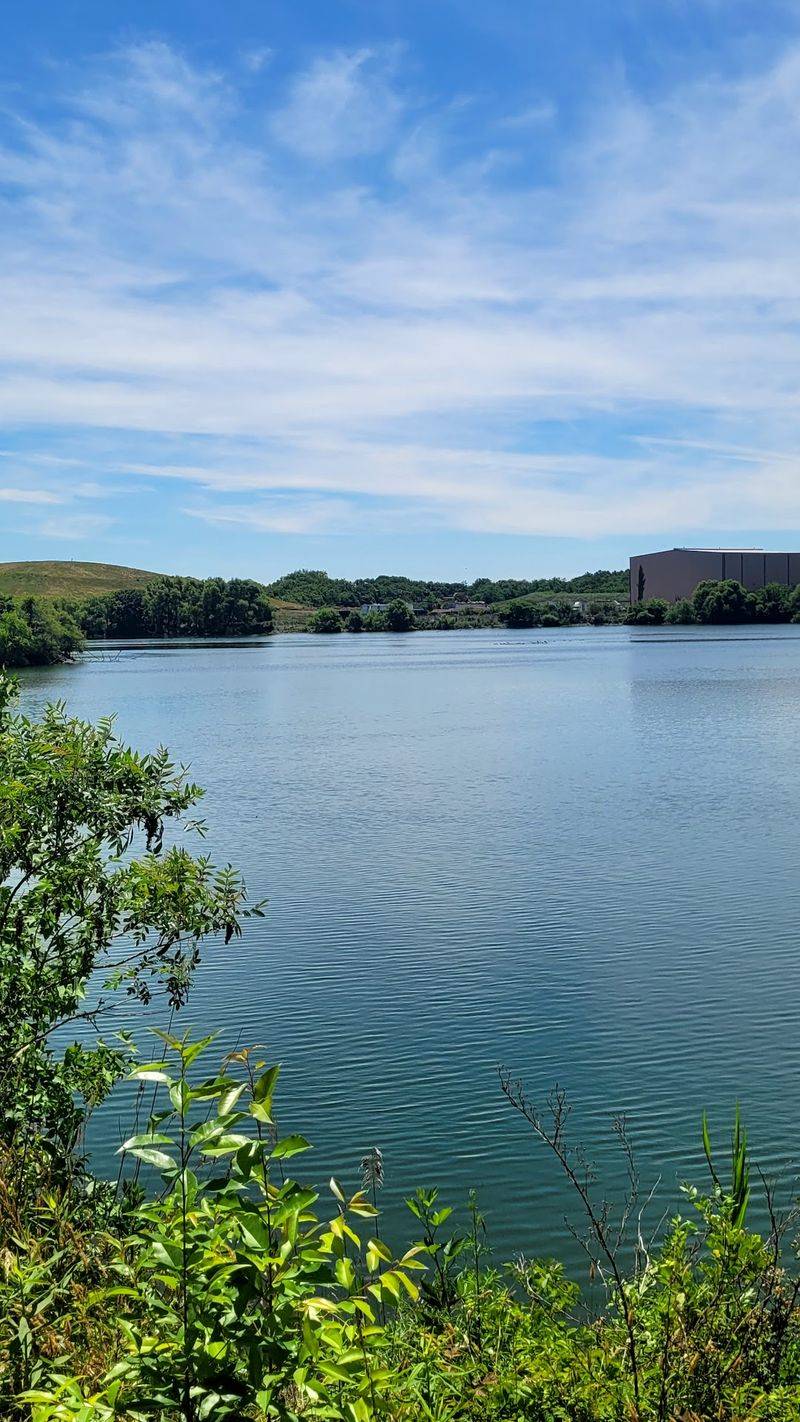
Old plans don’t always stick, and that’s great news for birds. The Edward S.
Brinkley Nature Preserve sits on land Northampton County bought in the 1970s for landfill expansion.
That expansion never swallowed this whole property. Instead, the idea of a seaside park started floating around in 2003.
In 2019, the county teamed up with Birding Eastern Shore and local nature fans. Together they officially made the area a public preserve.
Work crews restored the Seaside Walkway and marked the trails. They also added wildlife viewing platforms so visitors could see more without disturbing much.
The property covers more than 200 acres. That’s a lot of room for fields, woods, ponds, and marsh to share the spotlight.
You may still notice the working landfill next door. Trucks rumble now and then, but the birds don’t seem to mind one bit.
Gulls actually love that neighbor, which helped birders notice this spot long ago. So the preserve’s odd backstory turned into one of its biggest strengths.
I like that this place proves a second act can beat the first. A spot once marked for trash now draws people with binoculars and big smiles.
Not a bad glow-up for a patch of Virginia countryside.
The Name Honors A Birder Who Saw Nearly Everything
Nearly 400 bird species. Edward S.
Brinkley, known to friends as Ned, recorded that many in Northampton County during his lifetime.
Ned was a world-renowned birder who lived right here on the Eastern Shore. He passed away in November 2020, and the community wanted to honor him.
On April 13, 2021, the county renamed the site after him. Before that, folks called it the Northampton County Nature Preserve, or informally the Cheriton Landfill.
The new name fits for good reasons. Ned helped identify how important this site was for birds in the first place.
He also helped design the signage at the observation platform. On top of that, he planned for the photography blinds that visitors enjoy today.
So when you read a sign at the overlook, you’re seeing a bit of his work. That’s a pretty lovely way to be remembered.
I can’t imagine a better tribute for a birder. A plaque is nice, but a working, breathing habitat is better.
Every new species spotted here adds to his story. Ned’s love for Eastern Shore birds keeps showing up, one sighting at a time.
Sneak Up On Pond Life From The Photography Blind
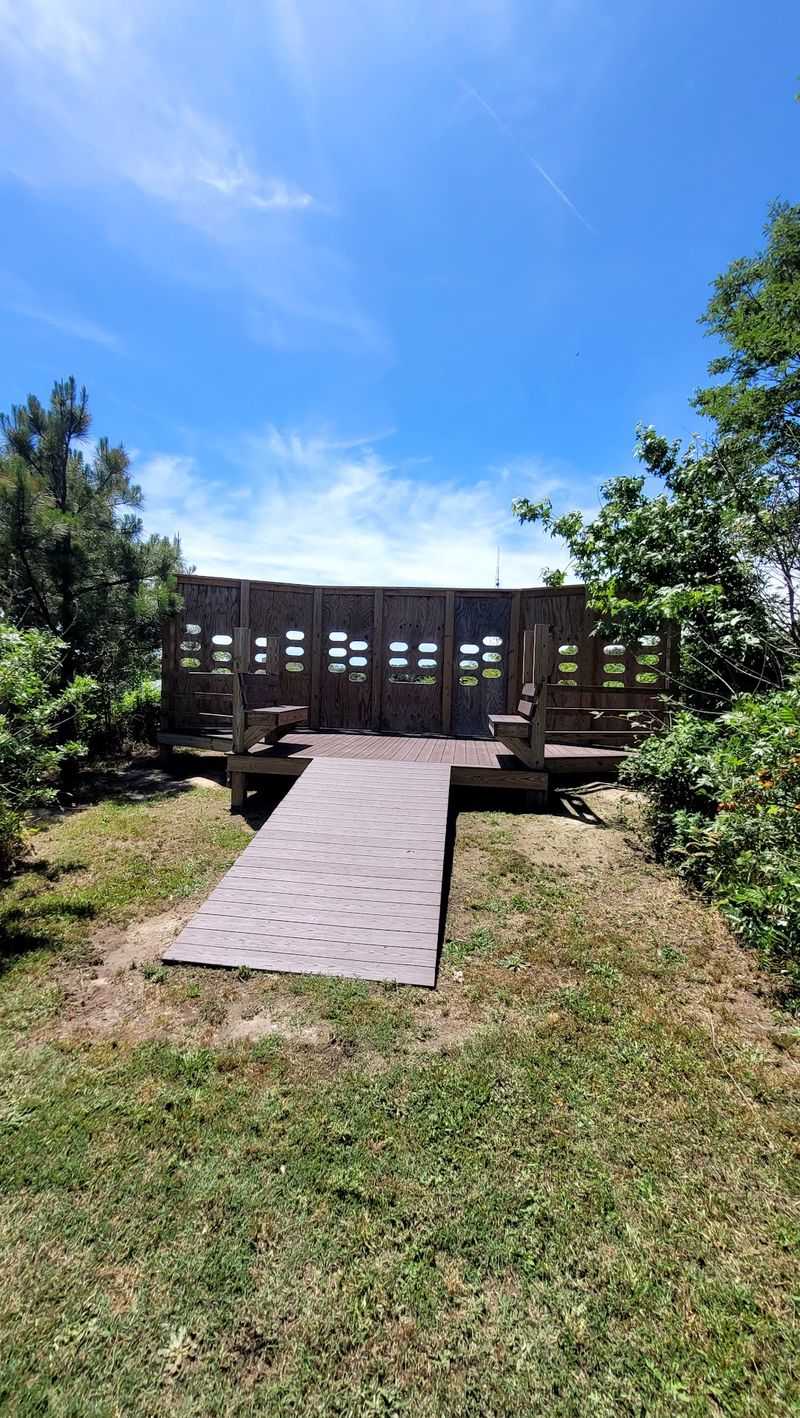
Birds can spot a waving arm from far away. A blind fixes that problem by keeping you hidden while you watch.
At this preserve, a short spur trail near the parking area leads straight to one. The blind faces a sizable freshwater pond, and it has ramp access.
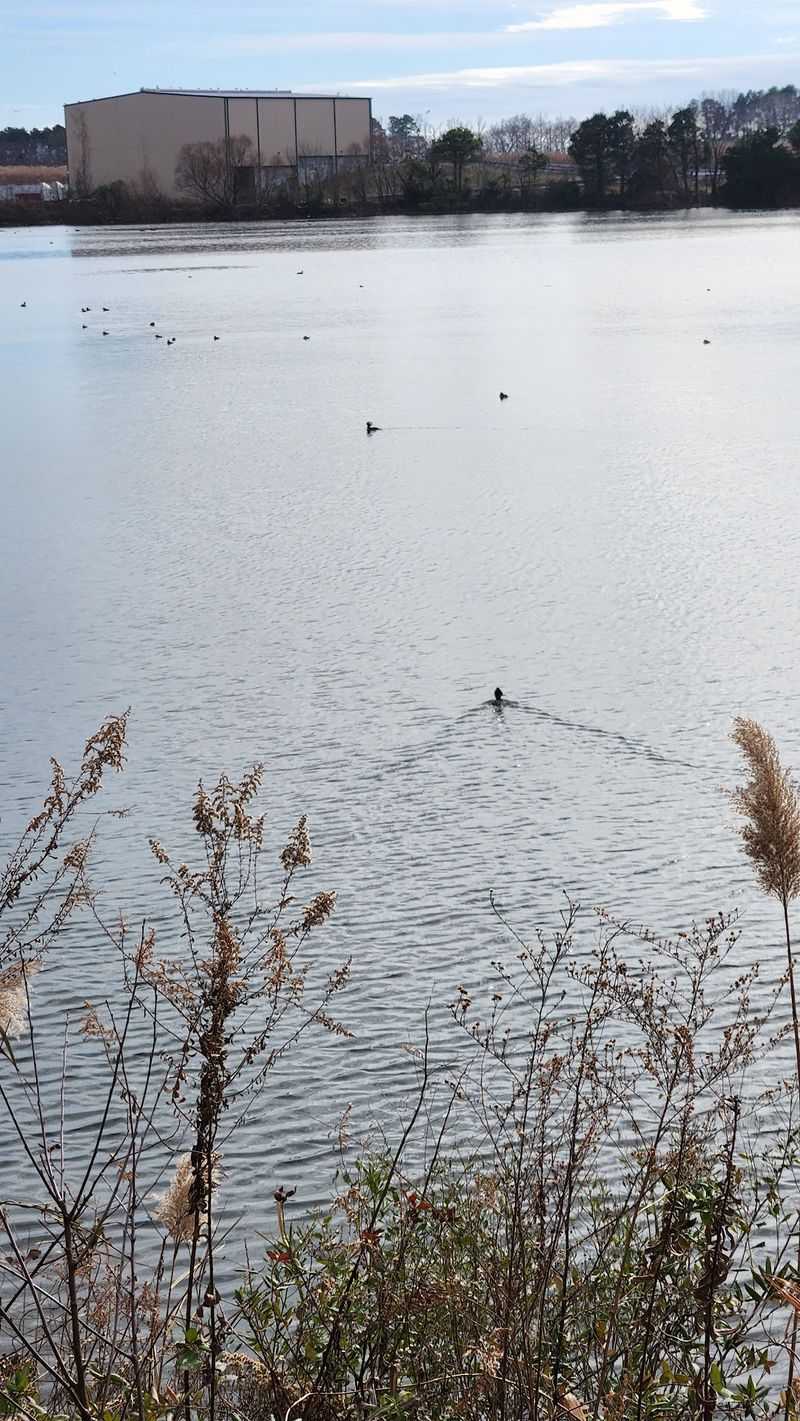
That pond is the beating heart of the place. Waterfowl and migrating birds stop here in spring and fall.
Winter brings an even bigger mix of ducks and other waterfowl. Year-round, you might catch wading birds, gulls, vultures, and belted kingfishers working the shoreline.
Bald eagles show up around the pond too. Seeing one cruise over the water never gets old.
Bring a camera with a decent zoom if you have one. The blind was planned with photographers in mind, so it’s made for patient shooting.
Some birds like to tuck themselves along the edges. A walk along the mowed path on the pond’s west side can reveal ones the blind misses.
Quiet voices help a lot in here. Whisper, wait, and let the pond come to you.
Fall Warblers Turn The Brush Into A Treasure Hunt
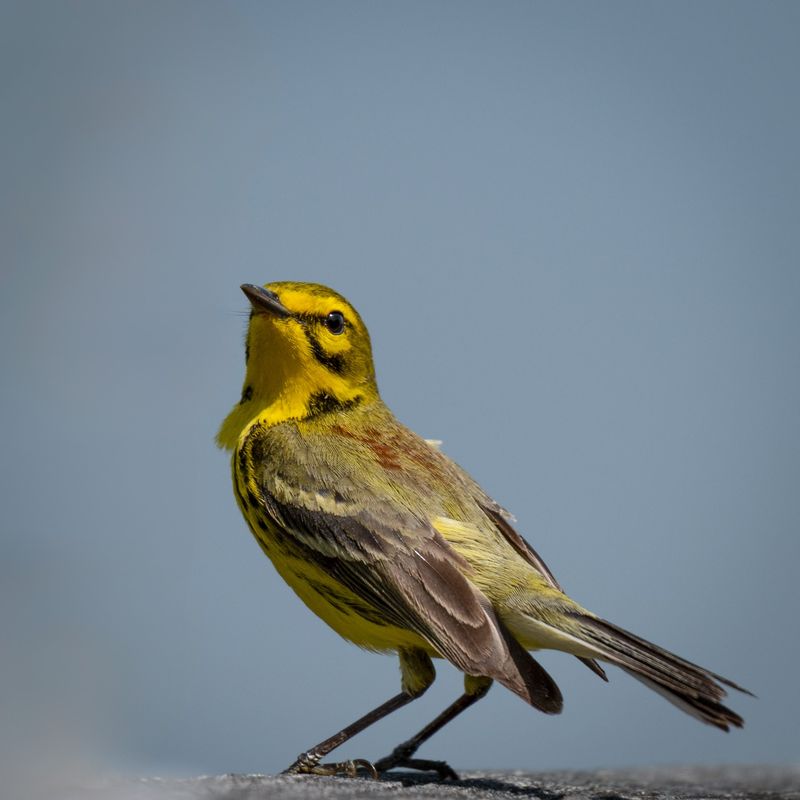
Tiny, fast, and dressed in yellow, green, and gray. Warblers are the gems of fall migration, and they pile up here.
Autumn is an excellent time to find them around the pond’s edge. They also flit through the scrub-shrub areas and the woodlands.
That mix of habitats matters. Migrating songbirds need food and cover before their next long flight south.
The Eastern Shore works like a funnel for birds heading down the coast. Spots with good shelter near the water become natural rest stops.
Warbler watching takes a bit of strategy. Listen first, because their chips and calls often give them away before you see them.
A sound-ID app can help beginners figure out who’s singing. Then raise your binoculars toward the movement in the leaves.
Fun fact: in January 2017, a Lucy’s Warbler appeared here. It was the first one ever recorded in Virginia.
That bird usually lives in the desert Southwest. You probably won’t get that lucky, but who knows?
Keep your neck loose and your eyes up. Warbler necks are a real thing, and they’re worth it.
Walk Through Meadows And Woods On An Easy Flat Trail
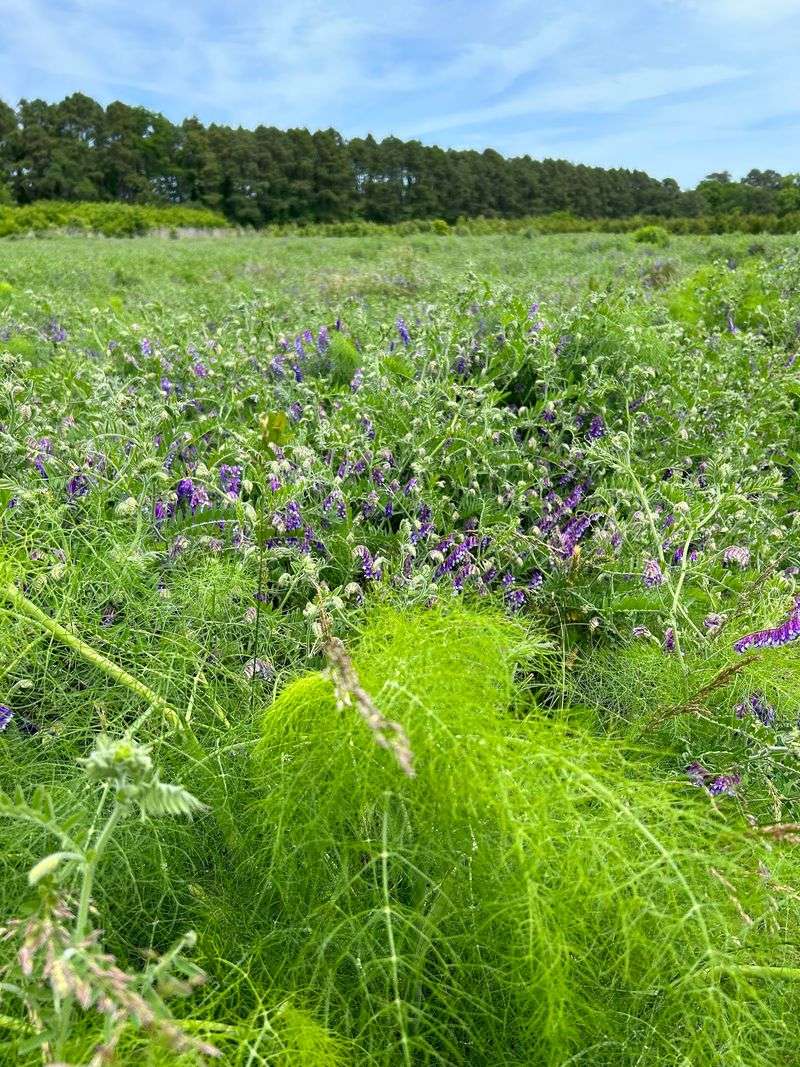
No steep hills, no rocky scrambles, and no huffing. The trails here stay flat, which makes them friendly for most walkers.
The preserve offers more than two miles of trails in total. The main path is a mowed out-and-back that runs about 1.5 miles round trip.
It heads east through open scrub-shrub habitat first. Then it slips into a mature woodland, where the path becomes hard-packed dirt.
If you want a bit more, try the full outer loop. It stretches about 1.7 miles.
Along the way, you’ll pass open fields, pine stands, and mixed woods. Each zone draws different creatures, so keep looking around.
Butterflies and dragonflies love the sunny open stretches. Deer have also been seen wandering through.
Dogs are welcome, as long as they stay on a leash. Fires, hunting, and overnight camping are not allowed.
Wear comfy shoes and bring water, especially on warm days. Bug spray is a smart move in summer too.
This walk feels relaxed but never boring. The scenery changes just often enough to keep your feet moving.
The Boardwalk Floats You Right Through The Woods
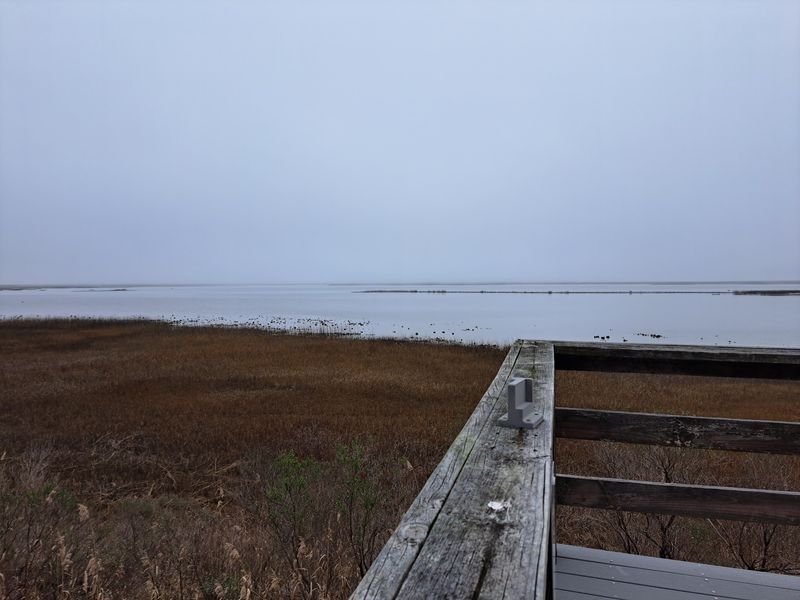
Right when the trail feels finished, wooden planks appear. The Seaside Walkway lifts you off the forest floor and keeps the adventure rolling.
This elevated boardwalk stretches about a quarter mile. It winds gently through the woodland instead of running in a straight line.
The walkway has been completely restored. It’s in excellent shape, and it includes ramp access.
That’s a big win for visitors using wheelchairs or strollers. More people can reach the views at the end.
Being raised up changes how the woods feel. You’re closer to the branches and away from soggy ground below.
Keep your eyes on the trees as you go. Woodpeckers and songbirds live in these woods all year long.
The walkway also builds a little suspense. Each curve hints that something bigger waits ahead.
And it does. The planks lead straight to the preserve’s famous seaside overlook.
Go slow here, even if you’re excited. A boardwalk is the best place to spot quiet wildlife that ground walkers scare off.
Prepare To Gasp At The Seaside Overlook
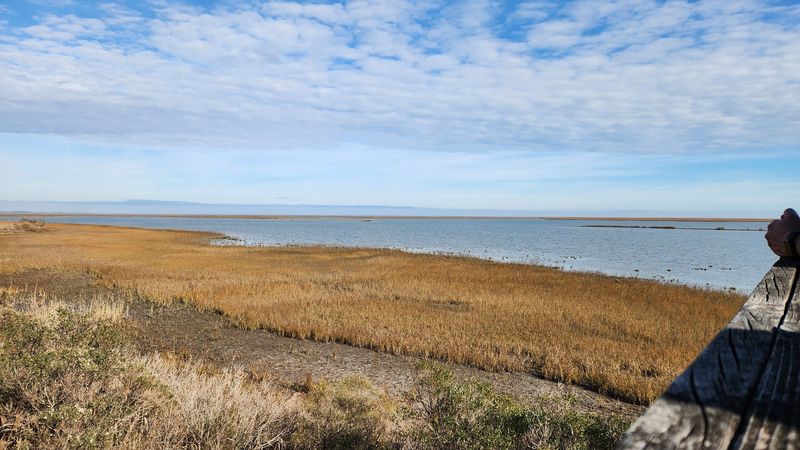
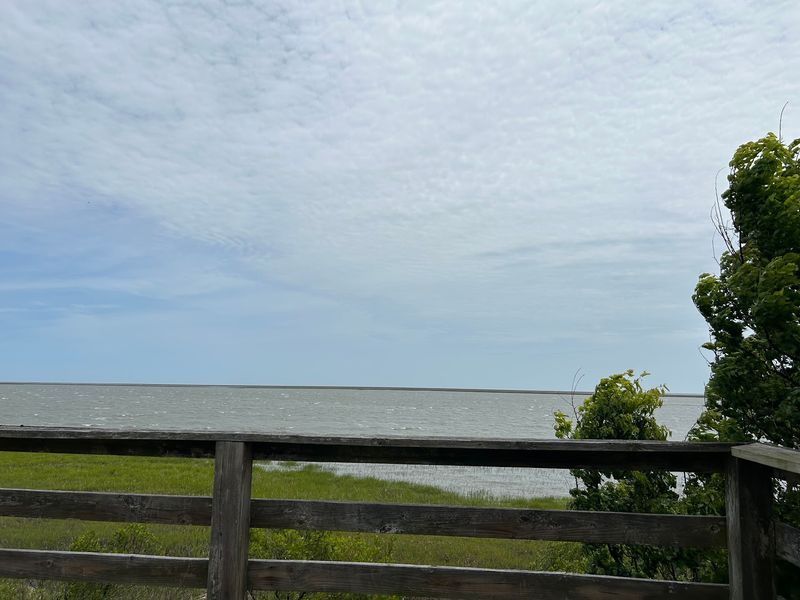
Trees, trees, trees, and then suddenly, sky. The boardwalk ends at a platform that opens onto a huge sweep of marsh.
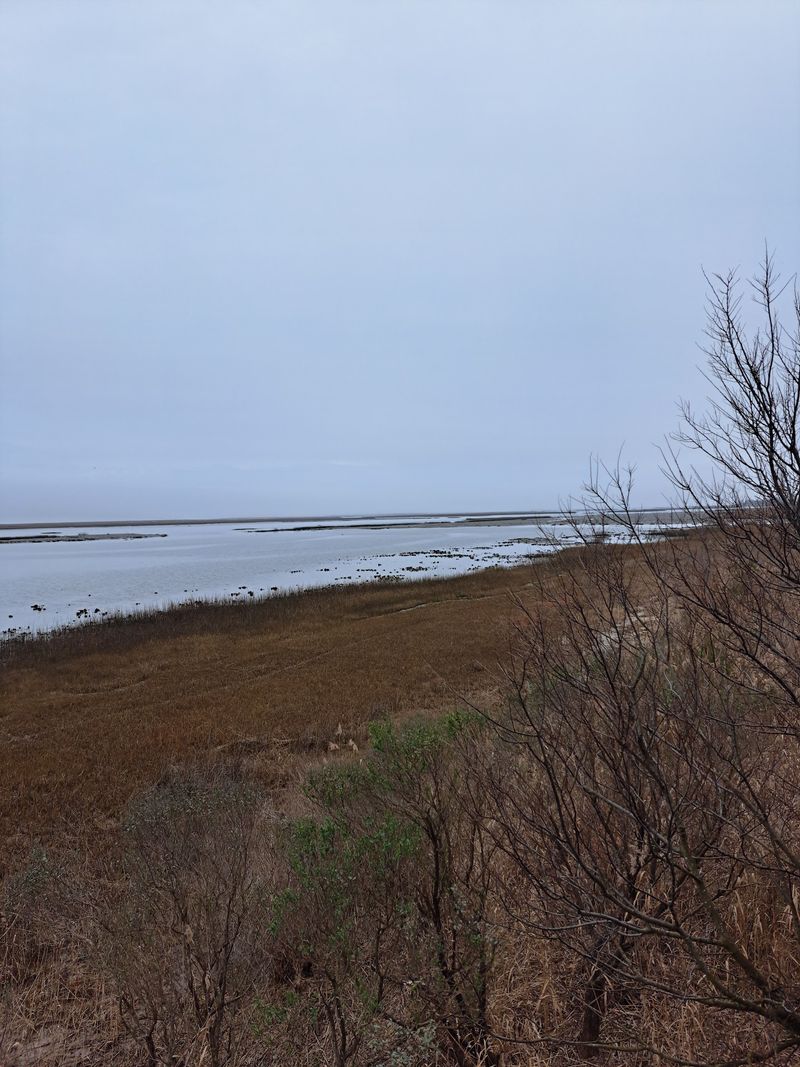
From the overlook, you can gaze across Brockenberry Bay. Tidal salt marshes spread out, and mudflats appear when the tide drops.
Low tide is when this spot really shines. Shorebirds rush onto the mud to feed.
Watch for willets, whimbrels, and American oystercatchers. Dunlin, black-bellied plovers, and small sandpipers called peeps show up too.
Oystercatchers are easy to love. Their bright orange bills look like they borrowed them from a cartoon.
A spotting scope helps a lot out here. Birds can be scattered far across the flats.
Check a tide chart before you head out. Timing your trip near low tide gives you the best shot at a busy mudflat.
Even without birds, the view is worth the walk. The marsh changes color with the seasons and the light.
A folding chair isn’t a silly idea. This is the kind of view that makes you forget to check the time.
Night-Herons Keep The Pond Busy All Year
Some birds pass through, but certain locals never leave. Yellow-crowned and black-crowned night-herons stick around the preserve year-round.
They use the freshwater pond as a rookery. That’s a fancy word for a nesting colony.
Night-herons have a stocky, hunched look compared to their lanky cousins. They seem a little grumpy, which only adds to their charm.
Despite the name, you can often spot them in daylight. Scan the branches along the pond’s edge carefully.
Songbirds, woodpeckers, and sparrows also live here through the seasons. So even a slow day still has plenty to watch.
The pond’s real reputation comes from surprises, though. In November 2020, a Gray Heron showed up.
It was only the second record for the continental U.S. Birders from far away rushed to see it.
That’s the magic of this Virginia pond. Regulars keep it lively, and rare guests keep everyone guessing.
Bring patience along with your binoculars. The herons are experts at standing still, and you’ll want to match their calm.
Plan Ahead Because Parking Is Tiny
Three to five cars. That’s about all the small lot at the entrance gate can hold.
The Edward S. Brinkley Nature Preserve sits at 20199 Seaside Rd, Cape Charles, VA 23310.
It’s off Seaside Road, outside the small village of Oyster.
Arriving early is a smart move during busy migration weekends. Mornings are prime birding time anyway, so it works out nicely.
Groups and school buses need special arrangements. Accessible parking closer to the boardwalk can also be set up by contacting County Administration.
Here’s the happy part: there’s no entry fee. The preserve is open daily from dawn to dusk.
Northampton County manages the property and keeps the grounds looking sharp. The mowed trails and restored walkway show real care.
Pack binoculars, water, sunscreen, and bug spray. A field guide or bird app makes the trip even more fun.
Leashed dogs can tag along for the walk. Just leave fires and camping gear at home.
For a free outing on Virginia’s Eastern Shore, this one delivers a lot. Birds, marsh views, and quiet trails, all for zero dollars.
