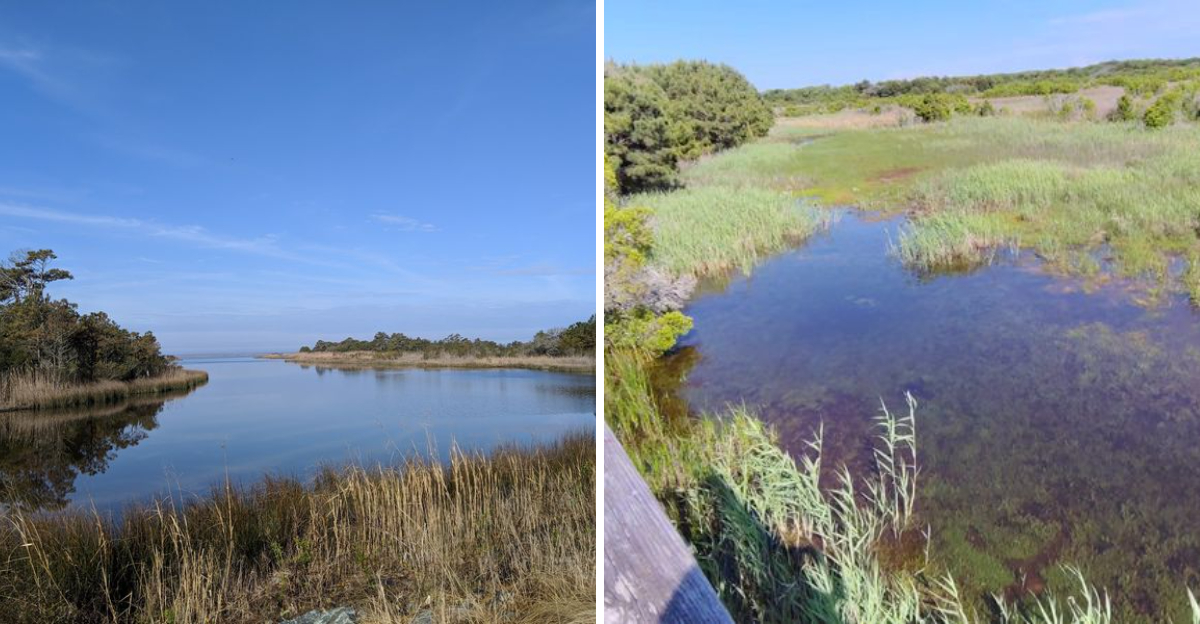
You walk through the forest and the landscape shifts. The trees are tangled, the sand is soft, and the whole place feels like something from a different continent.
This Virginia park is the nearest thing to Indonesia without crossing a border, a wild coastal stretch that evokes the feel of a tropical island. I hiked the trail on a warm morning, the path winding through dunes and marshes, the water visible through the trees.
The isolation is part of the appeal, a park that feels remote and untamed. There are no boardwalks, no vendors, no crowds.
Just sand, trees, and the sound of the water. The park is only accessible by foot or bike, which keeps the crowds away.
Virginia has plenty of parks, but this one feels like it belongs in a different hemisphere.
Getting There Is Half the Adventure
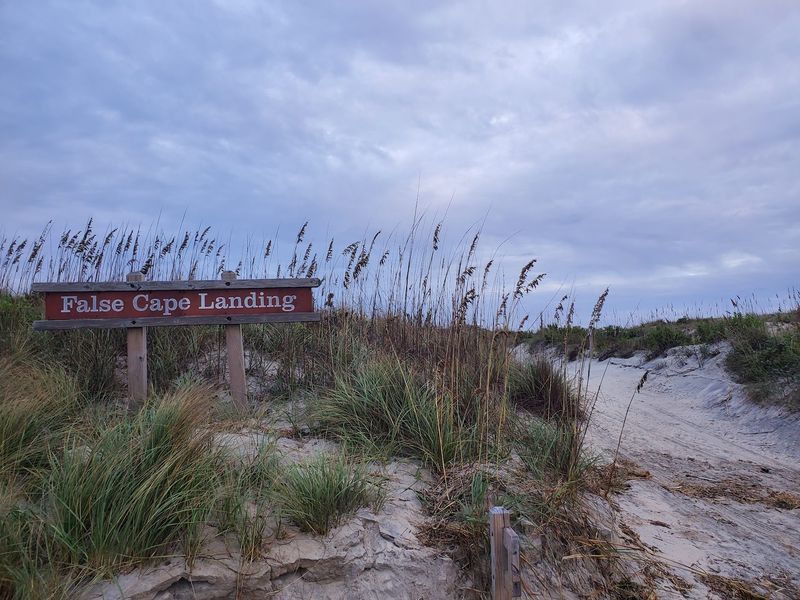
Forget pulling up to a park entrance and hopping out of your car with a coffee in hand. Reaching this extraordinary destination requires actual commitment, and honestly, that’s exactly what makes it so special.
Public vehicular access is strictly prohibited, which means the journey itself becomes part of the experience.
My go-to starting point is Little Island City Park in Sandbridge, Virginia. From there, I either strap on my hiking boots, saddle up a bike, or paddle across the bay by kayak.
Each option delivers a completely different flavor of adventure, and I’ve tried them all.
For a more relaxed entry, the Blue Goose Tram offers a guided, narrated ride through the adjacent Back Bay National Wildlife Refuge, dropping passengers right at the edge of the park. This option is perfect for first-timers who want context before exploring.
What this intentional inaccessibility does is quietly filter out the casual crowd. By the time I finally step into False Cape State Park, Virginia, the hustle of the outside world feels genuinely miles away.
The effort transforms the whole trip into something deeply satisfying and memorable.
Six Miles of Untouched Atlantic Shoreline
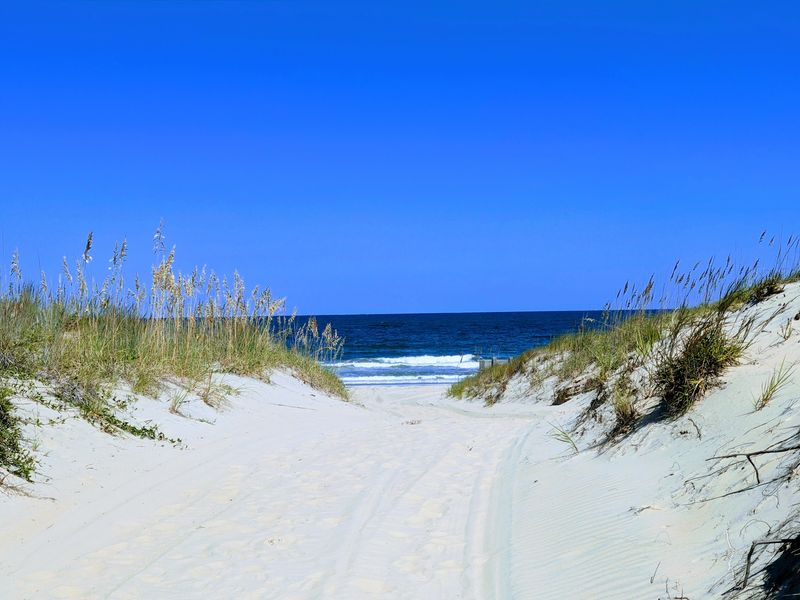
Picture a beach so pristine that the only footprints in the sand are yours and the occasional shorebird’s. That’s the reality at False Cape State Park, where six glorious miles of undeveloped Atlantic coastline stretch out with zero condos, zero food stands, and zero jet skis buzzing past.
The shoreline here isn’t groomed or maintained for aesthetic appeal. Ocean winds sculpt the dunes into dramatic ridges, and the sand shifts constantly, forming a landscape that looks genuinely alive.
Walking along it feels meditative in the best possible way.
I’ve found the most spectacular seashells of my life on this beach, undisturbed because so few people actually make the effort to reach it. The waves roll in hard and rhythmic, providing a natural soundtrack that no playlist could replicate.
Virginia’s coastline has plenty of popular beaches, but nothing compares to this raw, uninterrupted stretch. The absence of development isn’t a limitation here; it’s the entire point.
Watching the Atlantic in full, unobstructed glory from this shore is one of those travel moments that genuinely recalibrates your sense of what a beach experience can be.
A Wildlife Safari Right Inside Virginia
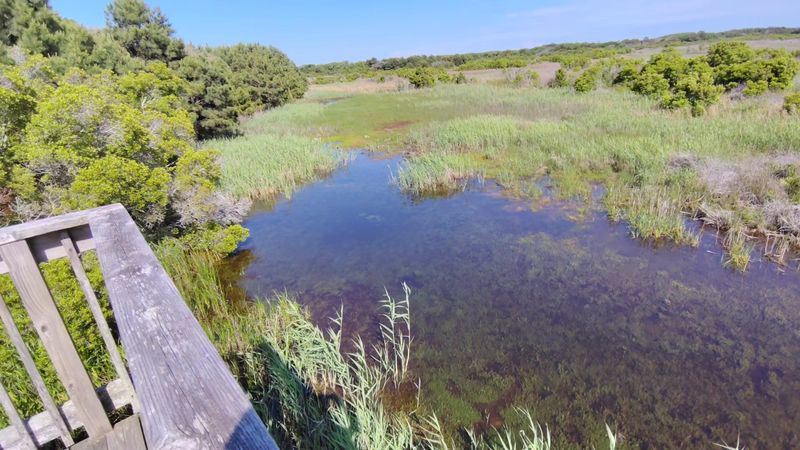
No safari jeep required. False Cape State Park delivers wildlife encounters so frequent and so close that I’ve genuinely lost count of the incredible sightings I’ve had over multiple visits.
This place is a living, breathing nature documentary, and you’re walking right through the set.
White-tailed deer move through the maritime forest with quiet elegance, barely acknowledging my presence. Red foxes dart through the underbrush with that signature sly energy.
Overhead, bald eagles cruise the thermals, scanning the water below with sharp, unhurried precision.
The bird diversity alone is staggering. More than 300 species have been recorded in and around the park, making it a genuine destination for birders from across the country.
During migration season, the skies fill with snow geese, creating a spectacle that’s hard to describe without sounding like you’re exaggerating.
Down at the water’s edge, river otters pop up unexpectedly, and various turtle species bask on logs in the afternoon sun. Virginia is home to some remarkable wildlife corridors, and this park sits right at the heart of one of the most productive.
Every visit here feels like a privileged peek behind nature’s curtain.
Five Distinct Ecosystems Packed Into One Slender Spit
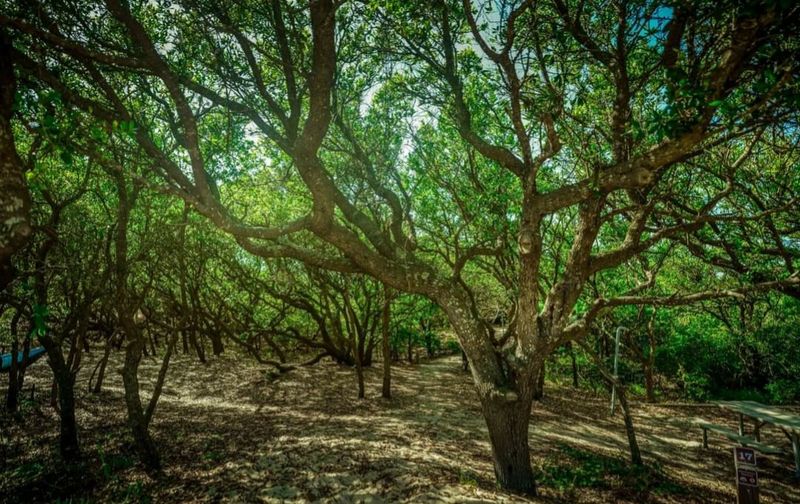
One of the most mind-bending things about False Cape State Park is how much ecological variety it packs into such a narrow strip of land. This slender barrier spit, barely a mile wide in places, manages to host five completely distinct maritime ecosystem types, each one fascinating in its own right.
Moving from east to west, I transition from the open Atlantic beach through maritime dune grasslands, into dense maritime forest draped with live oaks and loblolly pines, then into interdune swales filled with shimmering freshwater ponds, and finally into wind-tidal oligohaline marshes bordering Back Bay.
Each zone has its own microclimate, its own plant communities, and its own cast of wildlife characters. The biodiversity concentrated here is genuinely remarkable, with more than two dozen rare plant and animal species calling this park home.
Scientists and naturalists have long recognized this coastal strip in Virginia as globally significant. Walking through it, I feel that significance in a very tangible way.
The shift from one ecosystem to the next happens gradually, subtly, and yet the contrast between standing in a shaded forest grove and emerging onto a sun-blasted dune is nothing short of dramatic.
The Ghost Settlement of Wash Woods
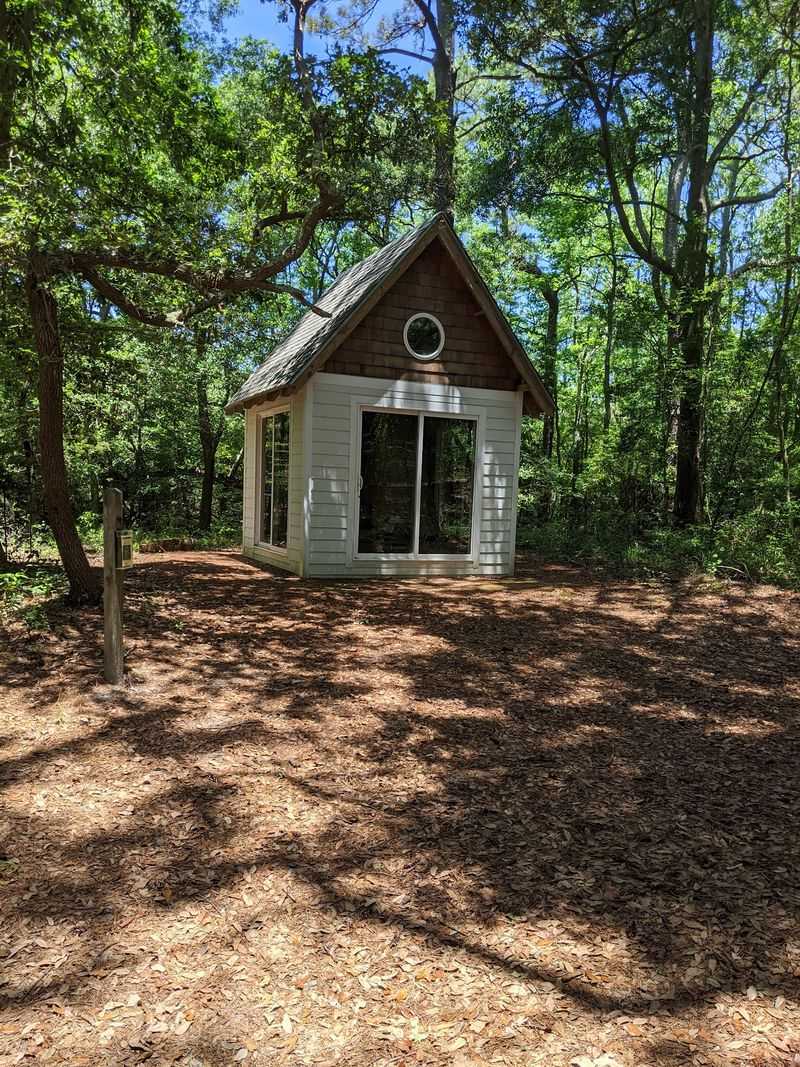
Tucked into the southern end of the park, the Wash Woods community site is one of the most quietly haunting places I’ve ever wandered through. This isn’t a recreated historical village or a polished museum exhibit.
It’s the real thing, raw and weathered and deeply evocative.
The settlement’s origin story reads like something from a maritime legend. Shipwreck survivors from the 19th century washed ashore on this remote spit and, rather than leaving, decided to stay.
They built their homes from cypress wood salvaged from other wrecked vessels, creating an entire community from the sea’s castoffs.
What remains today is sparse but powerful. The steeple of their church still stands, slightly crooked and wrapped in moss, and the historic cemetery holds the names of those hardy souls who lived and died in this isolated coastal world.
Walking among the graves, I feel a genuine connection to their story.
False Cape State Park preserves this site with quiet respect, allowing visitors to experience it without heavy interpretation or overcrowding. For anyone who loves history layered onto wild landscape, Wash Woods is the kind of discovery that lingers in your memory long after you’ve returned home to the comforts of modern Virginia.
Kayaking Through the Back Bay Wilderness
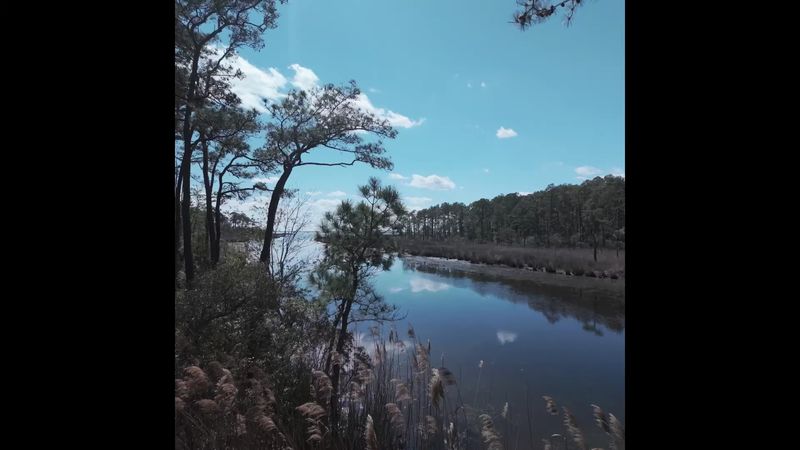
Approaching False Cape State Park from the water is a completely different experience from arriving by trail, and honestly, it might be my favorite way in. Launching a kayak from Little Island City Park and paddling across Back Bay delivers an immersive, front-row seat to the park’s wild bay side.
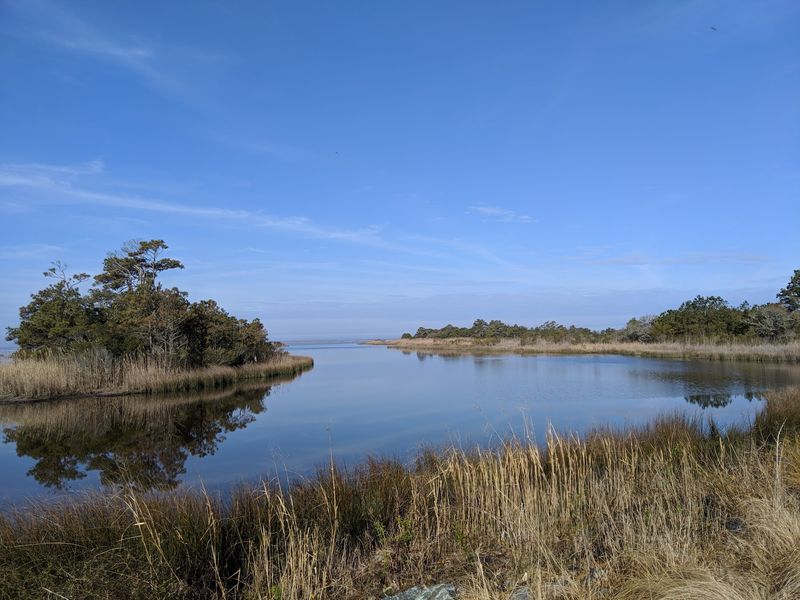
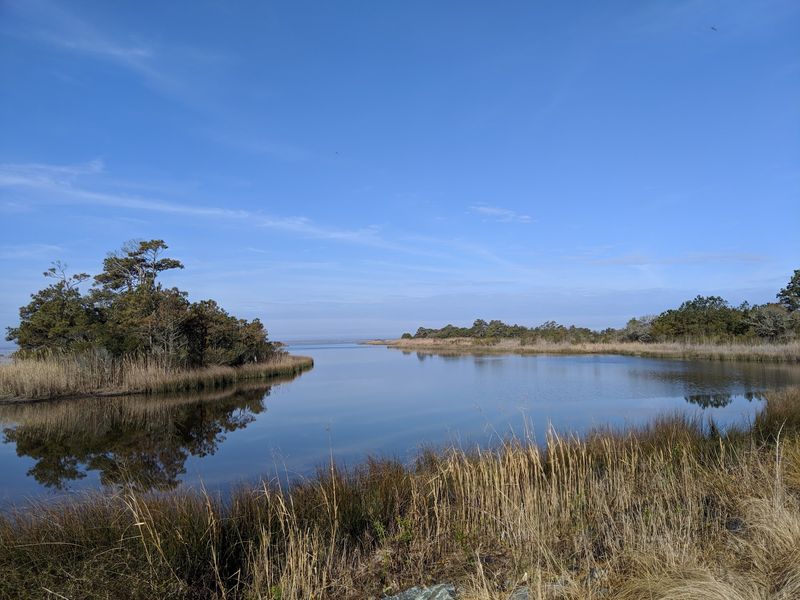
The water here is calm and glassy in the early morning, reflecting the sky above and the marsh grasses along the banks. Paddling through the Back Bay National Wildlife Refuge before reaching the park itself feels like moving through a living painting, serene and constantly shifting.
Wildlife sightings from the water are frequent and often spectacular. Eagles swoop low overhead, ospreys hover and plunge for fish, and river otters surface unexpectedly just a few paddle strokes away.
The perspective from a kayak lets me observe the marsh ecosystem at eye level, which is something no trail can replicate.
Guided kayak tours are available for those who prefer a structured experience with expert commentary. For independent paddlers, the route is manageable but does require some planning around wind and tide conditions.
Either way, arriving at False Cape State Park, Virginia by paddle craft is a genuinely unforgettable way to begin an adventure.
Biking the Sand Ridge Trail and Beyond
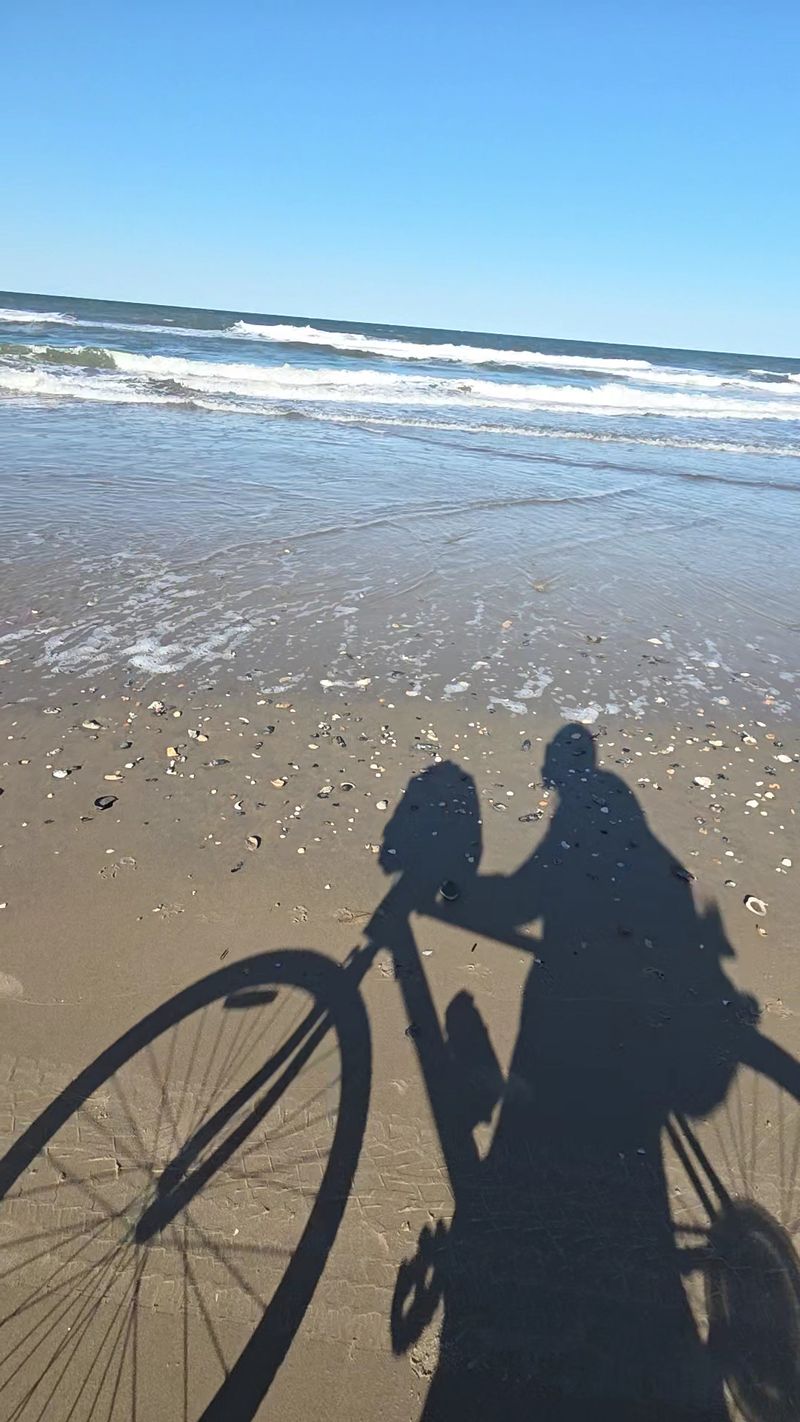
If there’s one piece of advice I’d give every first-time visitor to False Cape State Park, it’s this: bring a bike. The park’s trail network spans nearly 17 miles, and covering that terrain on two wheels turns a good day out into an absolutely brilliant one.
The Sand Ridge Trail is the backbone of the network, running the full length of the park from north to south on a gravel surface that’s firm and satisfying to ride. Along the way, the canopy shifts from open sky to dense, dappled shade beneath towering pines and sprawling live oaks, creating a rhythm of light and shadow that keeps every mile interesting.
At low tide, the beach itself becomes an extension of the trail system. Riding along the hard-packed sand with the Atlantic on one side and the dunes on the other is one of those experiences that makes you feel genuinely alive.
Fat-tire bikes handle the varied terrain best, though a sturdy mountain bike does the job admirably.
Virginia has no shortage of scenic bike routes, but this one stands in a category all its own. The combination of gravel trails, coastal forest, and optional beach riding makes False Cape State Park a must-visit destination for any cycling enthusiast looking for something truly different.
Primitive Camping Under a Sky Full of Stars
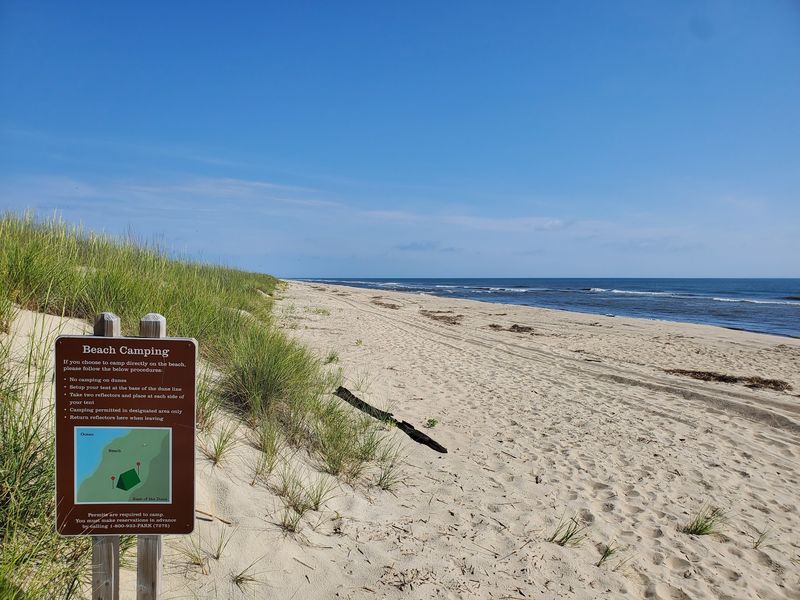
Camping at False Cape State Park is not the kind of experience where you roll up in an RV and plug into an electrical hookup. This is genuine wilderness camping, earned through effort and rewarded with an intimacy with nature that few places can offer.
The park’s four primitive campgrounds provide assigned tent sites nestled within the natural landscape, each one a proper escape from the noise of modern life.
Every single item you need must be carried in, whether you hike, bike, or paddle to your campsite. Water is available at certain facilities, but planning and preparation are essential.
Pit toilets are on-site, maintained to a surprisingly decent standard given the remote setting.
The payoff for this effort is extraordinary. Falling asleep to the sound of the Atlantic Ocean, waking before dawn to watch the sun rise over the water, and spending an entire night without a single artificial light polluting the sky above, these are experiences that reset something deep inside you.
Beach-side camping is also possible, offering the added drama of tidal sounds and salt air through the night. Insects can be lively, particularly in summer, so packing proper repellent is non-negotiable.
But even with that caveat, a night at False Cape State Park ranks among the finest outdoor sleeping experiences in Virginia.
Seasonal Wonders That Keep Drawing Me Back
One of the most compelling things about False Cape State Park is that no two visits feel the same, because the park transforms dramatically with each season. Spring arrives with an explosion of new growth and the return of migratory birds, filling the air with songs that layer beautifully over the sound of the ocean breeze.
Summer brings long, warm days ideal for beach exploration, though the insect population is at its peak during this period. Packing permethrin-treated clothing and quality repellent is genuinely important from late spring through early fall.
The heat and humidity are real, but the long golden evenings more than compensate.
Autumn is my personal favorite season here. The maritime forest shifts into warm amber and russet tones, and the park becomes a critical stopover for thousands of waterfowl heading south.
Watching flocks of snow geese descend onto Back Bay against a copper sky is the kind of sight that justifies any amount of effort to witness.
Winter strips the landscape back to its most elemental form, quieter and starker but no less beautiful. Crowds thin dramatically, wildlife moves differently through the terrain, and the solitude becomes almost meditative.
Virginia’s southeastern coast in winter has a raw, moody beauty that genuinely rewards those willing to brave the cooler temperatures.
Plan Your Own Wild Escape to False Cape
Ready to trade the crowded boardwalk for something genuinely extraordinary? False Cape State Park sits at 4001 Sandpiper Road, Virginia Beach, VA 23456, tucked into the southeastern corner of the state where Virginia nearly meets North Carolina.
Getting there requires planning, but the reward is a coastal wilderness experience that’s nearly impossible to find anywhere else on the East Coast.
Start your journey from Little Island City Park in Sandbridge, where parking is available. From there, choose your adventure: hike, bike, kayak, or take the Blue Goose Tram through Back Bay National Wildlife Refuge.
Pets are not permitted through the refuge section, so leave your furry companions at home for this particular trip.
Reservations for primitive camping are handled through the Virginia state park reservation system, and booking ahead is strongly recommended during the warmer months. Bring everything you need, including water, food, bug spray, and sun protection, because the park’s remoteness means there are no convenience stores waiting at the trailhead.
False Cape State Park, Virginia is the kind of destination that changes how you think about nature travel. Once you’ve experienced its wild beaches, living marshes, and profound quiet, the idea of settling for an ordinary beach vacation starts to feel genuinely impossible.
Go. You’ll understand immediately.
