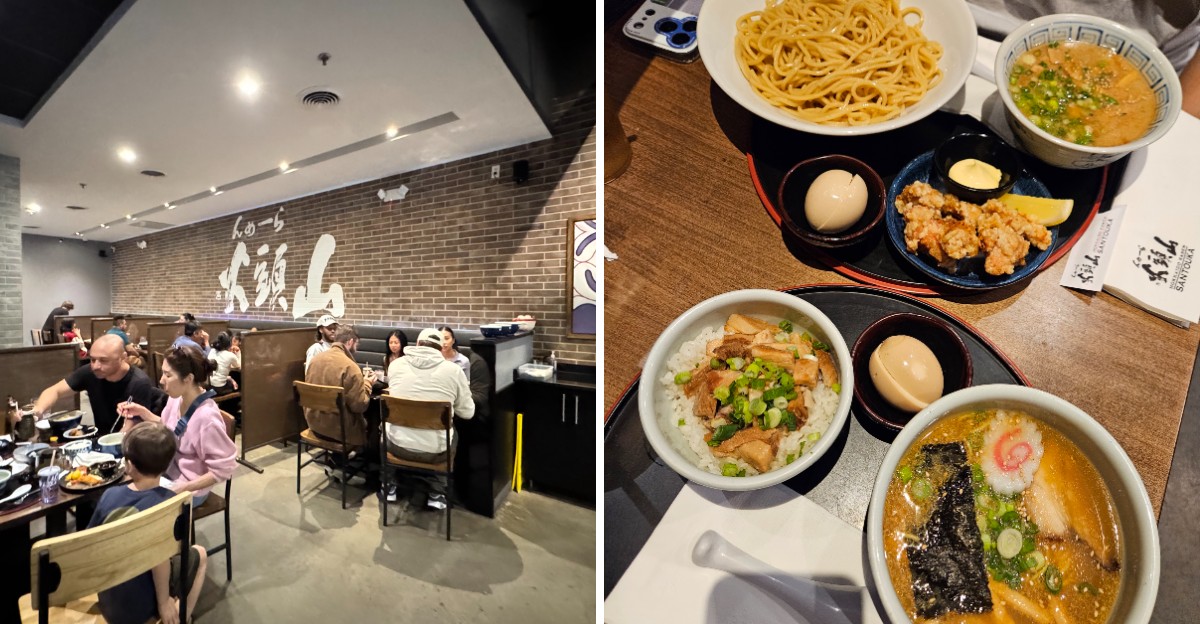
Ramen is not a quick dish. The broth alone can take hours, and the best versions take even longer.
This Virginia ramen restaurant simmers its broth for at least twenty hours, which is the kind of commitment that separates a good bowl from a great one. The result is a depth of flavor that is hard to fake.
Rich, savory, and layered in a way that only comes from time. The noodles are cooked properly, the toppings are fresh, and the portions are generous without being overwhelming.
The menu covers the classics, from tonkotsu to shoyu, along with a few specialties that change with the season. The dining room is simple and comfortable, the kind of place where you can slurp without feeling self-conscious.
Service is friendly and efficient, even when the place is busy. It is not trying to be a trend.
It is simply doing ramen the way it should be done. If you have been searching for a bowl that actually tastes like Japan, this Virginia spot is worth the trip.
Bring an appetite and a willingness to wait.
A Noodle Legend Born in Snowy Asahikawa
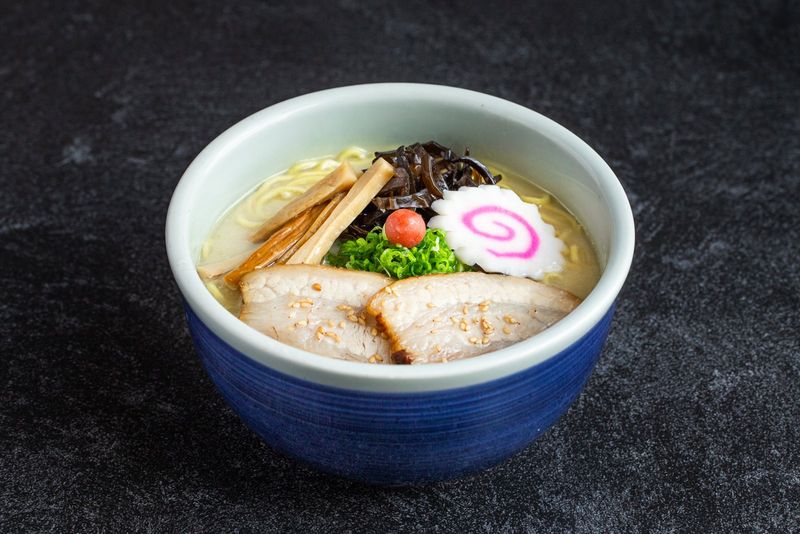
Some restaurants start with a business plan. Hokkaido Ramen Santouka started with a single tiny shop in Asahikawa, a chilly city on Japan’s northern island of Hokkaido.
The founder wanted a bowl so balanced that you would happily drink every last drop. That simple goal turned into a chain with shops across Japan, Asia, and North America.
Now one of those outposts sits right here in Virginia, bringing a little northern snow-country comfort to the suburbs.
Hokkaido is famous for brutal winters, and ramen there is basically edible central heating. Each region of the island has its own style.
Sapporo is known for miso, Hakodate for salt, and Asahikawa for rich, layered bowls built to fight the cold.
Santouka took that northern spirit and gave it a softer, creamier personality. The result feels hearty without being heavy, which is a tricky balance to pull off.
Here is the fun part. You do not need to fly across an ocean to taste it anymore.
A short drive to Tysons lands you in front of a bowl with a real family tree behind it.
Think of it as a culinary passport stamp, minus the jet lag and the airport snacks.
Patience Is the Secret Ingredient in Every Bowl
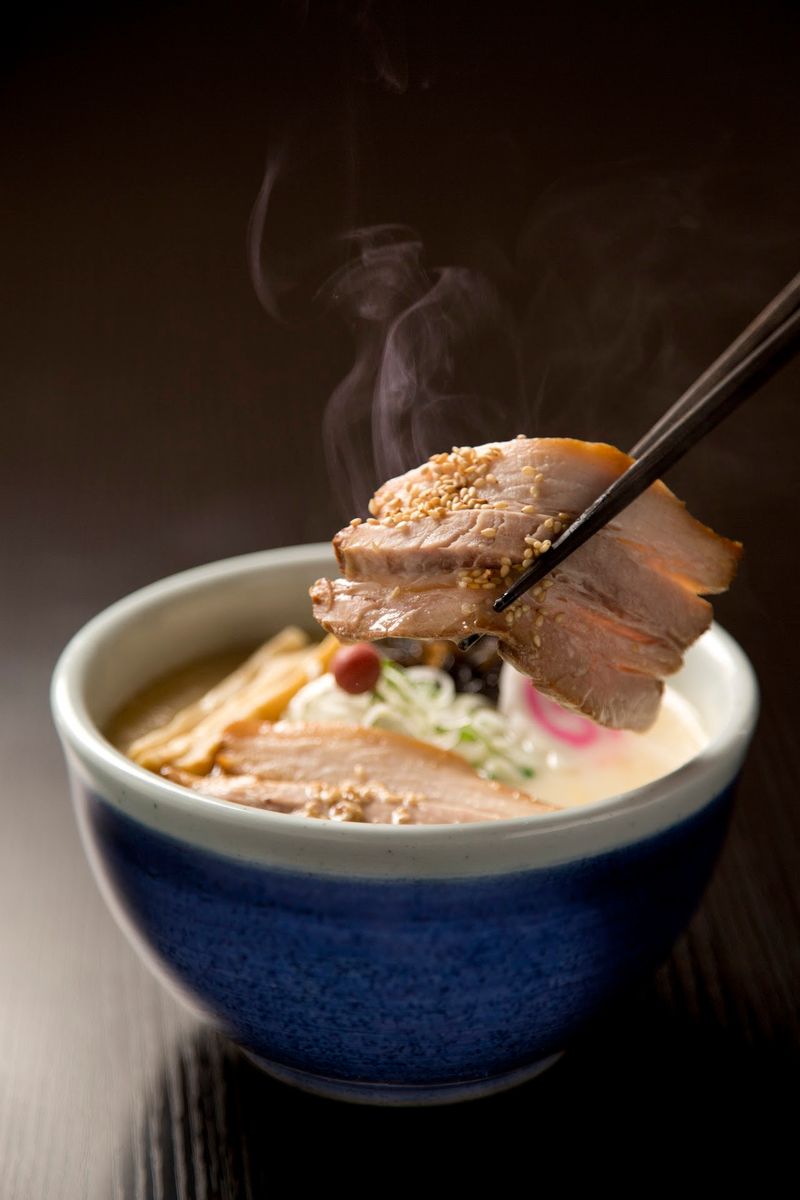
Good things come to those who wait, and pork bones are no exception. The tonkotsu broth here simmers for close to a full day before it ever meets a noodle.
Why so long? Slow, steady heat breaks down the bones and pulls out collagen, which gives the soup its silky, milky body.
Rush it, and you end up with something thin and forgettable.
Santouka keeps the heat gentle rather than roaring. That approach keeps the broth mild and smooth instead of greasy or funky, a signature that sets it apart from heavier pork ramen styles.
Vegetables, dried fish, and kelp join the party too, adding quiet layers of savory depth. Every sip tastes rounded, like the flavors had plenty of time to get to know each other.
Honestly, it is a little humbling. Most of us cannot wait for toast to pop, yet this kitchen babysits a pot through the night.
So when your bowl arrives looking calm and creamy, remember the long shift behind it. That patience is what you are tasting.
Take a moment, inhale the steam, and give the soup a respectful first sip before reaching for the noodles.
Shio Ramen Is the Bowl That Started It All
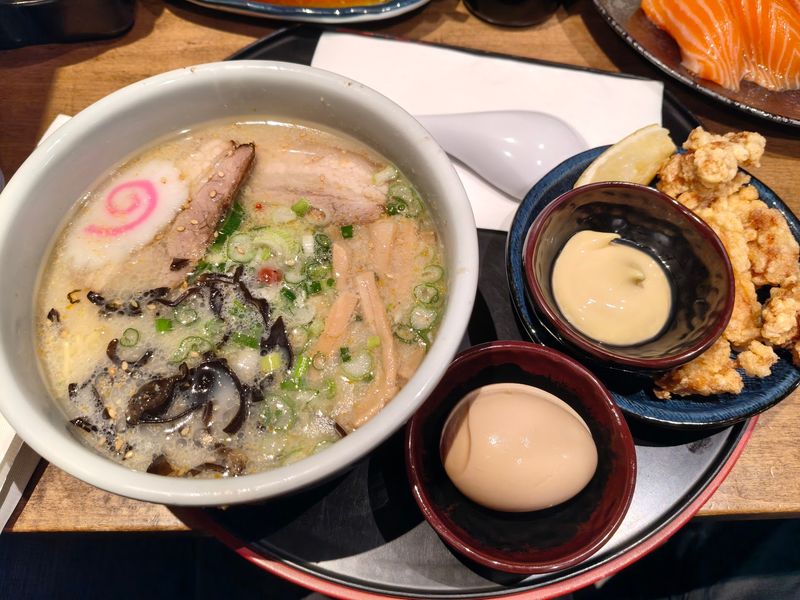
Salt might sound boring. In Santouka’s hands, it becomes the star of the show.
Shio ramen is the original bowl that made the brand famous back in Asahikawa. The broth is pale, gentle, and surprisingly complex, seasoned with a salty tare that lets the pork flavor shine instead of hiding it.
Look closely when it lands on your table. A tiny red pickled plum, called umeboshi, sits on top like a cherry on a sundae.
Its tart little punch wakes up your taste buds and cuts through the richness.
Wavy noodles, sliced pork, bamboo shoots, scallions, and a swirl of fish cake round things out. Everything is placed with care, almost like a small edible garden floating in cream.
Newcomers to Japanese food often reach for spicy or bold flavors first. Resist that urge, at least once.
Starting with shio gives you a clean baseline, so you can actually taste what all those hours of simmering accomplished.
Purists call it the truest expression of the house style. Adventurous eaters might find it mellow.
Either way, it is the bowl that tells the whole story, so order it and decide which side you land on.
Toroniku, the Pork Cheek Worth Bragging About
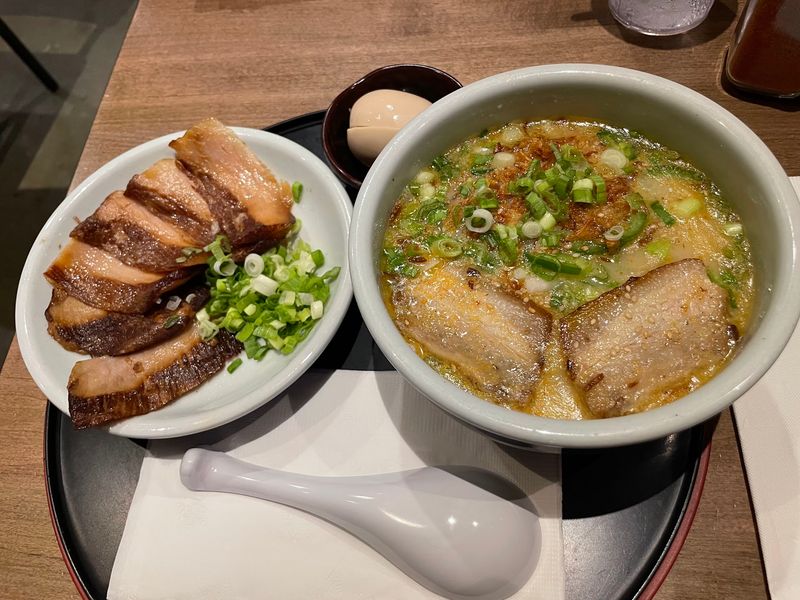
Hear the word cheek and you might picture a grandma pinching your face. At this ramen counter, it means the most prized meat on the menu.
Toroniku is special pork jowl, a cut so limited that each pig gives only a small amount. Santouka serves it separately on a side plate, so you can dip each slice into the hot broth yourself.
That little ritual matters. Warming the meat right in the soup lets the fat soften and melt, turning every bite tender and juicy.
It feels a bit like fondue, Japanese style.
Texture fans will love the gentle chew and rich marbling. Unlike regular chashu, the cheek holds a delicate bounce that lingers without feeling heavy.
Quick tip for planning your order. Because supply is limited, it can run out on busy nights, so arriving earlier gives you the best shot.
Many regulars treat it as the upgrade that turns a good bowl into a great one. If you only splurge on one extra, make it this.
Go ahead and brag to your friends later. Few dinner stories beat telling everyone you tried the rarest pork on the menu.
Black Garlic and Other Bold Flavor Detours
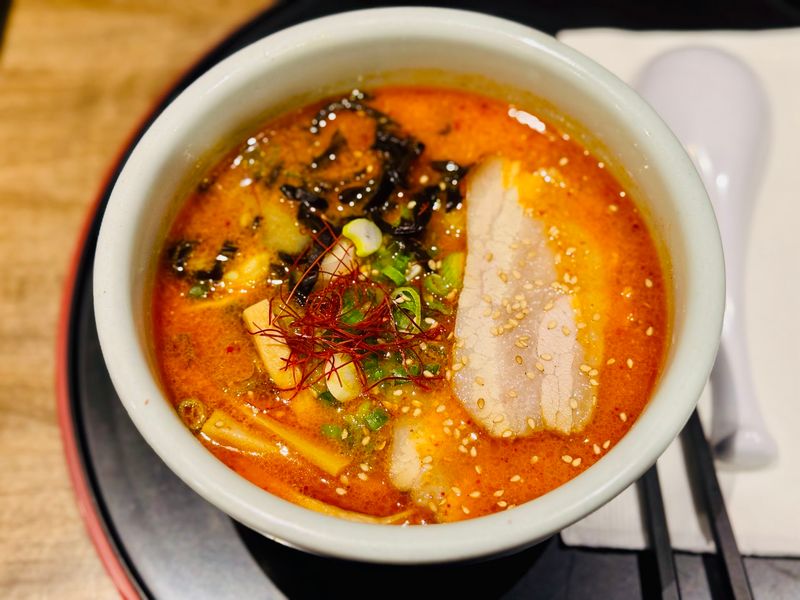
Craving drama in a bowl? The flavor lineup goes well beyond salt.
Black garlic ramen brings a dark, roasted oil that tastes earthy and slightly sweet. It is deep, smoky, and a little addictive, the kind of flavor that makes you lean in for one more slurp.
Miso lovers get a nutty, fermented richness that tips its hat to Hokkaido’s famous Sapporo style. Shoyu offers a soy-based option, savory and balanced, perfect for anyone who likes a classic profile.
Spice seekers can turn up the heat with karamiso, a fiery miso version, or the spicy tan-tan bowl. Negi ramen adds a fresh kick from scallions and jalapeño, giving you brightness instead of pure burn.
Plant-based eaters are not left out either. A vegetarian ramen holds its own with a savory broth built without pork.
Want more control? Bowls usually come in multiple sizes, so you can go light at lunch or super hungry at dinner.
One playful strategy works wonders with a group. Everyone orders a different broth, then you trade sips around the table.
Instant flavor tour, zero passport stamps needed, and plenty of friendly arguments about the winner.
Combos That Feel Like a Mini Feast
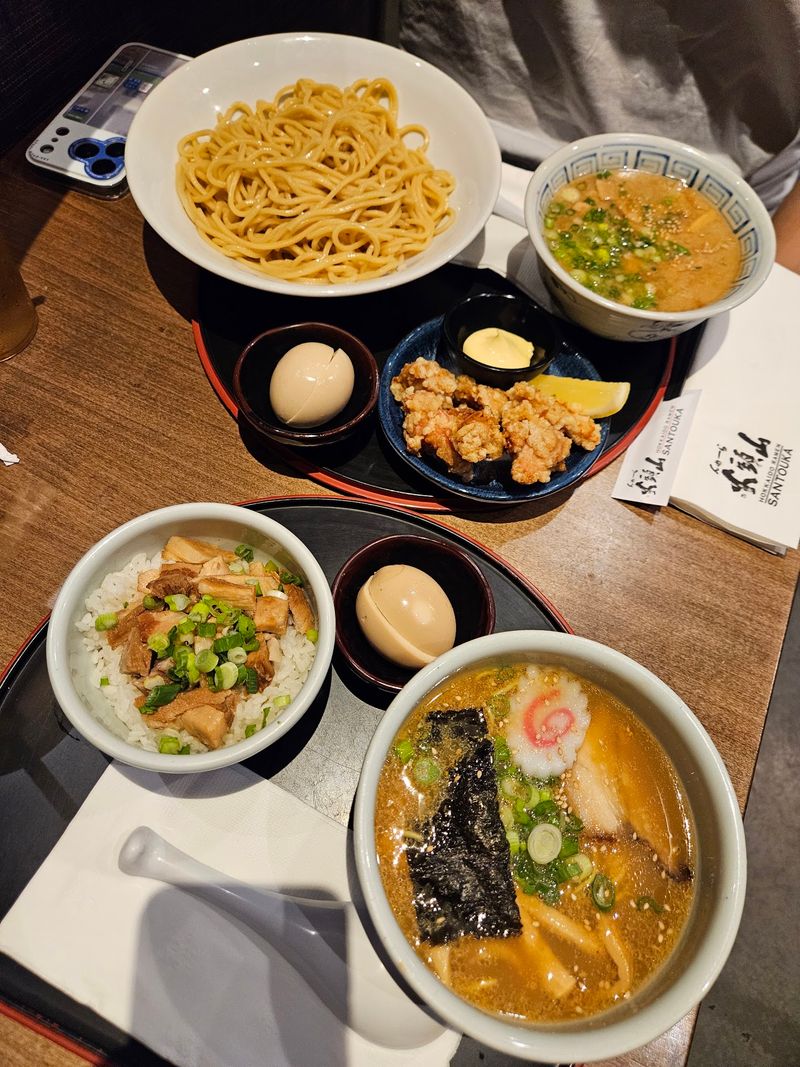
Ramen alone is satisfying. Ramen with a sidekick?
That is a full-blown party.
Santouka’s combo sets pair a bowl with a small rice dish, known as gohan, plus a side. Options often include chashu pork over rice, salmon rice, or a seasoned egg on top.
The chashu gohan is a fan favorite for good reason. Tender pork bits sitting on fluffy rice soak up savory flavor, and adding the marinated egg makes it even richer.
Sharing plates deserve attention too. Crispy karaage, Japanese fried chicken, arrives golden and crunchy, begging for a dip in creamy Japanese mayo.
Takoyaki, little octopus-filled dough balls, bring a gooey, fun bite that feels straight off an Osaka street.
Gyoza dumplings show up crisp on the bottom and soft on top. Pickled cucumbers offer a cool, tangy reset between hearty bites.
Budget-minded eaters will appreciate how the combos stretch value. You walk out stuffed without needing a second meal later.
A smart move for duos is ordering one combo and one extra side, then splitting everything. Teamwork makes the dream work, especially when that dream is crunchy chicken and warm rice.
Clean Lines and a Calm Dining Room
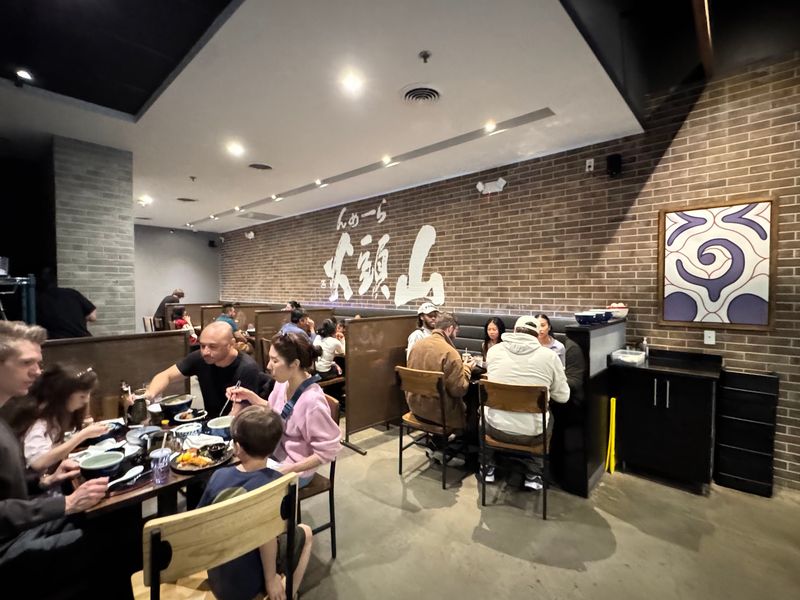
Forget loud neon and chaotic vibes. The dining room here keeps things simple, tidy, and relaxed.
Light wood, clean surfaces, and modern fixtures create a space that lets the food take center stage. Nothing screams for attention, which feels refreshing after a busy day of shopping or work.
Music plays at a comfortable level, so you can actually hear the person across the table. That makes it a solid choice for catching up with friends, a casual date, or a solo slurp session with your thoughts.
Little touches stand out once you notice them. The chopsticks have neatly pointed tips, which makes grabbing slippery noodles and tiny toppings far easier.
Service here moves quickly and smoothly. Staff are known for being friendly and happy to explain the differences between broths, which helps a lot if the menu feels unfamiliar.
Expect a mix of tables suited to small groups and pairs. The overall feel is neat and welcoming rather than fancy or fussy.
Think of it as a calm harbor in a busy shopping district. Come hungry, settle in, and let the steam from your bowl do the decorating.
Outdoor Seats in the Heart of The Boro
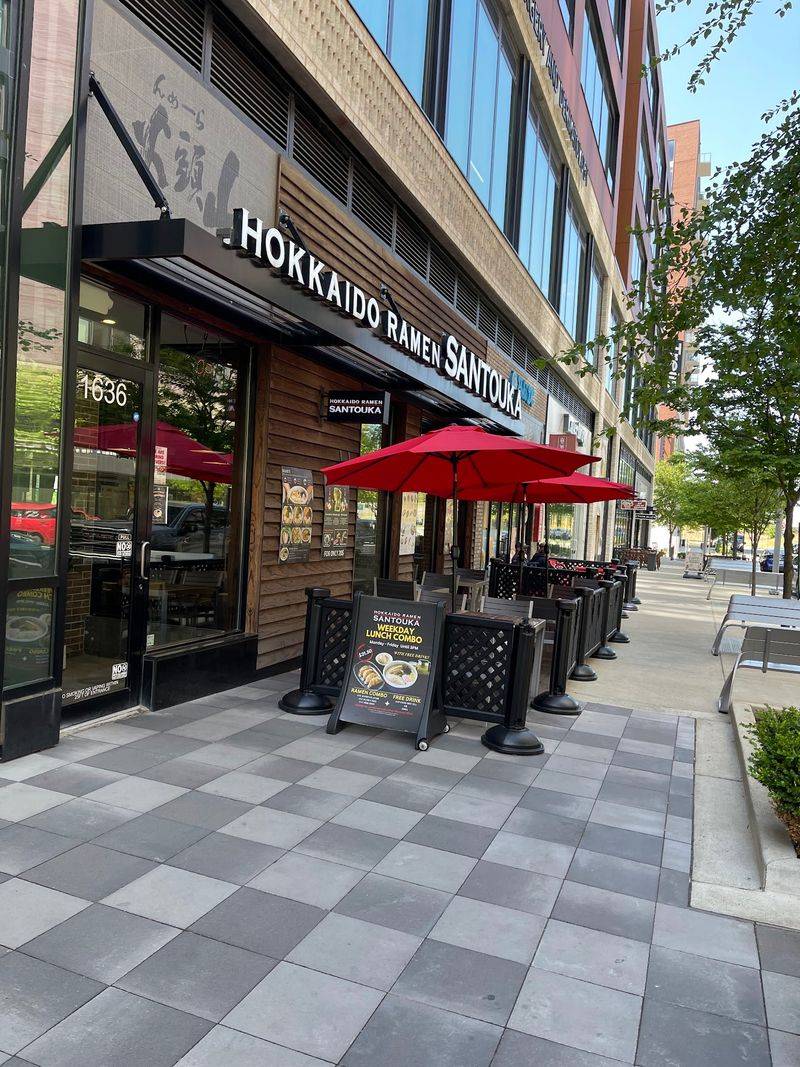
Sunshine and soup make a better team than you might expect. When the weather cooperates, outdoor seating lets you enjoy your bowl with a side of fresh air.
The restaurant sits inside The Boro, a lively, walkable neighborhood in Tysons. Sleek towers, wide sidewalks, and trendy storefronts give the area a big-city feel without the big-city stress.
Spring and fall are prime patio seasons in Virginia. Crisp air makes hot broth taste even cozier, and people-watching becomes free entertainment between slurps.
Winter, though, is when ramen truly shines. Ducking inside from a chilly wind to a steaming bowl feels like a warm hug, just the way Hokkaido intended.
The neighborhood also makes it easy to build a full outing around your meal. Movie screens, fitness studios, a large grocery store, and plenty of shops sit nearby, so dinner can kick off a whole evening.
Plan a stroll after eating. Your stomach will thank you for the gentle walk after a big bowl of noodles.
Whatever the season, the setting adds to the fun. Few places in Northern Virginia let you feel this urban while sitting just outside the Beltway.
Smart Parking Tips Before You Arrive
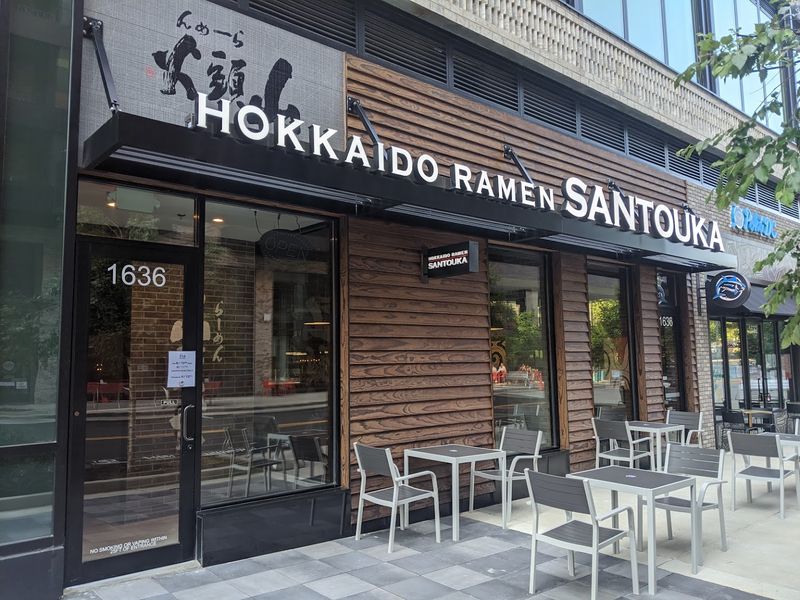
Nothing ruins a ramen craving faster than circling the block for twenty minutes. Luckily, a little planning makes arrival painless.
The Boro has a nearby parking garage, which is the easiest option for most trips. Garage parking in the area has typically offered a stretch of free time, though policies can change, so check posted signs when you pull in.
Street spots exist but fill up quickly, especially on weekend evenings. Many locals prefer heading straight to the garage to skip the hunt altogether.
Public transit is another handy route. The Silver Line Metro has stations in the Tysons area, and a short walk can bring you to the neighborhood without worrying about a car at all.
Timing matters too. Weekday lunches usually feel calmer, while dinner rushes on Friday and Saturday can bring a short wait.
Small groups tend to get seated faster than big parties. If you are rolling in with a crowd, consider arriving a little earlier.
Once you are parked and seated, all that stress melts away like fat on a slice of pork cheek. A happy stomach starts with a smooth arrival, after all.
Your Bowl Awaits on Boro Place
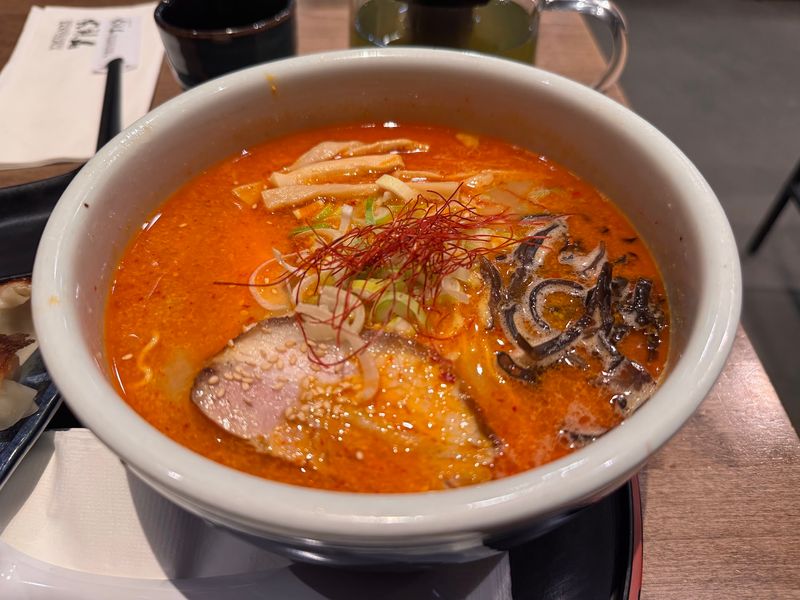
Time to stop scrolling and start slurping. Hokkaido Ramen Santouka is waiting for you at 1636 Boro Pl, McLean, VA 22102.
Though locals often lump it in with Fairfax County dining, the official address sits in McLean, right in the middle of Tysons. Plug it into your map app, and you will land in one of the most exciting food neighborhoods in Virginia.
For the full experience, here is my game plan. Start with the shio to taste the classic, add pork cheek for a treat, and share some takoyaki with the table.
Spice lovers should still try one sip of the mellow broth first. My bet is that even die-hard heat fans will respect the craft hiding inside that pale, creamy soup.
Ratings for this location stay strong, and it has earned a loyal local following. That kind of love does not happen by accident.
So grab your hungriest friend, your stretchiest pants, and a big appetite. A bowl simmered with almost a full day of patience deserves an audience.
Go now, slurp loudly, and then come back to argue about which broth wins. Fair warning, one visit rarely stays one visit.
