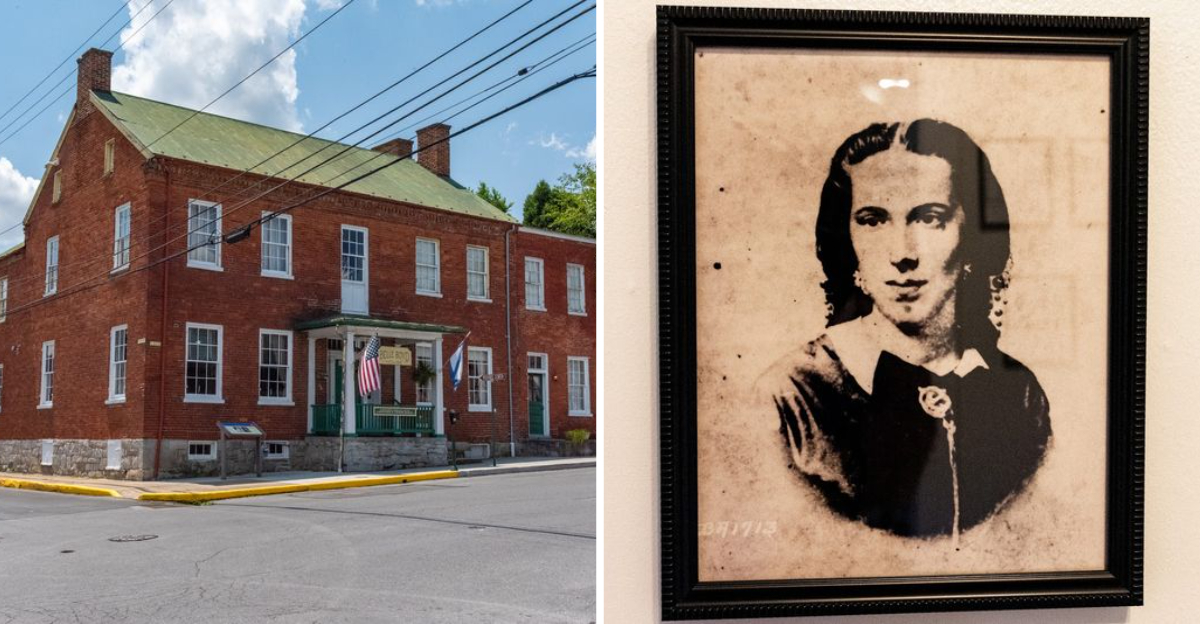
A teenage girl, a house full of secrets, and a war that could not keep her quiet. That is the recipe for this West Virginia landmark.
Before she became a Civil War legend, she was just a kid with sharp eyes and an even sharper mouth, passing military secrets like most teens pass notes.
The walls of this house heard everything, and she made sure the right people heard it too.
Walk through these rooms and you can almost feel the mischief lingering in the corners. It is not just a historic home.
It is the headquarters of a teenage rebellion that actually worked.
History books love her. The enemy did not.
And this house still holds all her untold stories.
One Of The Civil War’s Most Famous Spies
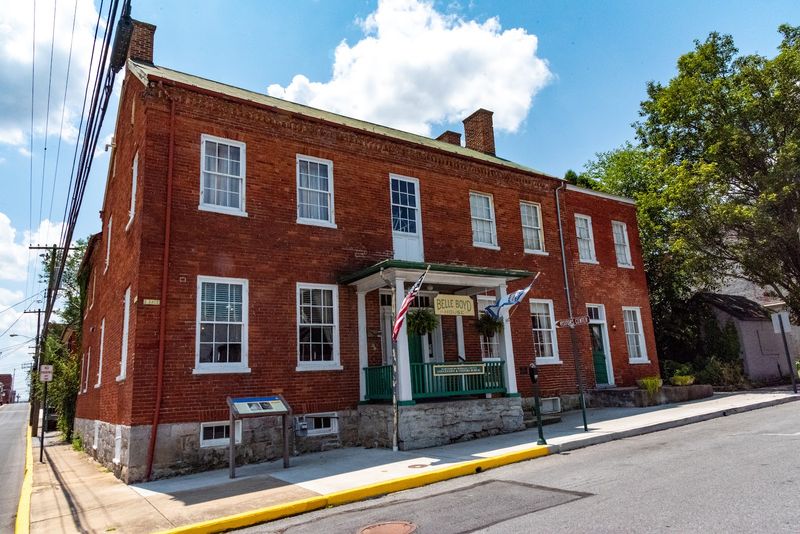
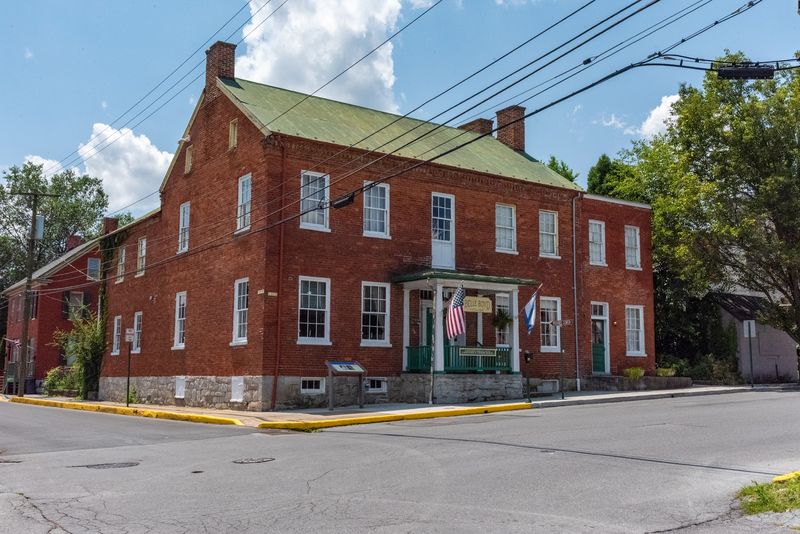
Before she was old enough to have any real responsibilities, Belle Boyd was already outwitting trained military officers. Born in Martinsburg on May 9, 1844, she grew up inside the very walls of the Greek Revival house her father built in 1853.
That elegant structure at 126 E Race St was her home, her playground, and eventually the backdrop to a life that reads more like fiction than fact.
She attended finishing school in Baltimore, returned home, and almost immediately found herself living inside a war zone. Union forces occupied Martinsburg in July 1861, and Belle did not sit quietly.
She launched her espionage career before turning eighteen, gathering military intelligence with a boldness that stunned everyone around her.
Confederate and Union officers alike could not quite believe what they were dealing with. Her daring earned her nicknames like “Cleopatra of Secession” and “Siren of the Shenandoah.” Few teenagers in American history have left a mark anywhere close to the one she left on the Civil War.
Her First Arrest Came After A Violent Encounter At Home
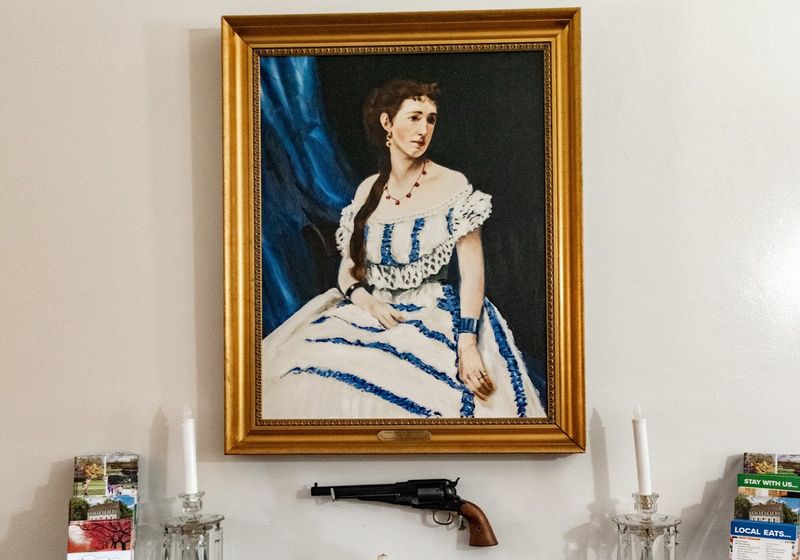
Few origin stories in American history hit as hard as this one. On July 4, 1861, a Union soldier forced his way into the Boyd family home, hurling insults at Belle’s mother and attempting to tear down their Confederate flag.
Seventeen-year-old Belle responded by pulling out a pistol and shooting him. The whole incident unfolded in a matter of minutes, but it changed the course of her life entirely.
The commanding Union officer, after reviewing the situation, concluded she had done the right thing in defending her mother. She was acquitted without serious punishment.
Rather than stepping back after the incident, she leaned forward, deciding that if she was already on the Union’s radar, she might as well make it count.
That moment marked the true beginning of her espionage career. Officials placed her under surveillance almost immediately, but surveillance only sharpened her instincts.
The girl who had once been a finishing school student was now something far more complicated, and far more dangerous, to the Union Army.
Ordinary Trips Turned Into Dangerous Missions
What looked like a casual social visit was often something far more calculated.
Belle Boyd had a remarkable talent for extracting military information from Union officers during everyday conversations, carefully committing every detail to memory before writing it down and smuggling it out.
Her trips between towns became covert operations wrapped inside the appearance of ordinary travel.
Her most celebrated mission unfolded during a visit to Front Royal in the spring of 1862, where she overheard critical Union battle plans. She rode through open fields, sometimes under gunfire, to deliver that intelligence to Confederate commanders.
The stakes were real, and she understood exactly what she was risking every single time.
Beyond carrying messages, she also smuggled weapons and medical supplies, hiding them inside the steel hoops of her skirt. Quinine crossed the Potomac River because of her efforts, reaching secessionist communities in Maryland that desperately needed it.
Every ordinary-looking trip she took carried an extraordinary weight, and she pulled it off again and again with almost theatrical confidence.
Confederate Leaders Credited Her With Valuable Battlefield Intelligence
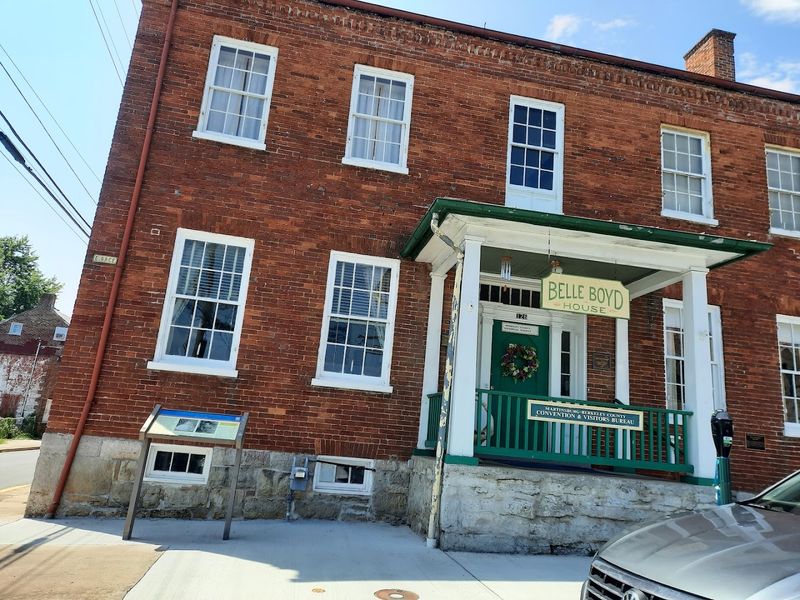
Getting a general to say thank you is one thing. Getting one to credit you with changing the outcome of a battle is something else entirely.
Belle Boyd’s intelligence work during the Shenandoah Valley Campaign of 1862 earned her exactly that kind of recognition from some of the Confederacy’s most respected military minds.
Her most celebrated contribution came on May 23, 1862, when the information she delivered helped General Stonewall Jackson secure a decisive victory at Front Royal. The intelligence she passed along gave Confederate forces a critical advantage at a moment when timing meant everything.
Jackson’s success in that engagement had ripple effects across the broader campaign.
According to her own memoirs, Jackson personally acknowledged her role, expressing gratitude for what he described as immense service.
Whether every detail of that account is perfectly precise or not, the historical record makes clear that her efforts were taken seriously at the highest levels of Confederate military leadership.
That kind of recognition, extended to a teenager, says everything about the impact she had.
Multiple Arrests Failed To End Her Espionage Activities
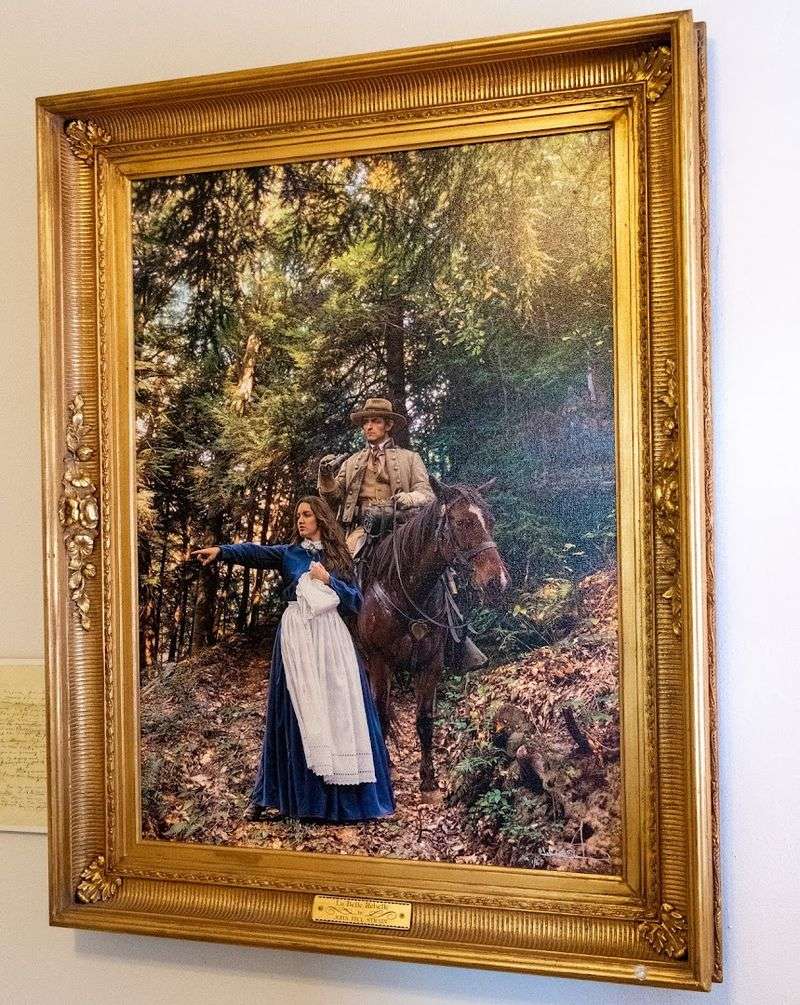
Getting arrested once might stop most people. Getting arrested six or seven times and still refusing to quit is a different category of stubbornness entirely.
Belle Boyd was imprisoned on multiple occasions throughout the war, spending time at the Old Capitol Prison in Washington, D.C., among other places, and she turned every stint behind bars into its own kind of performance.
She waved Confederate flags from prison windows and sang “Dixie” loudly enough for everyone nearby to hear. She even found creative ways to keep communicating with Confederate contacts, reportedly sewing messages into a rubber ball that was tossed into her cell.
Confinement never really contained her.
Her releases came through prisoner exchanges or illness, including a serious bout of typhoid fever. After her release in December 1863, Union officials decided the most practical solution was simply to banish her.
She attempted to sail to England, and even that journey became an adventure. Her arrests were inconveniences, not endings, and the Union Army eventually seemed to accept that no cell could hold her for long.
More Than One Martinsburg Story
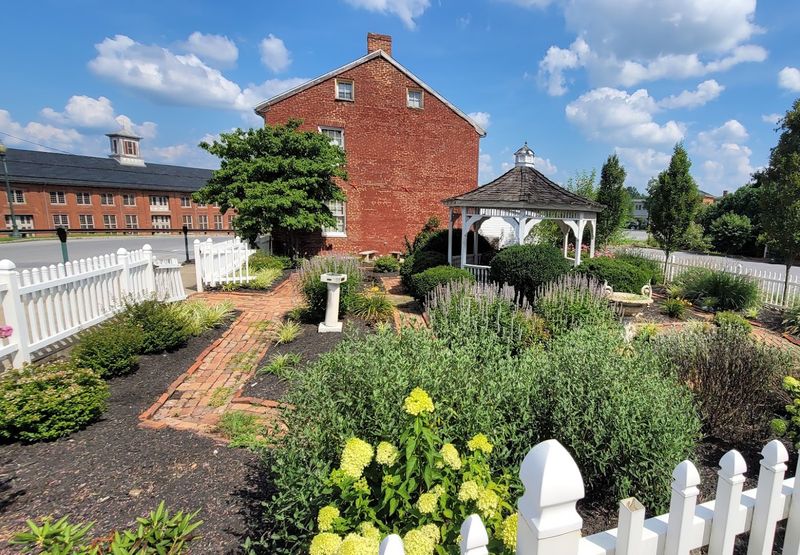
Walking up to the house for the first time, the Greek Revival architecture gives the whole building a calm, formal dignity that feels completely appropriate for a place with this much history packed inside.
The structure was built by Belle’s father in 1853, and it stood long enough to survive wars, generations, and a very close brush with demolition in 1992.
The Berkeley County Historical Society stepped in and acquired the property, saving it from being torn down and overseeing its careful restoration.
Today it operates as the Berkeley County Museum and also serves as the county’s official visitors’ center, making it one of the most useful historical stops in the region.
The museum holds Belle Boyd’s story at its center, but it reaches far beyond a single biography. Martinsburg and Berkeley County have centuries of layered history, and the house has become the place where much of that history is collected, displayed, and kept alive.
Visiting here feels less like a museum trip and more like opening a very well-organized time capsule with excellent lighting.
What Daily Life Looked Like In The 1800s
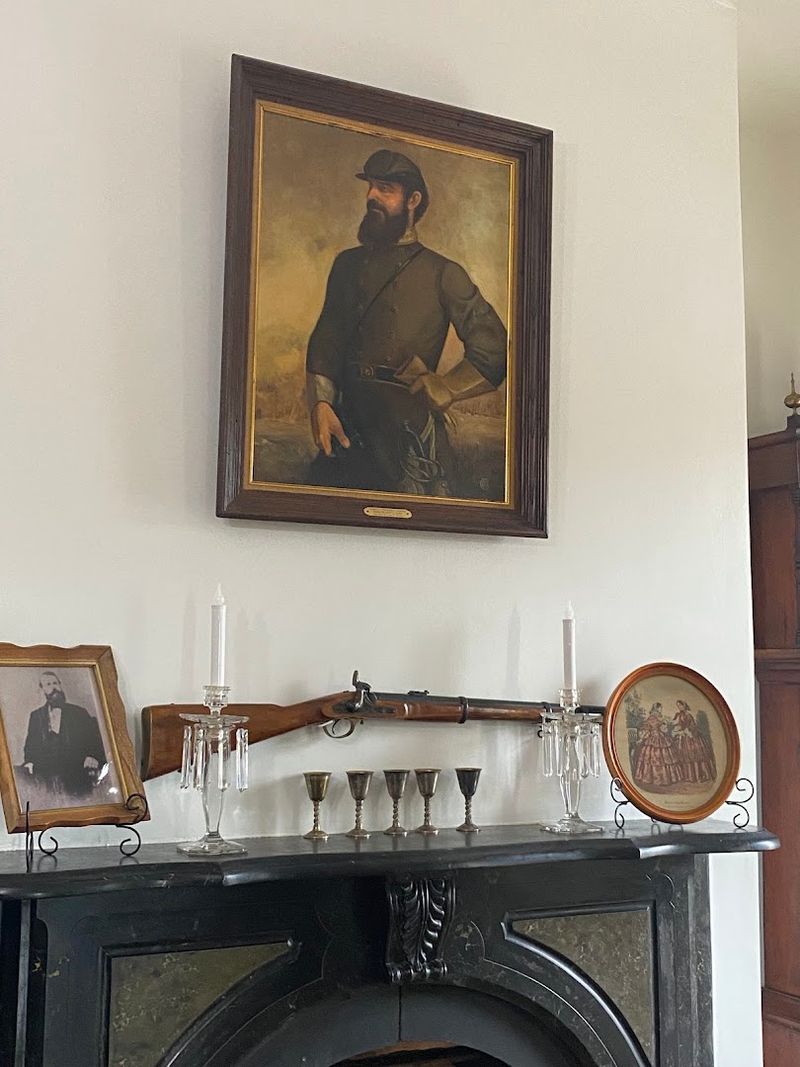
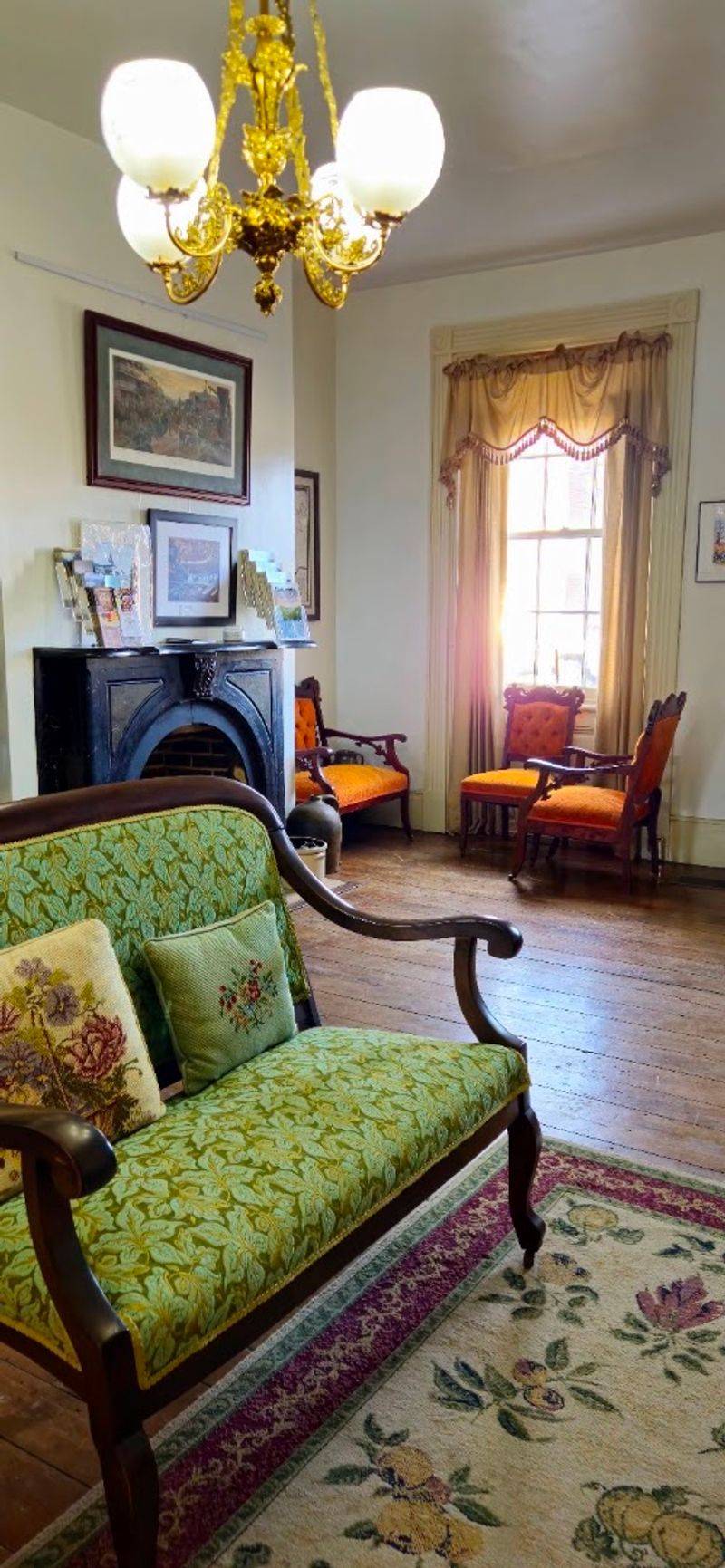
Stepping through the front door, the original ballroom to the right of the entry hall immediately pulls you into another century. It is the only room in the house decorated as living quarters, and every detail has been chosen carefully.
Two black slate mantles, finished to resemble Belgian marble and supported by white marble acanthus leaf brackets, anchor the room with the kind of craftsmanship people rarely see anymore.
The Greek Revival style shows up throughout the building in ways that feel both grand and livable. On the second floor, rooms arranged to reflect the period give a genuine sense of what domestic life looked like for a family of means in mid-1800s Virginia.
Belle’s own bedroom is among the spaces visitors can explore, which adds a personal dimension that no exhibit label can fully replicate.
Benjamin Boyd also expanded the house in 1853 by adding a storeroom on the western side, which he ran as a general merchandise store. That detail alone reshapes how you think about the building, it was not just a home but a working part of a growing community.
Berkeley County’s Wider History
Belle Boyd’s story is extraordinary, but the museum makes sure her biography does not overshadow everything else that happened in this corner of West Virginia.
The exhibits spread across the house cover an impressive range of subjects, and the variety keeps things genuinely interesting rather than feeling like a single-note history lesson.
Permanent displays include a Costume Room, sections dedicated to Black History, Industry, War and Military, County History, and even a Toy Room that tends to surprise visitors who were not expecting it.
Civil War artifacts, diaries, maps, and historical newspapers fill cases throughout, while a dedicated military section honors Berkeley County residents across all five branches of service.
Exhibits also highlight artifacts from early Jewish settlers and explore African American history in meaningful depth.
The first parlor typically focuses on Civil War history specific to Berkeley County, while the second parlor and original kitchen feature rotating collections that give repeat visitors fresh reasons to come back.
Every corner of the house seems to have something worth stopping for, and the breadth of what is covered here is genuinely impressive.
Her Remarkable Life Continued Far Beyond West Virginia
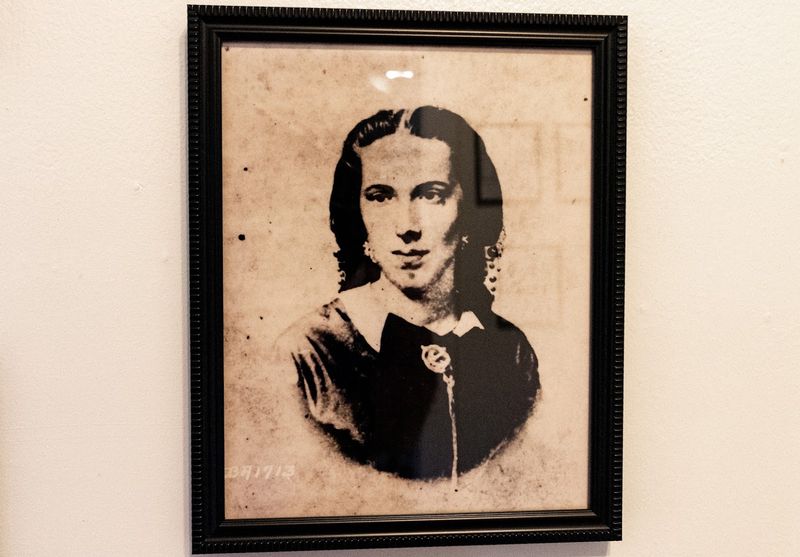
The story did not end when the war did. In March 1864, Belle Boyd attempted to sail to England and was intercepted by a Union blockade, redirected to Canada, and eventually made it to England anyway.
That kind of persistence was simply part of who she was. Once in England, she married Samuel Wylde Hardinge, a Union naval officer, in 1864, and together they had a daughter named Grace.
After Hardinge’s death, Belle turned to acting to support herself and her daughter, building a theatrical career that took her across England and eventually back to the United States.
In 1865 she published her memoirs, “Belle Boyd in Camp and Prison,” which cemented her reputation and kept her name in public conversation for years.
Returning to America in 1866, she continued touring with dramatic lectures billed as “The Perils of a Spy,” presenting herself as the “Cleopatra of the Secession” to audiences across the country. She married twice more and had additional children.
Belle Boyd passed away on stage in Wisconsin on June 11, 1900, at fifty-six, and rests at Spring Grove Cemetery in Wisconsin Dells.
Address: 126 E Race St, Martinsburg, WV 25401
