A single rusty-looking 1905 license plate might be the rarest car tag in all of West Virginia. It reportedly hangs in a small-town museum that charges nothing to get in.
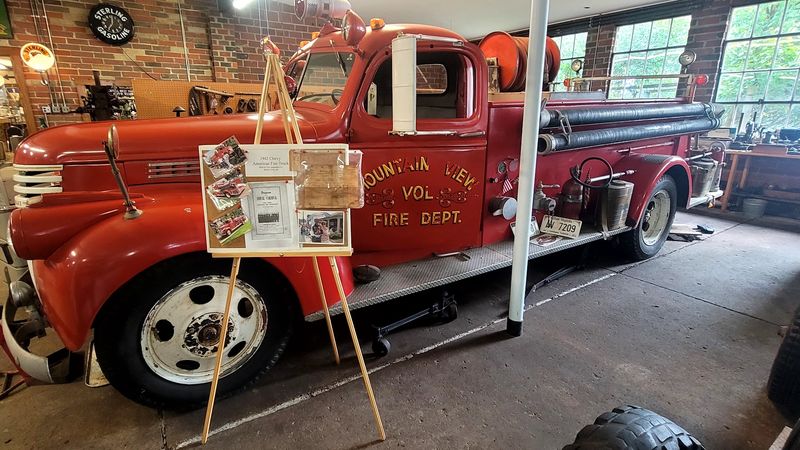
That plate has company. Thousands of other Mountain State plates share the walls with antique Chevrolets, old gas pumps, oil cans, and repair manuals older than most of our grandparents.
I like how this place feels less like a museum and more like a family scrapbook for the whole state. One man spent a lifetime gathering it, and he still loves showing it off.
I believe anyone who ever handed a wrench to a dad in the garage will feel right at home here. So where exactly is this roadside time capsule hiding, and how do you get the doors opened?
A Free Small-Town Museum That Keeps Its Best Stories In The Glove Box
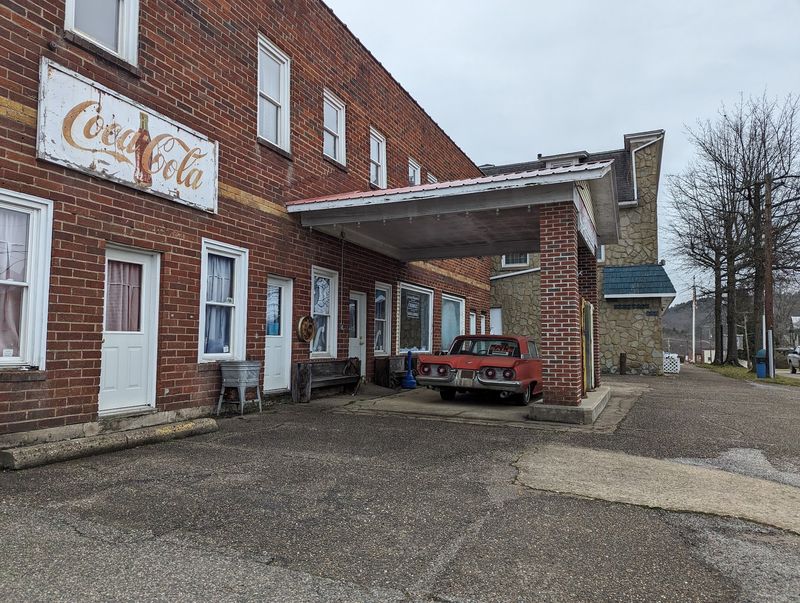
Cliff’s Museum of Car Memorabilia sits in Harrisville, the county seat of Ritchie County, West Virginia. It holds a private collection of antique cars and automotive odds and ends that keeps growing.
The best part for your wallet? Admission is free, though a donation box waits inside for anyone who wants to help keep things running.
That’s a rare deal for a collection this deep.
The museum belongs to Cliff and Sue Weese, a couple who turned a lifelong hobby into a gift for their town. Cliff’s love of cars reportedly runs in the family, since his father worked in auto body repair.
Plenty of museums feel stiff and roped off. Here, the collection reflects one man’s decades of hunting, trading, and saving pieces that most people tossed in a ditch or a scrap pile.
Gear heads will obviously be in heaven. Still, you don’t need to know a carburetor from a coffee pot to enjoy yourself.
History buffs, collectors, and anyone curious about small-town West Virginia life will find plenty to study.
Think of it as a family attic, only bigger and far better organized. And somebody actually remembers where every item came from.
The Collector Who Earned A History Hero Title
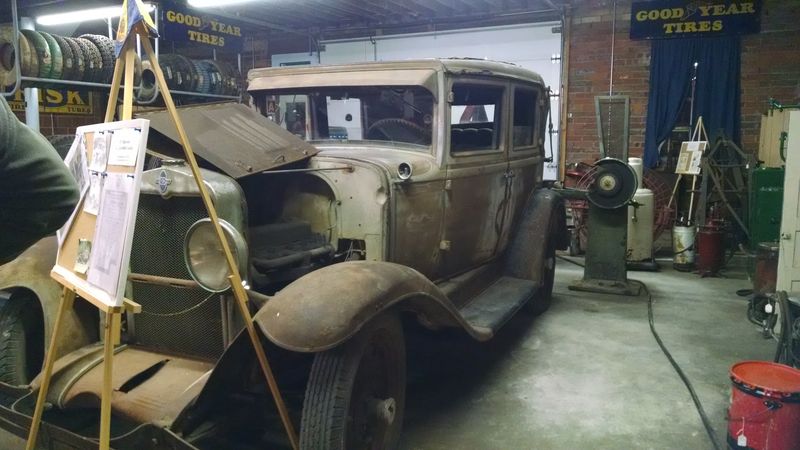
Recognition from the state doesn’t come easy. In 2014, Cliff Weese was named a History Hero by the West Virginia Division of Culture and History, according to published accounts of his work.
That honor makes sense once you learn how much he has saved. His collection reportedly covers cars, tags, signs, badges, paperwork, and tools tied to Mountain State roads.
Cliff didn’t build this as a business plan. He built it as a passion, one find at a time, and the result now fills a building on Main Street.
Sue deserves plenty of credit too. The couple runs the museum together and keeps expanding the collection, so returning guests may spot something new on each trip.
What makes Cliff special is that he seems to know the backstory of nearly every object. Ask where a certain plate came from, and you may hear a tale about a barn, a trade, or a lucky phone call.
For older readers, that storytelling might be the real treasure. It’s the kind of firsthand local history that rarely gets written down anywhere else.
Honestly, the items are wonderful. The man who saved them might be the main attraction.
Nearly Every West Virginia Plate Ever Made, Hanging In One Place
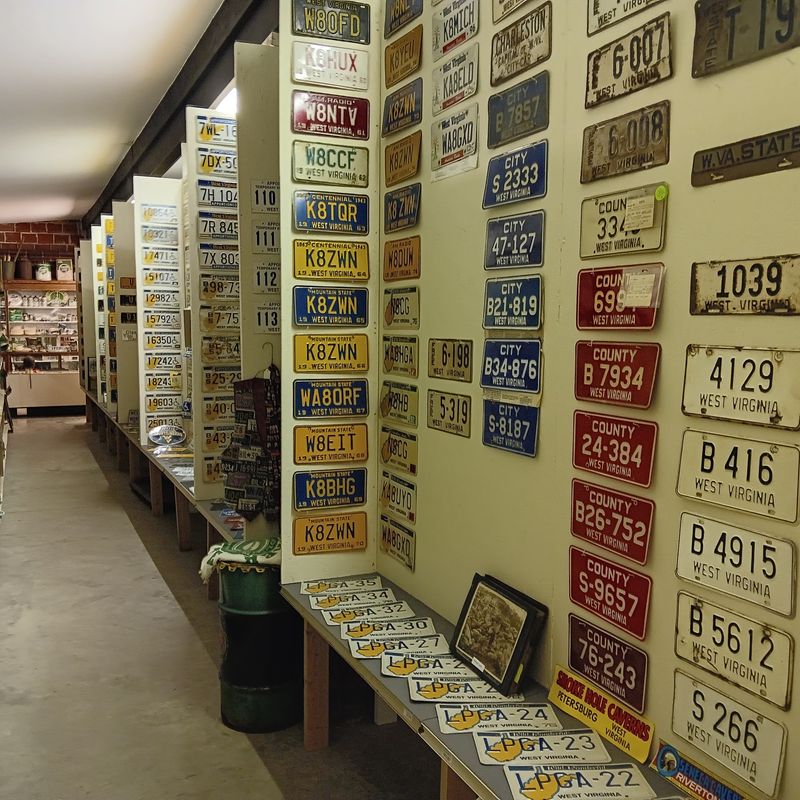
Here’s a number to chew on: more than 4,000 license plates. The museum is believed to hold the most complete collection of West Virginia plates anywhere.
It reportedly includes every West Virginia plate issued except for two years. Somebody out there might have those missing tags sitting in a shed right now.
The star of the show is a 1905 West Virginia plate, among the earliest the state issued. It’s described as the only one known to exist.
Standard passenger tags are only the start. You’ll also spot bicycle plates, governor’s plates, NASCAR plates, and military plates mixed into the collection.
A special display honors the West Virginia State Police. It pairs their plates with related memorabilia and uniforms, which adds a nice human side to the metal.
Go ahead and hunt for the year you got your first driver’s license. Or look for the tag that matched your parents’ old station wagon.
That little search game can easily eat up an hour. It’s also a fun way to spark conversations with whoever came along for the ride, especially the folks who remember those cars firsthand.
Showroom, Parts Room, And Repair Shop Straight Out Of Yesteryear
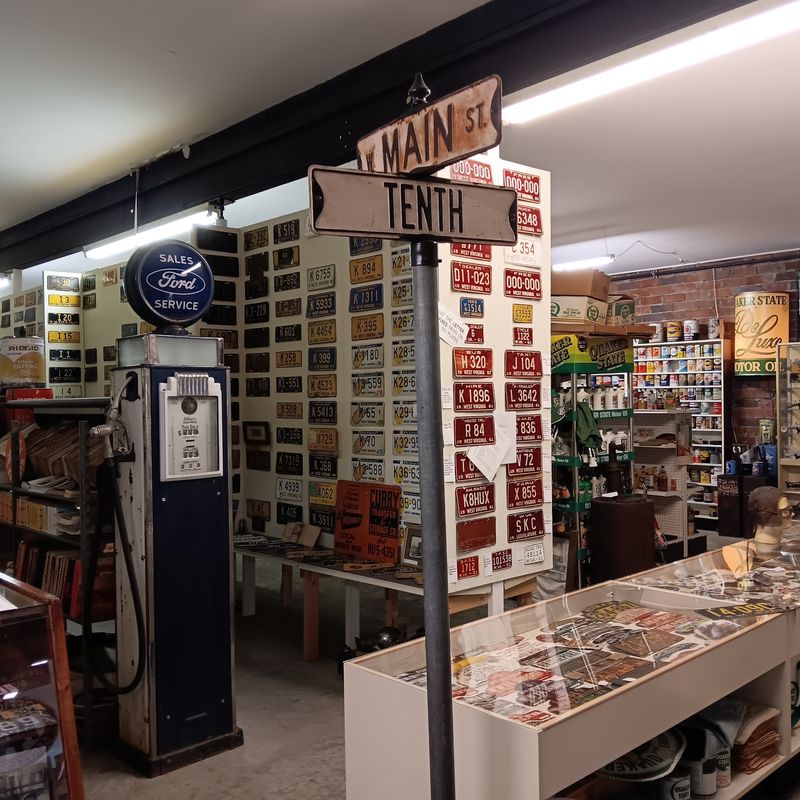
History lives in the walls here, not just on them. The museum building reportedly operated as a Chevrolet dealership back in the 1930s.
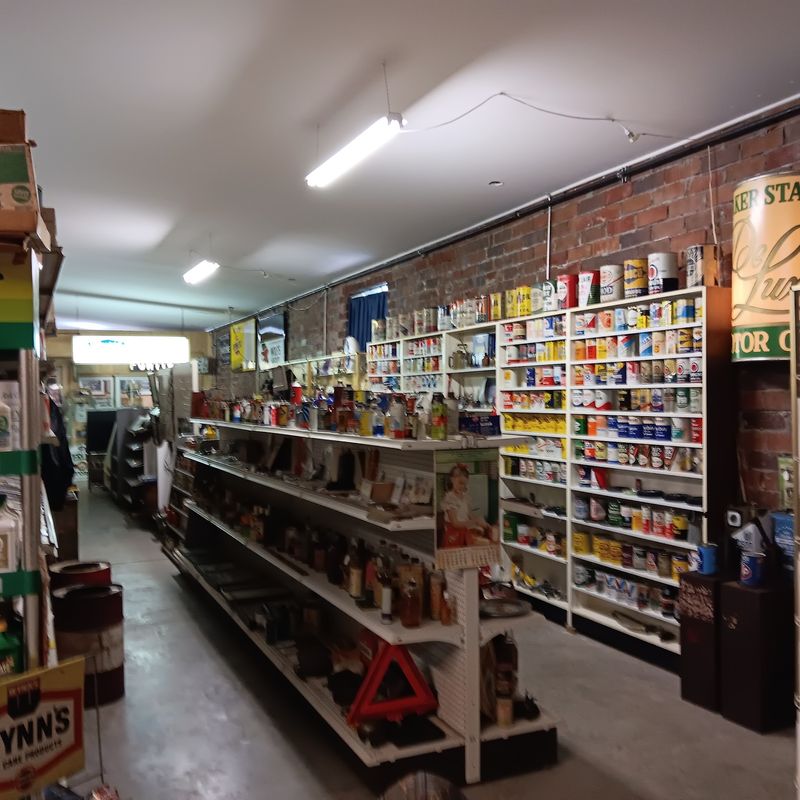
Today, the interior recreates the feel of a mid-century car dealership. There’s a showroom, a parts room, and a repair shop laid out the way they might have looked decades ago.
That setup changes the whole visit. Instead of staring at items in glass cases, you see them in context, like the dealership simply paused and never reopened.
The parts room might hit hardest for anyone who grew up around a service counter. Rows of boxes and parts tell their own story about how folks once kept cars running.
Over in the repair shop, the mood shifts toward grease and know-how. It celebrates the mechanics who fixed things by hand, long before computers plugged into dashboards.
Families will appreciate how easy the layout makes everything to understand. Kids can see how a car moved from showroom to shop, while grown-ups relive a few memories of their own.
It’s a smart way to tell an old story. And it fits this building perfectly, considering what it used to be.
Chevys From 1927 To 1967 And The Tools That Kept Them Rolling
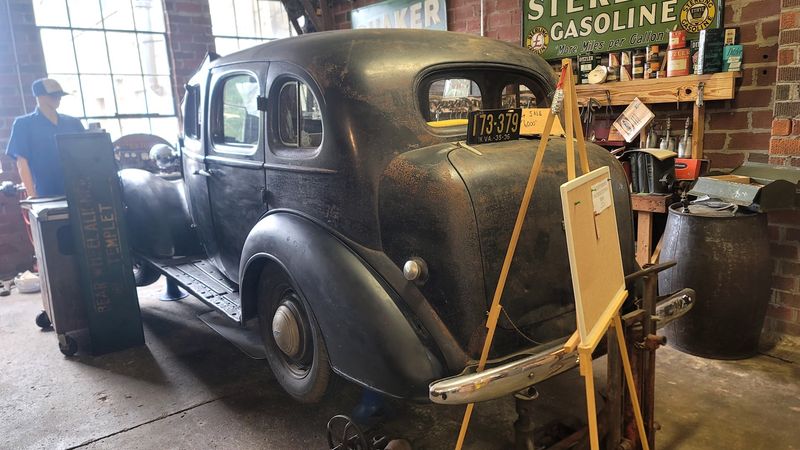
Forty years of Chevrolet design, all parked under one roof. The vehicle collection reportedly spans Chevrolet automobiles from 1927 through 1967.
That range covers a lot of change. Boxy early models gave way to rounder postwar shapes and then to the sleek lines of the 1960s.
Walking past them feels a bit like flipping through a family photo album. Somebody’s grandpa probably courted somebody’s grandma in a car just like one of these.
Then there are the tools. Antique shop equipment fills out the collection, showing the machines and gear used in garages and service stations generations ago.
Fans of restoration work will get the most from this corner. The equipment offers a clear look at how hard the old repair jobs could be.
It also gives younger visitors some perspective. A modern oil change seems pretty easy after you study what earlier mechanics faced.
Bring questions if you’re the curious type. Cliff’s deep knowledge means a simple question about a tool could turn into a great story about where it came from and who once used it.
Gas Pumps, Oil Cans, And A Roadside World You Forgot You Missed
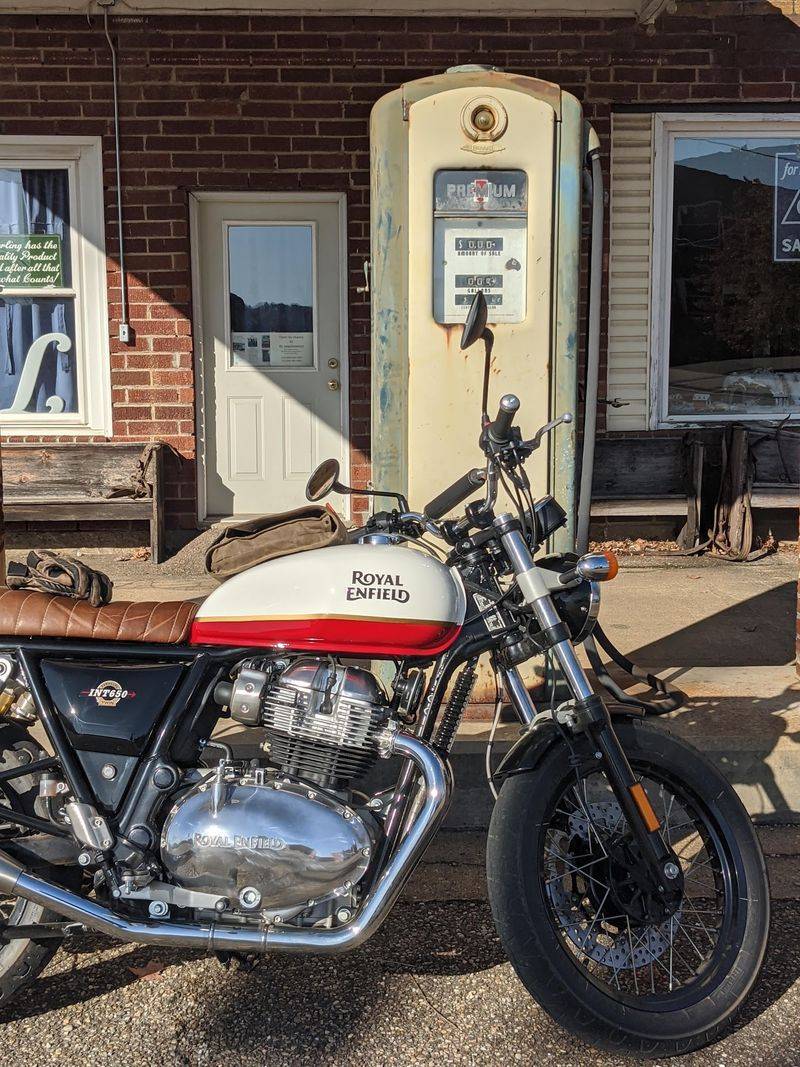
Remember when someone pumped your gas for you? Antique gas pumps here bring back that era in bright, glorious color.
Vintage store signs and classic road maps add to the roadside feel. Those maps alone could start a debate about which family road trip got the most lost.
The paperwork side of driving gets attention too. You’ll find chauffeurs’ badges, drivers’ licenses, registration cards, and state inspection stickers from years gone by.
Automobile club badges, old oil cans, and bottles fill in the gaps. Every shelf seems to hold another small reminder of how people once lived with their cars.
Local industry gets a spotlight as well. Collections of Sterling Gas and Oil memorabilia sit alongside Elk Oil and Keystone Gasoline pieces, tying the displays to regional business history.
A local history section rounds things out for anyone curious about the wider area. It’s a reminder that cars shaped small towns like this one in big ways.
None of this stuff was meant to last. That’s exactly what makes seeing it saved, sorted, and displayed so satisfying.
A Soda Fountain Corner And A Library Built For The Curious
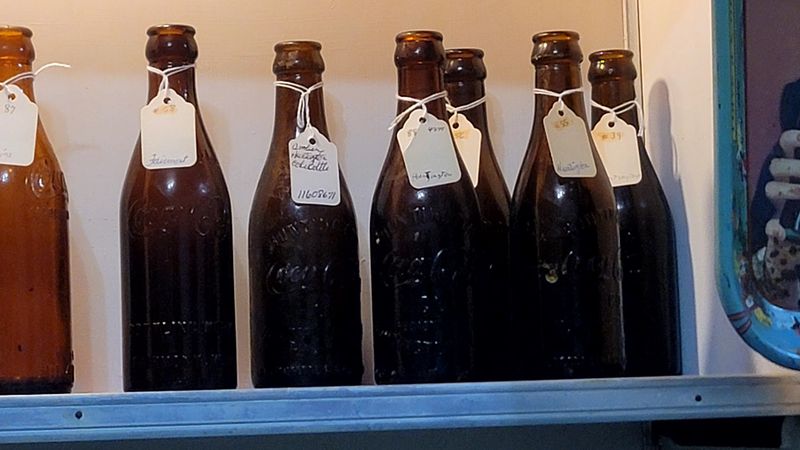
Not everything here runs on gasoline. A full-room recreation of a restaurant brings a sweet slice of Americana into the mix.
It showcases an antique Coca-Cola collection featuring bottles made in West Virginia during the early 20th century. Bottle collectors may want to linger a while.
Then comes the research library, which is a quiet surprise. It reportedly holds auto repair manuals dating back to 1903.
Think about that for a second. Some of those manuals explained cars to folks who had probably ridden horses most of their lives.
The library also contains West Virginia travel guides and oil company road maps. Together, they paint a picture of how people explored the state once paved roads spread through the hills.
Restorers and researchers could find this section genuinely useful. Casual visitors will simply enjoy flipping their imaginations back a century.
Between the bottles and the books, this part of the museum shows the bigger picture. Cars changed what people drank, read, and planned for on weekends, and the collection captures that whole world rather than just the machines.
Call Ahead And The Doors Swing Open
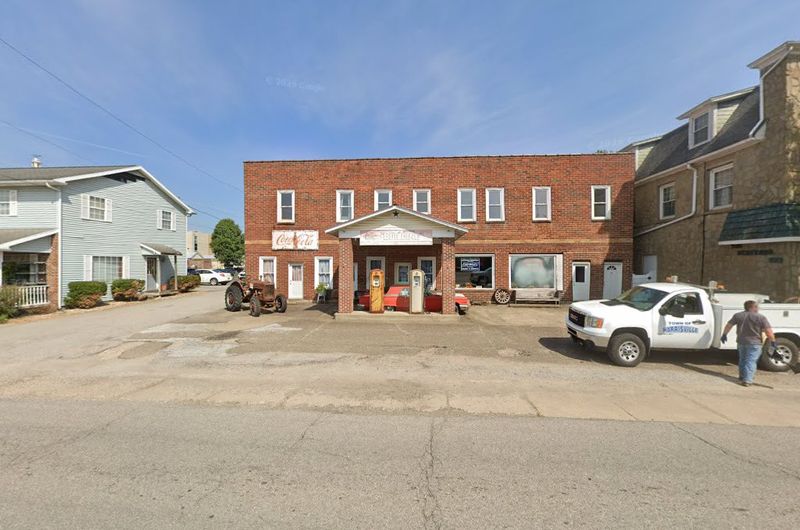
Timing matters more than usual with this museum. Cliff’s Museum of Car Memorabilia welcomes guests by chance or, ideally, by appointment.
Calling ahead is the smart move. That way, Cliff and Sue know you’re coming and can be there to open the doors and show you around.
The couple has reportedly been generous about scheduling. Published accounts describe them making time even on a holiday when the museum would normally stay closed.
You’ll find the museum at 305 E Main St, Harrisville, WV 26362. It sits right on Main Street, so it’s easy to work into a drive through Ritchie County.
Admission stays free, which makes this an easy yes for families watching their budget. Dropping something in the donation box is a kind way to say thanks.
Plan on more time than you expect. Some guests have reportedly stayed for around three hours without feeling rushed.
A relaxed pace suits this place best. Rushing through a lifetime of collecting would be like speed-reading a family Bible, and you’d miss all the good parts tucked inside the margins.
Make A Whole Harrisville Day Of It
Good news for anyone who hates driving far for one stop. Harrisville has more to offer once you leave the museum.
Berdine’s Five and Dime sits just down the street. It’s a historic variety store, and pairing it with the car museum makes for a wonderfully nostalgic afternoon.
Outdoor lovers can head toward North Bend State Park near Cairo. It offers room to stretch your legs after hours of studying plates and pumps.
That combination gives this trip real value. You get history, shopping, and fresh air in one corner of West Virginia without spending much at all.
So, is the museum worth it? For anyone who loves cars, small-town stories, or simply seeing something you won’t find anywhere else, the answer leans strongly toward yes.
Cliff’s Museum of Car Memorabilia feels personal in a way bigger museums rarely manage. It’s one family’s devotion to saving the Mountain State’s driving history, shared freely with whoever calls.
Bring a curious friend, a parent with car stories, or your own memories. Just don’t be shocked if you leave wondering what happened to that old license plate in your garage.
