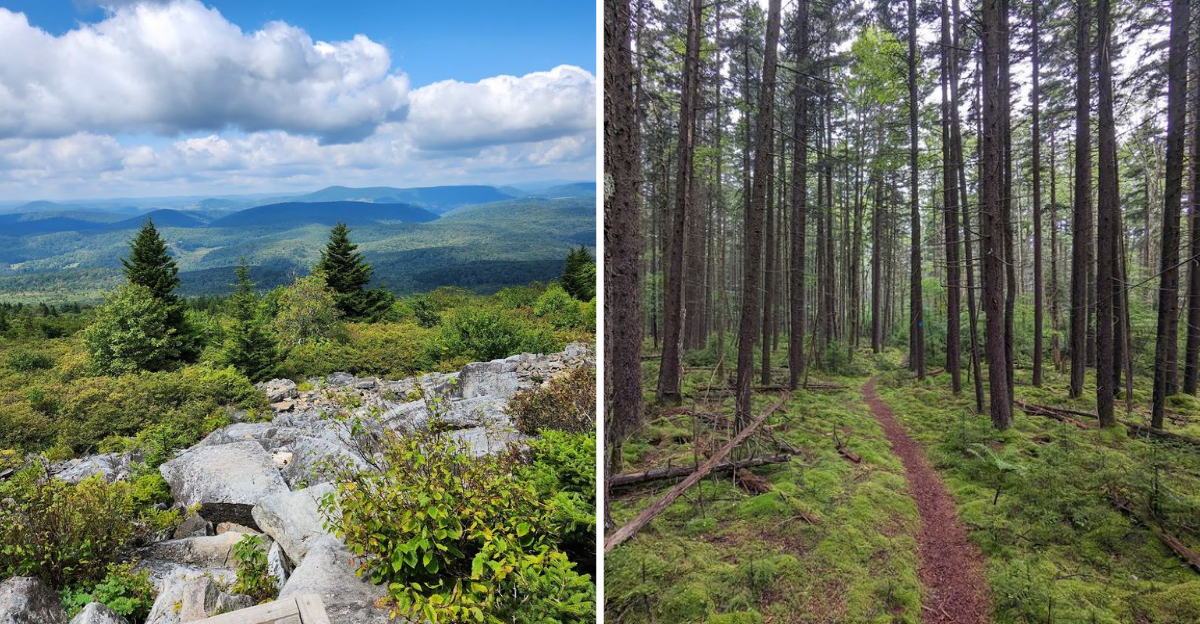
Eight hundred miles of trails and nearly one million acres of pure wild terrain. That is not a forest, that is an entire world waiting to be explored.
This massive stretch of land covers the highlands of West Virginia, a playground for hikers, campers, and anyone who craves real adventure.
You can wander through remote wilderness areas, stand beneath rocky overlooks, or chase waterfalls that seem to appear out of nowhere.
The landscape shifts from windswept plateaus to deep river valleys, keeping you guessing at every turn.
It is the kind of place where you start with a plan and quickly abandon it because something better catches your eye.
West Virginia does not do small when it comes to nature. This forest is proof.
So, are you ready to get lost in nearly a million acres of wild?
Nearly One Million Acres of Wild Freedom
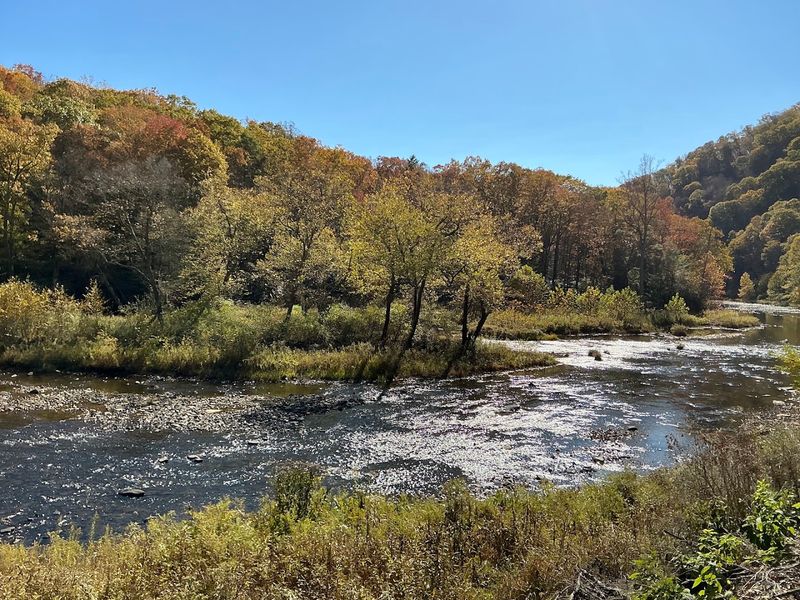
Standing at the edge of a ridge with nothing but forested mountains rolling out in every direction gives you a feeling that is genuinely hard to describe. Monongahela National Forest covers around 919,000 acres across ten counties in the Allegheny Mountains of eastern West Virginia.
Locals simply call it “the Mon,” and that nickname carries a lot of affection.
The sheer size of this forest means that no two visits ever feel the same. Elevations range from roughly 1,000 feet all the way up to 4,863 feet at Spruce Knob, the highest point in West Virginia.
That dramatic vertical range creates an astonishing variety of landscapes packed into one place.
From windswept highland bogs to sheltered hardwood coves deep in the valleys, the Mon holds ecosystems that feel worlds apart from each other. Visiting nearby towns like Elkins means you can fuel up on hearty Appalachian comfort food before heading back out to explore.
This forest rewards every kind of adventurer who shows up ready.
Over 800 Miles of Trails Waiting for Your Boots
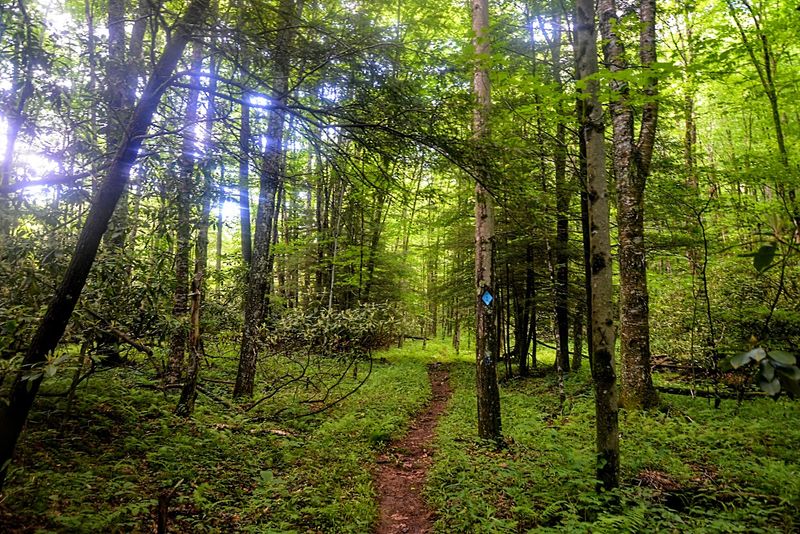
More than 800 miles of trails sounds like a number too big to be real, but once you start exploring the Mon, it starts to make perfect sense. There is a trail here for every type of hiker, from a casual two-mile loop through red spruce trees to a full 25-mile ridgeline challenge on North Fork Mountain Trail.
Your boots will have plenty to say about it afterward.
The trail variety is genuinely impressive. Some paths take you through dense forest canopy where sunlight filters in like something out of a painting.
Others climb open rocky ridges where the wind hits you full in the face and the views stretch so far they almost make you dizzy.
Before heading out, grabbing a warm breakfast of buckwheat cakes with maple syrup from a nearby Elkins diner makes the whole adventure feel grounded and real. Planning your route using the AllTrails app or a printed forest map is strongly recommended.
Cell service is limited, so old-school preparation goes a long way here.
A Forest So Vast It Feels Like Its Own Country
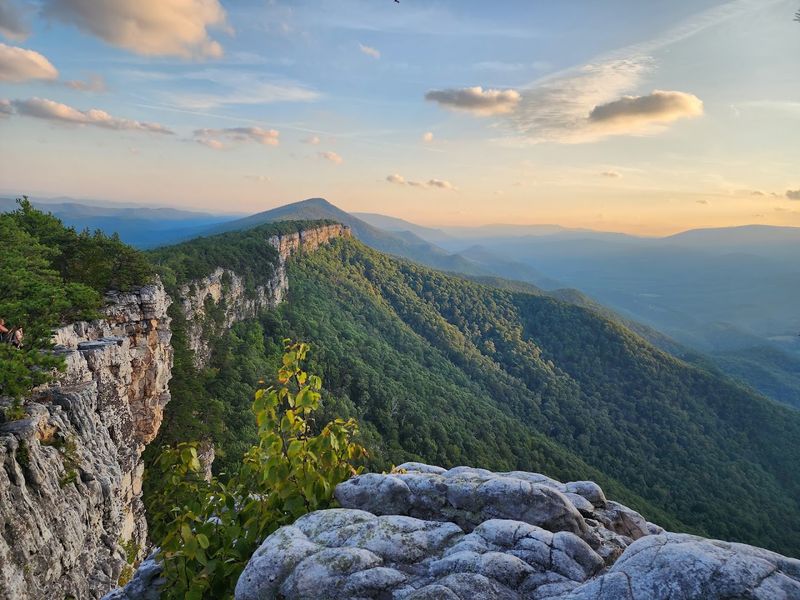
Driving through the Mon for the first time feels a little like crossing a border into somewhere entirely different. The roads twist and climb at angles that make your brakes work hard, and around every bend there is another view that stops you cold.
Old farmhouses and barns appear in clearings like scenes from a quieter century.
The forest spans across ten counties, and the ecological diversity that comes with that scale is remarkable.
You might start your morning in a dense hardwood cove, warm and sheltered, and by afternoon find yourself on a tundra-like plateau at Dolly Sods where the wind has a completely different attitude.
It genuinely feels like two separate worlds sharing one address.
Towns like Thomas and Davis, tucked along the Blackwater River, serve as natural gateways into this vast territory. Davis is home to Hellbender Burritos, a spot worth stopping at before or after a long day on the trail.
Fueling up with something satisfying makes the whole experience of exploring this enormous forest feel even more rewarding.
From Towering Peaks to Hidden Valleys This Place Has It All
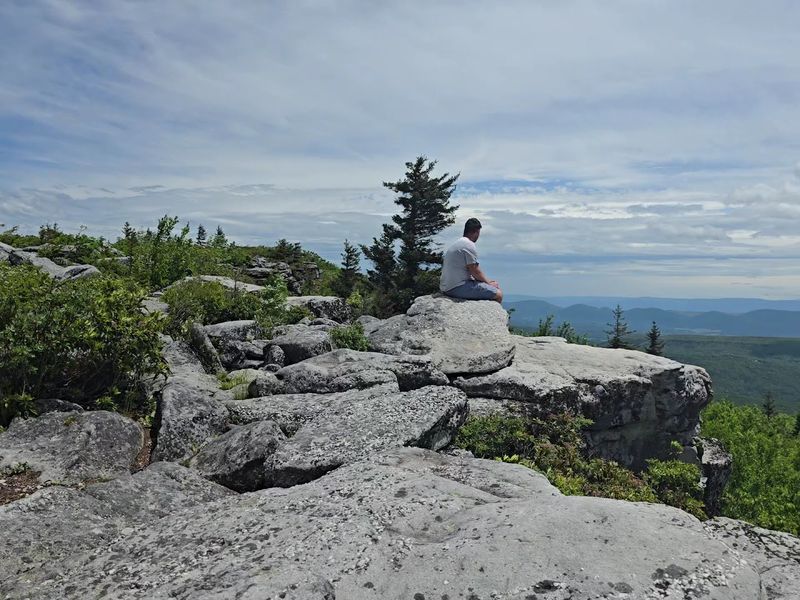
Spruce Knob sits at 4,863 feet and holds the title of highest peak in all of West Virginia. Getting up there requires some effort, but the payoff is a view that stays with you long after you have driven back down.
The summit feels remote in the best possible way, with twisted spruce trees bent by constant wind lining the ridgeline.
Down in the valleys, the terrain shifts completely. Sheltered coves harbor rich hardwood forests where ferns carpet the ground and streams run clear and cold.
The contrast between the exposed peaks and the cozy hollows below is one of the things that makes the Mon so endlessly interesting to explore.
After a long descent, the comfort foods served in nearby towns feel especially earned. Chicken and dumplings, biscuits and gravy, and slow-cooked soup beans with skillet cornbread are staples of the region that warm you up from the inside out.
Eating like a local after a day in the mountains is one of those small travel rituals that makes a trip feel genuinely complete.
Is This West Virginia or the Wild Frontier You Dreamed Of?
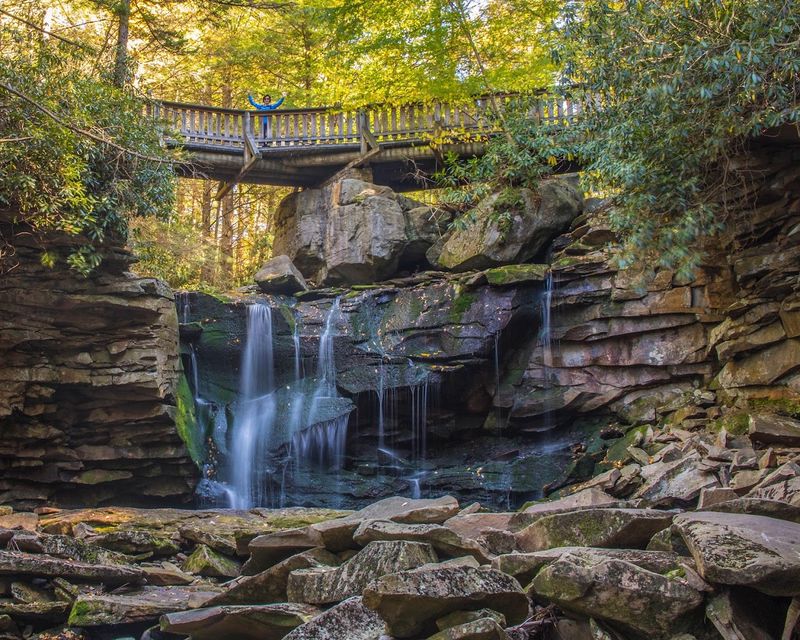
Seneca Rocks is the kind of place that stops people mid-sentence. The vertical quartzite formation rises sharply above the surrounding forest, and the sight of it from the valley floor is genuinely jaw-dropping.
Rock climbers come from all over to test themselves on its faces, while hikers take the trail to the observation area for views that feel almost cinematic.
The Cranberry Glades botanical area adds another layer of surprise to the Mon experience. A boardwalk trail winds through an open bog ecosystem that looks like something transplanted from the far north, complete with carnivorous plants and sphagnum moss.
Seeing it for the first time makes you do a double-take about what state you are actually standing in.
The wild frontier feeling extends to the food culture of the region too. Ramps, the pungent wild leeks that grow in Appalachian forests each spring, show up in local kitchens fried with potatoes or scrambled with eggs.
Finding a diner that serves them in season is the kind of authentic local experience that no travel guide can fully prepare you for.
Hikes That Last Hours With Views That Last Forever
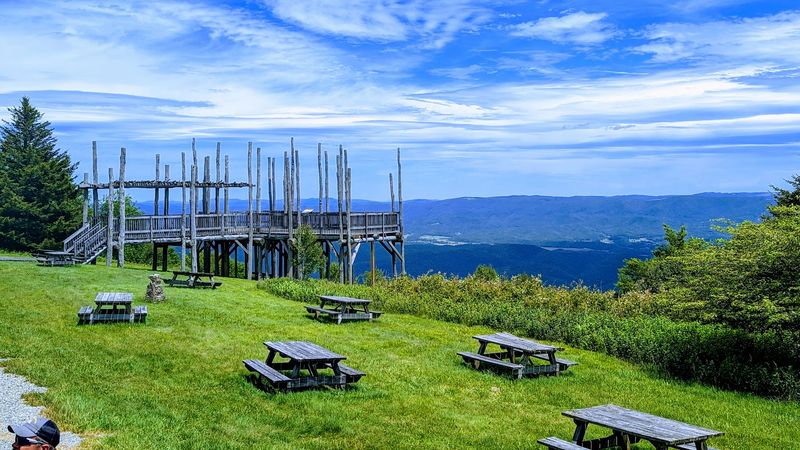
Dolly Sods is one of those places that gets under your skin in a way that is hard to explain. The plateau sits high enough that the landscape shifts into something almost Arctic, with open heathlands, wind-sculpted shrubs, and views that go on forever.
Spending a few hours up there makes the rest of the world feel very far away.
Chimney Top is another destination that rewards the effort it takes to reach it. The views from the top are breathtaking, and the trail itself moves through a variety of forest types that keep things interesting every step of the way.
Moderate to challenging sections make it a satisfying full-day commitment.
Coming down from a long hike with a serious appetite is practically a tradition here. The towns surrounding the Mon serve up pulled pork, smoked ribs, and macaroni and cheese with the kind of generosity that only mountain communities seem to do properly.
Sitting down to a plate of real Appalachian comfort food after hours on the trail is one of those simple pleasures that hits different out here.
Wild Terrain Where Nature Still Calls the Shots
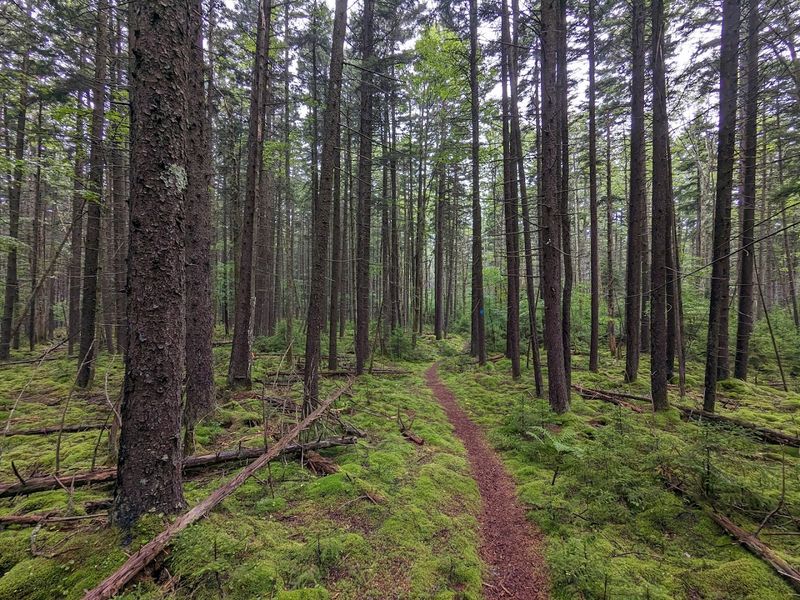
There are places in the Mon where the forest feels genuinely untouched, where the only sounds are wind in the spruce trees and water moving over rocks somewhere below.
Otter Creek Wilderness is one of those places, offering dispersed camping along a creek corridor that feels miles away from anything modern.
Bear claw marks on trailside trees serve as a quiet reminder that this land belongs to more than just hikers.
The ecological diversity of the Mon is recognized across the eastern United States as something exceptional. Highland bogs, red spruce forests, and rich hardwood coves exist almost side by side, each supporting its own community of plants and wildlife.
The forest feels alive in a way that takes you by surprise.
Foraging is deeply woven into Appalachian culture, and the Mon region reflects that beautifully. Blueberries and elderberries grow wild at higher elevations and ripen through late summer.
Local bakers turn seasonal wild fruits into cobblers, pies, and preserves that show up in roadside stands and small-town shops, giving every visit a slightly different flavor depending on the time of year.
Trails Offering Infinite Ways to Get Lost in the Best Way
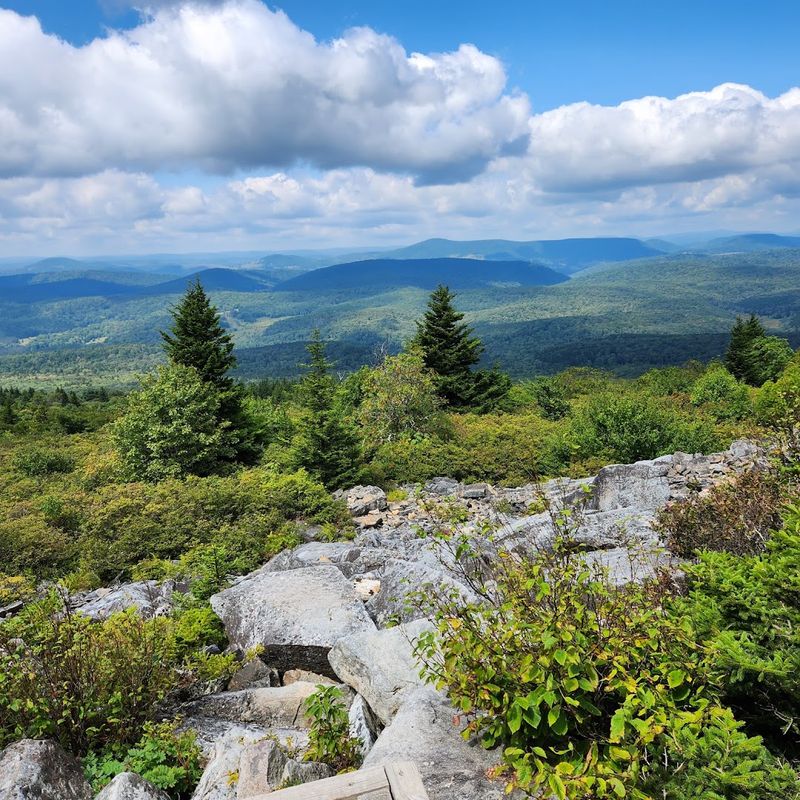
Getting pleasantly lost in the Mon is practically a rite of passage. With over 800 miles of trails winding through mountains, valleys, bogs, and ridgelines, the options feel genuinely endless.
Some visitors spend years working through different sections and still find new corners that surprise them.
The Red Spruce Knob Trailhead offers a manageable three-mile loop through beautiful spruce forest that opens up to a clearing with sweeping views before looping back.
It is the kind of hike that feels rewarding without being punishing, perfect for a morning when you want scenery without the full-day commitment.
Snakes, mushrooms, and stunning old-growth trees often make appearances along the way.
Cell service disappears quickly once you are deep in the forest, so downloading offline maps or carrying a printed trail guide is genuinely important. The Purple Fiddle in Thomas serves a solid deli menu that works perfectly as trail fuel before heading out.
Packing a lunch of local baked goods and fruit from a nearby shop adds a layer of regional flavor to any hiking day.
This Forest Is Not Just Big It Is Legendary
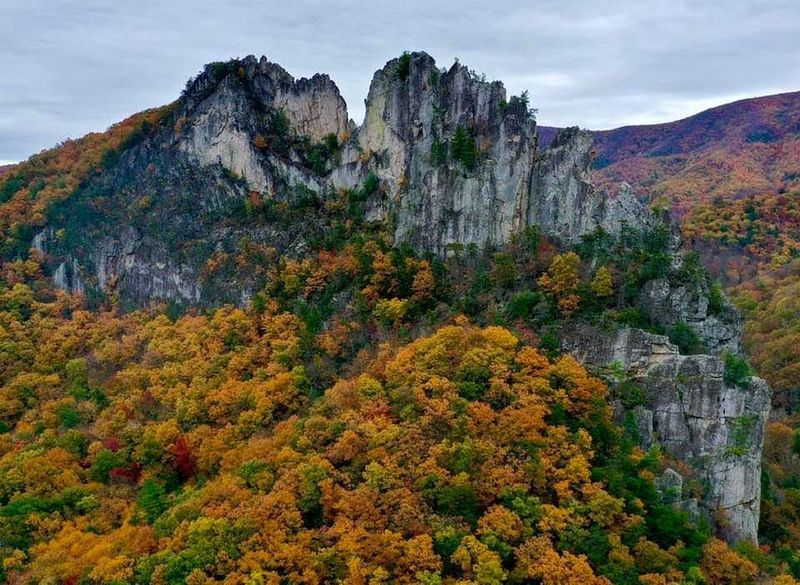
The Mon has earned its reputation through sheer variety and scale.
From the tundra-like expanse of Dolly Sods to the dramatic vertical rise of Seneca Rocks, from the mysterious stillness of Cranberry Glades to the summit solitude of Spruce Knob, this forest delivers experiences that feel genuinely different from anything else in the eastern United States.
It is not just a destination. It is a whole collection of them.
Camping here ranges from secluded dispersed sites along creek corridors to established campgrounds with fire pits and bathhouses. Visitors return year after year and still manage to find something new.
Winter brings its own quiet magic to the ridgelines and frozen bogs.
The food culture woven through the surrounding communities adds a richness to any visit. Buckwheat cakes with sausage gravy, pawpaw pies, molasses cookies, and fresh pepperoni rolls from local bakeries are all part of the regional identity.
Eating your way through the towns that border the Mon is its own kind of adventure.
Address: 200 Sycamore St, Huttonsville, West Virginia.
