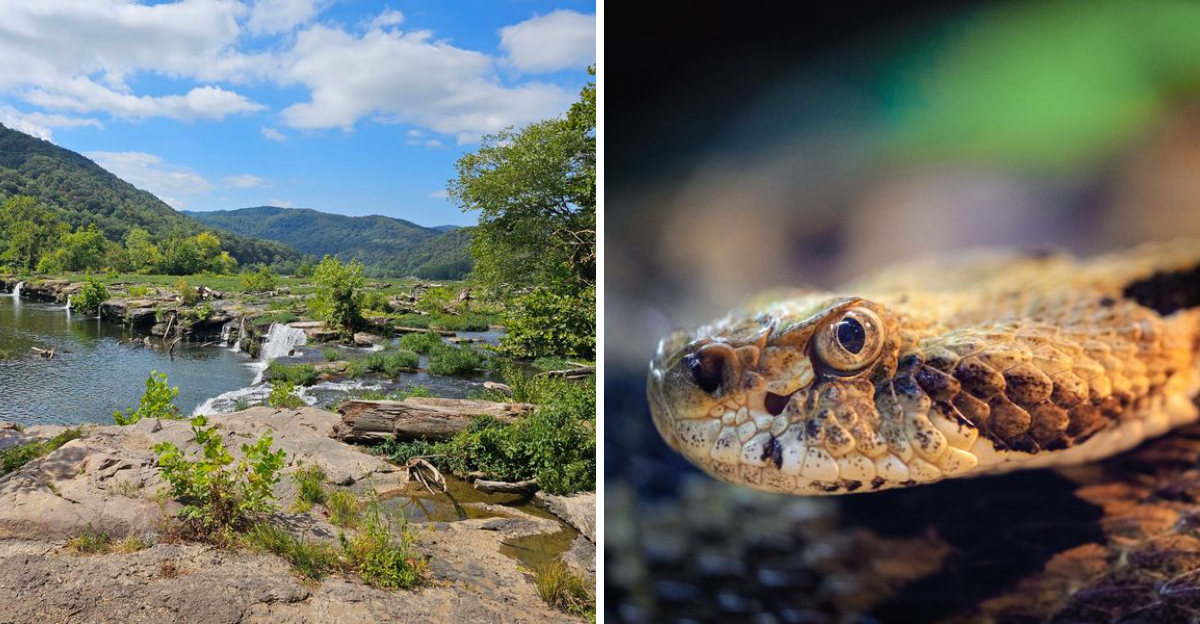
There’s a spot in West Virginia where an ancient river has been grinding its way through the mountains for longer than almost any river on the continent.
I went looking for big views and whitewater, and I got both, plus something I didn’t expect.
Right there on the park literature was a friendly little reminder to watch where you put your hands and feet.
Turns out the forest floor here is busier than it looks, with roughly a dozen snake species sharing the trails, ledges, and riverbanks with hikers.
Instead of spooking me, that detail made every step feel more alive, like the woods had a whole hidden cast of characters.
By the end of the trip, I was just as fascinated by the small scaly residents as I was by the famous steel bridge arching over the gorge.
An Ancient River Doing Slow, Stubborn Work
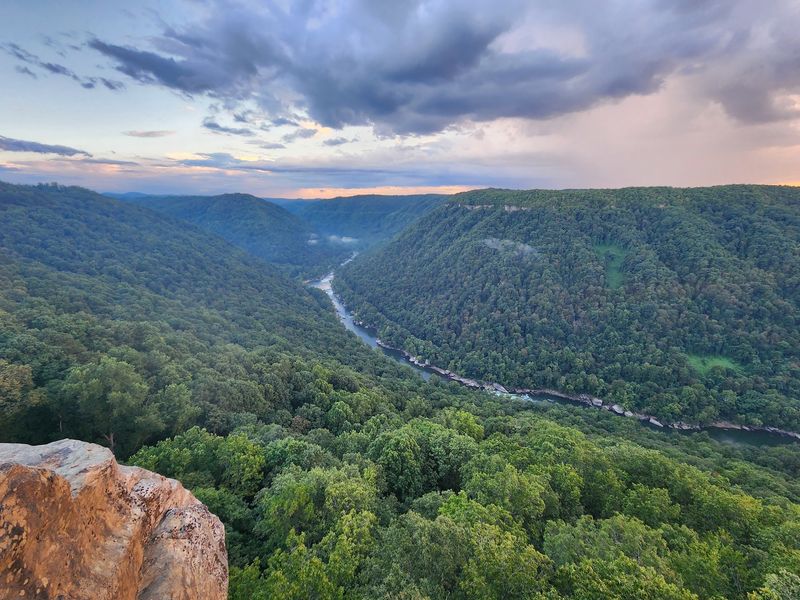
The New River gets its name backwards. Geologists count it among the oldest rivers on the North American continent, and it has been carving this gorge for an unfathomable stretch of time.
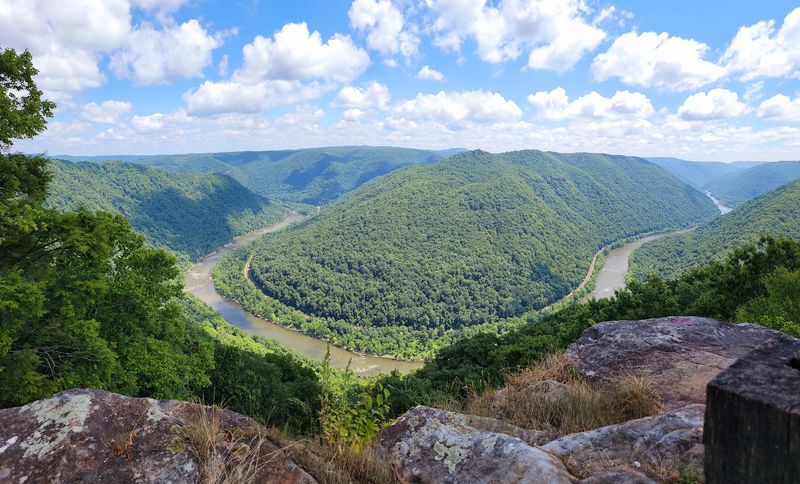
What that means for visitors is scale. The park protects roughly 70,000 acres of rolling mountains, steep canyon walls, and rushing whitewater, and the numbers only sink in when you stand at an overlook and realize the treetops below are full-grown hardwoods.
Sandstone cliffs stack up in visible layers, like pages in a very patient book. Sound travels oddly here too, with the river’s low rumble reaching you long before you can see the water.
All that carving created something practical for wildlife. Sun-warmed rock ledges, damp riverbanks, and shaded forest floors sit close together, giving cold-blooded creatures plenty of options within a short crawl.
So the geology and the snakes are connected. The gorge built the habitat, and the habitat filled up.
Nearly 40 Reptile Species Call The Gorge Home
Here’s the stat that surprised me most. The park counts close to 40 species of reptiles within its boundaries, and about a dozen of those are snakes.
That’s a lot of life for one canyon. Turtles, lizards, and skinks round out the reptile list, and they thrive because the gorge stacks so many microhabitats on top of each other.
Walk a single trail and you might pass through dry rocky outcrops, a shady rhododendron tunnel, and a creek crossing within twenty minutes. Each of those pockets suits a different animal.
Snakes fit into the food web in ways most hikers never think about. They keep rodent numbers in check, and they become meals themselves for hawks and larger predators.
The park protects every one of them, venomous or not. Which is exactly why the advice you’ll hear isn’t about fear.
It’s about awareness. Pay attention, and the odds tilt heavily in your favor.
Copperheads And Timber Rattlesnakes, The Two Worth Learning
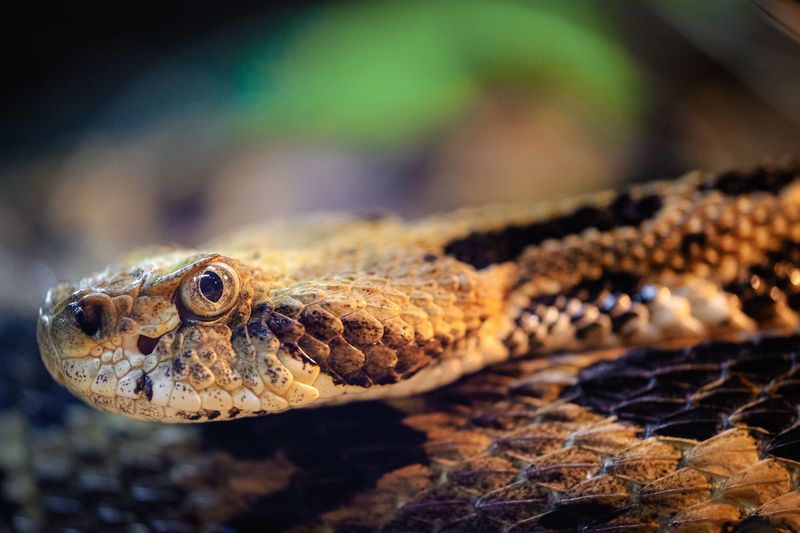
Only two venomous species live in the park. Meet the Northern copperhead and the timber rattlesnake, and that’s the whole list.
Both prefer rocky areas, warm ledges, and forested slopes where fallen leaves make camouflage almost unfair. Copperheads in particular blend into leaf litter so well that hikers often walk right past them.
A few features help with identification. Broad, flattened, arrow-shaped heads noticeably wider than the neck, plus elliptical pupils that look a bit like a cat’s eye.
Timber rattlesnakes add an obvious clue with the rattle at the tail tip. Not every rattlesnake buzzes though, so don’t rely on sound alone.
Both species are genuinely shy. Their default response to a human is to freeze in place or slip away into cover, and bites usually happen only when a snake feels cornered or startled.
Painful, yes. Rarely fatal, thankfully.
Respect the space and the encounter stays a story rather than a problem.
Garter Snakes, Rat Snakes And Other Harmless Neighbors
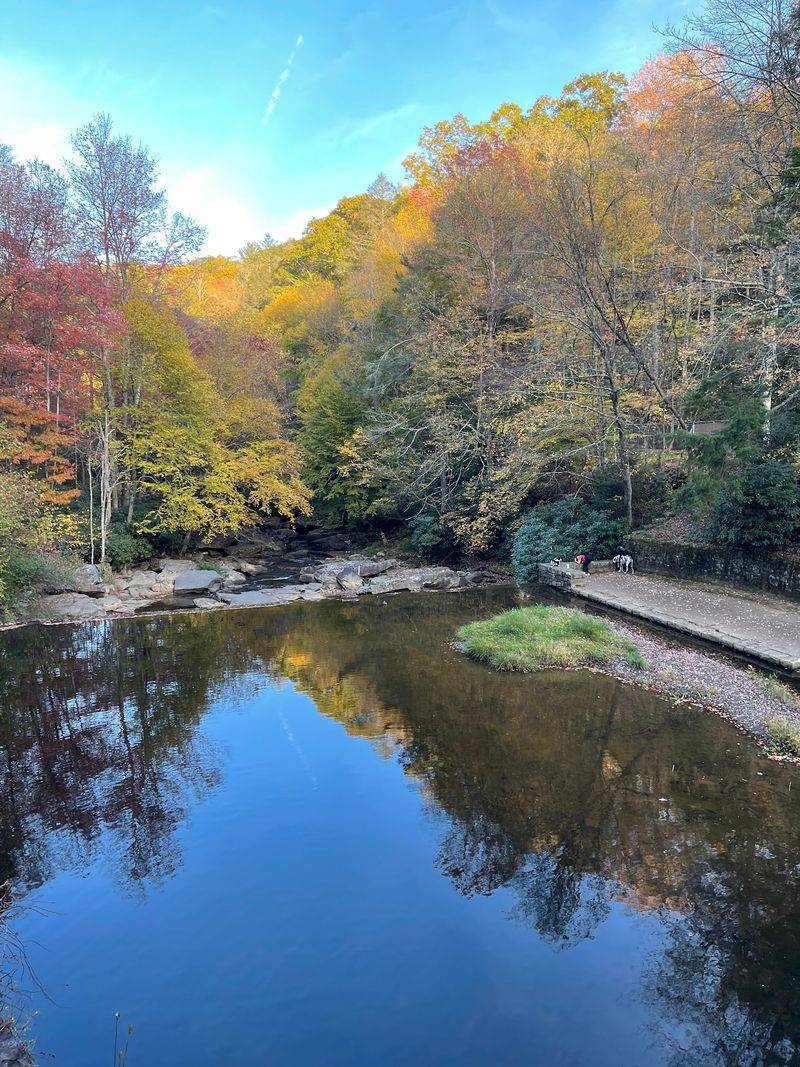
Most snakes you’ll meet here are completely harmless to people. Eastern and common garter snakes turn up along trail edges, and cornsnakes occasionally glide through the undergrowth with surprising grace.
Black rat snakes are the showstoppers. Long, glossy, and excellent climbers, they sometimes drape themselves along branches or old stone walls near historic sites.
Ringneck snakes are tiny by comparison, dark on top with a bright collar, and they hide under rocks and rotting logs. Northern watersnakes patrol the riverbanks and get mistaken for something dangerous far too often.
Two species of special concern also live in the park, the eastern worm snake and the rough green snake. The worm snake looks almost earthworm-like, while the rough green snake wears a color that vanishes into leaves.
None of them wants trouble. They eat rodents, insects, frogs, and slugs, doing quiet maintenance work all season long.
Spot one and you’ve been lucky. Most people never notice them at all.
Simple Trail Habits That Keep Everyone Comfortable
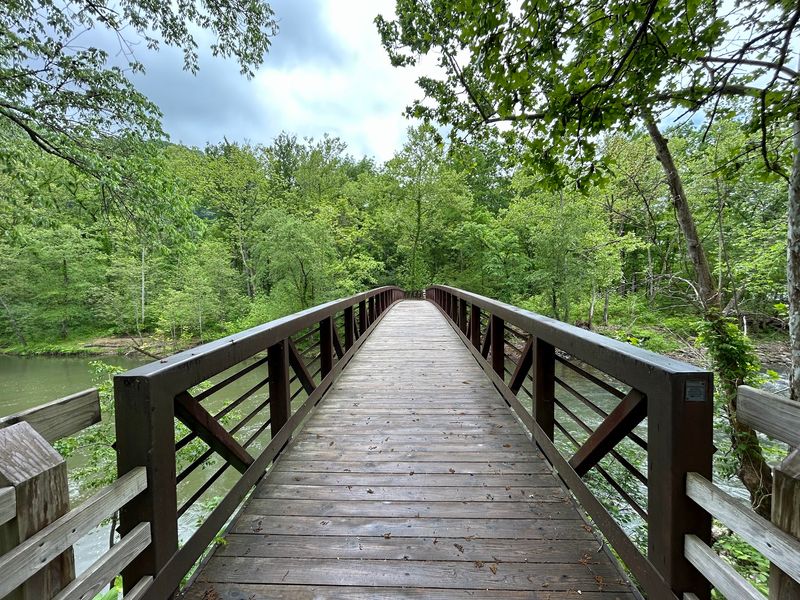
Park guidance on this is refreshingly simple. Stay on designated hiking and biking trails, and most of the risk disappears before it ever starts.
Trails also protect fragile habitat, so it’s a win for the snakes too. Everybody stays where they belong.
Watch where hands and feet land, especially around boulders, stone steps, and fallen logs. Snakes rest and hunt in those exact spots, tucked into shade or soaking up warmth.
Rather than stepping straight over a log, step onto it first and look down before continuing. Small adjustment, big difference.
Pets belong on a leash here, which keeps curious noses out of trouble and keeps wildlife undisturbed. Dogs tend to find snakes long before their owners do.
If a snake does appear on the path, give it room and let it move along. Don’t poke it, don’t try to move it, and definitely don’t pick it up.
Patience works. Snakes almost always leave first.
Whitewater That Draws Rafters From Everywhere
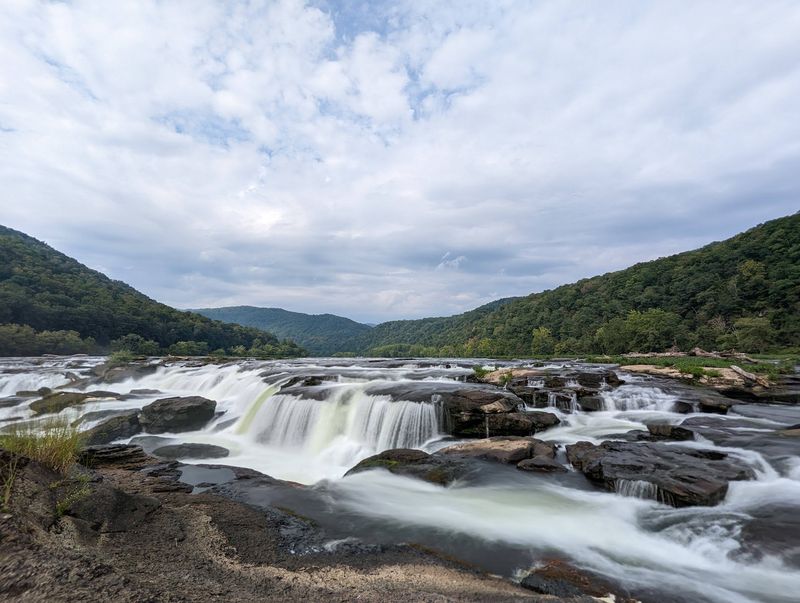
Reptiles aside, this park has a serious reputation for rapids. The New River delivers some of the finest whitewater rafting in the country, and outfitters run trips through the warmer months.
The upper stretches are gentler and family-friendly. Farther downstream the water gets pushy, with big waves and boulder gardens that demand real paddling.
Swimming is possible in places, and plenty of visitors do it when temperatures climb. The current deserves respect though, because it moves faster than it looks from the bank.
Boat ramps and river access points are scattered through the park, some reached by rough gravel roads. A vehicle with decent clearance saves stress on those approaches.
Cool air rises off the water, which makes riverside spots noticeably more pleasant on hot afternoons. Bring water and insect repellent regardless.
And yes, watersnakes like the same sunny rocks you might pick for a snack break. Glance before you sit.
Cliffs That Made This A Climbing Legend
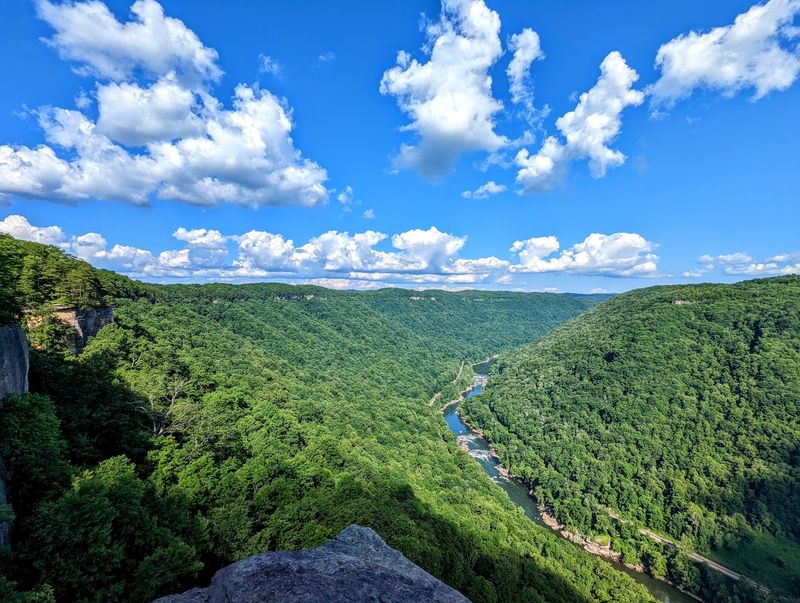
Climbers talk about this place with real affection. The gorge walls are hard Nuttall sandstone, and the routes run from approachable to genuinely fierce.
Endless Wall is the name that comes up most. The cliff line stretches for miles above the river, and the trail along the rim delivers overlooks that rival anything in the park.
Even for non-climbers, the Endless Wall Trail is worth the walk. There’s a ladder section, a boardwalk, and a lookout at Diamond Point where the gorge opens up dramatically.
Parking at the trailheads is limited and tight. Large vehicles and RVs struggle, so plan on the visitor center lot if you’re driving something big.
Rocky terrain means sun-warmed ledges, and sun-warmed ledges mean snakes occasionally choose them first. Climbers know to look before reaching blindly into cracks.
Good habit for hikers too. Eyes before hands, always.
Fayette Station Road And The Bridge Above It
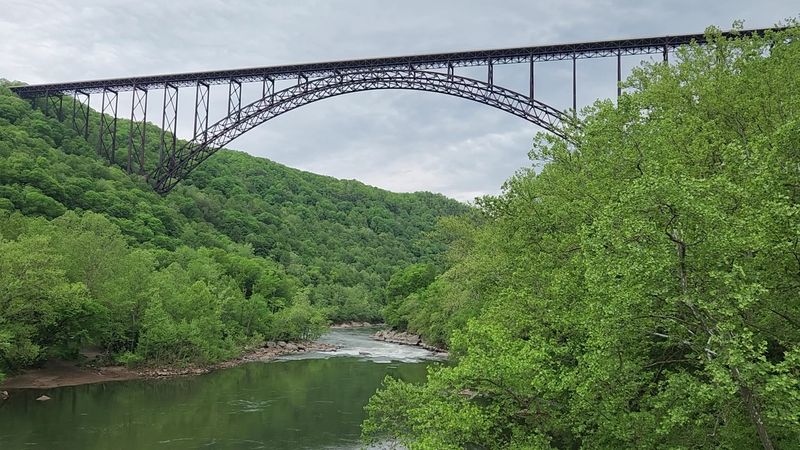
If you only have time for one drive, make it Fayette Station Road. The narrow route switchbacks down into the gorge, crosses the river on an older bridge, and climbs back out the other side.
An audio tour goes with it, but download it beforehand. Cell service in the gorge is patchy at best.
From down there you get the view almost nobody expects. The New River Gorge Bridge towers overhead, and its scale finally registers when you’re looking up from the water.
That bridge is the longest steel arch span in the Western Hemisphere and it was completed in 1977. Before it existed, crossing the gorge meant a slow, winding drive.
Canyon Rim Visitor Center offers the classic overlook, plus a staircase down to a lower deck. Wet weather makes those wooden steps slick, so take them slowly.
Fog rolls through often. Sometimes it clears in minutes and rewards your patience.
Ghost Towns, Coal Dust And Thurmond
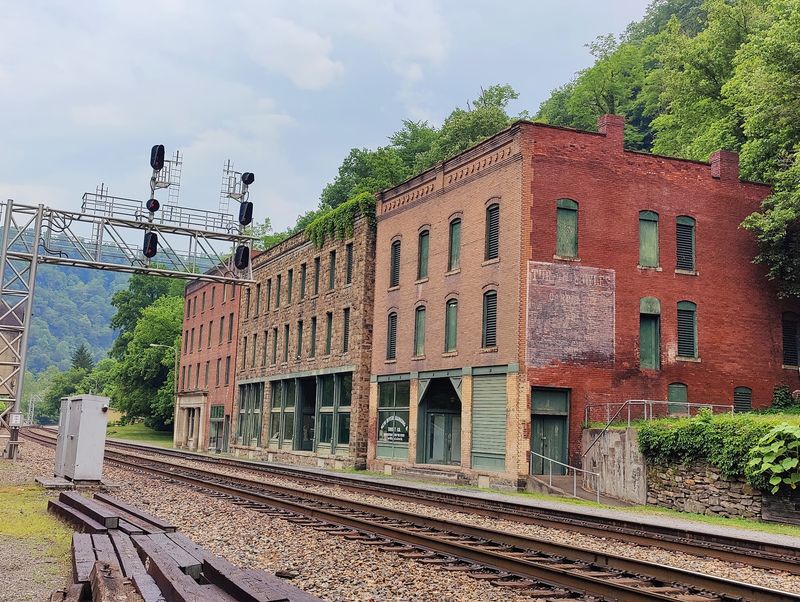
Nature isn’t the only story in the gorge. Scattered through the park are the remains of coal towns that once buzzed with railroad traffic and hard labor.
Thurmond is the most striking of them. The old depot still stands beside the tracks, and the surrounding forest has quietly reclaimed most of what used to be a busy hub.
Stone foundations, coke ovens, and rusting machinery turn up along several trails. Reading the interpretive signs changes how the woods feel, because you realize the quiet is fairly recent.
Nature reclaimed these places completely, and wildlife moved into the gaps. Old stone walls and rubble piles make excellent shelter for small animals, including snakes hunting mice.
Which is a good reason not to climb around loose masonry. Look, photograph, and leave the structures alone.
History and habitat overlap here in a way I found genuinely fascinating. Two timelines, one landscape.
Timing Your Visit, Season By Season
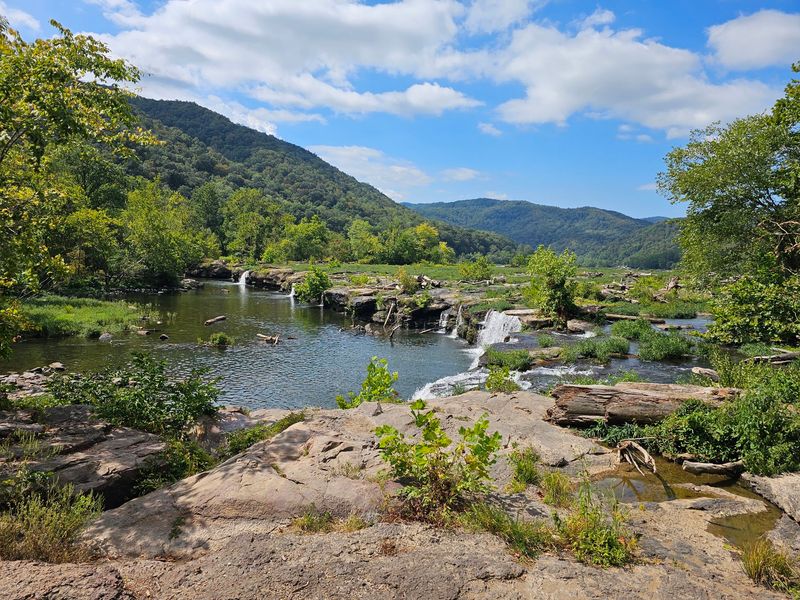
Each season rearranges this park completely. Spring brings high water and wildflowers, summer means warm rivers and full green canopy, and autumn sets the gorge on fire with color.
Winter strips the leaves away and opens up views you can’t get any other time. Fewer people too.
Snake activity peaks in the warmer months, when reptiles are out basking and hunting. Cool mornings and shoulder seasons see far less movement, though sunny rocks can still tempt a snake out.
October brings Bridge Day, when the New River Gorge Bridge hosts BASE jumpers and rappellers descending into the canyon. It’s a spectacle worth planning around, or avoiding if crowds aren’t your thing.
Multiple visitor centers serve different sections of the park, so two or three days lets you actually see it properly. Download offline maps before arriving.
Bring sturdy boots and pay attention to your footing. That advice covers rocks, roots, and the occasional resident reptile.
Address: Canyon Rim Visitor Center, 162 Visitor Center Road, Lansing, West Virginia
