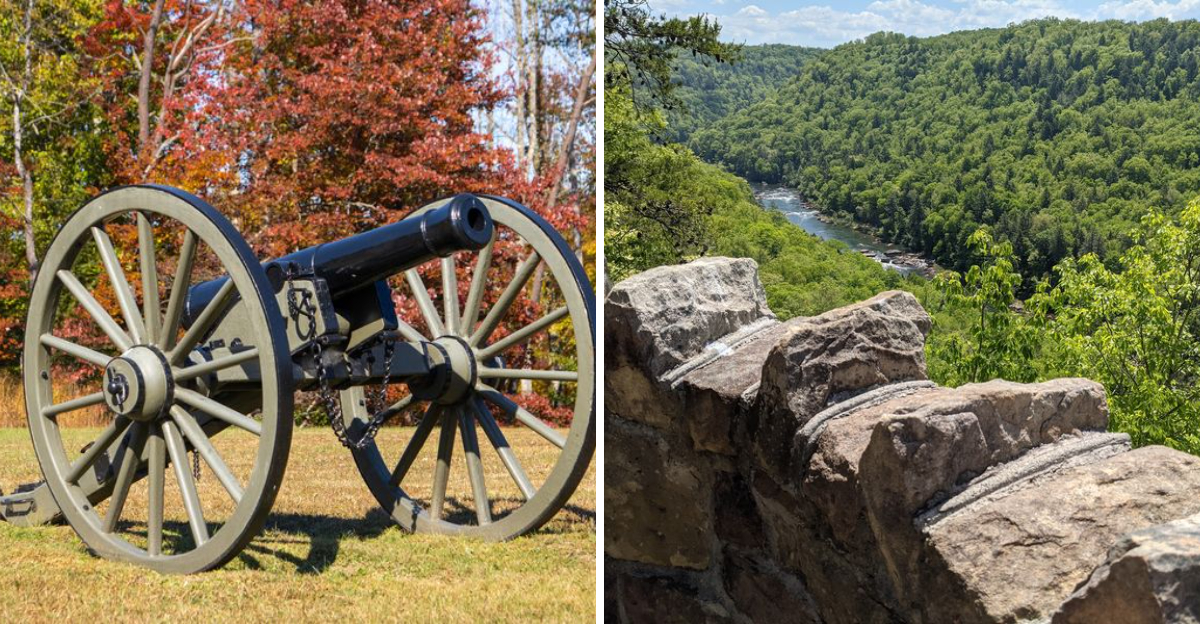
Some battles change history. This one created a whole state.
Union troops faced off against Confederates high above a river gorge.
The fighting lasted four hours. Then darkness fell. The Confederates slipped away under cover of night.
That retreat changed everything. It secured the valley for the Union and cleared the path for West Virginia to become the 35th state.
Today, you can walk the same ground. Stand where soldiers stood.
Tour a historic house museum that still bears scars from artillery fire. Peer over stunning overlooks into the gorge below.
History feels alive here. Not bad for a park that started as a farm.
West Virginia owes its very existence to this spot. Pack a picnic and your curiosity.
The Battle That Built a State
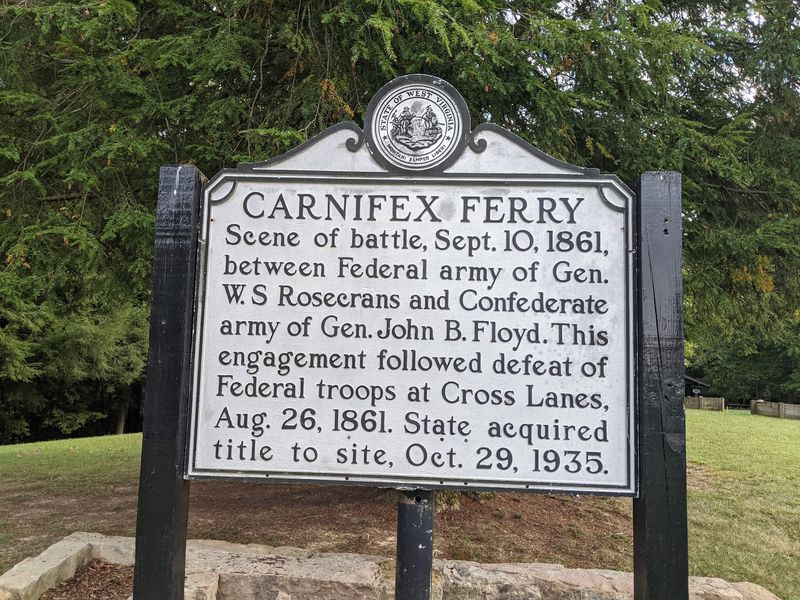
Few people realize that a single September battle in the mountains of western Virginia helped determine whether a new American state would ever exist at all.
The Battle of Carnifex Ferry, fought on September 10, 1861, was a Union victory that changed the course of regional history in ways that still echo today.
Standing on the canyon rim at Carnifex Ferry Battlefield State Park, that weight settles over you slowly but powerfully.
Union Brigadier General William S. Rosecrans led his forces against Confederate Brigadier General John B.
Floyd, whose men were dug in on the Henry Patterson Farm overlooking the Gauley River. The Confederate position looked strong on paper, but the Union’s persistence and artillery advantage proved decisive.
Floyd’s eventual retreat under darkness opened the door to something much larger than a tactical win.
Securing the Kanawha Valley meant the loyalist government in Wheeling could push forward the statehood movement without serious military threat. That political process ultimately led to West Virginia joining the Union in 1863.
One battle, one enormous consequence.
One Fight, One State, One Legacy
The legacy of Carnifex Ferry is not just about troop movements or casualty counts. It is about the political chain reaction that one Union victory set into motion, a chain that ultimately forged the Mountain State itself.
The park preserves that legacy with a seriousness and care that you feel the moment you walk through the entrance.
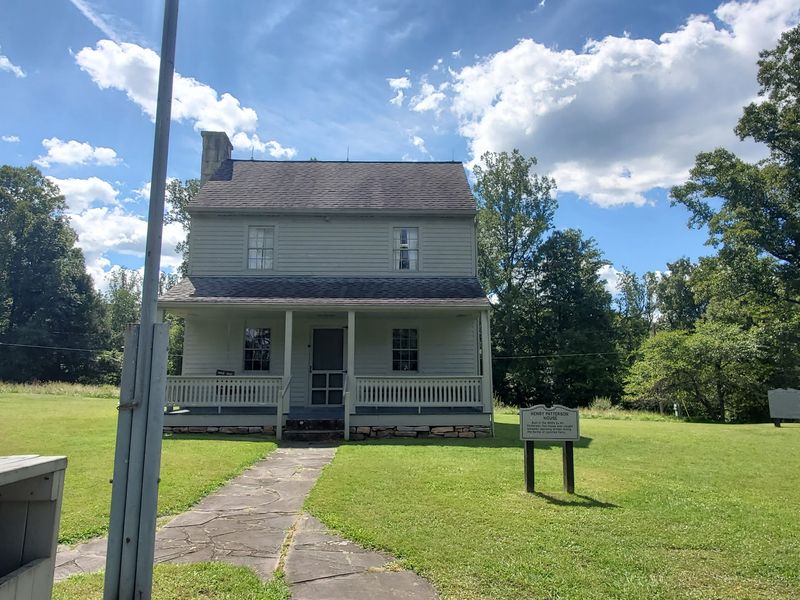
At the center of the story sits the Patterson House Museum, the very farmhouse around which the battle raged. The building reportedly bore the marks of small arms fire and artillery, and it even served as a Federal hospital after the fighting ended.
Walking through its rooms, you get a genuine sense of how ordinary civilian life and extraordinary historical violence collided on this very ground.
The park also features interpretive signs along its hiking trails, each one adding another layer to the narrative. History here is not locked behind glass.
It surrounds you on every path, at every overlook, making the legacy of this one fight feel immediate, real, and deeply worth understanding.
West Virginia’s Forgotten Front Line
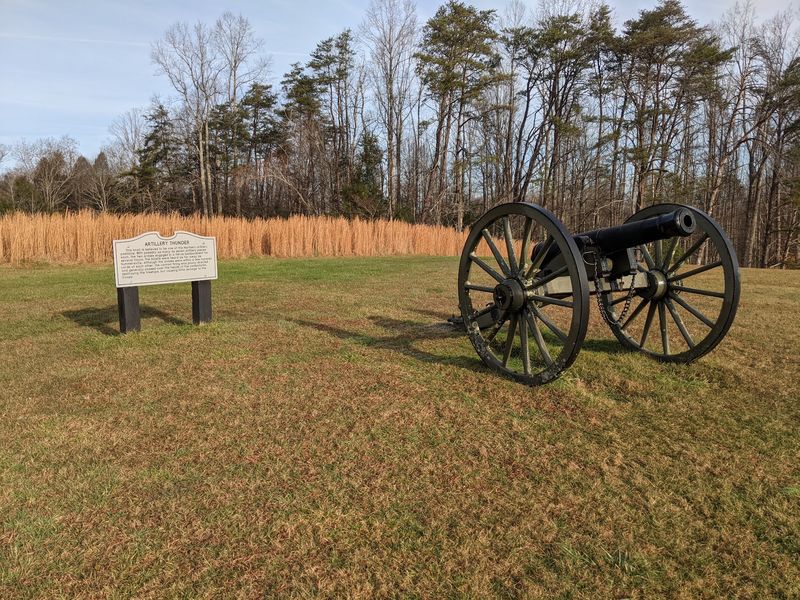
Most Civil War history buffs can rattle off Gettysburg, Antietam, or Bull Run without blinking. Carnifex Ferry rarely makes that list, yet its role in the war’s early western Virginia campaign was absolutely critical.
This quiet park on a canyon rim was once a forgotten front line, and it deserves far more attention than it typically gets.
The terrain itself tells part of the story. Steep ridges, dense forest, and the deep cut of the Gauley River canyon all shaped how the battle unfolded.
Confederate forces used the natural landscape as a defensive advantage, but the same rugged ground that protected them also complicated their eventual retreat.
The physical environment is still very much intact, which makes hiking the trails here feel like reading a tactical map in three dimensions.
The park’s trails wind through old-growth hemlock forests, past ferns and wildflowers, offering a sensory experience that is equal parts natural beauty and historical resonance.
Every footstep through these woods carries a quiet reminder that this forgotten front line changed everything for the Mountain State.
Where Confederate Hopes Faded on the Gauley
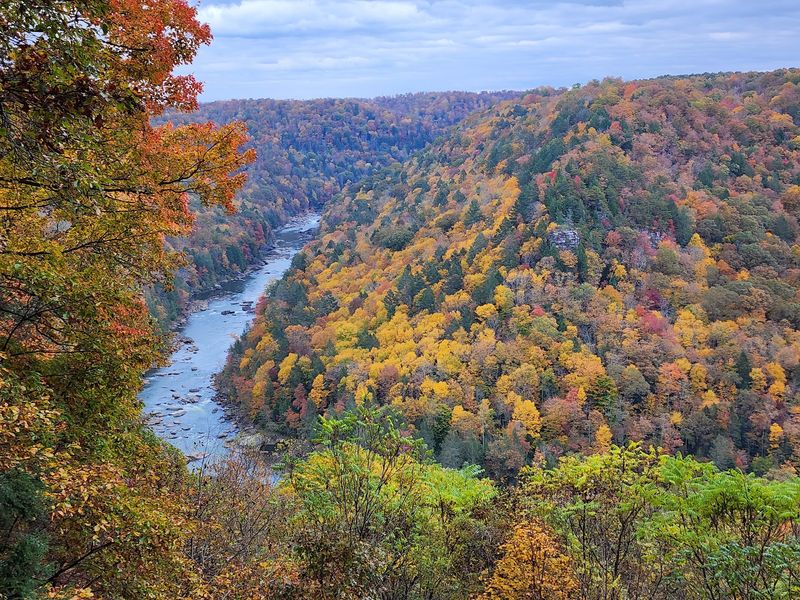
The Gauley River below the park’s overlooks is a stunning sight, all churning water and ancient rock cutting through forested canyon walls. But in September 1861, that river was not a scenic backdrop.
It was a strategic lifeline and an escape route for a Confederate force that had just lost its grip on the Kanawha Valley.
General Floyd’s decision to withdraw his troops across the ferry under cover of darkness was tactically sound but strategically devastating. The Confederate retreat effectively ended any realistic hope of retaking the region, leaving the path clear for the Union to consolidate control.
Three of the park’s overlooks give you a direct view of the river and canyon where those events played out.
Standing at the Copperhead Overlook or along the Patterson Trail, the sheer scale of the canyon below makes the Confederate retreat feel both understandable and consequential. The Gauley River did not care about politics or statehood.
It just kept flowing, indifferent to the history being made on its banks. That contrast between natural permanence and human drama is quietly unforgettable.
A 156-Acre Witness to History
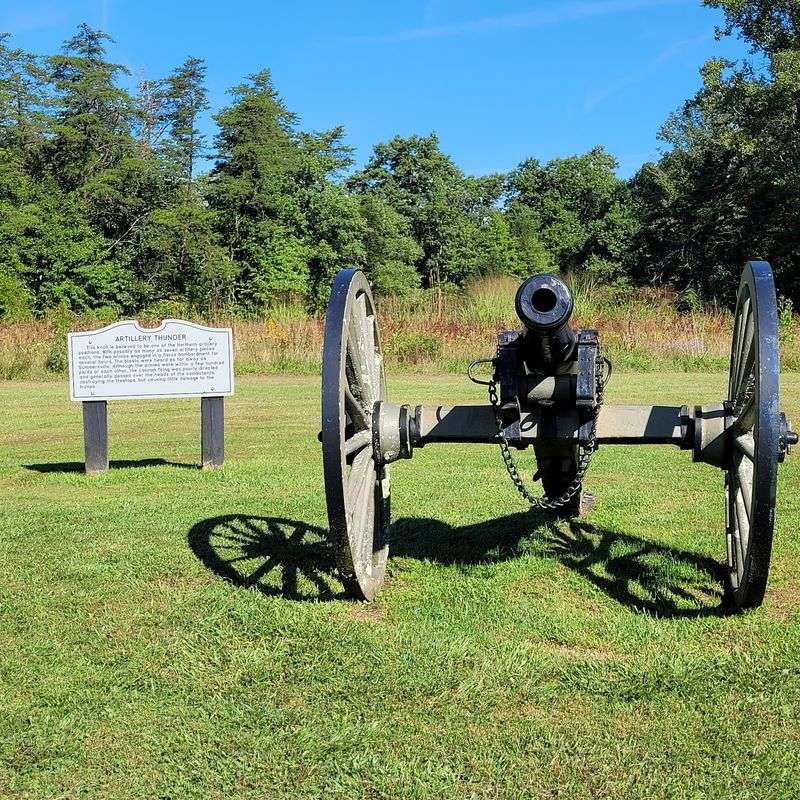
At 156 acres, Carnifex Ferry Battlefield State Park is not enormous by national park standards, but every single acre carries historical weight.
The park was established in 1935, making it one of the older state parks in the country, and it was added to the National Register of Historic Places in 1974.
That recognition reflects the park’s genuine importance to American Civil War history.
The acreage includes the battlefield itself, the Patterson House Museum, picnic areas, recreational spaces, hiking trails, and three distinct overlooks of the Gauley River.
Five reservable group shelters make it a practical destination for family gatherings or school field trips that want to combine outdoor recreation with living history.
The park is open daily from 8 AM to 8 PM, giving visitors plenty of time to explore at a comfortable pace.
What strikes you most about the park’s size is how thoughtfully it has been arranged. Nothing feels cramped or rushed.
The 156 acres breathe, giving each historical marker and scenic overlook the space it needs to land with full impact. This is a park designed for genuine reflection, not a quick checkbox visit.
Bullets, Retreat, and a State Born
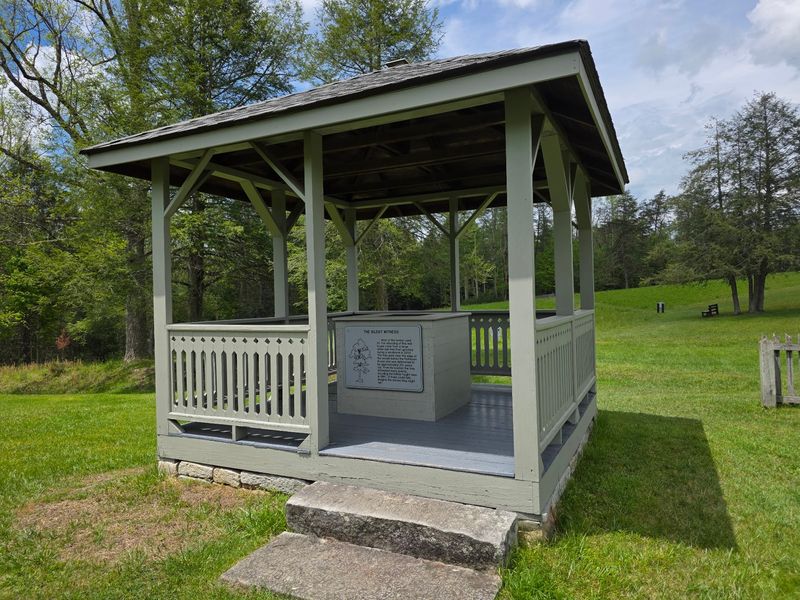
The human cost of the Battle of Carnifex Ferry is recorded with quiet dignity throughout the park. Union forces suffered 17 killed and 141 wounded.
Confederate casualties included at least 30 wounded, with an uncertain number killed. These numbers, modest compared to later Civil War engagements, still represent real lives shaped and ended by a single afternoon of fighting.
Among the Union soldiers who fought here were two future presidents of the United States. Rutherford B.
Hayes served as a major during the battle, while William McKinley was a private in the Ohio 23rd Infantry. Their presence at Carnifex Ferry adds a remarkable layer of historical coincidence to an already significant site.
The park’s markers acknowledge these connections without overstating them, letting the facts speak for themselves.
The Confederate retreat that followed the battle was the moment when a state was truly born. Not in a legislature or a courtroom, but on a muddy canyon rim in western Virginia, where bullets and retreat and unexpected Union resolve combined to clear the path for West Virginia’s statehood.
History rarely announces itself so clearly.
The Ferry That Changed Everything
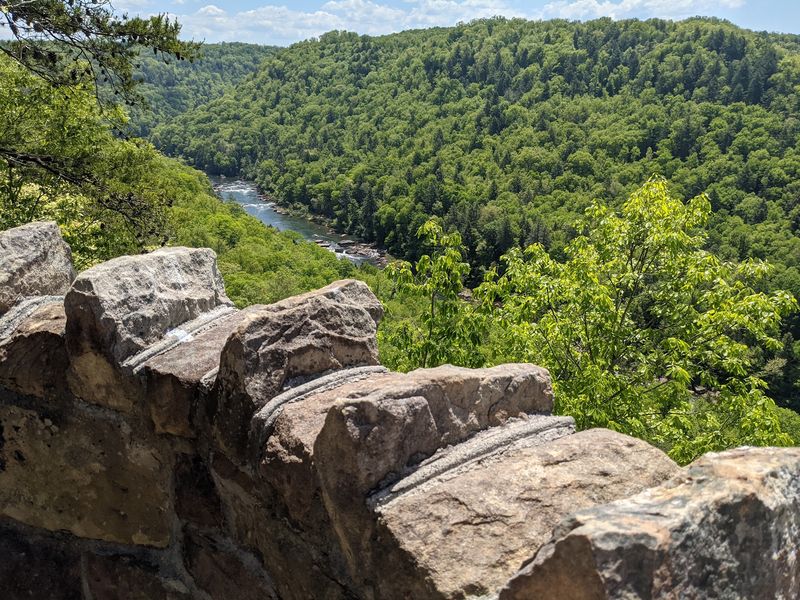
The word “ferry” in the park’s name points to something more than a geographic detail. That crossing over the Gauley River was the linchpin of the entire engagement, both as the reason Confederate forces chose this location and as the means of their eventual escape.
Without the ferry, the battle and its aftermath would have unfolded very differently.
General Floyd’s forces used the crossing to withdraw southward in the dark hours after the fighting subsided, moving toward Meadow Bluff near Lewisburg.
The ferry allowed a defeated army to survive and regroup, even as the strategic damage to Confederate ambitions in the region proved irreversible.
The crossing is memorialized within the park today, a quiet nod to the pivotal role it played.
Thinking about soldiers crossing that river at night, carrying their gear and their uncertainty into the darkness below the canyon walls, adds a deeply human dimension to the park’s story.
The ferry is gone now, but its ghost lingers in the name, in the historical markers, and in the view from the overlooks above the Gauley.
Some crossings change everything.
Walk Where Union Troops Advanced
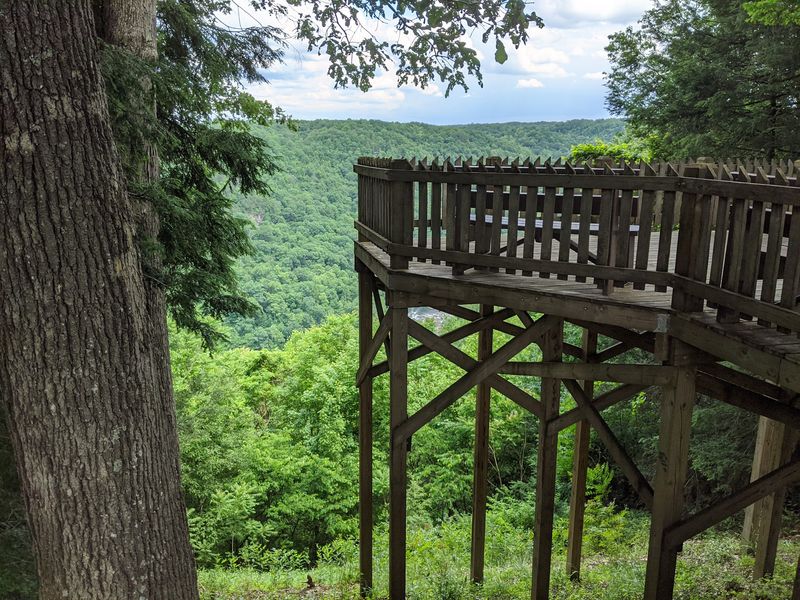
The Patterson Trail is the park’s main hiking route, a two-mile loop that winds through forested terrain and opens onto three spectacular overlooks of the Gauley River canyon.
Walking it feels like retracing the Union advance, step by deliberate step, through the same landscape that soldiers navigated under fire in September 1861.
The trail is rated easy to moderate, accessible for most visitors who want a genuine outdoor experience.
Along the way, interpretive signs explain the tactical movements of both sides, grounding the natural scenery in historical context. The forest floor is lush with ferns, native wildflowers, and the kind of old-growth hemlocks that make you stop mid-stride just to look up.
The park also features a pollinator garden near the Patterson House, adding color and life to the grounds in a way that feels both intentional and joyful.
After a hike through this kind of terrain, the park’s picnic areas feel like a well-earned reward. Tables, grills, and shelters are spread across the grounds, offering a comfortable place to settle in, share food, and let the history of the walk sink in properly.
A Quiet Park with a Monumental Story
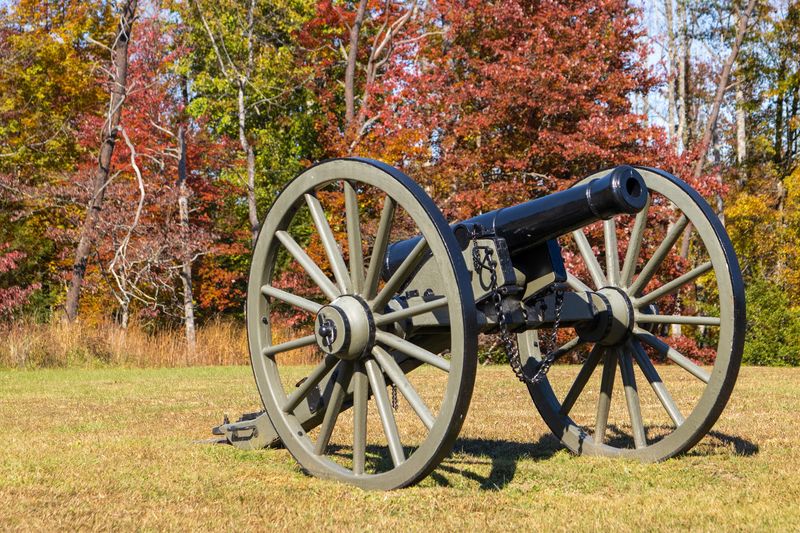
There is a particular kind of quiet that settles over Carnifex Ferry Battlefield State Park, the kind that feels earned rather than empty.
The grounds are immaculately maintained, the facilities clean and welcoming, and the overall atmosphere genuinely respectful of the history it protects.
Beyond the historical elements, the park offers a playground, softball and volleyball areas, and horseshoe pits, making it a practical destination for families who want recreation alongside reflection. The picnic shelters are reservable for groups, and the restrooms are well kept.
These practical details matter when you are planning a full day out with kids or a larger gathering.
The park is open every day from 8 AM to 8 PM, giving visitors a generous window to explore at their own rhythm.
Whether you spend two hours or a full day, Carnifex Ferry leaves you with something that most parks cannot offer: the feeling that you have genuinely connected with a moment that shaped American history.
Address: 1194 Carnifex Ferry Crossing, Summersville, WV
