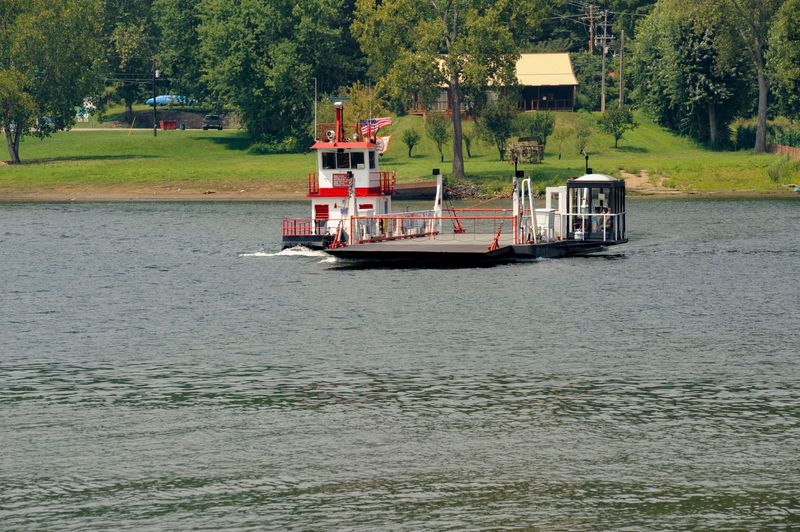
The paperwork for this river crossing was signed in 1817, back when West Virginia was still part of Virginia. More than two centuries later, the job hasn’t changed much: get people across the Ohio River quickly and without fuss.
The trip takes about five minutes. The barge can hold eight cars or two tractor-trailers at once.
Before 1889, horses powered the paddlewheel boats that made this run.
I love that a whole county leans on this one crossing. There’s no bridge in that county, so the ferry does the bridge’s job with a lot more personality.
I can’t imagine a friendlier way to trade one state for another.
The crossing hit a rough patch in 2026, and the comeback story is still unfolding. So what keeps a little ferry going for more than 200 years?
A River Crossing That Still Does Things The Old-Fashioned Way
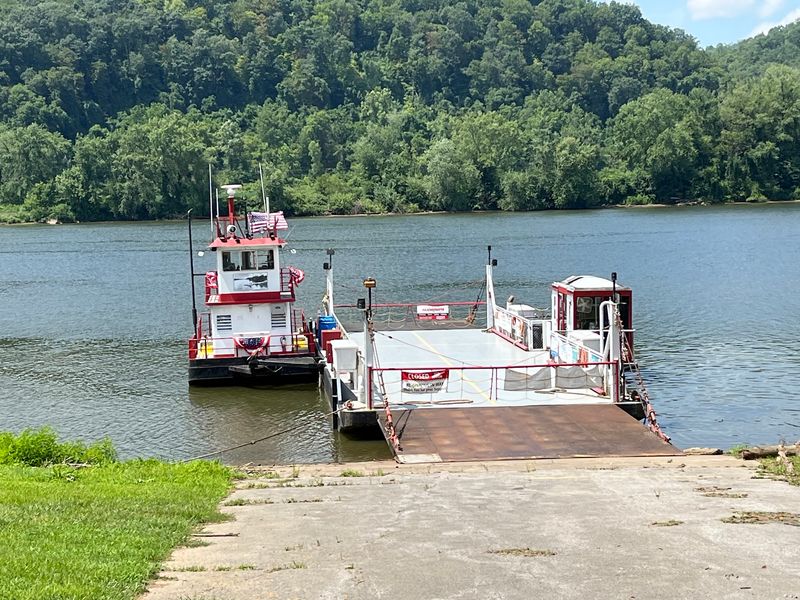
Most river crossings today involve steel girders and toll signs. The Sistersville Ferry skips all that and simply floats you over the Ohio River.
It links Sistersville, West Virginia, with the tiny community of Fly, Ohio, on the opposite bank. Two landings, one barge, and a towboat that does the pushing make up the whole operation.
That simplicity is part of the appeal. You drive on, the crew handles the rest, and a few minutes later you’re in another state.
The Sistersville Ferry is widely recognized as the oldest ferry in West Virginia. It traces its permission to run all the way back to 1817, which gives it serious bragging rights along the river.
The City of Sistersville runs the ferry today. City leaders have called it the heart of the community, and that phrase fits a crossing that has outlasted horses, steam, and plenty of floods.
Small towns along the Ohio have changed a great deal over the years. This one kept something many others lost, a working link to the river that built it.
For anyone who loves West Virginia history they can actually ride, this is a rare chance. Few landmarks let you park your car on top of them.
Signed, Sealed, And Sailing Since 1817
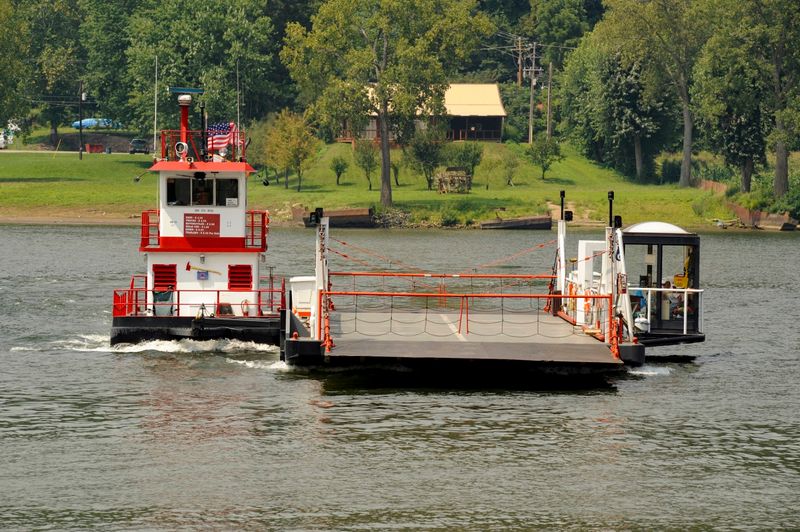
January 28, 1817, is the date that started it all. On that day, the General Assembly of the Commonwealth of Virginia authorized a ferry at this spot on the Ohio River.
The franchise went to a man named John McCoy. West Virginia didn’t exist as its own state yet, so the approval came from Richmond.
Think about how different river life looked back then. Roads were rough, bridges were scarce, and a reliable ferry could shape where a town grew.
That early start puts the crossing decades ahead of the 1860s. It was already an old institution by the time West Virginia became a state in 1863.
The ferry hasn’t run every single day since then. Service was suspended for a stretch, and the City of Sistersville restored it in 1981.
Still, the legacy of the crossing reaches back more than two centuries. Few working transportation links in the region can claim a story that long.
For history fans, that’s the real thrill here. You’re not just looking at a historic marker, you’re riding the same route that river travelers used generations ago.
From Horse Power To Diesel Power In Two Centuries
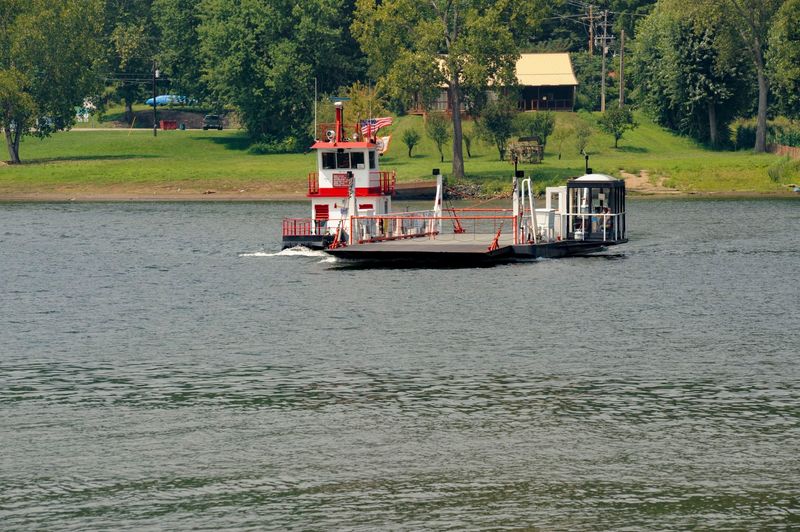
Horses once did the heavy lifting on this crossing. Until 1889, the ferry boats here were mostly horse-powered paddlewheel vessels, which sounds like something out of a storybook.
The animals walked a treadmill-style setup that turned the paddles. It was clever engineering for its day, and it kept the river crossing moving for decades.
Then came steam, the big upgrade of the 1800s. Steam power meant more muscle and less reliance on tired horses.
Gasoline engines followed later on. Each new technology arrived, did its job, and eventually gave way to the next improvement.
Today the towboats run on diesel fuel. The barge itself carries the vehicles, while the towboat pushes it from bank to bank.
That steady evolution is part of what makes the Sistersville Ferry so interesting. It never froze as a museum piece, and it kept updating to stay useful.
Picture explaining that timeline to a kid in the back seat. Horses, then steam, then gasoline, then diesel, all on the same short stretch of water.
It’s a quick history lesson that fits neatly inside a five-minute ride. Not many school field trips move this fast.
Why Tyler County Needs This Barge More Than Most
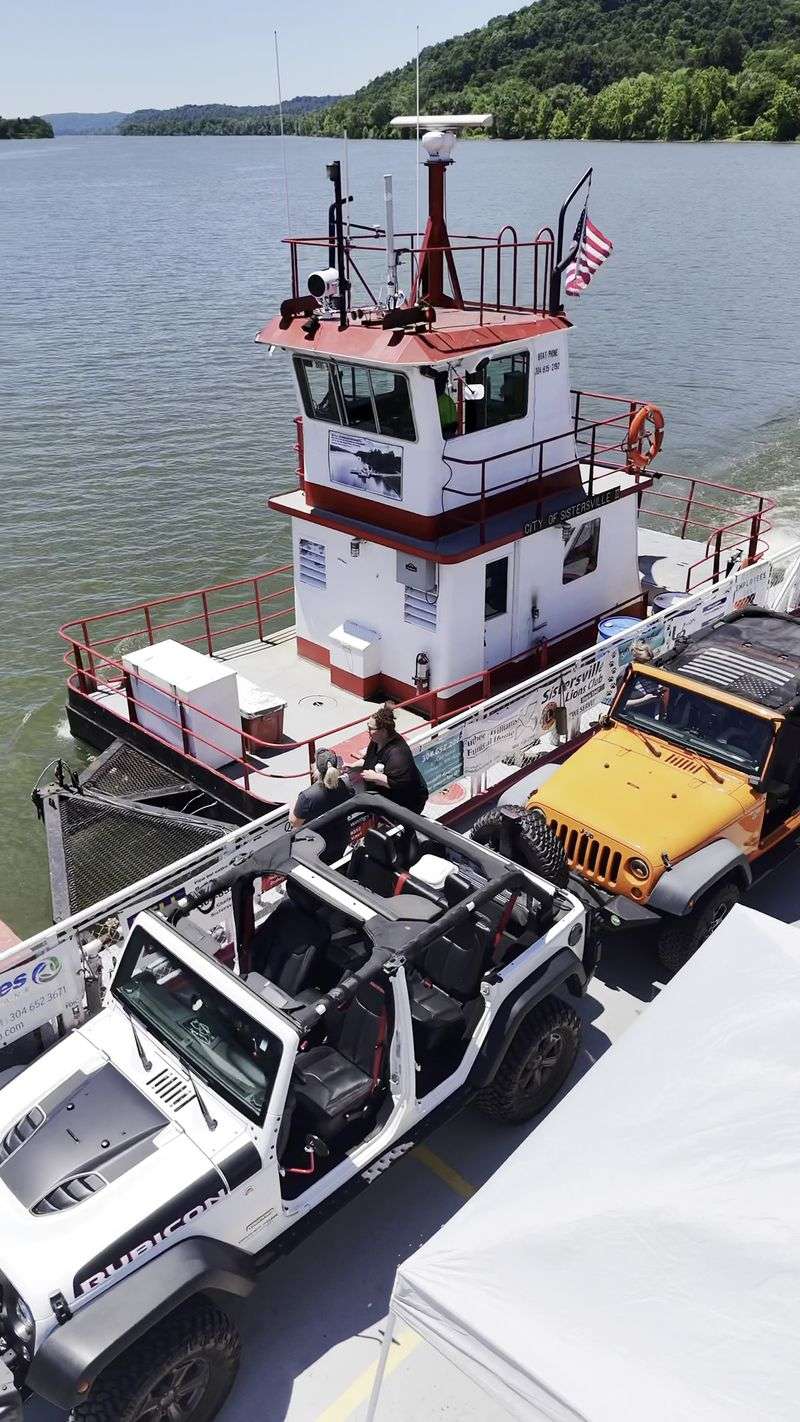
Here’s a fact that surprises plenty of people. Tyler County is the only West Virginia county along the Ohio River without a bridge.
Every other county on that stretch has a span of steel and concrete. Tyler County has the ferry, and that makes this crossing far more than a scenic novelty.
Without it, folks who need to reach Ohio have to drive to a bridge in another county. That detour adds miles, time, and fuel to what could be a short trip.
The ferry shortens all of that dramatically. For local workers, shoppers, and anyone visiting family across the water, the time saved adds up quickly.
City leaders see the crossing as vital infrastructure. It supports local commerce and keeps the two riverbanks connected in a practical, everyday way.
There’s also a sense of independence in it. A small river town keeping its own crossing alive says a lot about community pride.
So when you roll onto the barge, you’re doing more than sightseeing. You’re using the one public crossing that ties this corner of West Virginia directly to Ohio.
One Of Only Five Ferries Left On The Entire Ohio
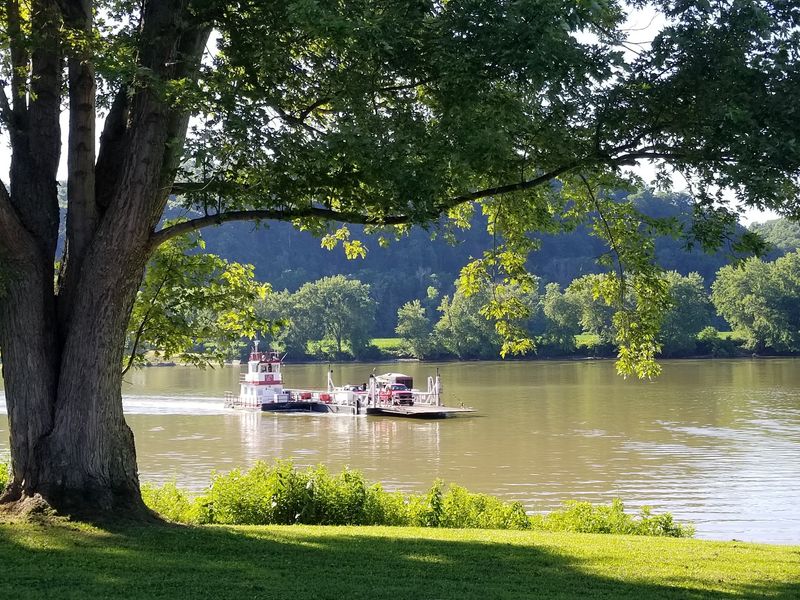
The Ohio River runs for nearly a thousand miles. Only five ferries remain along its entire length, and this is one of them.
That number alone makes the crossing special. Ferries once dotted rivers all over the country before bridges took over most of the work.
Narrow it down to West Virginia, and the story gets even better. The Sistersville Ferry is the only public ferry along the 277-mile stretch of the Ohio bordering the state.
Read that again. Two hundred seventy-seven miles of riverfront, and just one spot where you can drive onto a public ferry.
That kind of rarity tends to draw curious travelers. Road-trippers, history buffs, and folks who simply love boats all have a reason to seek it out.
It also gives the crossing a sort of last-of-its-kind charm. You’re riding something that used to be common and now hangs on in only a handful of places.
For West Virginians, it’s a point of pride worth sharing. Not every state can say it still keeps a working ferry tradition alive on the mighty Ohio.
Five Minutes, Eight Cars, And A Whole Lot Of River
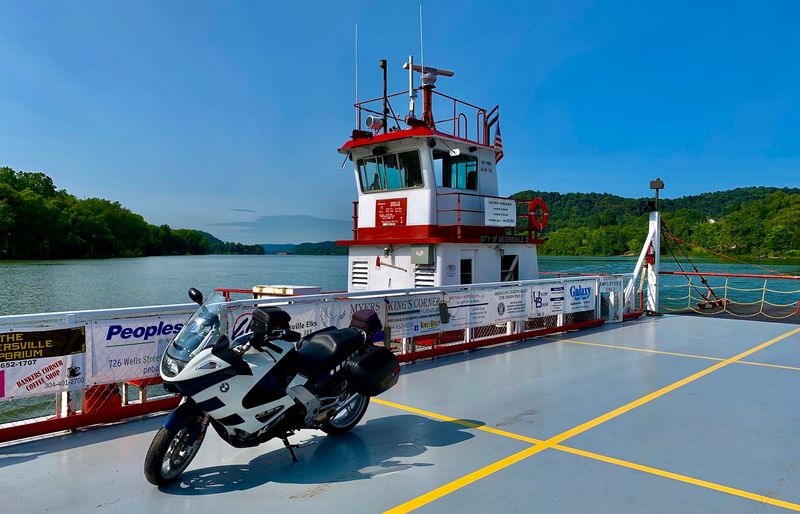
Blink and you might miss it, but please don’t blink. The crossing takes about five minutes from landing to landing.
The barge, named the G.B. Harmon, carries the traffic while a towboat pushes it along.
It can hold eight passenger cars or two tractor-trailers at one time.
Pedestrians can ride too. That opens the door for folks who’d rather park and stroll aboard for the view.
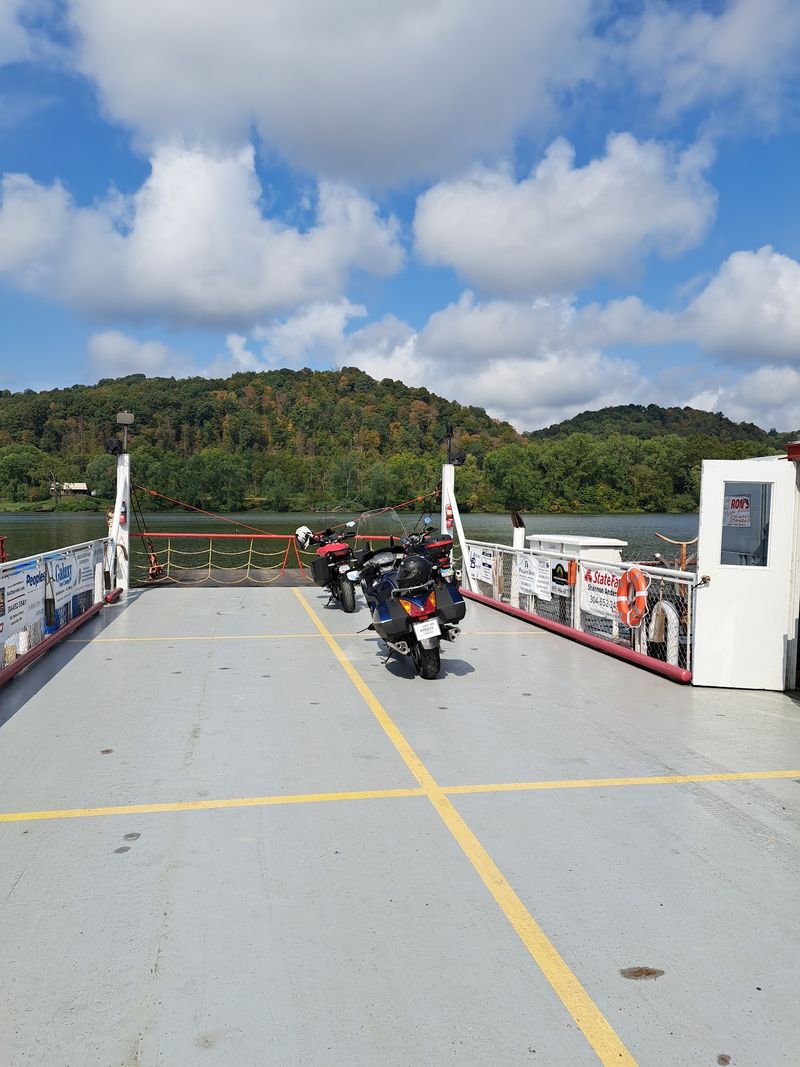
Motorcycles have long been welcome on the barge as well. Riders exploring the river roads in this area often fit the ferry neatly into a longer loop.
Fares have typically been modest, charged by vehicle type. Check the current rates before you go, since they can change from season to season.
Those five minutes deliver a view you simply can’t get from a bridge. You’re sitting low on the water, close enough to feel how wide and powerful the Ohio really is.
Kids tend to love it, and grown-ups aren’t far behind. Sometimes the shortest trips leave the biggest impression.
George Washington Camped Near This Stretch Of Water
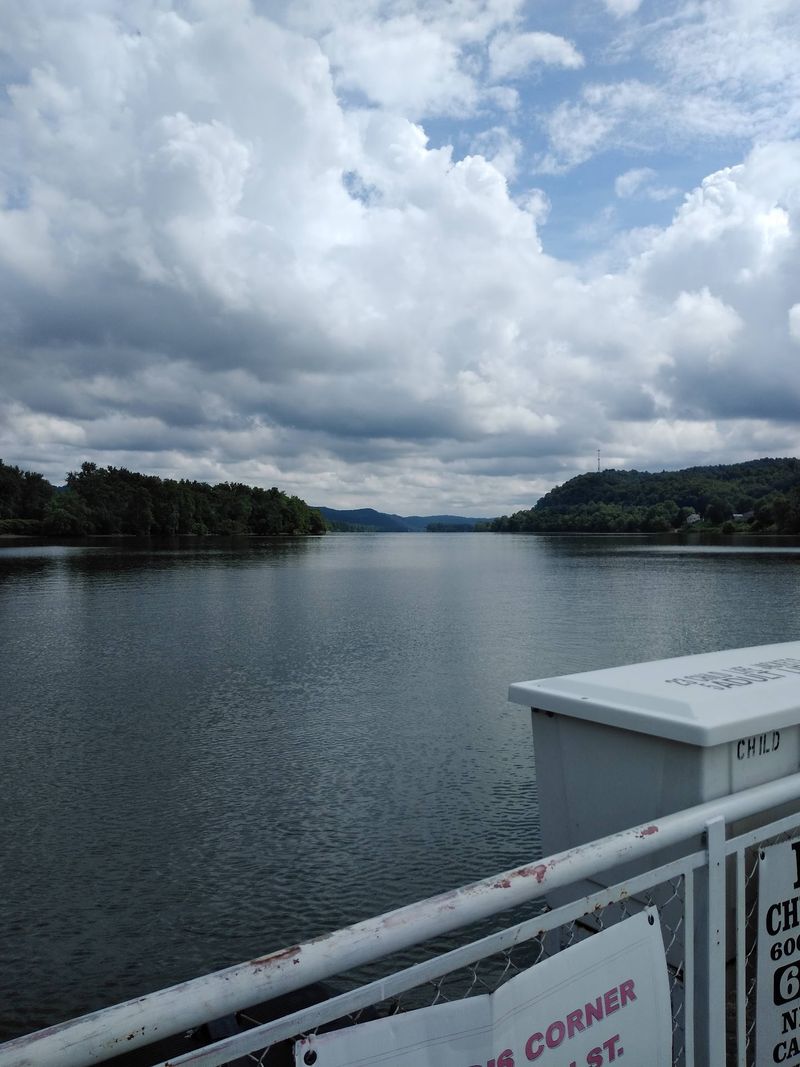
In 1770, a young surveyor named George Washington traveled down the Ohio River. He reportedly camped along the Long Reach, the historic stretch of river near where the ferry runs today.
The Long Reach earned its name honestly. It’s a long, straight run of the Ohio that gives travelers a wide-open view in both directions.
That straight shot of water makes the ferry ride especially scenic. You get a broad look up and down the river instead of a quick glimpse around a bend.
Wooded hills rise on both banks. Depending on the season, they can glow green in summer or turn warm shades of orange and gold in autumn.
It’s fun to think about the layers of history stacked here. Washington’s survey trip, the 1817 ferry franchise, and today’s diesel towboat all share the same water.
Bring a camera, or at least a phone with some free space. The river views from the middle of the crossing are hard to beat.
For anyone who loves West Virginia scenery, this short ride packs in a surprising amount of beauty. History just makes it better.
Friendly Deckhands, Live Tunes, And Treats For The Dog
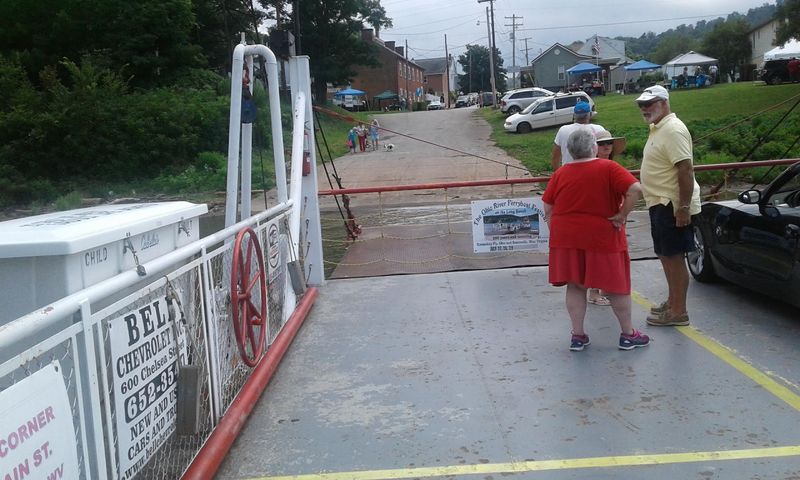
Some transportation feels cold and businesslike. This crossing has a reputation for the opposite, with a crew known for being friendly and happy to chat.
Small-town hospitality shows up even on the water. A quick wave and a little conversation can turn a five-minute ride into a pleasant memory.
Every so often, there’s even a soundtrack. Local musicians have been known to play on board, adding a little river-town serenade to the trip.
That’s not a guaranteed feature, so treat it as a happy bonus. If it happens on your crossing, consider yourself lucky.
Traveling with a four-legged friend? The crew has reportedly kept dog treats handy, which might make your pup the biggest fan of the whole operation.
Little touches like that matter. They make the Sistersville Ferry feel less like a commute and more like a neighborly gathering that happens to float.
It’s the kind of warmth that keeps people coming back. Plenty of families have ridden this ferry across generations, and the welcome seems to be part of the tradition.
Fireworks From The Water Beat Any Lawn Chair
Fireworks look good from almost anywhere. From the middle of the Ohio River, they look downright spectacular.
The ferry has offered special event cruises over the years, including a fireworks dinner cruise. It has been tied to Sistersville’s Freedom Festival celebration, with a river cruise followed by fireworks viewing.
Picnic-style food and classic tunes from a DJ have reportedly been part of the fun. Details can change from year to year, so watch for announcements before planning around it.
The city also offers public and private cruises. Those outings help fund the ferry, alongside fares, grants, merchandise sales, and donations.
That means a festival cruise does double duty. You get a memorable night on the water, and the crossing gets support to keep running.
Festival weekends in the area often bring extra visitors to the riverfront. A ferry ride fits nicely into a day of small-town celebrating.
Merchandise sales help too. Picking up a souvenir is an easy way to bring home a piece of West Virginia river history while chipping in for its future.
Two Landings, Two States, Plenty To Explore
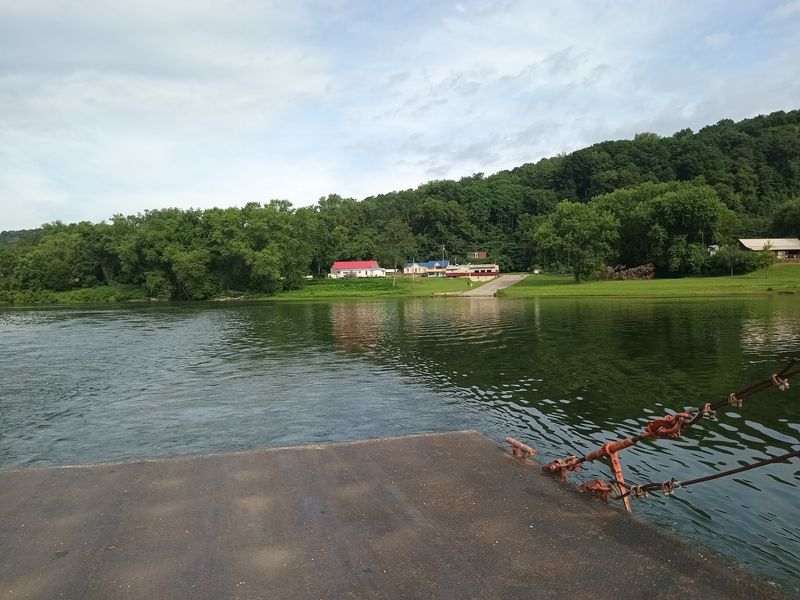
On the West Virginia side sits Sistersville Landing. Across the water waits Fly Landing in Fly, Ohio, a tiny community with one of the shortest names around.
Fly is the kind of place that makes you smile on a road sign. Saying you took a ferry to Fly sounds like a riddle, and it’s completely true.
Sistersville itself carries plenty of history worth exploring. The town grew up along the river, and an old oil well nearby makes an interesting pit stop for curious travelers.
Wandering the riverfront before or after a crossing is a nice way to stretch your legs. The views of the water from the landing are pleasant all on their own.
Many people fold the ferry into a bigger day out. Motorcycle riders and cyclists often enjoy the river roads on both sides.
The ferry also makes regional festivals easier to reach. It’s a handy shortcut between the two banks during busy summer weekends.
Whichever direction you go, you’ll arrive somewhere with its own small-town flavor. Two states, two landings, one charming way to connect them.
A Sunken Towboat And A Town That Refused To Quit
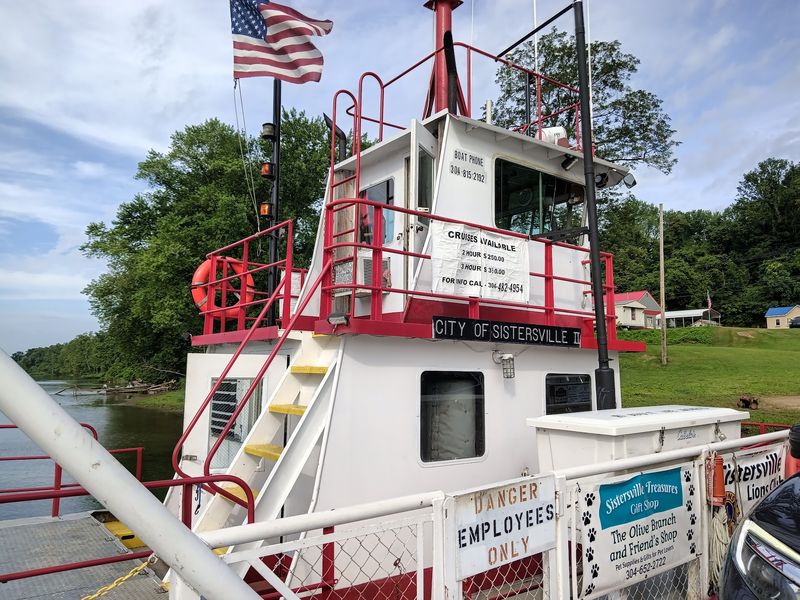
April 2026 brought tough news to the riverfront. The ferry’s towboat, the City of Sistersville II, sank and was later deemed unrepairable.
Losing the boat that pushes the barge stopped service in its tracks. Thankfully, the barge itself, the G.B.
Harmon, wasn’t damaged and remains seaworthy.
Sistersville didn’t let the story end there. In July 2026, the city council approved funds to acquire a new tow boat.
The replacement will be called the City of Sistersville 3. Plans have pointed toward restoring service later in 2026, though timelines can shift.
That’s why checking ahead matters more than ever. Before heading out, confirm through the city or the ferry’s official channels that service has resumed.
Hours have historically been seasonal, typically Thursday through Sunday from 9 a.m. to 6 p.m. The ferry hasn’t operated year-round, so a quick check saves a disappointing drive.
Honestly, this chapter adds to the legend. A town keeping a crossing alive for over 200 years wasn’t about to let one sunken towboat end the run.
Your Ticket To A Tiny Voyage With A Big Backstory
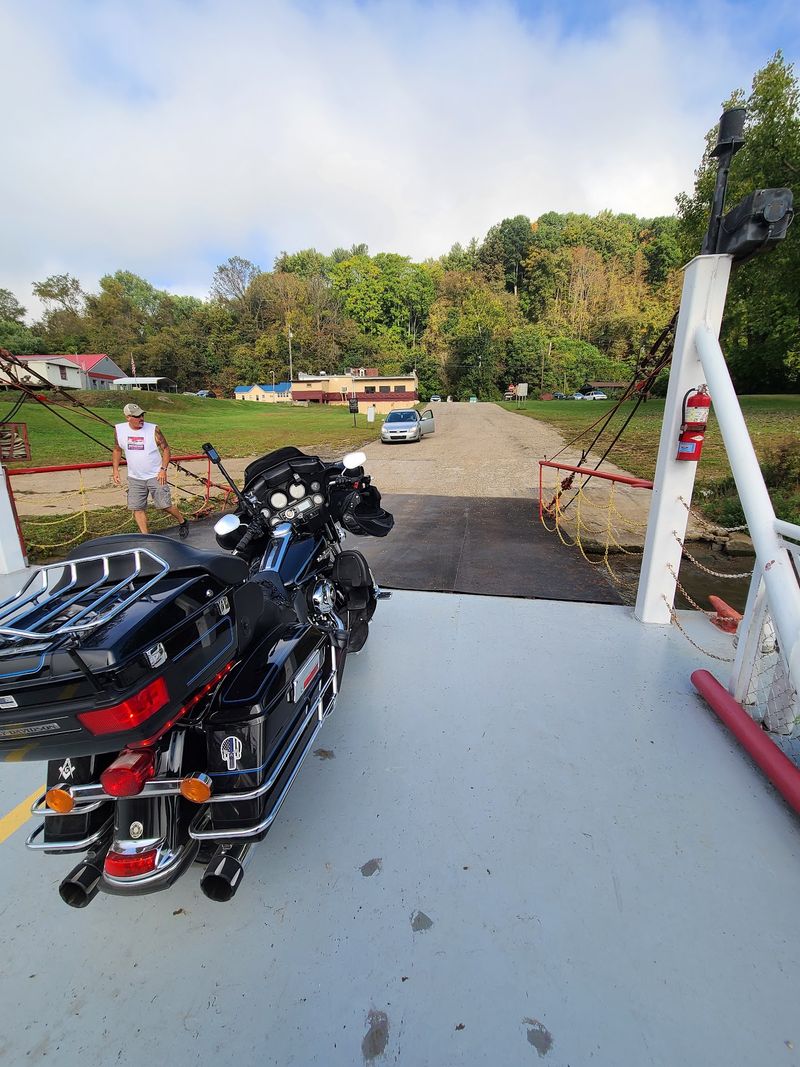
Some outings need a whole weekend. This one fits between breakfast and lunch, yet it leaves you with a story that stretches back to 1817.
The Sistersville Ferry landing sits at 900 Riverside Dr, Sistersville, WV 26175. Head toward the river, and you’ll find the spot where Tyler County meets the Ohio.
Plan around the seasonal schedule and the 2026 return of service. A little homework ahead of time keeps the trip smooth.
Families will find it an easy, affordable adventure. Riders, history lovers, and anyone who has never set foot on a ferry will get a kick out of it too.
I like that it asks so little and gives so much. Five minutes on the water, a pair of states, and a heritage older than West Virginia itself.
Every fare and cruise ticket helps keep the tradition afloat. That’s a pretty good return on a short ride.
So when the new towboat starts pushing the G.B. Harmon again, go say hello.
The river has been waiting, and so has a little town with a very long memory.
