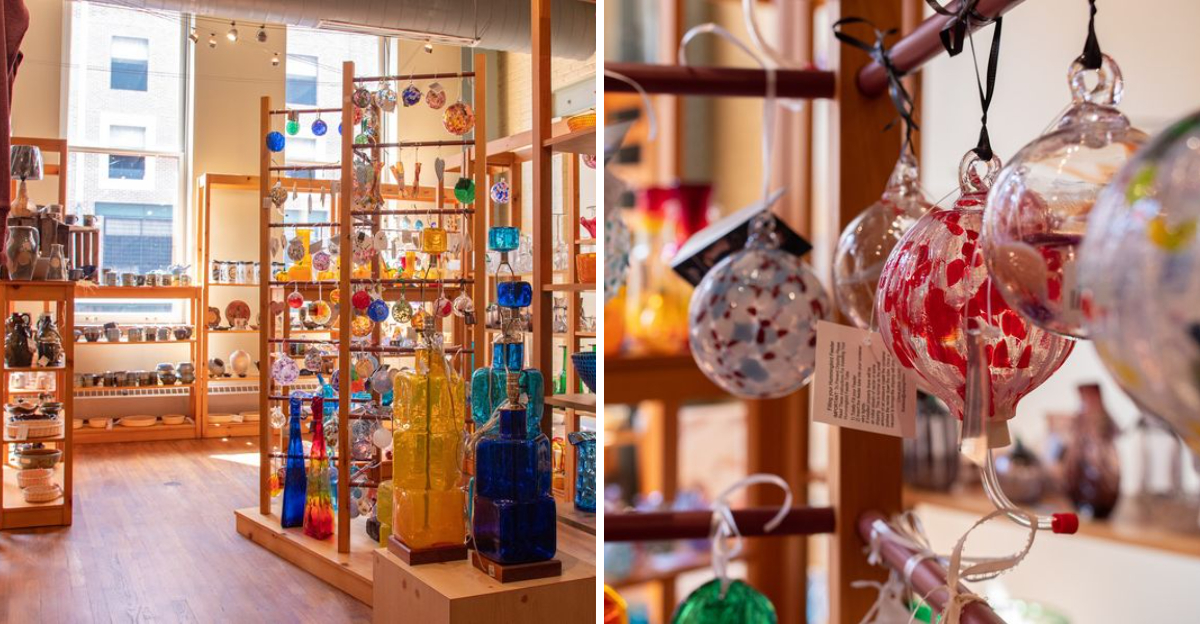
Show me a road trip that does not get better with a stop like this.
A West Virginia shop where artists and makers fill the shelves with handmade pottery, one-of-a-kind jewelry, and local pantry goods that will tempt you to buy two of everything.
The building itself is a stunner. A massive open atrium inside a renovated industrial relic from the 1800s.
You will wander through curated collections of glasswork, fabric art, and books that celebrate Appalachian life.
The owners make you feel like you have lived here for years.
It is the kind of place where you walk in for a quick look and lose track of time completely.
And honestly?
You will not mind one bit.
A Historic Building With Room To Breathe
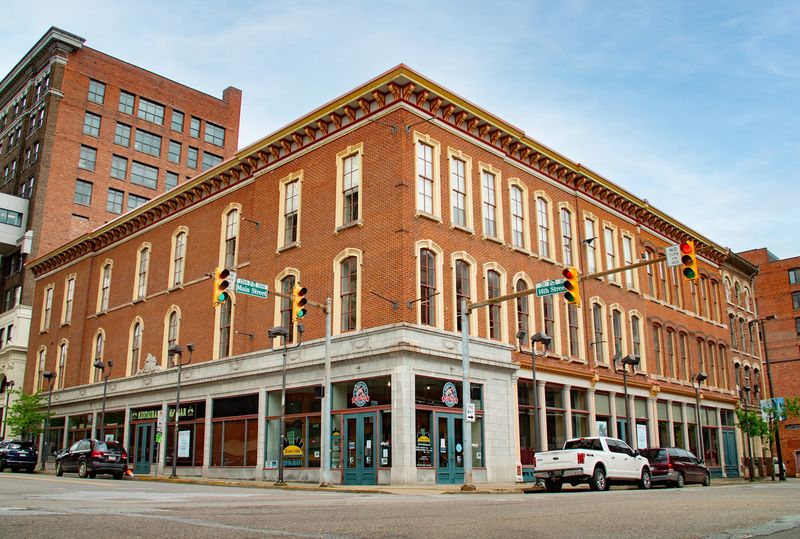
The first thing that grabs you here isn’t merchandise at all. It’s the room.
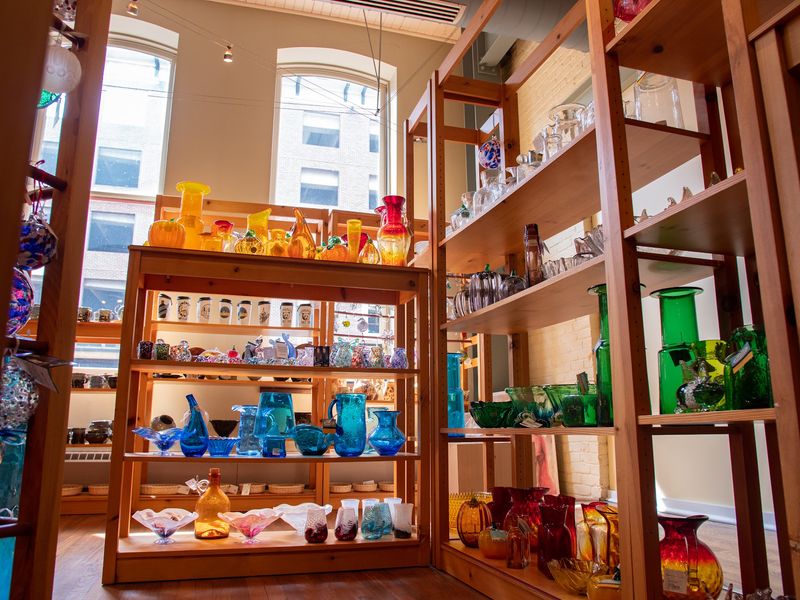
Brick walls climb upward, and a three-story atrium pulls your eyes toward the light coming from above.
The structure dates back to the 1860s, meaning it stood here before the Civil War and has carried a long list of jobs since then. Over the years the space held wholesale distribution operations, an electric company, a barber shop, and even typewriter sales.
Renovation work brought several separate buildings together into one connected destination, with major updates in 1996 and further modernization wrapped up in August 2024. The result feels open and airy rather than cramped, which is rare for a craft store.
Practical tip for travelers: there’s a parking garage across the street, which saves you circling downtown blocks looking for a spot. Give yourself a minute in the atrium before you start shopping.
The building sets the mood for everything that follows, and rushing past it would be a genuine shame.
Appalachian Craft, Gathered Under One Roof
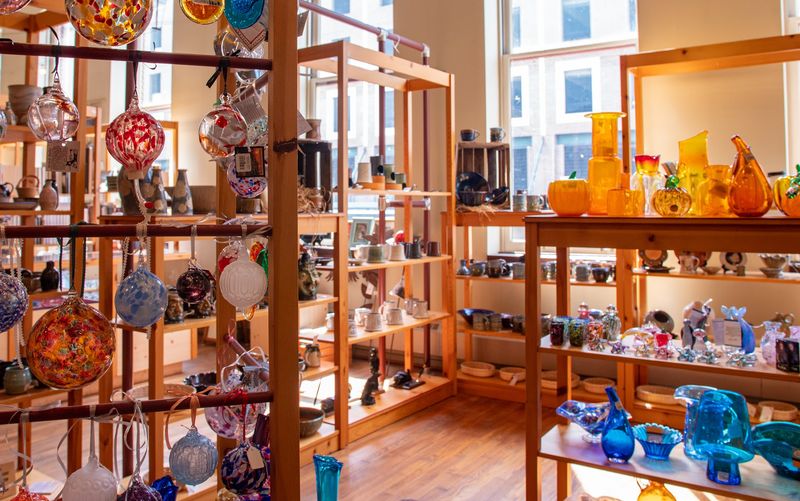
Handmade goods from across the region fill this shop, and the selection leans hard into local and regional talent. Pieces come from artisans working in West Virginia and the wider Appalachian area, with additional American-made products rounding things out.
What I appreciated most was the labeling. Many items include information about the artist and where the work was made, so you’re not guessing at origins.
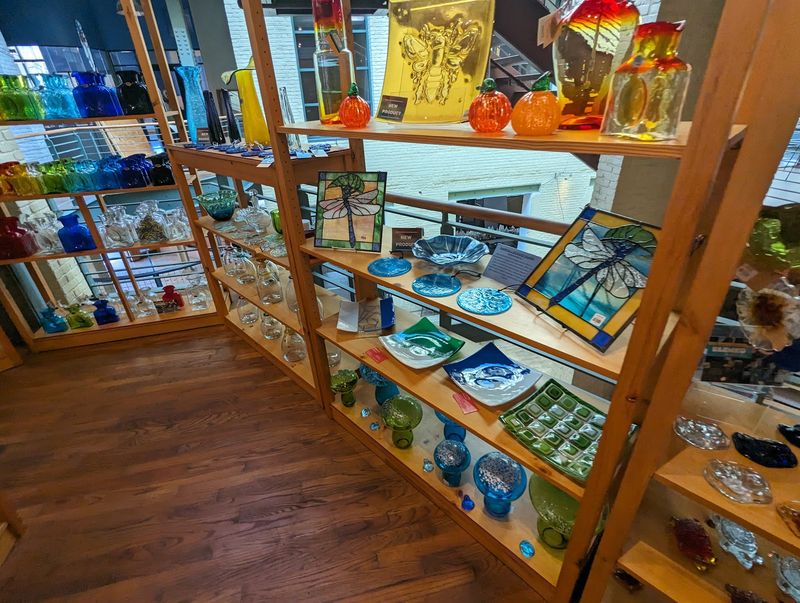
Glass catches light near the atrium windows. Pottery sits heavier and earthier on nearby shelves, with mugs and bowls meant for real use rather than display cases.
Because the collection is curated instead of crammed, browsing feels relaxed. You can pick something up, turn it over, and actually consider it.
If you’re shopping for gifts, this is the sort of place where one stop covers several people on your list. A ceramic piece for a coworker, a small wooden item for a relative, something textile for yourself.
Everything carries the mark of a specific pair of hands, which makes the choosing part surprisingly fun.
Glasswork That Stops You Mid-Step
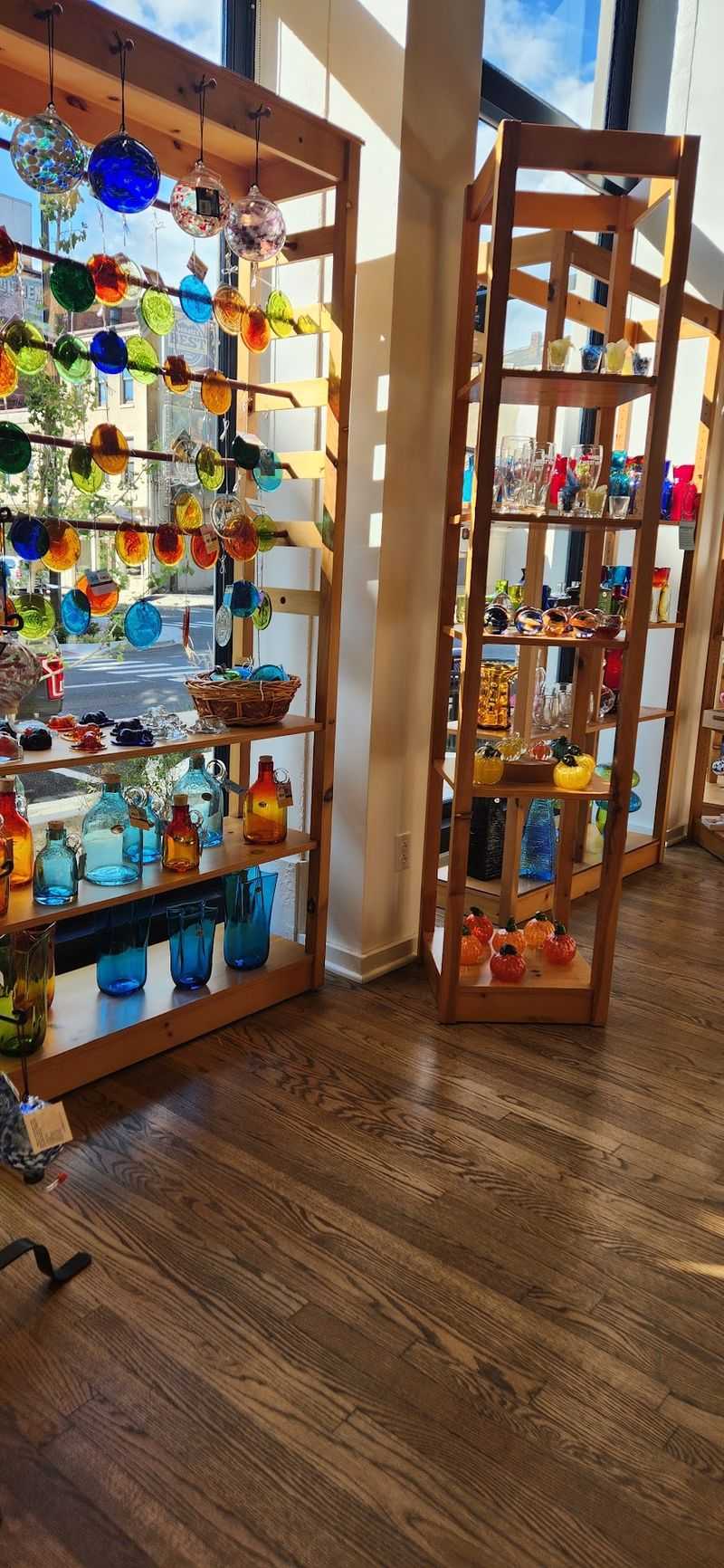
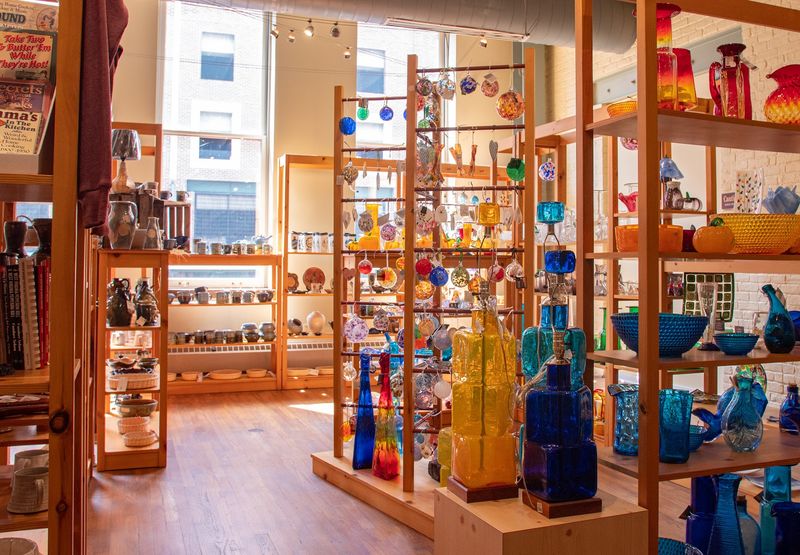
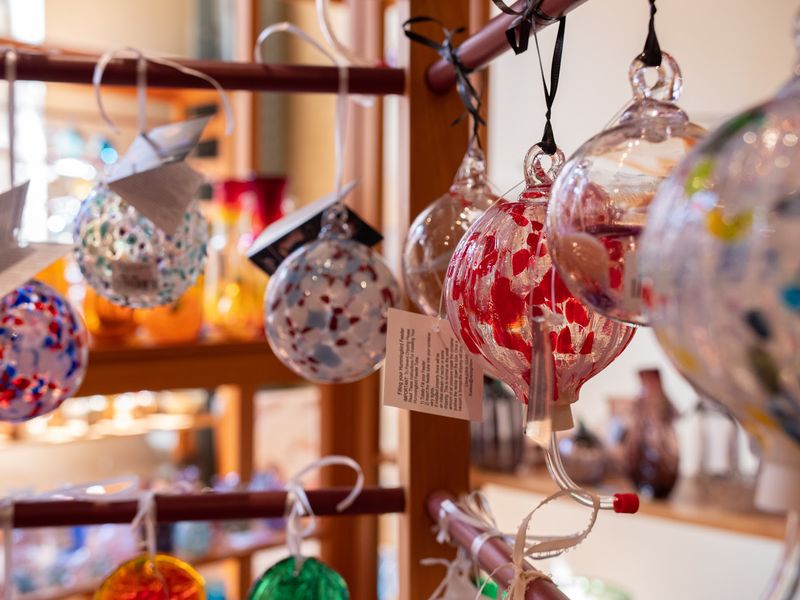
West Virginia and glass go way back, and that history shows up beautifully on these shelves. Colored pieces sit where daylight can reach them, and the effect is a bit like a stained window broken into small parts.
Some items are purely decorative. Others are practical, the kind of thing that ends up on a windowsill at home catching morning sun.
Glass is one of the most mentioned highlights among visitors, and it’s easy to understand why once you’re standing in front of it. The color depth reads differently depending on the angle you take.
A small suggestion: ask about the pieces if something catches your interest. Staff here tend to be knowledgeable about materials and makers, and that context adds a lot.
If you’re driving, plan how you’ll pack a fragile purchase before you buy. A towel or spare jacket in the back seat works fine.
Nothing sours a souvenir faster than hearing it rattle around near Exit 12 on the way home.
Pottery Built For Everyday Use
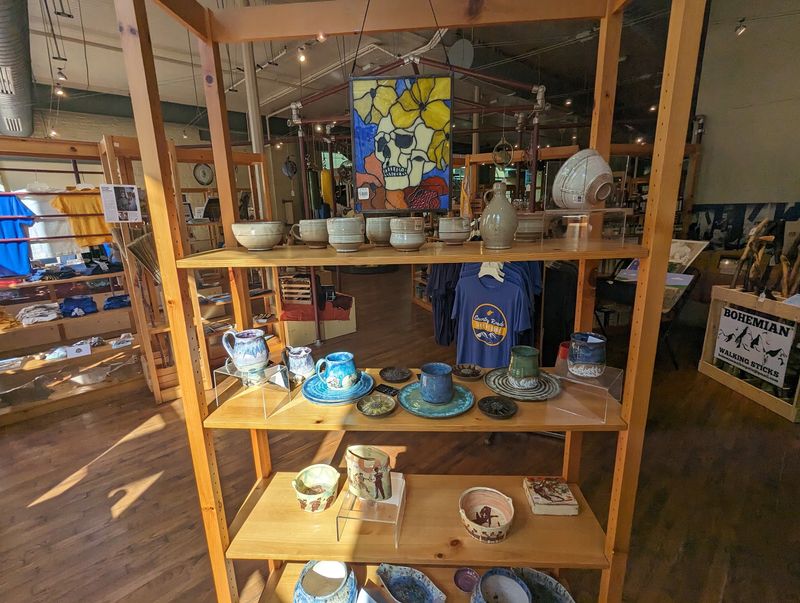
Mugs with thick handles, bowls that feel balanced in your palm, plates glazed in browns, blues, and soft greens. Pottery here is made to be used, not admired from a distance.
Pick up a piece and you notice weight first. There’s a solidity to hand-thrown work that factory ceramics never quite manage.
Styles vary from maker to maker, so two shelves can feel like two different worlds. One potter might favor smooth, minimal shapes, while another leans into texture and drips of color.
Ceramic flowers also turn up among the offerings, which makes an unusual gift for someone who likes plants but forgets to water them.
My honest advice? Choose the mug you’d actually reach for on a Tuesday morning, not the fanciest one on display.
Souvenirs that get used stick around in your memory far longer than the ones stashed in a cabinet. Every time you drink coffee from it, you’re back in that brick building with light streaming down.
Mountain Pantry Finds Worth Packing Home
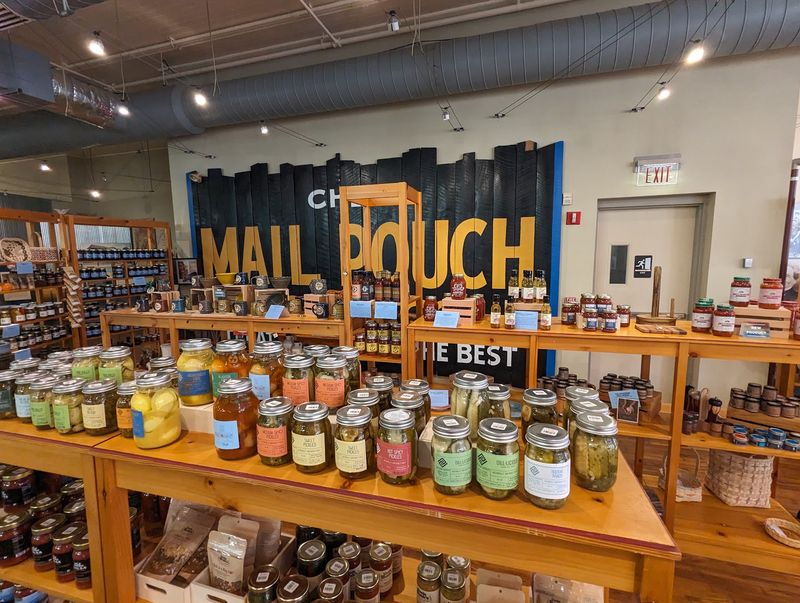
Tucked among the crafts sits a food section that genuinely surprised me. Jars of local honey and pure maple syrup line the shelves, along with jams, jellies, and pickles in a variety of flavors.
Salsas and muffin mixes turn up too, which means you can carry a taste of the region straight into your own kitchen.
Food makes a smart travel purchase. It doesn’t gather dust, it’s easy to share, and it usually costs less than a large handcrafted piece.
Honey and syrup travel well in a cooler bag or wrapped in clothing inside your suitcase. Just check the lids before you toss anything in a bag.
Cooking a batch of muffins from a mix you bought hundreds of miles away has a funny way of bringing the whole trip back. Breakfast becomes a small memory exercise.
Pick two or three jars, then spread them out over the following months. That way the road trip lasts well past the drive home.
Fabric Arts, Jewelry, And Small Surprises
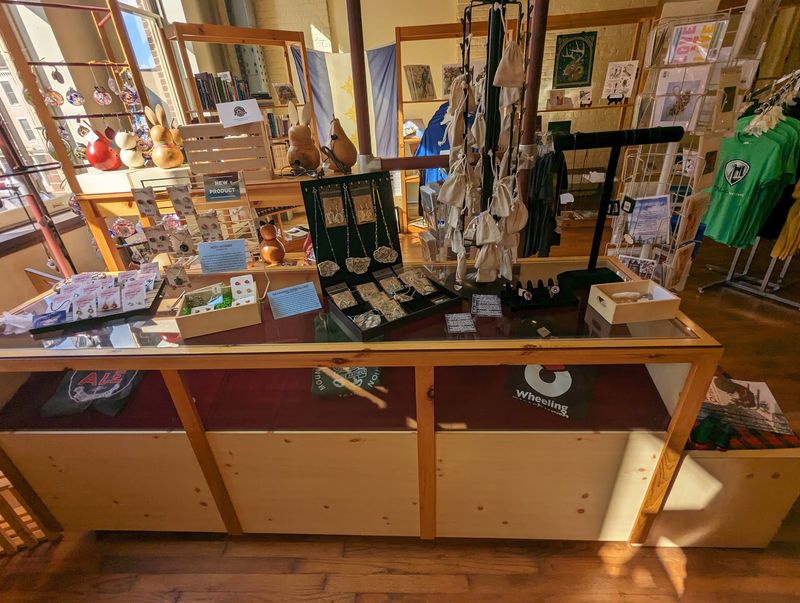
Textiles bring a softness to a space full of glass and clay. Scarves hang where you can run a hand along them, and quilts sit folded with patterns that mix tradition and newer design ideas.
Jewelry cases hold pieces detailed enough to reward a slow look. Earrings, pendants, small wearable things with real character.
Then there are the handcrafted toys, which I did not expect. Wooden and imaginative, they feel like the opposite of anything mass-produced on a factory line.
Books about local interest topics round out this corner, useful if you want to understand the area beyond a quick stop.
Shopping here works best without a strict plan. The best finds tend to be the ones you weren’t looking for, tucked between two categories you thought you’d skip.
Bring reading glasses if you need them for jewelry details. And leave a little extra time, because the small stuff is exactly where people tend to lose track of the clock.
Souvenirs That Actually Mean Something
Most highway souvenir racks blur together. Not the case here, where keepsakes carry actual local flavor instead of generic filler.
Postcards feature photography of the area, and t-shirt designs nod to the character of the region rather than shouting a slogan. Magnets show scenic views, and small handcrafted mementos give you something with real texture.
Buying any of it supports the artisans and the local economy, which adds a nice layer to a purchase that would otherwise be forgettable.
For anyone traveling with kids, this section is a lifesaver. Small items, easy choices, minimal fragility.
Postcards deserve a mention on their own. Write one at a rest stop later that day while the details are still fresh, and mail it to yourself.
It’s an old trick, but it works.
The point of a souvenir isn’t the object. It’s the moment it drags back into view months later, standing in a bright old building somewhere in West Virginia, unhurried and curious.
Made In Wheeling Exhibits Add Real Context
Shopping isn’t the whole story under this roof. The Made in Wheeling exhibits offer interactive displays covering the city’s industrial past, and they’re worth the walk-through even if you buy nothing.
Panels highlight local historical figures and the manufacturing that once powered the area. Suddenly the glass and pottery on the shelves make more sense as part of a longer chain.
Kids tend to like the interactive elements, and adults get a quick, painless history lesson without needing to buy a museum ticket.
I’d suggest doing the exhibits first, then browsing. Knowing what the region produced changes how you look at what’s for sale now.
Upstairs, the third-floor Loft Gallery hosts changing art exhibits and doubles as an event space, so what’s on view shifts from visit to visit. Repeat travelers get something new.
Between the retail floor, the exhibits, and the gallery, a quick stop stretches easily into an hour or more. Budget accordingly if you’re on a schedule.
Staff Who Know The Stories Behind The Shelves
Conversation is part of what makes this stop different. Staff here tend to be genuinely knowledgeable about the artisans they represent and the materials used in the work.
Ask where a piece came from, and you’ll usually get an answer with substance behind it. That turns a quick purchase into something closer to an introduction.
Visitors frequently mention how friendly and helpful the people working here are, and that reputation matches the relaxed feel of the place.
They also know the surrounding downtown well, so it’s worth asking what else is nearby before you head back to the car. Local recommendations beat guessing from a phone screen.
Nobody hovers or pushes. You’re free to wander, circle back, and change your mind twice before deciding.
That easy pace is exactly what makes browsing enjoyable rather than a chore. When someone can tell you how a thing was made, you stop seeing merchandise and start seeing craft.
Big difference, and it’s the reason this place lingers.
Planning A Stop That’s Worth The Detour
Timing matters if you want to walk in without disappointment. Doors open at noon, staying open until 6 PM Tuesday through Saturday and until 5 PM on Monday, with Sunday closed entirely.
That midday opening actually works well for road trippers. Drive in the morning, browse in the afternoon, then keep rolling.
Parking sits in a garage across the street, which makes the logistics simple in a downtown setting. The ground floor also includes a casual restaurant if you need a break.
Accessibility is generally good thanks to the renovated layout, though it’s smart to ask at the front if you have specific needs.
Art lovers, food shoppers, and people who just like unusual finds all get something out of it. So do travelers who simply want to stand somewhere beautiful for a while.
You’ll find the Wheeling Artisan Center Shop at 1400 Main Street, Wheeling, West Virginia 26003, right in the heart of downtown and easy to fold into any drive through the region.
