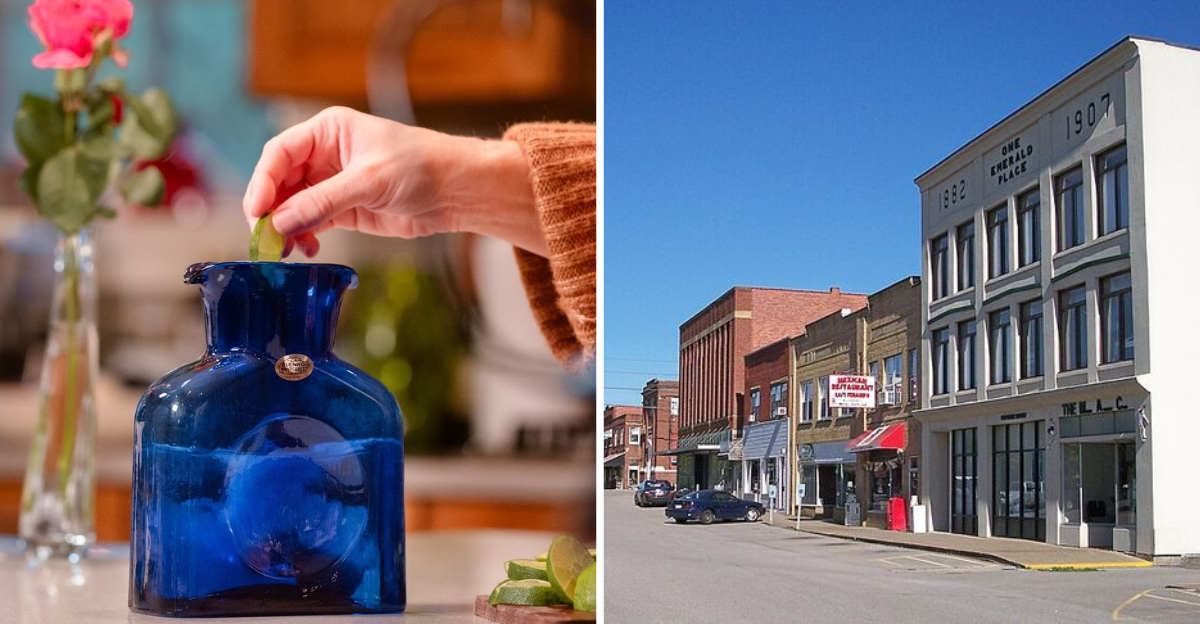
You have probably seen their stunning, colorful glassware in museums or even the White House without realizing this tiny town is its home.
For over a century, this place has been quietly shaping molten silica into internationally renowned works of art, all by hand.
But the real magic happens when you step inside and watch the artisans at work.
The factory floor glows with an orange heat as skilled craftsmen transform a blob of molten glass into a beautiful, one-of-a-kind piece right before your eyes.
Visitors can even try making their own glass creation, a hands-on experience that is as thrilling as it is challenging.
This West Virginia town proves that true artistry is alive and well.
Are you ready to witness glassblowing mastery?
The Blenko Glass Company
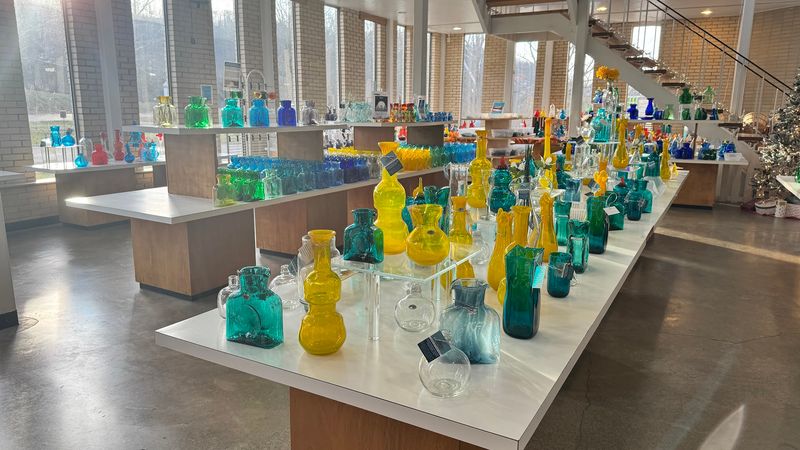
Walking up to the Blenko Glass Company feels a little like stumbling onto a set from a movie about American craftsmanship. The building itself is modest, but what happens inside is anything but ordinary.
Founded originally in 1893 and relocated to Milton in 1921, Blenko has been quietly making magic for over a century.
The company is family-owned and operated, which gives the whole place a warm, personal energy that big factory tours just cannot replicate. Every piece of glass made here is shaped by human hands, not machines.
That alone makes it worth the drive.
Blenko is one of the last remaining glass manufacturers in West Virginia, a state that once had a booming glass industry. The combination of abundant silica sand and natural gas made the region ideal for glassmaking.
Milton became the permanent home of this legacy, and the town has embraced that identity fully. Visiting Blenko is the clearest starting point for understanding why Milton matters on the American craft map.
A Craft That Refuses to Quit
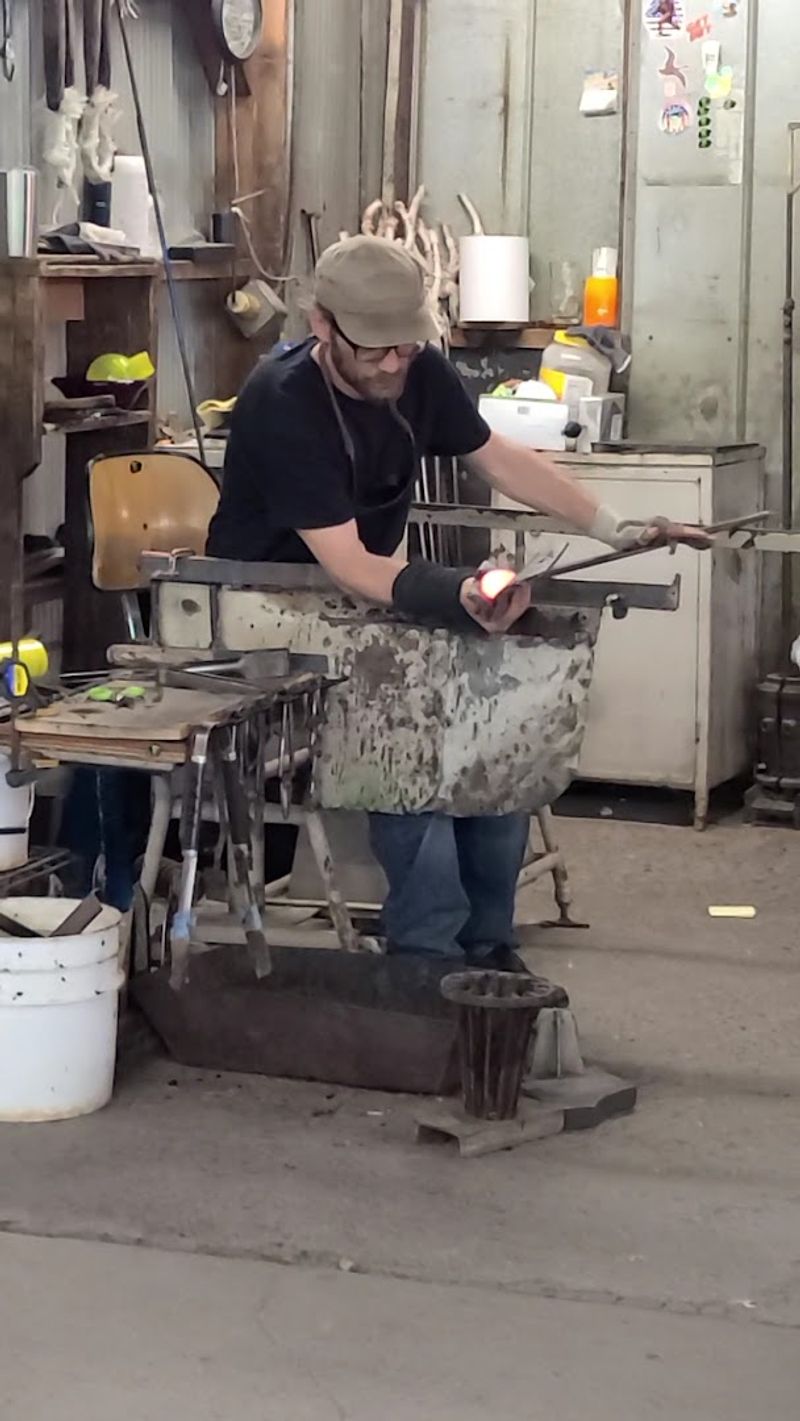
There is something almost hypnotic about watching molten glass get shaped by breath and hands alone. The process looks effortless from the observation deck, but it takes years of practice to make it look that smooth.
Each piece at Blenko starts as raw material fed into a furnace burning at extreme temperatures.
What makes Blenko’s approach genuinely special is that the craftspeople here still use traditional methods passed down across generations. No two pieces are exactly alike.
Small air bubbles, slight variations in thickness, and the faint marks left by tools are not considered flaws. They are considered signatures.
In a world where almost everything is mass-produced, hand-blown glass feels quietly rebellious. Blenko leans into that philosophy completely.
The company prides itself on preserving a process that most manufacturers abandoned long ago. Picking up a Blenko piece and knowing a real person shaped it with their breath and skill adds a layer of meaning that no factory product can match.
It is craft as connection.
Watching Glass Come Alive
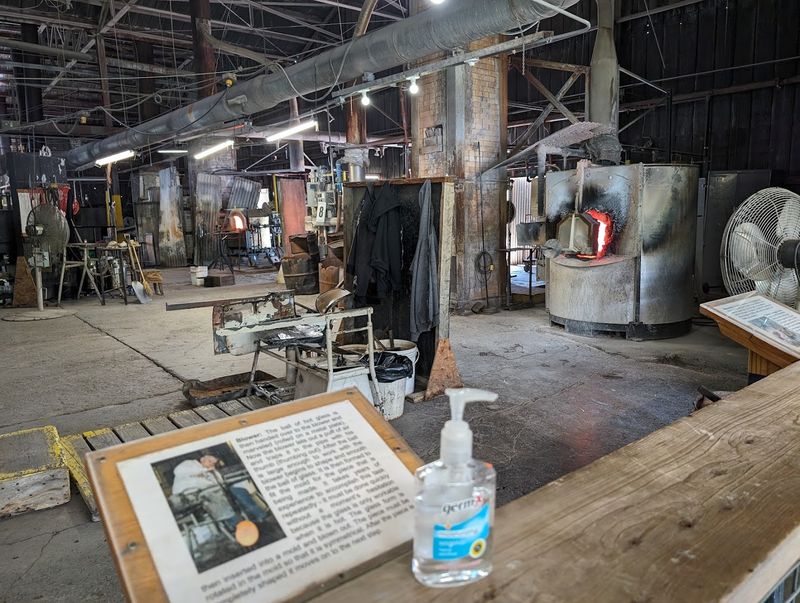
Stepping onto the observation deck above Blenko’s hot shop is a full sensory experience. The heat radiates upward even from a safe distance, and the glow from the furnaces gives the whole room a warm amber light.
It feels less like a factory floor and more like watching an ancient art form in real time.
The hot shop is where all the action happens. Craftspeople move with practiced rhythm, gathering molten glass onto long metal pipes and rotating them constantly to keep the material from drooping.
Shapes emerge almost magically as tools and breath guide the glowing mass into recognizable forms.
Visitors can watch from above without disrupting the work, which makes the experience feel respectful rather than intrusive. The whole setup gives a genuine window into what skilled labor actually looks like.
For kids and adults alike, seeing the transformation from raw material to finished object is genuinely thrilling. The hot shop visit alone justifies the trip to Milton, no question about it.
Colors Made from Scratch
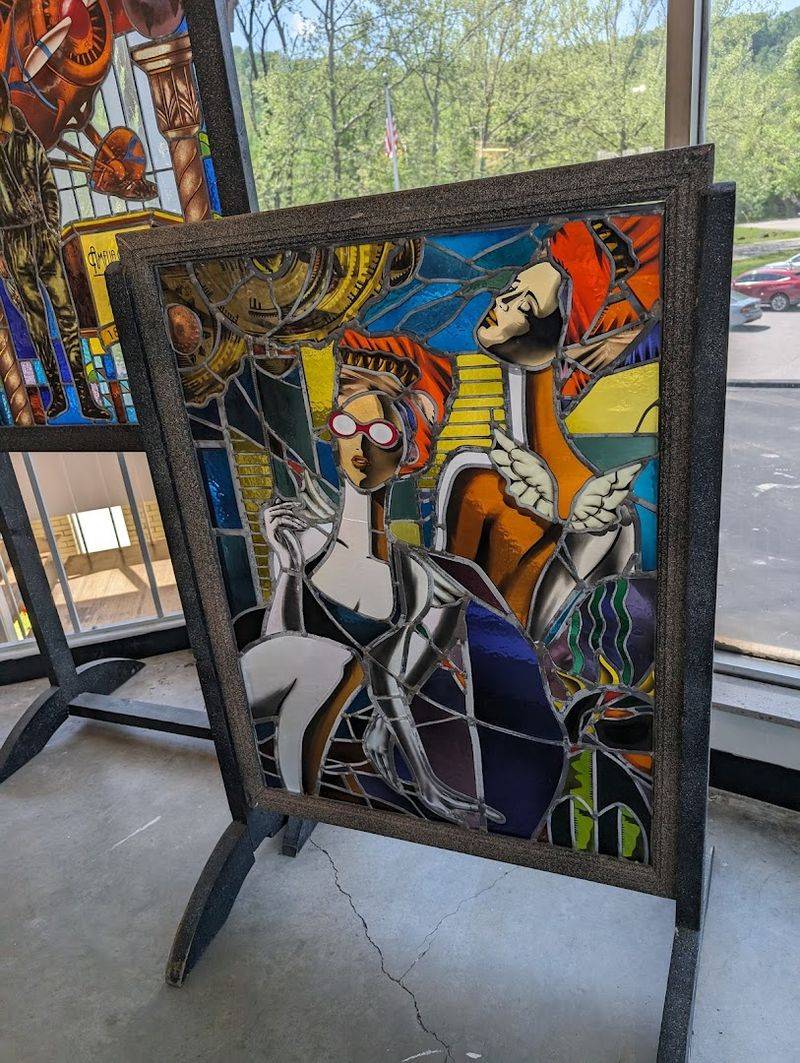
One of the most surprising facts about Blenko is that the company makes its own colors from raw materials. Each color has its own dedicated furnace, which means the palette is not just chosen from a catalog.
It is created from the ground up, batch by batch, with real chemistry behind every shade.
The results are stunning. Deep cobalt blues, rich amber tones, vivid emerald greens, and soft lavenders fill the gift shop shelves like a stained-glass window brought down to earth.
The colors have a depth and luminosity that machine-made glass simply cannot achieve. Holding a piece up to sunlight feels like holding a little bit of fire.
Because the colors are handmade, slight variations exist between batches. That unpredictability is part of the charm.
Collectors love the way two pieces of the same style can look subtly different depending on when they were made. Blenko’s color work is a huge reason the brand has built such a devoted following over the decades.
It is genuinely hard not to want every single piece.
The Museum with a Century of Glass History
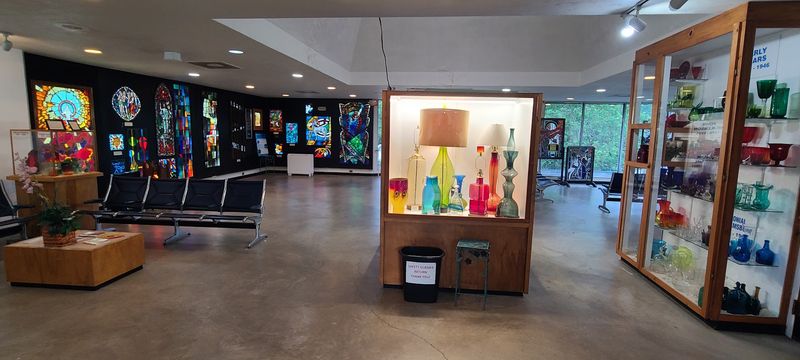
Right on the Blenko campus sits a museum that most visitors underestimate until they are actually inside it. The collection spans over a century of American glassmaking, tracing the company’s evolution from its early stained glass roots to the bold decorative pieces it produces today.
It is genuinely absorbing, even for people who did not think they cared about glass history.
The museum highlights the designers Blenko has worked with over the years, showcasing how the company blended craft with artistic vision. Some of the pieces on display look surprisingly modern, with clean lines and sculptural shapes that would fit comfortably in a contemporary art gallery.
Others feel warmly vintage, carrying the aesthetic of the era in which they were made.
There is also a section dedicated to West Virginia Day collectibles, limited-edition pieces that Blenko creates annually to commemorate the state. These items have become seriously sought-after among collectors.
Spending time in the museum before or after watching the glassblowing adds real context to what you see in the hot shop. It turns a fun visit into something genuinely educational.
Bringing Home a Piece of Milton
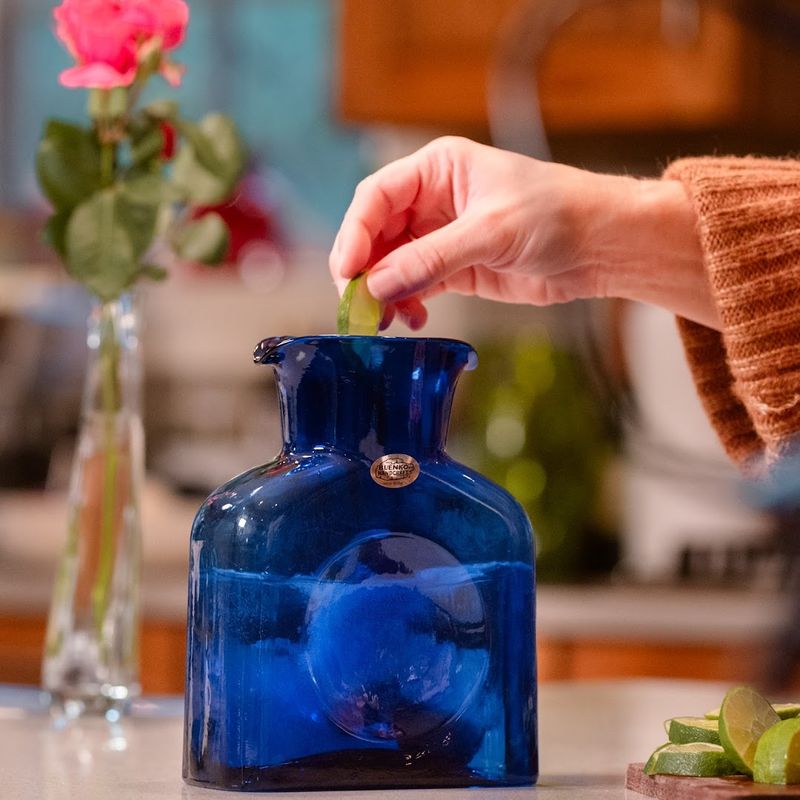
Few gift shops actually justify spending real money, but Blenko’s is a legitimate exception. The selection ranges from small ornamental pieces to large statement vases, and everything is made right there in Milton.
Knowing that changes how you look at the price tags. These are not souvenirs.
They are functional art.
The shop carries both first-quality pieces and what the company calls “seconds,” which are items with tiny imperfections that do not affect their beauty or function. Seconds are sold at reduced prices and are incredibly popular with budget-conscious shoppers.
Honestly, the differences are often nearly impossible to detect without being told where to look.
The iconic Blenko water bottle, first introduced in 1938, is a perennial bestseller and makes a fantastic gift for anyone who appreciates design history in everyday objects. Picking one up feels like owning a small slice of American craft tradition.
The gift shop also rotates seasonal and limited pieces, so return visitors often find something new. It is the kind of place where you walk in for one thing and leave with five.
From Milton to the World
Blenko’s stained glass work has literally made it onto some of the most famous buildings in the world. The National Cathedral in Washington, D.C. features Blenko glass, and so does the Reims Cathedral in France.
For a small company based in a West Virginia town with a population under 3,000, that is a remarkable global footprint.
The stained glass side of the business reflects where Blenko started. William J.
Blenko originally focused on producing sheet glass for stained glass windows when he founded the company in 1893. That heritage never fully disappeared.
The company has maintained its ability to produce architectural glass alongside its decorative line, keeping both traditions alive simultaneously.
Learning about this history reframes how you think about Milton itself. The town is not just a quirky stop on a road trip.
It is connected to some of the most significant architectural and artistic spaces in the world through the glass produced right here. That context adds a genuine sense of weight and pride to everything you see at the facility.
Milton punches well above its weight class.
Milton’s Small-Town Charm Beyond the Glass
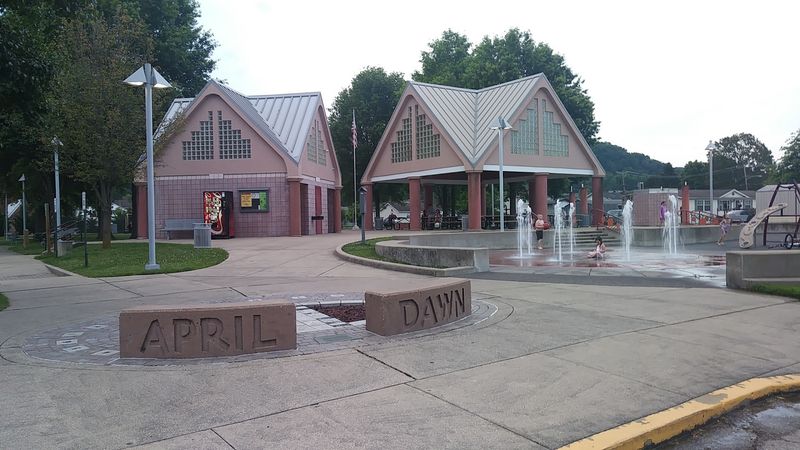
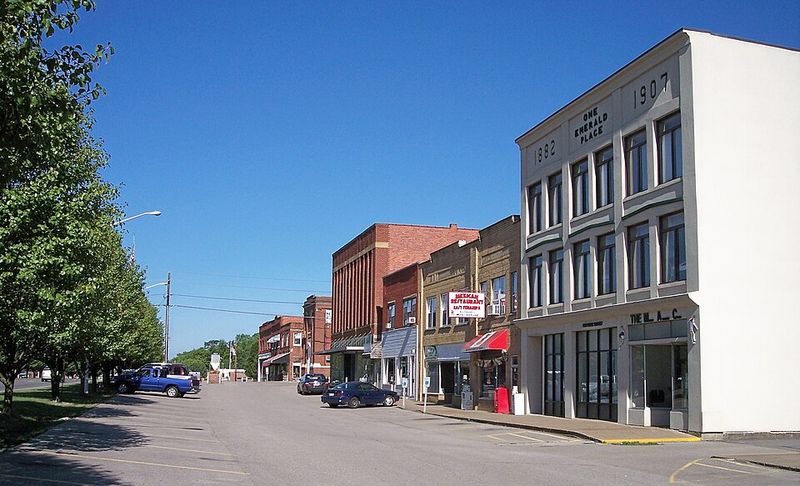
Milton is the kind of town that takes about five minutes to drive through end to end, but rewards a slower pace significantly more. Beyond the Blenko campus, the town has a relaxed, unhurried energy that feels genuinely refreshing after time spent on busy highways.
Small local businesses dot the main streets, and the whole place feels lived-in and real.
The surrounding Cabell County landscape is classic West Virginia: rolling hills, green tree cover, and that particular quality of light that makes everything look slightly more cinematic than it deserves to.
Stopping to eat somewhere local and just absorbing the atmosphere is absolutely part of the full Milton experience.
Milton sits within the Huntington-Ashland metropolitan area, which means it has easy access to larger amenities while still maintaining its small-town character. That balance is harder to find than it sounds.
The town feels like it belongs to the people who live there rather than to tourism, which makes visiting it feel like a genuine discovery rather than a packaged experience.
That authenticity is rare and worth seeking out.
What to Know Before You Go
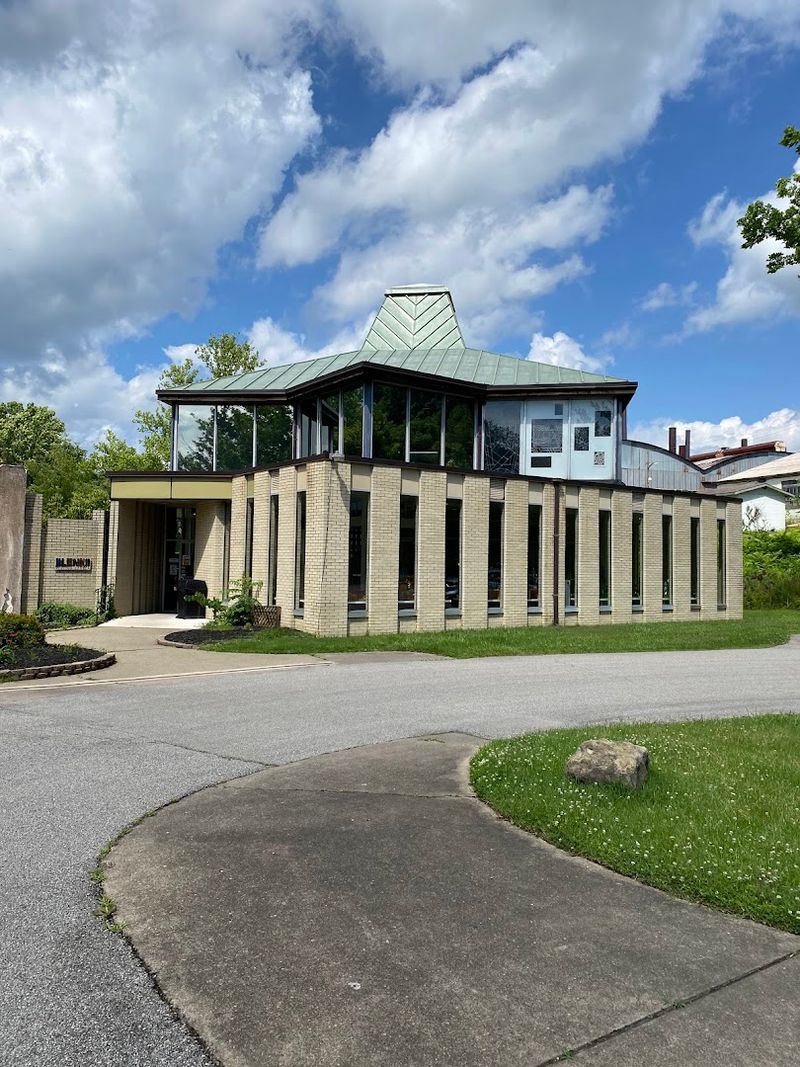
Getting to Milton is straightforward whether you are coming from Huntington, Charleston, or just passing through on Interstate 64. The town is easy to find, and Blenko Glass is well-signposted once you are in the area.
Plan to spend at least two to three hours if you want to see the museum, watch the glassblowing demonstration, and browse the gift shop properly.
The factory floor observation is free to visit, which is genuinely generous given how much of an experience it is. The gift shop has options across a wide price range, so there is something for every budget.
Arriving earlier in the day tends to mean more glassblowing activity, since production schedules can vary.
Milton is a perfect addition to any West Virginia road trip itinerary, especially if you are already heading through the Huntington area. Combining it with other regional stops makes for a rich, varied travel day.
The town is welcoming, the attraction is one-of-a-kind, and the glass you bring home will outlast almost any other souvenir you have ever bought.
Address: Blenko Glass Company, 230 Fairground Road, Milton, West Virginia.
