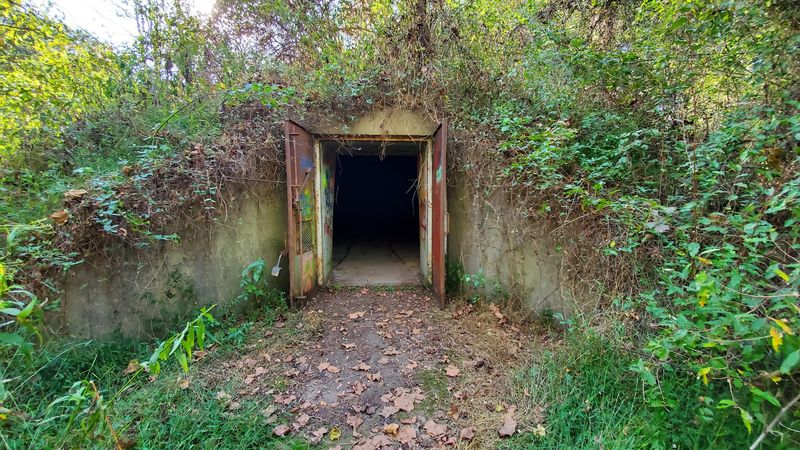
Some places in West Virginia look quiet on the surface, then quietly knock the wind out of you once you start walking. Picture a stretch of farmland and swamp where grass-covered domes poke out of the trees, each one holding a strange piece of wartime history.
Add in a legendary winged figure that locals still whisper about, and you have a spot that feels part nature walk, part mystery novel. It is the kind of hidden corner you never forget once you have wandered through it.
A Sprawling Refuge Along the Ohio River Road
Tucked at 6182 Ohio River Rd near Point Pleasant, this wildlife management area sprawls across roughly 3,655 acres of Mason County. Officially it goes by McClintic Wildlife Management Area, and it is watched over by the West Virginia Division of Natural Resources.
What makes it special is the mix. Farmland rolls into brushland, brushland dips into wetlands, and hardwood forest fills in the edges.
Visitors often mention how big it feels, with paths that let you walk in a straight line for a long stretch without hitting a wall of anything.
People come here for all sorts of reasons. Some are chasing history, some are hunting or fishing, and plenty just want a peaceful place to stretch their legs and watch for wildlife.
The best part is that it stays open around the clock, seven days a week, so early risers and evening wanderers both get their moment. Regulars describe it as beautiful and eerily serene at the same time, a rare combination that keeps folks coming back to see what they missed the first time.
The Wartime Factory Beneath the Grass
Long before deer grazed the soybean fields, this ground roared with wartime work. From 1942 to 1945, the site was known as the West Virginia Ordnance Works, and its whole purpose was making trinitrotoluene, better known as TNT, for World War II.
At its busiest, the factory reportedly turned out hundreds of thousands of pounds of TNT every single day. Thousands of workers passed through the gates, and the place hummed like a small city built entirely for one urgent job.
Then, almost as fast as it started, it stopped. When the war ended in 1945, the factory shut down, and the buildings that once filled the property came down over time.
What lingers today is the strange feeling of standing on land that once buzzed with such purpose. You would never guess it from the frogs and lily pads, but this quiet refuge was once one of the hardest-working corners of the state, a reminder of how much a small West Virginia community gave to a global effort.
Nearly a Hundred Igloo-Shaped Bunkers
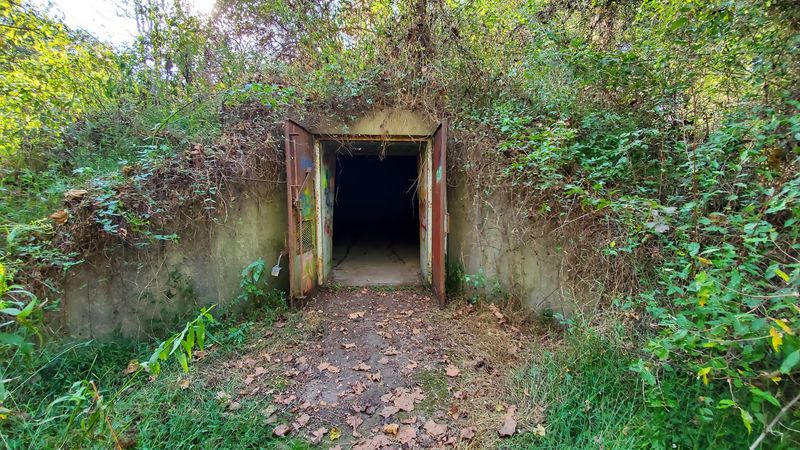
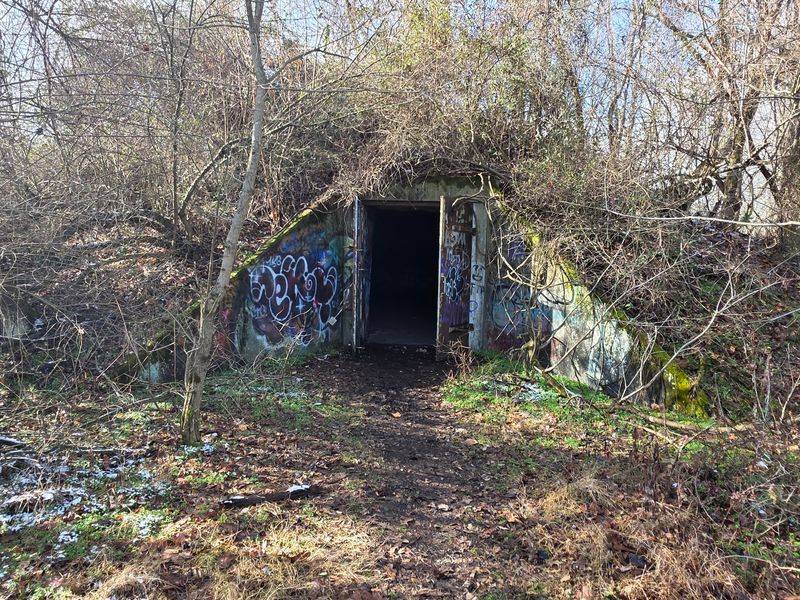
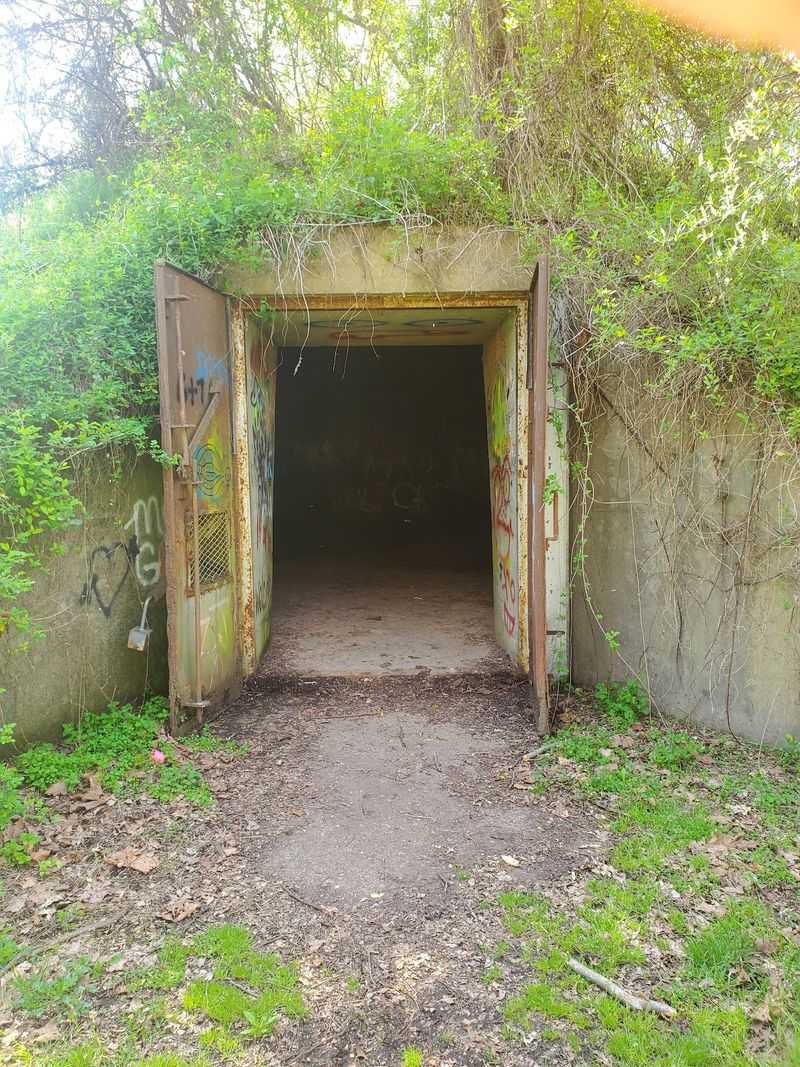
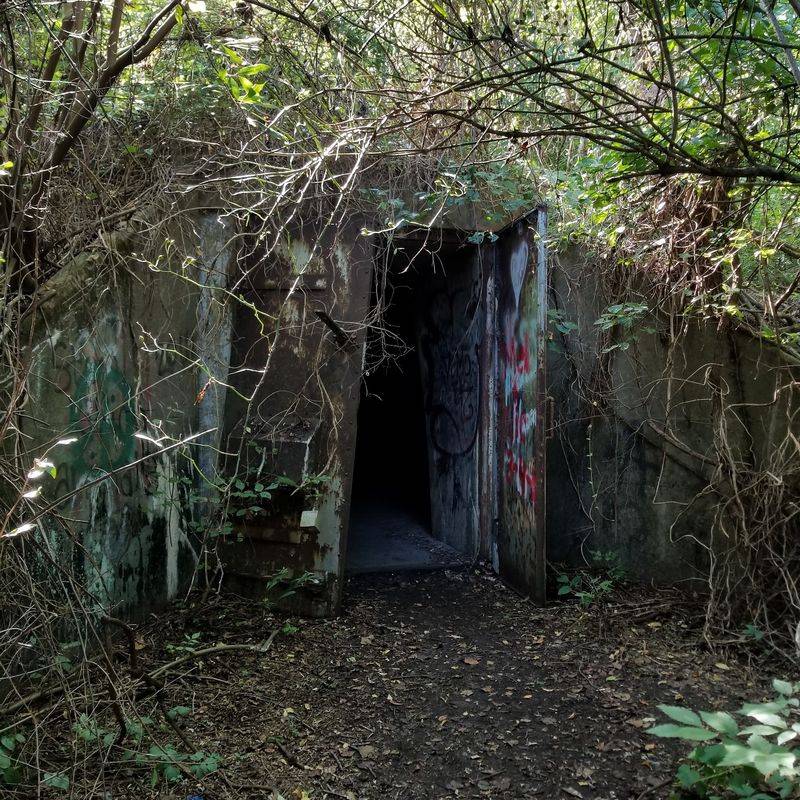
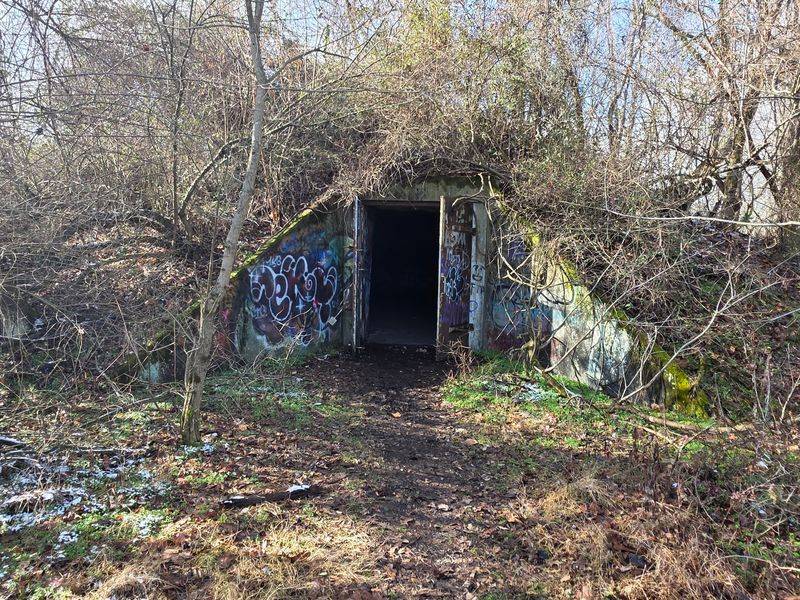
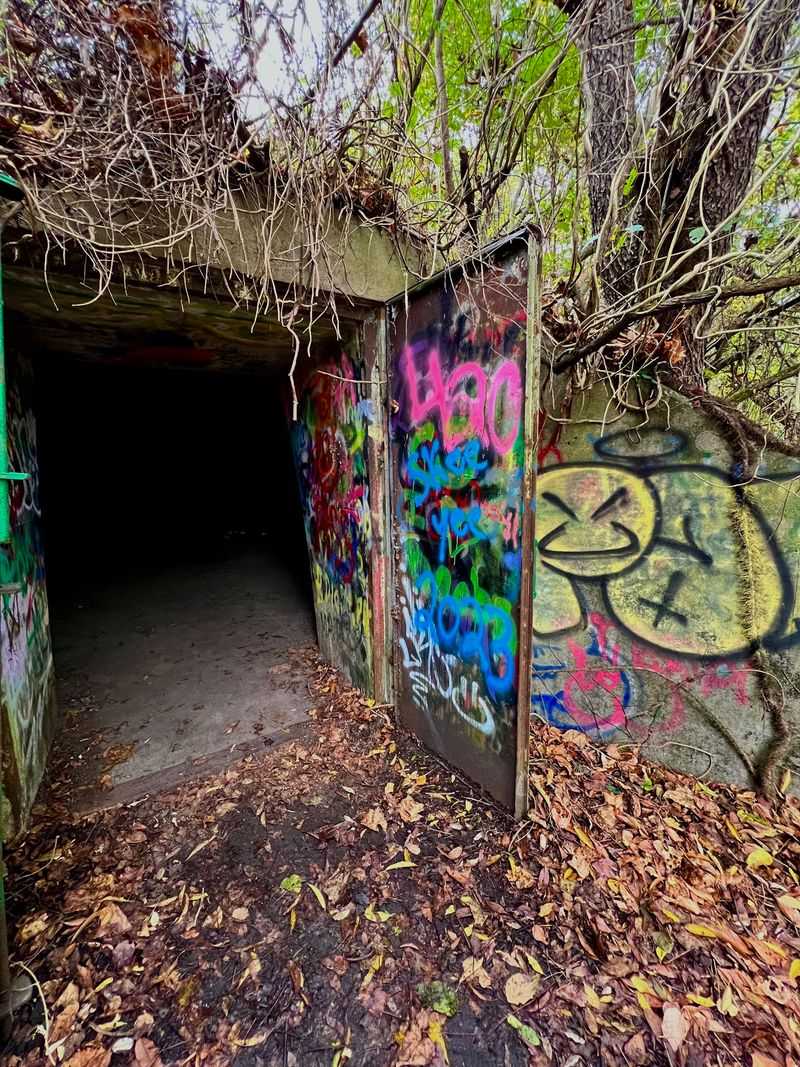
Walk far enough into the trees and you will meet the stars of the whole place: the bunkers. Locals call them igloos, and it fits perfectly, since each one is a grass-covered concrete dome half swallowed by the earth.
Nearly one hundred of these storage buildings were built to safely hold huge quantities of explosives during the war. Some sit above ground with their rounded roofs peeking through the brush, while others are tucked underground.
Visitors say there are enough of them to keep you busy for a good while. You can walk down a line of igloos, ducking in and out, marveling at how six-inch-thick concrete has stood up to decades of weather and vines.
Regulars mention that the brush around each entrance is cut back well, likely by the rangers, so the openings stay reachable. Just know that a few of the bunkers are privately owned, though plenty remain open for wandering.
Finding them is half the adventure, since they hide so well behind trees that first-timers sometimes walk right past before spotting that telltale green dome.
Echoes Inside the Concrete Domes
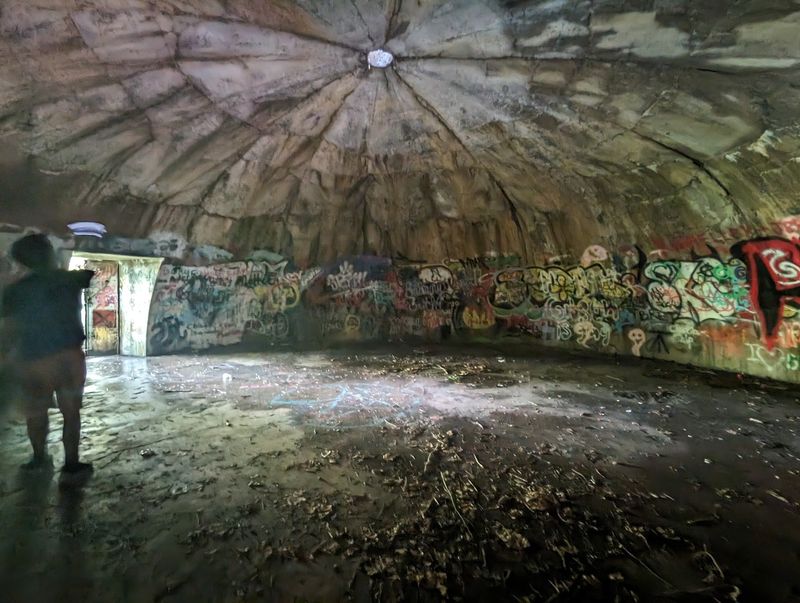
Step inside one of these bunkers and the first thing you will want to do is talk, hum, or maybe holler a little. The acoustics are the surprise nobody expects.
Visitors rave about the echo and sound bouncing around the domed concrete. One wanderer described endless hours of fun just playing with their own voice, while another wished they had brought a guitar to hear how it rang inside.
The rounded shape sends sound looping around in a way that feels almost magical, especially on a quiet day when there is nothing else to compete with. Kids and grown-ups alike end up testing every note they can make.
There is a catch worth mentioning. Many bunker walls are covered in graffiti, which adds a splash of color for some folks but includes content that may not be suited for younger children.
Still, the combination of cool air, curious echoes, and painted walls makes each bunker feel like its own little chamber of discovery. It is the sort of small, unexpected joy that turns a simple walk into a story you tell later.
Where the Mothman Legend Took Flight
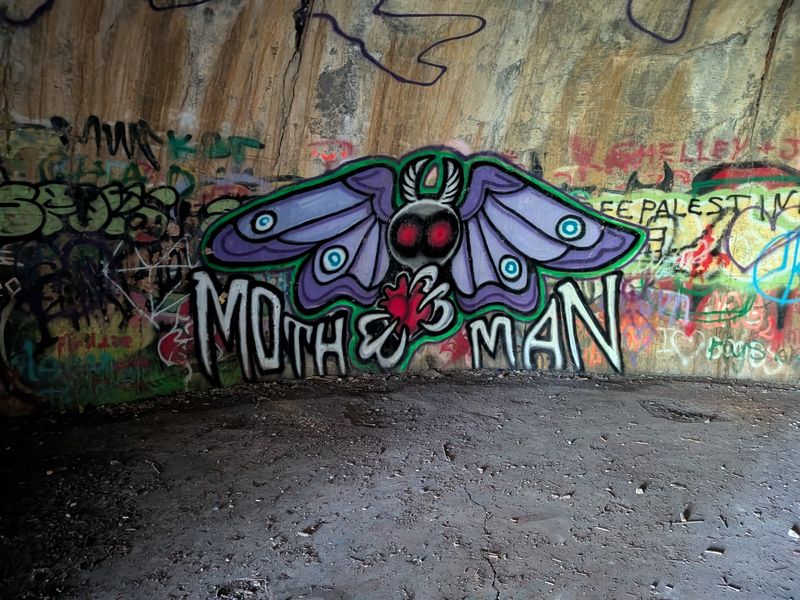
Here is where the story turns from history into legend. This very TNT area became famous in the late 1960s as the birthplace of the most well-known Mothman sightings.
Between November 1966 and December 1967, numerous eyewitnesses reported a tall, humanoid figure with large wings and glowing red eyes, often said to glide silently through the night. The widely reported first encounter happened on November 15, 1966, when two young couples spotted something near the gate of the abandoned munitions facility.
That single night stitched this quiet refuge into paranormal history forever. Folks now travel from far away just to stand where the legend began, hoping for a chill down the spine.
Some visitors come purely for the lore, arriving straight from the nearby Mothman Museum in town. Others come for the thrill of exploring, treating the search itself as the real reward.
Whether you believe a word of it or not, there is no denying the mood. Standing among the igloos as light fades, it is easy to understand why the story caught fire and never quite let go.
An Owl Theory and the Silver Bridge Connection
Every good legend picks up a rival explanation, and Mothman has one too. Some folks believe the sightings were really large birds, especially the Barred Owl, whose eyes can glow a crimson red when light hits them just right.
It is a tidy theory, and it might explain a glimpse or two in the dark. Yet it never fully satisfies the people who swear they saw something far stranger gliding overhead.
The tale took a somber turn on December 15, 1967, when the Silver Bridge collapsed and 46 lives were lost. After that heartbreaking event, the creature’s appearances reportedly stopped, and the Mothman became forever linked in local memory to foreboding warnings.
That connection is a big reason the story stuck around instead of fading like so many spooky rumors do. It gave the legend weight and sorrow, not just thrills.
Today the folklore lives on through an annual festival, a museum, and a shiny statue in town. Whether owl or something unexplained, the mystery keeps pulling curious minds toward this patch of West Virginia woods year after year.
Swamps, Lily Pads, and a Symphony of Frogs
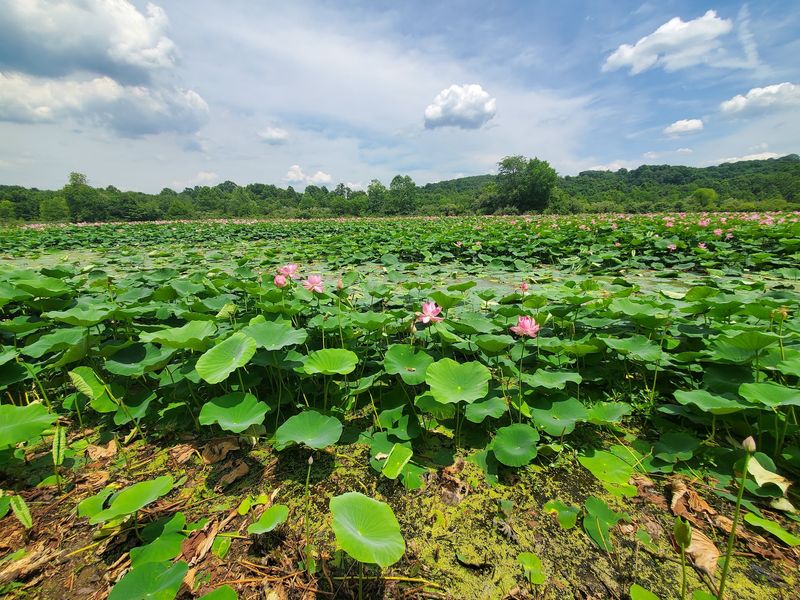
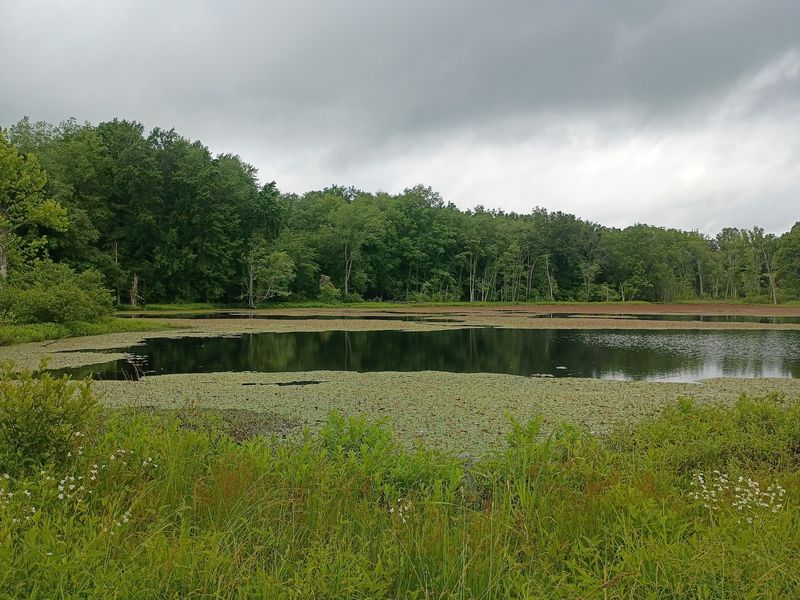
Set aside the ghost stories for a second, because the wetlands here are a genuine showstopper. The swampy ponds fill up with giant lily pads, colorful blooms, and enough life to keep a camera busy all afternoon.
Visitors describe dragonflies zipping over the water, frogs calling from the reeds, and the occasional snake sliding through the shallows. Birds gather thick around the ponds, making this a favorite spot for anyone who loves photographing wildlife.
One regular even mentioned spotting beaver activity in the lake beside the bunkers, a little bonus that proves how alive this place stays. The mix of water, flowers, and buzzing wings gives the whole area a soft, dreamy quality.
The giant lily pads seem to draw the most delight. Floating in wide green clusters, they turn an ordinary pond into something that looks almost tropical.
Come during warmer months and the wetlands practically hum with motion. It is a gentle contrast to the heavy history nearby, reminding you that this refuge is first and foremost a living, breathing home for creatures great and small.
Deer, Birds, and Fields That Come Alive
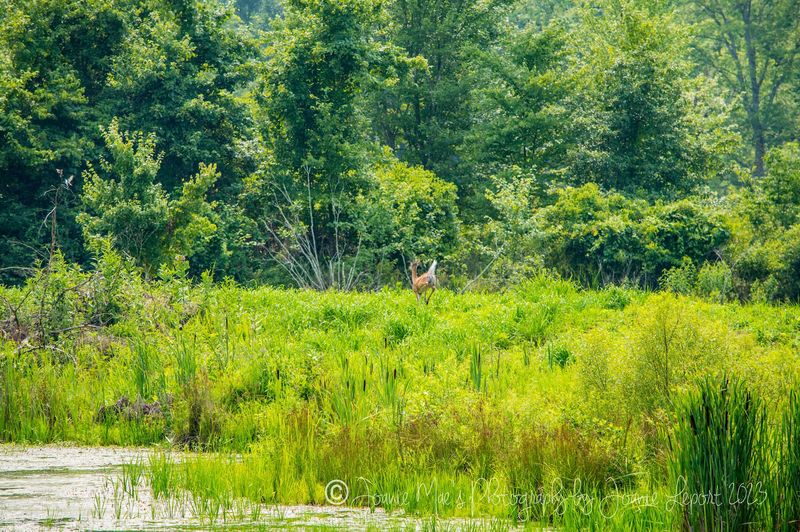
If you keep a sharp eye out, this place rewards you with some truly memorable wildlife moments. The soybean farms scattered through the property feed enormous numbers of deer.
One visitor described watching 20 to 30 deer suddenly take off running across a field, calling the sight downright majestic. When a herd that size spooks and scatters, it is the kind of scene that stops you in your tracks.
Birds are just as much a draw. The ponds and brushy edges attract plenty of feathered visitors, and photographers love parking near the water to wait for that perfect shot.
Because the land is so varied, you never quite know what will cross your path next. A quiet walk might turn up wildflowers, songbirds, or a flash of something bounding into the trees.
Regulars suggest moving slowly and staying quiet if you want the best chance at seeing animals before they see you. The reward for patience is a front-row look at West Virginia’s natural residents going about their day, unbothered and wild in one of the state’s larger managed refuges.
A Superfund Past You Should Respect
Beauty and history come with a serious footnote here, and it is worth knowing before you go. Because of leftover explosive contaminants, the area has been placed on the Environmental Protection Agency’s Superfund cleanup list for hazardous materials.
The industrial past left marks on the land. Certain ponds reportedly showed signs of pollution from TNT ingredients, which prompted cleanup work back in the 1980s.
There is also a jaw-dropping story that keeps visitors talking. In 2010, one storage igloo, leased to a military contractor, experienced an explosion involving gunpowder, with reports of a large amount of material blasting the thick concrete dome before it collapsed inward.
After that incident, the government swept the area to make sure nothing else had been overlooked, which is remarkable given how long the site had sat.
None of this means you should stay away, but it does mean you should tread thoughtfully. Stick to the accessible paths, respect posted areas and private property, and treat the ground with the caution its history deserves.
A little awareness keeps the adventure both fun and safe.
The Mood That Feels Beautifully Eerie
There is a certain feeling that settles over you out here, and visitors keep reaching for the same words to describe it. Beautiful and eerie, serene yet a little creepy, all wrapped into one.
Part of it comes from the quiet. Aside from distant sounds and the rustle of wildlife, the stillness can feel almost heavy, especially near the shadowy bunkers.
One visitor noted how perfectly the place matched a cool, rainy day near Halloween, saying the creepiness only made it better. Another described it as eerily serene, a phrase that seems to sum up the whole experience.
The combination of wartime relics, whispered legends, and empty wetlands creates an atmosphere you do not find in an ordinary park. It leans spooky without ever feeling unsafe.
Who is it for? Wanderers, history buffs, legend chasers, and nature lovers all find something to hold onto here.
If you enjoy places that spark your imagination and give you a pleasant shiver, this refuge delivers.
Come with an open mind and a sense of adventure, and the mood will do the rest of the work for you.
Finding the Trail and Parking Your Car
Here is the tip that will save you a headache: your GPS might lead you astray. Several visitors warn that mapping apps can send you down a long, narrow dirt road or point you the wrong way entirely.
The trick most regulars share is to set your directions for Potter’s Creek Road, which turns off Ohio River Road. Along that stretch you will find small roadside pull-offs and shallow turn-offs where you can park.
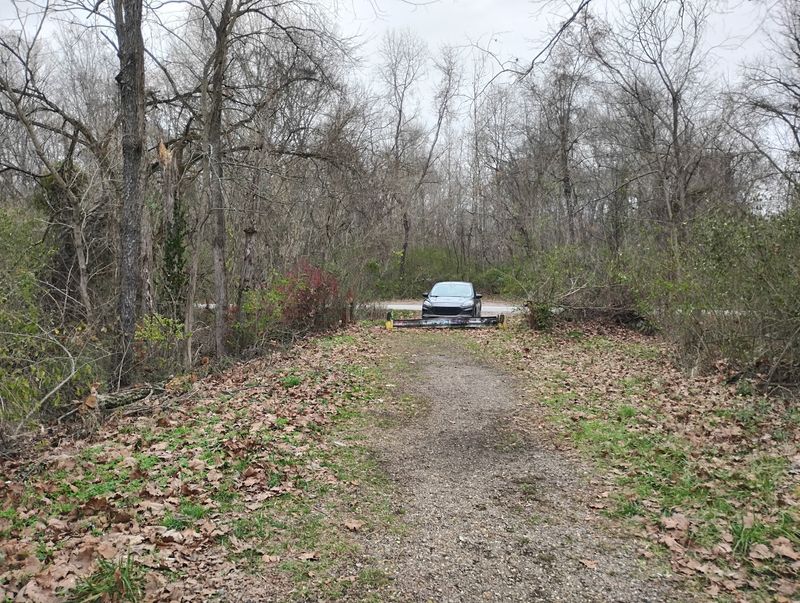
The lot you want, the one leading toward the TNT igloos, sits behind a guardrail tagged with colorful graffiti. That painted rail has basically become the unofficial landmark for finding the bunker path.
Gates keep cars from driving all the way down, so you will walk a gravel path into the area on foot. The good news is that parking is described as easy, and the walk is short with few if any hills.
One small gripe visitors share is the lack of a sign pointing to the actual trail, so keep an eye on that guardrail and the map marker. Do not give up if the bunkers do not appear right away, since they hide well.
What to Pack for a Muddy Adventure
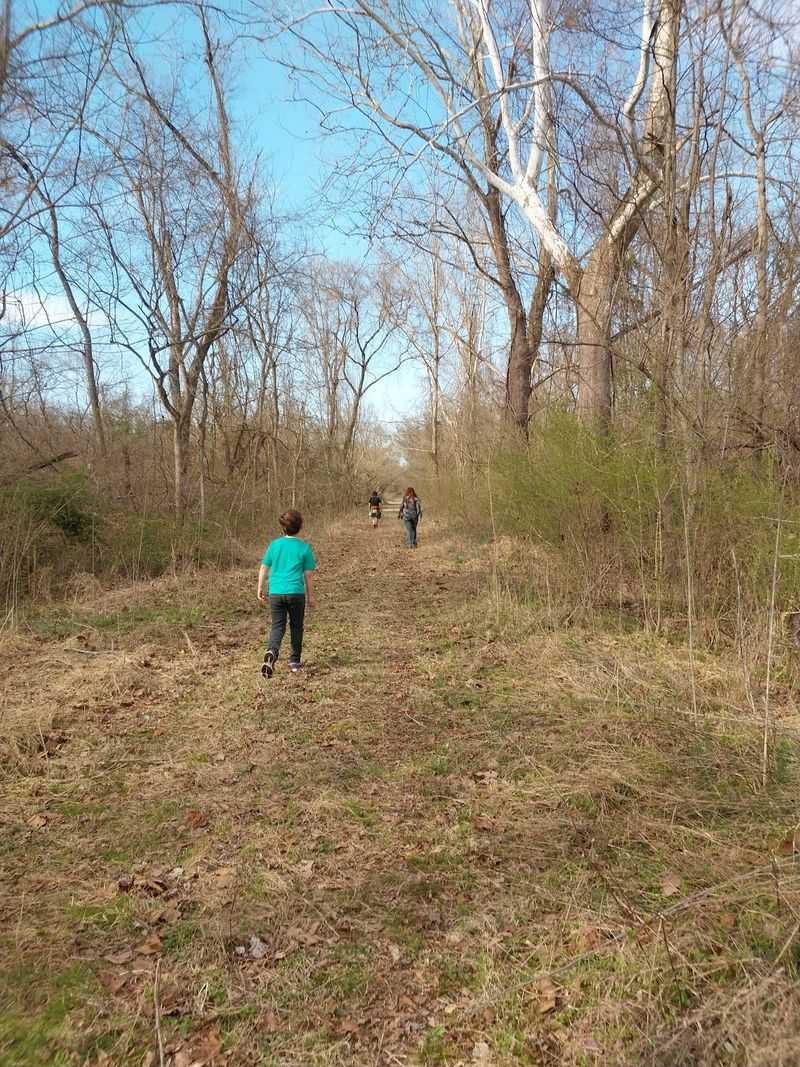
Show up in your nicest sneakers and you may regret it fast. This place can get wet and muddy, especially after rain, and visitors almost unanimously say to bring old shoes or boots.
Bug protection ranks just as high on the must-bring list. Ticks, mosquitoes, and the occasional thorn all come with the territory, so pack repellent and dress for a little brush if you plan to venture off the main path.
Timing matters too. Several regulars point out that January and February are ideal for spotting bunkers, since the bare trees make the domes far easier to see once the summer greenery thins out.
Warmer months bring the lily pads and blooming wetlands to life, but they also bring thicker bugs and taller brush. Pick your season based on what you most want to see.
A few other handy notes from visitors: watch your step in muddy patches, keep kids close given the graffiti inside bunkers, and bring a bag for any trash. A little preparation turns a soggy trek into a genuinely enjoyable outing you will be glad you made.
Why This Hidden Refuge Is Worth the Trip
So, is it worth pointing your car toward Point Pleasant for this one? The folks who have wandered here overwhelmingly say yes, and their reasons stack up nicely.
You get wartime history, unforgettable legend, gorgeous wetlands, and abundant wildlife all rolled into a single free outing that stays open every hour of every day. Few places pack that much variety into one gentle walk.
Visitors call it a must-visit if you are in the area, and many pair it with a stop at the Mothman Museum in town for the full experience. The quiet, the echoes inside the domes, and the thrill of finding hidden igloos keep people talking long after they leave.
It is not a polished, sign-posted attraction, and that rough-around-the-edges quality is part of the charm. You have to explore a little, get your boots dirty, and let curiosity lead the way.
For West Virginia locals craving a day of discovery close to home, this refuge offers history, mystery, and natural beauty without costing a dime. Bring good shoes, an open mind, and plenty of curiosity, and this hidden corner will reward you.
