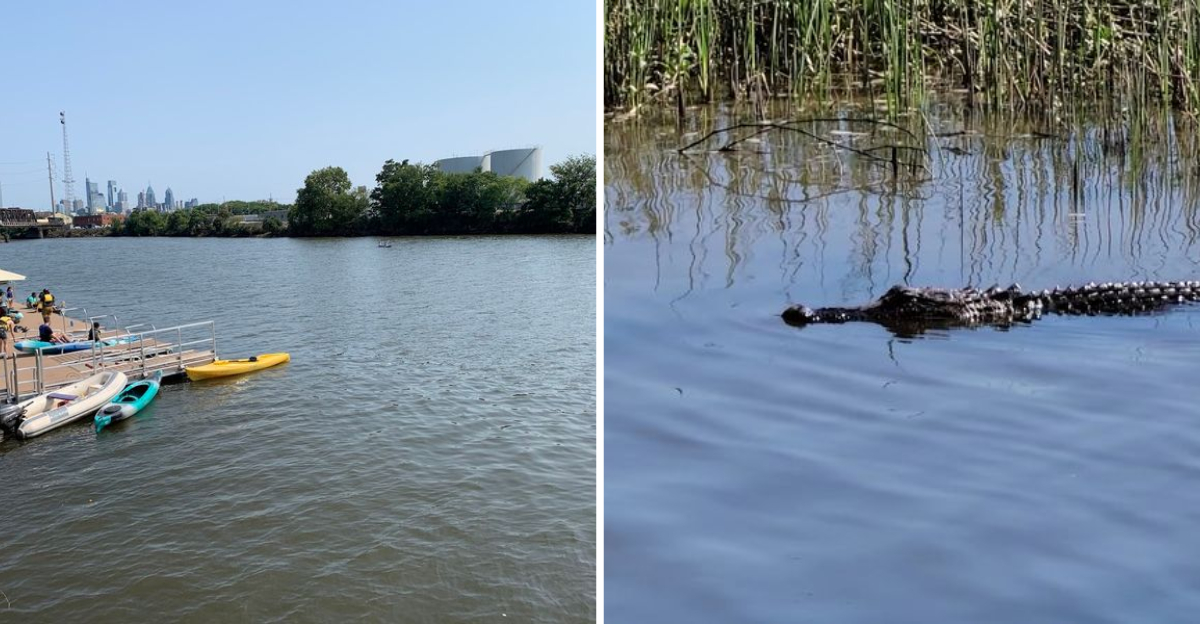
The best outdoor adventures are the ones that make the rest of the world fade into the background for a while. This Alabama destination offers peaceful waterways, towering trees, incredible wildlife, and scenery that feels untouched by time.
Paddling through this remarkable landscape gives visitors a chance to slow down, enjoy nature, and experience a side of the state that many travelers never get to see.
Add the opportunity to spend the night surrounded by the sounds of the wetlands, and it quickly becomes an unforgettable escape for anyone who loves spending time outdoors.
The Mobile-Tensaw Delta: America’s Amazon in Alabama
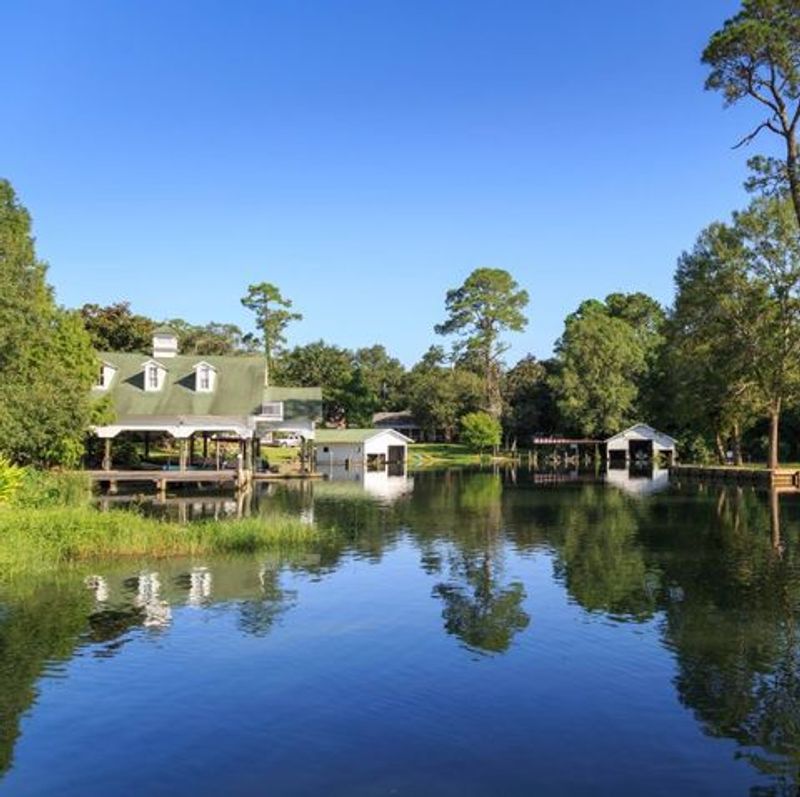
Most people have never heard of the Mobile-Tensaw Delta, and that feels like one of the great secrets of the American outdoors. Stretching across roughly 250,000 acres in southwestern Alabama, this delta is the second-largest river delta in the entire United States.
It sits where freshwater rivers collide with the tidal push of the Gulf of Mexico, creating an ecosystem that is constantly shifting, breathing, and evolving.
The landscape itself is a mix of cypress-tupelo swamps, estuarine marshes, and bottomland hardwood forests. Over 50 rare and endangered species call this place home.
Around 300 bird species either nest here or pass through on migration routes, making it a paradise for anyone who enjoys watching wildlife from the seat of a canoe.
Paddling into the delta for the first time, I felt genuinely small in the best possible way. The trees tower overhead, their roots twisted into the water below, and the light filters through the canopy in long golden shafts.
It does not feel like the Alabama most people picture. It feels like something ancient and untouched, a living world that has been quietly thriving long before anyone thought to map it.
The Bartram Canoe Trail: 150 Miles of Wild Waterways
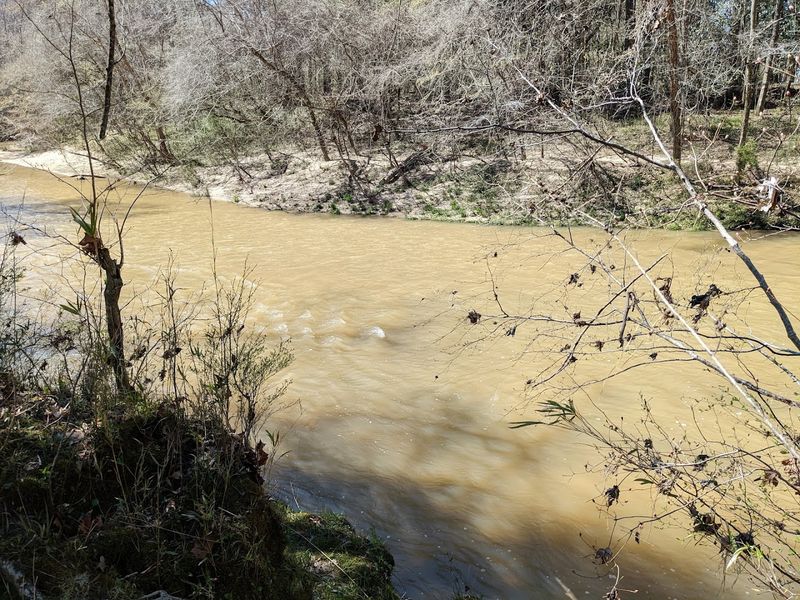
Named after the 18th-century naturalist William Bartram, this trail system is one of the most remarkable paddling destinations in the American South. The Bartram Canoe Way spans more than 150 miles of navigable waterways, weaving through rivers, bayous, sloughs, lakes, and tidal streams across the Mobile-Tensaw Delta.
It is not a single straight path but rather a living network of routes, each one offering a different mood and a different view of the delta.
The trail is divided into an Upper Bartram Canoe Trail, established in 2003, and a Lower Bartram Canoe Trail, which was added in 2018. Together they offer six day-use trails and six overnight trails, with some multi-day routes stretching across three full days on the water.
Popular named sections include Globe Creek, Bayou Jessamine, and Bottle Creek, each carrying its own character and rhythm.
Navigating these waterways feels less like following a path and more like reading a map written in water. The tea-colored channels twist and branch, and every turn brings something new.
Motorized boats are prohibited on the overnight sections, which keeps the experience genuinely quiet and immersive for paddlers who want to hear the delta breathe.
Floating Platform Campsites: Sleeping Above the Swamp
The floating platforms along the Bartram Canoe Way are unlike anything most campers have ever experienced. Sometimes called chickees, these elevated wooden structures sit just above the surface of the swamp water, giving you a front-row seat to the delta’s nocturnal world.
Each platform measures roughly ten by twenty feet, which sounds small until you are actually lying on one, staring up at a sky packed with stars.
Every campsite comes equipped with a cooking table, benches, eye hooks for hanging a hammock, and a privacy curtain. Camp stoves are required for cooking since open fires are not permitted, which helps protect the surrounding wetland.
Pets are not allowed on the platforms, and each site is limited to groups of eight or fewer, keeping the experience intimate and low-impact.
Settling in for the night on one of these platforms is genuinely surreal. The sounds of the swamp come alive after dark in a way that is hard to describe without sounding dramatic.
Frogs erupt into chorus. Something splashes heavily near the edge of the platform.
The cypress trees become dark silhouettes against the moonlit water. It is peaceful and wild at the same time, a combination that is surprisingly hard to find anywhere else.
Wildlife Encounters: Alligators, Eagles, and Everything Between
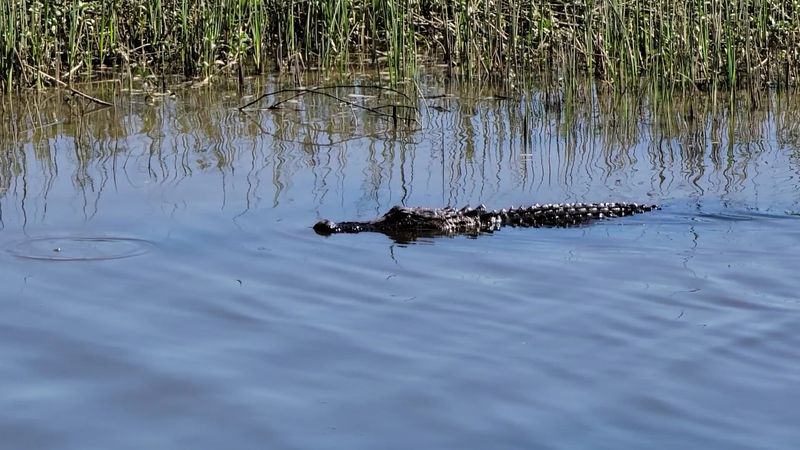
Paddling the Bartram Canoe Way means sharing the water with some genuinely impressive neighbors. Alligators are a regular presence here, often spotted basking on sunny banks or slipping silently into the channel as a canoe approaches.
Watching one disappear beneath the surface just a few yards away is the kind of moment that makes your heart beat a little faster, in the best way possible.
Bald eagles are a common sight overhead, circling high above the cypress canopy with that effortless, commanding glide. Herons, egrets, and bitterns wade through the shallows with patient focus, hunting along the water’s edge.
Beavers and mink dart through the undergrowth along the banks, and the waters below hold bass, bream, crappie, and bowfin that occasionally leap without warning.
As evening settles over the delta, the wildlife activity shifts into a completely different gear. Frogs take over the soundscape entirely, their calls layering into a dense, boisterous chorus that echoes across the water.
Water snakes move silently through the shallows. The whole delta feels alive and alert after dark, a reminder that this is their world and we are simply passing through it as guests.
William Bartram’s Legacy: The History Behind the Trail
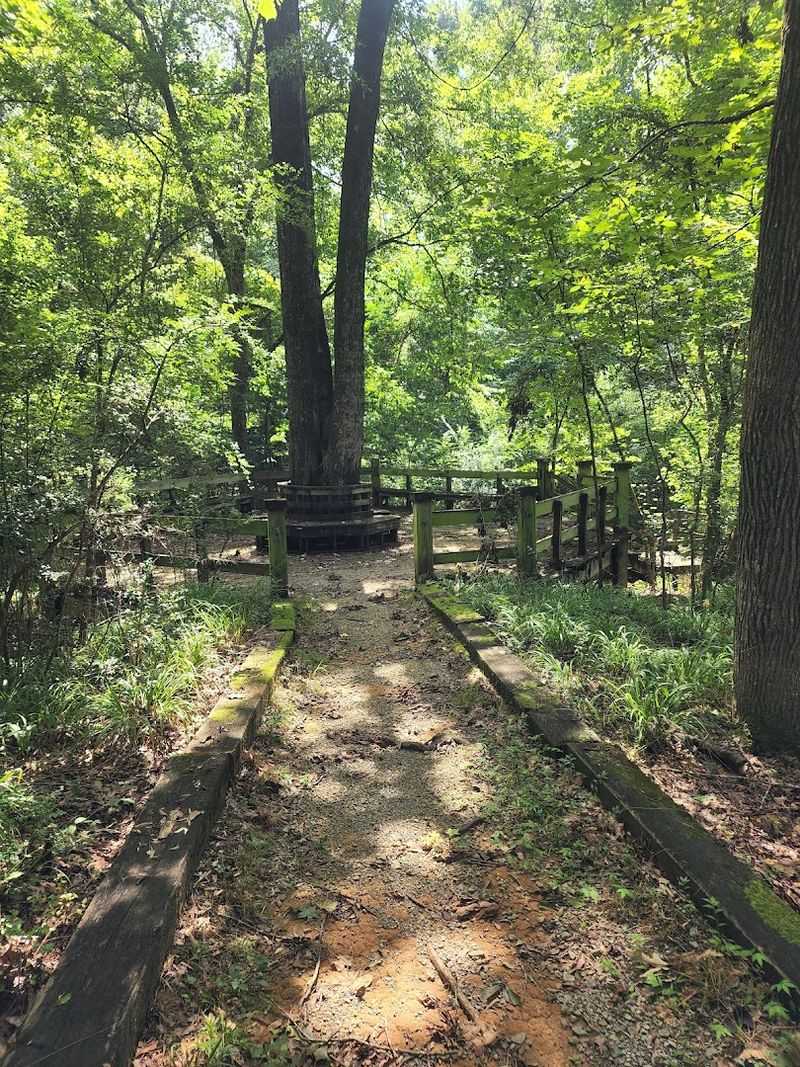
The trail carries the name of William Bartram for very good reason. In the years just before the American Revolution, Bartram traveled extensively through Georgia, Florida, and Alabama on assignment to catalog every plant and animal species he encountered.
His observations were meticulous, his curiosity seemingly endless, and his sense of wonder for the natural world comes through clearly in his writing even today.
His resulting book, known as The Travels of William Bartram, became a bestseller in Europe and helped shape how the rest of the world imagined the American wilderness. It inspired later generations of naturalists and writers, and its descriptions of the Alabama river country remain vivid and recognizable to anyone who has paddled these same waterways.
Portions of the delta near Stockton, Alabama, are believed to overlap with routes Bartram himself traveled.
Knowing that history while paddling through the delta adds a quiet layer of meaning to the whole experience. The same cypress trees, the same bird calls, the same watchful alligators on the banks.
The Alabama State Lands Division and the Department of Conservation and Natural Resources honored his legacy when they established the trail in the mid-2000s using lands protected by the Alabama Forever Wild program.
Planning Your Trip: Access Points, Routes, and Tips
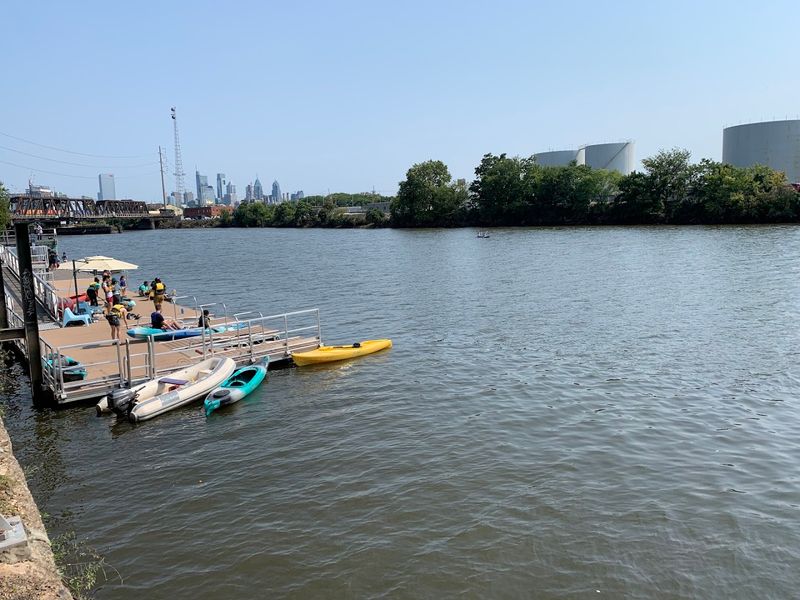
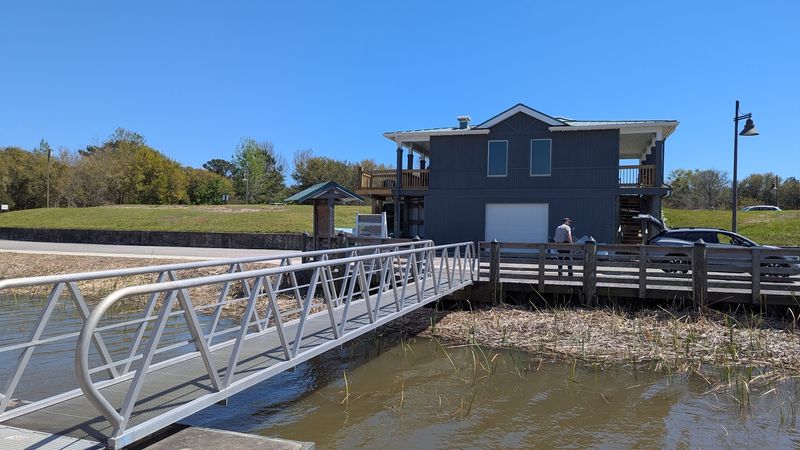
Getting to the Bartram Canoe Way is straightforward once you know where to look. The Five Rivers Delta Resource Center in Spanish Fort is the most well-known starting point and offers convenient water access along with helpful orientation for first-time visitors.
Other access points include Rice Creek Landing, Historic Blakeley State Park, Cloverleaf Landing, and the French’s Lake Coastal Access Kiosk, each serving as a gateway to different sections of the trail system.
For trip planning, a detailed trail map is absolutely essential. The routes vary significantly in length and difficulty, so matching the right trail to your experience level matters.
Day-use trails work well for beginners or families, while the multi-day overnight routes require more preparation, including reserving floating platform campsites in advance since they are limited and popular.
The temperate climate of the delta means paddling is possible year-round, though spring and fall tend to offer the most comfortable conditions. Checking current water levels before launching is always a smart move, particularly near Claiborne Dam, which can affect conditions on certain sections.
Bringing plenty of water, sunscreen, and insect repellent is non-negotiable. A good dry bag for your gear will save you from some regrettable surprises.
The Solitude and Serenity That Make It All Worth It
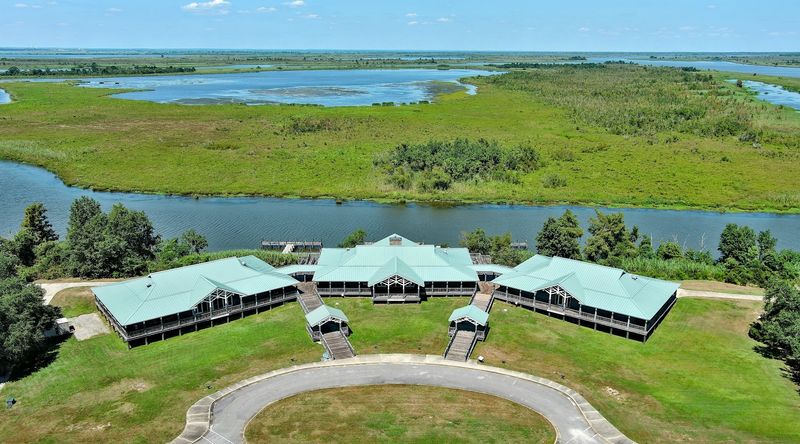
There is a specific kind of quiet that exists deep inside the Mobile-Tensaw Delta, and it is unlike anything you will find closer to a city or a highway. Once you are a few miles into the waterways, the outside world genuinely disappears.
No traffic noise, no notifications, no background hum of modern life. Just the sound of water, wind through the cypress leaves, and whatever creature happens to be moving nearby.
That quietude is not empty. It is full of small, sharp details that you would normally miss entirely.
The way a heron freezes when it spots your canoe. The ripple pattern left by a beaver crossing the channel.
The particular color of the water in early morning, somewhere between brown and gold, reflecting the trees above perfectly.
Spending a night on a floating platform, then waking up to that stillness, is the kind of reset that most people do not realize they need until they have actually experienced it. The Bartram Canoe Way is not a destination that tries to impress you with spectacle.
It earns its place in your memory through patience, through the slow accumulation of moments that remind you how extraordinary the natural world still is when you give it your full attention.
Address: 30945 Five Rivers Blvd, Spanish Fort, AL 36527
