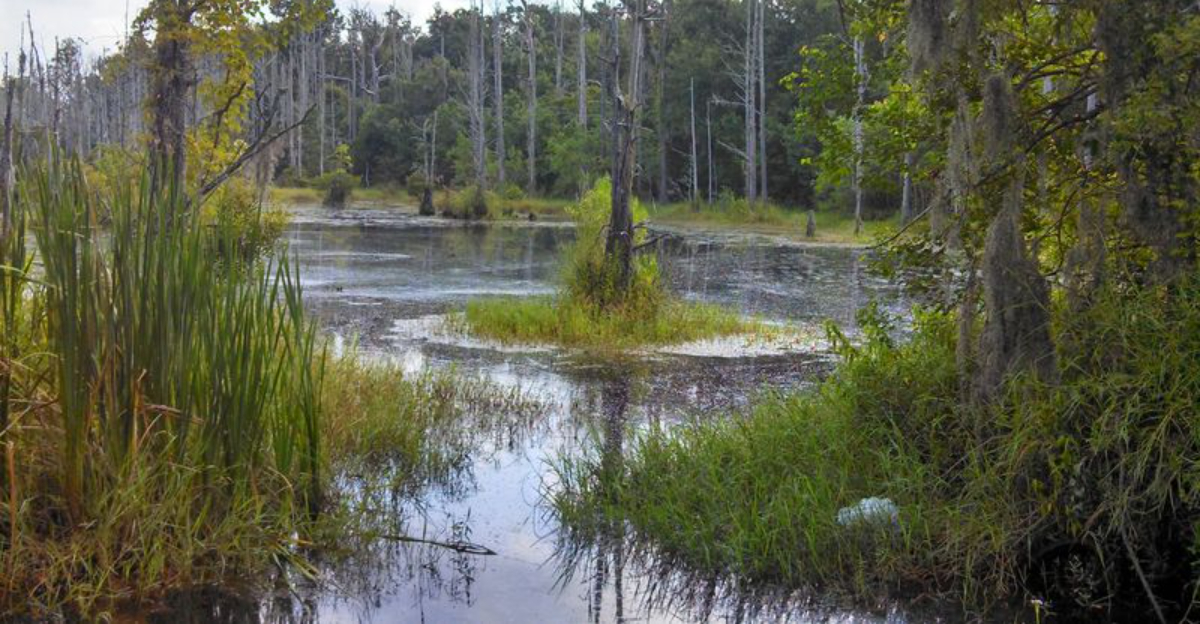
What if your next coastal adventure was about spotting wildlife instead of crowds? Some of the most memorable outdoor experiences come from places where nature takes center stage.
This Alabama destination offers visitors the chance to explore a rare coastal environment filled with colorful wildflowers, fascinating bird species, and landscapes that feel far removed from everyday life.
Every visit can bring something different, whether it is discovering a new plant, watching wildlife in its natural habitat, or simply enjoying the peaceful surroundings.
For anyone who loves exploring the outdoors, this is a reminder that some of the best discoveries happen in unexpected places.
Wandering Through an Ancient Wet Pine Savanna
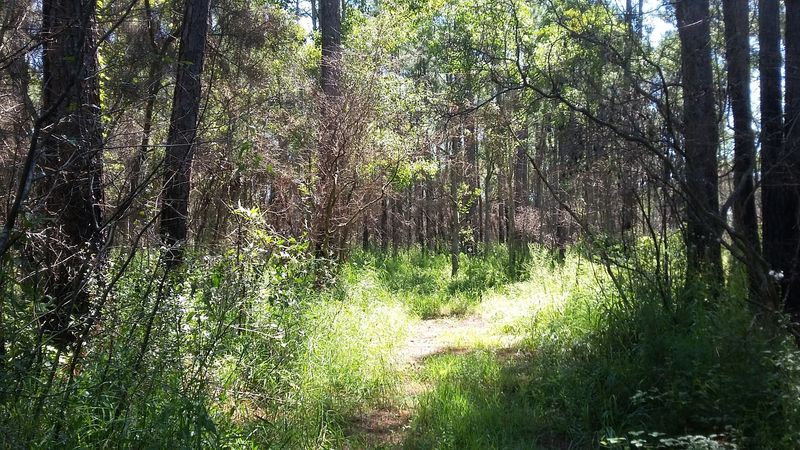
There are landscapes that make you stop walking just to take them in, and the wet pine savanna at Grand Bay National Wildlife Refuge is exactly that kind of place. This habitat is considered endangered, with only about three to five percent of its original range still intact along the Gulf Coast.
That number alone is enough to make you feel the weight of what you are standing in.
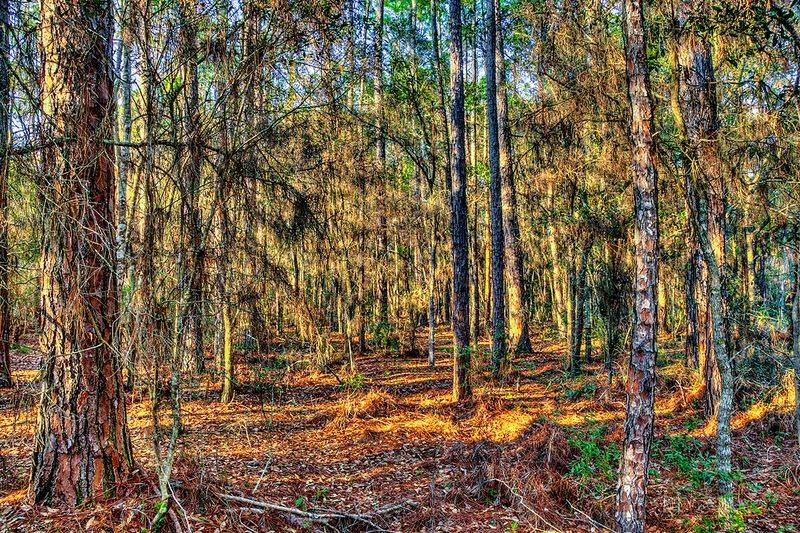
The savanna feels open and airy in a way that dense forests never do. Widely scattered longleaf pines rise above a ground layer rich with grasses, sedges, and seasonal wildflowers, all thriving in waterlogged soil that most plants would find impossible.
The ecosystem depends on periodic fire, and prescribed burns are carefully managed here to keep the plant community healthy and diverse.
Sunlight reaches the forest floor in abundance, creating conditions where hundreds of plant species can coexist side by side. The boardwalk trail winds through this remarkable habitat, giving visitors a way to explore without disturbing the fragile ground below.
Every season brings a different version of this landscape, from spring blooms to the russet tones of late autumn grasses.
Knowing how rare this ecosystem has become makes every visit feel meaningful. It is one of those places where you leave with a deeper appreciation for conservation efforts and a quiet wish that more people could experience this kind of raw, unhurried beauty.
A Botanical Treasure Hunt, Rare Wildflowers Around Every Turn
My jaw genuinely dropped the first time I spotted a cluster of pitcher plants rising from the boggy ground, their deep red tubes glistening in the morning light.
Grand Bay National Wildlife Refuge is home to at least nine species of carnivorous plants, which is the kind of fact that sounds made up until you are crouching down to look at one up close.
Pitcher plants, sundews, and bladderworts all make their home here, each one a small masterpiece of evolutionary problem-solving.
The nutrient-poor, waterlogged soils that most plants struggle in have actually driven these species to develop extraordinary survival strategies. By trapping and digesting insects, they gain the nitrogen that the soil simply cannot provide.
Beyond the carnivorous curiosities, the refuge hosts a remarkable variety of orchids, including the rose pogonia and ladies tresses, blooming at different points throughout the year.
Coastal asters put on a spectacular show in autumn, turning sections of the savanna into soft waves of purple and white. The wildflower diversity here is genuinely among the highest in North America for a coastal grassland habitat.
Birders sometimes get so focused on the skies that they forget to look down, and that would be a real shame in a place like this.
Bring a field guide and a sense of curiosity. You will use both, and you will probably wish you had more time to linger over every bloom you find tucked between the grasses.
Where the Air Sings, Over 200 Bird Species Call This Place Home
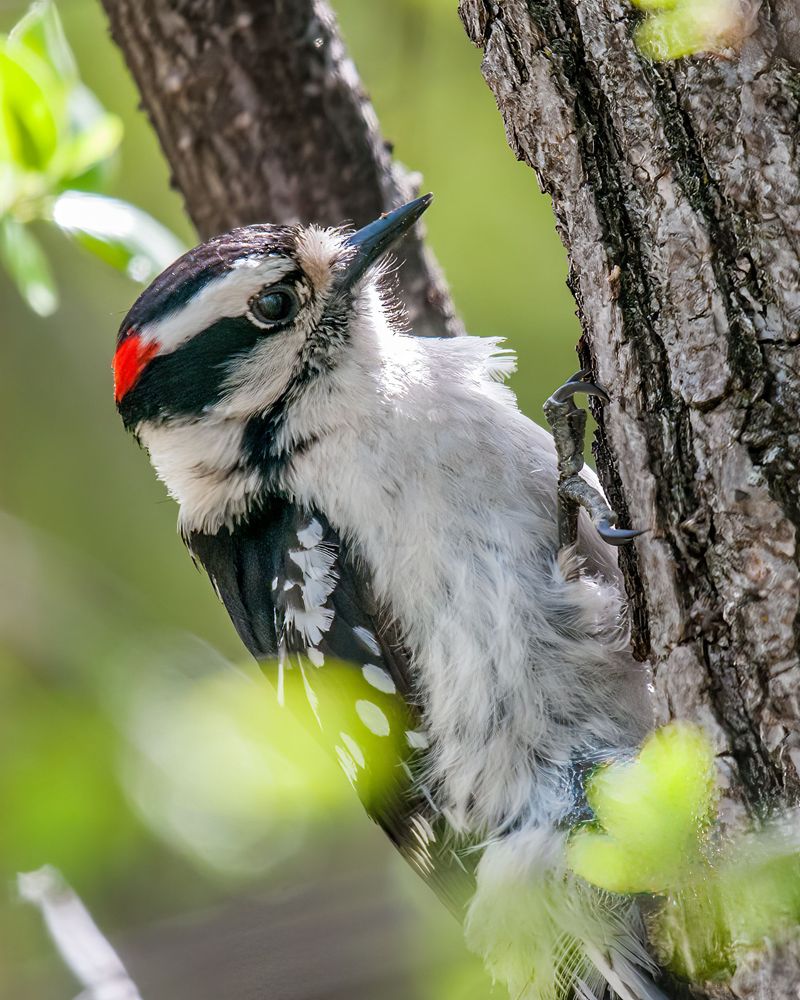
Birdwatching at Grand Bay National Wildlife Refuge is the kind of experience that turns casual observers into full-blown enthusiasts.
The refuge has been recognized by the National Audubon Society as an Important Bird Area, a designation earned through the sheer richness and variety of species found within its boundaries.
More than 200 bird species have been recorded here, spanning year-round residents, seasonal visitors, and long-distance migrants.
Painted buntings are a personal favorite. Their coloring looks almost digitally enhanced, a vivid mix of red, blue, and green that seems impossible for a wild bird.
Eastern towhees scratch through the leaf litter nearby, and red-cockaded woodpeckers, a genuinely endangered species, find critical habitat within the refuge’s protected pine forest.
Migration season transforms the refuge into a busy avian crossroads. Scarlet tanagers, black-throated green warblers, and wood thrushes pass through on their journeys between North America and Central and South America, using the coastal habitat as a vital rest stop.
Winter brings impressive gatherings of ducks and wading birds to the bayous, adding yet another layer to the refuge’s birdwatching appeal.
The elusive yellow rail, a secretive marsh bird that most birders spend years trying to glimpse, has also been studied here. Patience pays off in a big way at Grand Bay.
Bring binoculars, arrive early in the morning, and prepare to be genuinely surprised by what turns up.
Exploring Bayous, Marshes, and the Watery Heart of the Refuge
The pine savanna gets a lot of attention, and rightly so, but the refuge does not stop there.
Beyond the open grasslands, the landscape shifts into a complex and beautiful network of tidal and non-tidal wetlands, salt marshes, pitcher plant bogs, and quiet bayous that eventually connect to the Mississippi Sound.
The transition between these different habitat types happens gradually, and watching it unfold as you move through the refuge is a genuine pleasure.
Bayou Heron and Bayou Cumbest are two of the most scenic waterways within the refuge. These calm, brackish channels serve as nurseries for fish, feeding grounds for wading birds, and corridors for larger animals moving through the landscape.
Bottlenose dolphins have been spotted in the deeper connecting waters, and manatees occasionally wander into the area during warmer months.
Black needlerush marshes line the edges of many of these waterways, their dense, dark green stalks creating a striking visual contrast against the open sky. Salt pans add another texture to the landscape, flat expanses where only the most salt-tolerant plants can survive.
Each of these micro-habitats supports its own web of life, and the connections between them are what make the refuge function as a whole.
Spending time near the water here feels genuinely restorative. The pace slows down automatically, and the sounds of the marsh, splashing, calling, rustling, fill in every quiet moment in the best possible way.
Have You Thought About Kayaking Through This Quiet Coastal Wilderness
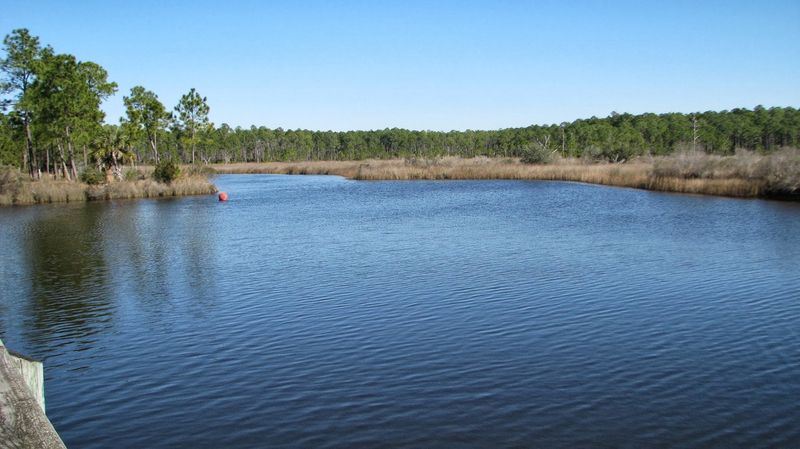
Paddling through Grand Bay National Wildlife Refuge on a calm morning is one of those experiences that feels genuinely removed from everyday life.
Launching a kayak or canoe onto Bayou Heron or Bayou Cumbest gives you an entirely different perspective on the refuge, one that no trail can fully replicate.
The water moves slowly, the banks close in with marsh grass and overhanging branches, and the whole world gets very quiet in the best possible way.
Wildlife encounters on the water tend to feel more intimate. Herons stand motionless at the water’s edge until you drift close enough to notice them, then lift off with a slow, deliberate wingbeat.
Turtles sun themselves on half-submerged logs, and the occasional splash nearby reminds you that the bayou is full of life even when it looks perfectly still.
For those who prefer staying on land, the Savanna Trail Boardwalk offers a comfortable and accessible route through the pine savanna and into the freshwater marsh. The Oak Grove Birding Trail is another excellent option, particularly during spring and fall migration when bird activity peaks.
Fishing is also permitted in designated areas, giving anglers another reason to spend a full day exploring the refuge.
Photography opportunities are exceptional throughout, regardless of which activity you choose. The light here has a particular quality in the early morning and late afternoon that makes even a basic camera produce something worth keeping.
Plan for more time than you think you will need.
You Really Should Not Miss the Coastal Resources Center
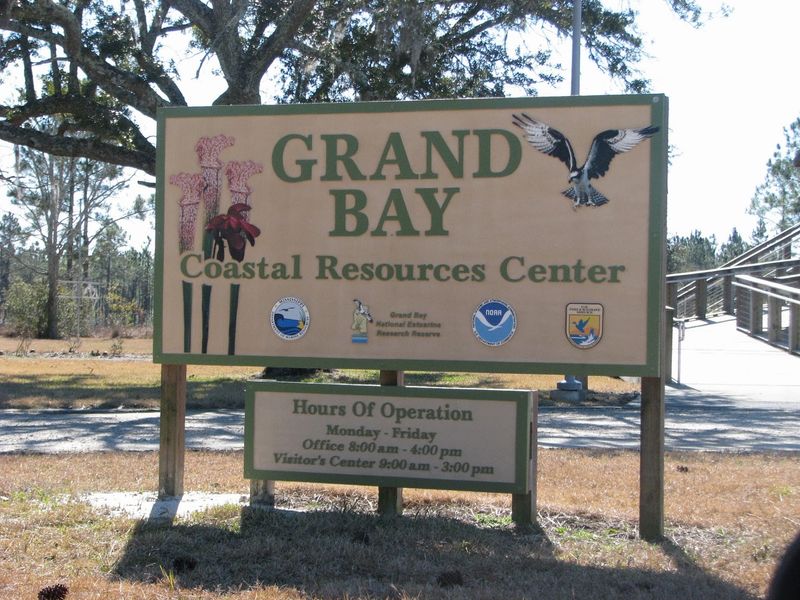
Before heading out onto the trails, a stop at the Grand Bay Coastal Resources Center is genuinely worth your time.
This facility serves as the headquarters for both the Grand Bay National Wildlife Refuge and the Grand Bay National Estuarine Research Reserve, which means it brings together a remarkable amount of knowledge and context about the surrounding landscape in one accessible space.
Inside, the interpretive exhibit called “Living on the Edge: The Nature of Change” does a beautiful job of explaining the region’s coastal habitats, the cultural history of the area, and the ongoing conservation work that keeps the refuge functioning.
It is the kind of exhibit that makes you feel oriented before you step outside, giving you a framework for understanding what you are about to see.
The staff can point you toward seasonal highlights and help you make the most of your visit.
One of my favorite things about the center is the Adventure Packs available for young visitors. These kits come loaded with tools and activities designed to help kids engage with the natural environment along the Boardwalk Trail.
It is a thoughtful touch that makes the refuge genuinely family-friendly rather than just technically accessible to families.
Environmental education programs and workshops run throughout the year, drawing school groups, researchers, and curious adults alike. Even if you only stop in briefly before heading to the trails, the center adds real depth to the experience.
It sets the tone for everything that follows.
Are You Ready to Experience One of the Last Great Places on the Gulf Coast
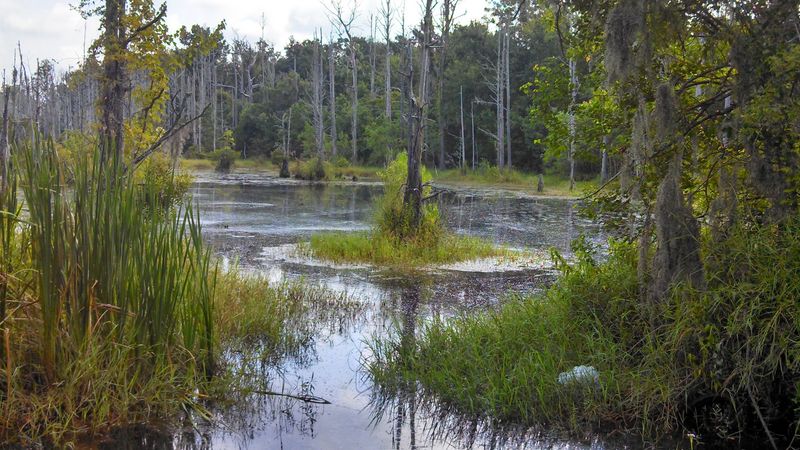
The Nature Conservancy has described places like Grand Bay National Wildlife Refuge as among the last great places on Earth, and after spending time here, that description does not feel like an exaggeration.
The refuge protects a combination of ecosystems, wet pine savanna, tidal marsh, bayou waterways, and pitcher plant bogs, that together create one of the most biodiverse coastal habitats remaining along the Gulf of Mexico.
That kind of rarity carries real weight.
What makes the refuge feel special beyond its ecological importance is the sense of quiet that settles over you almost immediately.
There is no background noise of traffic or crowds, just the wind moving through the pines, the call of a bird you cannot quite identify, and the occasional rustle of something moving through the grass.
It is the kind of stillness that takes a few minutes to fully absorb, and then you do not want to leave.
Conservation work here is ongoing and visible. Prescribed fire management, water quality monitoring, and wildlife surveys all contribute to keeping this landscape healthy for future generations.
Visiting is a way of supporting that work simply by showing up and caring about what exists here.
Grand Bay National Wildlife Refuge sits in coastal Alabama near the Mississippi border, a location that makes it easy to combine with other Gulf Coast explorations. The refuge is open to the public and free to visit.
Come with curiosity, leave with a story worth telling.
Address: 6005 Bayou Heron Rd, Grand Bay, AL 36541
