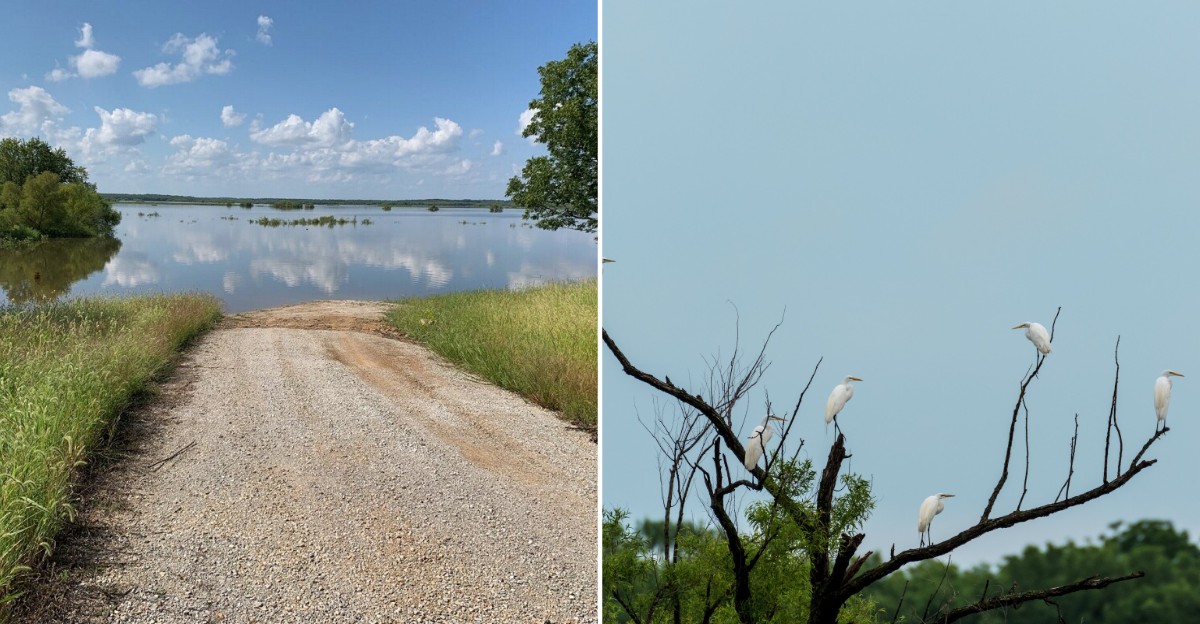
The sky can get surprisingly busy over a quiet stretch of marsh. Wings sweep overhead, birds gather on the water, and suddenly your quick roadside stop needs a little more time.
In Missouri, these sprawling wetlands offer a front-row view of the seasonal movement of waterfowl. Marshes, bottomland forest, and long stretches of stream frontage create a landscape worth watching closely.
The area is also part of an Audubon Important Bird Area, giving bird lovers another reason to bring binoculars. You don’t need an impressive species list to enjoy the visit, though.
Start by scanning the water and listening to the calls around you. Watch how a flock moves together, or how a quiet patch of marsh reveals activity once you slow down.
What you see will vary with the season and conditions, which is part of the appeal. Leave room in your plans for a longer look.
The birds have their own itinerary, and it’s a pleasure to catch a little of it.
Wetlands That Stretch Farther Than Your Eyes Can Follow
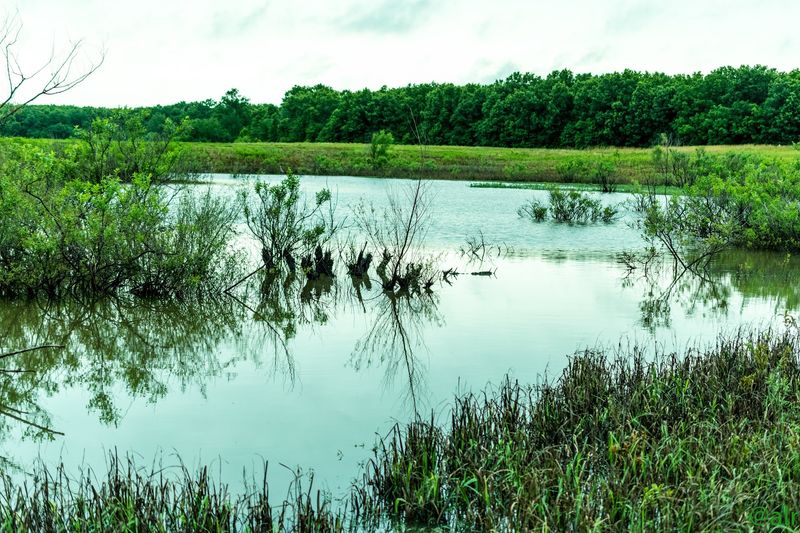
Picture yourself standing on a levee and realizing the marsh just keeps on going in every direction you turn. That is the feeling you get at Four Rivers, because the conservation area covers a truly massive piece of land, and most of it is wetland.
It is not some tidy little pond tucked behind a parking lot, so prepare yourself for a whole lot of open space.
The land sits where several rivers come together, which is actually how it got its name in the first place. You will see shallow pools, tall grasses, muddy edges, and patches of bottomland forest that give the whole place a layered, wild look.
Every corner seems to hold a slightly different kind of habitat, and that variety is exactly why so many creatures call it home.
My honest advice is to bring good walking shoes and a pair of binoculars before you head out. Distances can be bigger than they look, and some of the best views come from simply wandering along the field roads and levees at an easy pace.
You might also want a hat and some water, since shade can be scattered once you leave the tree lines behind.
Give yourself time here, because rushing through a place this big would kind of miss the point of coming.
Finding Your Way Down Route TT
Okay, so the official name is a bit of a mouthful, because you are technically heading to the August A. Busch Jr. Memorial Wetlands at Four Rivers Conservation Area.
Most people just call it Four Rivers, and honestly, that works fine when you are giving directions to friends. The address to plug into your map is Four Rivers Conservation Area, Route TT, Rich Hill, MO 64779.
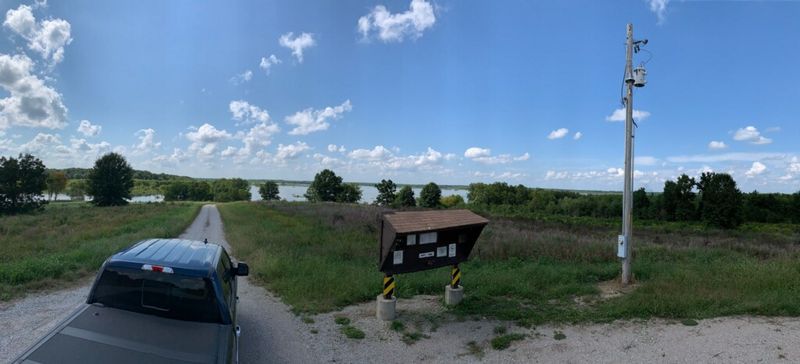
From the main highway, you head east on Route TT and then turn south onto a county gravel road that carries you toward the wetlands. The drive feels pleasantly rural, with farm fields rolling by and the traffic thinning out the closer you get.
You will start noticing the land flatten and the water appear, which is a fun little signal that you are almost there.
Cell service can get spotty in rural parts of western Missouri, so I would download your map ahead of time just to be safe. It also helps to check the Missouri Department of Conservation website before you leave, since they post area maps and any current notices.
That way you know which roads and parking spots make sense for what you want to do.
Once you arrive, take a moment to look around, because the quiet out there hits you pretty quickly.
Bird Lovers Have A Very Good Reason To Show Up
Here is something that should make any bird fan perk up right away: Audubon Missouri has named this place an Important Bird Area. That label is not handed out casually, since it goes to spots that really matter for bird survival.
When you combine that with the sheer variety of species people record here, you start to understand why birders talk about it so much.
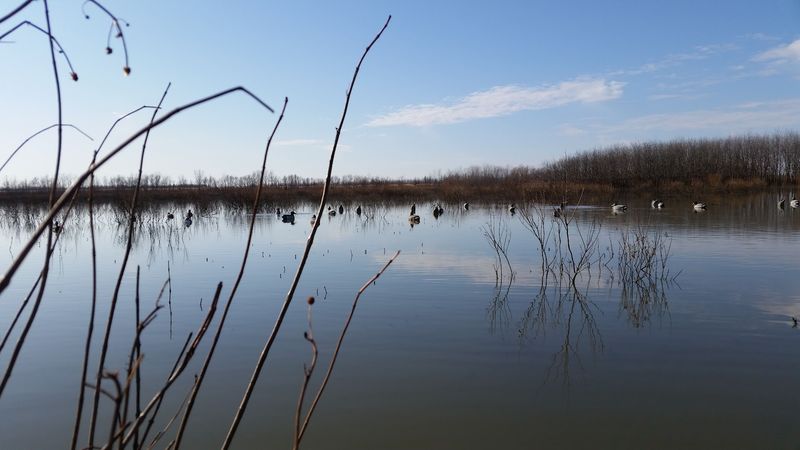
The mix of habitats is the secret behind all that variety, because ducks need open water while songbirds want trees and brushy edges. Wading birds hang around the shallow spots, and raptors love cruising over the open fields looking for a meal.
You could spend a single morning here and check off a surprising range of feathered visitors without walking very far.
If you are new to birding, do not worry about knowing every name before you go. A simple field guide or a free bird identification app on your phone can turn the whole visit into a fun guessing game.
Try noting colors, sizes, and how each bird moves, since those clues help a lot when you look things up later.
Bring a notebook too, because keeping a small list of what you spot makes the experience feel personal and pretty rewarding.
When The Sky Gets Crowded During Migration
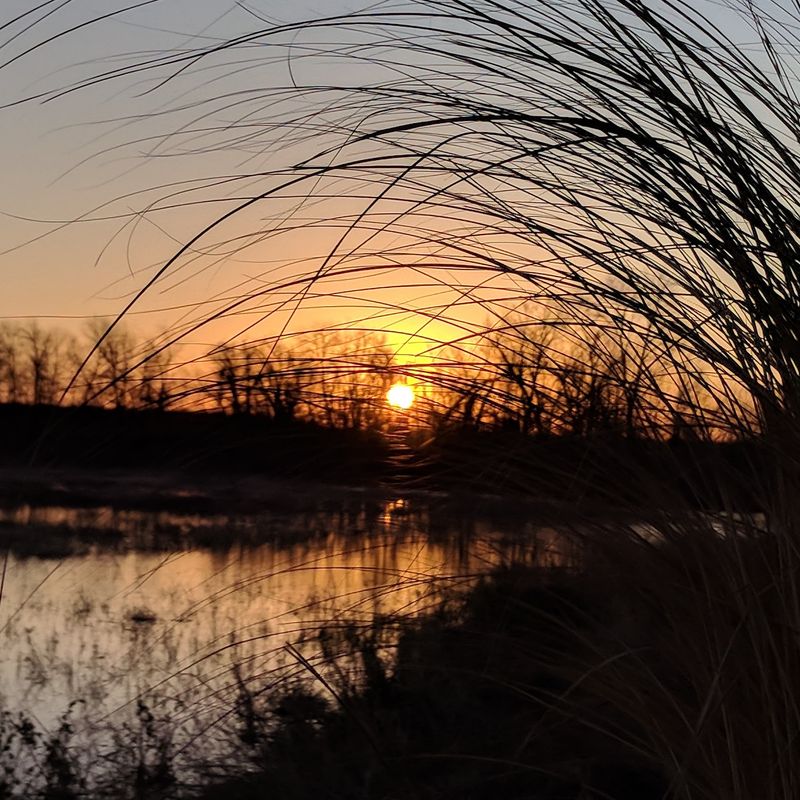
Can you imagine looking up and seeing a cloud that is actually made of birds? That is the kind of moment people hope for at Four Rivers when migration is in full swing during spring and fall.
Huge numbers of birds pass through, and many of them drop down onto the water to rest and feed.
The area sits along the Mississippi Flyway, which is basically a giant travel route that birds follow across the middle of the country. Long journeys burn a ton of energy, so these wetlands work like a highway rest stop where travelers can refuel before moving on.
Without places like this, many birds would have a much harder time finishing their trips.
Timing matters a lot if you want the big show, so plan around the cooler seasons instead of the middle of summer. Early mornings and late evenings tend to bring the most action, since birds often move and feed around sunrise and sunset.
The soft light at those hours also makes everything look a little magical, which is a nice bonus.
Please keep a respectful distance and stay quiet when large groups are resting on the water. Flushing a whole flock wastes energy they truly need, and watching calmly usually gives you a better view anyway.
Ducks, Geese, And A Few Surprise Guests
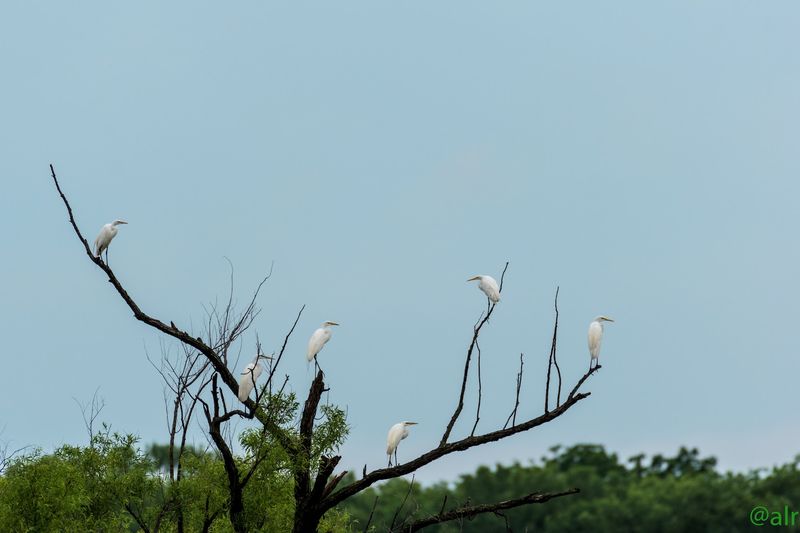
Mallards are usually the first faces you will recognize, with those shiny green heads catching the light on the water. Keep watching, though, because quick little blue-winged teal often zip past in tight groups that can be tricky to follow.
Geese show up in serious numbers too, and their honking can carry across the marsh like a noisy chorus.
Spring brings some extra fun, since you may spot big white pelicans floating together or circling high overhead. Cormorants also visit, and they are pretty interesting to watch as they dive under the water and pop back up somewhere unexpected.
Seeing pelicans in Missouri surprises a lot of people, so that sighting tends to stick with you.
A spotting scope or strong binoculars really helps here, because many waterbirds like to stay out in the middle of the pools. If you do not own one, even a decent zoom on a camera can help you get a closer look and figure out who is who.
Patience is your best tool, since birds shift around and new groups keep arriving.
Try picking one patch of water and simply watching it for a while instead of hopping between spots. You will be surprised how much activity reveals itself when you just stay put.
Mudflats Made With Shorebirds In Mind
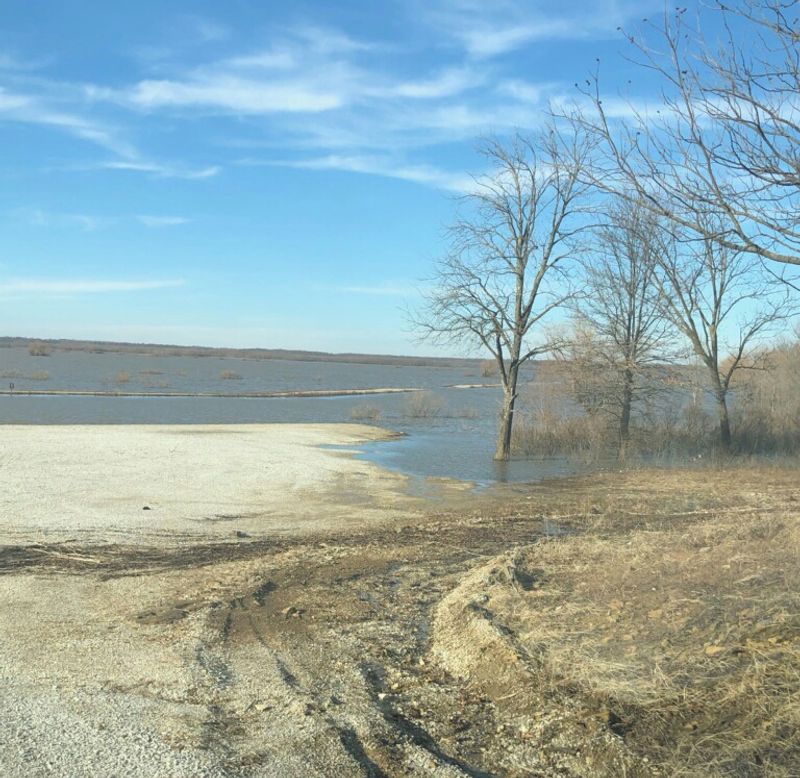
Shorebird fans, this part is especially for you, because the people managing Four Rivers actually set up conditions with these little birds in mind. Staff can adjust water levels to create shallow areas and open mudflats, which are exactly what sandpipers and their cousins love.
It is pretty cool to think that the habitat is planned so carefully.
Late summer into early autumn is the window to aim for if shorebirds are on your wish list. During that stretch, many of them pass through while heading south, and they spend their time poking busily in the mud for tiny snacks.
Their quick, twitchy movements are fun to watch, even if you cannot name a single one.
Here is a helpful tip, since shorebirds can be small and look a lot alike from far away. Bring the best optics you can, and try to keep the sun behind you so the birds are lit up instead of showing up as dark shapes.
That simple trick makes identifying them so much easier.
The weather can still feel warm during this season, so pack bug spray and plenty of water. A light long-sleeved shirt also helps with both sun and insects while you stand along the edges watching the mud come alive.
Open Gates For Pretty Much Anyone
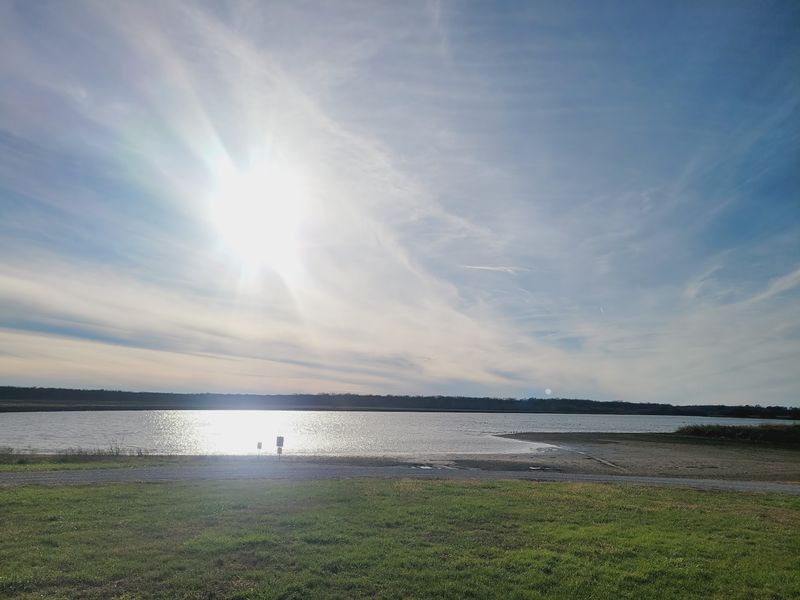
Something I really love about Four Rivers is how easy it is to just show up without much planning. The area stays open all year, and you do not need a reservation to come walk around or watch wildlife.
That kind of freedom makes it a great pick when you suddenly have a free afternoon.
Accessibility is also part of the picture, since some areas are partially wheelchair accessible. There is even an accessible blind that visitors have spoken well of, which shows real thought went into helping more people enjoy the outdoors.
If you or someone in your group needs easier access, call the area office ahead of time to ask about the best spots.
Keep in mind that this is still a fairly rustic place, so do not expect a big visitor center with snacks and gift shops. Bring what you need, like water, food, and any comfort items, and plan on carrying your trash back out with you.
Leaving the land clean helps keep it beautiful for the next person and for the wildlife too.
Night skies are worth a mention as well, since the lack of town lights makes stargazing surprisingly good out there. Who knew a birding spot could double as a stargazing escape?
Paddling Through The Quiet Marsh
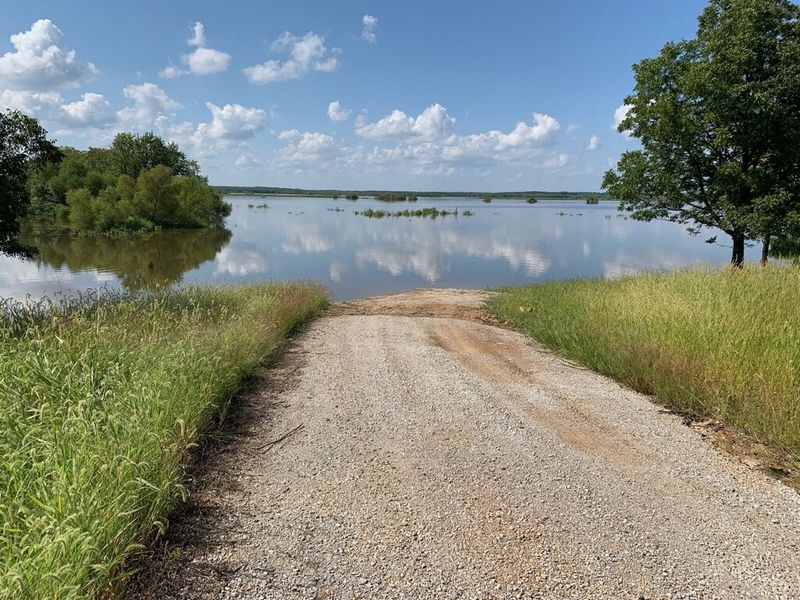
Ever wondered what a marsh looks like from right down at water level? Grab a kayak or canoe, because the boat ramps at Four Rivers make it possible to slip out onto the water and find out.
Paddling gives you a totally different angle on the wetlands, and it feels wonderfully peaceful.
Gliding along slowly lets you sneak up on things you might miss from the levee, like turtles sunning on logs or herons standing perfectly still. Some folks also enjoy kayak fishing, which mixes two relaxing hobbies into one easy outing.
Just move gently and quietly, since wildlife tends to stay calmer when you are not splashing around.
The water here can be murky, which is totally normal for a wetland full of plants and life. Still, it is smart to wear a life jacket, bring a dry bag for your phone, and avoid paddling alone if you are new to it.
Checking for any seasonal boating rules ahead of time is also a good idea, especially during waterfowl season.
Morning paddles are especially lovely, since the water is often calm and mist may hang low over the marsh. Bring a small snack and take a break mid-paddle to simply float and listen for a bit.
