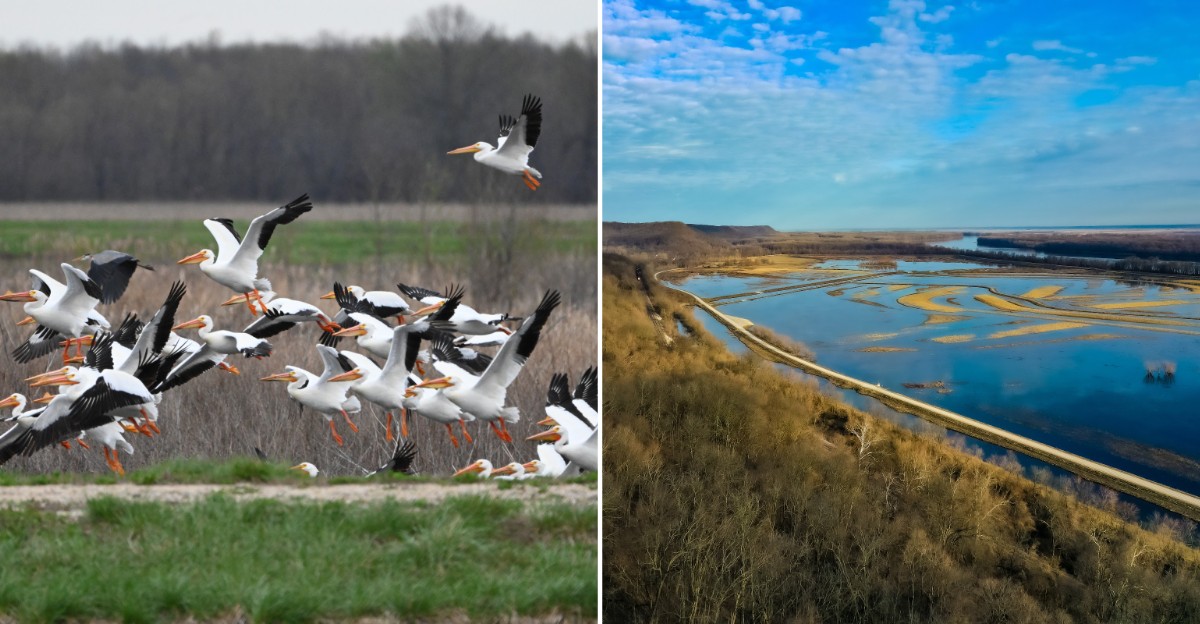
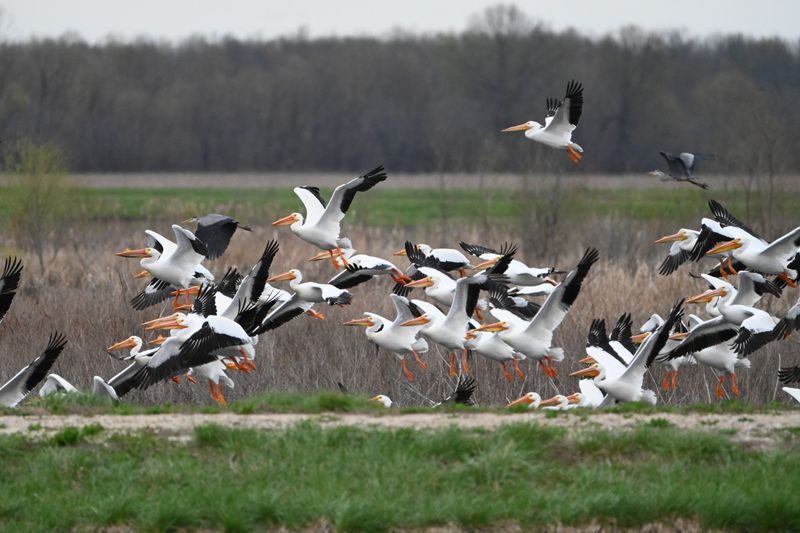
You can show up here expecting a quiet stretch of wetlands and end up watching thousands of birds move across the water.
This Missouri conservation area covers more than six thousand acres, and migration season is when it really comes alive.
Ducks and other waterfowl gather in huge numbers, especially during the busiest parts of spring and fall. The mix of marshes, open water, wooded areas, and old river channels gives them plenty of room to stop and feed.
Bald eagles often turn up too, which adds another reason to keep looking up. You do not need binoculars or a birding checklist to enjoy the place.
It is simply a peaceful Missouri stop that can suddenly feel very busy when the flocks roll in.
A Rest Stop For Birds On A Very Long Journey
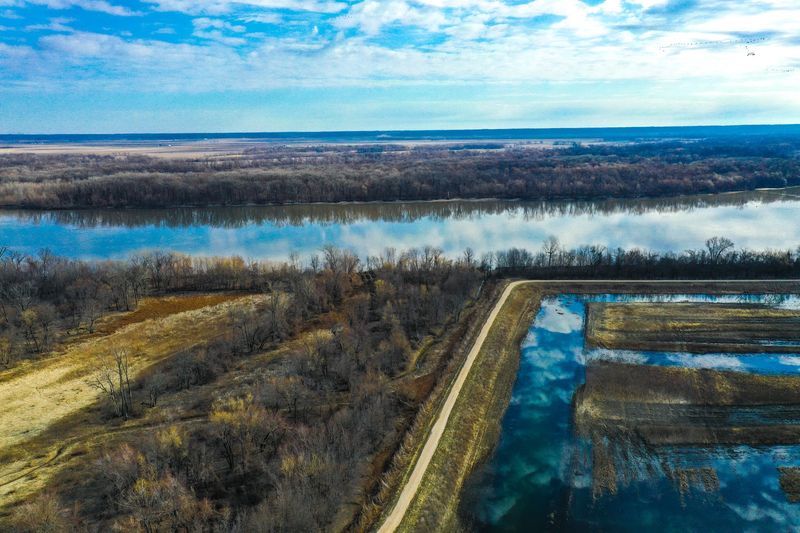
Picture a gas station, except it is a marsh and the customers have feathers and wings. That is honestly the simplest way to explain what this wetland does for migrating waterfowl every spring and fall in Missouri.
Birds flying those enormous routes cannot just power through without stopping, so they drop down into places like this one to eat, sleep, and build their strength back up. Ducks and geese show up in big pushes, and the numbers can swell dramatically when the weather up north turns and everything moves at once.
What makes the timing so fun is that it changes week to week, so no two visits look alike. You might catch open water packed with birds one trip and a quieter, more scattered scene the next.
If you want the best odds, aim for the shoulder seasons when migration is actually happening rather than the middle of summer. Early morning tends to be when things feel most active, and the light is nicer for watching anyway.
Bring binoculars, honestly. Even a cheap pair turns a distant gray smudge on the water into a raft of ducks you can actually identify and enjoy.
Where Exactly You Are Going And How To Find It
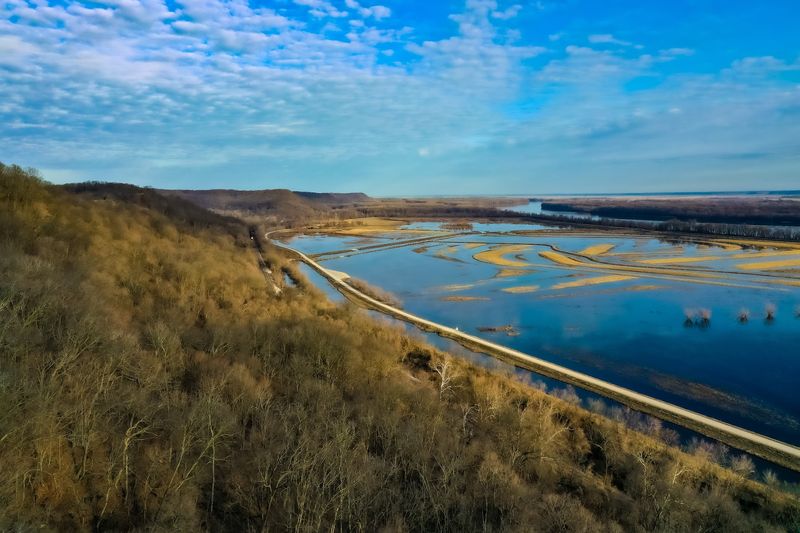
Let me save you the trouble of squinting at a map for twenty minutes. The place you are looking for is Ted Shanks Conservation Area at 3643 Highway TT, Ashburn, MO 63433, and once you plug that in you are set.
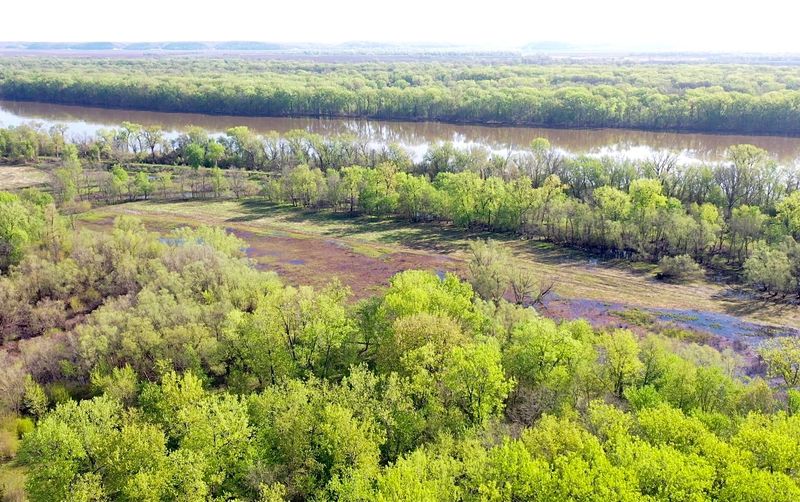
It sits in the northeast corner of the state, tucked into the spot where the Salt River meets the Mississippi River, which is a big part of why the birds like it so much. River junctions tend to create exactly the kind of wet, food-rich ground that waterfowl look for.
The roads out there are rural, so expect gravel in places and be a little gentle with your car. Cell service can get patchy, which is a reason to screenshot your directions before you leave town.
Fill the tank before you head out, because services thin out quickly once you are in that part of Missouri. Pack water and snacks too, since there is not a coffee shop waiting around the corner.
Give yourself more time than you think you need. Half the fun is the slow drive in, watching the landscape flatten out into marsh and timber.
More Than Just One Big Puddle Of Water
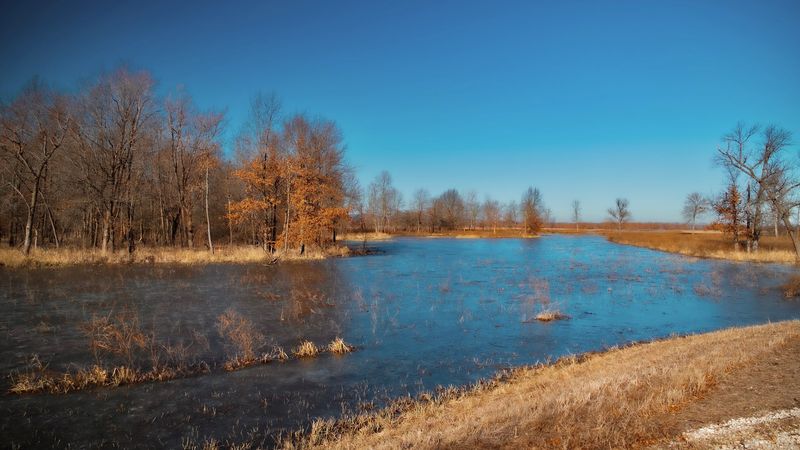
I will admit I pictured one enormous soggy field when I first heard about this area, and that is not really what is going on here at all.
The property is a patchwork, with bottomland hardwood timber in some stretches, open marsh in others, and emergent wetlands where plants poke up through shallow water. Then you add oxbow lakes, sloughs, old farm fields, and pockets of upland woods, and suddenly you have a whole mix of environments sitting side by side.
That variety is exactly why so many different animals show up. A duck wants something different from a songbird, and a songbird wants something different from a deer, so having all these habitats stacked together means a lot more species can find what they need.
For you as a visitor, it means the scenery keeps shifting as you move around, which makes a long outing feel less repetitive. One minute you are looking at shady timber, and the next you are staring across wide open water.
Wear boots you do not mind getting muddy. Wetland edges are unpredictable, and soft ground has a way of finding the one nice pair of shoes you brought.
The Unusual Birds Worth Getting Excited About
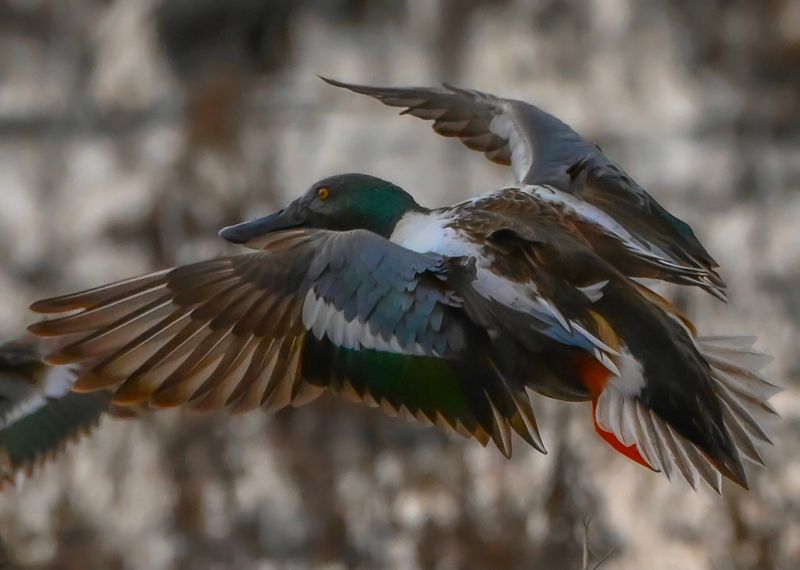
Ducks and geese get most of the attention, but the strange, secretive birds are the ones that make birders lose their minds a little.
Trumpeter Swans turn up here, and seeing one in person is a genuinely different experience from seeing a photo, because they are enormous. Least Bitterns and American Bitterns use the area too, and those birds are absolute masters at freezing in place among the reeds so you walk right past them.
King Rails and Common Moorhens also show up during migration or nesting stretches, which is not something you can say about most spots in Missouri. Rails especially are famous for being heard far more often than they are seen.
Patience is the whole game with these species. Standing still near a reedy edge and scanning slowly beats charging from one spot to the next, and you will notice movement you would have missed otherwise.
A field guide app or a small book helps a lot when you spot something odd and cannot place it. Half the joy is flipping through and going, oh, that is what that was?
Keep your voice low and give nesting birds plenty of room.
Bald Eagles Watching The Whole Show
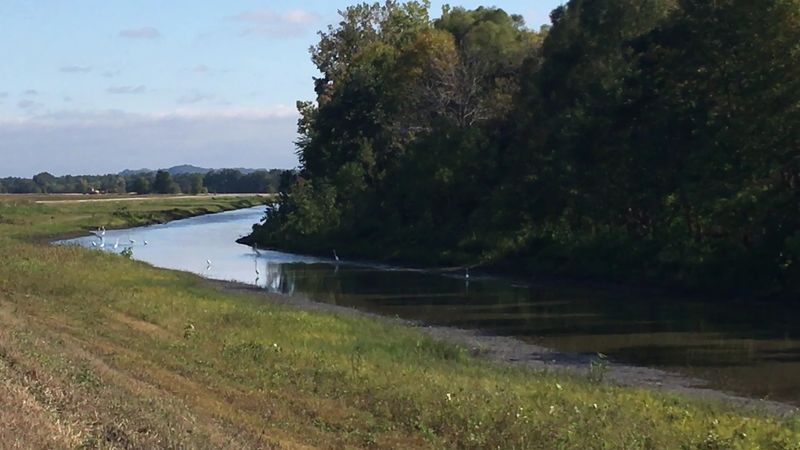
Here is something that makes total sense once you think about it. Where thousands of waterfowl gather, eagles follow, because a big concentration of birds means easy hunting and scavenging.
Bald Eagles are regularly around the conservation area, and the peak migration stretches are when your chances go way up. They like to perch high in bare trees along the water, which actually makes them easier to spot than you might expect once you train your eyes to look at treetops.
Winter tends to be strong for eagle watching in this part of the country, since open water draws both the ducks and the birds hunting them. Scanning the tree line slowly with binoculars usually works better than staring at the sky.
If you have kids with you, eagles are the hook that gets them interested in everything else out there. Something about that white head and the sheer size of the bird just lands differently than a distant flock of ducks.
Stay in or near your vehicle when you can, because eagles tolerate cars much better than people walking toward them. You will get longer looks that way, and you will not push the bird off its perch.
Taking The Self-Guided Auto Tour
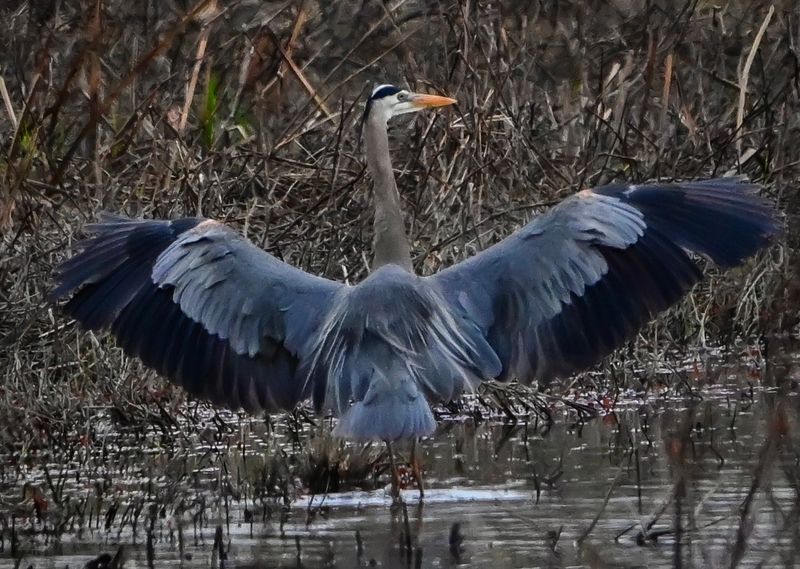
Not everybody wants to hike miles through mud to look at birds, and honestly, some days I do not either.
There is a self-guided auto tour route that winds through the area, which means you can cover a lot of ground and see a lot of wildlife without leaving your seat. Your vehicle doubles as a blind, since animals generally stay calmer around a slow-moving car than around a person on foot.
Drive it slowly and give yourself permission to stop often, because the whole point is scanning rather than getting somewhere. Rolling the windows down helps too, since you will hear flocks and calls long before you see anything.
Keep a camera within reach rather than buried in a bag. The good moments tend to happen fast, and digging around means missing them.
Road conditions can change with the weather, especially after heavy rain, so check current area information before you head out. Wet levee roads are no joke.
If you are traveling with someone who has trouble walking long distances, this tour is what makes the whole experience possible for them, and that is a pretty great thing.
Walking The Levees If You Want To Stretch
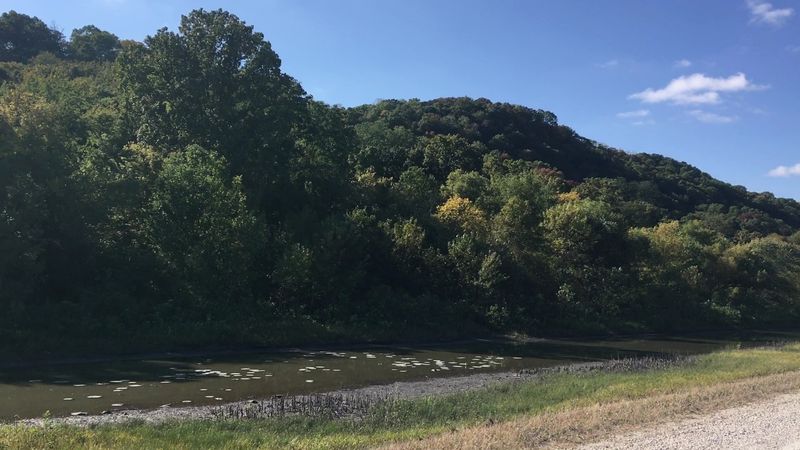
If sitting in a car all day makes you restless, good news, because there are miles and miles of levees here to walk.
Levees are raised earthen banks built to hold water in the managed wetland pools, and they happen to make excellent walking paths. You get elevated views over the marsh on both sides, which is exactly what you want when you are trying to spot birds sitting low on the water.
There is also a trail designed to be accessible for visitors with disabilities, which is a genuinely thoughtful addition and worth knowing about if mobility is a consideration for anyone in your group.
Bring layers, because wetlands get windy and there is very little to block it out there. A hat helps in both sun and cold.
Watch your footing on the levee edges, especially when the grass is wet, since the slopes can be slicker than they look. Slow and steady is the way.
Go early if you can. Morning light across the marsh in Missouri is the kind of thing that makes you stop walking entirely and just stand there for a minute.
Sleeping Outside With Almost Nothing Around
Thinking about turning this into an overnight thing instead of a day trip? There are primitive campsites here, and primitive really does mean primitive.
You are looking at basic sites without the amenities you would find at a developed campground, so you need to arrive prepared with your own water, food, and everything else. Pack it in, pack it out, and leave the spot looking better than you found it.
The payoff is that the sounds change completely after dark out there. Frogs, owls, and distant flocks moving around create a soundtrack you simply do not get at a busy campground with generators humming.
Night skies in rural Missouri can be genuinely impressive when the clouds cooperate, so bring a blanket and give yourself time to just look up.
A headlamp beats a handheld flashlight when you are setting up in the dark, and a spare set of batteries is never a bad idea.
Check area rules and current conditions ahead of time, since seasonal management activity and weather can affect access. A quick look before you drive out saves you from a long, disappointing turnaround.
The Long History Buried Under All That Marsh Grass
Before any of this was a conservation area with levees and auto tour routes, it was ground that people had been using for a very long time.
The land here once served as hunting territory and a battleground for the Sac and Fox and the Osage, which puts a completely different weight on the landscape when you are standing there looking at it. River junctions have always drawn people, for the same reasons they draw birds, which is food, water, and travel routes.
Knowing that history changes how a place feels. You walk a levee and realize the marsh in front of you has been feeding people and wildlife for generations upon generations.
The area is named for a figure connected to conservation work in the state, and the whole property is now managed with wetland restoration and wildlife in mind.
If you like this kind of background, reading a little about the region before you visit makes everything you see land harder. Context turns a pretty view into a story.
Take a minute somewhere quiet and just think about how many seasons of birds have come through here. It is a lot to sit with.
