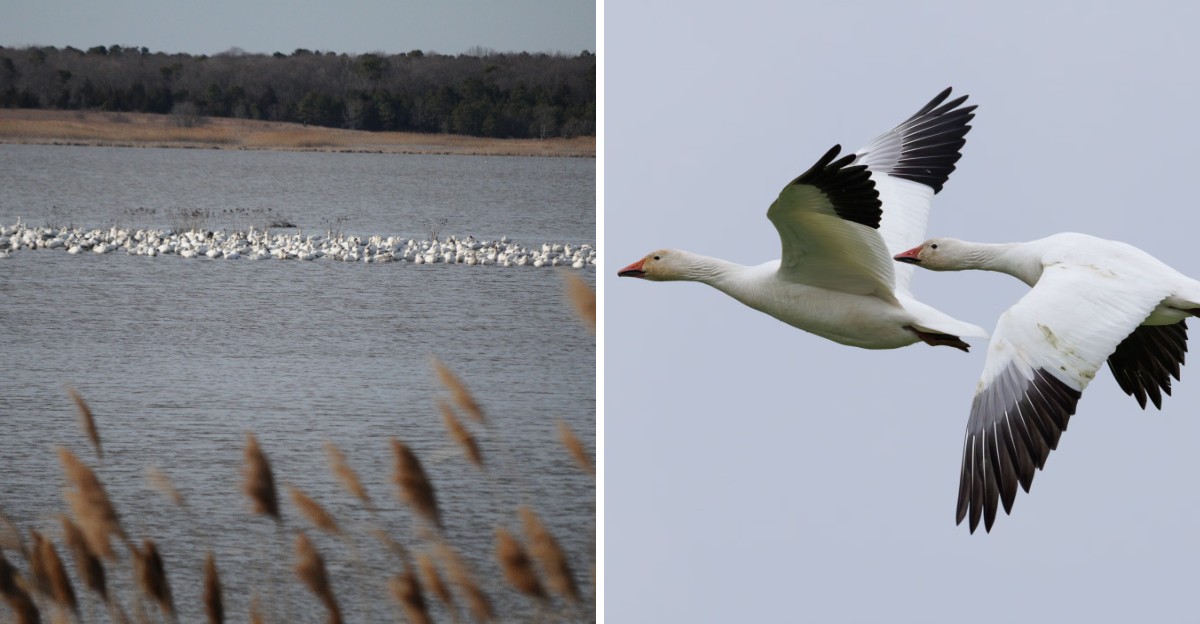
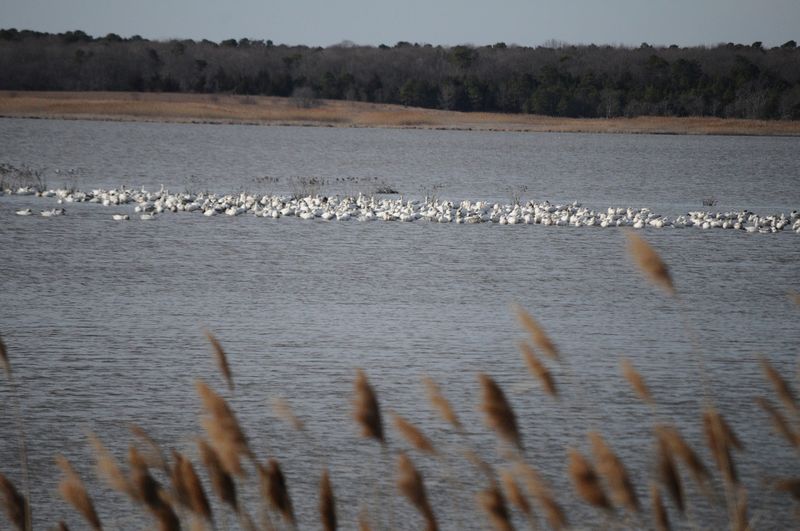
Tens of thousands of snow geese can blanket the marsh here so thickly that the ground looks like it snowed. Then they lift off together, and the whole sky turns white and noisy.
Yeah, I’m definitely looking twice at that. The best part is you can watch the show from your car seat, heater running.
This spot sits along the southern New Jersey coast, right on a major bird highway called the Atlantic Flyway. More than 322 bird species have been recorded here, so the geese have plenty of company.
What gets me is the price of admission. It costs less than a fancy coffee to roll through a scene that looks borrowed from a nature documentary.
I’d absolutely make a detour for that.
The Snow Geese Steal The Whole Winter Show
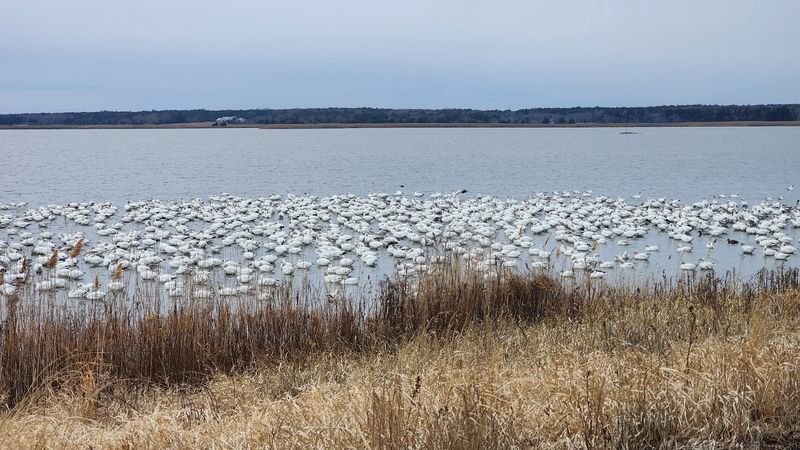
Thousands of snow geese pour into Edwin B. Forsythe National Wildlife Refuge every fall.
They stick around through the winter, turning brown marsh into a field of white feathers.
Peak viewing usually lands in November and December. Still, the birds often show up from October through February, and January brings plenty of sightings too.
When the flock is settled, the ground really can look like fresh snow. Then something spooks them, and tens of thousands of wings beat at once.
That liftoff is the moment worth waiting for. The sky fills with white bodies, black wingtips, and a racket that sounds like a giant crowd cheering.
Patience pays off here. The geese move around the refuge, so a quiet pool one hour might be packed the next.
Bring binoculars and a warm hat for any stops outside the car. Coastal wind in winter doesn’t play around, even on sunny days.
A camera with a decent zoom helps too. The flocks can be close, but they can also settle far across the water.
Honestly, even a phone video of the takeoff will make your friends jealous. Few winter sights in New Jersey come close to this one.
Your Car Becomes The Best Bird Blind In Town
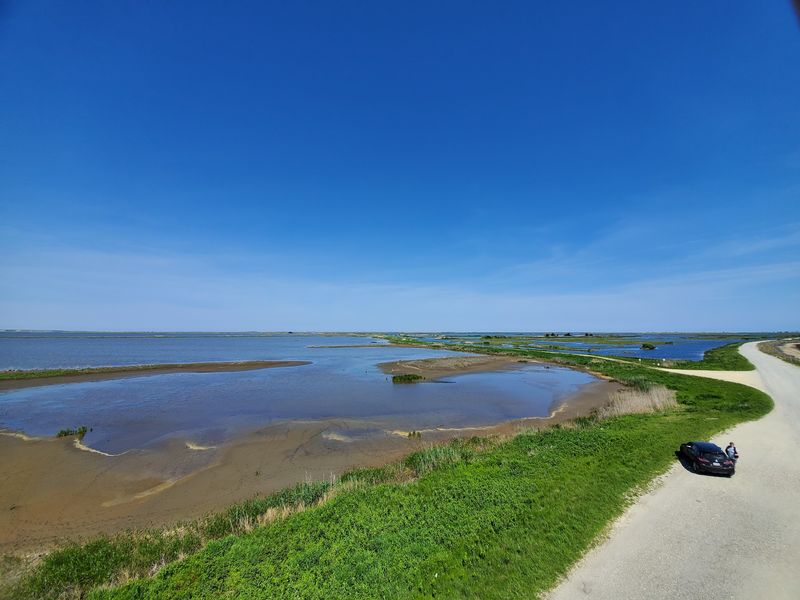
Eight miles of gravel make up the famous Wildlife Drive. It’s a one-way, unpaved loop that winds through wetlands and woodlands.
At about 15 mph, the full trip takes around 45 minutes. Most bird lovers stretch it much longer, because stopping is half the fun.
Here’s why the car works so well. Birds often stay calmer around a parked vehicle than around a person walking up on foot.
That means snow geese can be watched without much fuss. Roll down the window, raise the binoculars, and stay put.
Little Blue Goose signs mark the route, so getting lost isn’t really an option. The loop also passes pullouts where faster drivers can slip by.
Want a guide riding shotgun? The Friends of Forsythe offer a 20-minute audio tour that adds stories and facts along the way.
One fair warning about the road itself. It’s unpaved, so drive gently and watch for rough patches after wet weather.
Also check before heading out. The drive can close at times for wildlife management, and nobody wants a wasted trip.
Winter is the sweet spot for this ride. Bugs are gone, the geese are in, and the heater keeps everyone happy.
Climb Up High And Let The Marsh Spread Out Below
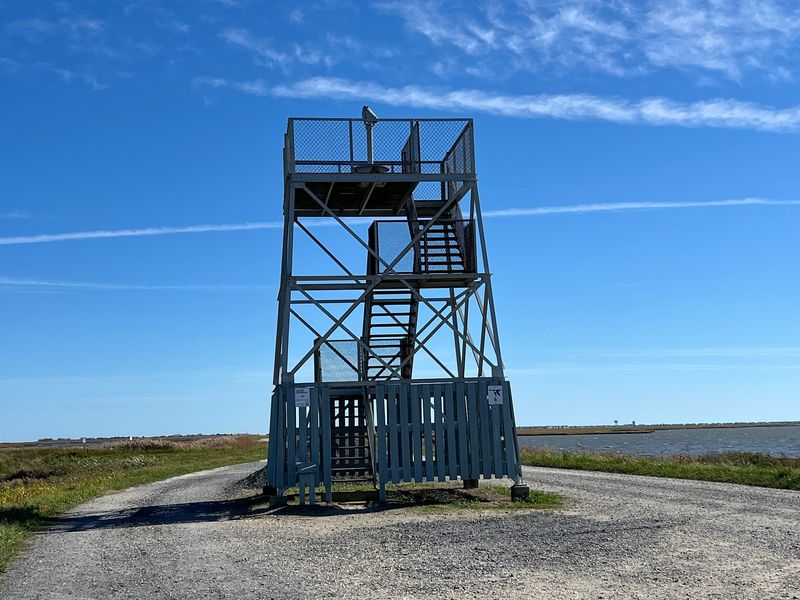
Height changes everything in a flat marsh. The refuge has two observation towers and one observation deck, and some come with spotting scopes.
Those scopes are a big deal for beginners. They pull distant birds close enough to spot a beak, a wing pattern, or a sleeping duck.
Gull Pond Tower is one of the standouts. It looks out into the marsh and also gives views into parts of the tree canopy.
Some of these lookouts can be seen right from the Wildlife Drive. Pull over, climb up, and suddenly the whole landscape makes more sense.
From above, the pools and channels form a giant watery map. Flocks of geese look like white islands floating on the scene.
On clear days, the skyline of Atlantic City shows up on the horizon. Casino towers beyond a wild marsh is a pretty funny combo.
Wear layers before climbing in winter. The breeze up top can feel sharper than it does in the parking spot below.
Gloves help too, especially for working binoculars. Cold fingers and focus wheels are not best friends.
Three Pools Keep The Birds Coming Back
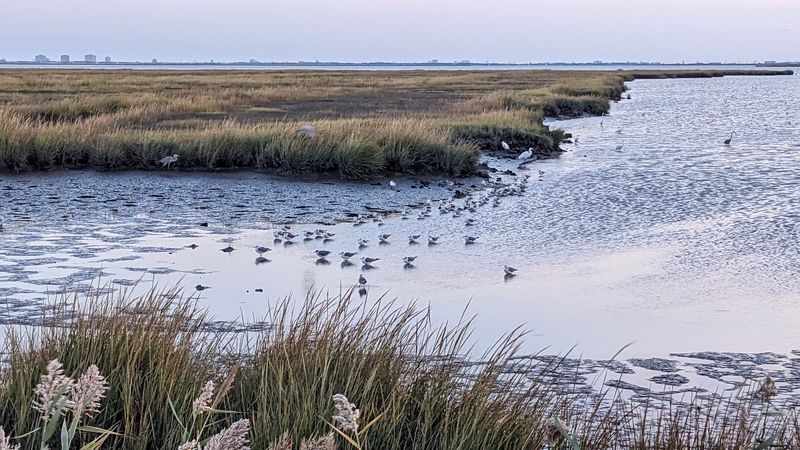
Water is the magnet that pulls everything in. Along the Wildlife Drive, three separate pools hold either fresh or salt water.
Their names sound like a roll call. There’s Vogt Pool North, Vogt Pool South, and Danzenbaker Pool, also called the East Pool.
Mixing fresh and salty water matters more than it seems. Different birds prefer different conditions, so variety brings a bigger crowd.
These pools didn’t just appear by luck. They’re impounded marsh areas, created with dikes to support a wider range of wildlife.
That clever setup works all year. In winter, ducks and geese gather, while warmer months bring wading birds and shorebirds.
The drive runs right along the edges, so the birds feel almost close enough to count. Almost being the key word with tens of thousands of geese.
A simple trick helps here. Scan slowly from one end of a pool to the other instead of jumping around.
Odd shapes, a different color, or a lone bird apart from the flock often turn out to be something special. A field guide in the cup holder makes the hunt more fun.
Bald Eagles Like To Crash The Goose Party
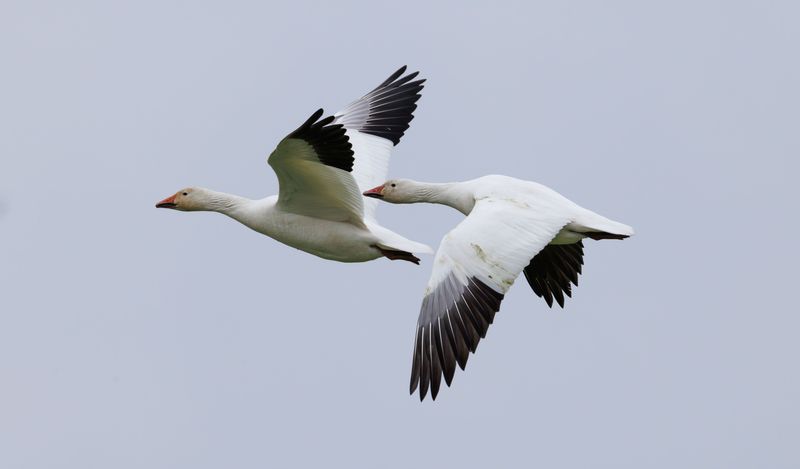
Snow geese get top billing, but they aren’t the only stars. Bald eagles use refuge habitat along the Mullica River and hunt over the impoundments.
Spotting that white head is always a thrill. And when an eagle cruises low, the goose flock often bursts into the air.
So a sudden takeoff might mean more than wind or traffic. Look up, because a raptor could be the reason.
The refuge sits on the Atlantic Flyway, a major route for migrating birds. Over 322 species have been recorded here, which is a jaw-dropping list.
Winter brings plenty of ducks along with the geese. Warmer seasons swap in herons, egrets, ospreys, and shorebirds.
Birds aren’t the whole story either. White-tailed deer, wild turkeys, muskrats, otters, and mink also call this place home.
An otter sliding through a channel is a lucky sight. Keep scanning the water edges, not just the sky.
Here’s a fun bit of history. This refuge was named a Wetland of International Importance under the Ramsar Convention, a global honor for wetlands that matter.
Stretch Your Legs On Trails Through Pines And Marsh
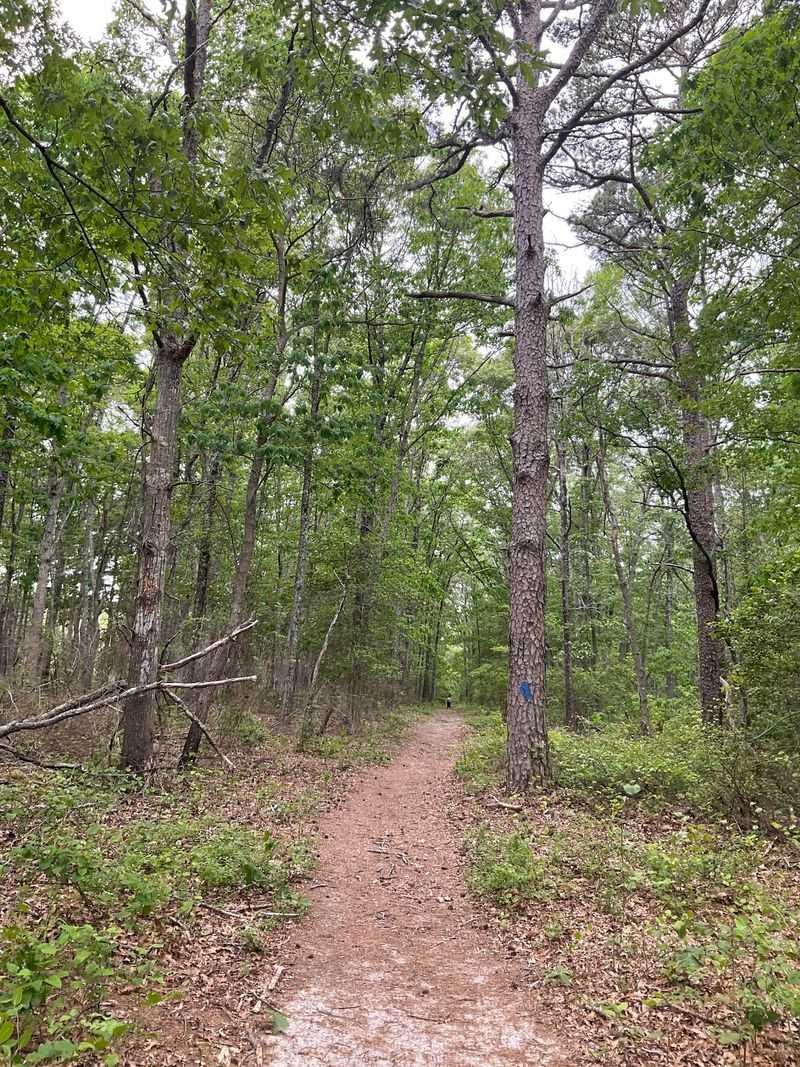
Sitting in a car gets old, even with geese outside. Luckily, more than 8 miles of hiking trails wind through the refuge.
Akers Woodland Trail is the quick one at just a quarter mile. It loops through native woods, perfect for little legs or chilly hands.
Jen’s Trail is a 0.75-mile loop with views across the refuge. Leeds Eco-Trail starts right where the Wildlife Drive begins.
For a longer walk, Bristow Trail, formerly known as Songbird Trail, covers approximately 2.7 miles. It moves through several upland habitats, so the scenery keeps changing.
Nearly 5,000 acres of the refuge are woodland. Pitch pine, oaks, and white cedar give these paths a very different feel from the open marsh.
Some trails lead to observation decks and wildlife blinds. Blinds let you watch birds without being noticed, like a polite spy.
Pets are allowed on certain trails, so check before bringing a dog. Keeping animals leashed helps the wildlife stay relaxed.
Winter hiking has a bonus. Biting insects show up from mid-May through mid-October, so cold months are blissfully bug-free.
Warm Up And Get Smart At The Visitor Center
Smart birders start indoors. The Visitor Information Center sits at 800 Great Creek Road, Oceanville, NJ 08231, and it opened on April 16, 2011.
Inside, a gallery offers hands-on displays and a video area. Kids can learn what they’re looking at before the real hunt begins.
Volunteers are usually around to answer questions. They share updates on trails and recent wildlife sightings, which can save a lot of guesswork.
New to birding? The Friends of Forsythe Gift Shop lends binoculars and field guides to beginners, which feels wonderfully generous.
The shop also sells books, field guides, and nature-themed gifts. A goose souvenir seems almost required after this trip.
There’s a water bottle refilling station too. Fill up here, since the drive itself has no facilities.
Outside, a native plant garden wraps around the building. It’s a nice little preview of the wild landscape ahead.
Timing matters. The center is open Wednesday through Sunday from 10 a.m. to 2 p.m. and closes on federal holidays, while trails and the drive run sunrise to sunset daily.
A Congressman’s Name Rides On 48,000 Wild Acres
Two refuges once stood apart here. Brigantine was established in 1939, and Barnegat followed in 1967.
In 1984, they joined forces under one name. The new refuge honored Congressman Edwin B.
Forsythe, a New Jersey conservationist.
Today, Edwin B. Forsythe National Wildlife Refuge covers more than 48,000 acres.
It stretches about 50 miles along the Atlantic coast of southern New Jersey.
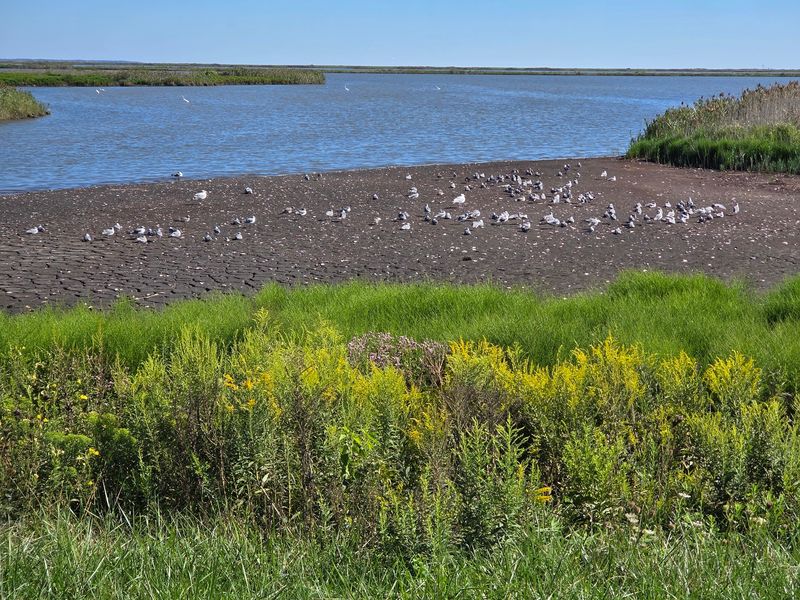
That’s a lot of room for wings. Most of it, somewhere between 82 and 90 percent, is tidal salt marsh mixed with shallow coves and bays.
Salt marsh might look plain from the road. In reality, it’s a buffet for birds, packed with food that fuels long migrations.
Snow geese depend on spaces like this through the cold months. Without protected marsh, that famous white blanket wouldn’t have a place to land.
So each visit connects to a much bigger story. The refuge serves as a vital rest stop for birds traveling the Atlantic Flyway.
Pretty impressive work for land that mostly just sits there looking calm. Quiet heroes count too.
Cheap Entry, Smart Timing, And A Few Handy Tips
Good news for wallets: the entrance fee here is tiny. It covers both the Wildlife Drive and the connected trails.
Passes can be bought at the Visitor Information Center or online. Onsite purchases take cash or check only, so stash some bills in the glove box.
Self-pay envelopes sit at fee stations near the center’s parking lot and the drive entrance. Annual and lifetime passes work here, and so does the Federal Duck Stamp.
For geese, aim for November or December. Arriving early in the day leaves plenty of daylight to linger, since gates follow sunrise to sunset hours.
Restroom options are limited, and the loop has none. Plan a stop before rolling onto the gravel.
Pack snacks and water too. Once the geese start moving, nobody wants to leave for a sandwich.
Call ahead or check online before driving out. Closures sometimes happen for wildlife management.
Then just slow down and enjoy it. A frosty morning, a full tank, and a marsh full of geese is a winter plan that’s hard to top in New Jersey.
