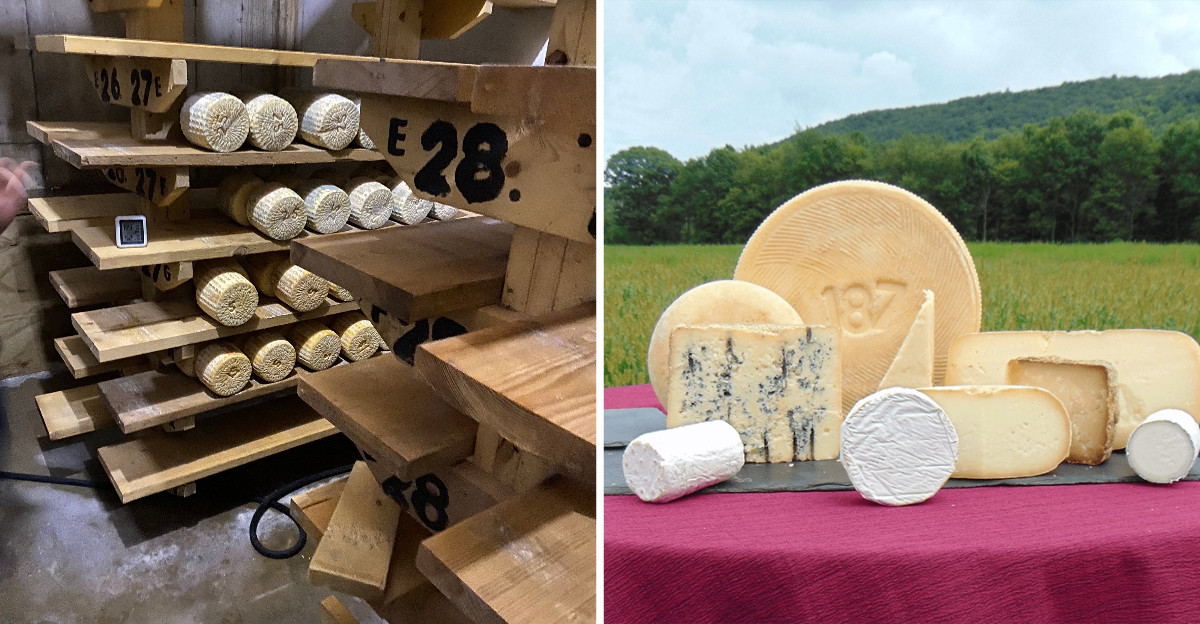
One Pennsylvania cheese shop offers 19 artisanal cheeses alongside fruit spreads, mustards, and honey, with guided tastings that introduce visitors to the flavors behind the farm’s products. That’s a lot of decisions before lunch.
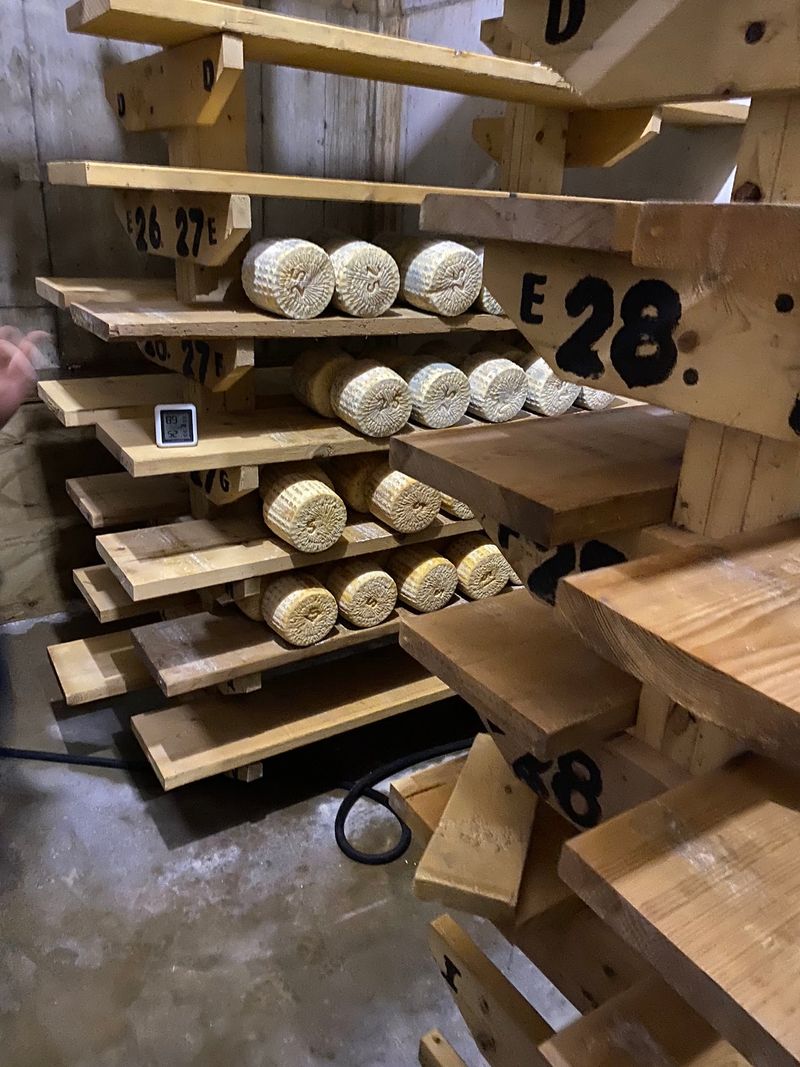
The real magic happens below ground. Wheels of cheese rest in cheese caves, aging slowly on wooden shelves.
One award-winning sheep’s milk cheese spends an incredible 18 months aging underground before it’s ready to eat.
I like how this family-run spot in central Pennsylvania treats patience like a secret ingredient. Nothing here feels rushed.
The cheeses are made in small batches with European-style methods and Amish roots.
Visitors can learn how the cheeses are made, sample different varieties, and see how traditional aging methods shape their flavors. It’s a surprisingly fascinating look at how much work goes into something that eventually ends up on a cracker.
The Caves Are Where the Real Work Happens
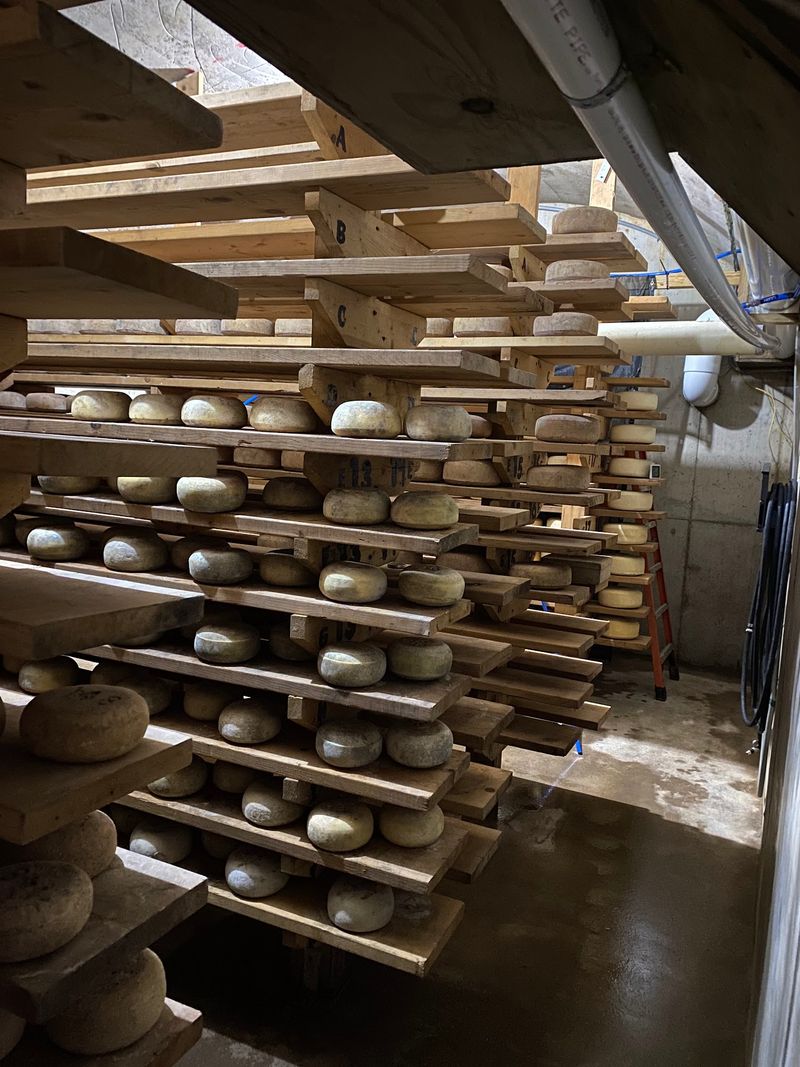
Down in the caves, cheese gets the one thing a factory line can’t give it: time. Goot Essa ages its handmade cheeses underground, letting nature handle much of the flavor work.
The farm’s approach is simple and a little old-fashioned. Owner John Esh puts it plainly: don’t rush the process, and let nature lead.
Wooden shelves hold the wheels while they slowly change. Cave aging gives cheese a steady, cool home where flavor builds week by week.
That steady home matters more than you might expect. Cheese is a living food, and small shifts in its surroundings shape how it tastes later.
Goot Essa calls its products cave-aged, European-style cheeses. Think of the methods used in old cheese regions across Europe, brought to a farm in central Pennsylvania.
The result is a lineup that feels crafted rather than mass-produced. Every wheel spends its quiet months below ground before it ever reaches the shop counter.
Here’s a helpful tip for your visit. Ask about how long each cheese has aged, because the answer often explains the flavor in your mouth.
Young cheese and long-aged cheese can taste like completely different foods. Once you know the timeline, the tasting becomes a lot more fun and a lot more interesting.
Take the Cave Tour Before You Start Snacking
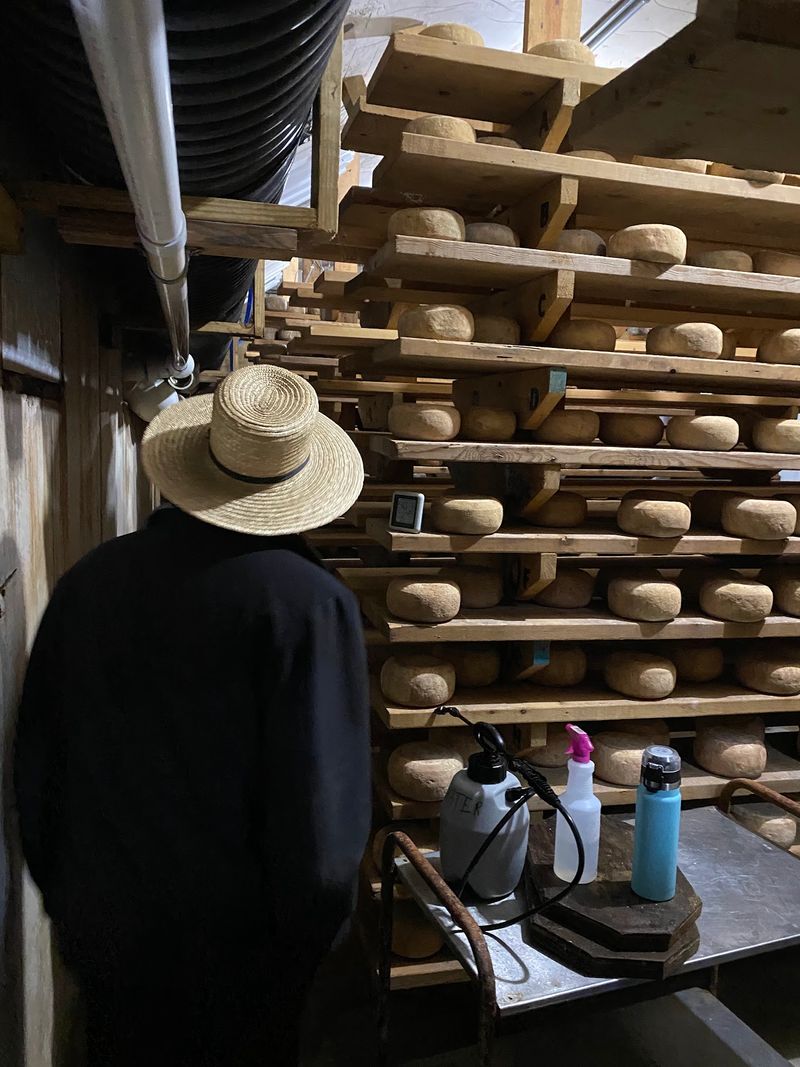
Tours come first for a reason. Learning how the cheese is made makes every sample afterward taste more meaningful.
Goot Essa offers guided cheese cave tours that walk you through the cheesemaking and cave-aging process. You’ll see the production room and get a look at where the wheels rest.
The team clearly takes cleanliness seriously. The cheesemakers treat a spotless workspace as part of making quality cheese, not an afterthought.
Guides explain each step in plain terms, so you don’t need a food science degree. Curious kids and cheese newbies can follow along just fine.
Got questions? Bring them along, because the staff enjoys sharing what they’ve learned about cave-aged cheese and how flavors develop.
Families, couples, and big groups all fit right in. The experience works for anyone who has ever wondered how milk turns into a wedge of something amazing.
A practical tip: give yourself plenty of time. Pairing the tour with a tasting turns a quick stop into a real outing.
Cave tours must be scheduled in advance and cost $15 per person for small groups, with at least four participants recommended. Each tour includes samples, while more extensive tastings may require separate arrangements.
Showing up earlier in the day leaves room to wander, taste, and shop without watching the clock. Your future cheese board will thank you for the extra minutes.
Nineteen Cheeses Walk Into a Tasting Room
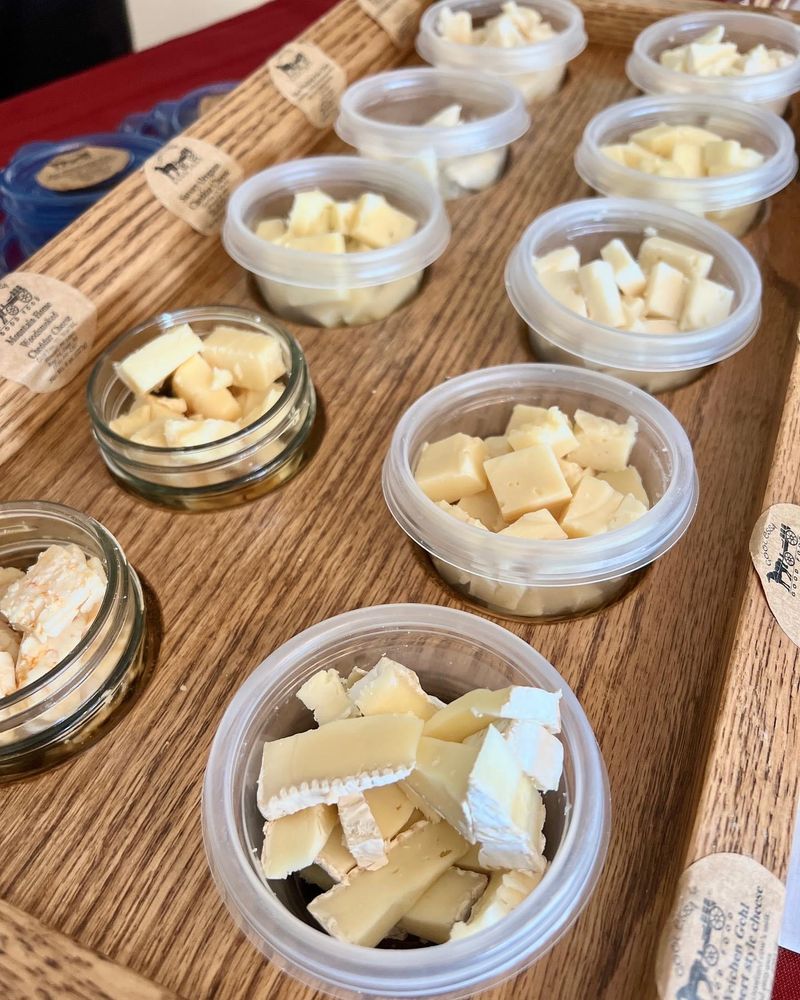
Nineteen cheeses. Five jams.
Four mustards. Honey too.
That’s the sampling lineup John Esh has described at Goot Essa, and it’s a lot of happy chewing.
The tasting is guided, so you learn about each cheese as you go. Staff talk you through the flavors and suggest pairings that bring out the best in every bite.
Pairings are where things get playful. A sweet fruit spread next to a sharp cheese can change how both taste.
Mustard works a similar trick with milder cheeses. It adds a little kick and makes you notice flavors you’d miss on their own.
Don’t feel pressure to love everything. The goal is finding your favorites, and with this many choices, odds are good you’ll find several.
Here’s a smart strategy. Start with milder cheeses and work your way toward the stronger, older ones so your taste buds don’t get overwhelmed.
Sip water between bites to keep things fresh. It helps each new cheese stand out instead of blending into the last one.
Jot down names you like on your phone. Some cheeses have Pennsylvania Dutch names that are easy to forget after the fifth sample.
Picky eaters are welcome too. A tasting like this has a funny way of turning cheese skeptics into fans.
Felsa Yehr Earned Its Gold the Slow Way
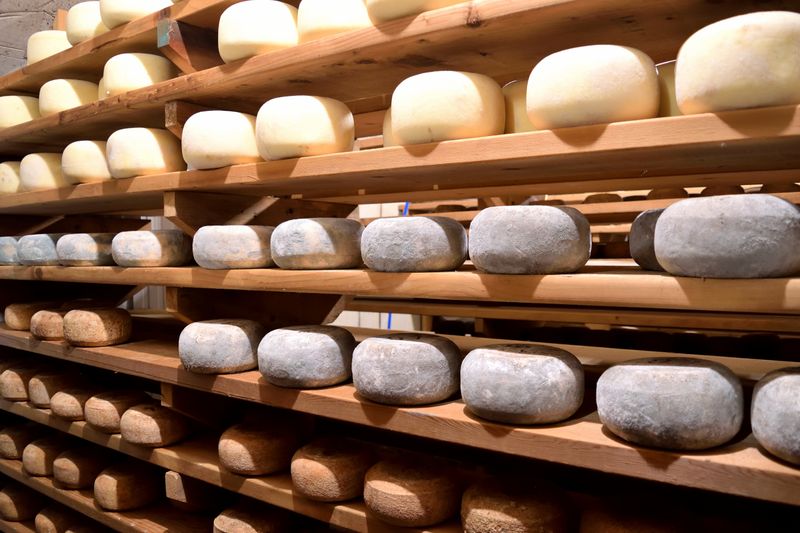
Gold medals don’t usually come from rushing. Felsa Yehr, Goot Essa’s award-winning Manchego-style sheep’s milk cheese, spends 18 months aging in the caves.
In 2025, it earned first place in its category at the American Cheese Society competition.
The cheese is a Manchego-style creation, a type with roots in Spain. Manchego is traditionally firm and full of nutty, rich flavor.
Goot Essa has earned recognition for its cheeses, and Felsa Yehr carries a gold medal win. That’s a big deal for a small, family-made operation.
The name itself is fun to say. Many of the cheeses here carry Pennsylvania Dutch names, a nod to the founder’s Amish heritage.
Wondering how to serve it? Firm aged cheeses like this shine on their own, cut into thin slices or small chunks.
Pair it with a sweet fruit spread for a classic salty-sweet combo. A drizzle of honey works wonders too.
Let it sit out a bit before eating. Cheese straight from the fridge hides its flavor, so give it some time at room temperature.
This is a good cheese to share with someone who thinks all cheese tastes the same. One nibble usually ends that argument fast.
Ask the staff about its story during your tasting. Knowing that a wheel spent a full year and a half aging underground makes every bite feel earned.
Soft, Blue, Goat, and Sheep All Share the Spotlight
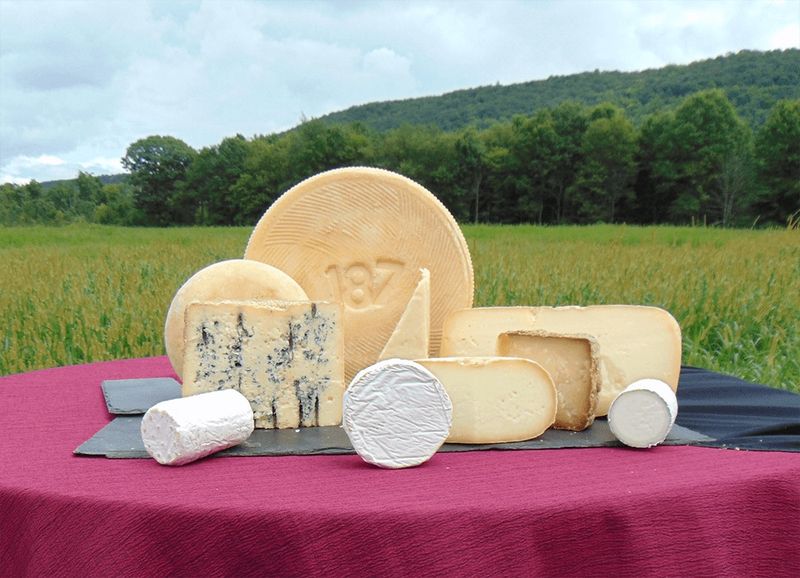
Cheddar lovers get plenty of attention here, but the variety goes much further. Goot Essa makes both Brie-style and Camembert-style soft cheeses, plus a bleu called Der Edle Bleu.
Soft cheeses bring a creamy, spreadable side to the lineup. They’re perfect on crackers or warm bread.
Blue cheese fans have a reason to cheer too. Der Edle Bleu brings the bold, tangy flavor that makes blue cheese so memorable.
The shop also carries cheeses made from sheep and goat milk. Different milks create different flavors, so these add even more range.
One goat cheese, Alt Medisher, has even found its way onto homemade pizza. That’s a fun idea for your next family pizza night.
Not sure where to start? Mix textures on your cheese board, picking one soft, one firm, and one blue.
That simple formula makes any board look thoughtful. It also gives everyone at the table something they’ll enjoy.
Blue cheese tastes great with honey, which is also available to sample at the shop. The sweet and salty contrast is hard to beat.
Soft cheeses ripen over time, so ask staff how soon to enjoy yours. Timing makes a big difference with creamy styles.
An Amish Story Sits Behind Every Wheel
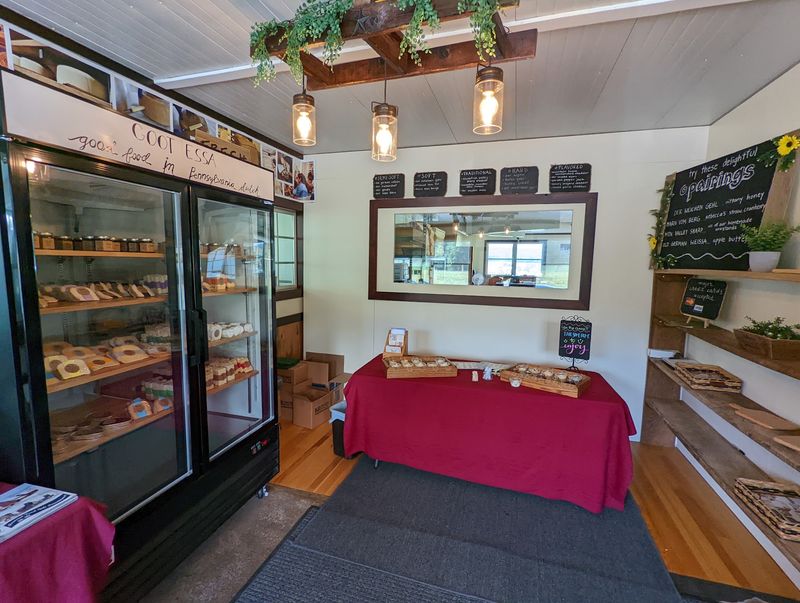
Heritage shapes everything at this farm. Goot Essa was founded by John Esh, and its Amish roots remain a big part of who the business is.
The name itself comes from Pennsylvania Dutch. Many of the cheese names follow that tradition, which adds a playful puzzle to reading the labels.
John has shared that the team works to carry Amish values into the way the business runs. That shows up in the care and patience behind the products.
Small-batch cheesemaking is the heart of the operation. Making cheese this way takes more time and attention than big factory methods.
Picture how much easier it would be to cut corners. Choosing the slow route says a lot about the people behind the counter.
John often leads tastings himself, sharing his love for cheese with visitors young and old. Introducing new flavors to curious guests is clearly something he enjoys.
The staff, including the tour guides, share that same enthusiasm. Their knowledge makes the visit feel personal instead of scripted.
Want a deeper visit? Ask about the farm’s story during your tour or tasting.
Hearing how tradition and craft come together makes your cheese taste even better at home. Food always means more when you know the hands behind it.
Your Cheese Board Needs These Sidekicks
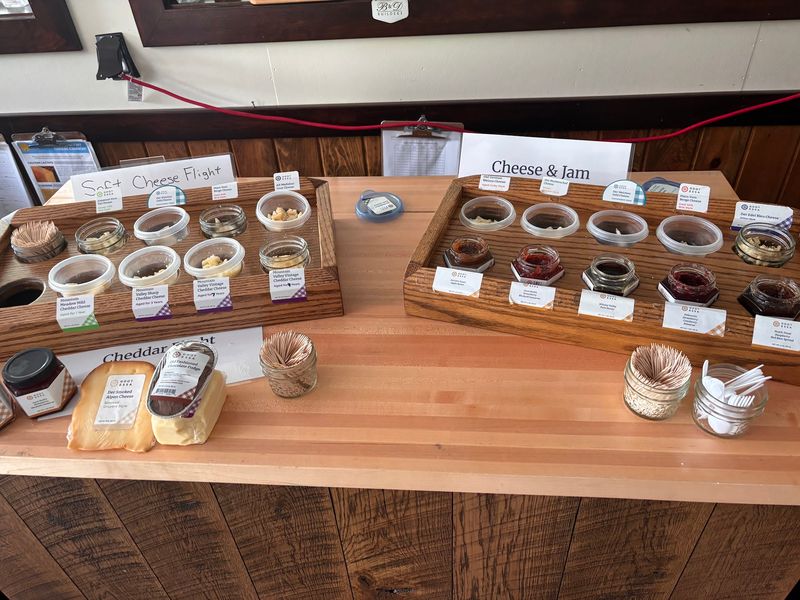
Cheese rarely travels alone, and the shelves at Goot Essa prove it. The shop offers fruit spreads, mustards, and honey designed to pair with the cheeses.
Fruit spreads are a crowd favorite during tastings. Their sweetness balances salty, sharp cheeses in a way that feels almost magical.
Mustards bring a zippy contrast. A little dab on a mild cheese wakes up the whole bite.
Salami has also shown up in tastings, making it easy to imagine building a full snack board. Cheese, meat, and spreads make a simple, crowd-pleasing spread.
Here’s a practical tip for building your own board at home. Pick one sweet spread, one mustard, and honey, then add three or four cheeses.
Add crackers, sliced bread, and fresh fruit, and you’re done. It looks fancy but takes about ten minutes.
These sidekicks also make great gifts. A jar of fruit spread tucked next to a wedge of aged cheese feels thoughtful and personal.
Taste the pairings during your visit before buying. The staff can point you to combinations that match the cheeses you love most.
Leaving with just cheese feels incomplete once you’ve tried the pairings. Good luck walking past those jars empty-handed.
The Scenic Drive Is Part of the Fun
Road signs have led plenty of curious drivers straight to the cheese. Goot Essa sits at 351 Wise Rd, Howard, PA 16841, in the countryside of Centre County.
The farm makes an easy, scenic trip from State College. That makes it a handy stop for Penn State visitors and families exploring Happy Valley.
Rolling Pennsylvania farmland surrounds the area. The drive itself feels like a relaxing break from busy town life.
Timing matters, so plan ahead. The shop is open Monday through Saturday, 8 AM to 5 PM, and closed Sundays.
Bring a cooler if you’re driving far. Cheese travels much better when it stays cool on the ride home.
Can’t make the trip often? Goot Essa also sells its cheeses online, so you can restock your favorites after your visit.
Pair your stop with other plans in Centre County for a full day out. A morning of cheese makes any afternoon better.
Leave extra time instead of squeezing the visit between errands. A tour, a tasting, and shopping deserve a relaxed pace.
Pennsylvania has plenty of farm stops, but few come with underground caves full of aging cheese. That alone makes this drive worth taking.
